Some places look impressive in photos, then quietly rearrange your expectations the second you see them in person. That happened to me here, where a century-old house in Grand Rapids somehow feels both carefully composed and warmly human, with surprises tucked into the glass, the light, and even the floor plan.
The biggest surprise is not just that it is beautiful, but how completely it was brought back to life after years of change. Keep reading and I will show you why this restoration feels so unusually complete, what makes the tour worth planning ahead for, and which details kept pulling my eyes back for a second look.
The address that starts the story
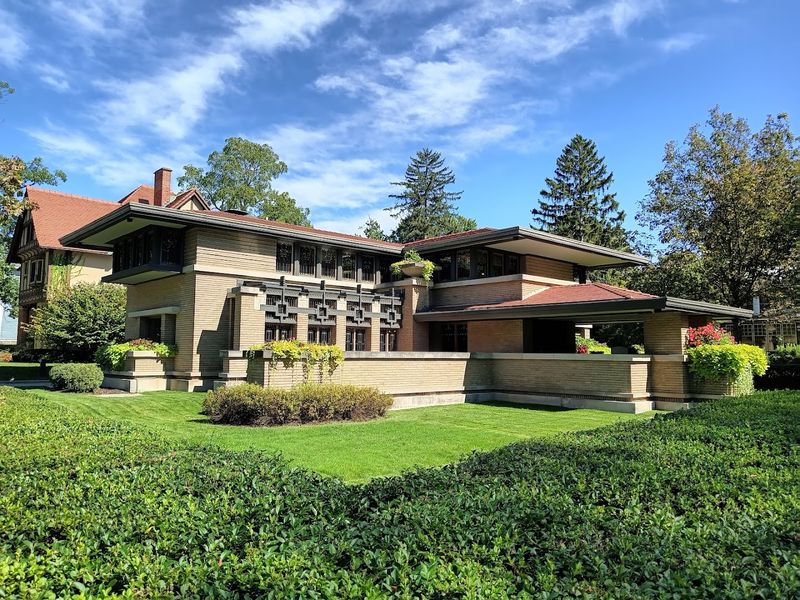
The first thing I want you to know is exactly where this experience begins: Meyer May House, 450 Madison Ave SE, Grand Rapids, MI 49503, in the United States. Seeing that address on a reservation confirmation felt ordinary, but the house behind it is anything but ordinary.
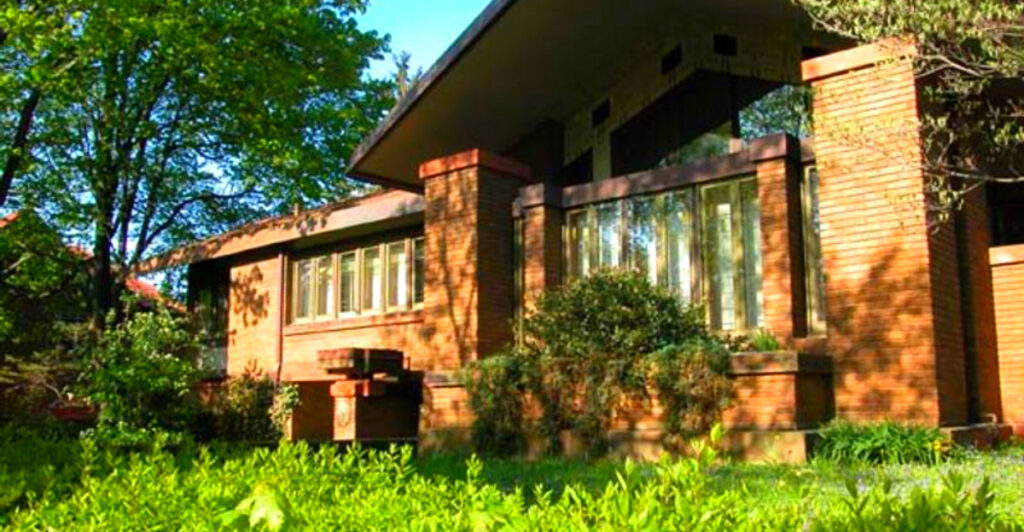
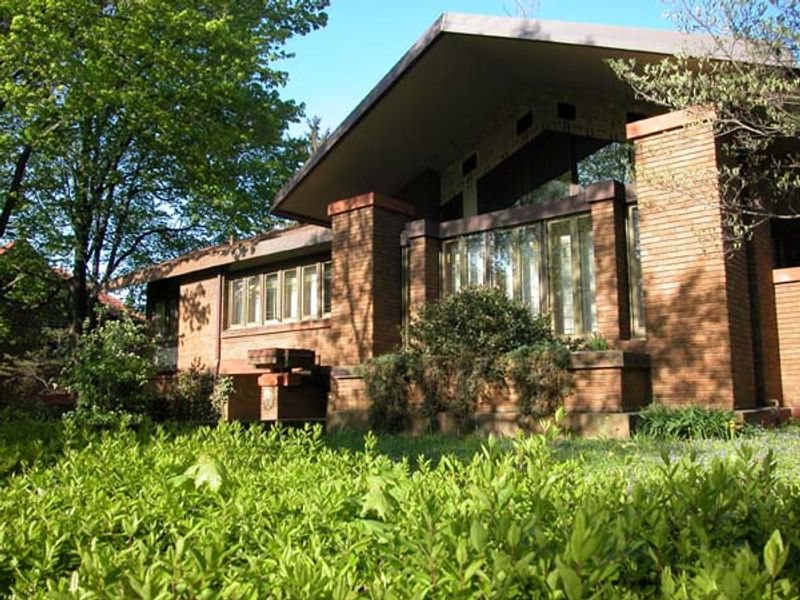
In a city neighborhood setting, the low horizontal lines and disciplined geometry immediately announce that this is Frank Lloyd Wright in full conversation with space, light, and daily life.
I liked that the home does not rely on grand distance for impact. It sits close enough to the street to feel part of Grand Rapids, yet distinct enough to stop casual walkers mid-step.
Even before the tour starts, the exterior hints at a design mind that cared deeply about proportion and quiet drama.
That first impression matters, because everything inside builds on it. The closer I looked, the more the restoration began revealing its real magic, which is where the next surprise enters.
Why the restoration feels almost unreal
Plenty of historic homes claim to be restored, but this one made me rethink what that word can really mean. Completed in 1909 and later altered, the house underwent a meticulous restoration led by Steelcase beginning in 1985, and the result feels unusually thorough rather than merely polished.
I kept noticing how the work honored Wright’s original intentions instead of turning the place into a cleaned-up stage set.
The scale of that effort becomes more impressive the more you learn. A 1922 addition was removed, the roof was rebuilt, more than one hundred windows and skylights were repaired, the enclosed veranda was reopened, and even the Niedecken mural received careful attention.
Those facts could sound dry on paper, yet in person they create a feeling of coherence that is hard to fake.
What stayed with me most was the sense that nothing had been restored halfway. Every room suggests patience, restraint, and a deep respect for design, and that makes the next section of the visit land even harder.
A Prairie house with serious stage presence
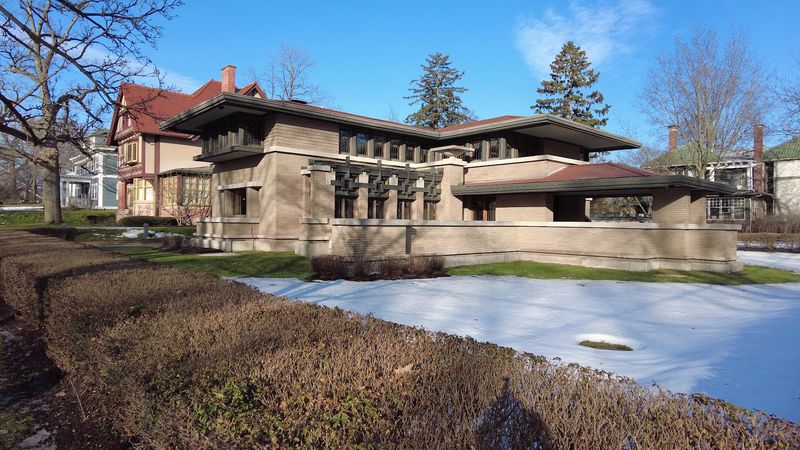
Before I focused on furniture or history, the architecture itself did the heavy lifting. This is a Prairie-style residence, and the style shows up in the long horizontal lines, broad roof forms, art glass, and a general sense that the house wants to stretch outward instead of upward.
It feels grounded without becoming heavy, which is a neat trick for a home with such visual authority.
I enjoyed how Wright’s design keeps your eye moving. The lines pull you across the facade, then toward the windows, then back to the relationship between house and garden.
There is decoration here, but it never behaves like random ornament. Everything seems to participate in a larger pattern, which gives the place rhythm rather than fussiness.
That architectural discipline also makes the home feel surprisingly modern. Nothing about it seemed dusty or trapped in a textbook.
Instead, it felt confident, livable, and very sure of itself, which made me pay closer attention to the light inside, where the house truly starts showing off.
The windows quietly steal the show
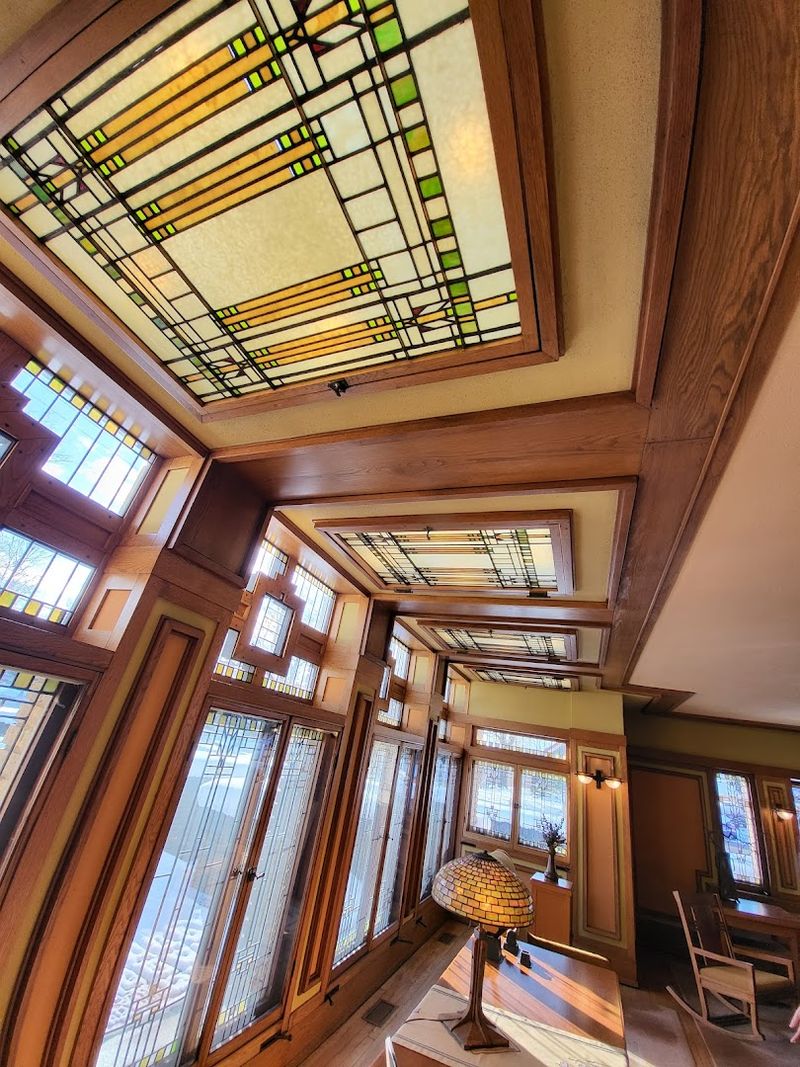
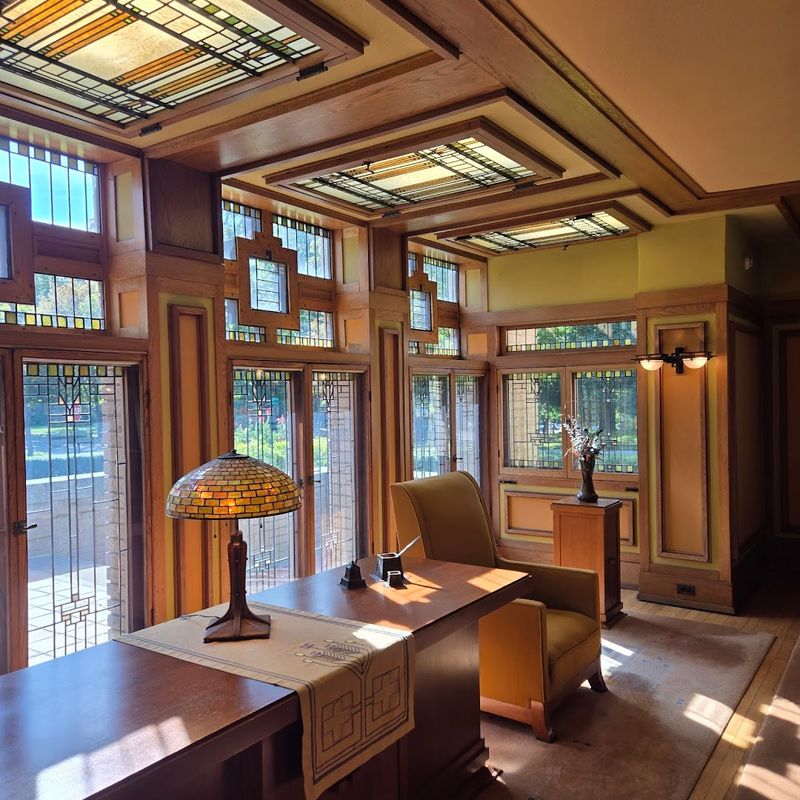
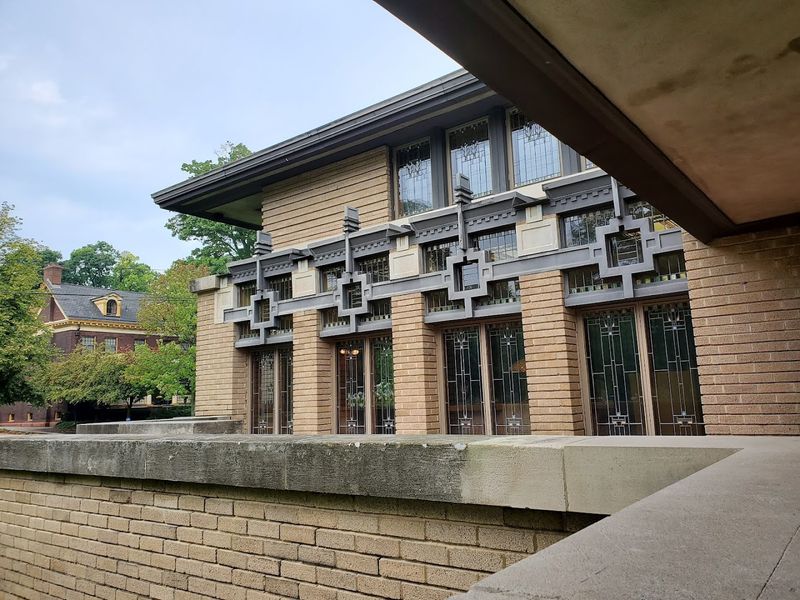
Light behaves beautifully in this house, and the windows deserve a lot of the credit. The restored leaded glass and skylights do more than brighten rooms.
They filter daylight into something softer and more deliberate, giving the interior a calm glow that shifts as you move through the space. I kept pausing for what I told myself would be one quick glance, then staying there longer than planned.
What impressed me most was how the glass feels integrated into the architecture rather than added on for decoration. The patterns help define mood, privacy, and sightlines all at once.
You notice craftsmanship, yes, but you also notice how carefully Wright choreographed ordinary moments like sitting, reading, or simply looking out.
Because the restoration repaired so many windows and skylights, the effect now feels whole. The house reads as a complete visual statement, not a collection of surviving fragments.
That sense of wholeness carries straight into the furnishings, where the design conversation gets even more interesting.
Furniture that belongs exactly here
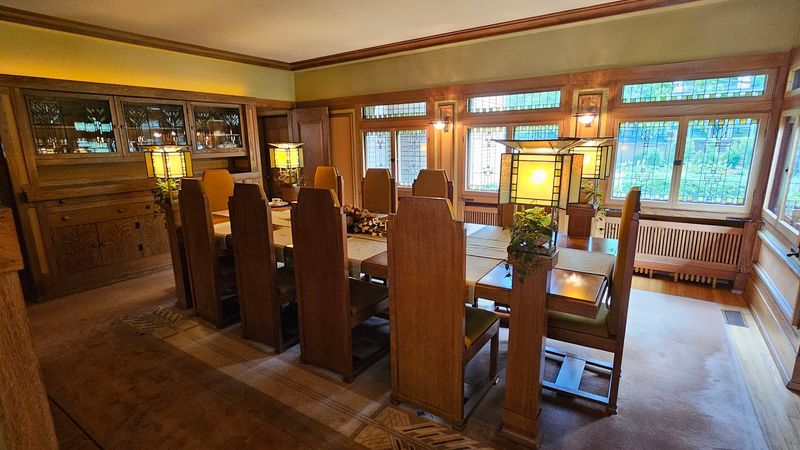
One reason the interior feels convincing is that the furnishings never seem out of place. The house includes a mix of original pieces, reproductions, and Arts and Crafts–period items that support the architecture rather than distract from it.
Nothing feels added just to fill space.
That balance matters because Wright designed homes as complete environments. Tables, seating, built-ins, and room layouts all work together, making it easier to imagine how everyday life once moved through these spaces.
I also appreciated that the presentation avoids feeling theatrical. The rooms remain elegant but still hint at quiet routines and daily living, which adds warmth to the tour and naturally leads into how the visit itself is organized.
The tour format is part of the fun
I loved that the visit unfolds in a way that builds anticipation instead of rushing you through the front door. Public tours are free, but they are guided, and the experience typically begins with a short film about the house and its restoration before you move into the residence itself.
That setup gave me useful context without draining the mystery from the rooms I was about to see.
Once the tour began, the pace felt thoughtful rather than stiff. The guides clearly know the house well, and the information lands best because you are standing inside the details being discussed.
Instead of hearing abstract architectural vocabulary, you can look up, across, and around and instantly understand why a room feels the way it does.
That rhythm also rewards attention. The film sharpens your eye, and the guided walk slows you down just enough to catch things you might miss on your own.
Fair warning, though: the practical side of visiting matters more than you might expect, which comes next.
Hours, reservations, and timing that matter
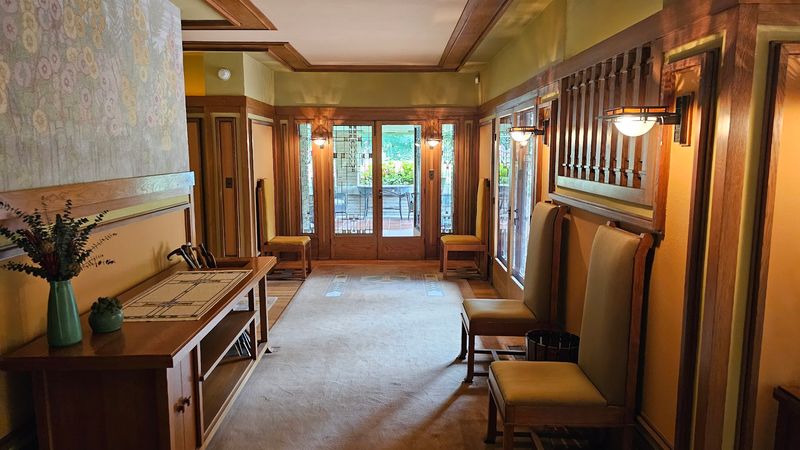
Here is the practical truth I would tell any friend before they go: plan ahead. Meyer May House keeps limited public hours, typically opening Tuesday and Thursday from 10 AM to 1 PM and Sunday from 12 PM to 3 PM, with other days closed.
Because access is tied to guided tours and interest is high, reserving a spot in advance is the smart move, not an optional extra.
I found that limited schedule part of the charm, honestly, because it keeps the experience focused and manageable. Still, it can catch casual visitors off guard.
Showing up at the wrong time would be a frustrating plot twist, and this house deserves better than a sidewalk-only relationship. Checking the website or calling ahead saves hassle and protects the mood before you even arrive.
The good news is that the effort pays off. Admission is free, the experience feels carefully organized, and the tour never struck me as a rushed conveyor belt.
Once timing is handled, you can focus on the atmosphere, which deserves its own lingering look.
A calm mood hides in every room
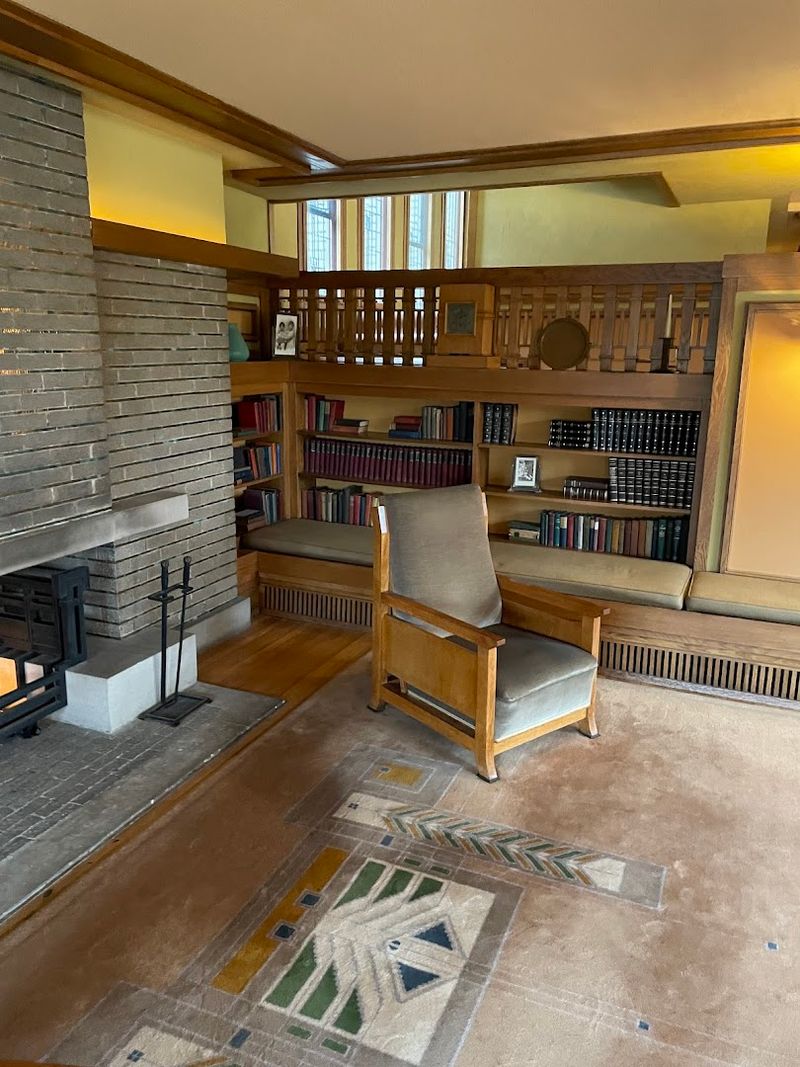
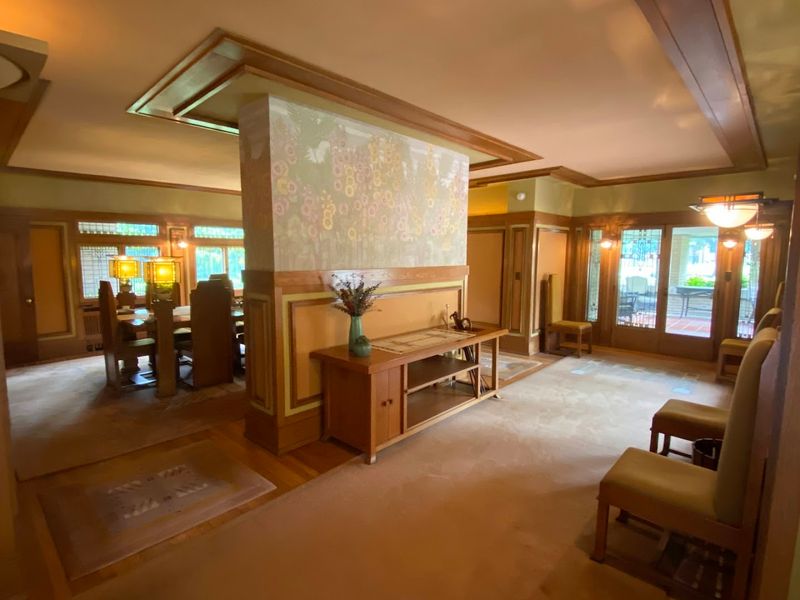
Some historic houses impress you with size or ornament, but this one works more quietly. The atmosphere is calm, ordered, and deeply intentional, with each room feeling connected to the next without becoming repetitive.
I noticed that even when the details are rich, the overall effect stays composed. Nothing shouts, yet almost everything catches your attention.
That mood comes partly from light and proportion, but also from the way the spaces guide movement. You are encouraged to look outward, inward, and diagonally across rooms, which creates a subtle sense of discovery.
I felt alert rather than overwhelmed, and that is a rare gift in a place loaded with design history.
There is also something very human about the scale. Despite its architectural importance, the house never feels chilly or untouchable.
It remains a home, not just an object lesson. That balance between museum-worthy detail and domestic comfort might be my favorite thing here, though the reopened veranda gives it some serious competition.
The veranda brings the outside back in
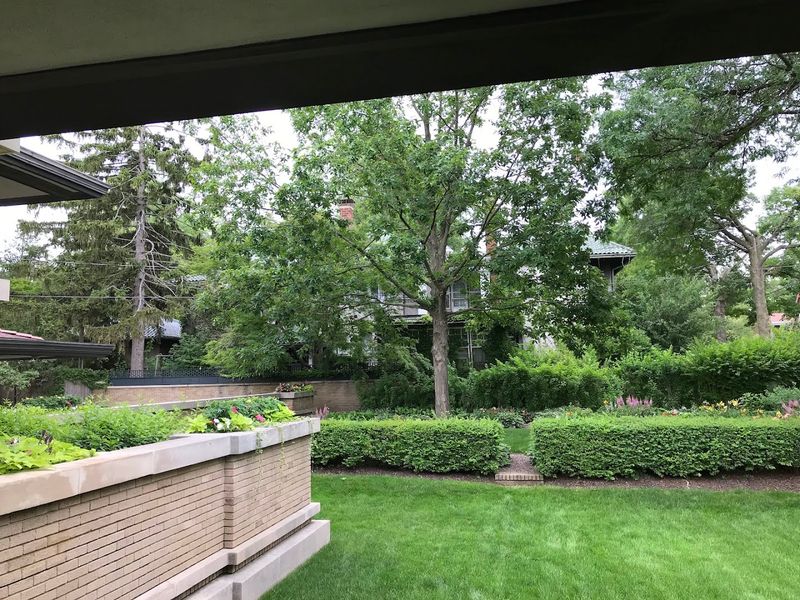
One restoration detail I kept coming back to was the reopening of the veranda. It sounds like a technical correction until you experience what it does for the house.
Suddenly the relationship between inside and outside makes more sense, and the plan feels less interrupted. Wright’s preference for flow and connection becomes much easier to read when that feature is restored to its intended role.
I liked how the veranda softens the boundary between architecture and garden without turning the house into a glass box. It creates a transition, a place where the exterior presence can quietly enter the interior experience.
Even when you are focused on lines, materials, and craftsmanship, that spatial shift adds freshness and a bit of relief.
Moments like this explain why the restoration is so admired. It was not just about surface beauty.
It was about recovering how the house actually works. Once that clicks, even the decorative elements feel more meaningful, especially the mural detail that many visitors might not expect to matter so much.
Small details with big personality
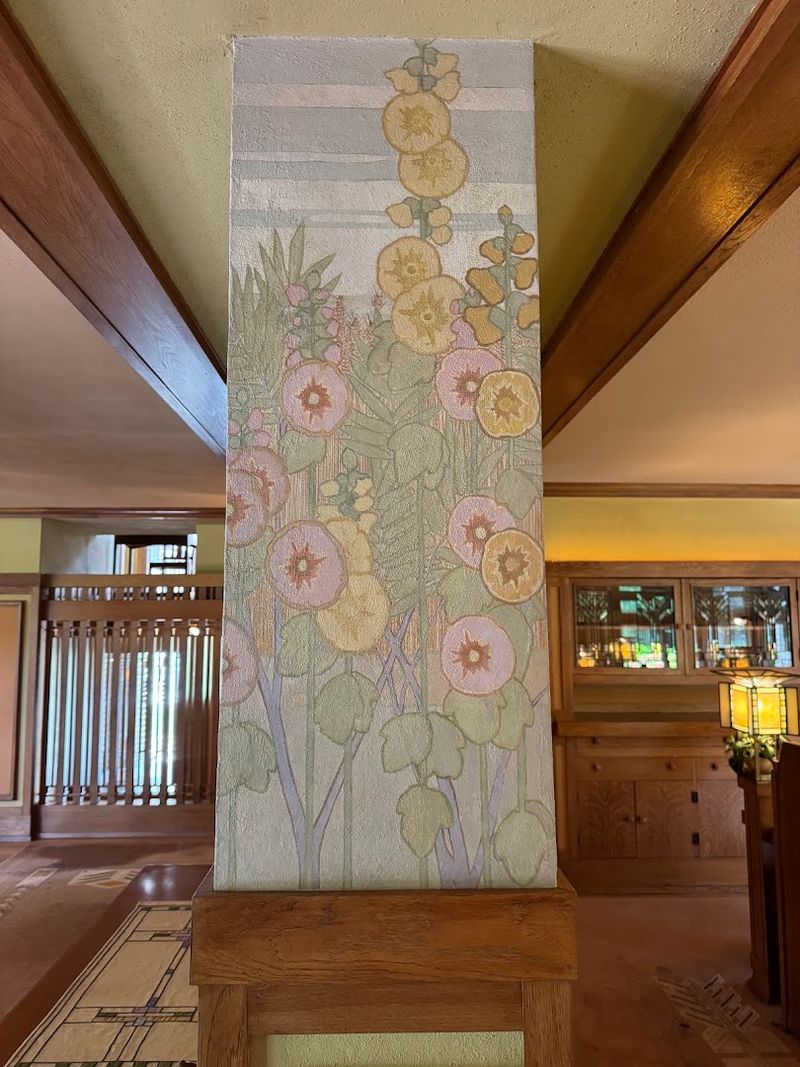
Grand gestures get attention, but the smaller details are where this house really won me over. Trim lines, built-ins, repeated geometric motifs, and restored decorative elements create a layered experience that rewards patience.
I found myself scanning corners and transitions because the design language stays consistent even in places where many houses would simply give up and be ordinary.
The restored Niedecken mural is part of that richness. It adds artistic depth without pulling the house off course, and it reminds you that this was a collaboration-rich era of design, not a one-note solo performance.
Details like that keep the rooms from feeling too severe. They add texture, personality, and a little visual wit, which I always appreciate in a serious landmark.
What impressed me most is that these details never seem fussy. They support the architecture’s larger logic, and that keeps the experience coherent.
By this point in the visit, I was not just admiring craftsmanship. I was thinking about why this house resonates so strongly with people who love design and people who simply love beautiful spaces.
Why even non-architecture fans get hooked
I would absolutely bring someone here who has never read a word about Frank Lloyd Wright. The house offers enough for architecture enthusiasts, but it also works beautifully for curious travelers who just enjoy places with strong atmosphere and a good story.
You do not need specialist vocabulary to appreciate the sunlight, the proportions, or the unusual completeness of the restoration.
That accessibility matters because the house never feels like a test. The guided format helps, the rooms are memorable, and the story of how the property was rescued and restored gives the visit a clear arc.
I left feeling informed, but not lectured. That is a sweet spot many historic sites chase and only a few actually reach.
There is also real value here in the plainest sense: the tours are free, and the experience feels generous rather than basic. In a city visit full of choices, this stop earns its place with ease.
By the end, I understood why people talk about it with such affection, which brings me to the final takeaway.
The reason I would go back
By the time I finished the tour, what stayed with me was not just one room or one famous design feature. It was the rare feeling that I had seen a house returned to clarity.
Meyer May House in Grand Rapids, Michigan, feels cared for at every scale, from the roofline and windows to the furnishings and the restored flow of the plan. That completeness is what makes the visit memorable long after the last doorway.
I would recommend it to anyone spending time in the city, especially if you enjoy architecture that still feels personal instead of remote. The limited hours mean a little planning, but the reward is a remarkably focused experience in a historic landmark that never slips into stiffness.
It is polished, yes, though never precious.
Some places ask you to admire them from a distance. This one invites close attention and then rewards it again and again.
I left thinking the restoration is not just beautiful. It feels convincing, generous, and very hard to forget.
Share this story