 Unearth The Voyage
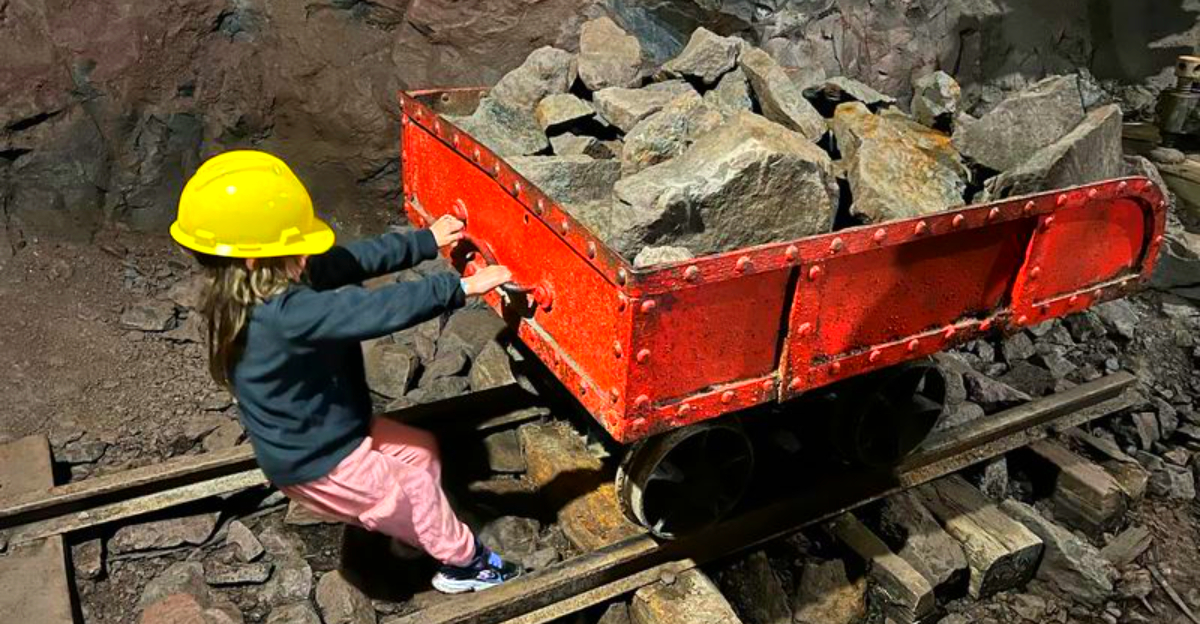
A historic copper mine in Michigan’s Upper Peninsula offers an experience that goes far beyond a typical museum visit. At this remarkably preserved site on the Keweenaw Peninsula, visitors descend underground on a cog-rail tram, explore hand-carved tunnels more than a century old, and experience the constant 43-degree temperatures miners once endured.
The massive hoist machinery is a highlight on its own, and the guided underground tour brings the site’s history to life in a way that’s hard to forget. Whether you’re drawn to industrial history, geology, or simply a one-of-a-kind adventure, this destination stands out.
Here’s everything you need to know before you go.
Where It All Begins: Address, Location, and Getting There
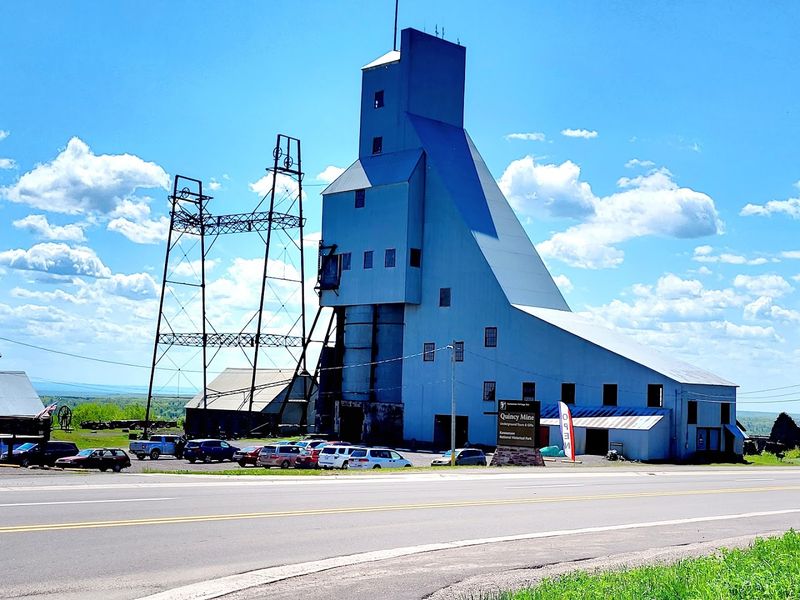
The Quincy Mine sits at 49750 US-41 in Hancock, Michigan 49930, right on the Keweenaw Peninsula in the Upper Peninsula of Michigan. Getting there is part of the adventure, because the drive up US-41 through thick forests and small lakeside towns already sets the mood beautifully.
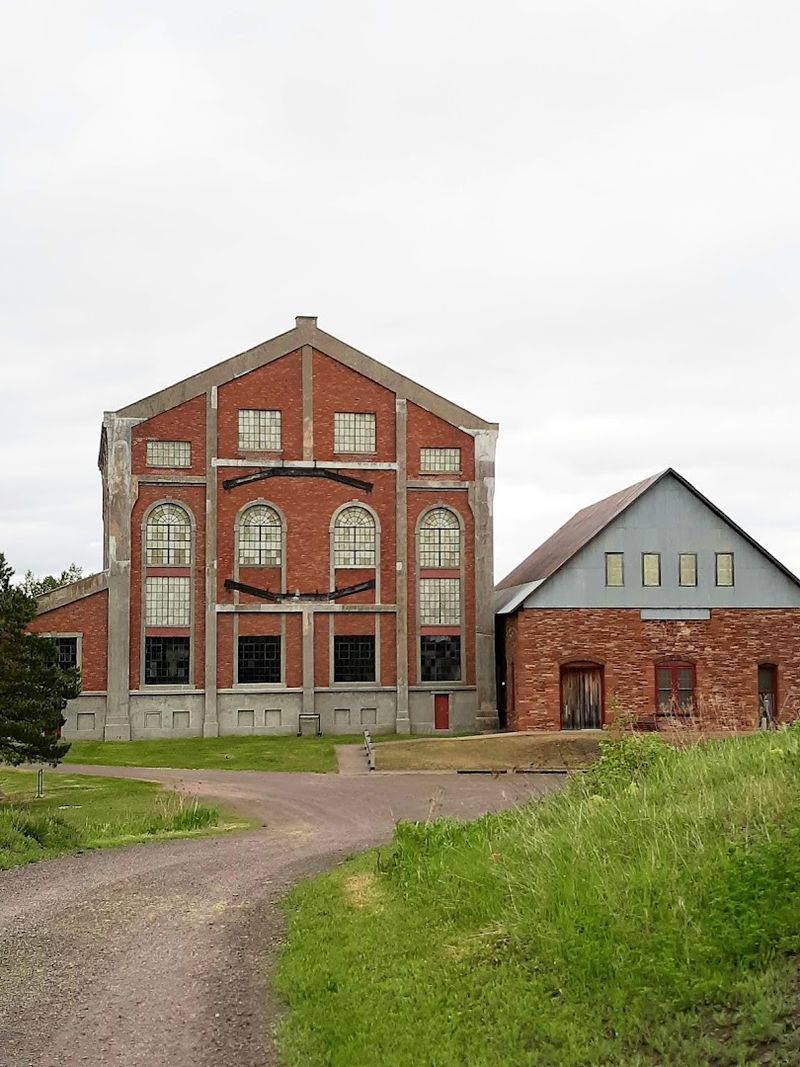
The site is easy to spot from the road, with its massive red brick hoist house rising above the tree line like a landmark from another era. From Houghton, the drive takes only about ten minutes, making it a very manageable day trip from most spots in the region.
Parking is free and spacious, so arriving with a full carload of family members is no problem at all. The phone number is 906-482-3101, and the website at quincymine.com lets you book tickets in advance, which is strongly recommended during peak summer months.
Plan to arrive at least an hour before your tour time to explore the grounds first.
A Quick History of One of America’s Deepest Copper Mines
The Quincy Mine operated from 1848 all the way through 1945, making it one of the longest-running copper mines in the entire history of the Keweenaw Peninsula. At its peak, the mine shaft reached a staggering depth of roughly 9,000 feet, which is deeper than many people can truly wrap their heads around.
The mine earned the nickname “Old Reliable” because it paid dividends to shareholders for so many consecutive years, which was a rare feat in the volatile world of 19th-century mining. Thousands of immigrant workers, many from Finland, Cornwall, and other parts of Europe, built their lives and families around this operation.
Today the site is part of Keweenaw National Historical Park, a designation that recognizes just how significant this place is to American industrial history. The preservation effort here is remarkable, and the fact that so much original machinery and infrastructure still stands makes every visit feel like a genuine time-travel experience rather than a reconstructed exhibit.
The Hoist House: Engineering That Still Blows Minds
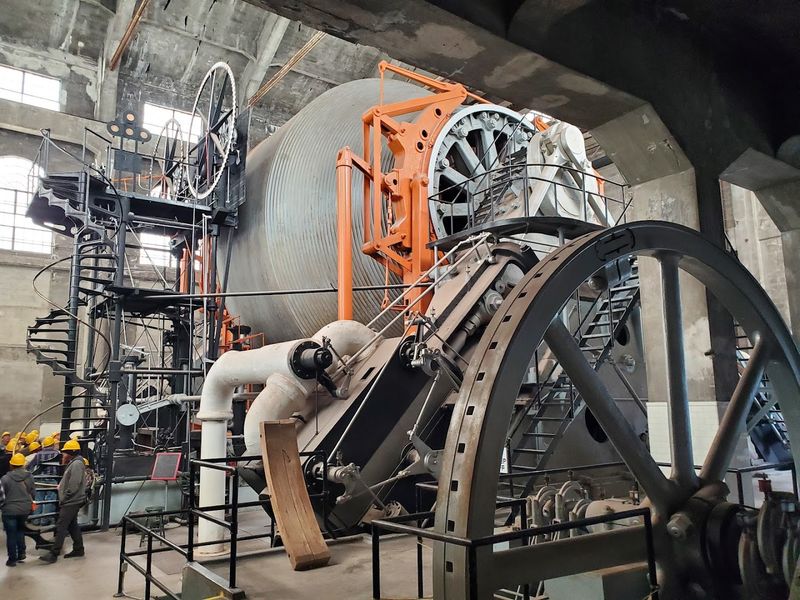
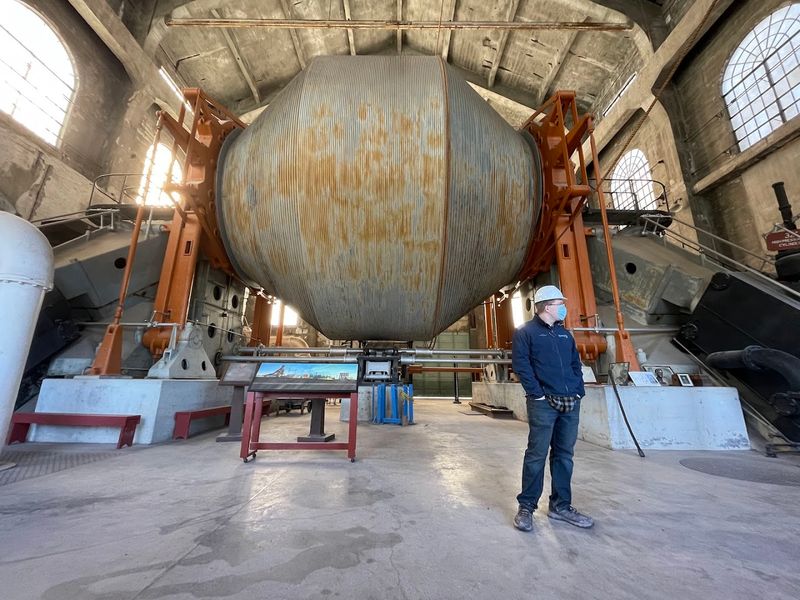
Every guided tour kicks off inside the hoist house, and the first time you lay eyes on the Nordberg steam hoist, you genuinely forget to breathe for a second. This machine is one of the largest steam hoisting engines ever built, and it filled an entire multi-story brick building designed specifically to contain it.
The drum alone measures over 30 feet in diameter, and the cables it once wound were strong enough to haul ore skips and workers up from thousands of feet below ground. The sheer scale of the engineering here tells you everything about the ambition and determination of the people who ran this operation.
Guides walk visitors through the mechanics in a way that makes the technology feel accessible rather than overwhelming, even for younger visitors who have never thought much about industrial machinery. The hoist house also contains historical photographs and interpretive displays that give excellent context before you head underground.
It is the kind of room that makes you stand very still and just absorb everything around you.
The Cog-Rail Tram Ride Down to the Mine Entrance
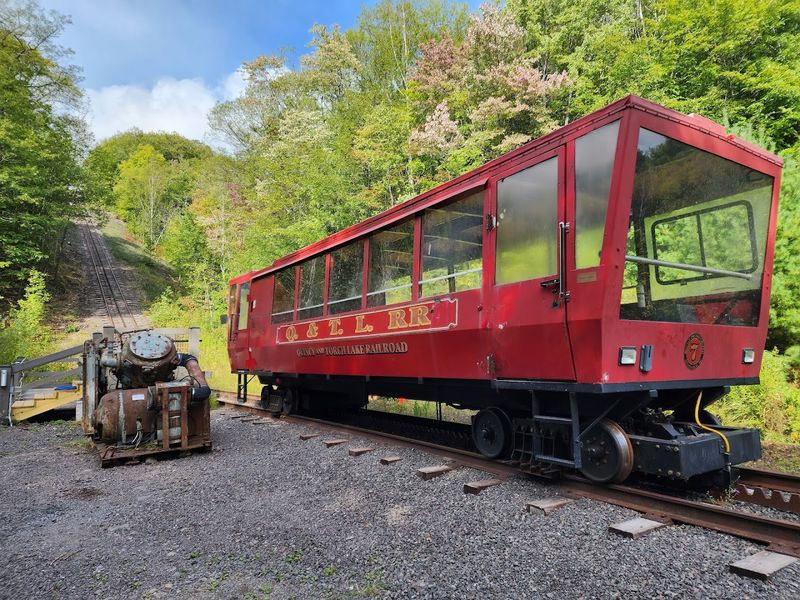
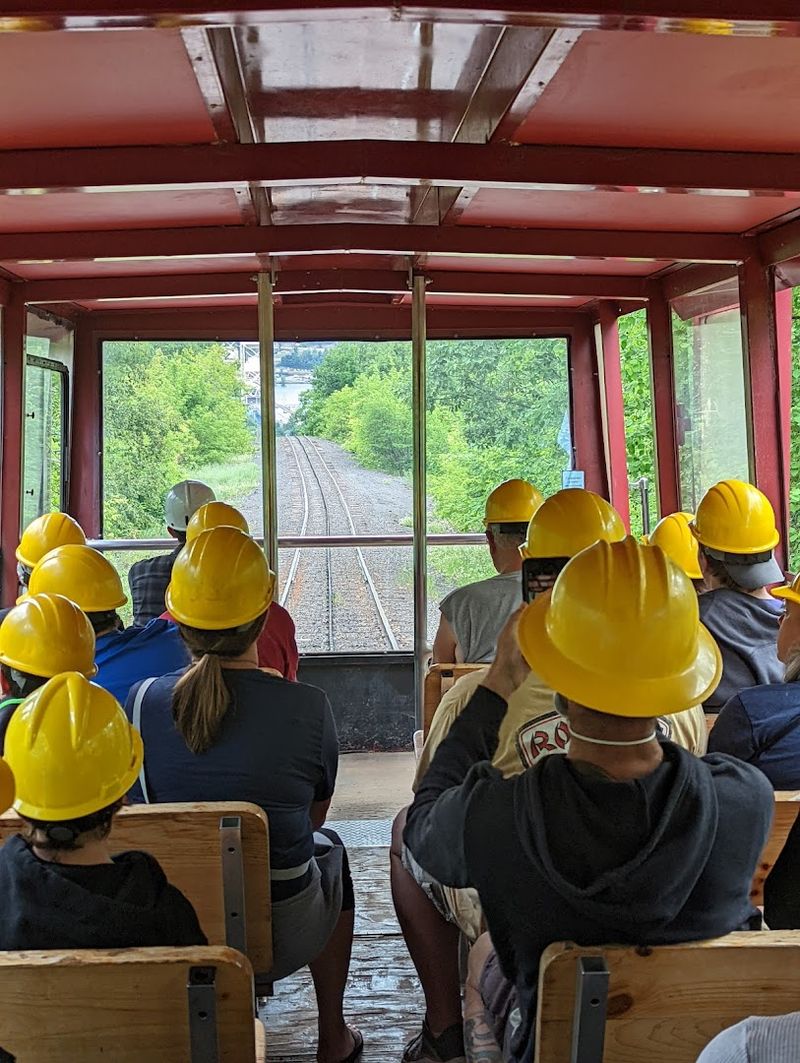
After the hoist house tour, the group boards a cog-rail tram that carries everyone down the steep hillside to the mine entrance, and that ride alone is worth the price of admission. The tram moves along a rack railway system, gripping the track on the incline in a way that feels both old-fashioned and surprisingly smooth.
The hillside scenery during the descent is genuinely pretty, with trees framing the view and glimpses of the surrounding Upper Peninsula landscape visible in the distance. It takes only a few minutes, but the anticipation builds with every foot of elevation you lose on the way down.
Children tend to absolutely love this part of the tour, and honestly, adults do too, even if they pretend to be too cool about it. The tram accommodates groups of varying sizes, and the staff handles the boarding process efficiently so nobody feels rushed or confused.
Arriving at the mine portal with the cool air already drifting out toward you creates a mood that no indoor exhibit could ever replicate.
Going Underground: What the Mine Tunnel Actually Feels Like
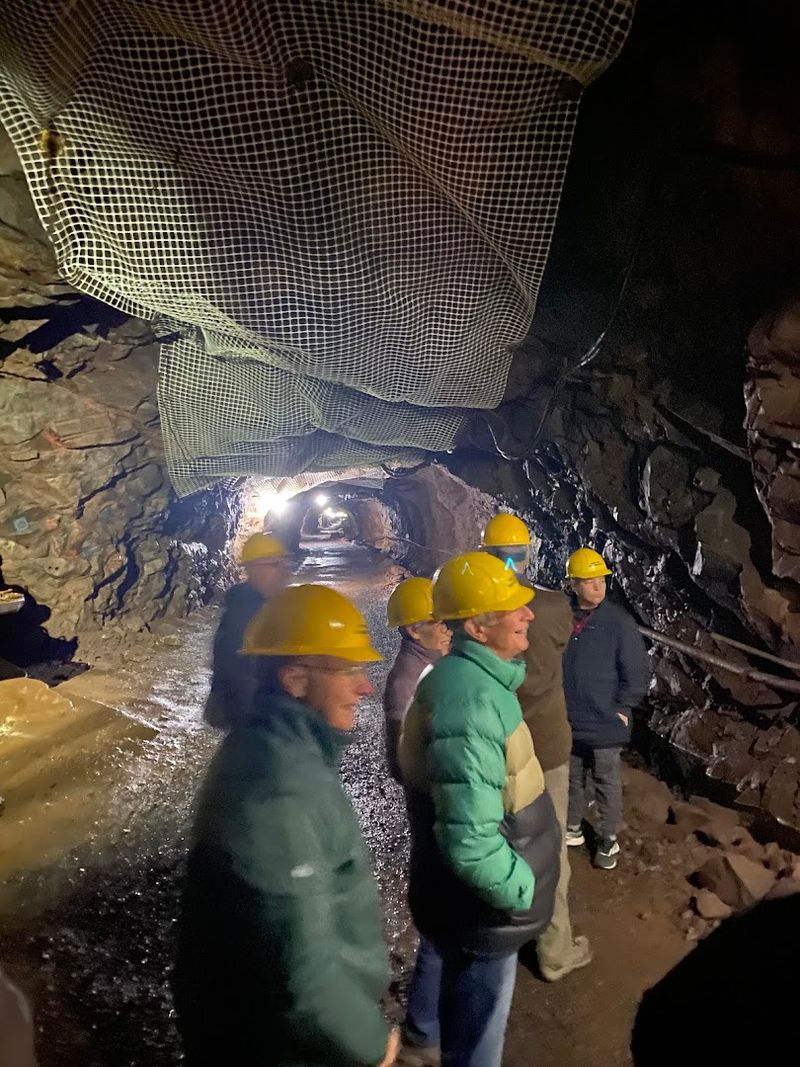
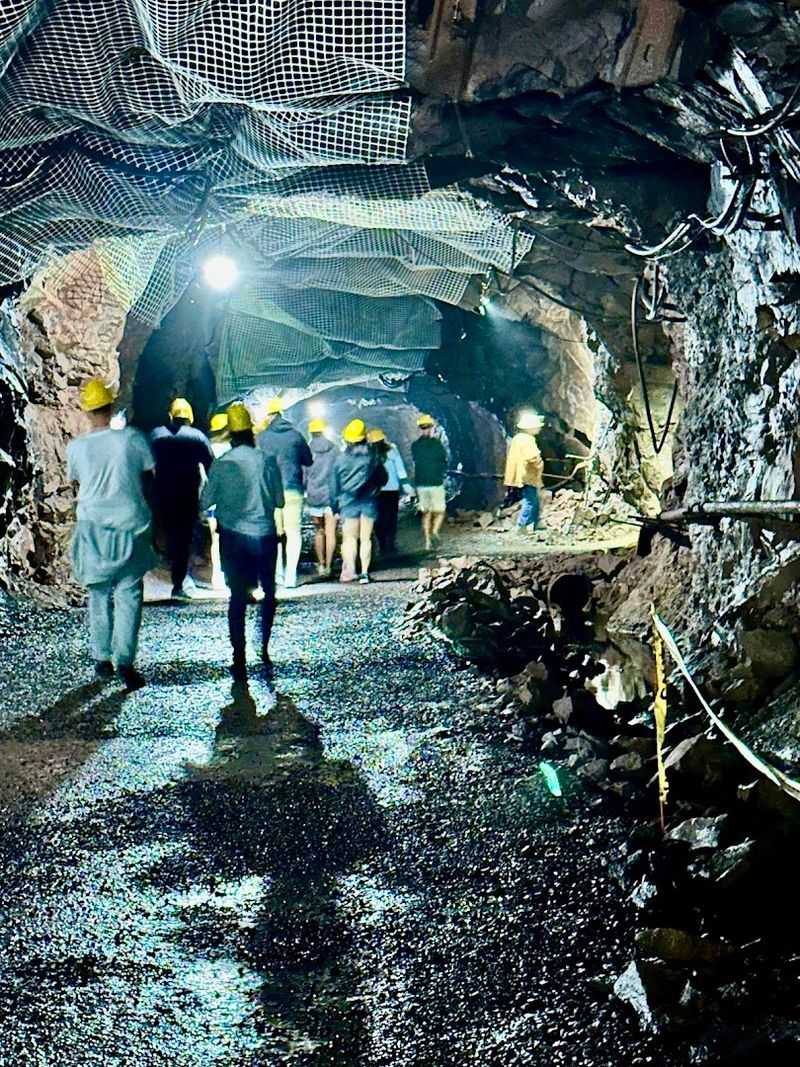
The temperature underground hovers around 43 degrees Fahrenheit year-round, and the moment you pass through the mine portal, that chill hits your face like a reminder that you are now in a very different world from the warm summer afternoon above. The tunnel walls are solid rock, carved by hand and with early machinery over many decades of hard labor.
Visitors walk roughly half a mile into the mine while the guide points out drill marks, ore veins, and original timber supports that have stood for well over a century. The ground is level and the path is manageable for most adults, including older visitors, though the damp air and occasional dripping water mean sturdy shoes are a smart choice.
At one memorable point during the tour, the guide turns off the lights completely so everyone can experience the total darkness that miners once worked in before electric lighting arrived. That moment of absolute blackness, followed by the guide lighting a single candle, is something that genuinely puts history into perspective in a way no textbook ever could.
The Tour Guides: The Real Heart of the Experience
Ask anyone who has visited the Quincy Mine what made the biggest impression, and nine times out of ten the answer involves their tour guide. The guides here carry an extraordinary depth of knowledge about geology, mining mechanics, labor history, and the personal stories of the workers who spent their lives underground.
They answer every question with genuine enthusiasm, adapt their explanations for mixed groups of kids and adults, and manage to make two-plus hours feel like it passed in about forty minutes. The storytelling approach transforms raw historical facts into something personal and vivid, so the miners feel like real human beings rather than abstract figures from the past.
Tours run daily from 10 AM to 4 PM every day of the week, which gives visitors plenty of scheduling flexibility. Booking in advance online or by phone is strongly recommended, especially during July and August when the site is busiest.
Tipping your guide at the end is a thoughtful gesture that the staff genuinely appreciates after such an energetic and dedicated performance.
What to Wear and How to Prepare Before You Arrive
The single most repeated piece of advice from everyone who has toured the Quincy Mine is simple: bring a jacket. The underground temperature stays at a steady 43 degrees regardless of whether it is a blazing hot August afternoon or a cool September morning above ground.
A thick hoodie or a light insulated layer works well for most visitors, but if you run cold, a proper jacket is the smarter call. Comfortable walking shoes or boots with some grip are also a good idea, since the tunnel floor can be damp and slightly uneven in spots.
Hard hats are provided at the mine entrance, so there is no need to bring your own. The tour involves walking about half a mile underground at a relaxed pace, so it is physically accessible for most age groups, including older visitors and children old enough to follow safety instructions.
Claustrophobic visitors or those with a strong fear of the dark should consider this carefully before booking, as the tunnel is narrow in places and the darkness demonstration is quite intense.
Exploring the Above-Ground Grounds and Historic Ruins
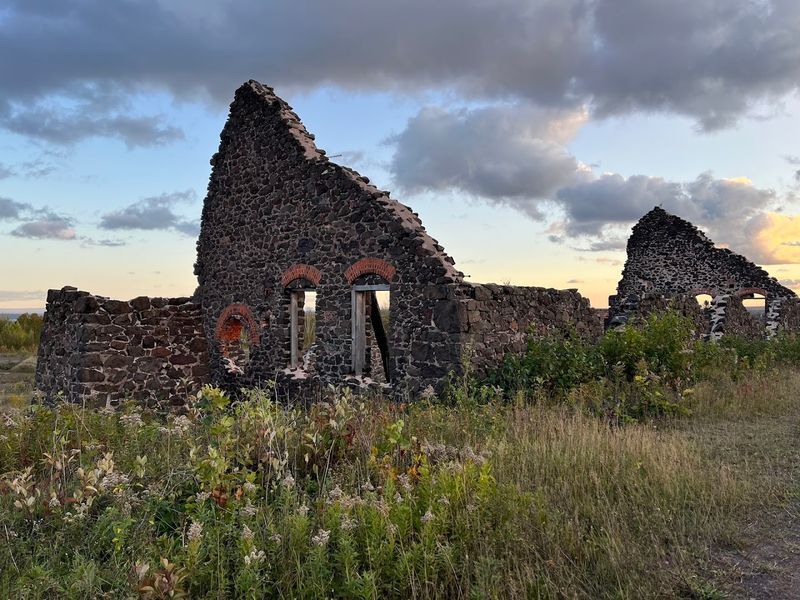
The self-guided portion of the Quincy Mine grounds is a completely separate experience from the ticketed underground tour, and the best part is that it is free to walk. Old train cars, crumbling stone structures, and rusting mining equipment sit scattered across the hillside in a way that feels more like an open-air museum than a manicured park.
Arriving an hour or two before your scheduled tour gives you plenty of time to wander the property, read the interpretive signs, and photograph the remarkable industrial ruins without any time pressure at all. The scale of the surface operation becomes clear when you realize how many separate buildings, shafts, and processing facilities once operated simultaneously on this one hillside.
Photography enthusiasts will find endless interesting angles, especially in the late afternoon when the light hits the old brick and stone at a warm angle. Families with curious kids tend to spend a surprising amount of time just poking around the equipment and ruins before the underground tour even starts.
The grounds reward slow, attentive exploration far more than a quick walk-through ever would.
Who Should Visit and Why It Works for All Ages
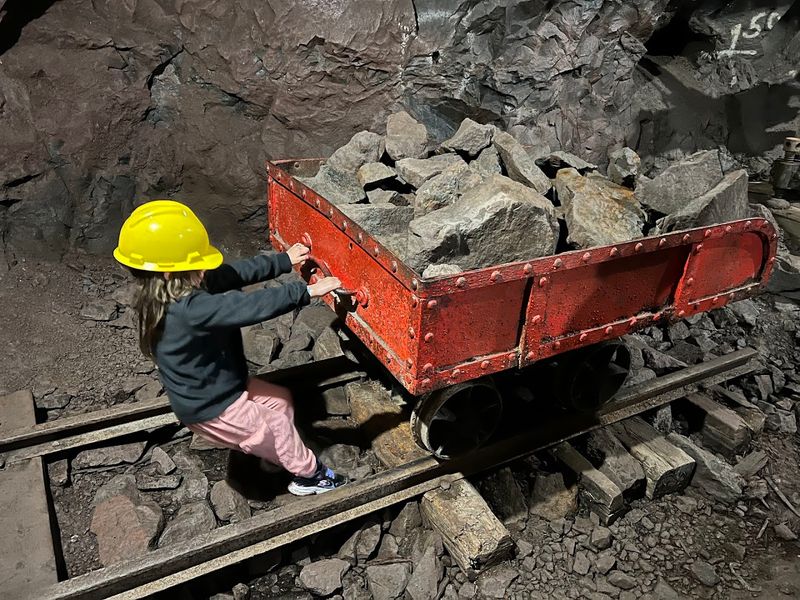
The Quincy Mine works remarkably well for a wide range of visitors, from school-age children to grandparents, and the mix of sensory experiences is a big reason why. Kids are captivated by the tram ride, the darkness demonstration, and the sheer novelty of being underground, while adults tend to be most moved by the human stories and the industrial scale of the operation.
Groups of six, twelve, or more have all reported excellent experiences here, and the guides adapt their presentation naturally to whatever mix of ages and interests shows up on any given tour. The physical demands are modest enough that visitors in their sixties and seventies regularly complete the full underground walk without difficulty.
Visitors with mobility challenges should note that an internal tram for accessibility inside the mine was under repair at the time of recent visits, though a wheelchair was available through a local resource in Hancock. Calling ahead at 906-482-3101 to confirm current accessibility options is always a smart move before making the trip.
The overall atmosphere is welcoming and unhurried, which makes a real difference for families traveling with young children or older relatives.
Hours, Tickets, and Booking Tips to Know Before You Go
The Quincy Mine is open seven days a week from 10 AM to 4 PM, which makes scheduling a visit fairly straightforward no matter what day you happen to be in the area. Tours run throughout the day during operating hours, but spots fill up quickly in summer, so online booking through quincymine.com is the most reliable way to secure your preferred time.
Phone reservations are also available by calling 906-482-3101, and the staff there are helpful and efficient. The guided underground tour takes approximately two and a half hours from start to finish, so factor that into your day when planning meals, driving, and other activities.
The ticket price is considered very fair given everything included: the hoist house walkthrough, the tram ride, the underground tour with a knowledgeable guide, and access to the grounds. Arriving at least an hour before your scheduled tour time allows for a relaxed exploration of the outdoor ruins without feeling rushed.
The last tour of the day can result in the visitor center and shaft house closing before you finish, so earlier slots give you more flexibility overall.
Why the Quincy Mine Deserves a Spot on Your Michigan Travel List
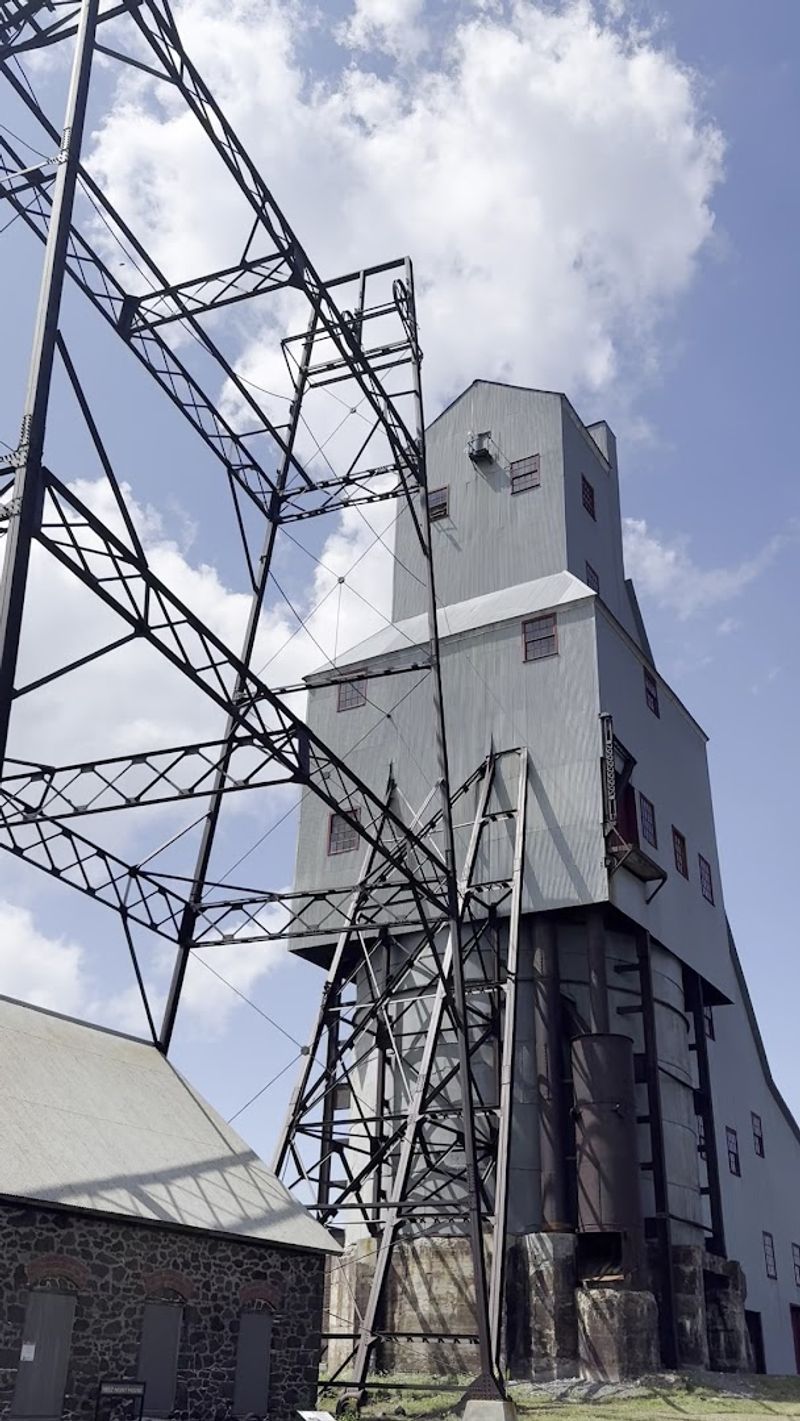
There are plenty of museums in Michigan that tell the story of the copper mining era, but very few places let you actually feel it the way the Quincy Mine does. The combination of original machinery, preserved tunnels, an outdoor landscape full of ruins, and guides who bring the history to life creates something that photographs and exhibits simply cannot replicate.
The Keweenaw Peninsula itself is a destination worth the long drive north, with stunning Lake Superior scenery, charming small towns, and a regional culture shaped heavily by the mining heritage that this site represents so well. Adding the Quincy Mine to your itinerary turns a scenic road trip into something genuinely educational and memorable.
Visitors who have toured other Michigan mining sites consistently rank the Quincy Mine as their favorite, pointing to the depth of the experience and the quality of the guides as the deciding factors. At a rating of 4.8 stars across thousands of reviews, the reputation speaks for itself.
Plan the trip, dress in layers, and prepare to leave with a much deeper appreciation for the people who built this region one copper vein at a time.



