 Unearth The Voyage
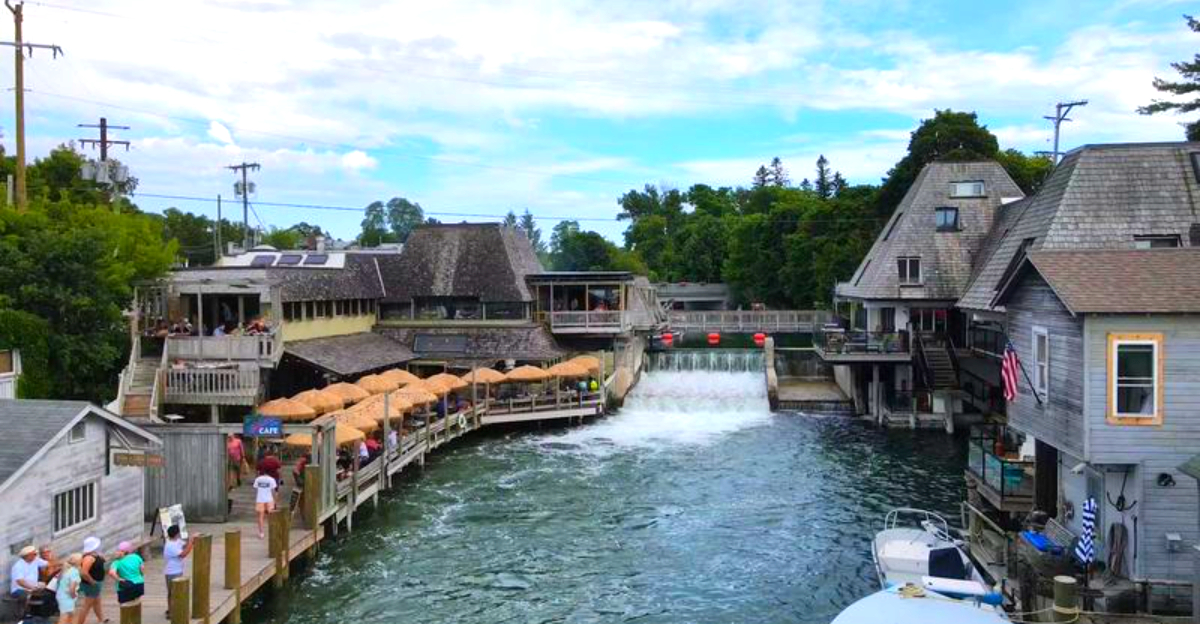
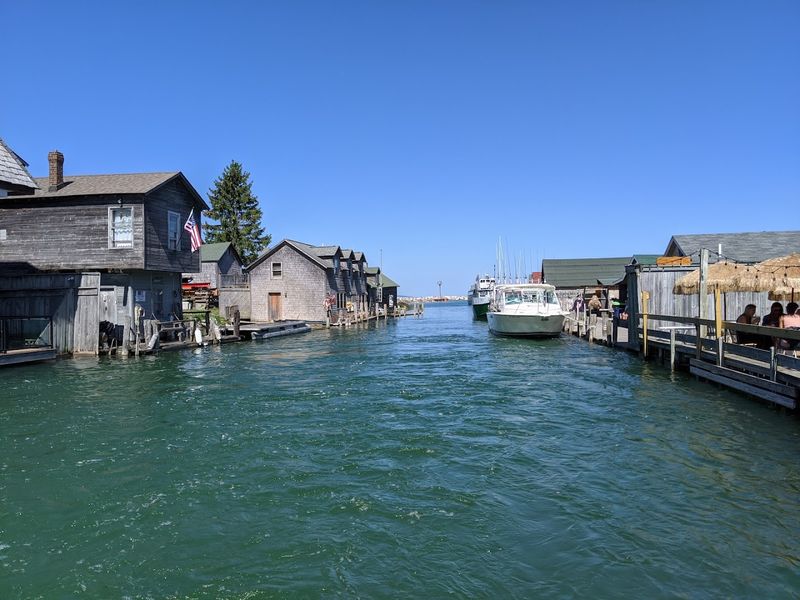
Along the Leland River in northern Michigan, a row of weathered wooden shanties looks almost unchanged by time. Historic Fishtown in Leland sits where the river meets Lake Michigan and remains one of the last working fishing villages on the Great Lakes.
Boats still dock here, fish are still smoked and sold, and every wooden plank seems to carry a story from the past.
A Village Frozen at the Water’s Edge
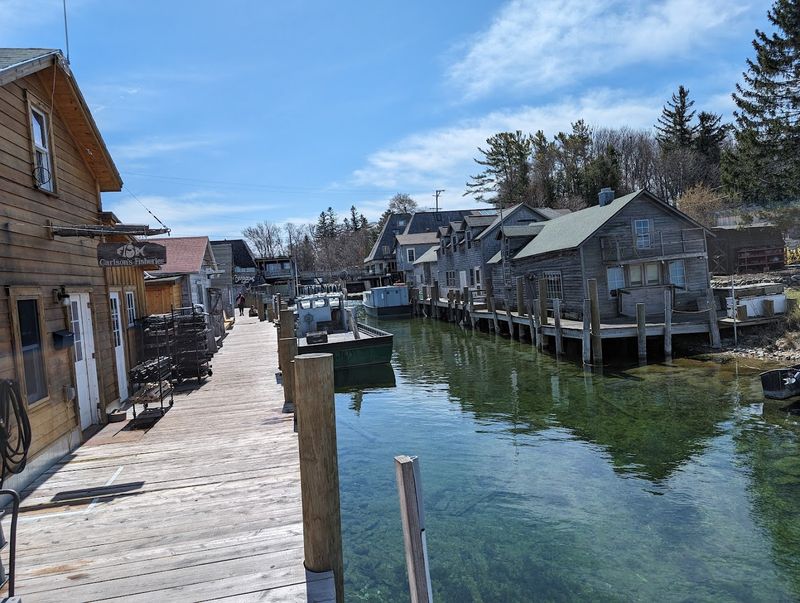
Right at 203 W River St, Leland, MI 49654, the village of Historic Fishtown sits where the Leland River meets Lake Michigan in Leelanau County. The address is simple, but the place it leads you to is anything but ordinary.
The collection of gray, weather-beaten shanties here dates back to the late 1800s and early 1900s, built by commercial fishermen who needed space to mend nets, store ice, and process their daily catch. Over generations, the structures have settled into the riverbank like old friends who have no intention of leaving.
What separates this village from most historic sites is that it never fully became a relic. The Fishtown Preservation Society has worked carefully to maintain the buildings without scrubbing away their character.
The docks still creak underfoot, the wood still shows every season it has survived, and the whole place carries the kind of quiet confidence that only comes from more than a century of honest work.
The Long History Behind the Weathered Wood
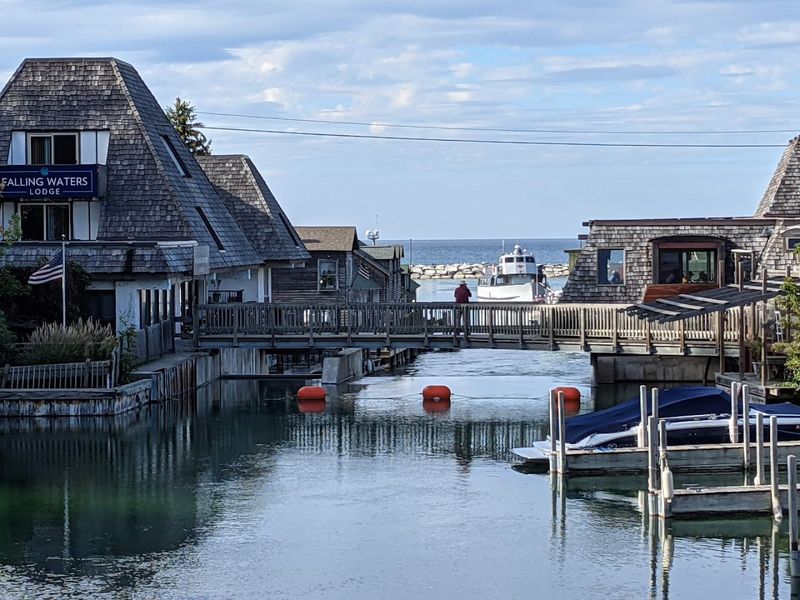
Fishtown’s story begins in the 1850s, when Native Americans first used this stretch of the Leland River as a fishing ground. European settlers arrived not long after, and by the late 19th century, the area had grown into a busy commercial fishing hub.
Families built shanties along the riverbanks to handle every stage of the catch, from hauling nets to packing fish in ice cut from nearby frozen lakes during winter. The community that formed around those tasks was tight-knit and hardworking, and the buildings they left behind carry that spirit in every grain of wood.
By the mid-20th century, commercial fishing on the Great Lakes had declined sharply due to overfishing and environmental pressures. Many similar villages along the shoreline simply disappeared.
Fishtown survived partly because of geography, partly because of community pride, and partly because a few determined people refused to let it go quietly into the background of history.
What the Shanties Were Actually Built For
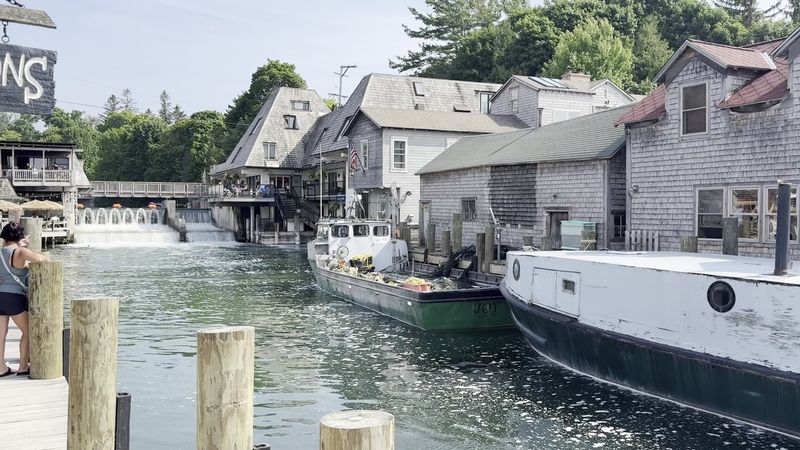
Each shanty along the Leland River was built with a specific job in mind, and that practicality is still visible in how they are shaped and positioned. Net sheds were tall and narrow to allow long gill nets to hang and dry without tangling.
Ice houses were built thick and insulated to keep large blocks of lake ice from melting through the summer months. Smokehouses were positioned to catch the breeze just enough to keep fires smoldering steadily, filling the fish with the slow, deep flavor that made Great Lakes smoked fish famous across the region.
Fish-cleaning stations sat closest to the docks so the catch could move from boat to table with as little delay as possible. Seeing the layout today, even with some buildings now repurposed as shops, the original logic of the village is still completely readable.
The shanties were not built to be pretty, but they ended up being exactly that, in their own rugged, no-nonsense way.
The Working Fishing Boats Still Calling This Home
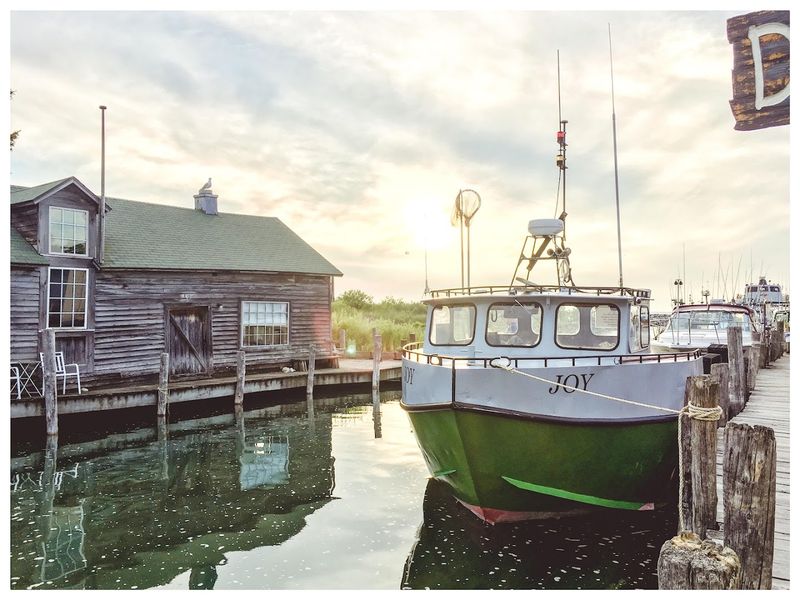
One of the most striking things about Fishtown is that it is not purely a museum. Real fishing boats still tie up to these docks, and the most famous among them are the Joy and the Janice Sue, two traditional fishing tugs that continue to operate out of Fishtown today.
Watching one of those tugs head out onto Lake Michigan in the early morning is a sight that puts everything else into perspective. The boats are not replicas or props.
They are working vessels with working crews, and they bring back real fish that end up in the smokers and on the tables of Fishtown’s restaurants and shops.
The presence of active fishing operations gives the village an energy that purely historic sites simply cannot manufacture. There is a difference between reading about how something used to work and actually watching it work right in front of you.
At Fishtown, you get the second option, and it makes the whole experience feel genuinely alive rather than carefully curated.
Carlson’s Fishery and the Smoked Fish Worth Traveling For
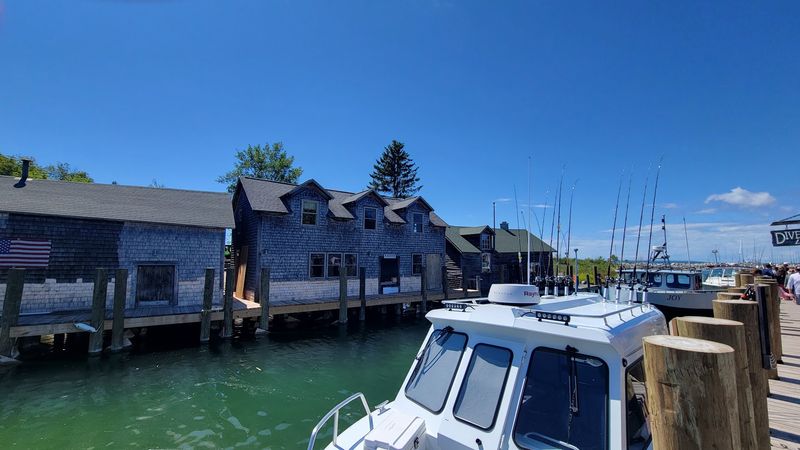
Few things at Fishtown have earned more loyal fans than Carlson’s Fishery, a smokehouse and fish market that has been operating here for generations. The smoked whitefish and smoked salmon they produce are the kind of food that people plan road trips around.
The fish is cured and smoked on-site using methods that have not changed much over the decades. The result is a product with a deep, clean smoke flavor and a texture that holds together perfectly whether you eat it straight from the paper wrapping or take it home to serve with crackers and good company.
Bringing home a package of smoked fish from Carlson’s has become a Fishtown tradition for many visitors, though fair warning: it tends to disappear long before the drive home is over. The shop is small and the supply is not unlimited, so arriving early during peak summer season is a genuinely smart move if you want to make sure you leave with something in hand.
The Village Cheese Shanty and Other Bites Worth Finding
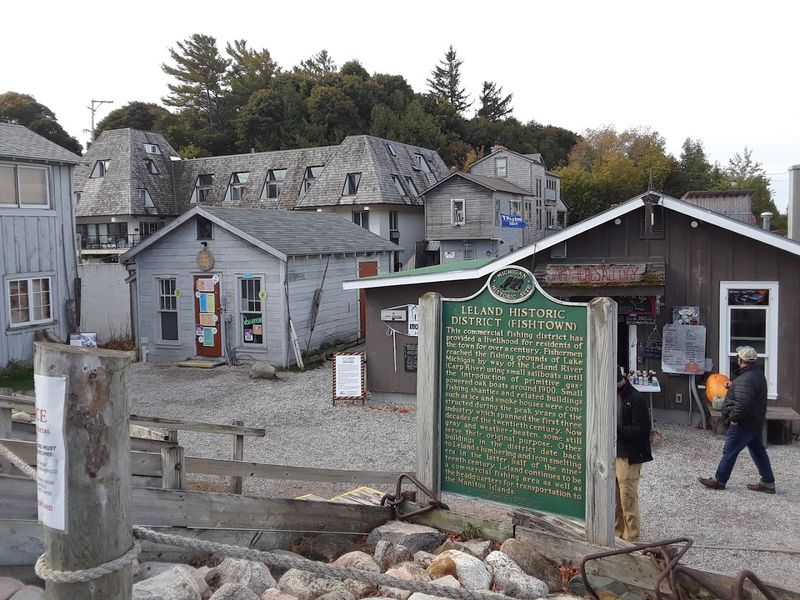
The Village Cheese Shanty has built a reputation that stretches well beyond Leelanau County. Tucked into one of the original shanty buildings, this small deli serves sandwiches that have become something of a local legend among regular visitors to the M-22 corridor.
The menu leans on quality ingredients, fresh bread, and combinations that feel both simple and satisfying. On a warm afternoon, eating one of those sandwiches on the dock with the river moving quietly below you and the lake visible just beyond the channel is one of those small pleasures that somehow feels perfect.
Beyond the Cheese Shanty, Fishtown also offers other food options tucked into the historic buildings, including spots for fresh fish, sweet treats, and coffee. The Cove restaurant draws consistent praise for its food and its view of the river.
The Harbor Ice Cream shop has developed a following of its own, particularly for its butter pecan, which arrives generously loaded with actual pecans in every scoop.
Shopping the Shanties: Art, Gifts, and Local Finds
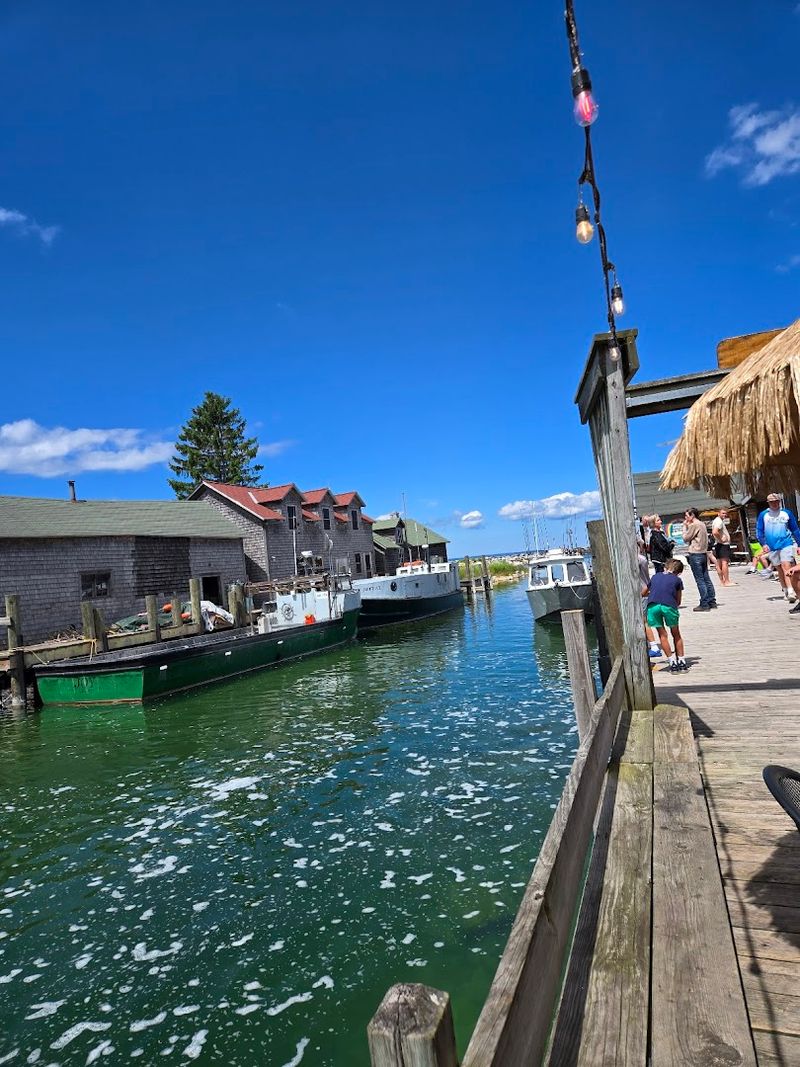
Over the decades, several of Fishtown’s shanties have been carefully converted into small shops without losing the structural character that makes them special. The buildings still look like fishing shanties from the outside, which means browsing through them feels like an adventure rather than a standard shopping trip.
Art galleries sit alongside gift shops, candy stores, and fishing-supply spots, creating a mix that reflects the village’s dual identity as both a historic site and a living community. Local artists and craftspeople feature prominently, and many of the items for sale carry a connection to the lake, the landscape, or the fishing heritage of the region.
Prices lean toward the higher end, which is worth knowing before you arrive, but the quality of locally made goods generally justifies the cost. Cash-only policies apply in some of the smaller shops, and ATMs are not easy to find in the immediate area, so arriving with some cash already in your pocket will save you a frustrating detour during what should be an enjoyable afternoon.
The Salmon Run: Nature’s Most Dramatic Free Show
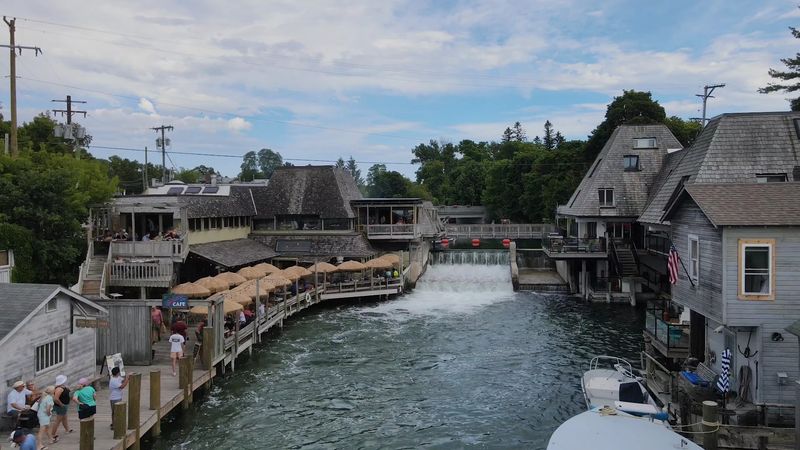
Every autumn, the Leland River becomes the stage for one of the most visually dramatic natural events in Michigan. Chinook salmon push upstream from Lake Michigan on their spawning run, and the small dam near Fishtown creates a natural bottleneck where the fish can be seen leaping repeatedly in their drive to get past the barrier.
Crowds gather along the riverbank to watch, and for good reason. Seeing a large salmon launch itself out of the water in a full leap is the kind of sight that surprises even people who have watched nature documentaries their entire lives.
The scale and determination of the fish are both genuinely impressive.
The salmon run typically peaks in late September and October, making autumn one of the most rewarding times to visit Fishtown even as the summer tourist crowds thin out. The village takes on a quieter, more atmospheric quality in the fall, with the changing colors of the surrounding trees adding a layer of beauty that the peak-season summer version simply cannot match.
Ferry Rides to the Manitou Islands
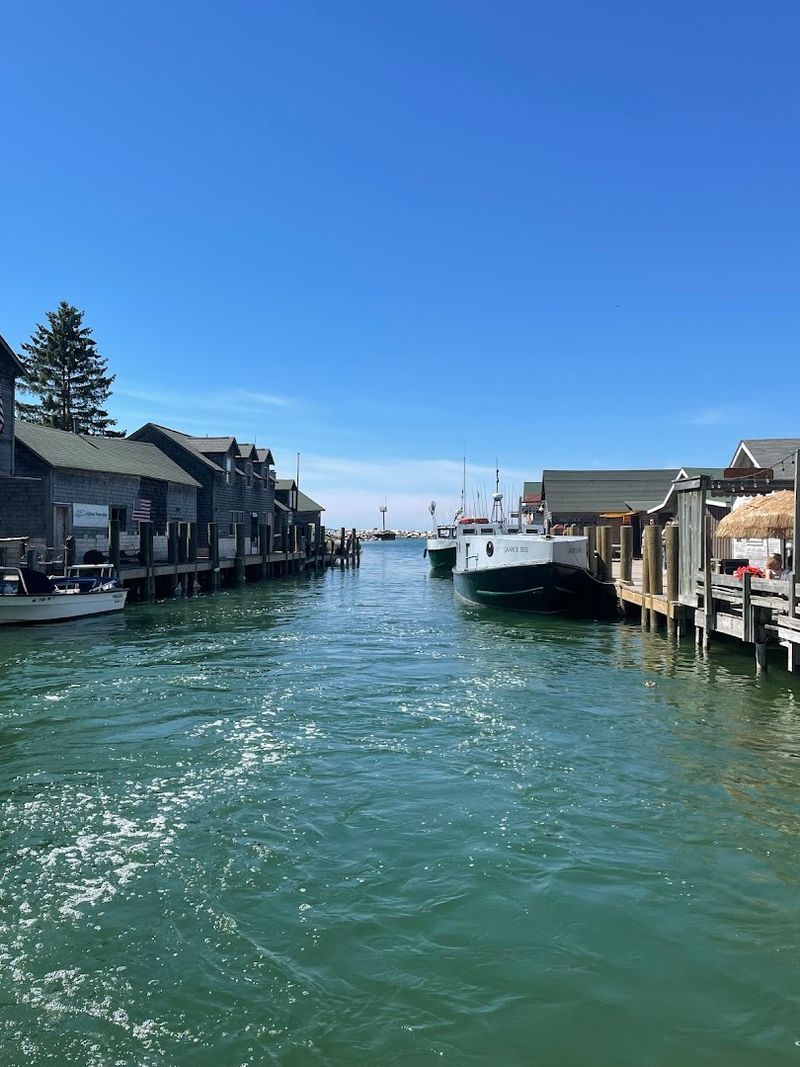
From the docks at Fishtown, you can book a ferry passage to North Manitou Island or South Manitou Island, two remote and largely undeveloped islands that sit about seventeen miles offshore in Lake Michigan. Both islands are part of Sleeping Bear Dunes National Lakeshore.
South Manitou Island is the more accessible of the two and offers hiking trails, a historic lighthouse, a shipwreck visible in shallow water, and a grove of ancient white cedar trees. North Manitou is wilder, with minimal facilities and a permit-based camping system that draws serious backcountry visitors.
The ferry ride itself is worth the trip before you even set foot on either island. Lake Michigan from the water is a different experience than Lake Michigan from the shore, and on a clear day the views back toward the Leelanau Peninsula are genuinely beautiful.
Charter fishing trips on Lake Michigan also depart from Fishtown’s harbor, giving anglers another excellent reason to plan a visit around more than just a walk through the shanties.
Preservation Challenges and the Fight to Save the Shanties
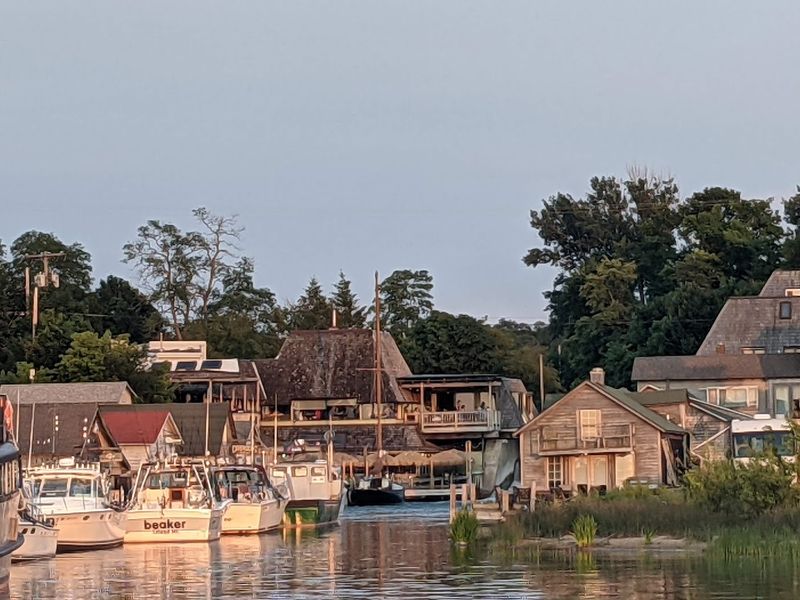
Keeping a collection of century-old wooden buildings standing at the edge of a river that connects to one of the largest lakes in the world is not a simple task. In recent years, rising water levels in Lake Michigan have put serious pressure on the foundations of several Fishtown shanties, threatening structures that survived two world wars and decades of brutal Michigan winters.
The Fishtown Preservation Society, which was established specifically to protect and maintain the village, responded by undertaking a significant engineering project to move and repair the most vulnerable buildings. Some shanties were physically relocated to allow for foundation work beneath them, a process that required careful planning to avoid damaging the historic fabric of the structures.
The effort reflects a broader commitment to keeping Fishtown genuinely authentic rather than replacing the originals with reconstructions. There is a meaningful difference between a restored historic building and a replica, and the people who care for Fishtown understand that difference deeply.
The work is ongoing, and the results so far have been encouraging.
Van’s Beach and the Quiet Stretch of Lakeshore Nearby
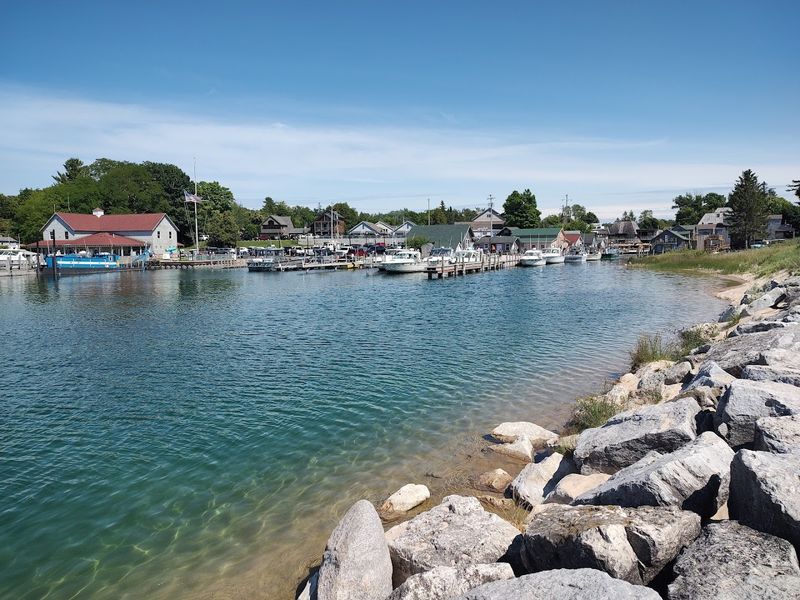
A short walk from the main cluster of shanties brings you to Van’s Beach, a clean stretch of Lake Michigan shoreline that offers a completely different kind of experience from the bustling activity of Fishtown itself. The water here is the vivid blue-green that Lake Michigan is known for, and on a calm day the clarity is remarkable.
The beach is not large, but it does not need to be. It serves as a natural exhale after the sensory richness of the village, a place to sit on the sand, let the lake breeze work on your shoulders, and appreciate the fact that you are standing on the edge of one of the largest bodies of fresh water on Earth.
Combining a visit to Fishtown with time at Van’s Beach makes for a well-rounded afternoon that covers history, food, shopping, and genuine natural beauty without requiring a car move or a complicated plan. The proximity of the two is one of Fishtown’s quieter advantages as a day-trip destination.
Practical Tips for Getting the Most Out of Your Visit
Fishtown is open around the clock every day of the week, which means early morning visits are entirely possible and actually quite rewarding. Arriving before the crowds fill the docks gives you a chance to experience the village at its most atmospheric, when the light is soft and the only sounds are the river and the occasional boat engine.
Parking in the immediate area is limited and can become genuinely difficult during peak summer weekends. Arriving early or visiting on a weekday reduces that stress considerably.
Some shops operate on a cash-only basis, so carrying some bills avoids the inconvenience of hunting for an ATM in a town that does not have many.
Most of the shops and restaurants operate seasonally, with the fullest range of options available from late spring through early fall. A few businesses close on certain weekdays even during summer, so checking ahead before making a long drive specifically for one restaurant or shop is a practical step that can save real disappointment on arrival.



