 Unearth The Voyage
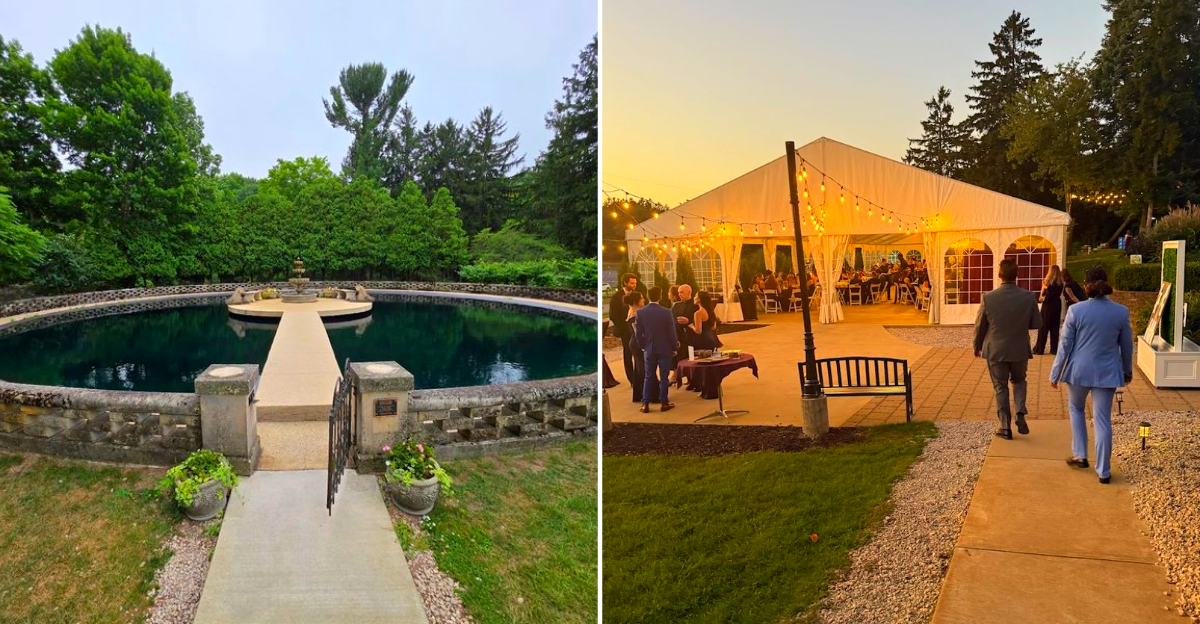
Tucked away in Michigan is a home that feels deliberately dramatic, built with sweeping staircases and unmistakable jazz-age influence. I came for a quiet tour and left plotting how to relive an evening where elegance still keeps the lights on.
The carved woodwork, a fountain that stages its own soft-shoe routine, and gardens feel like they practiced their steps. Keep reading and I will show you how this place turns a simple visit into a scene you can practically waltz through.
Address, Arrival, and First Impressions
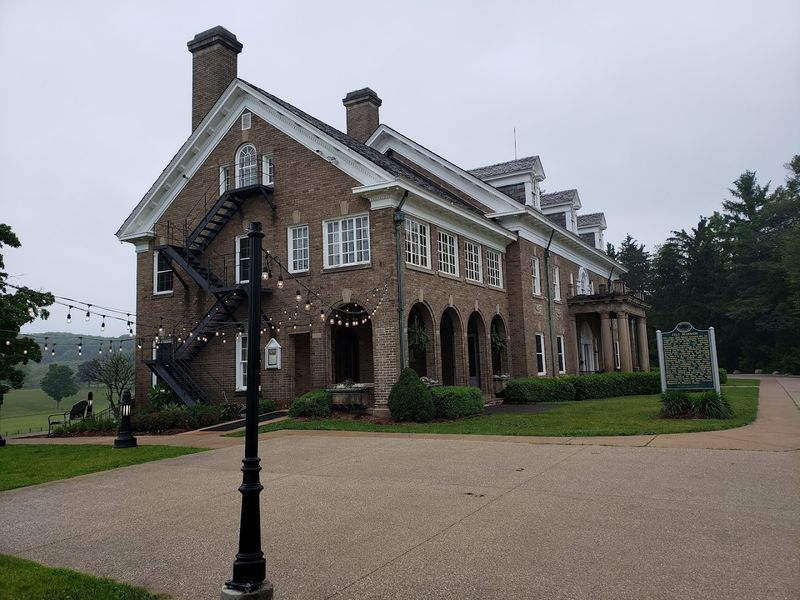
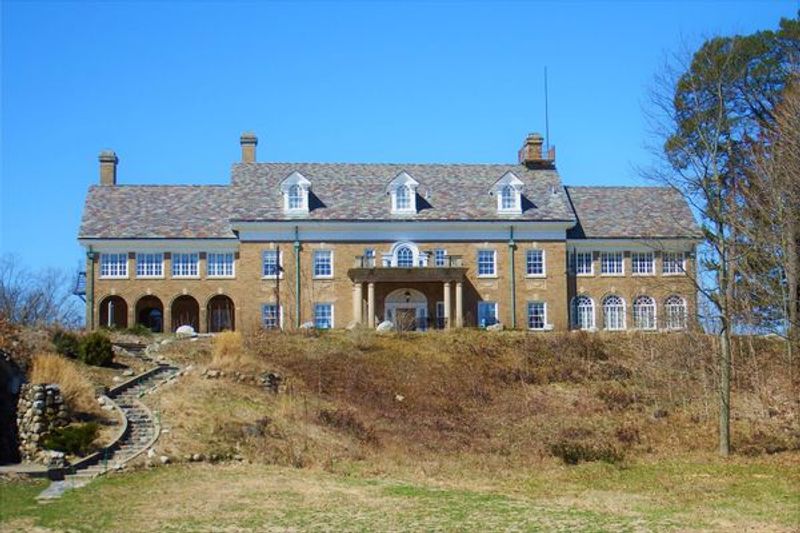
The Felt Estate sits at 6597 138th Ave, Holland, Michigan 49423, a dignified address that lands you at a 1928 mansion poised between forested dune land and Lake Michigan breezes. I stepped from the car and the first thing I noticed was the stillness, the kind that makes footsteps sound like dialogue, as if the house had been waiting for you to cue the next scene.
A wide front walk guides your eye toward limestone, brick, and dark trim that make the facade feel both solid and expectant.
Staff greet visitors with a calm confidence that immediately lowers shoulders and raises curiosity. I picked up a self-guided tour brochure, though a docent-led option tempts with deeper details and behind-the-scenes lore.
The front doors open with a measured weight that sets the tone for a visit paced to appreciate craftsmanship rather than rush past it.
Inside, walnut and oak warm the air while a delicate scent of polished wood sets a memory you will carry home. The foyer frames the grand staircase like a proscenium, and the floor pattern feels choreographed under careful feet.
Here is where the idea of a Great Gatsby party stops feeling like theme and starts feeling like setting.
A Brief History With Plenty Of Character
History at the Felt Estate reads like a quiet page-turner, written by Dorr E. Felt, the inventor known for his adding machine, and his wife Agnes.
Built in 1928 as a summer residence, the house carried the confidence of a successful industrial era while keeping domestic grace at its core. Over decades it shifted roles, including time as a seminary building and a police training facility, before community resolve brought restoration.
The estate’s revival did not happen by accident. Volunteers, local leaders, and preservation experts pieced together original details by studying photographs, sourcing period fixtures, and repairing what time tried to forget.
Standing in these rooms, I could feel the patience that went into chasing accuracy, not just atmosphere.
Docents explain that the interior design follows 1920s sensibilities without pretending the calendar never turned. Modern systems coexist discreetly with paneled rooms, crystal fixtures, and patterned floors.
A sense of continuity holds everything together, the way a solid spine holds a favorite novel. When you hear that events now echo through these halls, the through-line makes sense.
Architecture That Sets The Stage
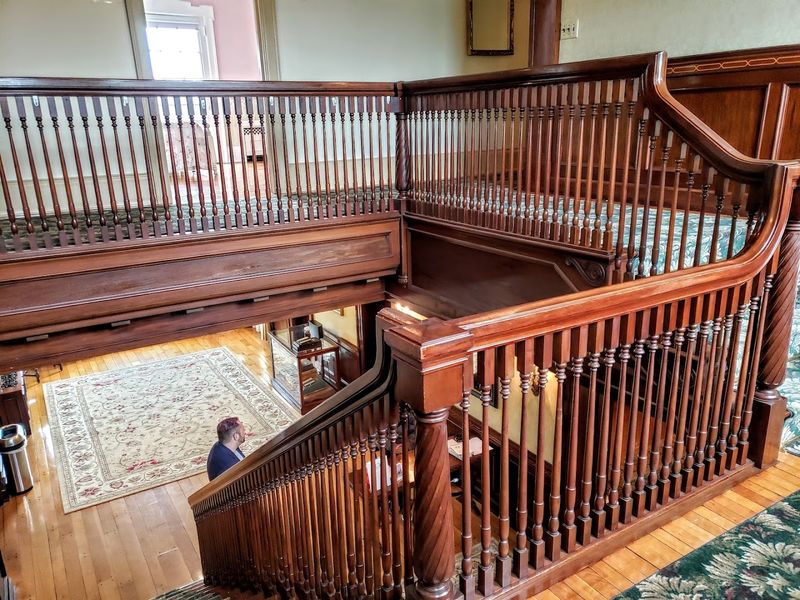
Architecture here works like a script that invites participation. The stair hall rises with an easy curve, railings smooth beneath your hand, while geometric flooring quietly plots your path.
Sunlight filters through tall windows and lands on paneled walls with a softness that flatters every angle.
Rooms flow in a sequence meant for conversation. Parlor to library to dining room creates a rhythm of reveal, each space scaled for comfort rather than intimidation.
I noticed how doors align to create long sightlines, a favorite trick of early 20th century designers who understood how people move when dressed for a memorable night.
Details carry the tune. Carved moldings keep their crisp edges, fireplace mantels collect shadows, and ceiling medallions hold chandeliers like a steadying hand.
In a place that often hosts weddings and seasonal tours, the architectural bones do half the entertaining. I could imagine a trio warming up in the corner as guests drifted in with the same measured grace the house expects.
Rooms That Remember Their Lines
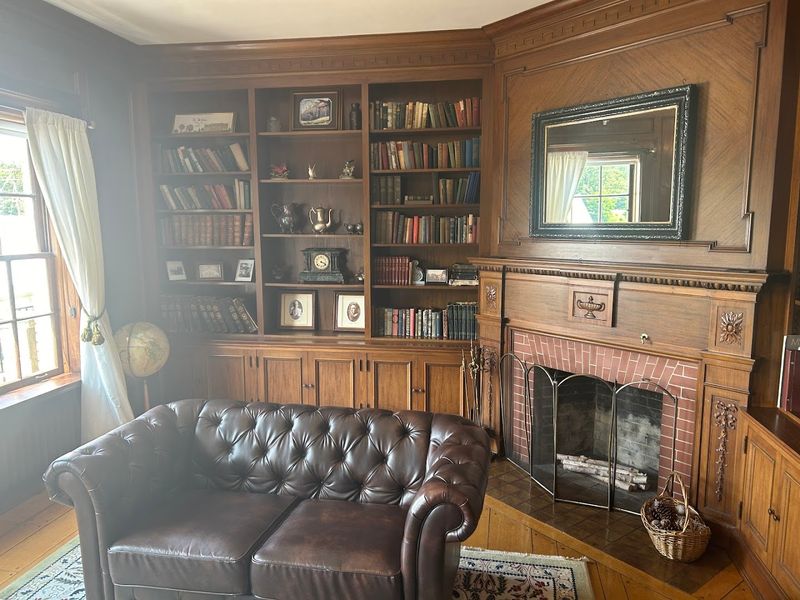
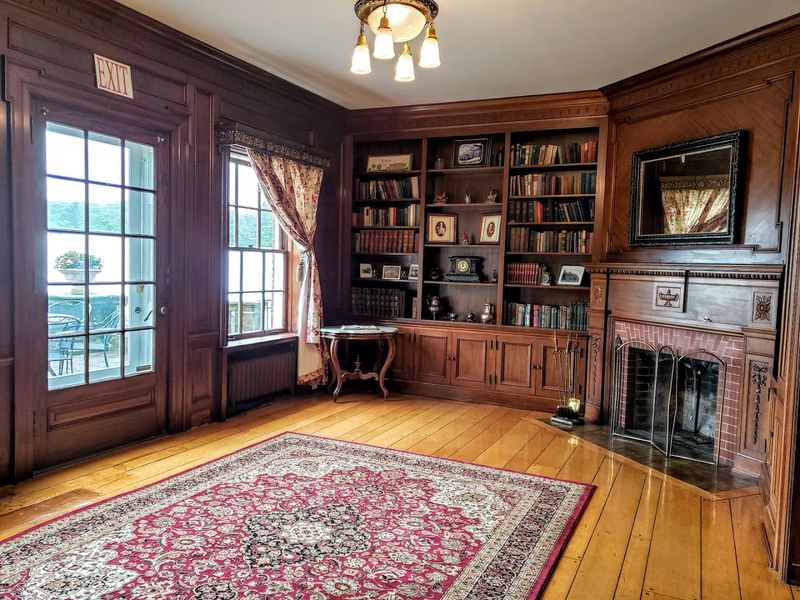
The library felt like it had just cleared its throat for conversation. Leather chairs keep their posture, a patterned rug anchors the room, and built-in shelves hold both books and silence with equal care.
A writing desk near the window looks ready for a letter that begins with good news and ends with an invitation.
Across the corridor, a parlor maintains a social tempo. Light fixtures glow at a level that flatters faces and photographs without shouting for attention.
I moved slowly because the rooms seem to reward patience, offering small discoveries like a carved corner, a brass hinge, or the profile of a keyhole.
The dining room promises ceremony even when set modestly. Table leaves extend fantasies along with place settings, and the fireplace looks pleased to host.
Each space keeps its voice, yet together they form a chorus that sounds distinctly late 1920s, where style steps forward while manners still conduct the scene.
Gardens, Fountain, and Open-Air Moments
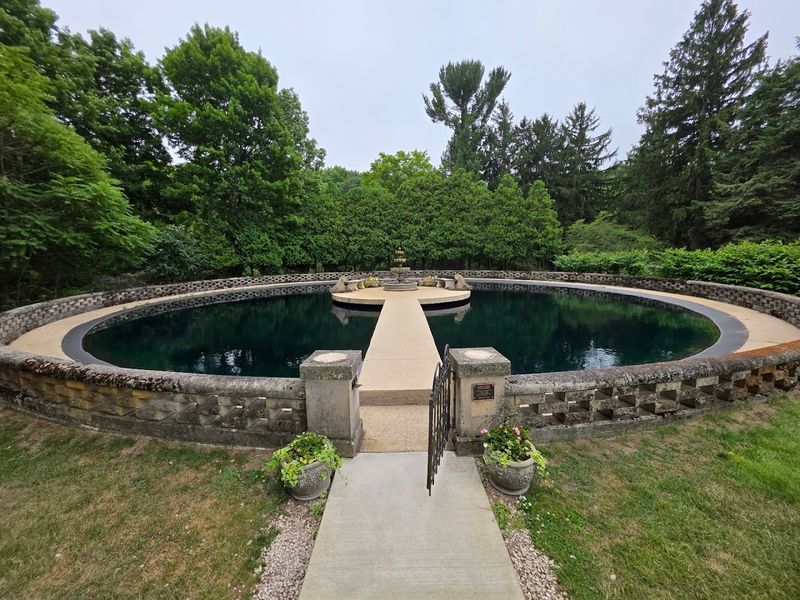
Outside, the grounds stage their own quiet show. The fountain sets the rhythm with a steady hush while hedges frame gravel paths that seem to understand the value of a well-timed entrance.
I followed a curve that delivered the mansion as a backdrop, every angle primed for a photograph you would not mind framing.
Lawns roll out without bravado, which makes them perfect for ceremonies, picnics after tours, or a reflective pause on a bench. Seasonal plantings shift the palette from spring brightness to late-summer depth, then into the crisp understatement of fall.
You can feel Lake Michigan air step in like a guest who knows exactly when to arrive.
Evening light stitches everything together with a soft thread. On event nights the landscaping becomes part of the itinerary, guiding footsteps toward the tent, the chapel, or back to the mansion for more conversation.
I left a few extra minutes in my schedule just to let that fountain write its own closing argument.
Tours, Tickets, and Timing Your Visit
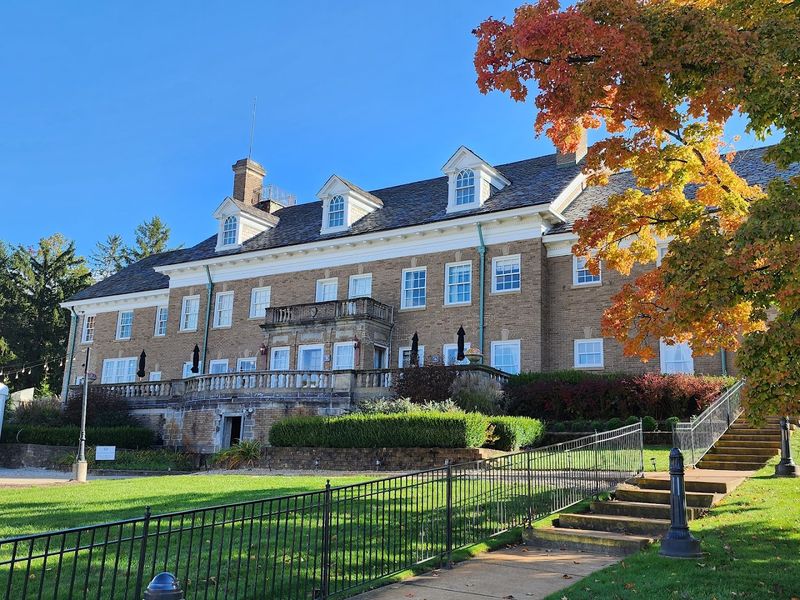
Planning pays off here, so I checked the website for current tour days, seasonal events, and special programs before heading over. Options typically include self-guided hours and docent-led tours that dive into restoration stories and design notes.
I arrived early and found parking straightforward, with clear signs that spare you any guesswork.
Admission supports ongoing preservation, which makes every ticket feel like a small brick in the wall. Docents bring humor and detail without drifting into lecture mode, and the pace lets you breathe between rooms.
Photography is encouraged with courtesy, so I kept the flash off and the doorways clear.
Evenings often host candlelight tours during the holidays, and those dates fill quickly. Summer tends to offer expanded hours, while shoulder seasons trade crowds for a slower tempo that suits thoughtful browsing.
I circled key times on my calendar because the most satisfying visits here happen when the building and your schedule agree on unrushed attention.
Events With Jazz-Era Spark
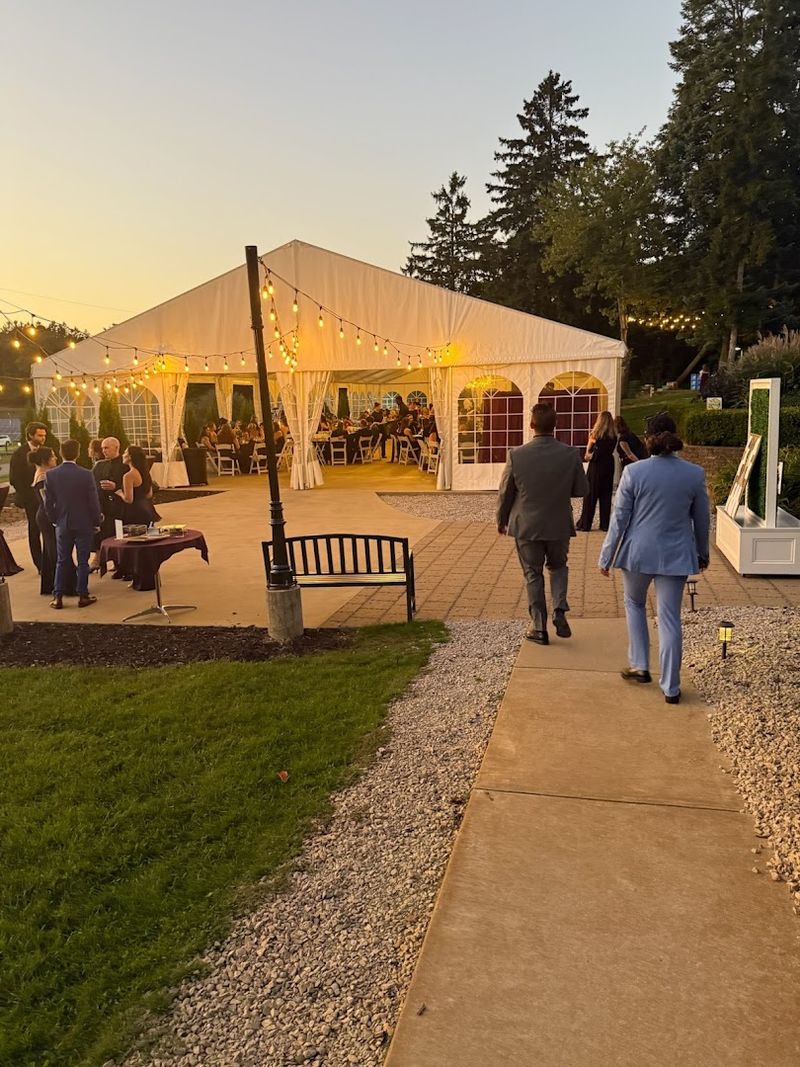
Event days feel like the house inhales and expands. A garden ceremony by the fountain, cocktail conversation in the mansion, then a tented reception creates a graceful arc that never loses momentum.
Staff coordinate transitions with an ease that suggests many rehearsals and a fondness for good timing.
The setting naturally leans into 1920s style without costume pressure. Subtle geometric patterns, polished surfaces, and the proportions of these rooms carry the vibe for you.
I watched couples drift through the parlor with the same ease as characters in a well-blocked scene.
Community fundraisers and seasonal evenings add variety to the calendar, often pairing live music with history-forward storytelling. The building supports both with perfect pitch, absorbing sound and conversation without muddle.
Leaving an event here, I felt like my shoes still remembered the floor’s rhythm and were in no hurry to forget it.
Wedding Day Flow and Photo Magic
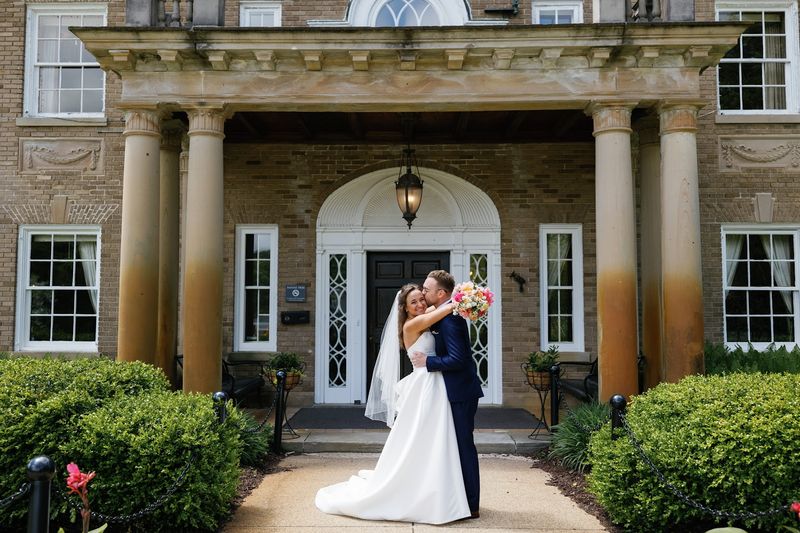
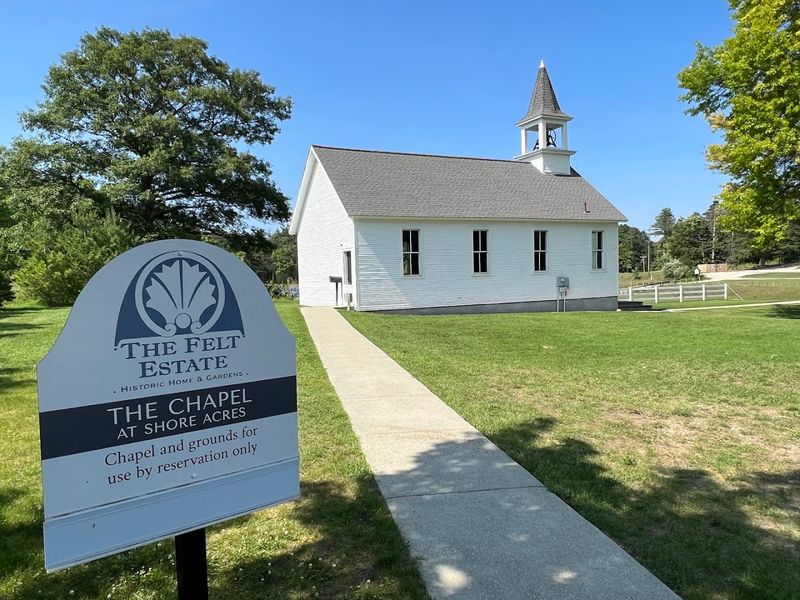
Wedding flow at the Felt Estate benefits from proximity and purpose. Preparation spaces upstairs keep nerves steady, the little white chapel nearby provides ceremony intimacy, and the mansion absorbs cocktail hour with style.
A tented reception across the lawn completes the arc while keeping travel time to footsteps.
Photography finds friendly angles everywhere. Staircase portraits read timeless, library frames create quiet intimacy, and the fountain serves confident grandeur without upstaging the couple.
Even on a cloudy day, the architecture gathers light the way a good host gathers guests.
Staff coordinate timelines with practiced calm that convinces watches to trust them. Guests appreciate the ability to explore during transitions, turning wait time into discovery.
When I left after one celebration, my camera roll looked curated by the building itself.
Holiday Glow and Seasonal Traditions
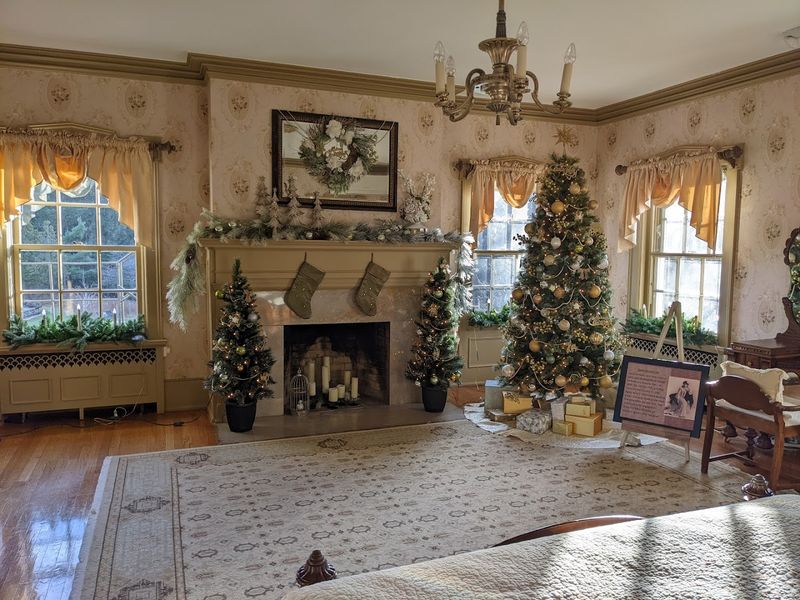
Seasonal programming turns the mansion into a mood you can walk through. Candlelight tours glide past trees dressed with thoughtful nods to the estate’s story, and each room feels tuned to a slightly different key.
I noticed quiet details, like vintage office pieces arranged with humor and care.
Winter suits the woodwork and the fixtures, which return the favor by casting warm pools of light. The result is not spectacle so much as hospitality, a feeling that you are being welcomed into a tradition that keeps learning how to host well.
Outside, the grounds rest under colder air while windows glow with steady resolve.
Spring and summer trade candles for daylight, setting gardens into motion and opening the calendar to more tours and events. Autumn arrives with color and a measured tempo perfect for reflective visits.
I mark the holiday season, though, because this building wears winter like a well-tailored coat.
The Chapel and Quiet Moments
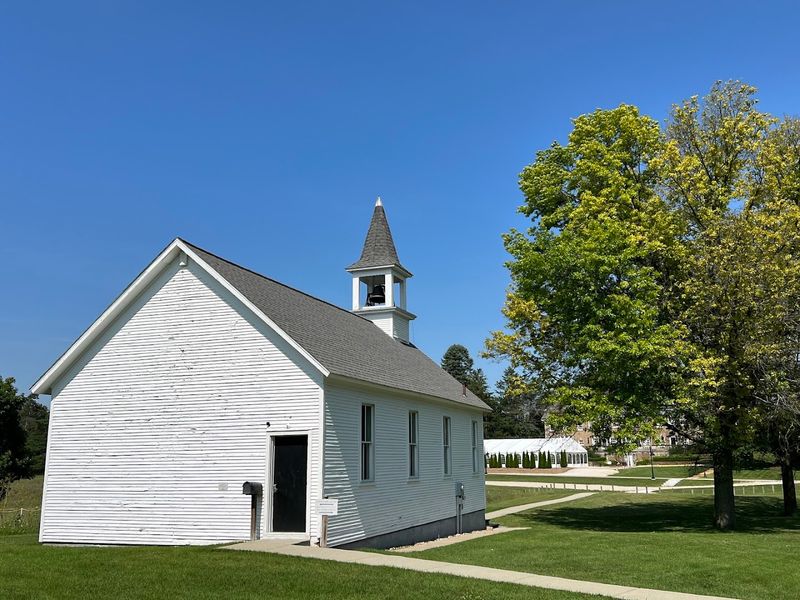
Down the hill, a small white chapel offers a pause that feels intentional. The exterior keeps lines clean and proportionate, while the interior balances simplicity with ceremony.
Benches hold stories and expectations in equal measure.
I stopped here after touring the mansion and felt the estate’s scale shift from grand to personal. Acoustics wrap music with gentle clarity and amplify vows without effort.
Sunlight collects on the floorboards as if it has a standing reservation.
Couples use this space for ceremonies, but it suits quiet reflection on a weekday just as easily. The path back up the slope returns you to the mansion with a steadier heartbeat.
That small transition helps the entire property make sense as one experience with several tempos.
Practical Tips: Parking, Accessibility, and Comfort
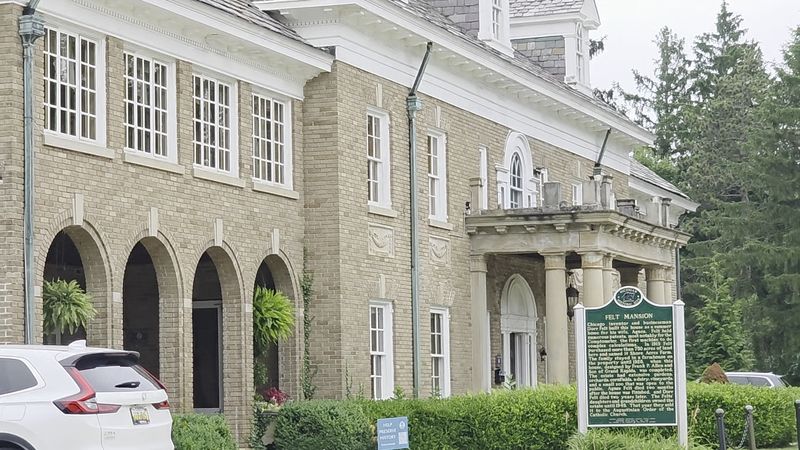
Practicalities here keep elegance honest. Parking is close and well marked, and paths guide you to the main doors without detours.
I wore low heels and felt confident on gravel and stone, though narrow treads on the staircase reward a measured step.
Accessibility features are integrated with care, and staff help navigate options so everyone can enjoy the rooms and grounds. Restrooms are easy to find, water is handy, and signage answers common questions before you even ask.
The brochure map earns a spot in your pocket all afternoon.
For events, plan layers. Lake-effect breezes can surprise in the evening, and garden receptions feel best when you dress for movement.
I keep a small flashlight in my bag for late-night path finding, which pairs nicely with unhurried goodbyes.
Nearby Nature and Post-Visit Wanderings
The estate sits close to dune land and Lake Michigan, which invites a lingering afternoon. After my tour I followed local roads toward trailheads that thread through trees and sandy rises.
That quick change from parquet to pine needles makes the day feel generous.
Back at the mansion, the grounds provide a second, quieter encore if you are not ready to leave. Benches watch shadows lengthen across the lawn and make a final conversation easy.
I like to end with one more look at the facade catching the last light before promising to return.
Because the visit centers around one destination, these nearby walks supply contrast without stealing the show. The pairing works like a well-sequenced album, track after track landing just right.
Your shoes will remember both surfaces and be happier for it.
Why This Place Channels A Great Gatsby Mood
The Gatsby feeling here does not rely on costumes or slogans. Proportions, materials, and pacing create the illusion of an evening that still believes in polished shoes and thoughtful entrances.
The house provides structure while the grounds lend grace, and together they generate a mood that does not need to announce itself.
Events take the hint. Live music nestles into wood-paneled rooms, soft lamps flatter conversations, and the flow from parlor to lawn carries the same quiet glamour that readers imagine on a page.
I left convinced that this atmosphere is built into the blueprint.
That is why the experience lingers after the last light clicks off. You carry a sense of timing home, that careful cadence where beauty and hospitality meet.
It feels less like playacting and more like remembering how a night can unfold without hurry.



