 Unearth The Voyage
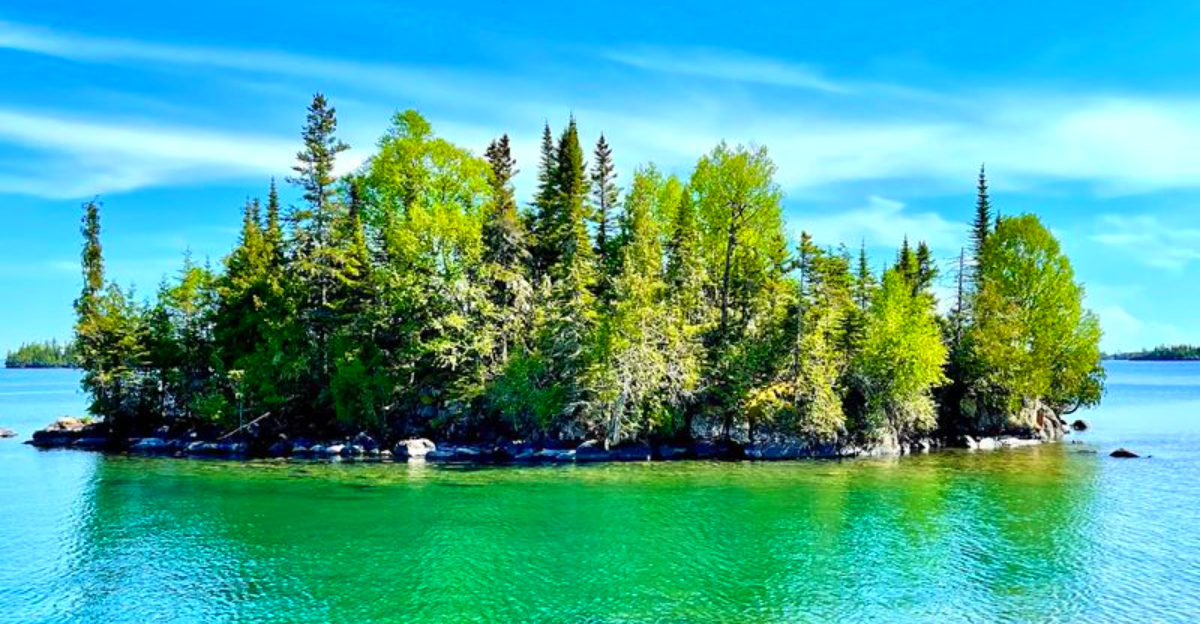
There is a place in Lake Superior where the hum of traffic fades to loons calling and wind in spruce, and it hooked me the first time I saw its shoreline. Getting there takes commitment by boat or seaplane, but the payoff is quiet trails, cold blue coves, and nights bright with stars you forgot existed.
Stick with me through this guide and you will know how to plan it right, what trails actually feel like underfoot, and where the island tells its stories best. By the end, you will understand why visitors come back again and again, chasing that rare mix of challenge, calm, and raw northern beauty.
Finding The Island’s True Address
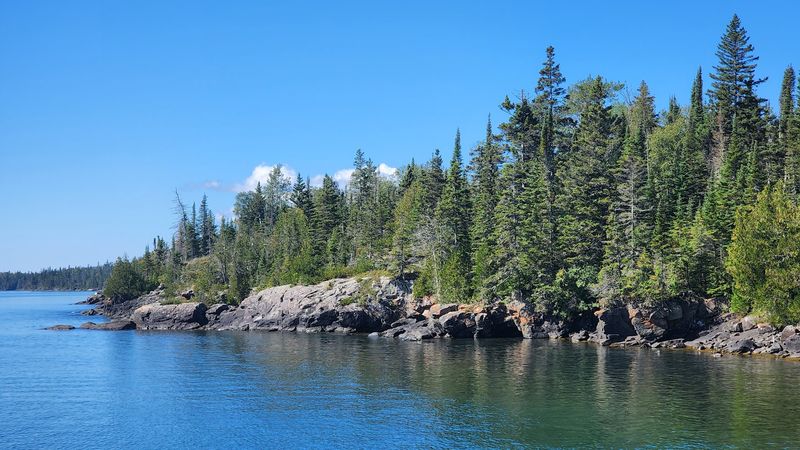
First, the mystery spot gets a name and place. Isle Royale National Park sits in Lake Superior, Michigan, within the United States, and the primary visitor contact for planning is Isle Royale National Park Headquarters, 800 E Lakeshore Dr, Houghton, MI 49931.
The island itself has two main entry points on the water side, Rock Harbor on the east and Windigo on the west, both reached by ferry or seaplane.
No roads cut across this wilderness, which immediately changes your pace. Your schedule syncs with boat timetables, daylight, and trail miles, not lane lines or gas stations.
Rangers were friendly and clear about Leave No Trace, bear cans not required here, and the ever present need to respect moose and wolves by giving them distance. At check in, the backcountry permit process was straightforward and a good moment to ask last minute trail condition questions.
Rock Harbor Lodge staff offered tips about water taxis and day trip options if you do not plan to backpack.
What grabbed me most the first hour was the clean air and working harbors. Floatplanes touched down with soft roars, ferries offloaded gear stacks, and then everything settled into quiet again.
That rhythm is the island’s address too, and you will feel it by sundown.
Arrival By Water Or Air
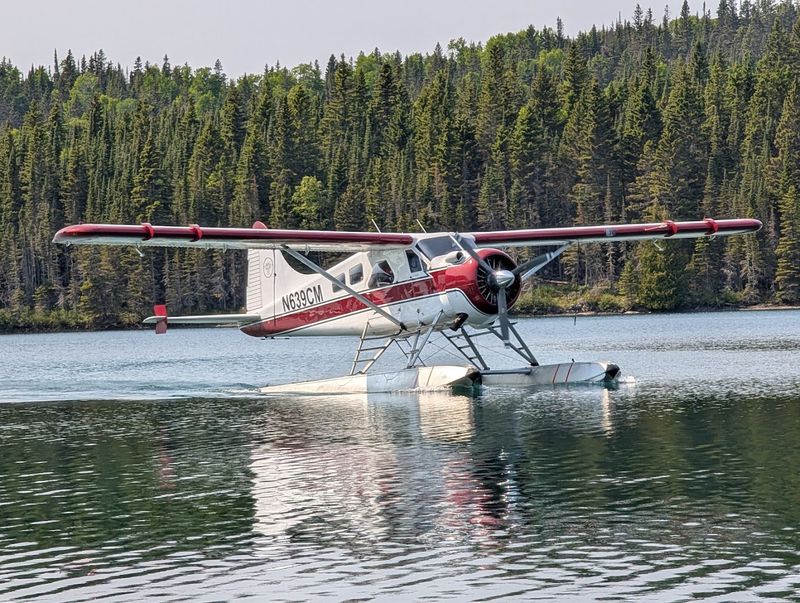
The approach sets the mood long before a boot hits granite. Ferries sail from Copper Harbor and Houghton in Michigan and from Grand Portage, Minnesota, while seaplanes operate seasonally to Rock Harbor and Windigo.
I booked months ahead, watched the weather, and learned that Lake Superior writes the rules with fog, wind, and sudden chill.
On a bumpy crossing, the deck felt like a rite of passage. Layers mattered, plus a dry bag for maps and a rain shell that actually sheds water.
Crew and captains know the lake, and their briefings help you plan those first precious hours once you dock.
The seaplane alternative trims travel time and gifts a jaw dropping aerial of the Greenstone Ridge, coves, and hundreds of satellite islets. Weight limits keep packing honest and efficient.
Ear protection helps, but the view of long, glinting shoreline makes the engine hum fade to background.
Delays can happen, so I kept an elastic schedule on day one. A short orientation talk at Windigo or Rock Harbor covers safety, campsite etiquette, and wildlife distance.
When the boat wake smooths out behind you and the pier boards thump underfoot, the trip stops being a plan and starts being a place.
Greenstone Ridge Underfoot
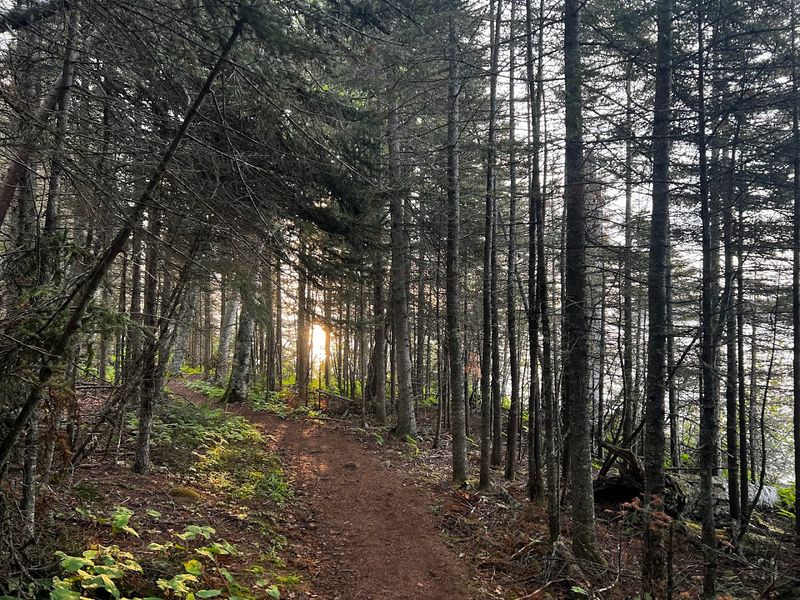
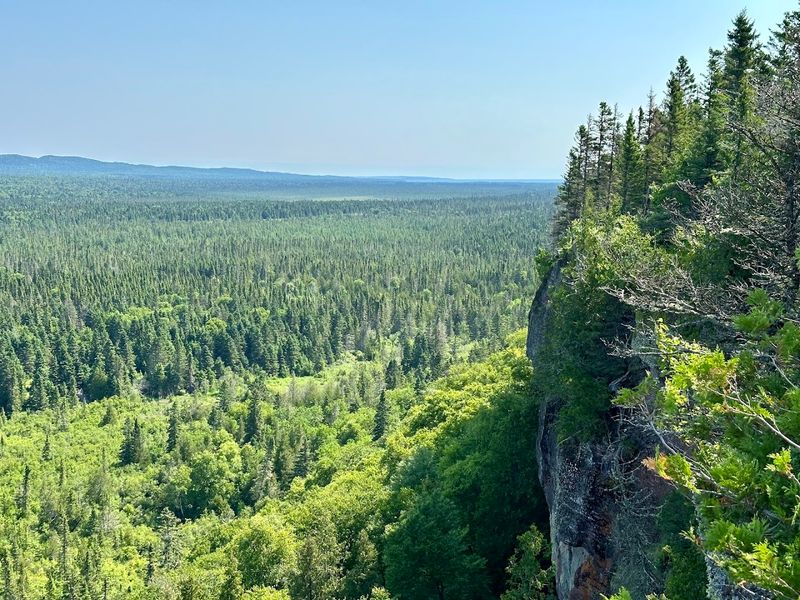
One ribbon ties the island together like nothing else. The Greenstone Ridge Trail runs roughly 40 miles along the island’s spine, undulating over ancient bedrock and passing through boreal forest, open ridges, and wind pruned spruce.
I sampled sections rather than the entire traverse and still felt the sweep of it.
Underfoot, the rock is sometimes polished smooth and sometimes snaggy, so sturdy boots earn their keep. Blueberries in late summer dot the edges, and red squirrels scold like tiny gatekeepers.
Views open to both coasts in places, making Lake Superior look endless and close at the same time.
Water sources exist but require planning and filtering. Campsites along connecting trails help break mileage into humane chunks, and rangers can flag muddy stretches or blowdowns that slow travel.
I liked starting days early to catch cool air and long light.
Navigation felt straightforward thanks to signed junctions and a good paper map tucked inside a waterproof sleeve. Mosquitoes and black flies vary by month, so bring head nets and repellent, then thank yourself later at dusk.
Finishing a ridge segment at camp felt like earning a private balcony over the lake, with loons stitching the evening together.
Rock Harbor Days
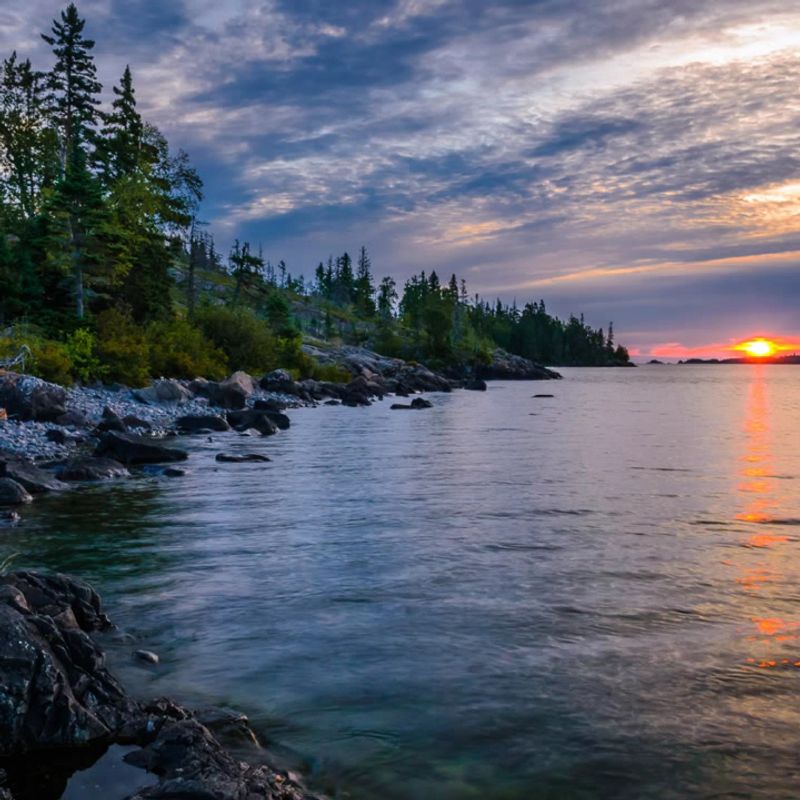
Harbors feel like small villages here. Rock Harbor on the east side anchors trips with a visitor center, a small store, Rock Harbor Lodge, and access to water taxis that unlock trailheads and coves.
I based a couple of nights nearby to mix shorter hikes with shoreline time.
Trails like Scoville Point and Suzy’s Cave weave through forest and bedrock and give quick payoffs in views. The Rock Harbor Trail itself can be ankle twisting in places with tilted rock, which makes the slower pace strangely enjoyable.
When the water lies flat, reflections turn docks and pines into doubled scenes.
Services help but do not erase the wild setting. You can buy basics, ask rangers about current wildlife activity, and still be a few minutes from quiet shoreline where a fox trots past like it owns the place.
Evenings cooled fast, and a windbreaker lived on my shoulders.
From here, a water taxi run to Moskey Basin or Daisy Farm can shape a perfect day. I timed returns with sunset so the last light hit the harbor stones.
That soft glow felt like a daily curtain call on the east end of the island.
Windigo On The Wild West
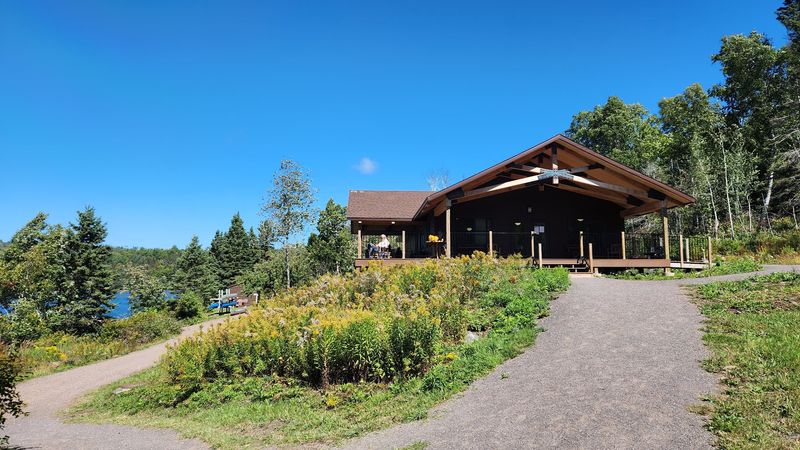
The west side greets you with a different tempo. Windigo has a visitor center, small store, campground, and trail access that pulls you quickly into quiet ridges and forested loops.
I liked starting with the Nature Trail to shake out ferry legs and then heading toward Grace Creek Overlook for lake and forest vistas.
Wildlife sightings feel common around dusk. Moose browse in wetlands, and beavers leave their chewed signatures along channels.
Distance matters, so I kept the camera zoom doing the approach work while feet stayed planted.
Windigo also anchors trips for those crossing the island eastward. Some backpackers step off a plane, grab a permit, and climb toward the Greenstone in the same morning.
I preferred a slower launch and a night at Windigo Campground to let my trail rhythm click.
Rangers here share clear trail intel and weather notes, which matter because Lake Superior can send waves of fog like theater smoke. A small cafe window sometimes serves simple food in season, a nice morale boost.
When the last boat sound dwindles, Windigo settles into a hush that makes tent zippers feel loud.
Moose, Wolves, And Respectful Distance
Wildlife here is not a sideshow, it is the show. Moose roam in wetlands and along lakeshores, and wolves exist as elusive managers of the island’s ecological story.
I saw fresh tracks and scat more often than animals and took that as a sign to move thoughtfully and keep food secured.
Rangers explain viewing distances and why crowded animals change behavior for the worse. Patience helps, so I let quiet minutes pass at dawn near ponds, scanning with binoculars and keeping still.
Loons called across coves like a slow metronome.
Foxes and beavers often steal scenes with quick cameos. Otters appear as slick ripples that suddenly become whiskered heads, then vanish.
A camera strap kept my hands free for trekking poles, which meant fewer fumbles when something darted across the trail.
What mattered most was remembering this is their home. Staying on trail, storing food, and backing away when animals notice you keeps encounters safe and sweet.
On nights when wolves howled far off, the island felt connected and complete, and sleep came easy under that sound.
Kayaks, Coves, And Cold Water
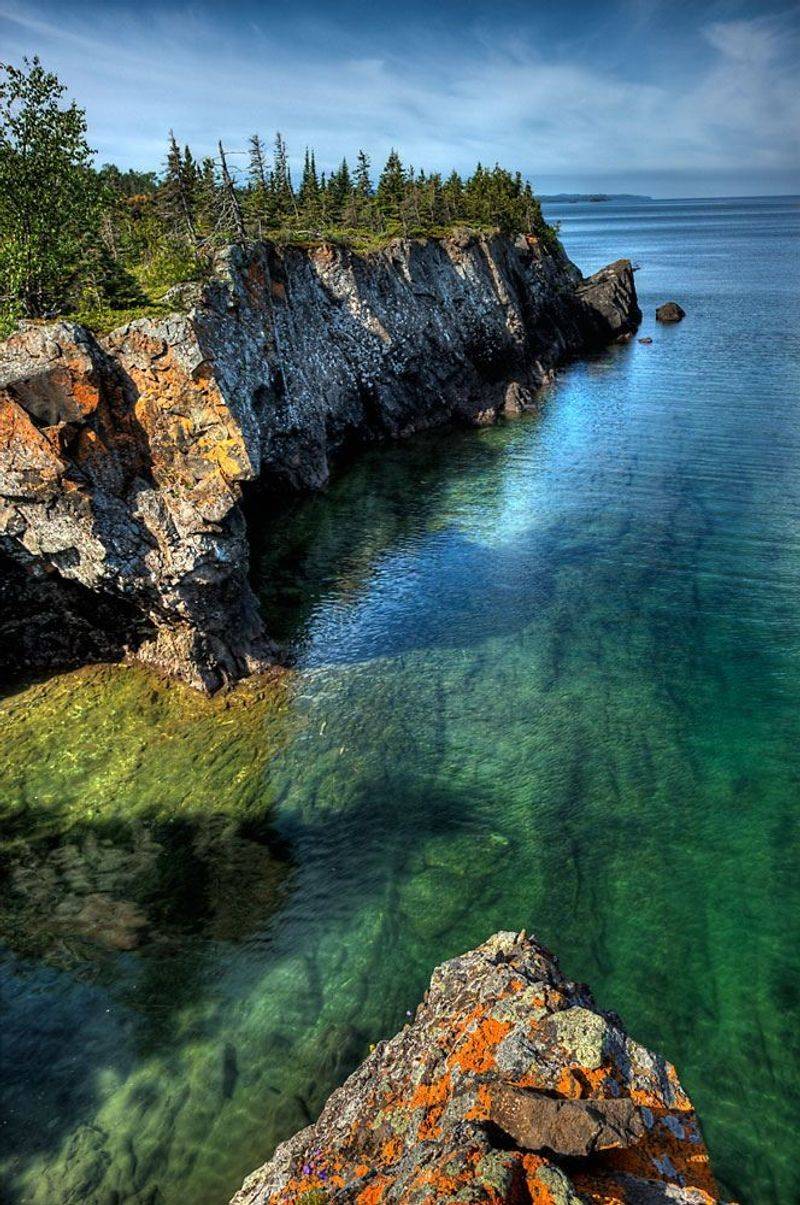
Water defines every day here even if you never dip a paddle. Kayaking along sheltered stretches reveals coves where bedrock shelves down into impossible blues and greens.
I checked wind forecasts and hugged shorelines, treating exposure with respect because Lake Superior is powerful and cold.
Outfitting is minimal on the island, so plan rentals and shuttles through Rock Harbor services ahead of time. Dry suits or solid immersion gear matter in shoulder seasons.
I carried a spare paddle and kept routes conservative when whitecaps started to tattoo the surface.
Back on shore, I stashed boats above the high water mark and secured gear against quick squalls. Even without paddling, time at docks watching light change is its own reward.
The island gives water in moods, and each one writes a different margin on your day.
Shipwrecks And Superior Stories
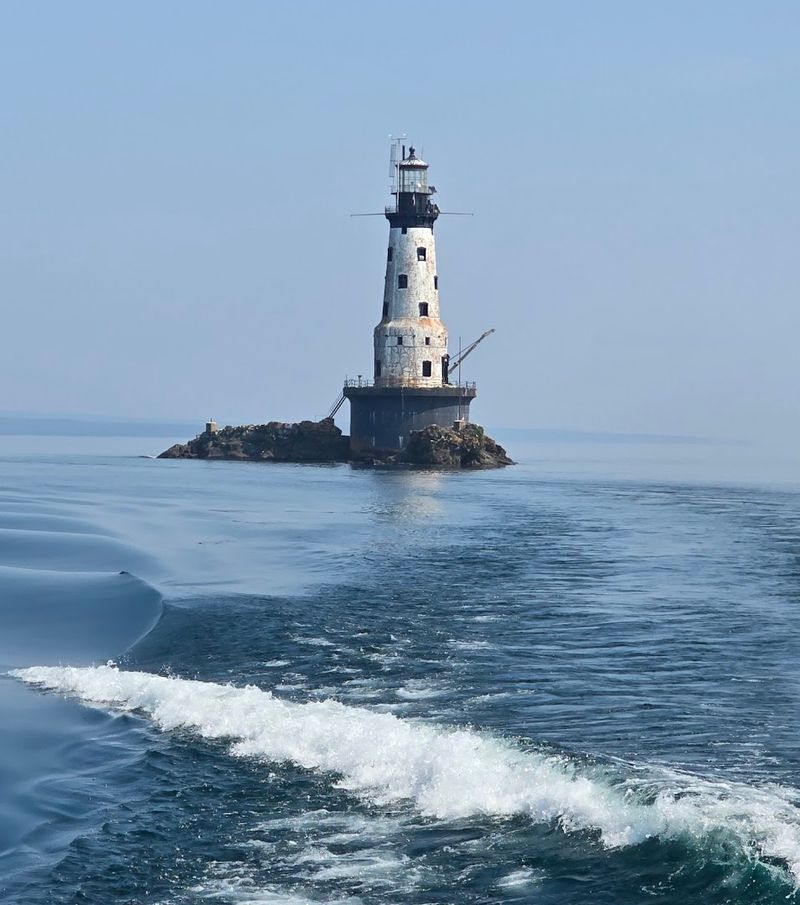
History sleeps under these waves. The waters around Isle Royale cradle well preserved shipwrecks that draw cold water divers and maritime history fans.
I stayed topside yet still felt the pull through interpretive displays and ranger talks that describe storms, cargoes, and the rugged work of Great Lakes shipping.
Visibility can be excellent in this clear, cold lake, which helps explain the diving appeal. Permits, experience, and serious thermal protection are essential, and local guides know sites and conditions.
For non divers, shoreline stops near Rock Harbor tell enough of the stories to spark the imagination without getting wet.
One afternoon, I traced a lakeside trail and found a quiet viewpoint where a plaque named a long gone hull below. Wind ruffled the surface like pages turning.
It felt right to stand still and listen a while.
The park’s balance of living wilderness and layered human history gives days a textured feel. You are not just walking through forest, you are moving past the edges of trade routes and hard luck voyages.
That context deepens every wave slap on the rock.
Campsites, Shelters, And Simple Comforts
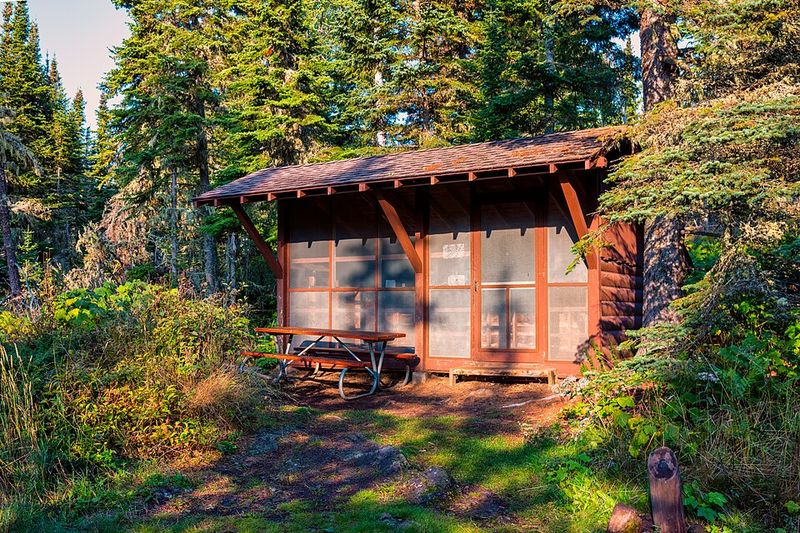
Nights shape the trip as much as miles. Isle Royale offers tent sites and signature three sided shelters at many campgrounds, first come first served, which felt like deluxe windbreaks on blustery evenings.
I backed my pack into corners, rolled out a pad, and listened to water flick the rocks like quiet percussion.
Some spots require careful food storage to deter curious foxes. Stoves are the norm, and fire rules vary by site and season, so I read postings and followed them.
Water filtering became a gentle ritual at the end of the day.
Daisy Farm, Moskey Basin, and Three Mile each carried a distinct mood. One had open shoreline, one gave sunrise views, and one tucked me into trees with quick trail access.
Shelters reduce condensation games, and doors can be screened against evening insects.
Mornings came cool and blue. I kept breakfasts quick and cleanup efficient to bank early light for the trail.
The luxury here is not plush bedding but a seat on warm rock while loons mark the minutes.
Gear That Actually Helps
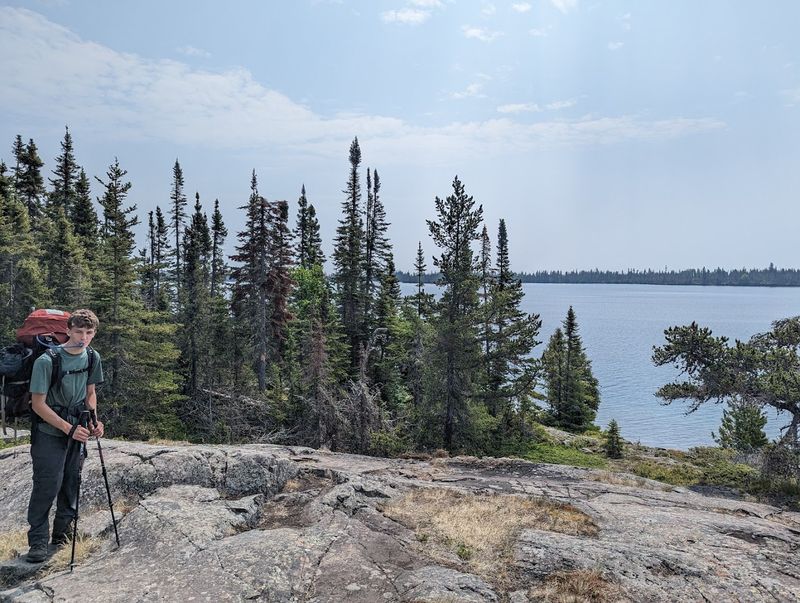
Packing for this island rewards honesty. You carry everything over rock, root, and ridge, so every ounce should earn its ride.
My must haves included a real rain jacket, trail runners or boots with grip, a head net, a warm hat for nights, and a paper map in a waterproof sleeve.
Water filtration is a given and backup tablets live in the hip belt pocket. Trekking poles spare knees on rough stretches and double as shelter props if needed.
I tossed in a small repair kit with tenacious tape and cord for inevitable gear quirks.
Food wants to be simple, calorie dense, and happy to rehydrate in cold if stoves misbehave. Bear canisters are not required, but odor control and tidy camps are still respectful practice.
Dry bags keep sleeping gear safe when squalls arrive without fanfare.
Electronics fade fast without sun, so I rationed battery use, kept the phone on airplane mode, and carried a compact power bank. Paper notes about ferry times and campsite options beat dead screens every time.
The best gear item, though, might be patience tucked where you can reach it when plans bend.
Best Seasons And Smart Timing
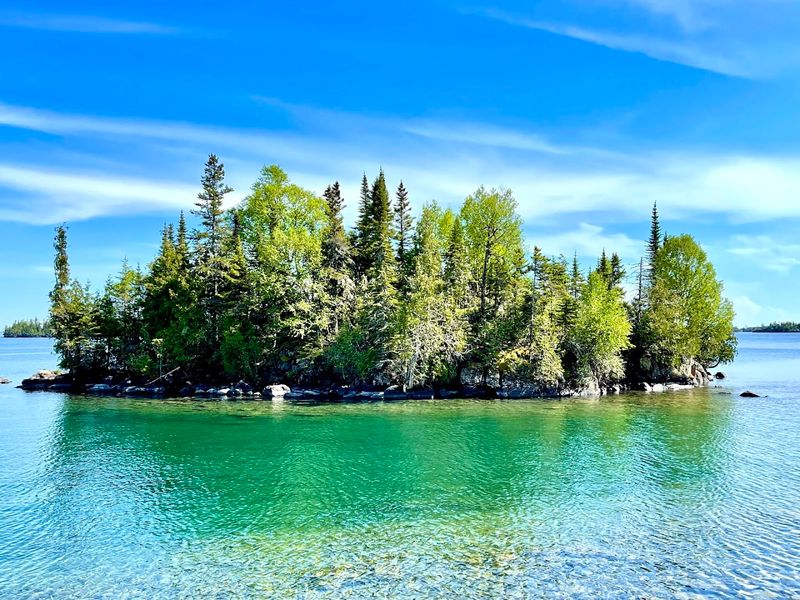
Timing determines what kind of island you meet. The park typically opens mid April and closes in mid October, with services ramping up through summer and tapering as fall settles in.
I have loved late August into September for fewer insects, steadier weather, and cooler sleeping temperatures.
Spring can bring lingering mud, chill, and dramatic fog that cancels boats and planes. Summer offers long light and busy docks, plus more mosquitoes and black flies, so nets and repellent are basic gear.
Fall paints the ridges and turns evenings brisk enough to make a warm layer feel like a friend.
Reservations for ferries and lodging reward early planners. I built slack into my exit day because Superior can stall a schedule without apology.
That buffer changed potential stress into bonus shoreline time.
Wildlife shifts with seasons too. Calves appear in spring, and moose sightings along pond edges often spike at dawn and dusk when heat eases.
Whenever you come, expect weather to change faster than your snack plan, and you will be fine.



