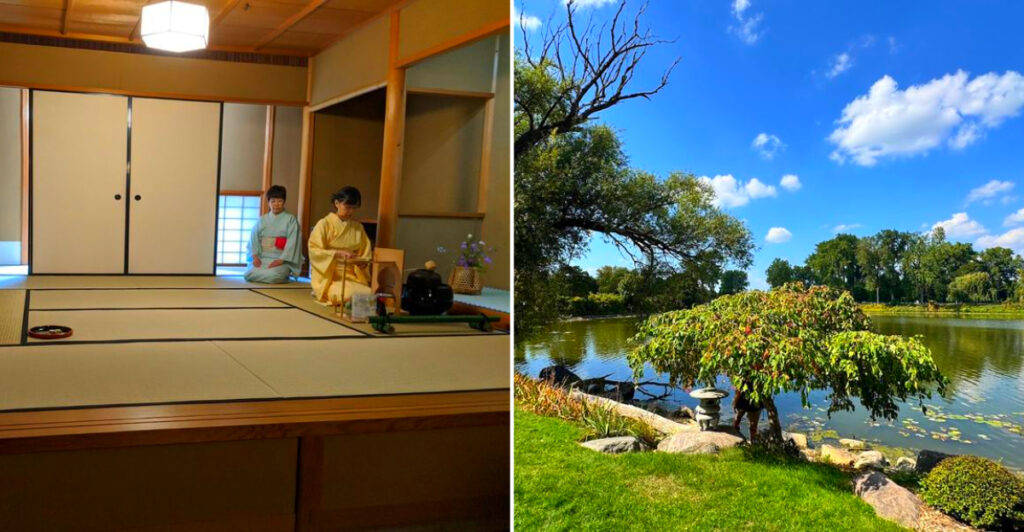
Michigan is home to one of the most authentic Japanese tea houses in North America, and most people have no idea it exists. Located in Saginaw, this space was built by master Japanese carpenters using traditional materials and techniques rarely seen outside Japan.
What makes it stand out is its commitment to accuracy. The structure was built without nails, and the surrounding garden follows classic Japanese design principles, creating a setting that feels far removed from the Midwest.
Visitors come for the tea experience, but stay for the quiet, focused atmosphere that is hard to find elsewhere.
Where This Tranquil Corner of Japan Actually Lives
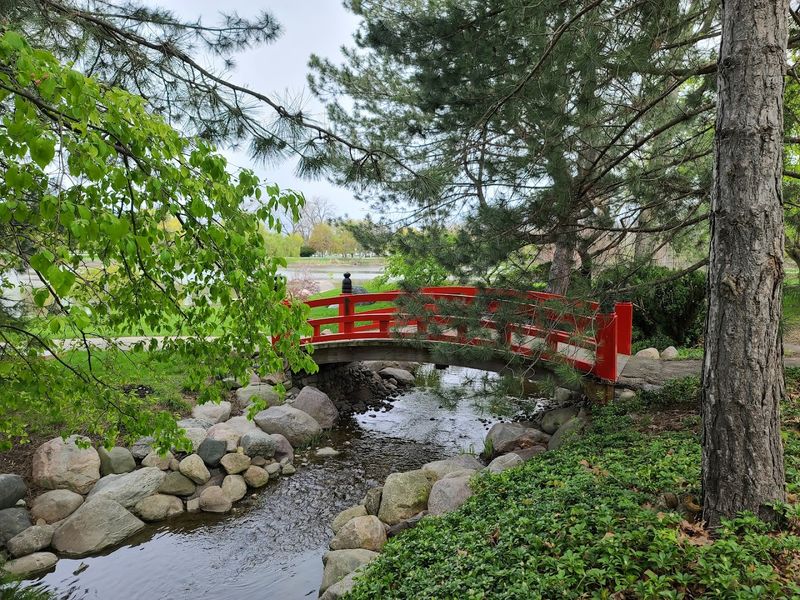
You might not expect to find a three-acre Japanese strolling garden along the banks of a Michigan lake, but that is exactly what waits at 527 Ezra Rust Dr, Saginaw, MI 48601.
The Japanese Cultural Center, Tea House and Gardens of Saginaw sits along the shore of Lake Linton, and the setting alone is worth the trip. The garden runs along the water, giving it a calm, open feeling that larger urban gardens sometimes lack.
Getting here is straightforward, and parking is available nearby, though it can fill up on busy event days. The gardens are open Tuesday through Saturday from 12:00 PM to 4:00 PM, from April 1st through October 31st.
Admission to the garden itself is free, which makes it an easy stop whether you are planning ahead or just passing through the area. The tea house experience does require a small fee, and reservations are strongly recommended for that.
A Friendship That Grew Into a Garden
Few gardens carry this kind of backstory. The entire site exists because of a friendship between two cities on opposite sides of the world, Saginaw, Michigan, and Tokushima, Japan, which became sister cities in 1961.
That relationship was not just symbolic. Over the following decade, both communities worked together to create something physical, something that visitors could walk through and actually feel.
The gardens first opened in 1971, representing ten years of shared intention and goodwill.
The tea house came later, built between 1985 and 1986 by master Japanese carpenters who traveled from Japan specifically for the project. The name of the tea house, Awa-Saginaw An, reflects both cities, with Awa being an old name for the Tokushima region.
That dual identity is woven into every corner of this place. Knowing the history behind it changes how you see the garden, because suddenly the stone lanterns and arching bridge feel less like decoration and more like a handshake across an ocean.
The Garden Design That Lets Everything Breathe
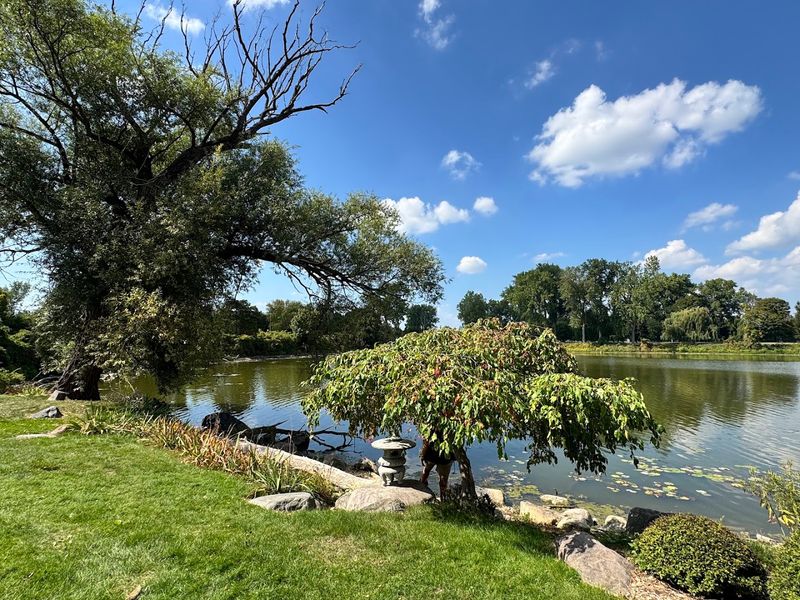
One of the first things I noticed about the garden was how uncluttered it felt. There was space between things, real space, and that turned out to be intentional.
The design philosophy here follows a traditional Japanese approach that arranges trees, water, and rocks so that each element has room to be seen and appreciated without competing with anything else. Weeping cherry trees arc gently over the path.
Authentic stone lanterns mark quiet corners. Hand-crafted bamboo gates frame views rather than block them.
A vermilion bridge arches over a winding stream, and the pop of red against all that green is genuinely striking. Japanese yew bushes, pine trees, and rock garden formations complete the picture without overwhelming it.
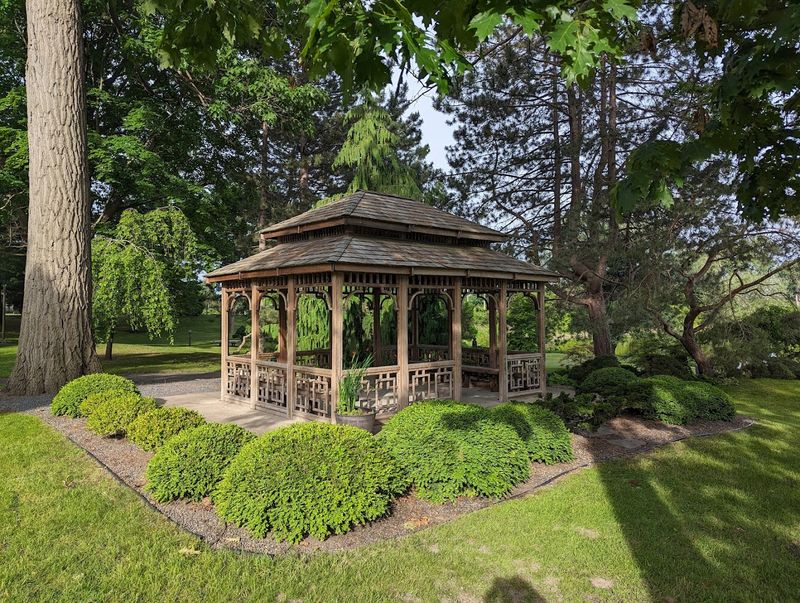
An Asian-inspired gazebo offers a shaded spot to sit and take it all in. The garden covers three acres along Lake Linton, which means there is enough to explore without the walk feeling rushed.
Each season shifts the mood entirely, with spring cherry blossoms giving way to lush summer green and warm autumn color.
The Tea House Built Without a Single Nail
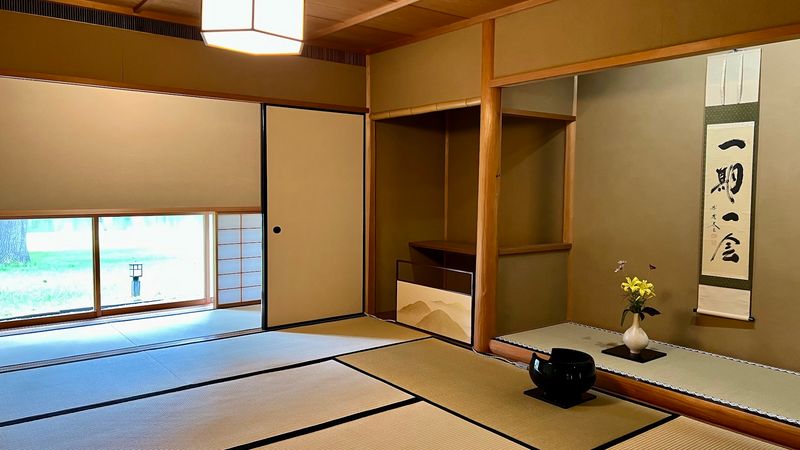
The tea house called Awa-Saginaw An is the kind of building that makes you stop and look twice at the ceiling, the walls, and the floor, because the craftsmanship is that good.
Designed by Kyoto architect Tsutomu Takenaka and built in the sukiya, or rustic, style, the structure was assembled using traditional Japanese methods that rely on precision joinery rather than nails. The materials include wood, granite, mud, bamboo, and paper, all chosen to feel natural and unpretentious.
Inside, there are two distinct rooms. The Tatami room features the classic woven floor mats that define traditional Japanese interiors.
The Ryurei room is set up for a slightly different style of tea service, using low tables rather than floor seating.
The ceiling detail alone is worth the visit, with bamboo and natural wood arranged in a pattern that feels both deliberate and organic. This is not a replica or a themed attraction.
It is a genuine piece of Japanese architectural tradition, recognized as one of the most authentic tea houses in North America.
What Actually Happens During a Tea Ceremony Here
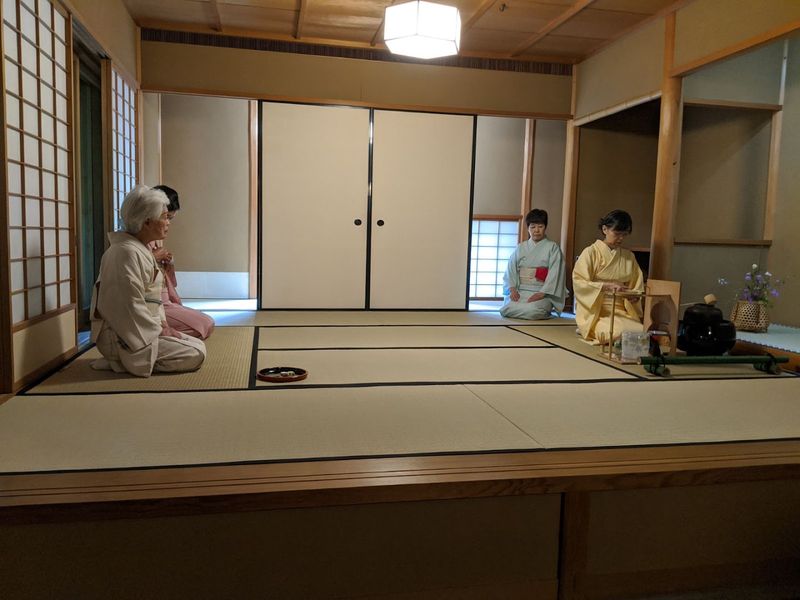
The tea ceremony, known as Chanoyu, is built around four principles: harmony, respect, purity, and tranquility. Sitting inside the Awa-Saginaw An and watching the preparation unfold, those words stop feeling abstract.
The practitioner, often dressed in a traditional kimono, moves through each step with a quietness that is contagious. The way the bowl is warmed, the way the matcha is whisked, and the way the tea is presented all follow a sequence that has been refined over centuries.
Public tea ceremonies are held every Saturday from April through October at 2:00 PM. From November through March, they continue on the second Saturday of each month, weather permitting.
Reservations are strongly recommended, and it is worth calling ahead to confirm availability.
The matcha itself is rich and slightly bitter in the best way, served alongside traditional Japanese sweets that balance the flavor. For first-time visitors, the experience is both calming and genuinely educational, and the hour passes faster than expected.
The Tea and Tour Option for Walk-In Visitors
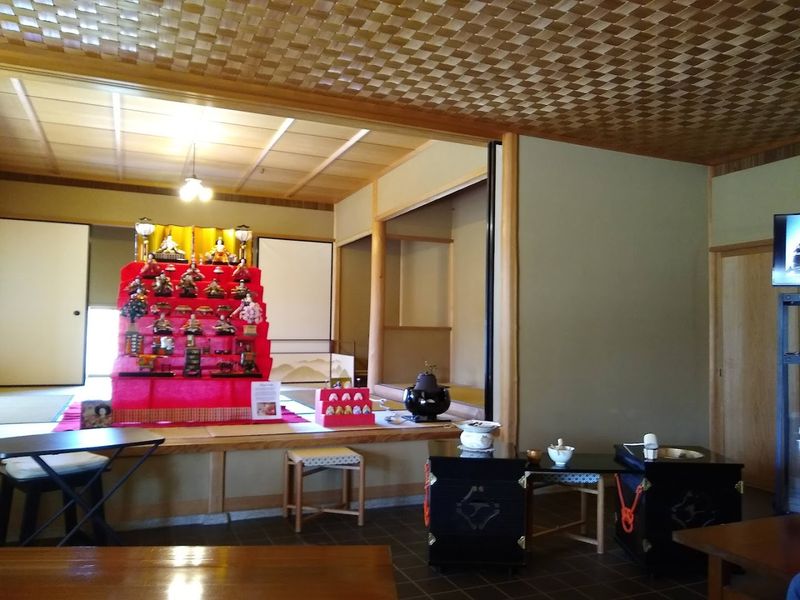
Not everyone can plan a full Saturday tea ceremony in advance, and the center has a practical solution for that. The Tea and Tour option is available for walk-in visitors who want a taste of the experience without a formal reservation.
For a small fee of around five dollars per person, visitors get access to the tea house interior, a cup of green tea, and a selection of Japanese snacks. A knowledgeable host walks the group through the history of the space, the meaning behind the tea ceremony, and the details of the architecture.
The presentation runs about thirty minutes and covers a surprising amount of ground. The host explains the difference between the Tatami and Ryurei rooms, points out features in the ceiling and walls that most visitors would otherwise miss, and answers questions with genuine enthusiasm.
Some visitors have even found the Japanese snacks available for purchase after the tour, often at prices that compare well to specialty stores. It is a low-pressure, high-reward stop that works well even on a spontaneous visit.
Classes and Cultural Arts That Go Beyond the Garden Walk
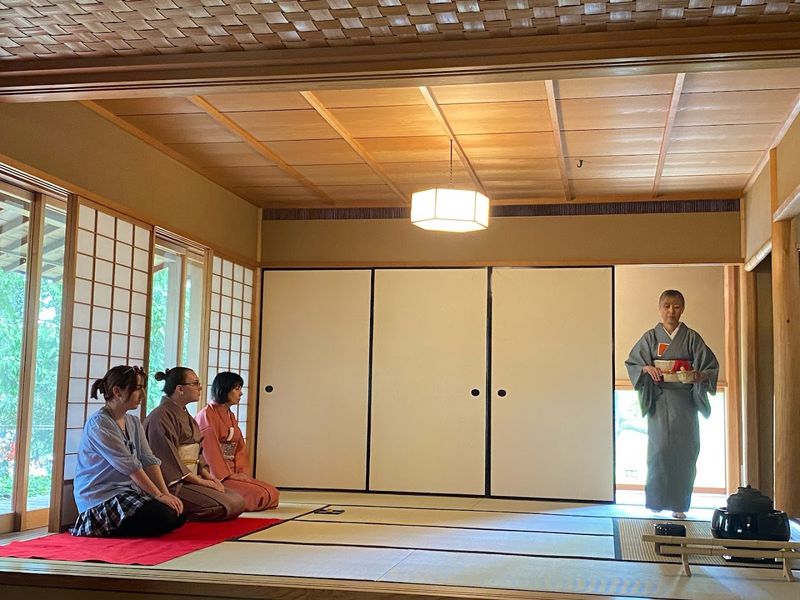
The center is not just a garden to walk through and admire from a distance. It offers a range of hands-on programs in traditional Japanese arts that bring visitors into direct contact with the culture.
Classes in origami, bonsai, and calligraphy are among the regular offerings, and each one reflects a different dimension of Japanese artistic tradition. Origami focuses on precision and patience.
Bonsai requires a long-term relationship with a living thing. Calligraphy connects language and visual art in a way that feels meditative even for beginners.
These programs are designed for all experience levels, which means you do not need any background knowledge to participate. The instructors bring real expertise and a welcoming attitude that makes the learning feel natural rather than formal.
Checking the center’s website at japaneseculturalcenter.org before visiting is a smart move, since class schedules and availability change by season. The programs add real depth to a visit and give visitors something to take home beyond photographs.
The Annual Japan Festival and Special Events That Draw Crowds
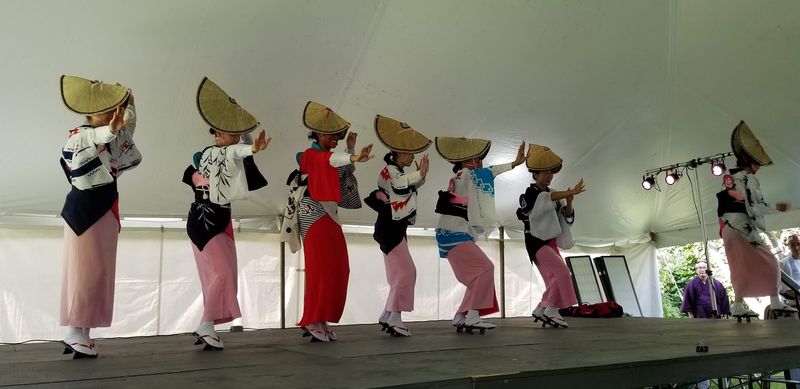
Once a year, the grounds come alive in a way that the daily garden visit simply cannot replicate. The annual Japan Festival transforms the three-acre site into a full celebration of Japanese culture, and the energy is completely different from a quiet weekday afternoon.
Taiko drumming fills the air with a deep, rhythmic sound that carries well across the garden. Folk dancers in traditional costumes move through choreography that has been passed down for generations.
Martial arts demonstrations give visitors a look at disciplines that require years of dedicated practice.
Japanese art displays add a visual layer to the event, and there are usually activities designed with younger visitors in mind. The Tanabata festival is another highlight on the calendar, featuring storytelling and interactive activities that families find particularly enjoyable.
These events draw visitors from well outside the Saginaw area, and they tend to fill up. Keeping an eye on the center’s event calendar is the best way to plan around them, and arriving early on festival days is a genuinely good idea.
What the Garden Looks Like Through Every Season
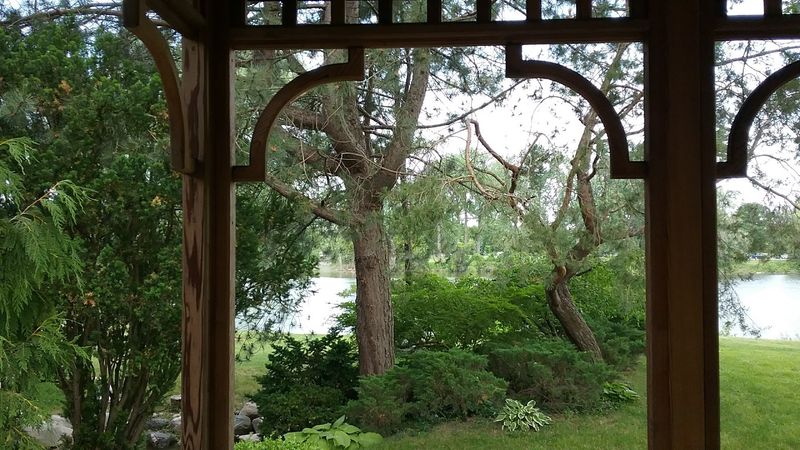
The garden at Saginaw’s Japanese Cultural Center does not look the same in May as it does in September, and that is one of its underrated qualities. Each season layers a different mood over the same paths and stones.
Spring is the most visually dramatic, with weeping cherry trees in bloom and the fresh green of new growth spreading across the grounds. The pink blossoms against the vermilion bridge create a combination that photographs well and looks even better in person.
Summer brings a lush fullness to the garden, with the trees and shrubs at their most dense and the lake reflecting the greenery on calm days. The shade from the canopy makes afternoon visits comfortable even in warm weather.
Autumn shifts the palette entirely, with warm reds and oranges appearing in the foliage and the stone lanterns taking on a more contemplative quality against the cooler light. The garden is open from April 1st through October 31st, so autumn visits are possible right up until the seasonal closing.
Practical Tips That Will Actually Improve Your Visit
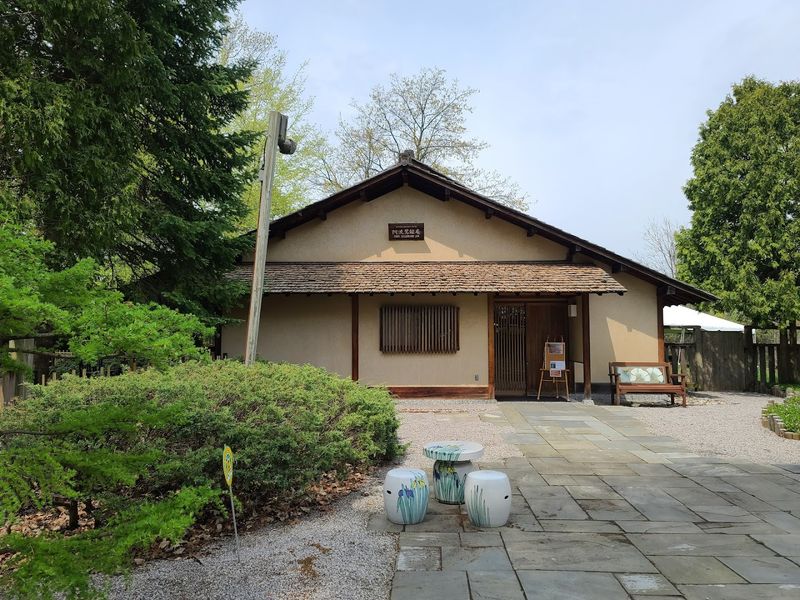
A few practical details can make the difference between a smooth visit and a frustrating one. The most important is this: if you want to experience the tea house, make a reservation in advance and confirm it close to your visit date.
The center’s phone number is 989-759-1648, and the website at japaneseculturalcenter.org lists current hours, events, and reservation options. The garden is open Tuesday through Saturday from 12:00 PM to 4:00 PM during the April through October season, so Sunday and Monday visits are not possible.
Bring cash. The center has not consistently accepted cards, and having cash on hand for the Tea and Tour fee or any souvenirs will save you from a scramble.
Parking is available in the area but can get tight during festivals and Saturday tea ceremonies.
Arriving close to opening time on a weekday gives you the best chance of a quieter experience. The garden is free to enter, so even if the tea house is fully booked, the walk itself is worth the stop.
Why This Small Garden Carries Such a Big Reputation
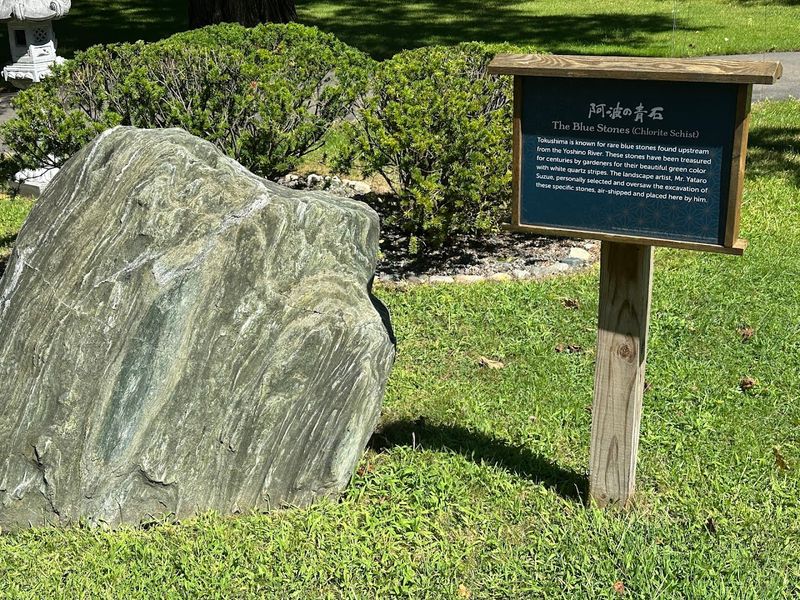
A 4.6-star rating across more than 200 reviews is not something a place earns by accident. The consistency of the praise here points to something real, a combination of genuine authenticity, knowledgeable staff, and an environment that delivers on its promise of calm.
Visitors have traveled from Denver, from Portland, and from countries as far as Indonesia to experience this garden and tea house. That kind of reach, for a three-acre site in Saginaw, Michigan, says something about how rare this type of experience actually is in North America.
The recognition as one of the most authentic Japanese gardens and tea houses on the continent is not just a marketing line. The tea house was designed by a Kyoto architect, built by master Japanese carpenters, and continues to be maintained with the same care that went into its creation.
Places like this remind you that extraordinary things can exist in unexpected locations, and that the best discoveries are often the ones nobody told you about before you found them yourself.
Share this story