 Unearth The Voyage
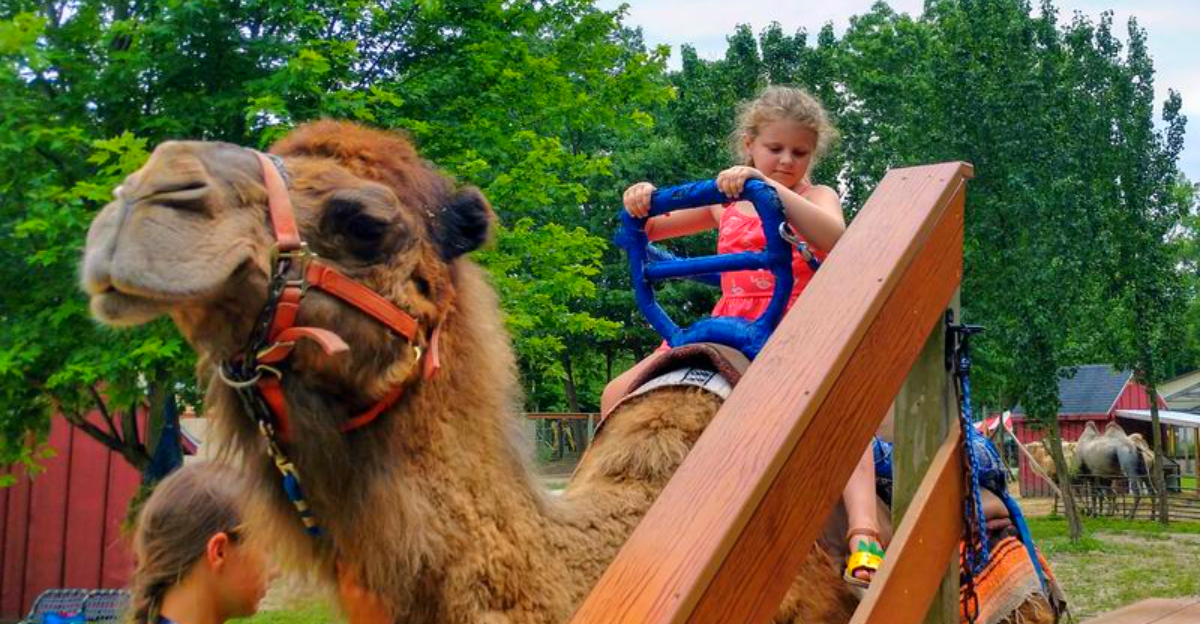
At Indian Creek Zoo in Lambertville, Michigan, you can step into an experience that feels worlds away from the Midwest. Within minutes of arriving, you’re face-to-face with animals most people only see in documentaries.
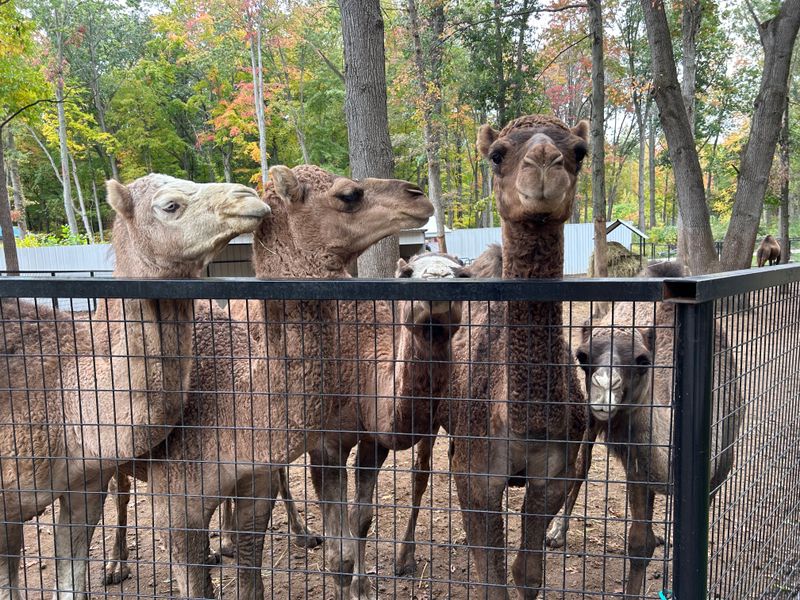
Follow the winding path and you’ll find kangaroos ready for hand-feeding and camels offering rides across the property. If you thought an international trip was the only way to have an adventure like this, think again.
Walk-in First Impressions: A Gate That Hums With Energy

The gravel shifts under your shoes as you step through the entry gate, and the air changes to a mix of hay, warm earth, and a hint of sweet feed. A peacock sidles along the fence line like it owns the place, iridescent blue catching the light as if switched on.
The ticket window is quick, the map a simple set of arrows, and the background soundtrack is a blend of bleats, soft bird chatter, and the creak of a wagon wheel.
Turn left and the path opens into tidy enclosures edged with cedar posts and welded wire, clean and well kept. A staffer points out handwash stations and the feed cup rules with a smile that suggests they have answered every odd animal question.
You feel the tempo shift from parking-lot frantic to slow-farm curious in about thirty steps.
Kids bolt toward the goats, but the camels steal the first glance with that old-soul look and long lashes. The layout nudges you forward without hurrying you, a pleasant loop.
You can park a stroller here, grab shade there, and hear a rooster crow like a starter pistol for the day.
Kangaroo Feeding: Soft Noses, Quick Hops
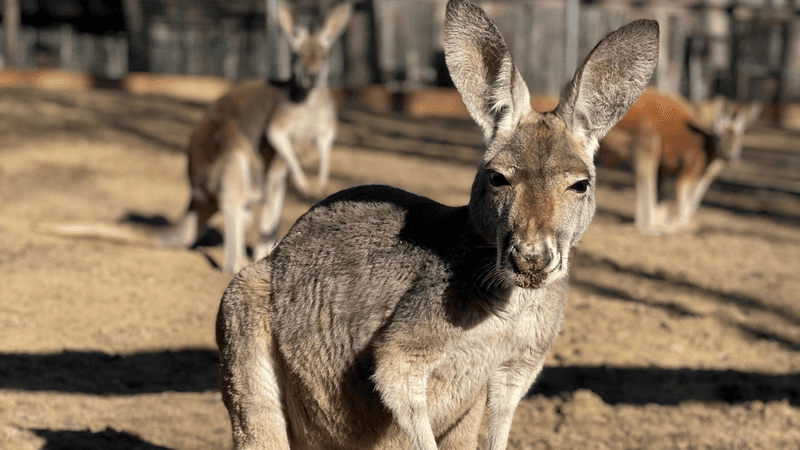
Hold the feed cup steady, and the kangaroo’s whiskers tickle your skin like a tiny paintbrush. The pellets smell faintly like toasted grain, and the roo leans in with a gentle insistence that surprises you.
Its forepaws hover, delicate and precise, while the hind legs anchor with quiet, springy strength.
A keeper reminds you to keep the cup low and your fingers out of the mix. The kangaroo’s breath is warm, and its eyes are glossy marbles that follow your hand with laser focus.
When it finishes, there is a quick hop backward, a tail drag, and a pause that feels like a nod of thanks.
Nearby signage explains the difference between red and gray roos, with simple silhouettes for quick ID. Kids trade observations like sportscasters, counting hops and debating pouch logistics.
You leave with a dusting of feed on your palm and a story already forming.
Camel Rides: Slow Motion With a View
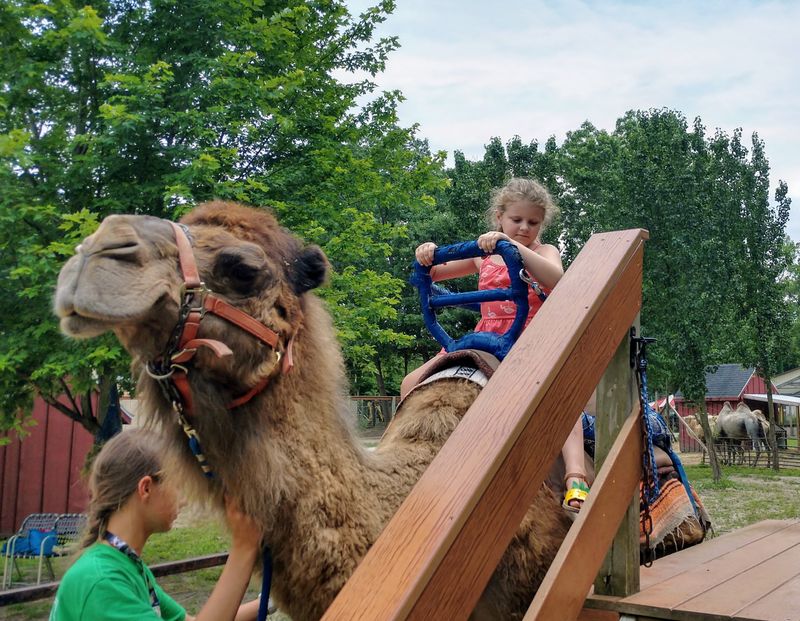
The camel kneels with a soft whoosh, sandpaper hide shifting under a sturdy saddle that looks reassuringly overbuilt. A handler clips the lead, checks the cinch, and asks if you are ready.
Then comes the rise, back legs first, and your balance shifts like an elevator that forgot a floor.
Up high, the zoo changes scale. You can see the curve of the path, the shimmer of the pond, and a child waving like you are parading through a hometown festival.
The camel walks in deliberate commas, each step a pause that steadies your breathing and slows your thoughts.
It is not a thrill ride. It is a floating porch, a moving vantage point that resets your sense of speed.
When you dismount, your knees feel buoyant, and the handler’s calm pat on the camel’s neck reads like a closing note at the end of a favorite song.
The Lemur Look: Bright Eyes, Quick Hands
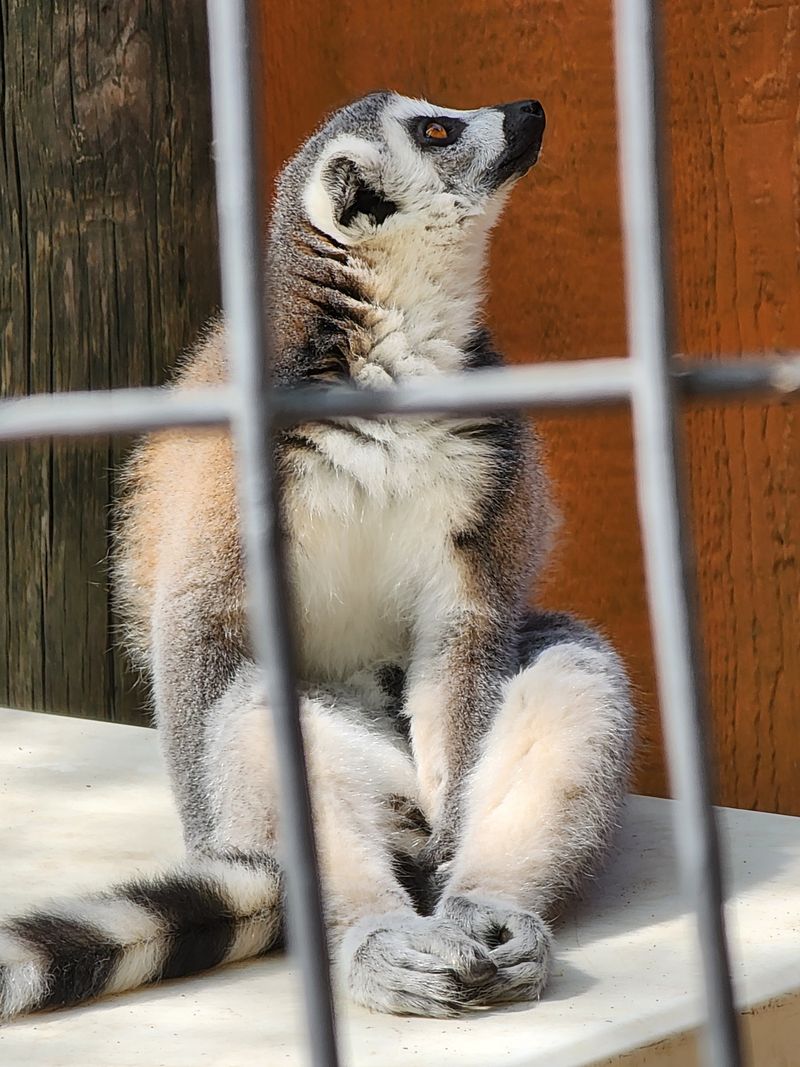
Ring-tailed lemurs move like question marks that learned parkour. Their tails flag high as they spring from platform to rope, pausing to peer at you with coin-bright eyes.
The enclosure smells faintly of fresh wood and fruit skins, notes of banana and something green.
When a keeper scatters treats, the lemurs assemble with brisk purpose, tiny hands deft as pickpockets. You catch the soft thrum of their calls, a reedy chirp layered over a humming fence line.
A child whispers they look like cats who learned math, and it lands perfectly.
Panels describe Madagascar’s vanishing forests and why captive breeding matters, citing a recent IUCN red list update. The context sharpens the fun into meaning.
You step back feeling entertained and quietly recruited to care.
Goat Gauntlet: Cheerful Chaos You Can Wash Off
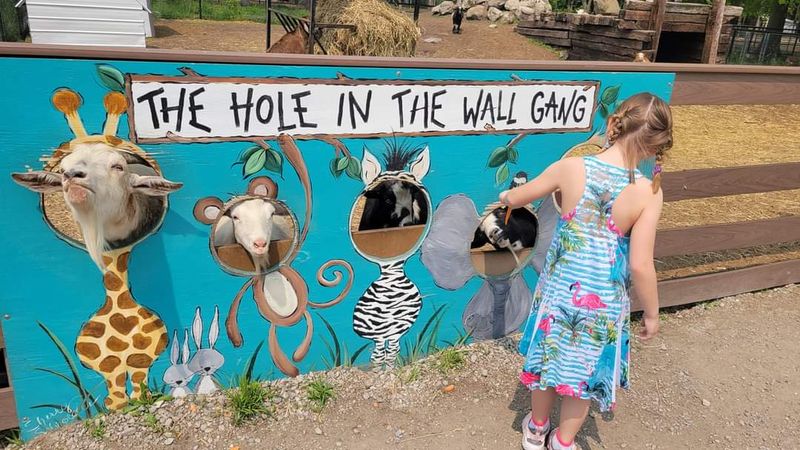
The goat yard hits like a happy drumline. Heads poke through rails with comic timing, eyes sidelong and hopeful.
The feed pellets clatter down the spiral chute, and suddenly ten muzzles agree that you are the most interesting person in Michigan.
Their coats range from velvet black to sun-bleached tan, each with a different texture under your fingers. One nibbles your shoelace like a connoisseur tasting rope.
The smell is barn-sweet, cut with hay dust and that unmistakable goat note that says farm without apology.
Handwash stations stand sentry at the exit, foamy soap ready to reset your palms. You leave dotted with nose-prints on your jeans and zero regrets.
The laughter that follows you out is its own souvenir.
Sloth Minutes: The Art of Slowing Down
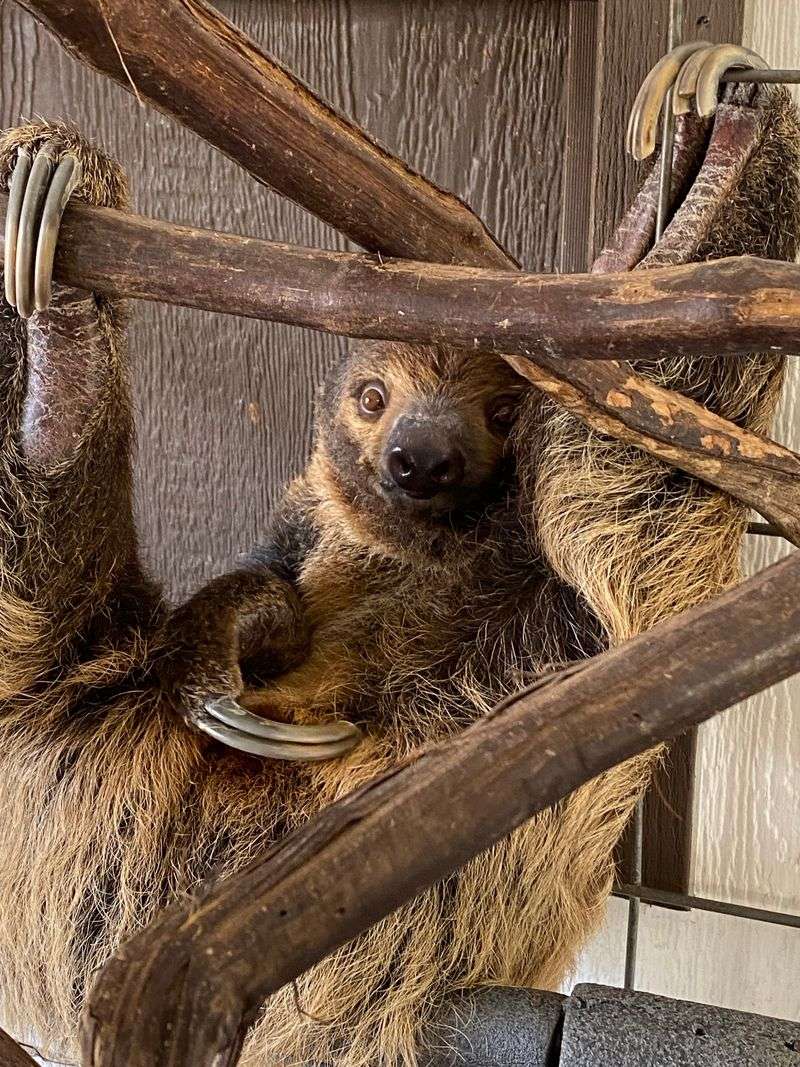
The sloth exhibit works like a volume knob for your nerves. Inside, light falls soft through glass, dust motes polishing the air.
A sloth drapes over a branch like warm laundry, face composed in a patient half-smile.
You count breaths without meaning to. A staff note says sloths sleep 15 to 20 hours per day, which suddenly explains your weekend ambitions.
When the animal shifts, it is both subtle and total, claws raking bark with a quiet rasp you feel more than hear.
People whisper here, even the little ones. You step out slower than you stepped in, rinsed by stillness.
Outside, the brighter air feels like caffeine after a nap.
Bird Alley: Macaws to Peacocks
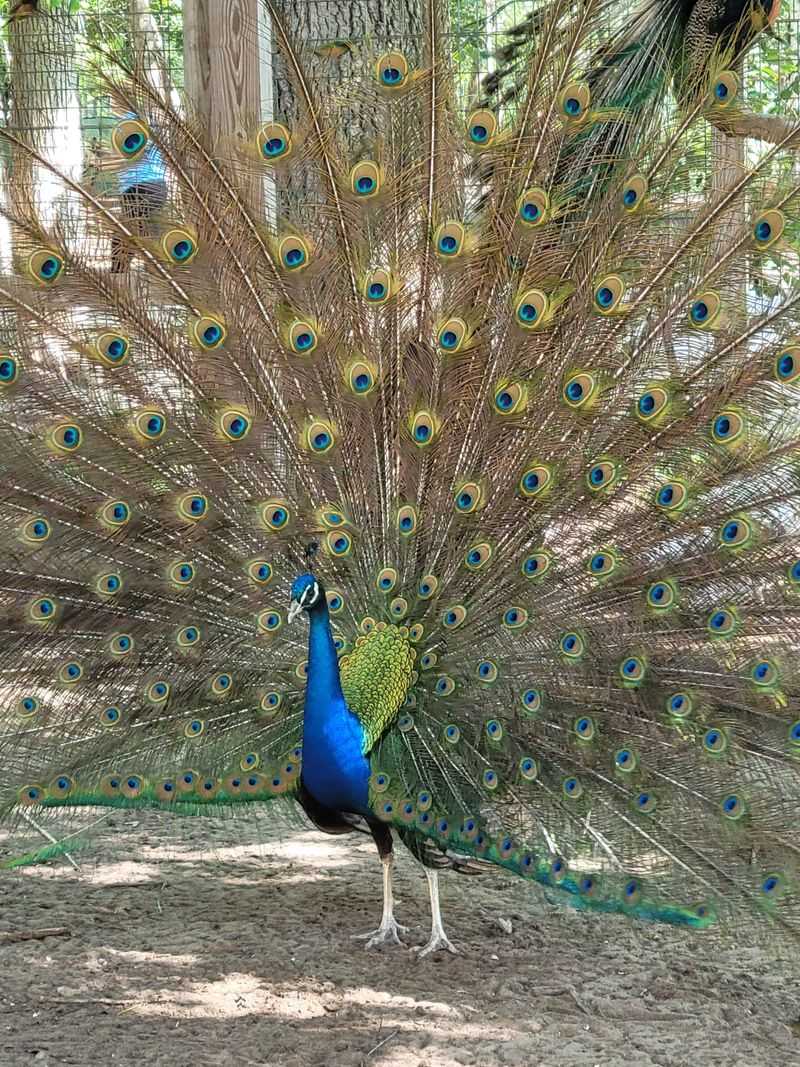
Bird Alley pops like a paintbox. Macaws preen under neon feathers, tails trailing like exclamation marks.
A green-wing turns and regards you with a knowing, side-eye intelligence that feels almost unruly.
Down the path, peacocks ratchet their calls into the canopy, a sound that slices the day into bright slices. Feathers shimmer at ground level, eye-spots flickering as birds edge past stroller wheels and picnic ankles.
You learn to look down as often as up.
A keeper demo focuses on enrichment, puzzle feeders that make birds work a little for treats. It reads less like a show and more like a conversation about boredom and brains.
You leave with a new respect for beaks and patience.
Quiet Corners: Shade, Benches, and a Breather
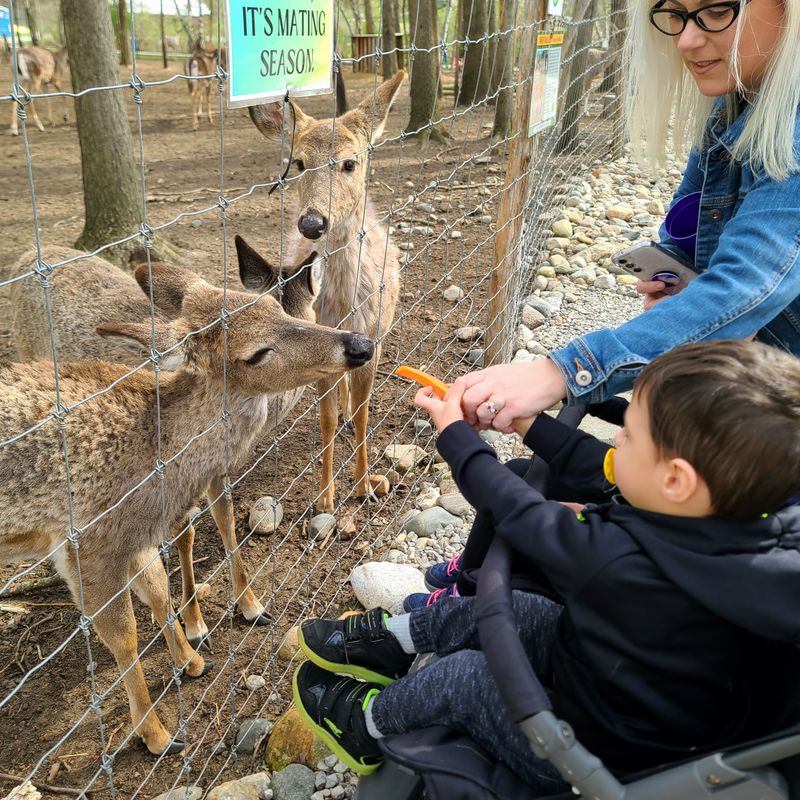
There is a bench near the pond that becomes a small sanctuary around noon. Dragonflies patrol the surface like tiny helicopters.
You can hear the distant shuffle of hooves and a soft fence clang, soundtrack to a sandwich break.
Shade maps the ground in leaf-shaped islands, and a stroller sighs as its occupant finally concedes to nap time. Families drift past in bursts, chatter tinny and brief.
A picnic table under a maple holds sunscreen, half a pretzel, and the kind of quiet you only earn by moving slowly.
The pause matters. It turns the day from a checklist into a memory, letting details settle.
When you stand again, the path feels freshly drawn.
Practical Game Plan: Timing, Tickets, and Little Wins
Arrive close to opening if you can. Animals are active in the cool, and lines for camel rides move faster before lunch.
The zoo’s seasonal schedule runs April to December, weather permitting, so check the forecast and the official site before you commit.
Wear closed-toe shoes, pocket hand wipes, and bring a small refillable bottle. Feed cups sell out on busy weekends, so snag them early and pace the snacks to avoid a goat uprising.
Keepers post pop-up talks; a two-minute scan of the board near the entrance can change your whole route.
For numbers: Michigan zoos and aquariums drew millions of visits last year, and smaller facilities report strong family traffic on Saturdays. Translation for you is simple: pick a weekday if possible, or lean into rope drop strategy.
A little planning here buys you unrushed moments there.



