 Unearth The Voyage
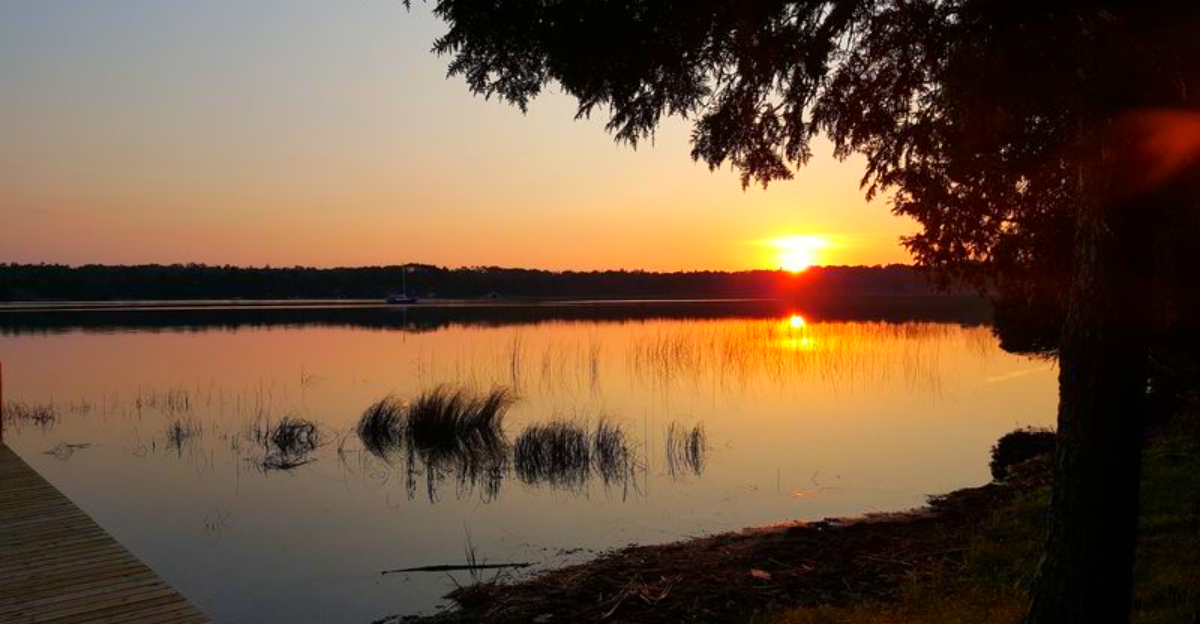
Tucked between Michigan’s Upper Peninsula and the open waters of Lake Huron is a quietly stunning destination many travelers overlook. The Les Cheneaux Islands in Clark Township feature 36 islands, protected channels, and peaceful coves where life moves at a slower pace.
With calm waters perfect for kayaking and even ice cream delivered by ferry on summer afternoons, it’s the kind of place families return to year after year.
The Archipelago at a Glance: 36 Islands and What That Actually Means
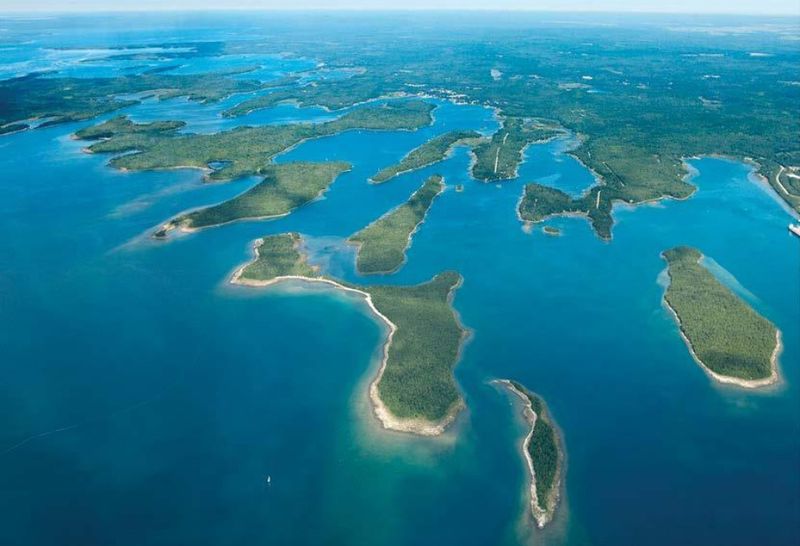
Most people hear “36 islands” and picture something tropical, but the Les Cheneaux Islands in Clark Township, MI 49719, offer something entirely different and arguably more fascinating.
The name itself comes from French, meaning “the channels,” which tells you exactly what makes this place so unique. Instead of open ocean, these islands sit within a protected network of narrow waterways in Lake Huron, creating naturally calm conditions that make boating, kayaking, and canoeing genuinely enjoyable rather than nerve-wracking.
The archipelago stretches across a stretch of northern Lake Huron that feels almost landlocked thanks to how tightly the islands cluster together. Each island has its own character, from small rocky outcroppings to larger forested landmasses with private cottages and hiking trails.
Families have been coming here since the late 1800s, drawn by the protected waters and the sense of genuine seclusion. Thirty-six islands sounds like a lot until you are out on the water and realize you could spend an entire week exploring without covering the same route twice.
Calm Waters and Protected Channels: Why Sailors and Kayakers Keep Coming Back
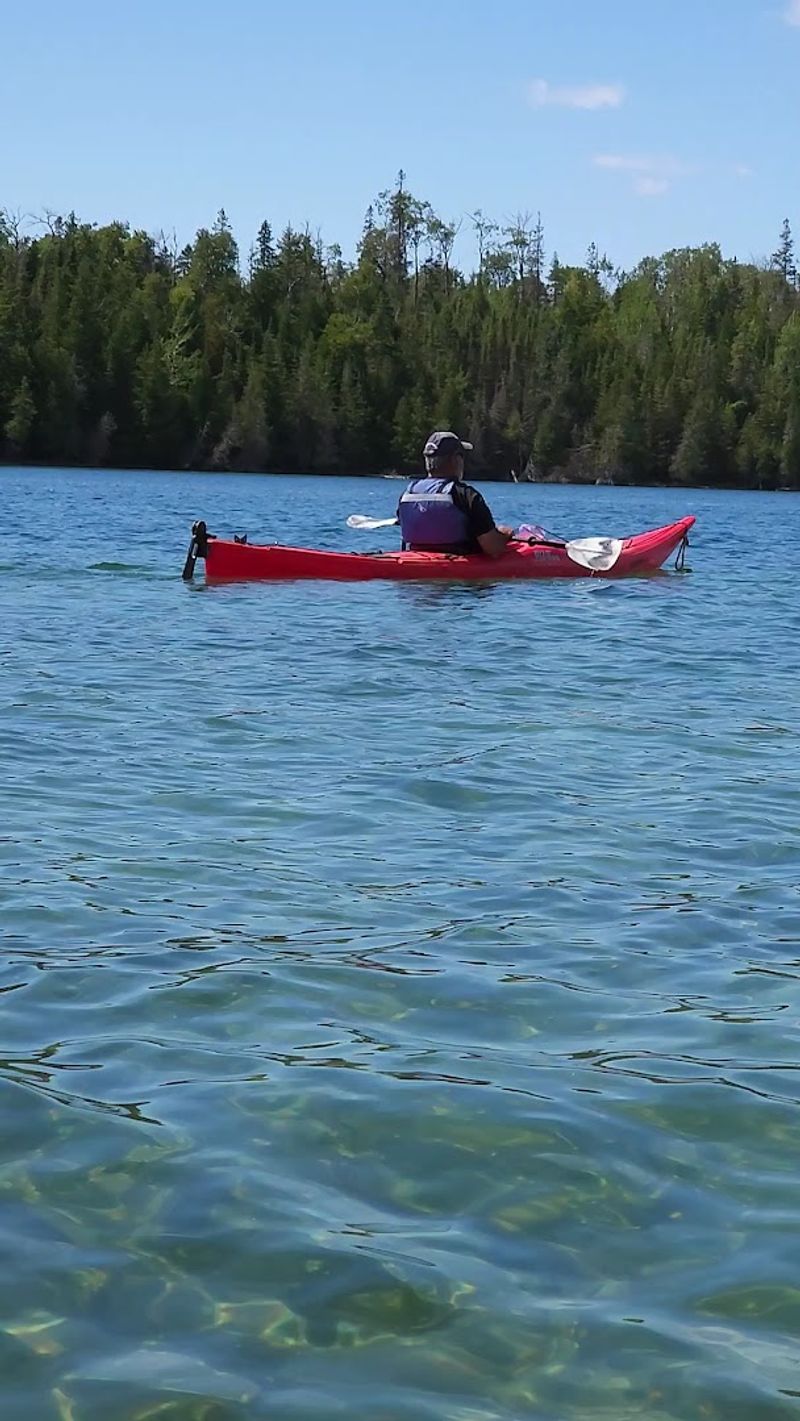
There is a reason the Les Cheneaux Islands have earned a loyal following among boaters and paddlers across the Midwest: the water here behaves itself.
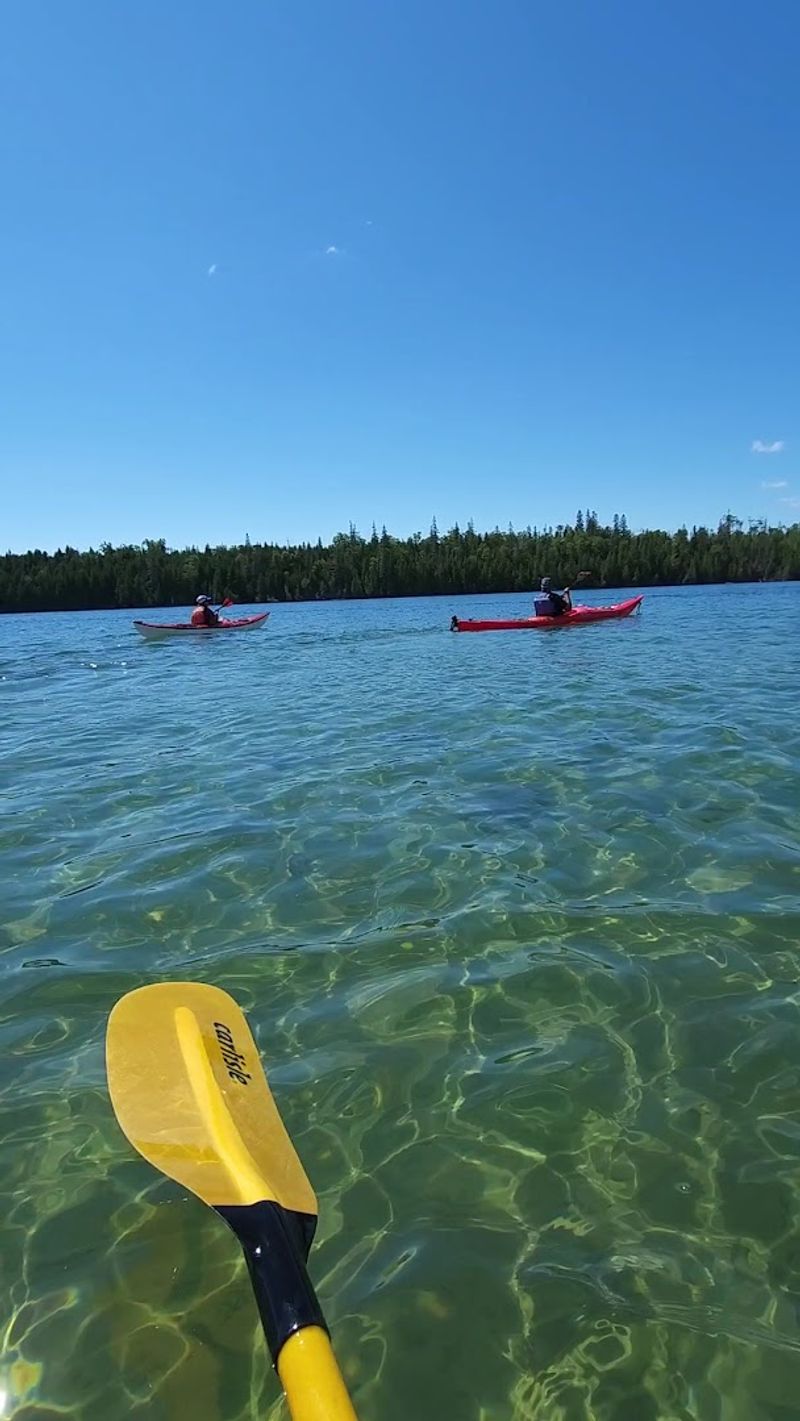
Because the islands act as natural barriers, the channels between them stay calm even when Lake Huron beyond the archipelago gets choppy and unpredictable. That sheltered quality makes this one of the few places in the Great Lakes where a beginner kayaker and an experienced sailor can genuinely enjoy the same body of water on the same afternoon.
Canoes glide easily through the narrower passages, close enough to the shoreline to spot herons standing perfectly still in the shallows. Sailboats drift through the wider channels at a pace that matches the unhurried mood of the whole region.
The protected nature of these waters also means wildlife viewing is excellent. Loons call across the channels at dusk, ospreys circle overhead, and the occasional bald eagle makes an appearance that stops every paddler mid-stroke.
The water itself is the main attraction here, full stop.
Ice Cream by Ferry: The Sweetest Tradition on the Water
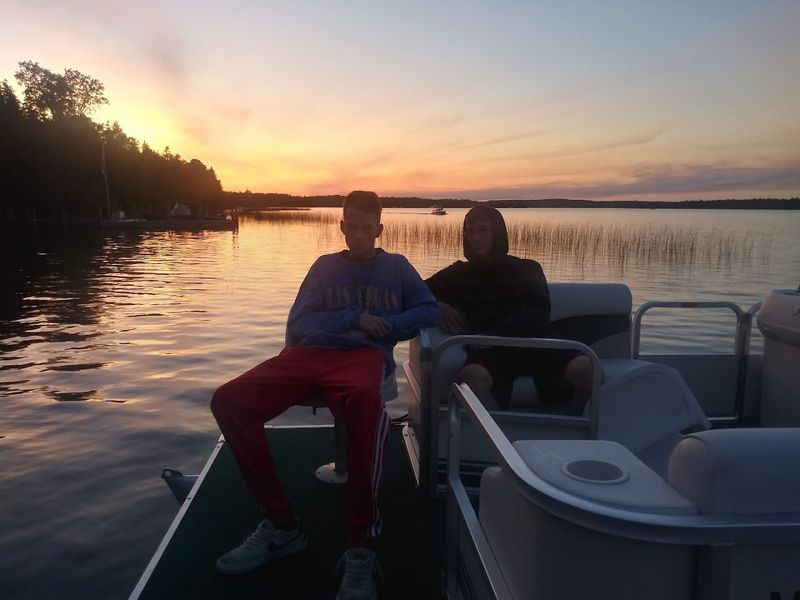
Honestly, the ice cream by ferry thing is not a gimmick. It is one of those small, perfectly local traditions that captures exactly what the Les Cheneaux Islands are all about.
The Hessel area, which sits on the mainland side of the archipelago, is home to small shops and docks where visitors can grab treats before heading out onto the water. Some boaters make a point of stopping at accessible spots along the shoreline specifically for ice cream runs, turning a simple snack into a full afternoon adventure.
The ferry connections between the mainland and various points around the islands make it easy to hop around without needing your own boat. On a warm July afternoon, there is something genuinely joyful about eating a scoop of ice cream on a small ferry while the forested shoreline drifts past you.
It is a small pleasure, but that is exactly the point. The Les Cheneaux Islands specialize in moments that feel simple and memorable at the same time, and ice cream on the water is the perfect example.
Hidden Coves and Secret Shorelines Worth Seeking Out
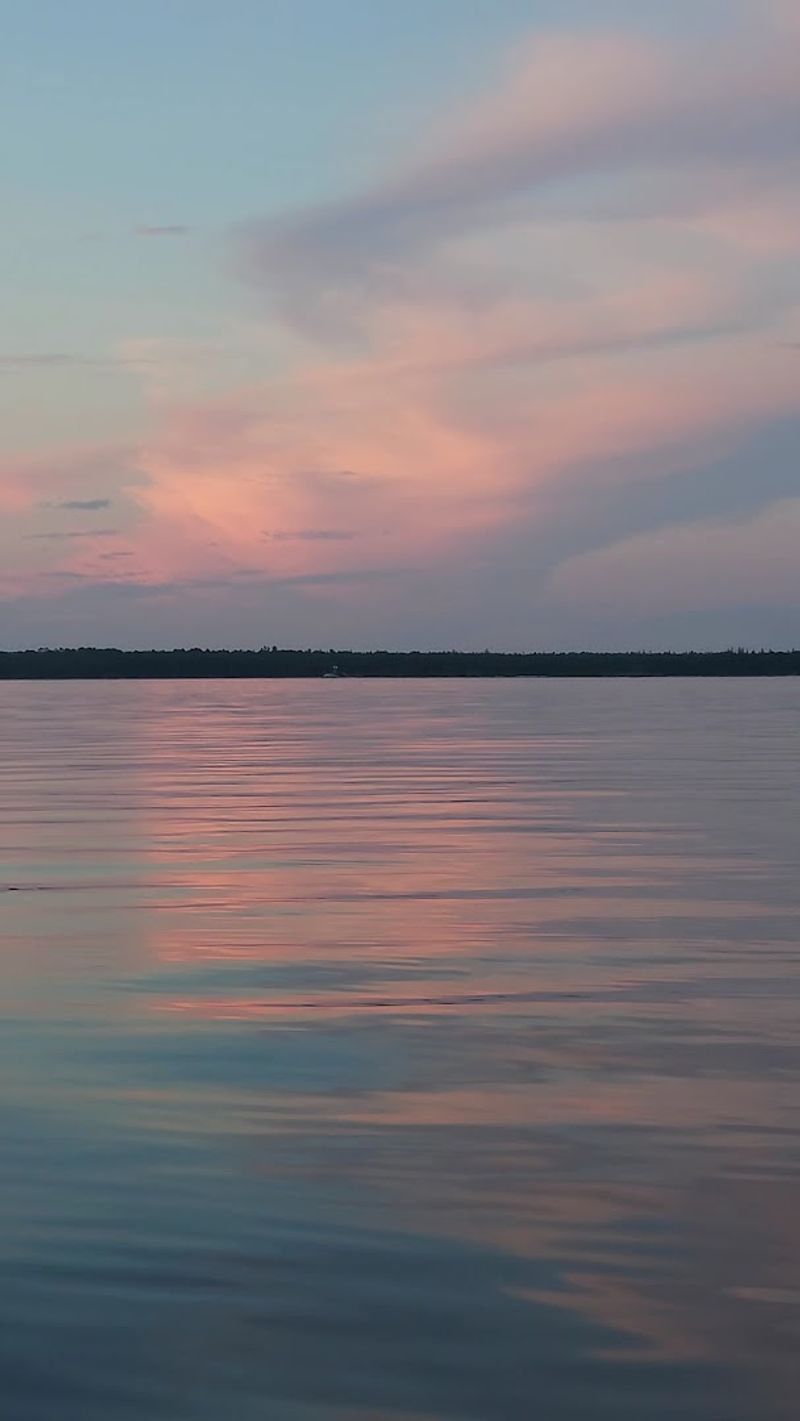
Part of what makes exploring the Les Cheneaux Islands so rewarding is that the best spots are not on any official map.
The dozens of hidden coves tucked between and behind the islands reward curious paddlers and slow-moving boaters who take the time to nose around the shoreline instead of sticking to the main channels. Some of these coves are barely wide enough for a canoe, opening up into small, glassy pools where the water turns impossibly clear and the tree canopy closes overhead.
Birch trees lean out over the water in several of these spots, their white bark reflecting off the surface in a way that makes the whole scene feel slightly unreal. Pine forests line the rocky shores, filling the air with that clean, resinous scent that instantly signals you are somewhere genuinely north.
Finding a new cove that you have never visited before becomes a small obsession for repeat visitors. Locals who have spent summers here for decades will still mention discovering a new tucked-away spot, which says everything about how generously this archipelago gives itself up to exploration.
The Village of Hessel: The Quiet Heart of the Region
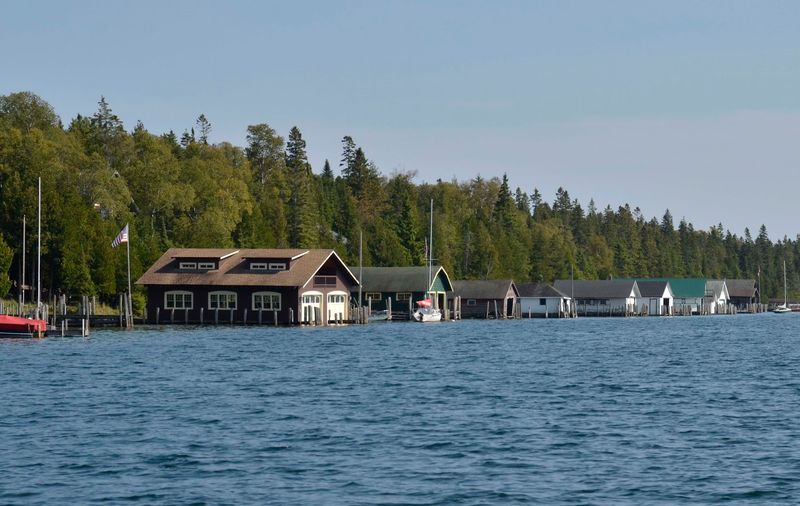
Hessel is the kind of village that takes about four minutes to walk through end to end, and yet somehow you always find a reason to stay longer.
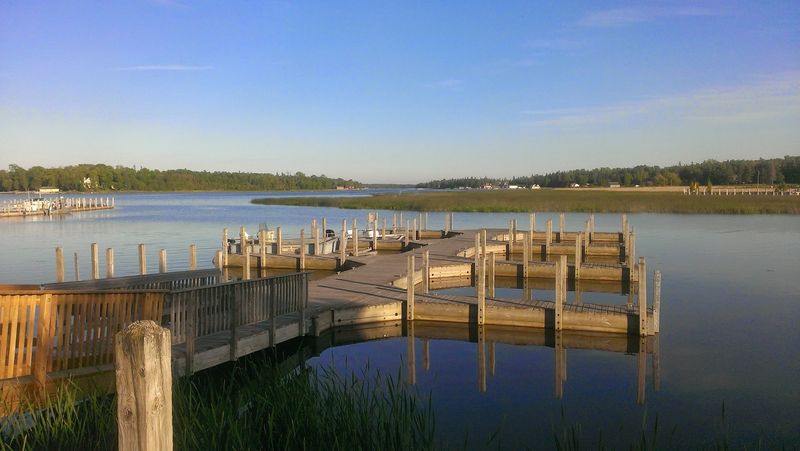
Perched right on the edge of the Les Cheneaux channel, Hessel serves as the informal hub for the whole archipelago. The marina here fills up with boats of every size during the summer months, from small aluminum fishing boats to impressive wooden craft that look like they belong in a museum.
The Antique Wooden Boat Show, held in Hessel each August, draws enthusiasts from across the country and has been a beloved regional tradition for decades. Polished mahogany gleams in the summer sun, and the docks become a showcase of Great Lakes boating history that is genuinely impressive even if you have never owned a boat in your life.
A handful of local shops, a general store, and places to grab food make Hessel feel self-contained in the best possible way. The whole village runs at a pace that feels almost deliberately slow, and that is not a complaint; it is the whole appeal.
Cedarville: The Slightly Bigger Neighbor with Big Character
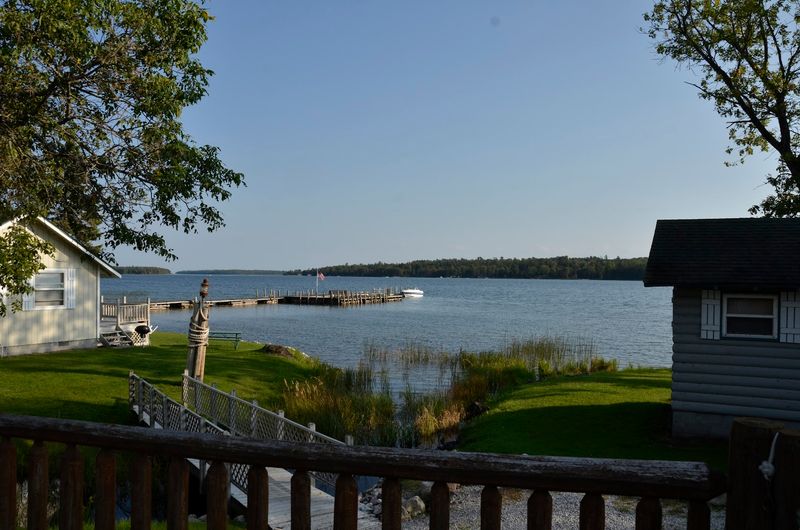
Just a short drive from Hessel along the northern Lake Huron shore, Cedarville offers a slightly expanded version of the same unhurried charm that defines this entire corner of Michigan.
Cedarville has a few more dining options, a local grocery store, and the kind of small-town infrastructure that makes an extended stay genuinely comfortable without feeling overly developed or touristy. The Les Cheneaux Islands Historical Museum sits here, offering a well-curated look at the cultural and natural history of the archipelago that is well worth an hour of your time.
The museum covers the Indigenous history of the region, the arrival of early settlers, and the long tradition of summer tourism that has shaped the community since the late 1800s. It is the kind of local museum that surprises you with how much there is to learn about a place you thought you already understood.
Cedarville also has public boat launches that make accessing the islands straightforward if you have trailered your own watercraft. Between the two villages, visitors have everything they genuinely need without anything feeling overcrowded or commercialized.
Mackinac Island: The Famous Neighbor Just 45 Minutes Away
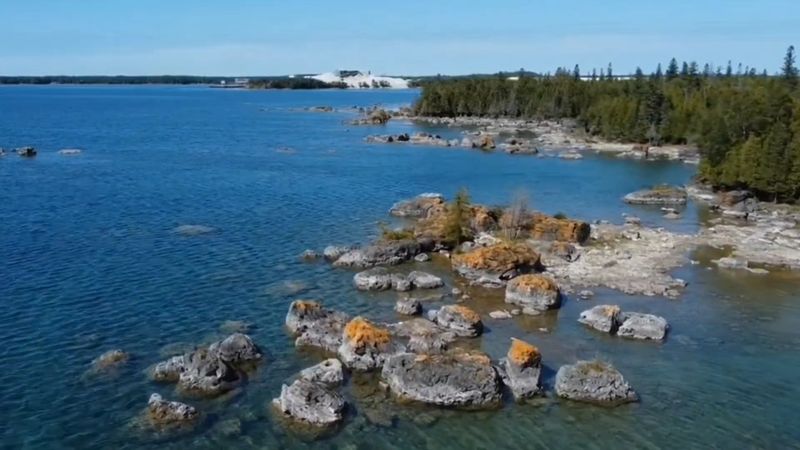
One of the underrated advantages of basing yourself at the Les Cheneaux Islands is the easy access to some of the most famous attractions in northern Michigan.
Mackinac Island sits roughly 45 minutes away by car and ferry, making it a very manageable day trip from the archipelago. The island’s famous car-free streets, Victorian architecture, and fudge shops provide a lively contrast to the quiet channels and forested coves of Les Cheneaux.
The Soo Locks in Sault Sainte Marie are also about 45 minutes away in the other direction, offering a completely different kind of spectacle as massive freighters pass through one of the most impressive feats of engineering in the Great Lakes region. Watching a thousand-foot ship rise and lower in the lock chamber is one of those experiences that genuinely stops you in your tracks.
Having two such distinct and well-known destinations within easy reach makes the Les Cheneaux area feel like a base camp for exploring the best of Michigan’s Upper Peninsula, rather than just a single-purpose destination.
Wildlife and Nature: What Lives in and Around the Islands

The Les Cheneaux Islands are not just a playground for humans; the forested channels and undisturbed coves support a genuinely rich ecosystem that rewards patient observers.
Common loons are perhaps the most iconic sound of the archipelago, their haunting calls echoing across the water in the early morning and at dusk. Spotting a loon diving and surfacing in the clear channel water is the kind of moment that gets talked about around campfires for the rest of the trip.
Great blue herons stand motionless in the shallows with almost theatrical patience, while osprey and bald eagles patrol the channels from above, scanning the water with a focus that makes human concentration look frankly embarrassing. Beaver activity is visible along several of the quieter shorelines, with dams and lodges tucked into the marshy edges of the smaller islands.
White-tailed deer are frequently spotted on the larger islands, sometimes standing right at the water’s edge at dawn. The natural world here is not hidden away; it shares the channels and coves with visitors in a way that feels surprisingly generous.
The History Behind the Channels: From Indigenous Roots to Summer Cottages
Long before the first summer cottage was built along these channels, the Ojibwe people traveled and fished these waters with deep knowledge of the archipelago’s geography and seasonal rhythms.
The region’s French name, Les Cheneaux, meaning “the channels,” reflects the influence of French fur traders and explorers who moved through the Great Lakes region in the 1600s and 1700s. The waterways that made this area valuable for Indigenous peoples and traders alike are the same ones that draw visitors today.
By the late 1800s, wealthy families from Chicago, Detroit, and Cleveland had discovered the islands as a summer retreat, building the wooden cottages and boathouses that still define the character of the shoreline. Some of those original family properties have passed through four and five generations without ever being sold, a remarkable testament to how deeply people bond with this place.
The architectural legacy of that era is visible everywhere along the channels, in the weathered wooden docks, the shingled boathouses, and the screened porches facing the water that look exactly as they did a century ago.
Best Times to Visit and What Each Season Actually Offers
Summer is the obvious choice, and July through August brings the warmest water temperatures, the most boat traffic, and the full calendar of local events including the Hessel Antique Wooden Boat Show in August.
June tends to be slightly quieter and cooler, which suits visitors who prefer to have the channels mostly to themselves. The wildflowers along the shoreline are at their peak in early summer, and the bug situation, which can be significant in the north woods, is more manageable before mid-July.
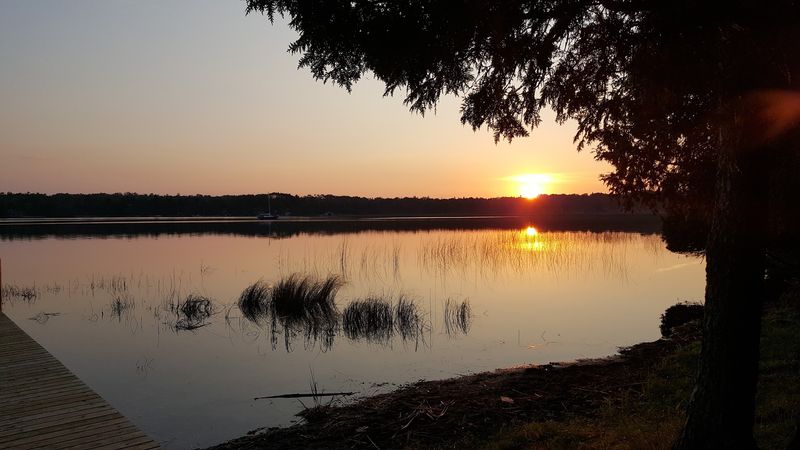
Fall transforms the archipelago into something almost unreasonably beautiful. The maples and birches along the shorelines turn orange and gold around late September and early October, reflecting off the still channel water in a way that rewards anyone willing to make the trip after Labor Day crowds have gone home.
Winter is quiet and cold but holds its own appeal for snowmobilers, ice fishermen, and anyone who genuinely wants to experience the Upper Peninsula in its most stripped-down, unfiltered form. Spring arrives late this far north, but when it does, the channels come alive quickly.
Practical Tips for Planning Your Visit to the Les Cheneaux Islands
Getting to the Les Cheneaux Islands area requires some advance planning, but the effort is absolutely worth it and simpler than you might expect.
The nearest major airport is in Pellston, about an hour’s drive away, with connections through Detroit. Driving from the Lower Peninsula means crossing the Mackinac Bridge, which is itself a spectacular experience and a clear signal that you are entering a different world.
Rental cabins, cottages, and small resorts in Hessel and Cedarville book up quickly for July and August, so reserving accommodations at least several months ahead is strongly recommended.
Bringing or renting a boat significantly expands what you can experience, but even without one, kayak and canoe rentals are available locally and cover a lot of the best territory. Cell service is limited in parts of the archipelago, which most visitors quickly decide is a feature rather than a problem.
Pack layers regardless of the season, because northern Lake Huron weather shifts quickly and evenings cool down even in the heart of summer. A good rain jacket earns its weight every single time you bring it along.



