 Unearth The Voyage
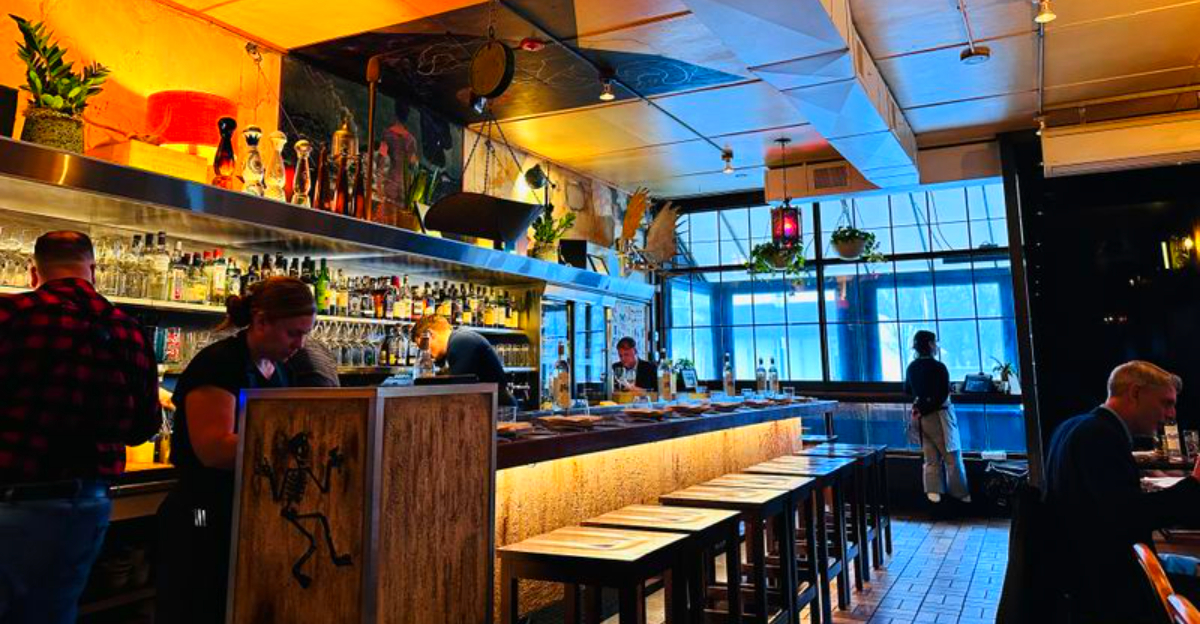
There’s almost always a waitlist at 23825 John R Rd in Hazel Park, and you notice it as soon as you step inside. The dining room stays busy, and the chalkboard menu encourages quick decisions before your server even reaches the table.
If you think modern American cuisine follows a predictable formula, Mabel Gray quickly proves otherwise with bold combinations and inventive technique. Stay with me – the most memorable dish might not be the one you expect.
The Intimate Layout That Defines the Experience
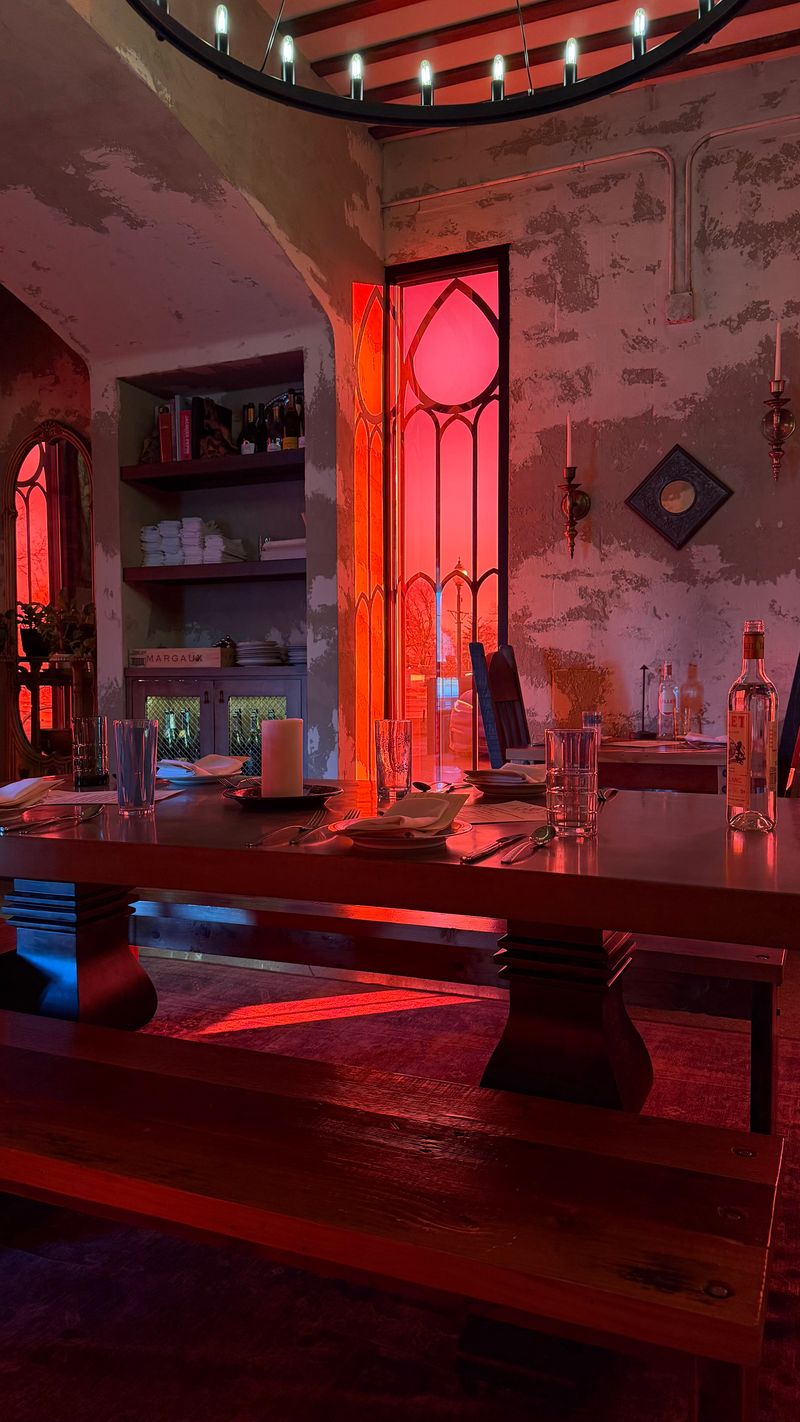
Mabel Gray was designed as a small, chef-driven restaurant rather than a high-volume dining room. The space seats a limited number of guests, with tightly arranged tables and several bar seats positioned directly in front of the open kitchen.
That layout isn’t accidental – it reinforces the restaurant’s focus on transparency, accountability, and interaction.
The open kitchen allows diners to observe plating, pacing, and coordination in real time. There’s no separation between the dining room and the culinary team, which aligns with the restaurant’s philosophy of removing unnecessary barriers between guest and cook.
The chalkboard menu is handwritten and dated nightly, reflecting a commitment to seasonal sourcing and frequent revisions. Because the menu shifts so often, returning guests rarely encounter the same lineup twice.
That unpredictability, paired with limited seating, is a major reason reservations remain competitive year after year.
Direct Access to the Kitchen Team
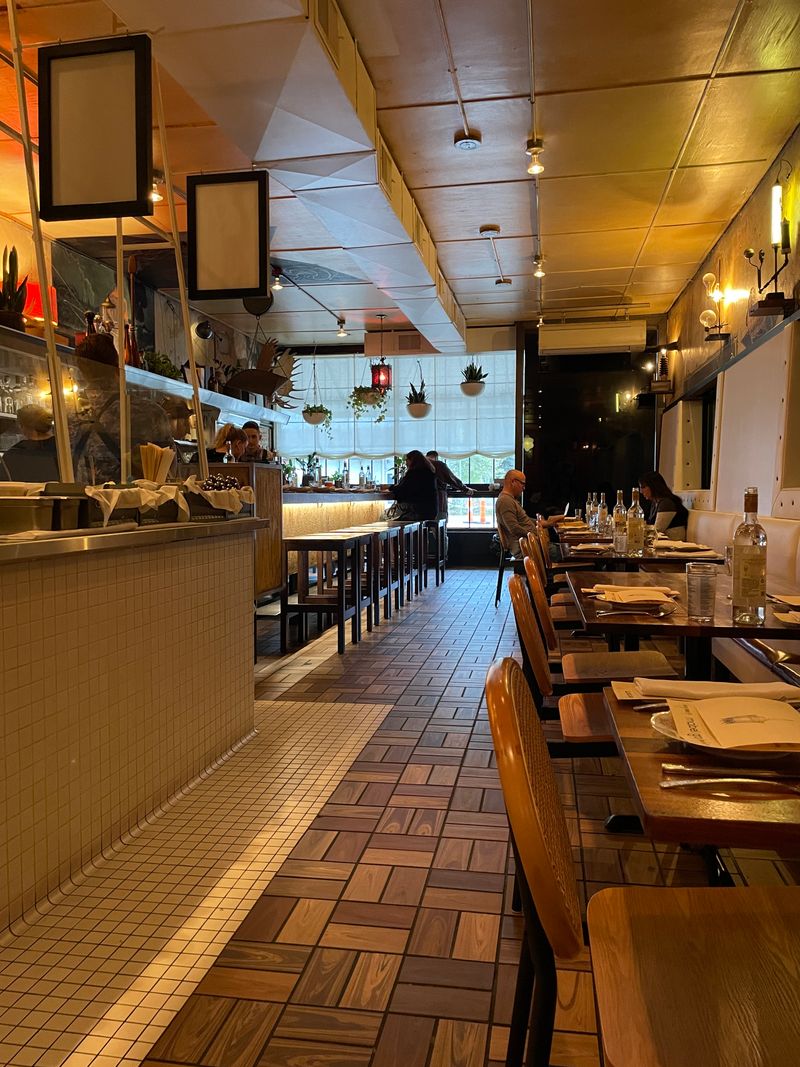
One of the defining features of Mabel Gray is its open-kitchen format, which places part of the dining experience within clear view of the culinary team. A small number of bar seats are positioned directly along the kitchen counter, offering guests an unobstructed look at plating, coordination, and service flow throughout the evening.
This setup encourages transparency. Diners seated at the counter can ask direct questions about ingredients, sourcing, substitutions, and preparation techniques.
The chefs and cooks respond concisely, often explaining how a dish came together based on that week’s available produce or protein deliveries. Because the menu changes frequently, these conversations can provide useful context for understanding why certain combinations appear on a given night.
The interaction is professional and focused rather than performative. There are no scripted speeches or rehearsed presentations – just straightforward communication.
For guests interested in the mechanics of a chef-driven restaurant, these seats offer insight into how timing, organization, and collaboration shape the final plate. It’s one of the most requested areas in the restaurant for a reason.
Bread That Signals the Kitchen’s Priorities
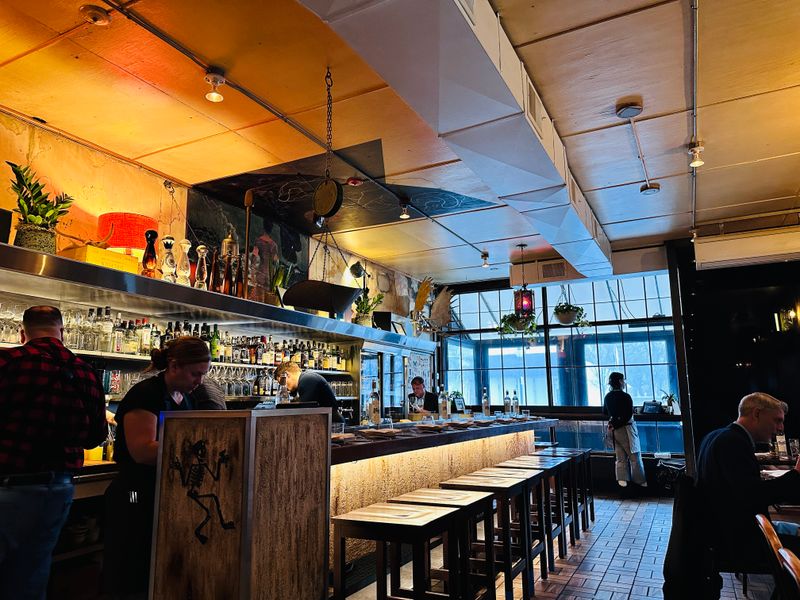
At Mabel Gray, bread service functions as more than a preliminary course. It reflects the kitchen’s overall philosophy: restraint, balance, and integration into the broader meal.
The bread is house-prepared and paired with cultured butter, served in portions designed to complement rather than replace upcoming courses. It is not positioned as unlimited filler; instead, it’s treated as part of the progression.
Many returning guests intentionally reserve a portion to accompany later dishes, particularly those with composed sauces.
This approach reinforces how the restaurant views structure. Even simple components are considered within the context of the entire dining experience.
The bread is consistent in execution but may vary slightly depending on the kitchen’s focus at the time, aligning with the broader seasonal model.
For first-time diners, this course sets expectations. It establishes that even foundational elements are deliberate, and that the pacing of the meal will prioritize cohesion over excess.
A Seasonal Plate That Refuses To Repeat
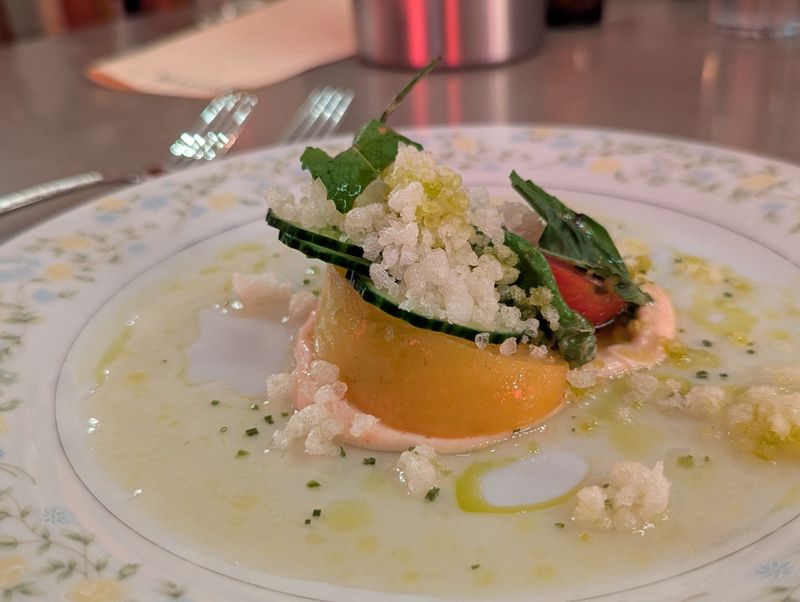
Mabel Gray operates without a static signature lineup. Instead, the menu is handwritten on a chalkboard and revised regularly based on ingredient availability, seasonal transitions, and the chef’s direction for the week.
This format allows the restaurant to adapt quickly, sometimes adjusting dishes within days.
Michigan produce plays a central role when in season, alongside Great Lakes fish and rotating meat selections. Because sourcing drives the structure, guests rarely encounter identical menus across multiple visits.
Even returning favorites may reappear in modified form rather than exact repetition.
The presentation style is composed and deliberate, emphasizing clarity of ingredients. Garnishes are purposeful, sauces are structured, and each component serves a defined role.
The restaurant avoids overcomplication, focusing instead on technical precision and balance.
This constantly evolving format keeps regular guests engaged while maintaining standards. It also explains why reservations remain competitive – each visit offers something new, making repeat dining feel necessary rather than optional.
A Cocktail Program Built Around the Food
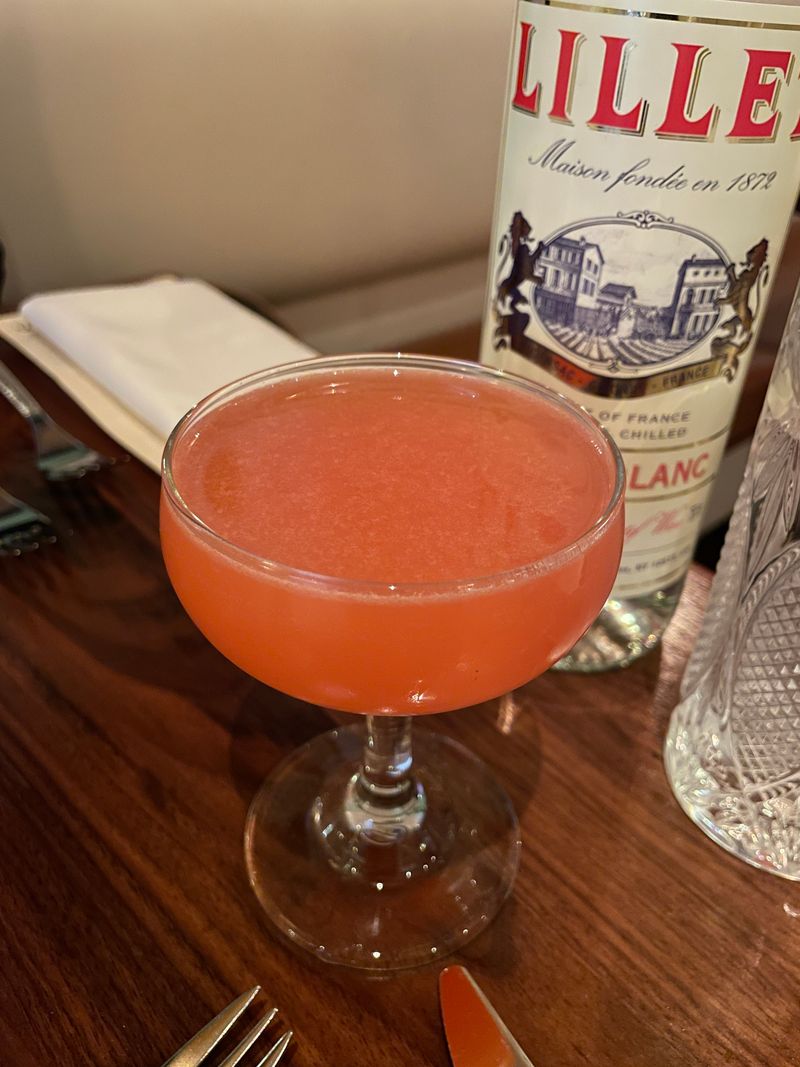
The cocktail program at Mabel Gray is intentionally compact and structured to support the food menu rather than compete with it. Instead of offering an extensive multi-page list, the bar team curates a focused selection that reflects the season and the direction of the kitchen.
This approach allows the beverage offerings to evolve alongside the chalkboard menu, maintaining cohesion throughout the meal.
The lineup typically includes a range of spirit-forward options, lighter citrus-based drinks, and lower-alcohol selections for guests who prefer balance over intensity. Ingredients often rotate to align with seasonal produce, and house-made syrups or infusions are used selectively rather than as a centerpiece.
Guests are encouraged to describe preferences in simple terms – such as dry, bitter, herbaceous, or restrained — allowing the bar team to tailor a drink accordingly. This flexible approach ensures the beverage complements the pacing and structure of dinner service.
The result is a cocktail program designed as an extension of the kitchen’s philosophy: focused, adaptive, and precise.
Tables That Turn Into Conversations
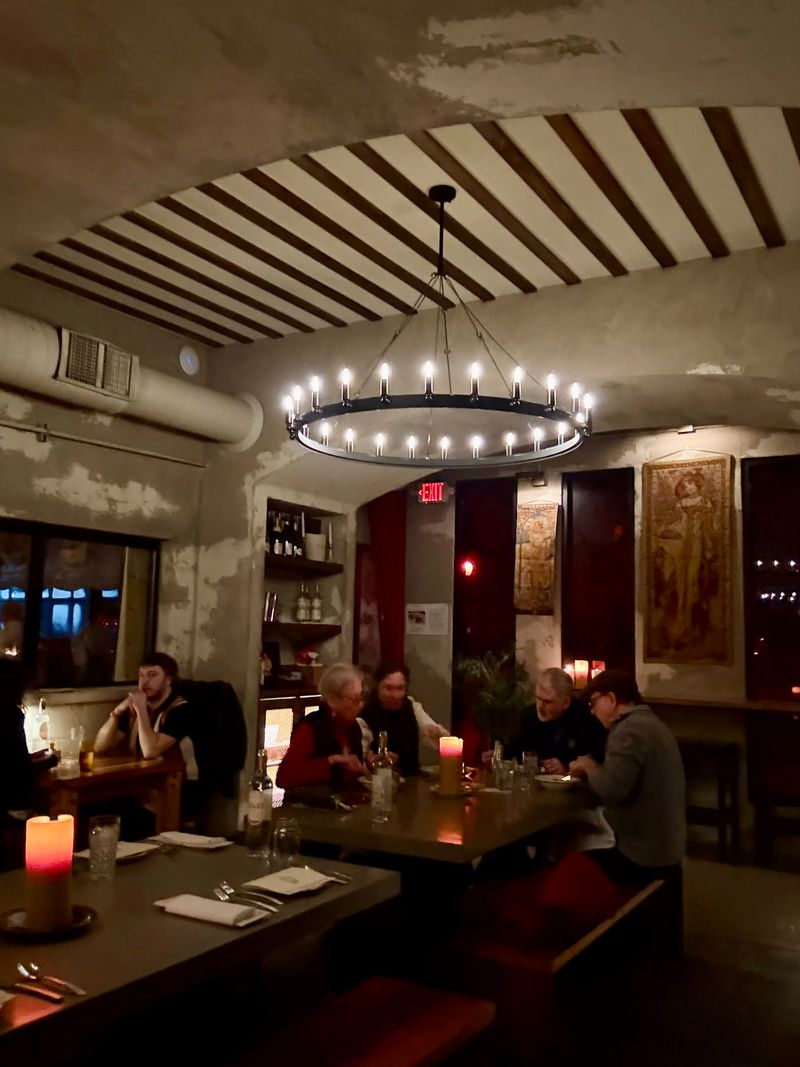
The compact layout of Mabel Gray’s dining room naturally encourages interaction. Tables are positioned close enough that guests become aware of what others are ordering, which often leads to spontaneous comparisons and recommendations.
In a restaurant where the menu changes frequently, that shared information becomes part of the experience.
It’s common for diners to ask servers about dishes they’ve noticed at nearby tables before making a decision. Because the chalkboard format rotates so often, there isn’t a fixed “most popular” dish – conversations help fill that gap.
This creates a collaborative atmosphere rather than a competitive one.
The proximity also reinforces the idea that each evening is a limited-capacity event. With only a certain number of seats available, everyone present is participating in the same menu cycle.
That shared timing builds a subtle sense of connection among guests, especially those who return multiple times a year. The layout isn’t accidental; it strengthens the restaurant’s identity as both intimate and community-driven.
Service That Prioritizes Timing and Clarity
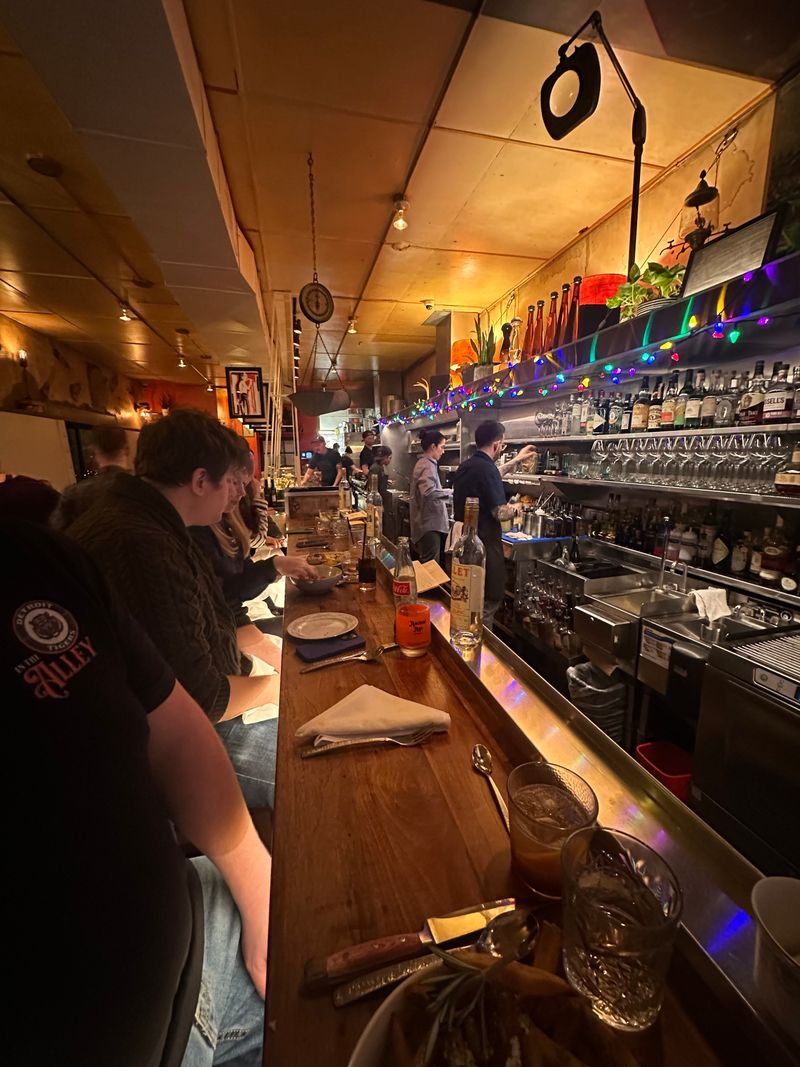
Service at Mabel Gray is structured around precision and awareness. Because the dining room is small and the kitchen is visible, coordination between front and back of house is critical.
Staff members operate with clear communication and an understanding of pacing that ensures the meal unfolds without unnecessary delays or interruptions.
Servers provide concise explanations of dishes, focusing on essential components and preparation methods rather than extended storytelling. When guests ask for guidance, recommendations are based on appetite, dietary preferences, and the progression of courses rather than sales targets.
Timing is carefully managed. Courses are spaced to maintain momentum, and adjustments are made in real time depending on how quickly a table moves through each plate.
The approach is polished but understated, reinforcing confidence without theatrics.
This consistency plays a significant role in the restaurant’s sustained popularity. Guests know they can expect attentive, efficient service that supports the meal rather than overshadowing it.
Desserts That Conclude With Precision
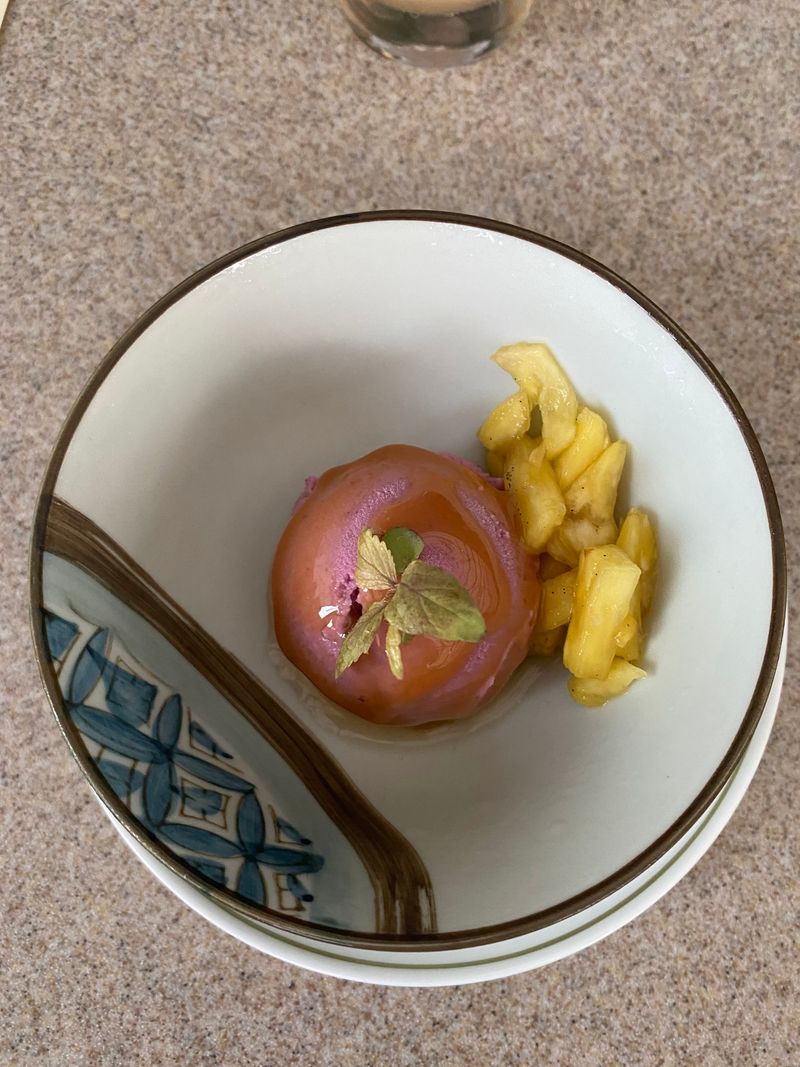
Desserts at Mabel Gray are treated as a deliberate final course rather than a predictable add-on. The pastry offerings rotate alongside the savory menu, often reflecting seasonal fruit availability and ingredient shifts.
Rather than relying solely on rich or heavy options, the dessert list typically includes a mix of citrus-forward selections, caramel or chocolate-based plates, and lighter compositions.
Portion sizes are calibrated to follow a multi-course dinner without overwhelming the guest. Sweetness levels are moderated carefully, often balanced with acidity or subtle savory elements to maintain structure.
The pastry team approaches dessert with the same discipline seen in earlier courses. Presentation is composed but minimal, and each component serves a defined purpose.
Returning guests frequently cite dessert as a highlight, particularly because it completes the pacing of the meal in a way that feels intentional.
Skipping the final course is possible, but many diners learn that the full experience includes this closing chapter.
Why Hazel Park Continues to Show Up
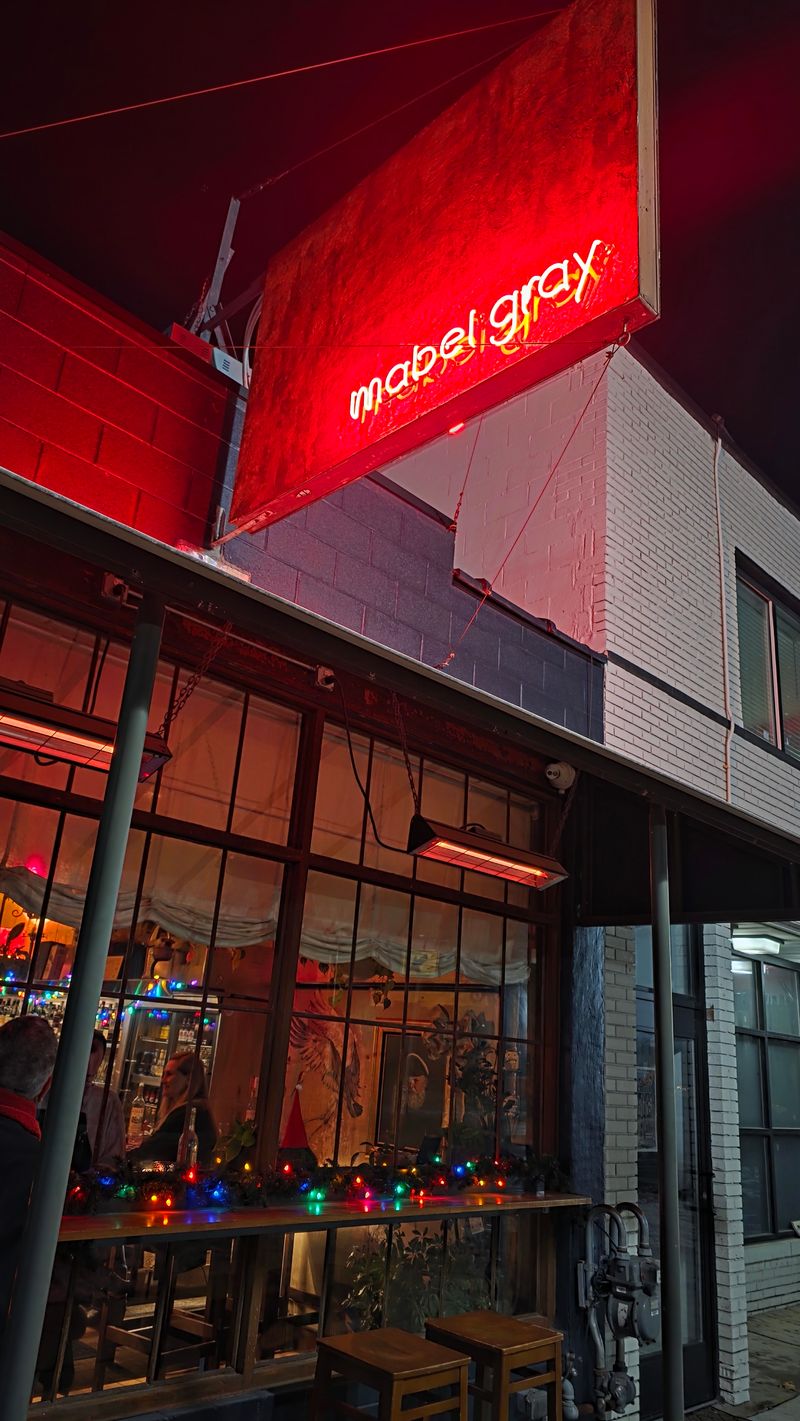
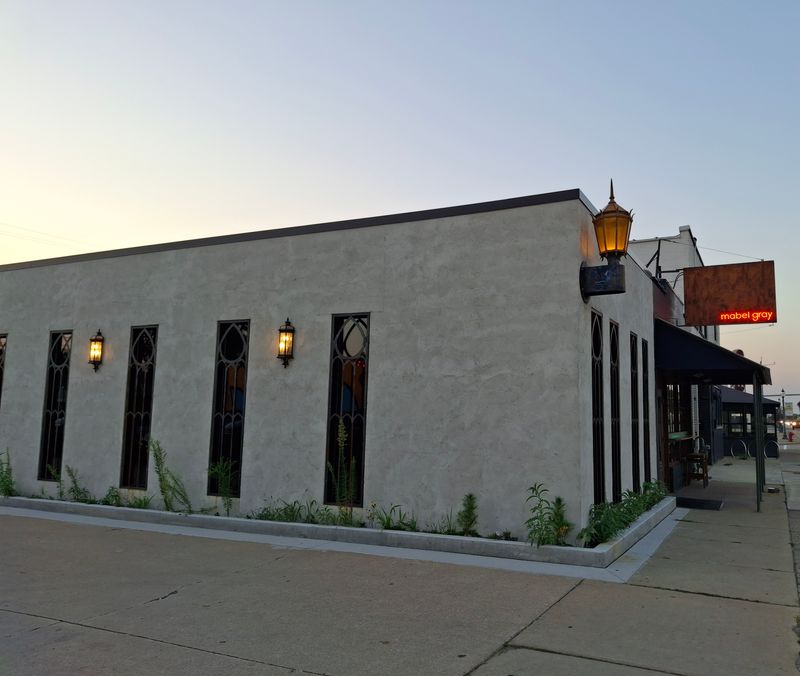
Mabel Gray’s location on John R Road in Hazel Park places it slightly outside Detroit’s most concentrated dining districts, yet it consistently draws attention across Metro Detroit. Its modest exterior contrasts with its reputation, reinforcing the idea that quality, not scale, drives demand.
The restaurant maintains a strong Google rating and steady reservation volume despite increasing competition in the region. As new concepts open throughout Oakland County and Detroit, Mabel Gray continues to retain loyal guests who prioritize consistency and seasonal execution over novelty.
Part of its staying power comes from its identity. It functions simultaneously as a neighborhood restaurant for Hazel Park residents and a destination dining spot for visitors.
That dual role strengthens its base – locals provide regular support, while regional diners maintain buzz.
Rather than chasing trends or expanding aggressively, the restaurant has focused on refining its format. That steady approach has allowed it to build trust over time, which translates into continued demand well into 2026.
How To Actually Get a Seat in 2026
Securing a reservation at Mabel Gray requires planning and flexibility. Because seating is limited and demand remains high, reservations often fill shortly after release.
Monitoring booking platforms and acting quickly when new dates open is the most reliable strategy.
Same-day cancellations occasionally become available in the afternoon, particularly between 3 PM and 5 PM. Guests willing to adjust timing can sometimes secure bar seating on shorter notice, especially for parties of one or two.
Weeknight reservations generally offer better odds than Friday or Saturday evenings. Early dinner slots and later seatings may also provide slightly more availability than peak hours.
Flexibility regarding specific dishes is essential, as the chalkboard menu rotates frequently and certain items may not return.
In 2026, the competition for reservations remains part of the restaurant’s appeal. The limited format, evolving menu, and sustained regional reputation continue to make a confirmed booking feel earned rather than routine.



