 Unearth The Voyage
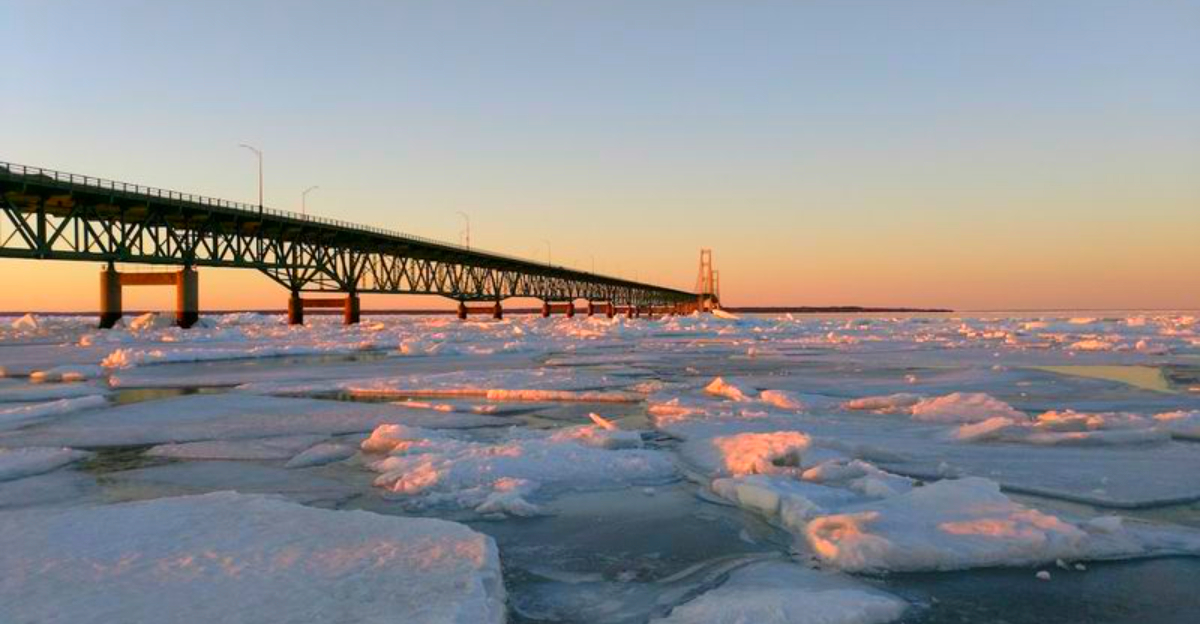
There is a moment on the shoreline when the horizon looks stitched together by steel, and you know you are about to cross into a story that Michigan has been telling since the 1950s. Five miles of roadway hover above a strait where two Great Lakes trade colors and moods, and it feels like the bridge is part lighthouse, part lifeline, part dare.
I came to watch the towers catch the wind and stayed to learn how this crossing changed travel, trade, and weekend plans for generations. Keep reading and I will show you where to stand for the best views, when the light turns the cables into strings of silver, and how this marvel keeps moving gracefully in a place famous for restless weather.
Where It Stands And How To Find It
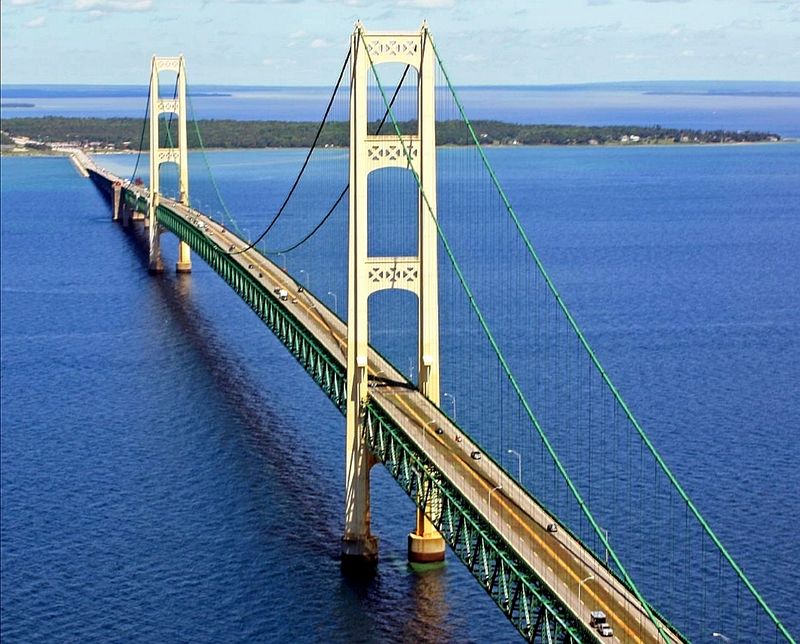
The address is simple and satisfying to type into your map: Mackinac Brg, Mackinaw City, MI 49701, United States. The coordinates point to a line of steel stretching between two peninsulas, and the road itself carries traffic over the Straits of Mackinac with an elegance that feels inevitable once you see it.
Approaching from Mackinaw City, signs funnel you toward the toll plaza where friendly staff keep cars flowing. The official website offers live conditions and webcams, which helped me time a crossing when the sky promised drama but the wind looked calm.
Parking in town makes it easy to explore the waterfront parks that line up perfect angles on the towers. I used the Heritage Trail and a few piers to frame both pylons in one wide view, then hopped back in the car for a slow roll over the deck.
Traffic hums, gulls chatter, and the towers rise 552 feet above the water like patient gatekeepers. On clear days, the roadway seems to fly right off the mainland toward the Upper Peninsula, and the whole route feels like a moving overlook.
If you plan to stop for photos, do it before you enter the span because there are no pedestrian pullouts on the main deck. Back on shore, the address doubles as a promise that you are exactly where Michigan stitches itself together.
First Glance, Lasting Impression
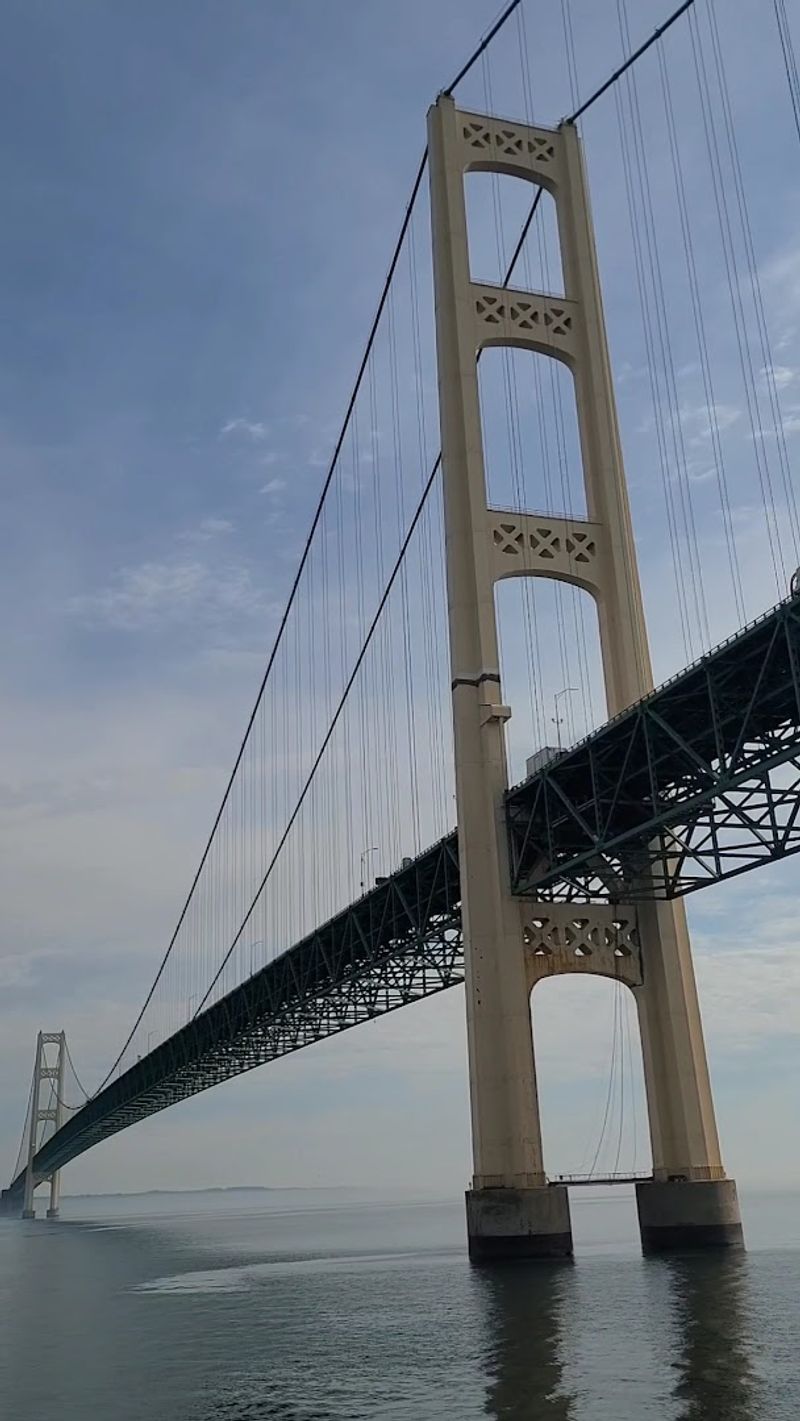
The first look came with a hush, the kind that drops over a crowd when something big and beautiful steps into view. Towers the color of a lake on a windy day rose into a clean sky, and the cables drew long arcs that seemed to float rather than hold weight.
You do not need a civil engineering degree to feel the balance. Cars streamed across and the line never looked stressed, just confident, like a hand extended between peninsulas that trust each other.
Down on the water, the straits swirled in two shades, Lake Michigan on one side and Lake Huron on the other, and the bridge skimmed above both. I stood at the rail and timed photos to the rhythm of the traffic, each group of headlights setting a new pattern across the deck.
A freighter slid under the main span with a slow certainty that made the clearance feel generous. The whole composition turned into a lesson in scale, taught without words.
By the time the sun warmed the steel into a soft glow, I knew I would cross and then return just to watch again. That is the kind of first impression that keeps echoing long after the road unwinds behind you.
A Bridge Built To Move
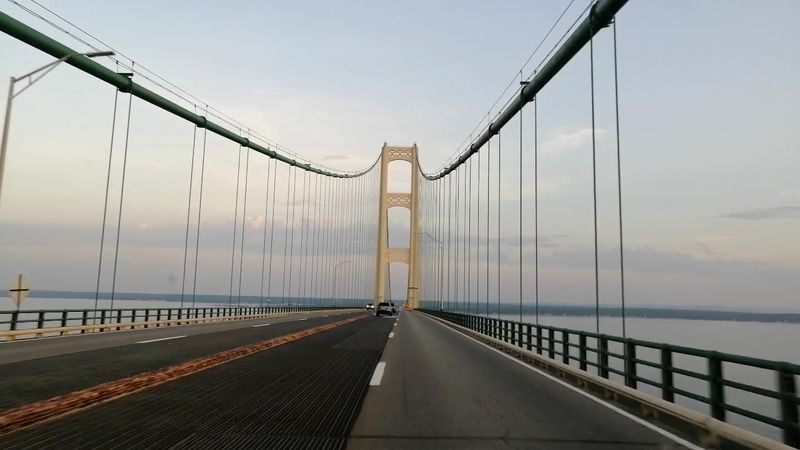
Movement is not a flaw here, it is the point. The deck is designed to flex with wind, temperature, and traffic, and you can feel a subtle give under the tires that tells you the structure is working exactly as intended.
Engineers shaped the spans to handle gusts that can bully lesser designs, and the open steel grating on the inside lanes helps air slip through rather than shove sideways. On cooler days the steel contracts and on warm evenings it relaxes, a measured breathing you would never notice without a little curiosity.
Guardrails and cables are tuned for duty cycles that last decades, and maintenance crews inspect connections so often it feels like the bridge is always mid checkup. That routine keeps the ride smooth when storms stack whitecaps below and crosswinds lean hard.
There is comfort in a design that expects stress and turns it into motion instead of damage. You roll along aware of the forces, but the rumble of tires on grating sounds more like a reminder than a warning.
By the time you hit the long fresh asphalt beyond the towers, the physics become part of the scenery. It is an elegant lesson in how a bridge can dance without ever losing the beat.
Numbers That Tell The Story
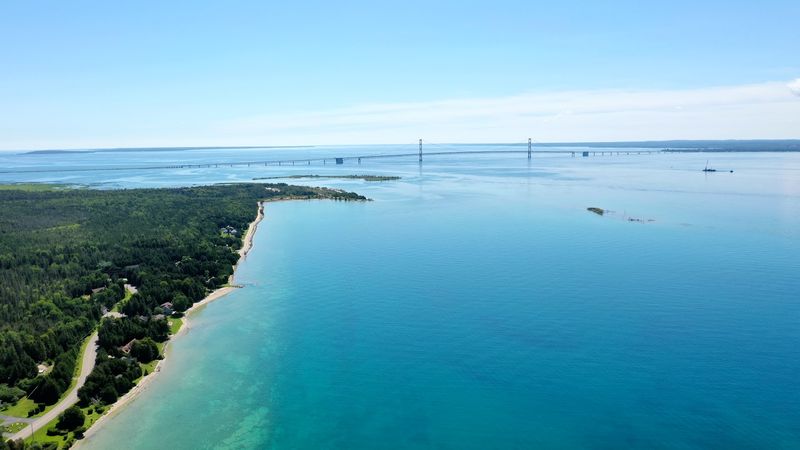
Some places speak in poetry, but this one also speaks in numbers. The total length clears 26,000 feet end to end, stretching roughly five miles across the meeting point of two Great Lakes.
The main suspension span measures 3,800 feet, a distance that swallows small talk and turns ships into scale models as they pass underneath. Each tower rises 552 feet, tall enough to catch shifting light and draw shadows that slide like sundials across the deck.
Cables the size of confidence hold the roadway, made from thousands of steel wires spun into strength that ages slowly and predictably. Clearance for large freighters is more than generous, so marine traffic threads the channel without a flinch.
Open the calendar and you will see years of continuous service since 1957, a record that does not shout but stands firm. Daily traffic counts climb in summer, then step back in winter, matching the pulse of Michigan road trips.
Numbers make the case, but the experience seals it. When facts and feelings agree this completely, the statistics become a kind of soundtrack you can hum while the towers glide by your windows.
Crossing Tips For Calm Travels
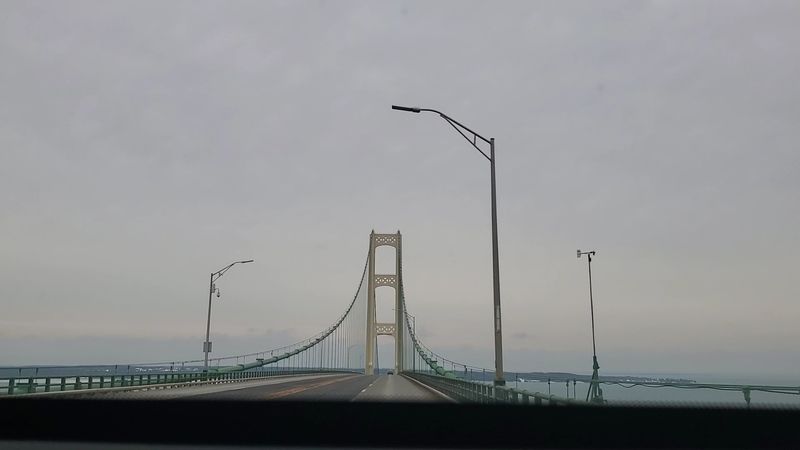
Calm starts before the tolls, and it starts with a weather check. The bridge authority posts wind advisories, lane closures, and maintenance notes that make trip timing smarter by a mile.
If high wind advisories pop up, staff may offer driver assistance for those uneasy about the grating lanes, and that service turns nerves into nonissues quickly. Speed limits are modest and feel right, and passing is not the goal when views keep outpacing the odometer.
Stay in the right lane if you like solid pavement under tread. The inside grating can hum and vibrate a touch, which is normal, but new drivers might prefer the quieter outer lane.
Restrooms and gas are better handled in Mackinaw City or St. Ignace before you commit to the span. There are no shoulder pullouts on the main deck, so photos belong to the shoreline parks, not the middle of the crossing.
In summer, early mornings offer lighter traffic and gentle light that flatters the towers. By the time the day crowds arrive, you will already be coasting down the far side with a camera roll ready for captions.
Views From Shore That Steal The Show
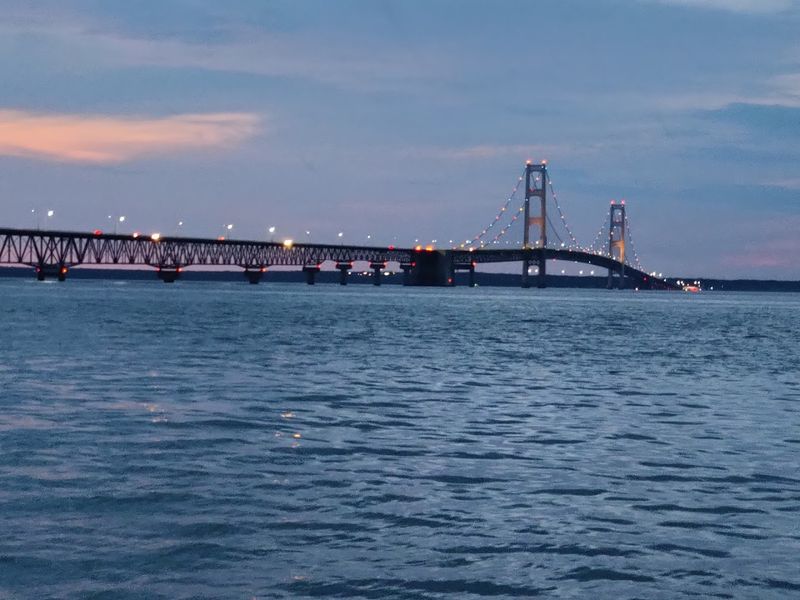
Some of the best moments happen with two feet on land and a tripod planted in the grass. Mackinaw City lines its waterfront with parks and piers that frame the towers in ways you cannot capture from the deck.
I favored the harbor area near the old docks for a low angle that pulls both cables into a gentle V. Twilight adds a quiet glow across the suspender lines, and long exposures turn the lake into a silk sheet with light beads strung across it.
On clear days, the Upper Peninsula shoreline anchors the far side of the frame, giving depth to the full five miles. Gulls stitch across the sky in white commas that seem to punctuate the cables at just the right spots.
Bring layers, because the straits invent their own temperature rules no matter what the inland forecast promises. A pocket cloth helps wipe spray from a lens when the breeze swings around from the channel.
When the bridge lights switch on, the scene levels up without any effort on your part. You just keep breathing with the waves and let the composition fall perfectly into place.
History That Changed The Map
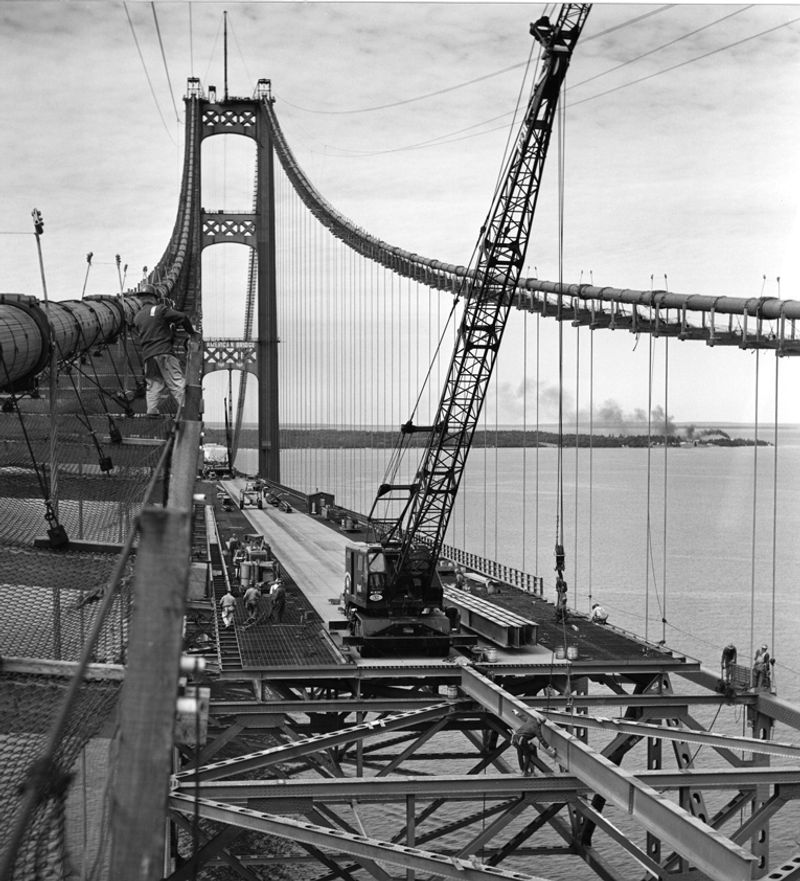
Before the span opened in 1957, ferries hauled cars across the straits and travelers counted minutes by schedules rather than scenery. The opening flipped that script, knitting together commerce and family trips with a reliability the region had been trying to capture for decades.
Design came from David B. Steinman, who approached wind with respect and mathematics, shaping a suspension system that treats gusts as part of the plan.
Construction started in 1954 and soldiered through cold, current, and logistics that would test any crew.
Archives show catwalks slung high over steel with workers moving like patient metronomes. Spinning the main cables looks surreal in those photos, a process that turns wire into a single, certain line.
Local lore remembers the last ferry loads, the first official crossing, and the way the Upper and Lower Peninsulas felt suddenly closer. The name Mighty Mac traveled mouth to mouth almost as quickly as cars streamed across the deck.
Standing at the shoreline today, it is easy to see how this project reset expectations. The bridge did not just connect two sides, it rebuilt the way people imagined distance in Michigan.
Seasons And The Many Moods
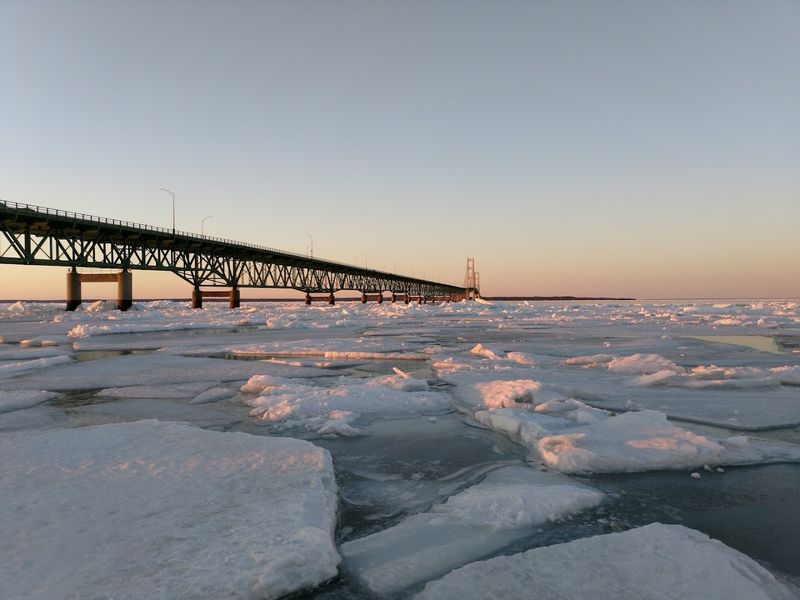
Summer gives you blue on blue, bright skies over deeper water, and traffic that hums with road trip energy. Shoreline grass turns into picnic rugs while the cables sketch light patterns you can track like sundials.
Autumn flips the palette and paints the surrounding trees in copper and rust, a warm frame around cool water. Photographers wait for calm mornings when the reflections come close to perfect and freighters wear steam like scarves.
Winter quiets the soundtrack and lays broken plates of ice across the straits. The bridge keeps its posture, crews keep watch, and the wind trades small talk for a steady whistle that feels honest.
Spring loosens everything, from ice to schedules, and color starts creeping back across the scene. Wild clouds race the length of the span and the deck looks freshly minted after snow and salt.
Each season writes a new caption for the same silhouette. I keep returning because the line across the water never repeats itself exactly, and that kind of variation always feels generous.
Walking It Once A Year
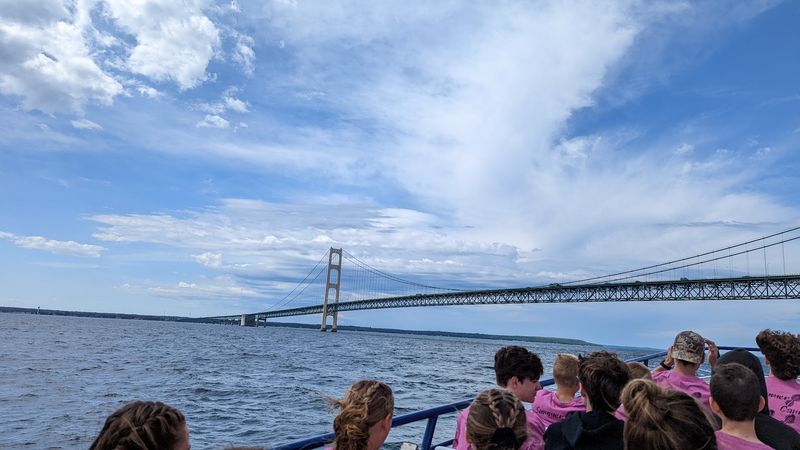
One morning each year, footsteps replace engine noise and the span becomes a long promenade. The annual Labor Day Bridge Walk invites thousands to step onto the deck and feel the gentle sway that usually stays beneath your tires.
Starting from either side, participants move in waves watched over by staff and volunteers who keep the rhythm smooth. The feeling is rare, not just for the view but for the hush that follows every gust when a crowd collectively notices the water below.
Photography is easy when traffic sleeps and the lane lines run like rails into the distance. Sneakers thrum on steel, kids count suspender rods, and conversations trade fun facts about height and cable strands.
If this event is on your list, registration and security details live on the official site, along with timing and shuttle notes. Bring layers and a zipper pocket for a phone, because you will stop more than you plan to.
By the time the finish line appears, the towers feel like familiar hosts. It is the one day the bridge turns into a boulevard in the sky, and the mood lingers for months afterward.
Watching Ships Thread The Span
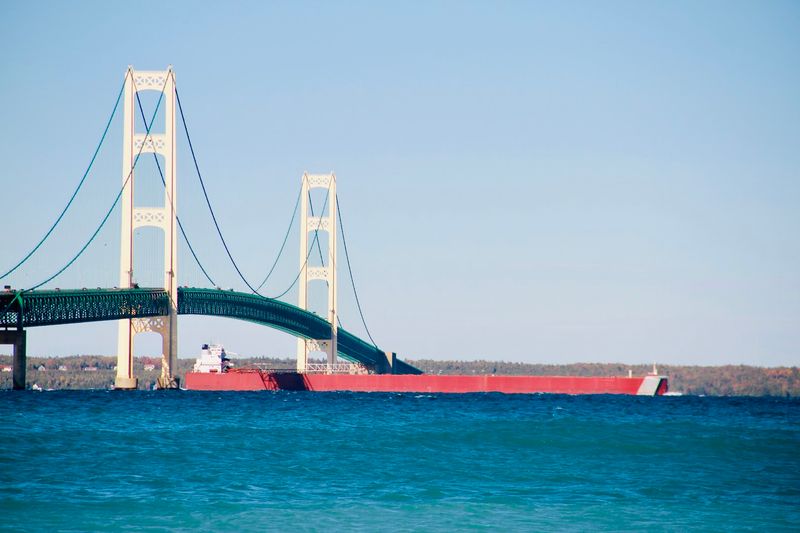
Freighters treat the bridge like a picture frame they have known for years. I tracked one with a telephoto as it lined up beneath the main span and fit cleanly into the space that seems carved for exactly this purpose.
Pilots know the channels, currents, and seasonal quirks of the straits, and their precision becomes clear when bows line up with buoys in moving water. From shore, the ship looks close enough to touch the structure, but the clearance leaves a polite margin that reads instantly as safe.
When two vessels pass under in opposite directions, the scene turns cinematic. You get scale, motion, and that small surge of shared timing as cars sweep overhead.
Bring binoculars and a patient stare, because schedules bend to weather. If you catch a laker at dusk, the deck lights and running lights make a layered composition that feels earned.
Watching that choreography might be the easiest way to understand why the main span reaches the length it does. The bridge and the shipping lanes live in a steady partnership that benefits everyone who travels these waters.



