 Unearth The Voyage
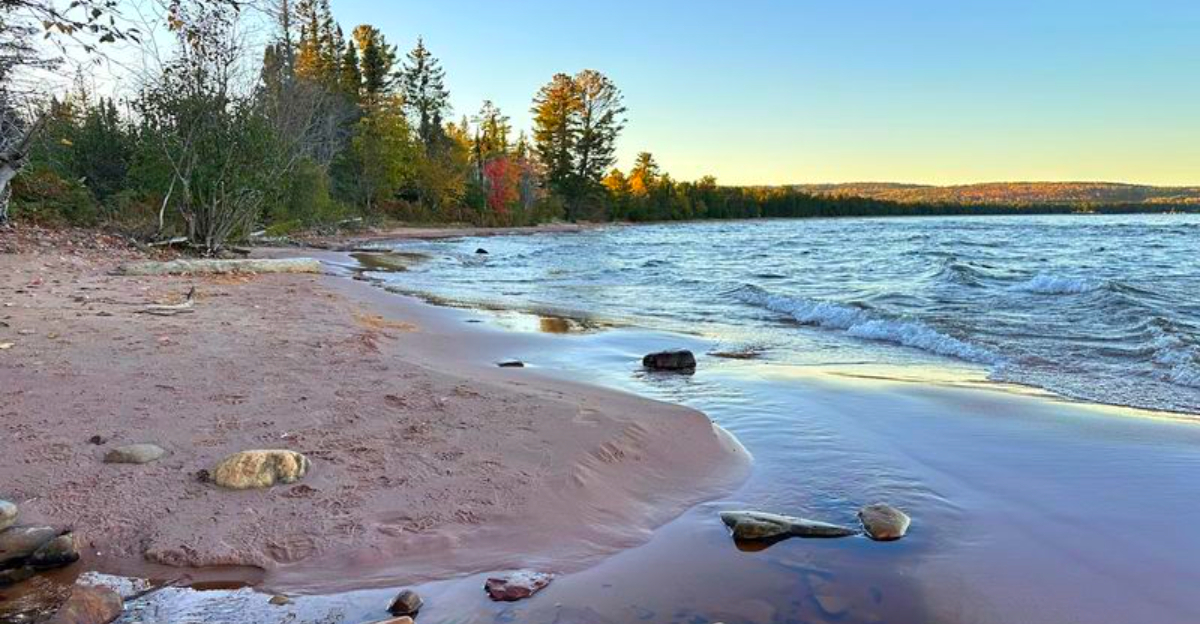
Most people drive right past it without ever realizing what they are missing. Along a remote stretch of Lake Superior in the Keweenaw Peninsula, there is a place where the sand makes a soft sound under your steps, bald eagles glide overhead, and the water is so clear you can see straight to the bottom.
Bete Grise Wetlands Preserve feels wide open and almost untouched, with miles of quiet shoreline, thousands of acres of wetlands, and just enough mystery to make you want to explore further. And then there is what waits offshore.
About two miles out by kayak, the sandstone coastline opens into a hidden sea arch that most visitors never see and few even know exists. Here is everything you need to know before you go, from where to launch to what to watch for along the way.
Where Exactly You Are Going
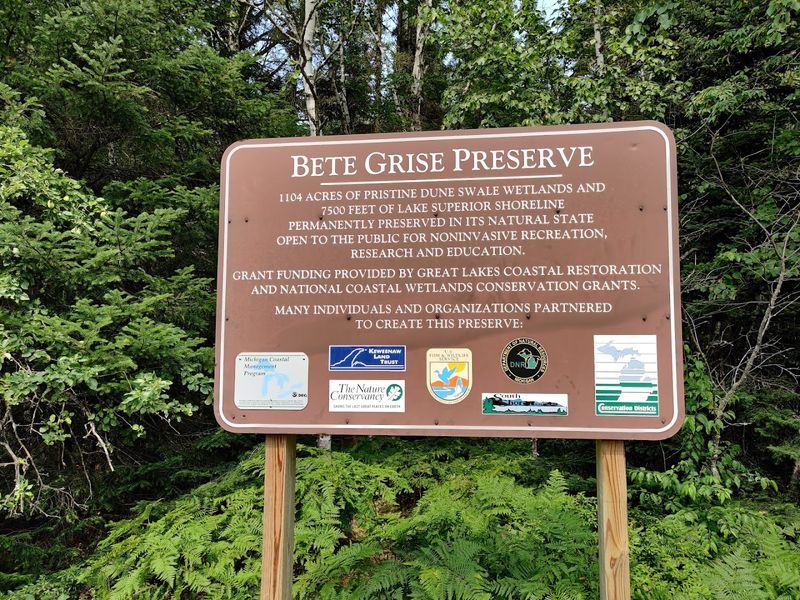
Before you pack your paddle and head north, it helps to know exactly where this adventure begins. Bete Grise Wetlands Preserve sits at Gay Lac La Belle Rd, Mohawk, MI 49950, right on the southern edge of the Keweenaw Peninsula in Michigan’s Upper Peninsula.
The preserve is managed by The Nature Conservancy and covers thousands of acres of wetlands, forest, and Lake Superior shoreline. It sits at roughly 47.36 degrees north latitude, which puts it well above the bridge and far from the usual tourist crowds that flock to more advertised spots.
The parking lot holds about a dozen vehicles and rarely fills up, which tells you something about how few people make it out here. A port-a-potty is available on site, and the beach is a short walk from the car.
Getting here takes commitment, but the scenic drive through the Keweenaw countryside is part of the reward.
The Sea Arch Two Miles East
The headline promise of this trip is a sea arch, and it does not disappoint. Paddling approximately two miles east from the Bete Grise launch point along the Lake Superior shoreline brings you to sandstone formations that wind and water have been sculpting for thousands of years.
These arches sit quietly along a coastline that sees very little boat traffic, which means you can float right up to them without another soul in sight. The rock glows in shades of rust, ochre, and deep red depending on the light, and the water pooling beneath the arch is often so clear it looks like glass.
Most tourists stick to the well-marked trails and overlooks at Pictured Rocks National Lakeshore further west, so this stretch rarely appears on anyone’s itinerary. That is precisely what makes it special.
Reaching it by paddle rather than by trail gives the whole experience a sense of earned discovery that is hard to find anywhere else on the lake.
The Singing Sand Beach
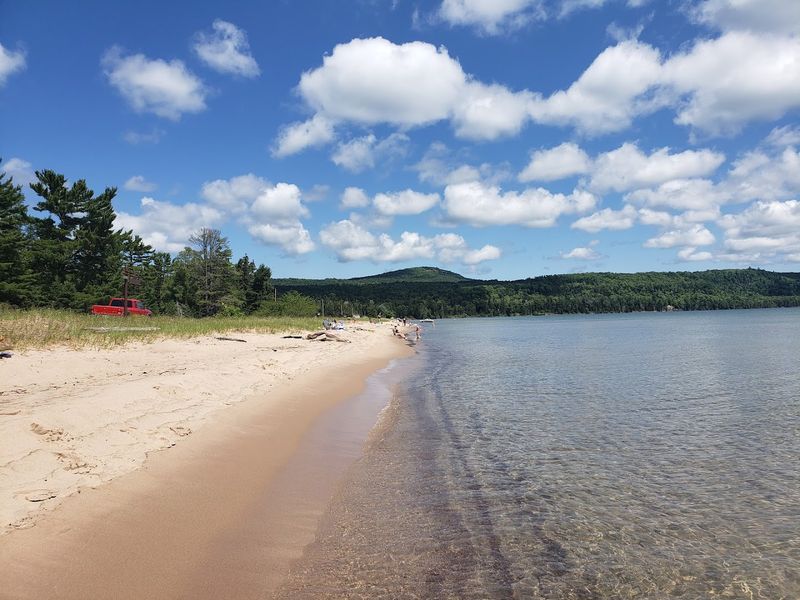
Not every beach has a party trick, but Bete Grise does. The sand here is known to produce a faint squeaking or singing sound when you walk across it, a phenomenon caused by the unusually uniform size and high silica content of the quartz grains rubbing together underfoot.
It is one of those small details that catches first-time visitors completely off guard. You take a step, hear the squeak, and immediately take another just to confirm it was real.
Kids absolutely love it, and honestly, so do adults.
Beyond the novelty, the beach itself stretches on for a long distance in both directions, offering plenty of space to spread out, hunt for agates, or simply sit and watch the lake do its thing. The water runs remarkably clear and the shoreline feels wide open in a way that is rare on the Great Lakes.
This beach alone justifies the drive up the peninsula.
Kayaking and Paddleboarding at Bete Grise
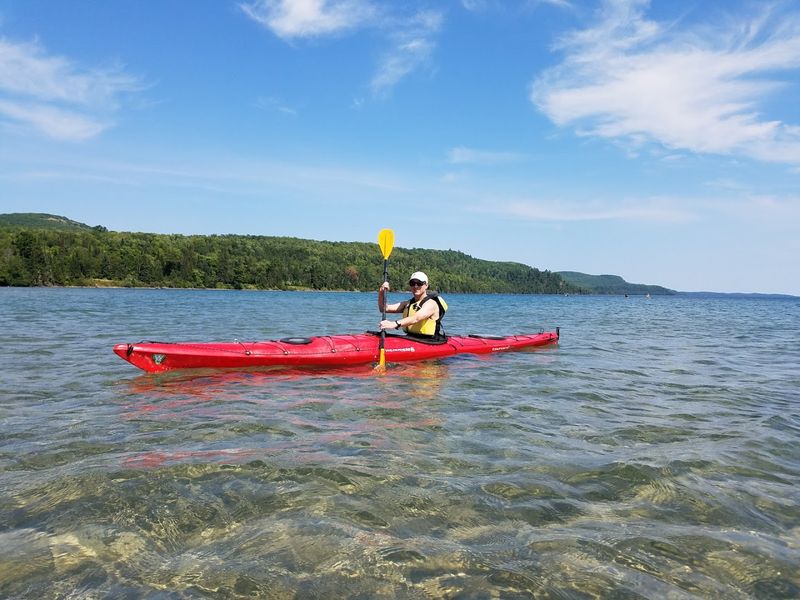
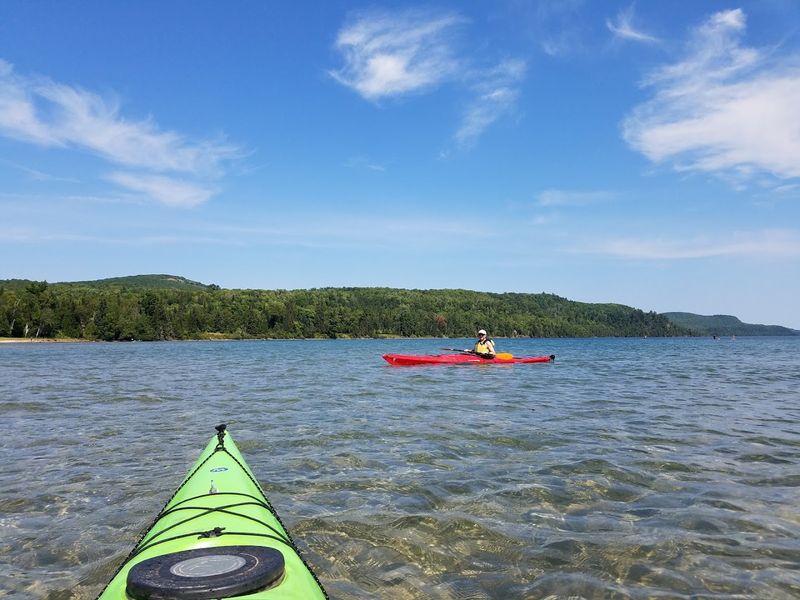
Bete Grise is well established among local paddlers as one of the best launch points on the Keweenaw Peninsula. The beach offers a gradual entry into the water, which makes getting a kayak or stand-up paddleboard into the lake straightforward even for beginners.
From here, paddlers can head east toward the sea arch and sandstone formations, or push further toward Manitou Island and Copper Harbor for a more ambitious multi-day route. The shallow, warm waters near the shoreline are also calm enough for beginner paddlers on most days, though Lake Superior can change its mood quickly.
Local paddlers have used this spot as a drop-in point for trips to Montreal Falls and longer coastal routes for years. The fact that the parking lot rarely fills up means you can usually launch without waiting or jostling for space.
Bring your own gear, as there are no rental operations on site, and always check the marine forecast before heading out.
Lake Superior Water Conditions and Safety
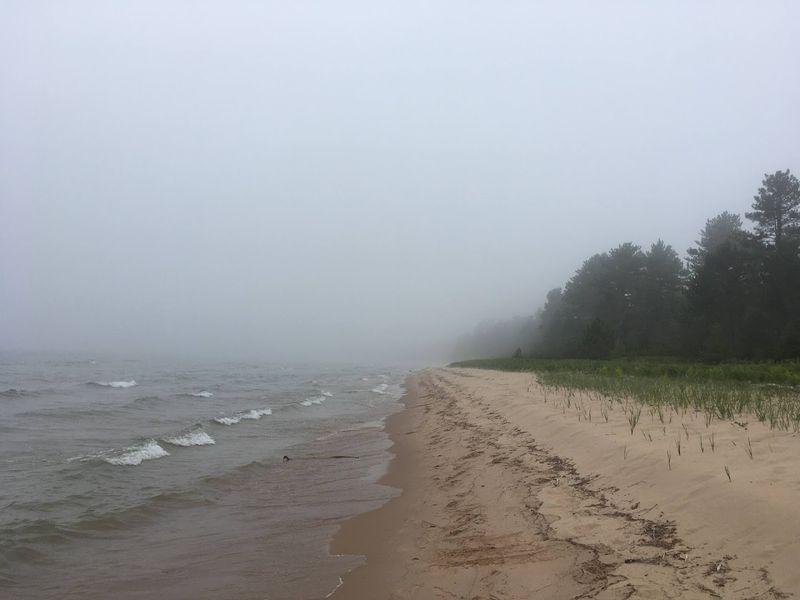
Lake Superior has a reputation, and it earns it every single season. Even on calm summer days, the water temperature rarely climbs above 60 degrees Fahrenheit, which means a capsize without proper gear can turn dangerous within minutes due to cold water shock.
Wind conditions can shift from a gentle five knots to a blustery twenty knots within an hour, and waves that looked manageable from shore can grow to four feet or more once you are out on the water. Anyone paddling the two miles east to the sea arch should carry a wetsuit or drysuit, a personal flotation device, and a waterproof communication device.
Self-rescue skills are not optional on this stretch of coastline. The shoreline is remote, and help is not close by if something goes wrong.
Check the National Weather Service marine forecast for Lake Superior before launching, and build in flexibility so you can postpone the trip if conditions are not right. Patience here pays off every time.
Wildlife You Can Expect to See
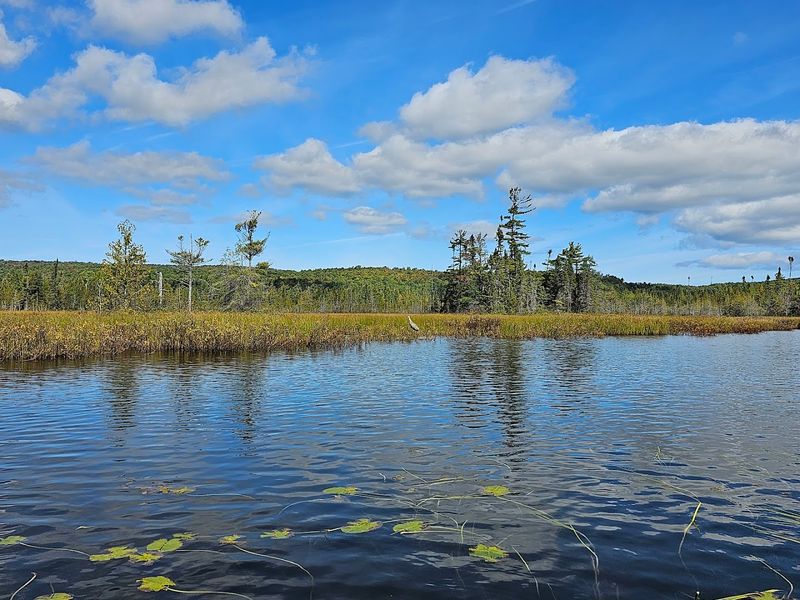
The wildlife at Bete Grise is genuinely impressive, even by Upper Peninsula standards. Bald eagles are a regular sight along the shoreline, often gliding low over the water or perched in the tall pines at the edge of the beach.
Seeing one swoop down near your kayak is the kind of moment you remember for a long time.
Black bear and wolf sightings have also been reported in the area, particularly in the wetlands and forested sections of the preserve. These are wild animals in their natural habitat, so keeping a respectful distance is both the smart and the right approach.
In August, wild thimbleberries ripen along the trails and woodland edges, and the preserve also supports populations of shorebirds, waterfowl, and various fish species in its wetland systems. The combination of Lake Superior shoreline, open wetlands, and boreal forest creates a layered habitat that supports an unusually wide range of species for a single visit.
The Woodland Trail and Nature Path
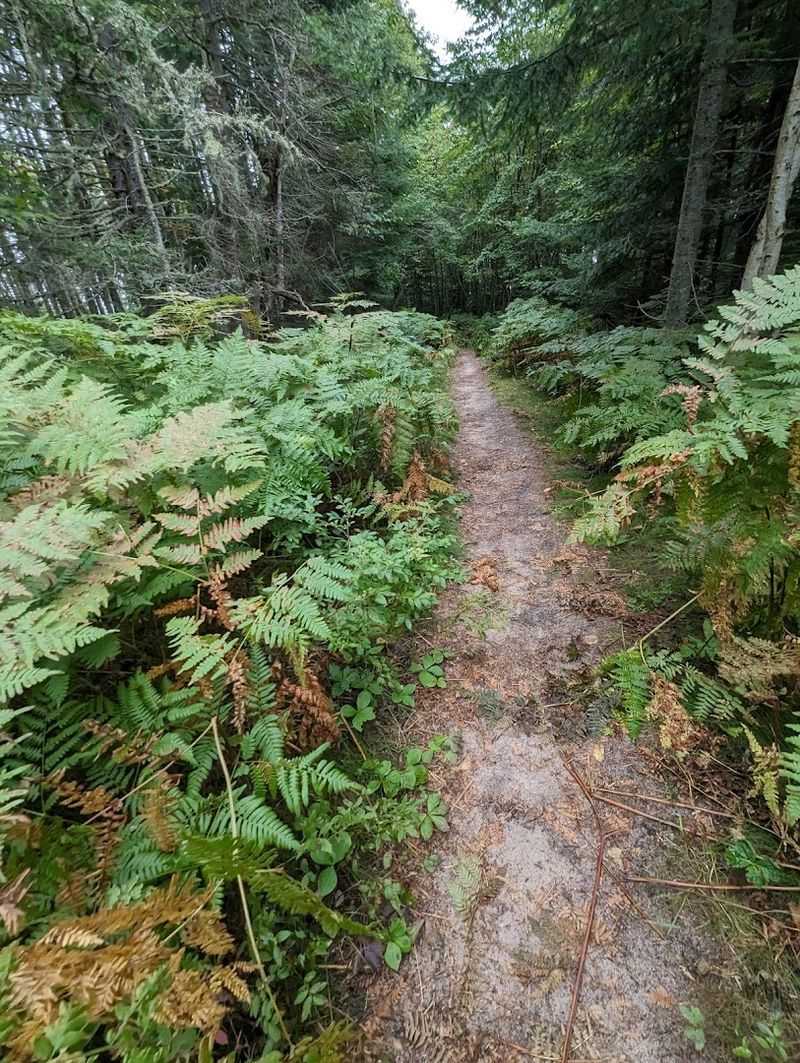
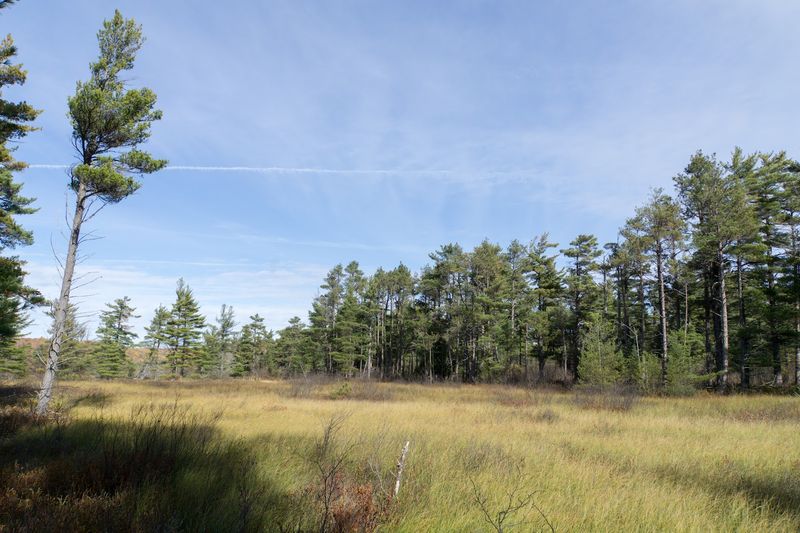
Beyond the beach, the preserve includes a woodland trail that winds through the forested interior and offers interpretive information about the local flora, fauna, and geological history of the area. It is a quieter, shadier alternative to the open beach walk, and it gives you a completely different perspective on the preserve.
The path is narrow in places and can be overgrown during the summer months, so long pants and bug spray are genuinely recommended rather than just politely suggested. The trail leads eventually to the beach, so you can loop back without retracing your steps through the woods.
Signs along the route explain how the wetland system formed and what plant communities thrive in the transition zones between the lake, the wetland, and the upland forest. It is an educational walk that does not feel like homework, and it adds real context to everything else you see during your visit.
Budget an extra hour if you want to take it slow and read the signs properly.
The Mendota Lighthouse View
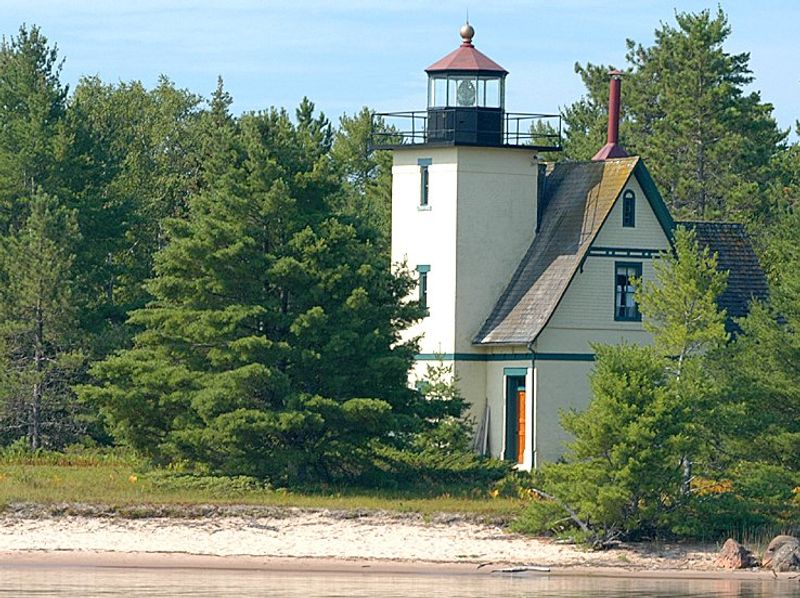
At the far eastern end of the Bete Grise beach, the shoreline meets the shipping canal known locally as the Irons, and from this point you can look across the water to the Mendota Lighthouse. The lighthouse is private property and cannot be accessed directly, but the view from the beach is clear and photogenic.
The Mendota Lighthouse has guided ships through the Keweenaw Waterway for well over a century, and seeing it from the beach gives you a tangible connection to the maritime history of this part of Lake Superior. The canal itself is a fascinating piece of engineering, cut through the peninsula to allow commercial vessels to avoid the rough waters around Keweenaw Point.
Early morning light hits the lighthouse at a particularly good angle, making it a favorite subject for photographers who time their visit right. Even if photography is not your thing, standing at that end of the beach with the open lake behind you and the lighthouse ahead feels like a genuinely cinematic moment.
Best Time of Year to Visit
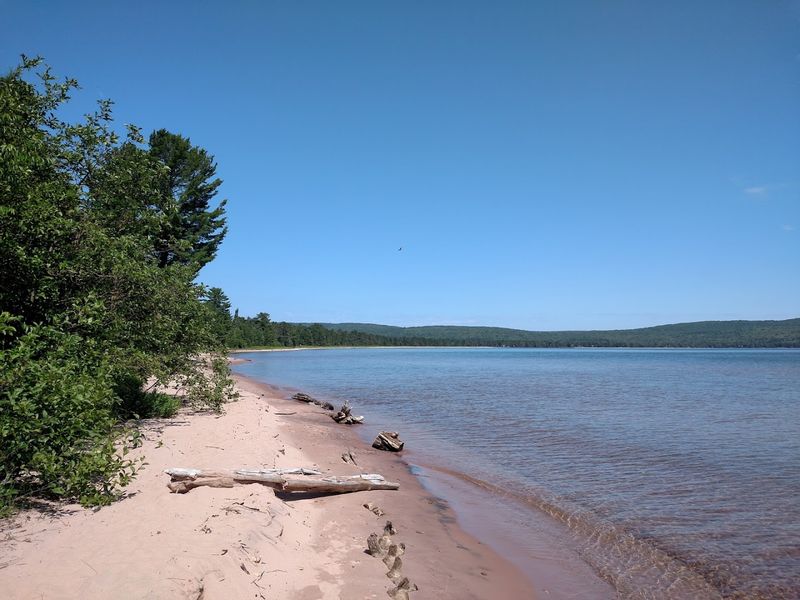
Timing a visit to Bete Grise makes a real difference in what you experience. Summer is the most popular season, and for good reason: the days are long, the beach is accessible, and the lake is at its most inviting for swimming and paddling.
August is a particularly sweet spot because the thimbleberries are ripe, the bugs thin out slightly compared to June and July, and the weather tends to be more stable.
Spring and early summer bring intense insect activity, especially mosquitoes and black flies. Bug protection is not optional during those months.
Fall visits reward those who brave the cooler temperatures with stunning foliage and almost complete solitude on the beach.
Winter closes the preserve to most visitors, and the access road can become impassable. The preserve opens daily at 6 AM and closes at 8 PM throughout the operating season, so early morning visits are possible and tend to offer the calmest lake conditions for paddling.
Plan accordingly and you will have the place largely to yourself.
Practical Tips Before You Go
A few practical details can make or break a trip to this remote corner of the Keweenaw. The parking lot at Bete Grise Wetlands Preserve is not always easy to spot from the road, so slow down well before you expect to see it and watch carefully for the entrance.
Missing it means a longer turnaround on a narrow rural road.
The preserve has a port-a-potty but no running water, no food vendors, and no gear rentals. Bring everything you need, including plenty of drinking water, snacks, sun protection, and insect repellent.
Cell service in this area is limited to nonexistent, so download offline maps before you leave.
The preserve can be reached by calling plus one 517-316-0300 or by visiting the Nature Conservancy website for updated trail and access information. Always let someone know your paddling plan before heading out on the water, including your intended route, launch time, and expected return.
A simple check-in habit adds a meaningful layer of safety on remote trips like this one.
Rock Hunting and Agate Collecting
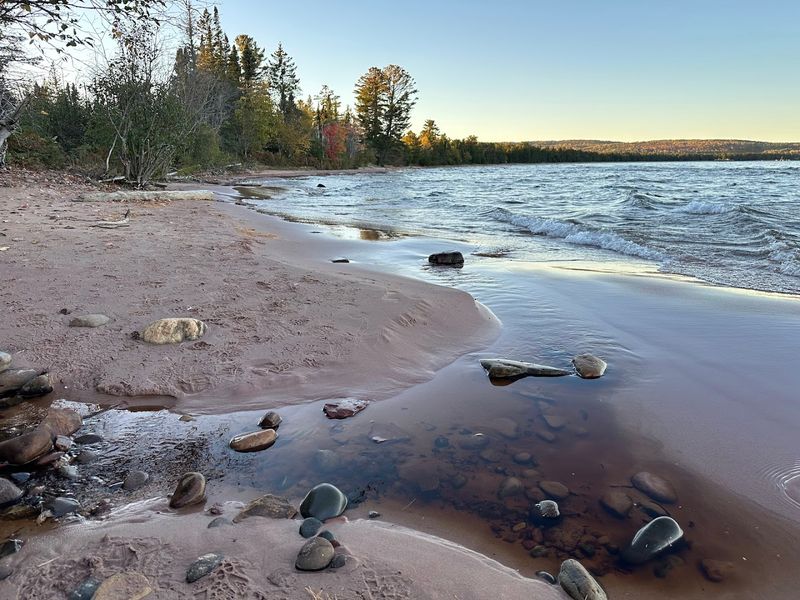
Lake Superior is famous among rock hounds, and the beach at Bete Grise is one of the better spots on the Keweenaw for finding interesting stones. Agates, jasper, and various volcanic and metamorphic rocks wash up regularly along this stretch of shoreline, and the clear, shallow water makes it easy to spot them even without getting your feet wet.
The best time to look is after a storm, when wave action has turned over the beach and brought fresh material up from deeper water. A slow walk along the waterline with your eyes down is usually all it takes to fill a pocket with interesting specimens.
Nearby, the Gitche Gumee Agate Museum in Grand Marais offers a deeper look at the geology behind the stones you find, including display cases full of exceptional Lake Superior agates. Visiting the museum after a beach session at Bete Grise turns a casual rock-picking walk into a genuinely educational experience that connects the stones in your hand to the ancient volcanic history beneath the lake.
Why This Place Stays Off the Radar
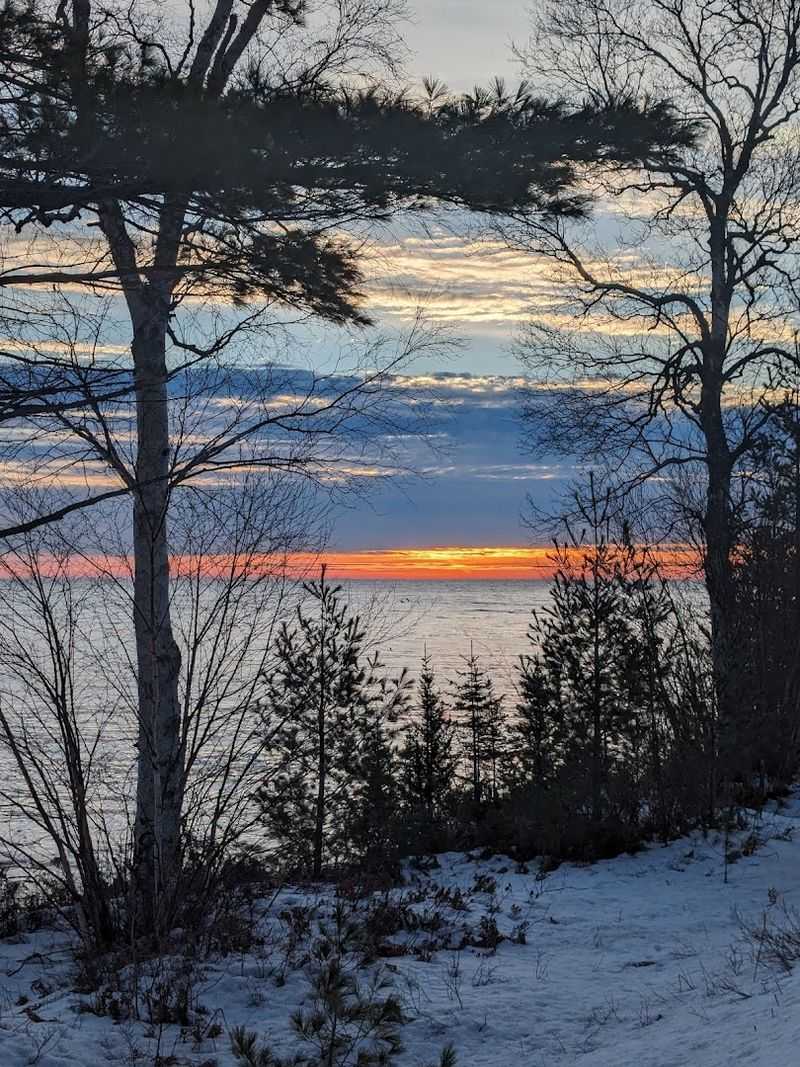
There is something almost counterintuitive about a place this beautiful staying so quiet. Bete Grise does not appear on most travel lists, does not have a gift shop, and does not show up in highway billboard advertising.
The road to get here is long, rural, and easy to skip if you are not specifically looking for it.
That combination of factors has kept the preserve in a kind of protective obscurity for years. The parking lot holds a dozen cars but often has only two or three.
The beach stretches for what feels like miles without another person in sight. The wildlife behaves as if humans are occasional guests rather than permanent fixtures.
For travelers who have grown tired of fighting crowds at popular national park overlooks, Bete Grise offers something genuinely different: a wild, largely undiscovered corner of the Great Lakes that rewards curiosity and a willingness to drive a little further than everyone else. The sea arch two miles east is waiting, and it is not going anywhere.



