 Unearth The Voyage
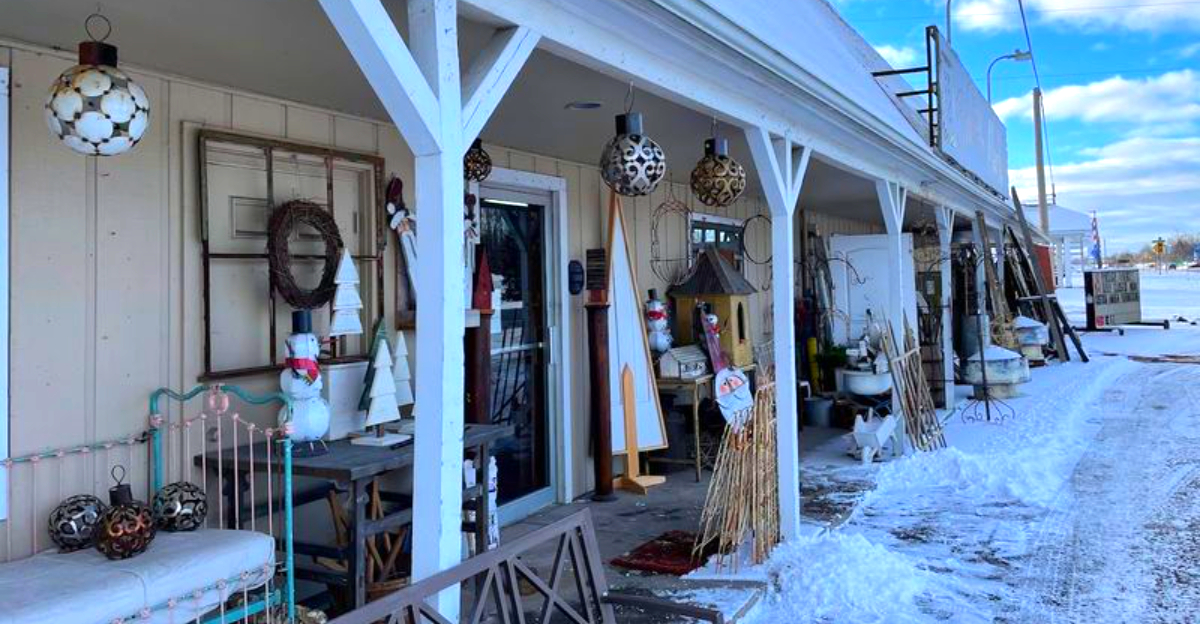
A small shop in southern Michigan is drawing attention for its mix of antiques, handmade goods, and unexpected finds all under one roof. What looks modest from the outside opens into a surprisingly large space filled with vintage décor, Amish furniture, locally sourced products, and rotating seasonal displays.
The layout shifts from a more polished, boutique-style front to a back section packed with older pieces and one-of-a-kind items. It is the kind of place where you can browse for a few minutes and end up staying much longer.
It is easy to drive past without realizing what is inside, but those who stop quickly see why it has become a destination.
A Name and Address Worth Remembering
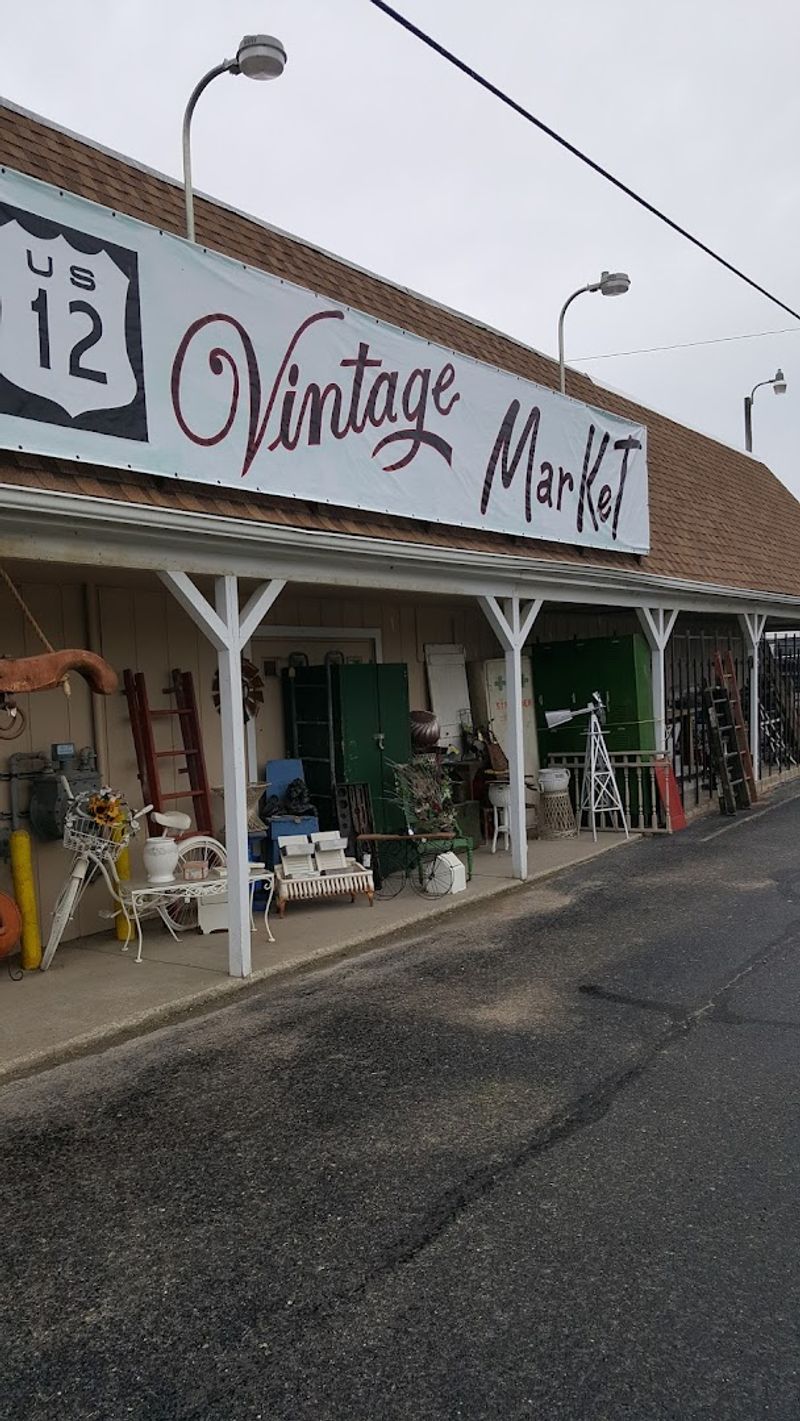
Some shops announce themselves quietly, and others practically dare you to walk past without stopping. Whistlin’ Woodpecker Vintage Market, located at 2751 W Michigan Ave in Clinton, MI 49236, falls firmly into the second category.
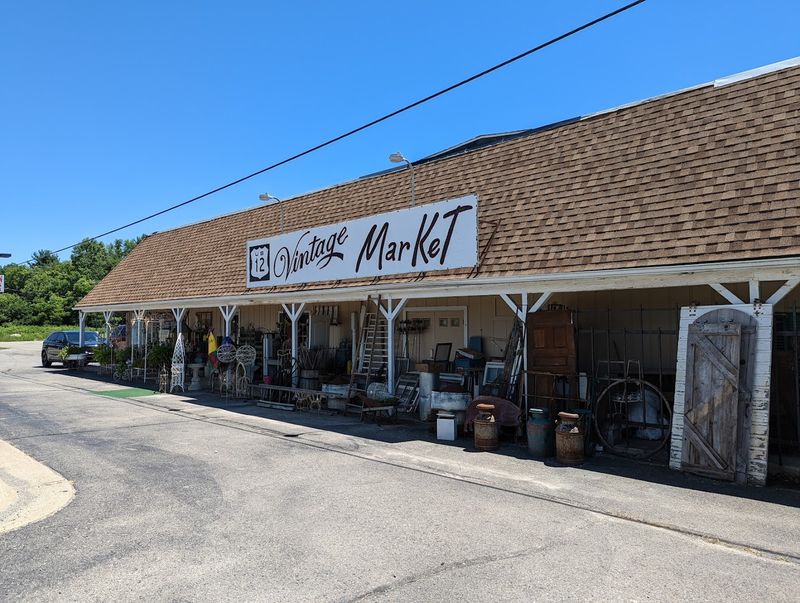
Clinton is a small town in Lenawee County in southern Michigan, sitting right along the old Michigan Avenue corridor. The building looks compact from the outside, which is exactly the kind of first impression that sets up a very pleasant surprise once you push open the door.
The market has earned a 4.5-star rating across 180 reviews, which tells you that real people keep coming back and telling their friends. The phone number is +1 517-701-1005 if you want to call ahead and check on current inventory or hours.
First-time visitors often say the exterior gives almost no hint of how much is packed inside, and that contrast is part of what makes the whole visit feel rewarding from the very first step.
The Story Behind the Fresh Start
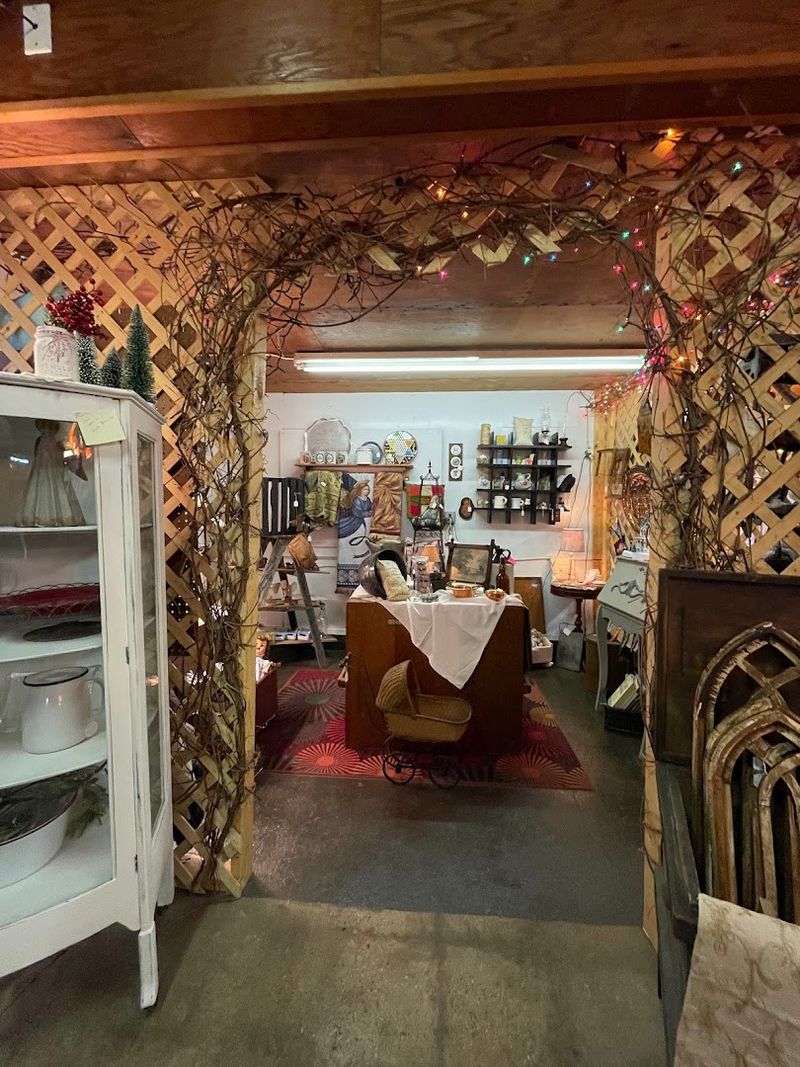
Not every antique shop gets a second act, but this one did, and the transformation clearly stuck. Whistlin’ Woodpecker Vintage Market is under new ownership, and the current owners wasted no time making meaningful changes that addressed the most common complaints from earlier years.
The restroom is now fully open to the public, something the previous management struggled with. A new name came along with the new ownership, and a fresh wave of dealers brought updated inventory that refreshed the whole shopping experience from floor to ceiling.
The owners are also transparent and responsive, often replying directly to customer reviews with specific updates and genuine appreciation. That kind of hands-on approach is rare in the vintage market world, where many shops run on autopilot.
Purchases over $25 that are not marked firm can receive a 10% discount if you simply ask at checkout, which is a detail that savvy shoppers should absolutely keep in their back pocket before browsing.
Bigger Than the Outside Lets On
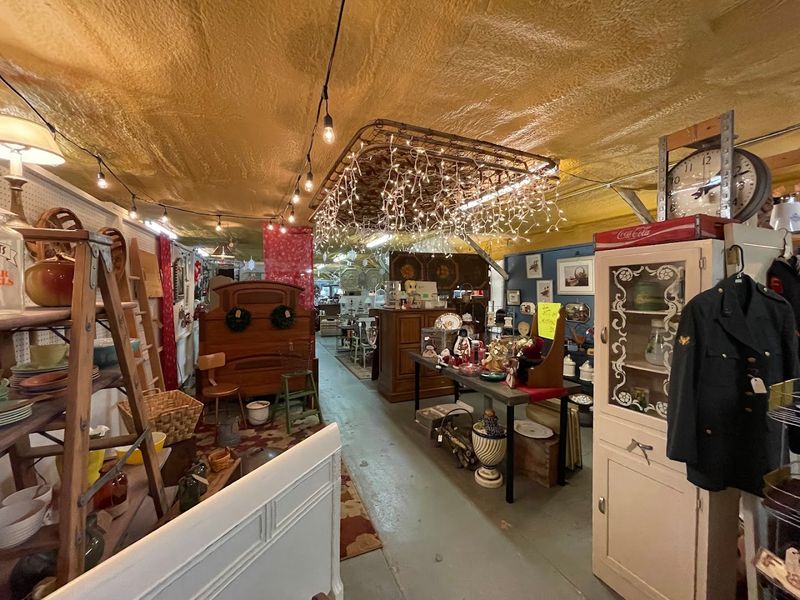
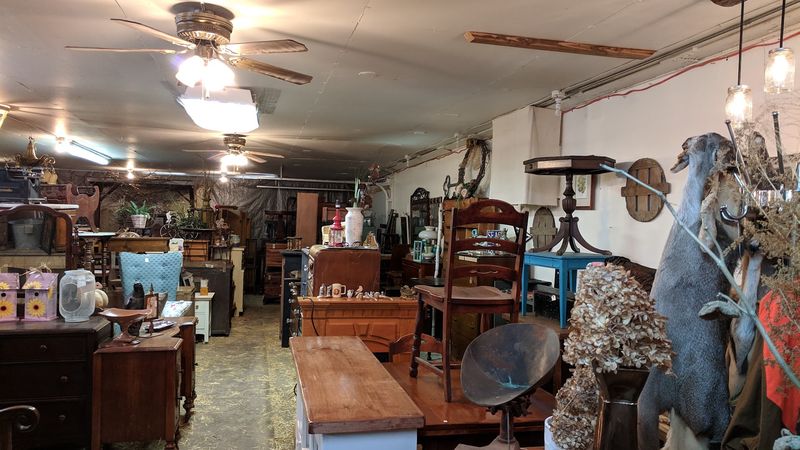
The building from the road reads as modest, maybe even small, and that is a deliberate kind of magic. Once inside, the space opens up in a way that genuinely catches people off guard, with multiple booth sections spreading out across a surprisingly generous floor plan.
Rows of vendor stalls fill the interior, each one organized and themed in its own way, so the browsing never feels chaotic or cluttered. One booth might lean into farmhouse primitives while the next focuses on glassware, vintage signage, or retro kitchenware.
The layout is described consistently as clean and well-organized, which matters more than people realize in a market setting. Nothing ruins a vintage browse faster than tripping over boxes or squinting at unlabeled shelves.
Here, the flow is intentional, and you can move through the space at your own pace without feeling rushed or overwhelmed. The sheer volume of what is inside is one of the most talked-about surprises among first-time visitors.
The Front Boutique Section That Sets the Mood
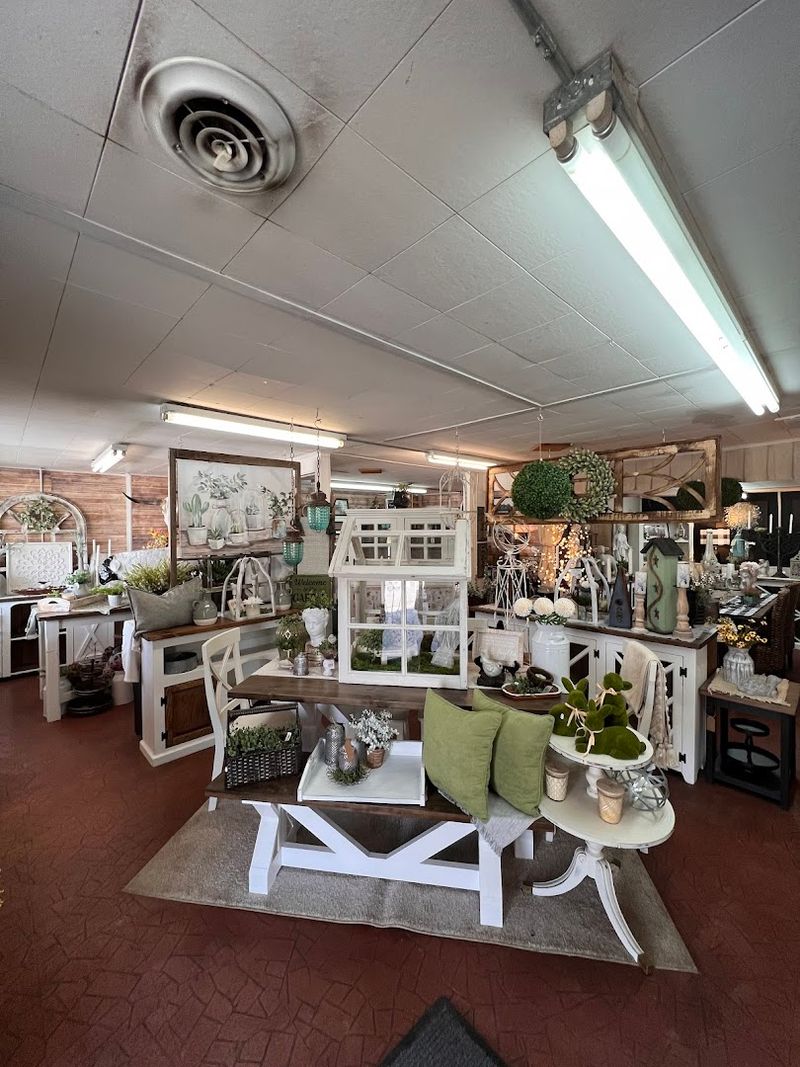
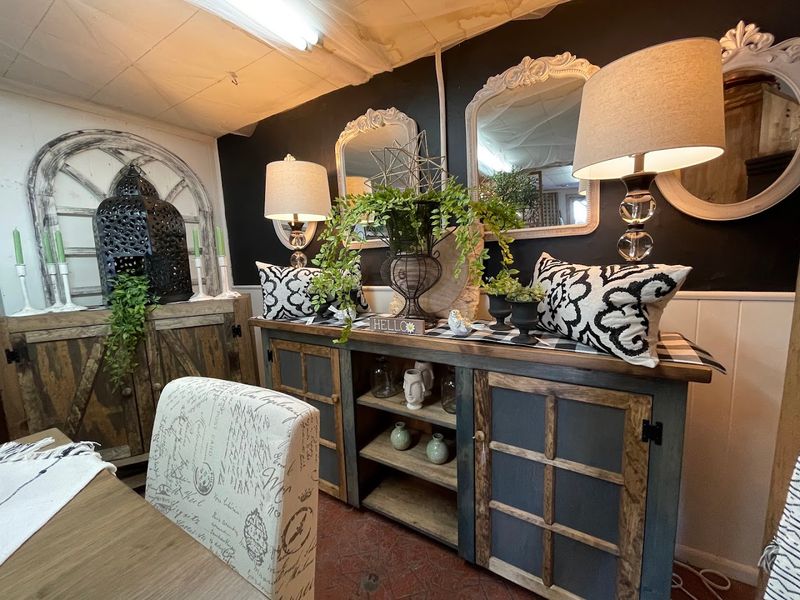
The front of the store operates almost like a separate world from the rest of the market. It has a boutique feel, with curated displays of newer items, fixer-upper-style decor, and artisan goods that appeal to shoppers who love the aesthetic of rustic vintage without necessarily wanting a century-old artifact.
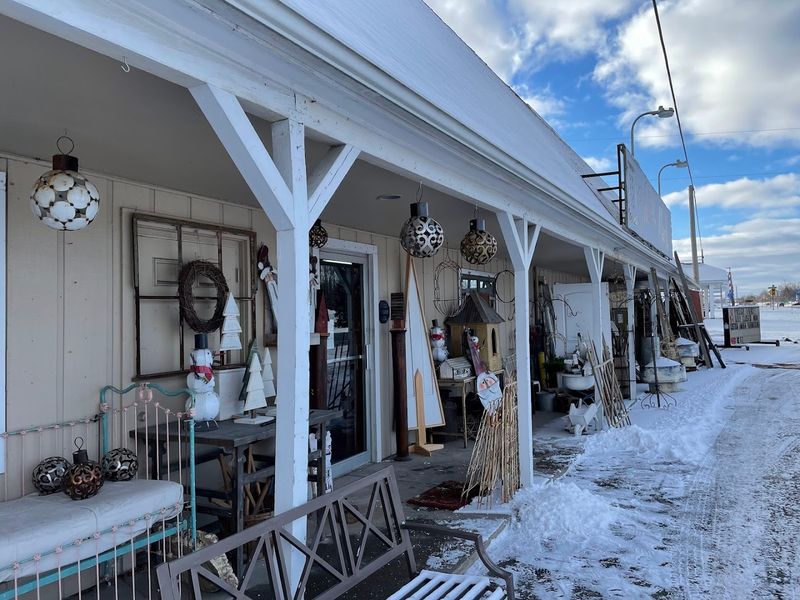
Think shiplap-inspired accents, farmhouse signs, decorative pillows, and seasonal displays that rotate with the calendar. Around Easter, a themed section filled with charming holiday decor greets visitors near the entrance, and the Christmas displays are a particular draw for shoppers who plan visits around the holiday season.
This front section makes the store accessible to a wider audience, including people who might not consider themselves antique hunters. It bridges the gap between modern rustic home decor and genuine vintage collecting, which is a smart move that keeps the customer base broad and the energy inside consistently lively.
The back of the store is where things get even more interesting.
The Back Rooms Where the Real Antiques Live
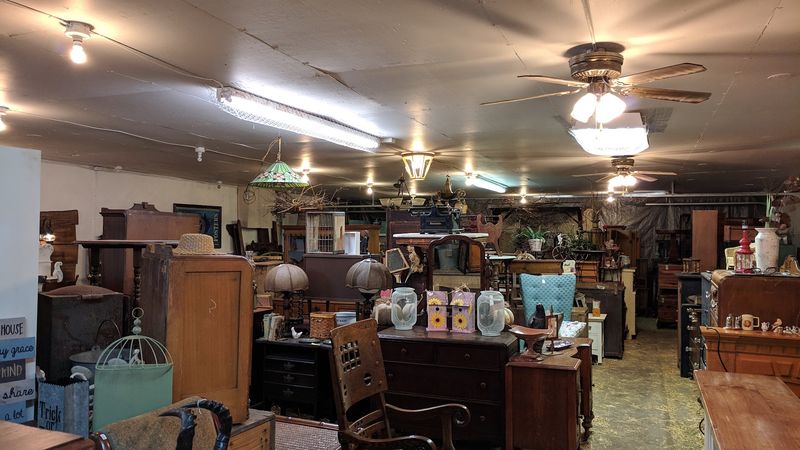
Past the boutique front, the character of the store shifts noticeably. The back and sides of the building are where the genuine antiques take over, and the atmosphere gets heavier with history and patina.
Old advertising tins, vintage glass bottles, aged wooden furniture, and collectibles that carry real decades of use fill the booths in this section. The items here are not reproductions or decorative nods to the past; they are the actual past, priced for people who appreciate what they are looking at.
The selection leans local, with many pieces reflecting Michigan and Midwest history rather than mass-market antique trends. That regional focus gives the back section a personality that feels personal rather than generic.
Not every item carries a price tag, which can be mildly frustrating, but the staff is approachable and happy to track down information on unmarked pieces. The depth of inventory back here rewards slow, careful browsing far more than a quick walk-through ever could.
Amish Craftsmanship on the Sales Floor
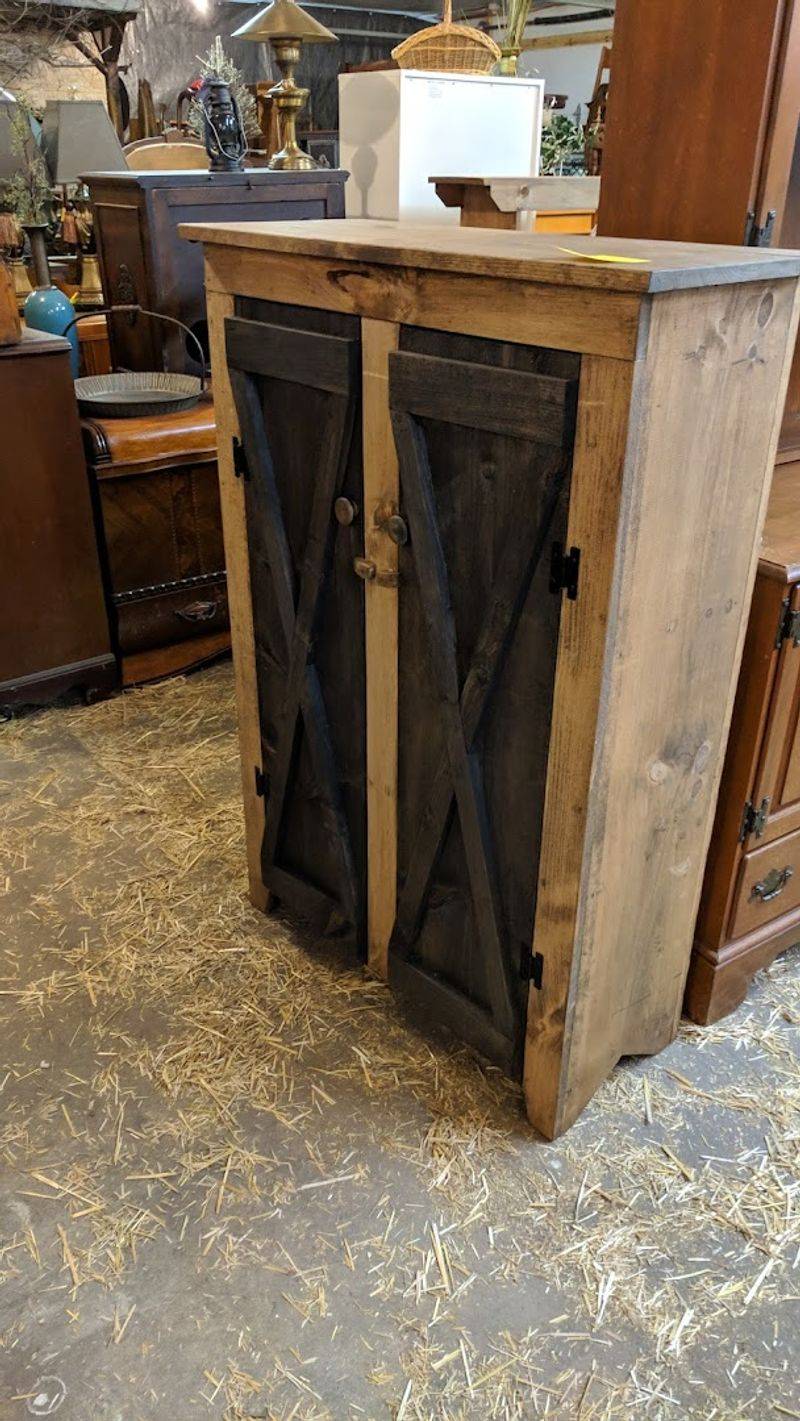
Tucked among the vintage finds and antique booths, custom Amish furniture adds a layer of craftsmanship that separates this market from a standard antique mall. Handbuilt cupboards, sturdy wooden pieces, and custom-order options are available for shoppers who want something made to last rather than something already worn by time.
The quality of Amish woodworking is well established, and seeing it available in a casual vintage market setting makes it feel more approachable than a specialty furniture showroom. The pieces are solid, practical, and built without shortcuts, which stands in pleasant contrast to the mass-produced furniture most people are used to buying.
One longtime visitor mentioned that the owner offered to custom build a hallway tree bench after noticing the customer had been searching for one for years. That level of personal attention is not something you encounter at a chain store or an online marketplace.
It is the kind of interaction that turns a one-time shopper into a regular, and it speaks to the community-oriented spirit that runs through the whole operation.
Local Goods That Go Beyond Decor
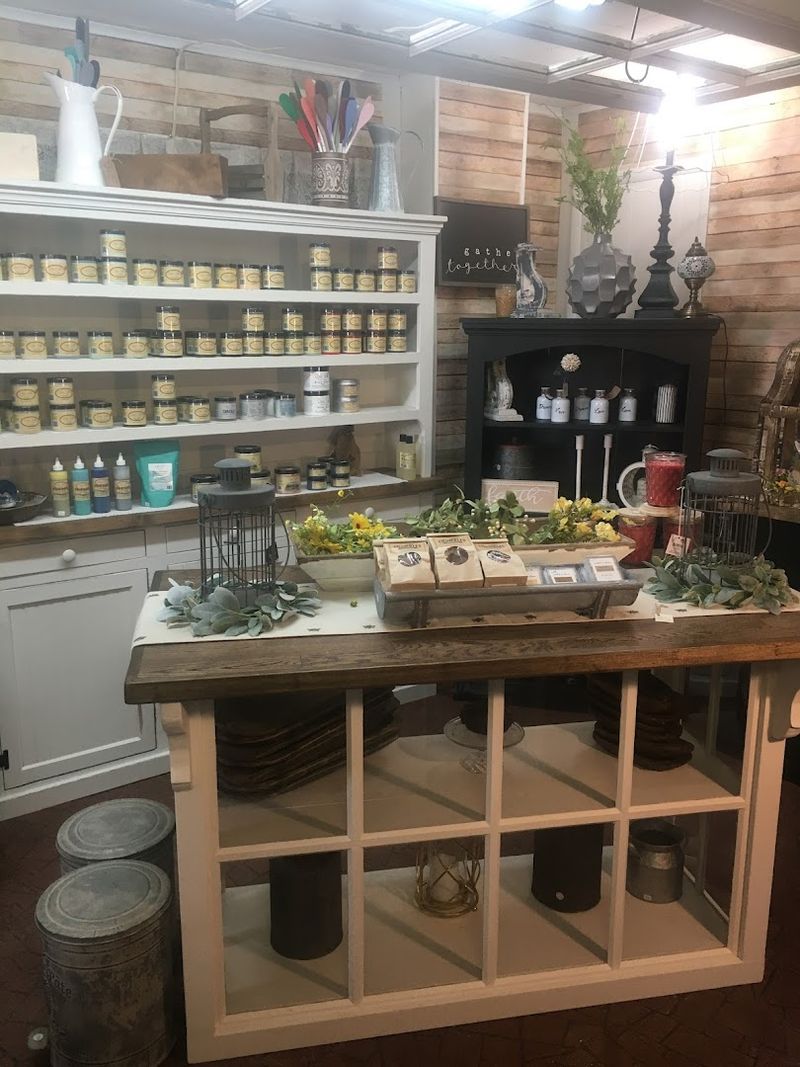
Not everything on the shelves here is old or decorative. The market stocks a selection of locally sourced goods that give the whole experience a farmers-market-meets-antique-shop crossover energy that is genuinely hard to find elsewhere.
Farm fresh eggs, locally produced honey, pure maple syrup, artisan cheeses, and handmade lotions have all appeared in the inventory at various points. These items come from regional producers and add a practical, edible dimension to a shopping trip that might otherwise focus entirely on home decor.
Candles and wax melts are also part of the mix, and they contribute to the sensory atmosphere of the store in a noticeable way. The scent of candles drifts through the air, which most visitors find pleasant and atmospheric.
The local goods section is a smart addition that makes the market feel rooted in its community rather than just passing through it, and it gives shoppers a reason to linger even after they have covered the main antique sections.
Themed Booths That Make Every Visit Feel Fresh
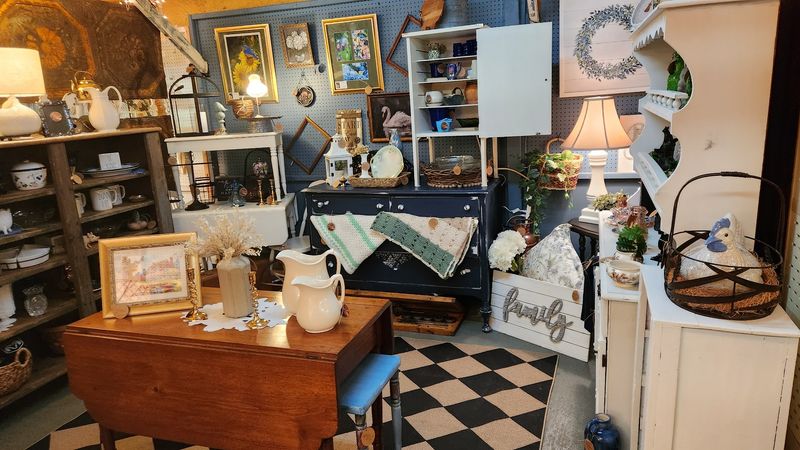
One of the quiet strengths of this market is the way individual vendors curate their booths with a distinct theme or focus. Rather than a jumbled pile of miscellaneous items, each section tends to have its own personality, which makes navigating the store feel more like a series of small discoveries than a single overwhelming sweep.
One booth might center entirely on vintage kitchen tools and enamelware, while another leans into primitive country decor with wooden signs, dried herbs, and old farm equipment. The variety across booths means that even repeat visitors rarely see the exact same display twice, since dealers rotate and refresh their inventory on their own schedules.
Jewelry, pillows, vintage clothing accessories, and seasonal holiday items also appear throughout the booths depending on the time of year. The Easter section near the entrance during spring visits has drawn particular praise for its cheerful presentation.
That seasonal rotation keeps the market feeling alive and current rather than static, which is a real advantage for anyone who visits more than once a year.
The Pricing Reality Every Shopper Should Know
Pricing at vintage markets is always a topic worth addressing honestly, and this one is no different. The general consensus among shoppers is that prices are reasonable and fair, especially for the quality and variety of items available throughout the booths.
That said, not every item carries a visible price tag, which can slow down the decision-making process and occasionally leads to the mild frustration of tracking down a vendor or staff member for a number. It is worth asking directly and early rather than carrying an item around hoping the price will appear.
Vendors operate independently, so discount flexibility varies from booth to booth. The store-wide policy for items not marked firm is a 10% discount on purchases over $25, but you do have to ask for it at checkout.
Nobody will volunteer that information unless prompted. Knowing these details ahead of time takes the guesswork out of the experience and lets you focus on the actual fun part, which is finding something worth buying in the first place.
Hours, Access, and Planning Your Visit Right
Getting the timing right makes a real difference here. The market is open Tuesday through Friday from 11 AM to 4 PM, and Saturday and Sunday from 11 AM to 5 PM.
Monday is the one day the doors stay closed, so plan accordingly if you are building a weekend road trip around it.
The Saturday and Sunday hours give you an extra hour of browsing time compared to weekdays, which is worth factoring in if you tend to lose track of time in places like this. Arriving closer to opening rather than an hour before closing is always a smarter move in a market with this much inventory to cover.
The restroom is now open to the public under the new ownership, which removes a logistical concern that came up frequently in older reviews. The phone number is +1 517-701-1005 if you want to confirm hours or ask about a specific type of item before making the drive.
A little advance planning goes a long way when the destination is this worth visiting.
The Staff Experience That Keeps People Returning
A great inventory means very little if the people running the place make you feel unwelcome, and that is not a concern here. The staff at Whistlin’ Woodpecker Vintage Market consistently earn praise for being friendly, approachable, and genuinely helpful without hovering or pressuring shoppers.
The atmosphere inside is described as relaxing, and that tone starts with the people behind the counter. New ownership has clearly made customer experience a priority, responding to reviews personally and making changes based on feedback rather than ignoring it.
That responsiveness extends to the floor as well. Staff members are willing to look up pricing on unmarked items, discuss custom furniture options, and point visitors toward sections that match their interests.
It is the kind of service that feels personal rather than transactional, which is increasingly rare in retail of any kind. Shoppers who arrive expecting a cold, impersonal antique mall tend to leave pleasantly surprised by how comfortable and unhurried the whole experience actually feels.
Why This Market Earns Its Reputation
A 4.5-star rating across 180 reviews is not an accident. It reflects a consistent pattern of positive experiences that span multiple years, multiple ownership transitions, and a wide range of shopper preferences and expectations.
The market appeals to serious antique collectors, casual browsers, home decorators, gift shoppers, and people who just want to spend an unhurried afternoon somewhere interesting. That broad appeal is genuinely hard to manufacture; it comes from having the right mix of inventory, atmosphere, staff, and price point all working together at the same time.
The combination of boutique-style front displays, genuine vintage back sections, Amish craftsmanship, local goods, and themed vendor booths creates an experience that is layered enough to reward multiple visits. Clinton, Michigan may not be on every traveler’s radar, but places like this are exactly the reason why small-town road trips through the Midwest have a way of turning into annual traditions that people protect fiercely on their calendars.



