 Unearth The Voyage
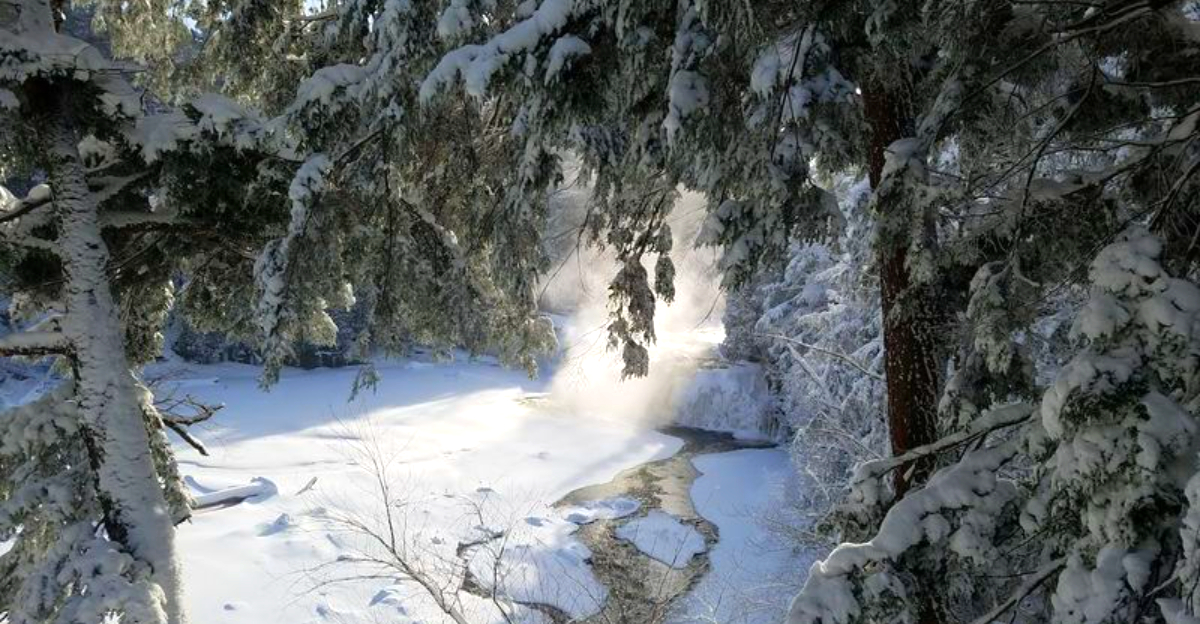
There is a place in Michigan where winter does not just arrive, it puts on a full performance. Imagine standing at the base of a frozen waterfall, the ice so thick and so blue you could almost hear it humming.
That place is real, and it sits in the western Upper Peninsula, tucked against the shore of Lake Superior. Porcupine Mountains Wilderness State Park in Ontonagon County is Michigan’s largest state park, covering roughly 60,000 acres of old-growth forest, dramatic ridgelines, and cascading water that turns to ice sculptures every winter.
People come here in every season, but winter has a way of making this park feel like a different planet entirely. The frozen waterfalls alone are worth the drive, but there is so much more waiting once you get here.
From ancient hemlock forests to a lake perched impossibly in the clouds, this park rewards every visitor who shows up ready to explore.
Where the Park Begins: Address, Location, and First Impressions
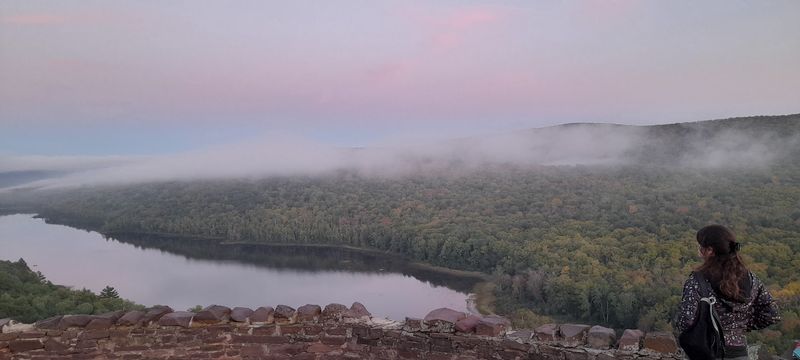
The moment you cross into Ontonagon County and start heading west on M-107, you sense that something big is coming. Porcupine Mountains Wilderness State Park is located at 33303 Headquarters Road, Ontonagon, Michigan 49953, sitting along the southern shore of Lake Superior in Michigan’s Upper Peninsula.
The park spans approximately 59,020 acres, making it the largest state park in Michigan by a wide margin. That size is not just a number on a sign.
You feel it the second you realize that the tree line never seems to end in any direction you look.
The headquarters building serves as the main visitor center, where rangers can answer questions, sell park passes, and point you toward the best spots depending on the season. A Recreation Passport is required for entry, which you can purchase at the gate or online in advance.
First-timers are often surprised by how quickly the park swallows you up in the best possible way.
Lake of the Clouds: A View That Stops You in Your Tracks
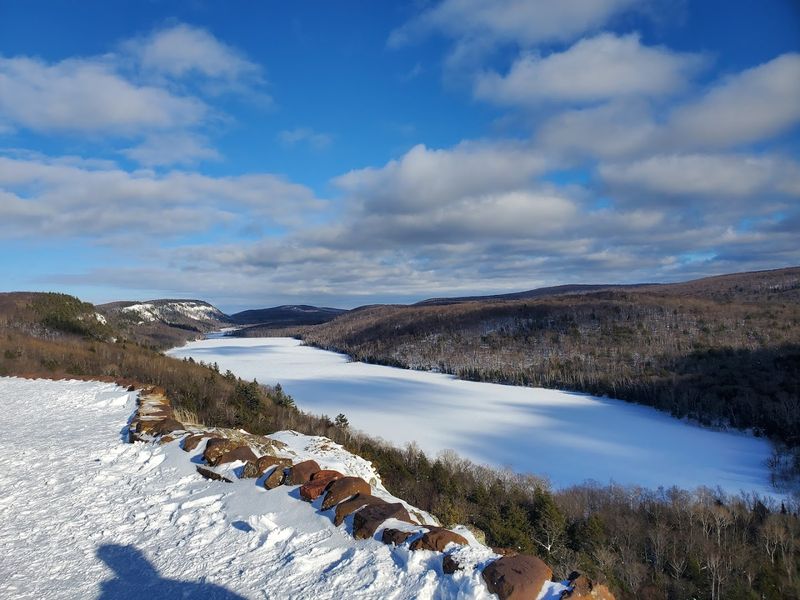
Few views in the Midwest carry the visual punch of Lake of the Clouds. Perched high within the park’s interior, this long, narrow lake sits in a valley carved by glaciers and surrounded by ridgelines covered in old-growth forest.
In winter, the lake freezes over completely and the whole scene takes on a still, almost silent quality.
The easiest way to reach the overlook is by driving to the end of M-107, where a short walk leads to observation decks with unobstructed views of the lake and the forested mountains beyond. Sunset visits are particularly rewarding, as the low winter light turns the snow and ice shades of orange and pink that feel almost unreal.
For those willing to put in more effort, the Escarpment Trail runs along the ridge above the lake and delivers a series of elevated viewpoints that get progressively more impressive. The trail covers just over four miles one way and gains significant elevation, but every climb pays off with a panorama that earns every step.
Catching the lake at golden hour is the kind of reward that brings people back year after year.
Presque Isle River: The Heart of the Winter Waterfall Experience
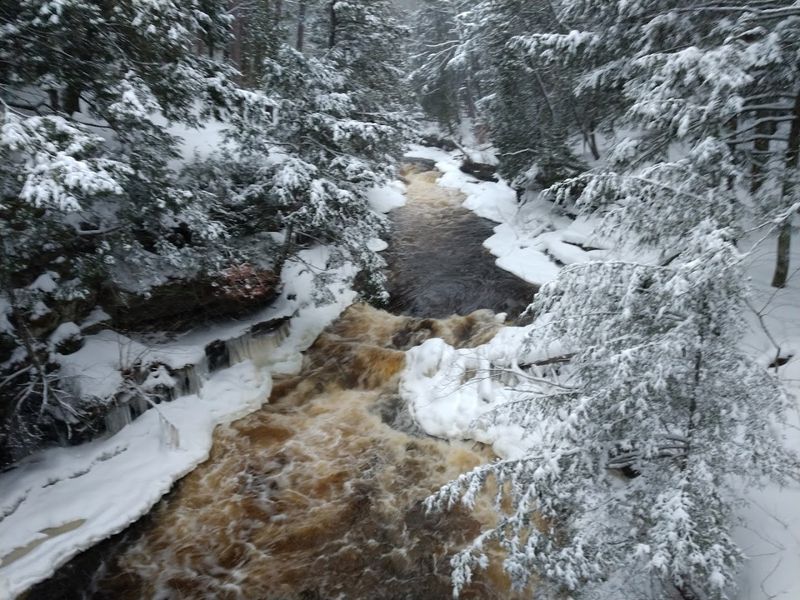
The Presque Isle River scenic area is the crown jewel of the waterfall experience at the park, and in winter it becomes something truly otherworldly. The river drops over a series of cascades in quick succession before emptying into Lake Superior, and when the cold sets in, those cascades turn into a staircase of frozen drama.
A loop trail connects all three major falls along this stretch, and the walk itself is manageable for most fitness levels. The trail winds through a corridor of snow-covered hemlocks and birch trees, with the sound of the partially frozen river keeping you company the whole way.
Near the river mouth, a small sandy beach area opens up where the water meets Lake Superior. In winter, ice formations push up along the shoreline and create a wild, sculptural landscape that feels completely removed from everyday life.
Starting at the parking lot just past the ranger station makes navigation easy, and the loop keeps you from retracing your steps.
Budget about two hours to take it all in properly.
The Frozen Waterfalls That Make Winter Worth Every Cold Degree
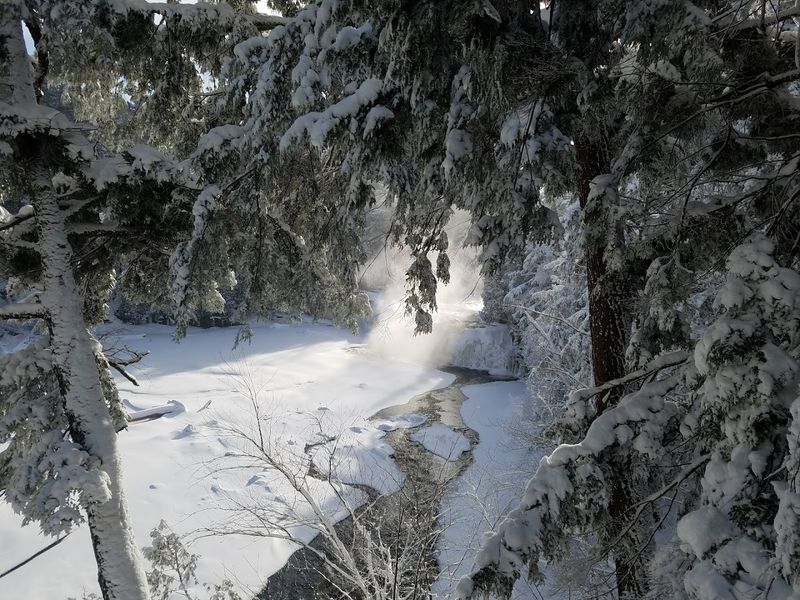
Winter transforms the waterfalls of the Porcupine Mountains into something that looks like it belongs in a fantasy novel. The park is home to seven waterfalls, and when temperatures drop hard enough, many of them freeze into dramatic columns and curtains of ice that you can actually walk right up to.
Manabezho Falls, Manido Falls, and Nawadaha Falls along the Presque Isle River are among the most visited frozen formations in the park. The ice builds up in layers over the course of the season, creating textures and colors that range from pure white to deep aquamarine depending on the light and the depth of the freeze.
Unlike some parks where frozen waterfalls are roped off and kept at a distance, here you can get incredibly close and walk along the icy banks. Traction cleats or microspikes are strongly recommended because the ground near the falls gets slippery fast.
Visiting on a clear, cold morning when the light hits the ice directly is an experience that no photograph fully captures.
Old-Growth Hemlock Forest: Walking Through Something Ancient
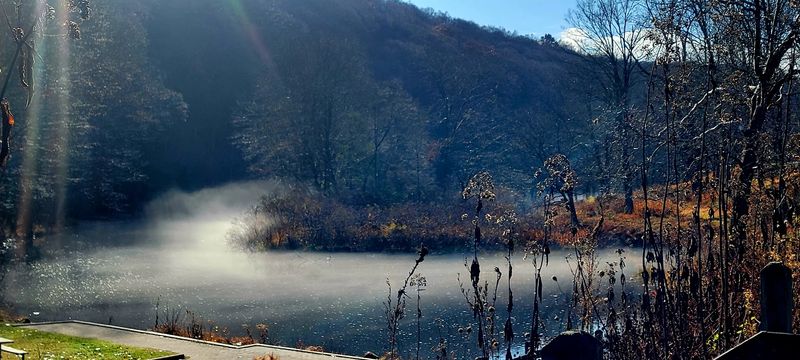
Most forests in the eastern United States were logged heavily in the 1800s and early 1900s. The Porcupine Mountains somehow held on to a significant stretch of original old-growth forest, and walking through it feels like stepping back several centuries in one stride.
The hemlock trees here are enormous, with trunks that can reach over three feet in diameter and heights that make you crane your neck to find the top. The forest floor beneath them stays relatively open because the dense canopy blocks most light year-round, and in winter the whole understory takes on a cathedral-like hush.
The Big Carp River Trail passes through some of the best old-growth sections in the park. Hikers describe the experience as walking through a dark, primeval landscape unlike anything else in the Midwest, and that description holds up completely.
The trees are not just big, they carry a weight and presence that newer forests simply do not have.
Spending a few quiet hours among them in winter, with snow muffling every sound, is one of the more unexpectedly moving experiences the park offers.
The Escarpment Trail: The Park’s Most Rewarding Challenge
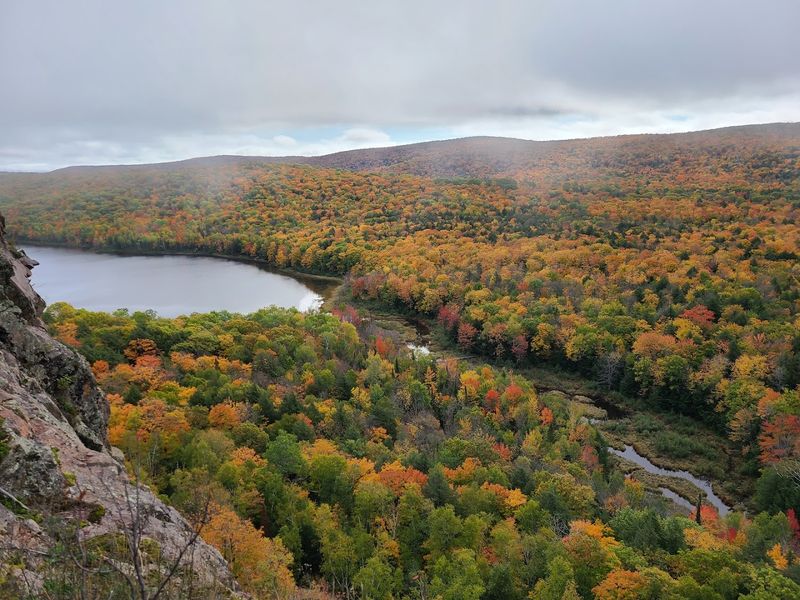
The Escarpment Trail has a reputation, and it earns every bit of it. Running along a quartzite ridge for about 4.2 miles, the trail delivers one stunning viewpoint after another while demanding real effort from anyone who walks it.
In winter, that effort multiplies, but so does the payoff.
The trail runs roughly east to west along the top of the ridge, connecting the Government Peak trailhead to the Lake of the Clouds overlook area. Elevation changes are frequent and sometimes steep, with rocky sections that require careful footing even in dry conditions.
Add ice and packed snow, and microspikes become less of a suggestion and more of a necessity.
Views of Lake Superior appear through the trees on clear days, and the overlooks above Lake of the Clouds deliver some of the most dramatic panoramas in the entire park. The full trail takes most hikers between three and five hours to complete depending on pace and conditions.
Doing the trail as part of a longer loop using the Big Carp River Trail creates a full-day adventure that covers some of the most varied and beautiful terrain in Michigan’s Upper Peninsula.
Winter Wildlife: What Roams the Park When the Snow Falls
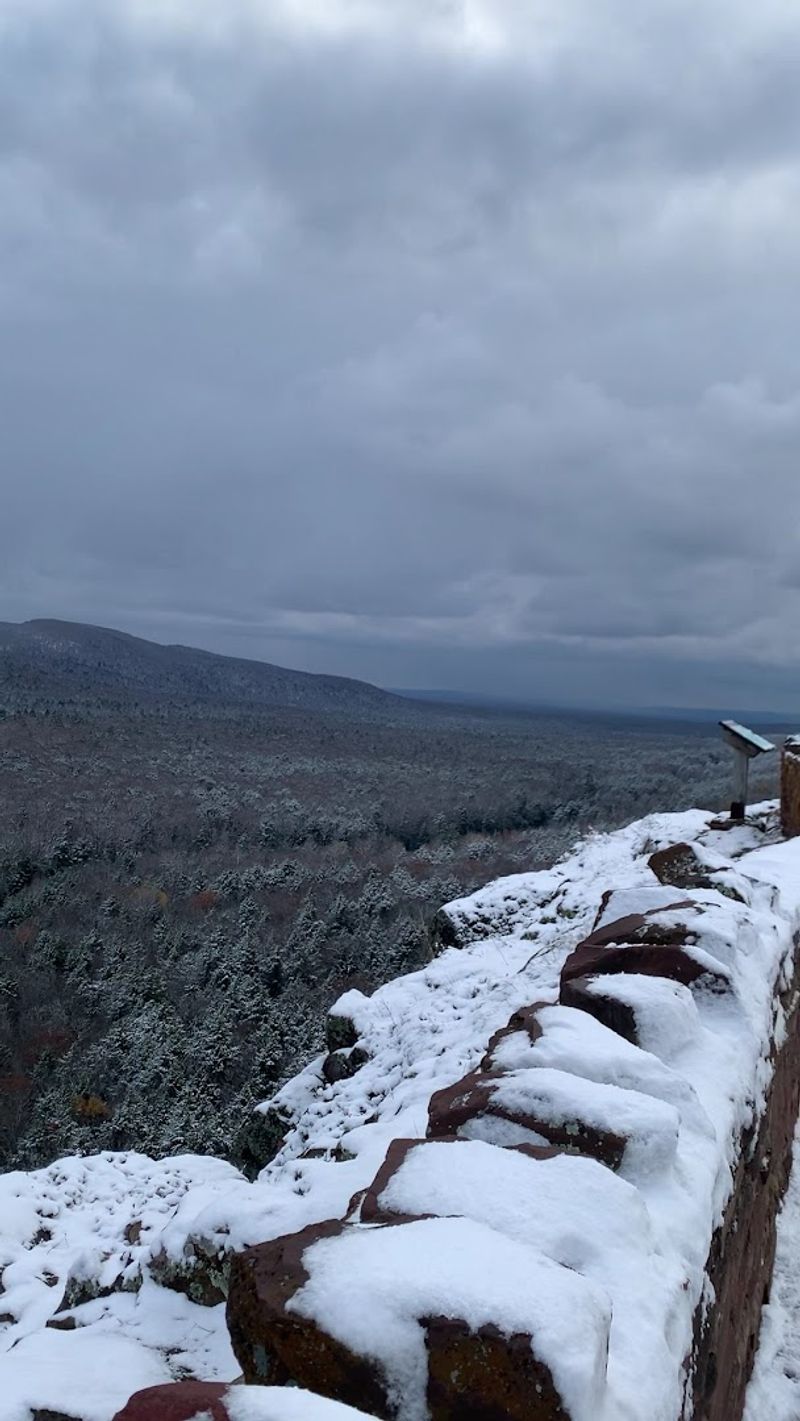
The Porcupine Mountains host a surprisingly rich community of wildlife, and winter is one of the better seasons to spot signs of animal activity. Fresh snow acts like a canvas, and the tracks left behind by the park’s residents tell stories of the night before.
Black bears hibernate through the coldest months, but snowshoe hares are active all winter and leave distinctive tracks across every trail. White-tailed deer move through the park regularly, and their paths through the deep snow are easy to follow if you pay attention.
Coyotes, otters, and various bird species including black-capped chickadees, ravens, and bald eagles can all be spotted by patient observers.
The park’s size and relative wilderness status mean that animals here behave more naturally and are less accustomed to human presence than in smaller, more trafficked parks. Keeping noise low and moving quietly along the trails dramatically increases your chances of spotting something memorable.
Carrying binoculars is always a good call, especially near the Lake Superior shoreline where eagles often hunt for open water during the coldest months.
Snowshoeing and Cross-Country Skiing: The Park in Slow Motion
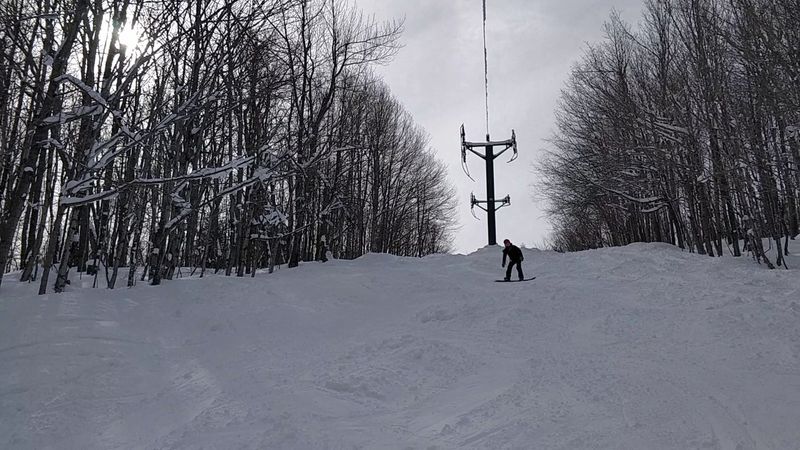
When the trails ice over and the snowpack builds up, the Porcupine Mountains shift into a completely different kind of playground. The park maintains a network of groomed cross-country ski trails that wind through the forest and connect key viewpoints, making winter exploration both accessible and genuinely enjoyable for skiers of different skill levels.
Snowshoe rentals are available near the visitor center, which means you do not need to own gear to get out and experience the park properly in winter. The ungroomed trails are open to snowshoers, and routes through the old-growth hemlock sections are particularly popular because the dense canopy keeps the snow conditions more consistent.
Moving slowly through the park on skis or snowshoes changes the experience in a meaningful way. You notice details that you would miss at hiking pace, like the way frost clings to spider webs between tree branches, or the faint sound of water still moving somewhere beneath the ice.
The park’s winter recreation map, available at the visitor center, breaks down which trails are groomed, which are snowshoe-friendly, and which require more advanced skills.
Rustic Cabins and Winter Camping: Staying the Night in the Wilderness
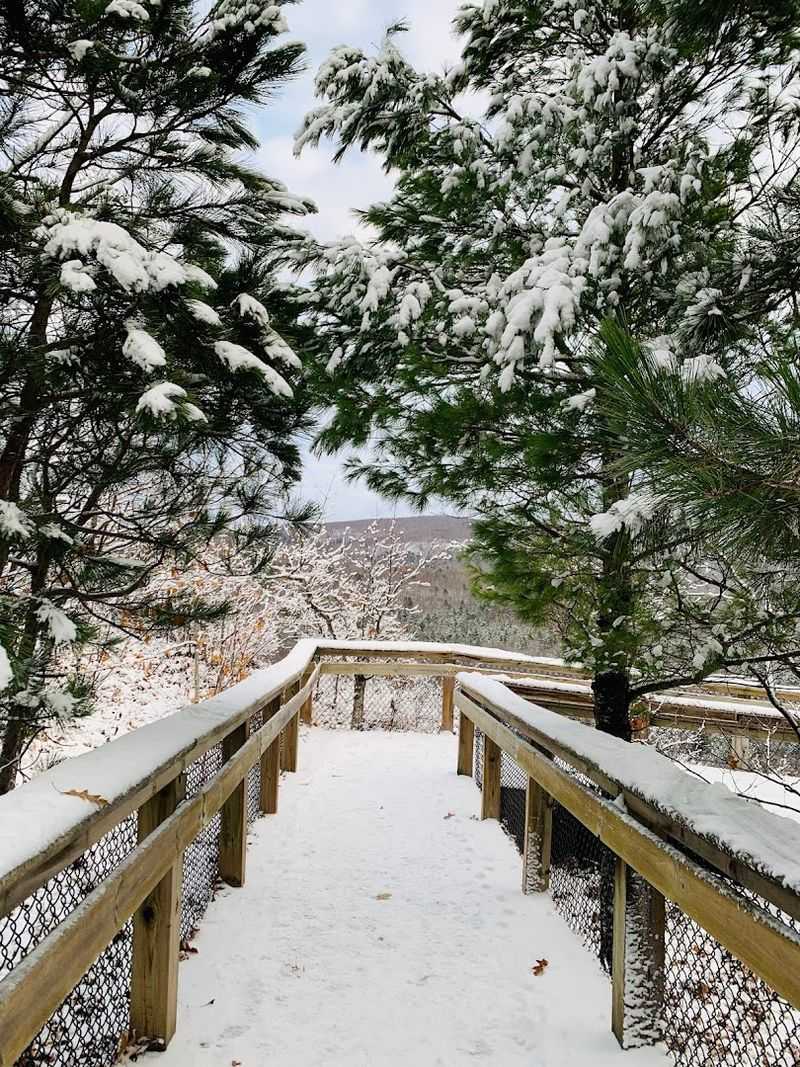
Spending a night inside the park is a completely different experience from a day visit, and the Porcupine Mountains make it surprisingly comfortable even in the dead of winter. The park operates a collection of rustic cabins scattered across the backcountry and along the Lake Superior shoreline, many of which are available for winter rental.
These cabins are not luxury retreats. Most come equipped with wood-burning stoves, basic furniture, and an outhouse nearby.
But waking up inside the park before the day hikers arrive, with snow falling quietly outside and a fire crackling inside, is the kind of experience that people talk about for years afterward.
Reservations are required and should be made well in advance, especially for popular locations like the Buckshot Cabin or the Lake Superior shoreline cabins.
Practical Tips for a Safe and Satisfying Winter Visit
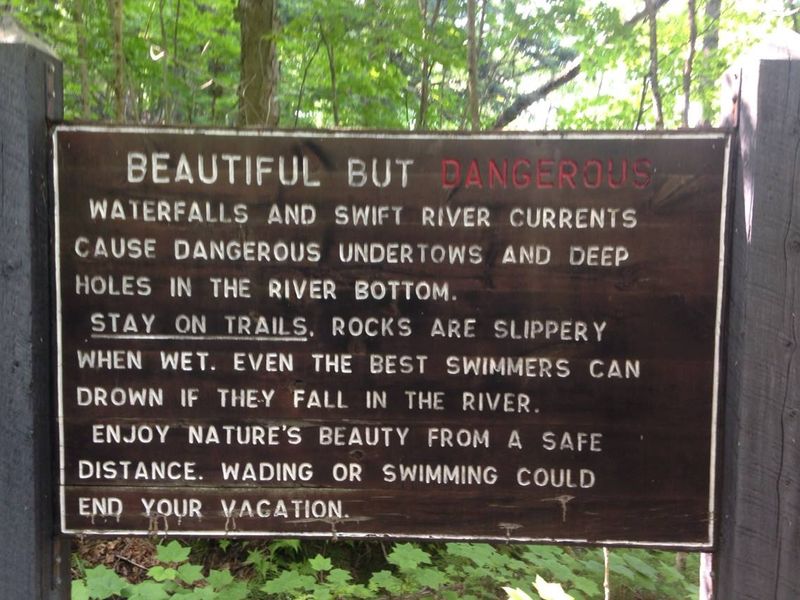
Winter at the Porcupine Mountains is genuinely wild, which means preparation matters more here than at most parks. The Upper Peninsula can receive over 200 inches of snowfall in a heavy season, and temperatures regularly drop well below freezing, sometimes far below.
Layering your clothing properly is not optional, it is the difference between a great day and a miserable one.
Microspikes or traction cleats belong in your pack any time you plan to walk near the waterfalls or on shaded trails where ice builds up. Snowshoes are worth renting if you plan to explore off the groomed ski trails.
Carrying extra food, water, and a paper map is smart because cell service inside the park is unreliable at best.
The visitor center at park headquarters is open limited hours in winter, but the staff there are knowledgeable and genuinely helpful. Checking road conditions before heading out on M-107 is a good habit because the road can become difficult in heavy snowfall.
A Michigan Recreation Passport is required for vehicle entry and can be purchased online before your trip to save time at the gate.
Why the Porcupine Mountains Deserve a Spot on Your Winter Bucket List
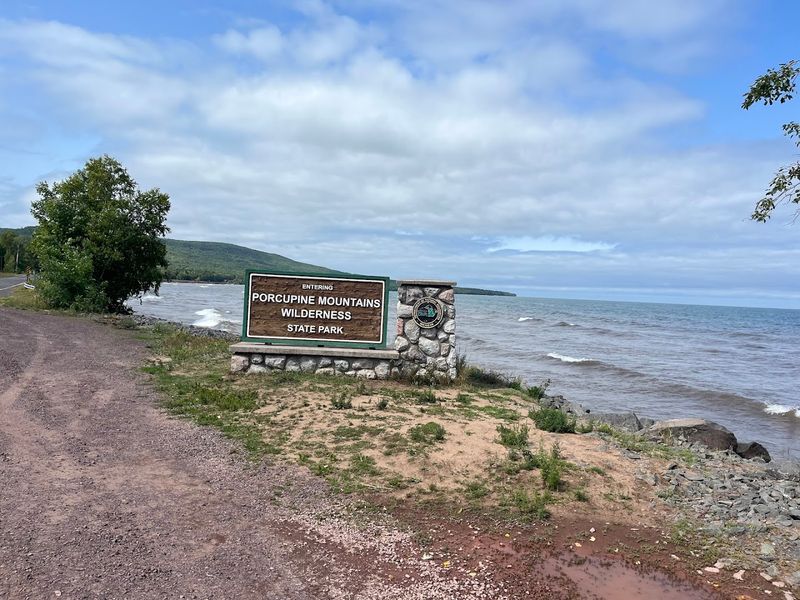
Very few places in the continental United States offer the combination of frozen waterfalls, ancient forests, open ridgeline views, and genuine wilderness solitude that the Porcupine Mountains deliver in winter. The park does not try to entertain you with crowds or commercial attractions.
It simply exists, vast and quiet and completely on its own terms.
The frozen waterfalls are the headline, and they absolutely deliver. But the experience that stays with most visitors long after they leave is harder to name.
It might be the silence of the hemlock forest under a fresh snowfall, or the way the light changes over Lake of the Clouds as the afternoon fades. It might be the satisfaction of reaching Summit Peak on a clear day and seeing nothing but wilderness in every direction.
Michigan’s Upper Peninsula rewards the people who make the effort to get there, and the Porcupine Mountains are the best argument for that effort. Winter here is not something to endure.
It is something to seek out deliberately, to plan for, and to experience at least once before you decide you have seen everything this remarkable corner of the country has to offer.



