 Unearth The Voyage
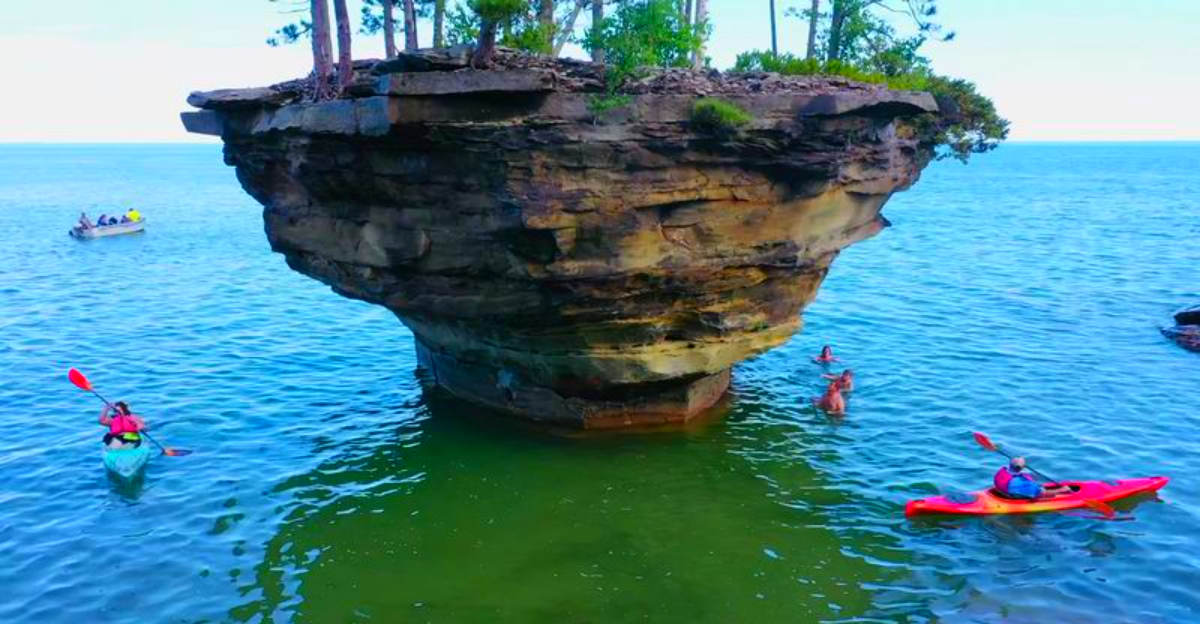
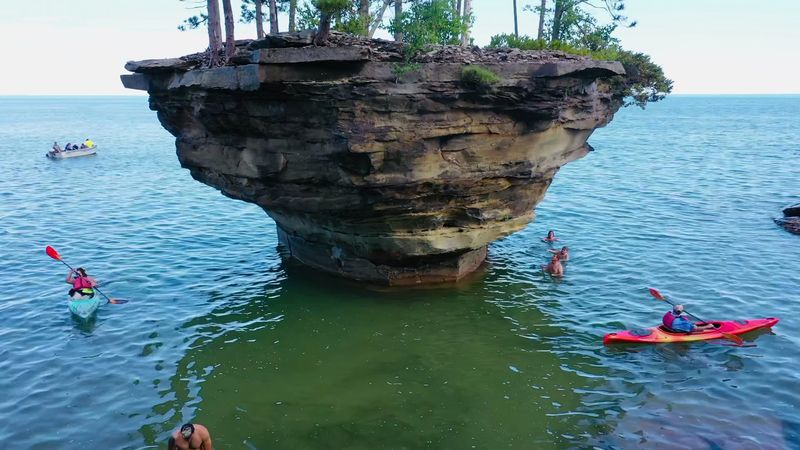
Some places look like they were sketched by a daydreaming geologist, and this one tops the list. Imagine paddling across clear Lake Huron water, rounding a quiet point, and suddenly spotting a stone pedestal with a leafy crown that seems to float.
The closer you get, the stranger and more impossible it appears, like nature pulled a magic trick and forgot to explain the steps. Keep reading, because I am going to show you exactly how to reach it safely, when to time your paddle, what to look for around the cliffs and caves, and how to soak up the experience without rushing a minute.
How to Find It and Exactly Where It Is
Here is the practical piece everyone asks for first. Turnip Rock sits offshore from Pointe Aux Barques near Port Austin in Michigan, and the Google Maps plus code 329R+89, Port Austin, MI 48467 will lock you in on the right cove.
There is no road to the base and no legal land access because the bluffs and shoreline are private. The only respectful way to see it is by water, which is exactly why the paddle feels like a small pilgrimage rather than a roadside stop.
I launch from Port Austin harbor or at Bird Creek County Park depending on wind and waves. The route follows the Lake Huron shoreline east toward Pointe Aux Barques, with cliffs on the right and steady blue stretching left.
Expect a 6 to 7 mile round trip by kayak, usually two to four hours total, adjusted for wind. The address and coordinates guide your map, but your patience and judgment guide your timing.
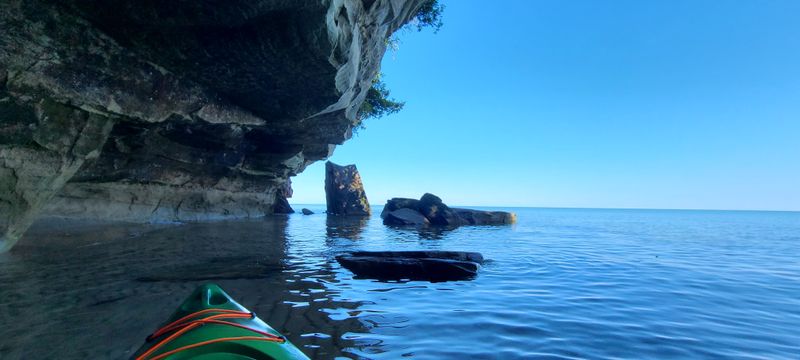
The final approach curves beneath wave-carved ledges and shadowy alcoves. Then the odd silhouette appears, a stone trunk with a leafy top, and you will know you arrived without needing a sign.
Why It Looks So Strange
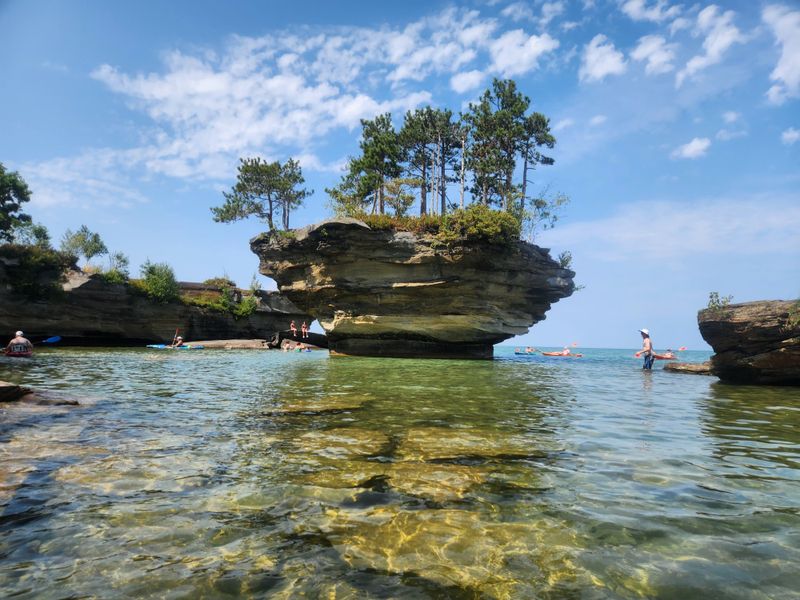
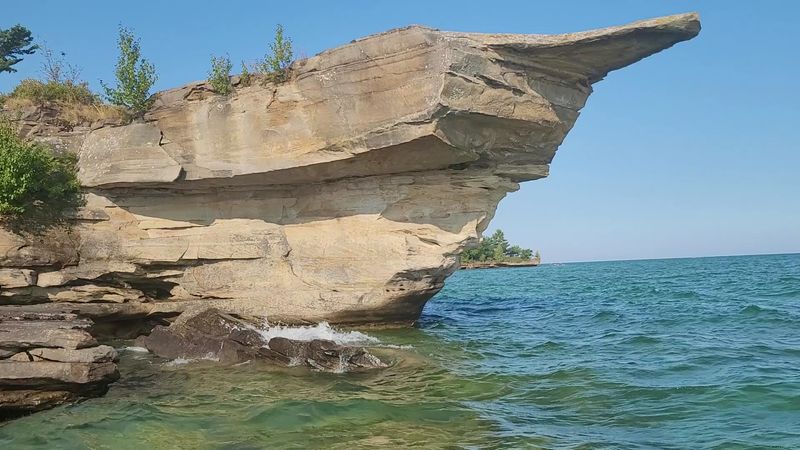
At first glance the shape makes no sense. The base narrows like a stem and the cap flares wider, crowned with a shaggy top of trees that somehow thrive in a place that looks borrowed from a fantasy sketchbook.
Waves did the carving. Centuries of freeze-thaw and relentless chop ate at the softer lower layers of the Devonian limestone and sandstone while the harder upper strata resisted, creating that stem-and-cap profile that photographers love.
The topsoil on the cap traps enough moisture for shrubs and small trees, their roots knitting into crevices. Storms occasionally prune the canopy, but the greenery returns each season like an encore.
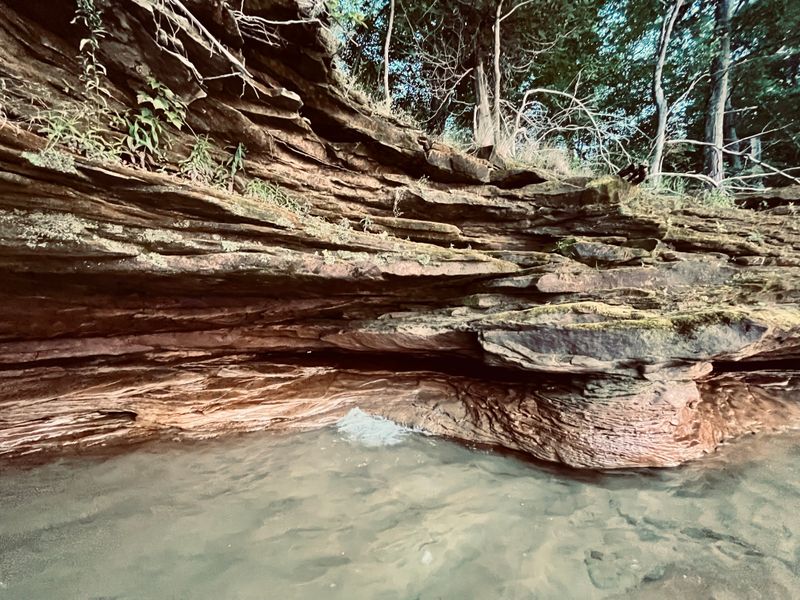
I like drifting near the shadow line to study the textures along the undercut ledge. Ribs, scallops, and pockmarks tell a quiet story of pressure and time better than any plaque.
Nothing about it feels engineered, yet the balance looks deliberate. Nature built a pedestal, set a woodland on top, and left it suspended a paddle length from your bow.
Getting There by Kayak Safely
The paddle is straightforward on calm days and humbling on breezy afternoons. I check the marine forecast, wind speed, and direction, aiming for light north or west winds that keep waves manageable along the shore.
A proper PFD stays on, not strapped to the deck. I pack a bilge pump, dry bag, spare layers, water, snacks, and a phone in a waterproof case with offline maps marked to Port Austin harbor and the rock.
Staying close to shore lets you bail out to safer pockets if conditions rise. The shoreline curves provide modest shelter, and the visual wayfinding is simple once you pass the familiar cliffs.
Time the trip for morning when winds are typically lighter. Afternoon thermals can stack messy chop that doubles your effort and steals your glide.
On approach, keep distance from fragile ledges and private docks. A respectful buffer is good seamanship and good neighbor policy rolled into one steady paddle stroke.
Respecting Private Property and Local Rules
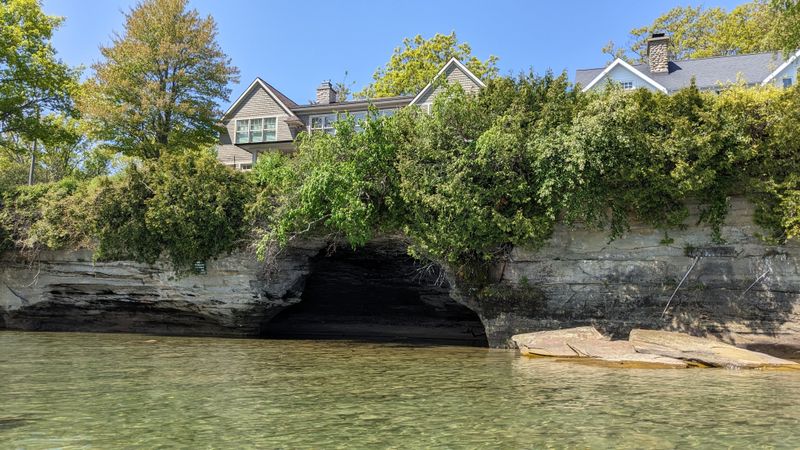
One big rule shapes the entire experience. The rock and immediate shoreline rest beside private land, so admiring the landmark from your kayak is the right and legal way to visit.
No beaching, no climbing, no picnicking on the cap or the ledges. The landowners have protected access for years, and that stewardship is a major reason Turnip Rock still feels untouched.
Local outfitters repeat the guidelines during rentals and shuttles. I appreciate that clarity because it keeps expectations aligned while keeping the paddle peaceful for everyone.
Give anglers, swimmers, and other paddlers room. Back off for photos and share the cove so nobody turns into a background prop in your shot.
Leave-no-trace on the water means no litter and secure bottle tops. The best souvenir is a camera roll and the memory of blue water holding a floating forest.
Best Time of Day and Season
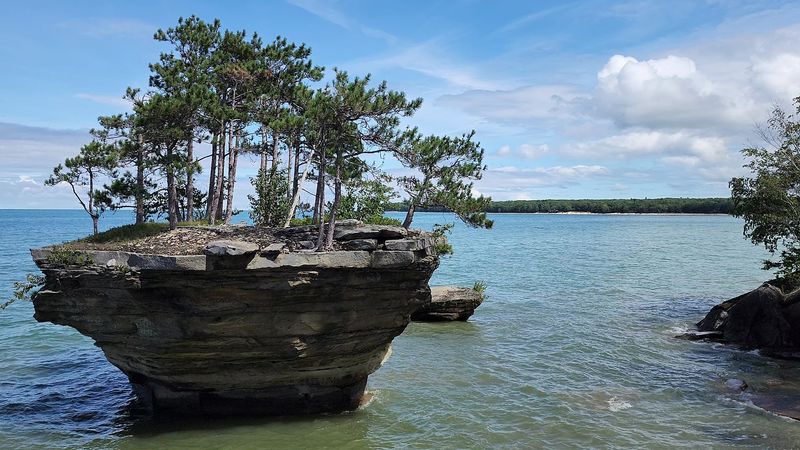
Morning paints the rock with patience. I like slipping out just after sunrise when Lake Huron behaves like glass and the cliffs glow with low-angle light.
Summer offers warmth and convenience, but shoulder seasons can be sublime if you dress right and watch the forecast closely. Spring mornings deliver clear views and fewer boats, and early fall brings crisp air with copper leaves perched on the cap.
Golden hour makes the textures pop for photos. Shadows carve deeper lines into the undercut and the cap trees look like a tiny skyline.
Afternoons can turn sporty as wind builds, which may stretch the return leg. Planning for earlier windows keeps the trip crisp and stress-free.
Calm water, light wind, and steady daylight form the trifecta. When those line up, the paddle feels like a friendly secret that let you in.
Route Landmarks and Sea Caves
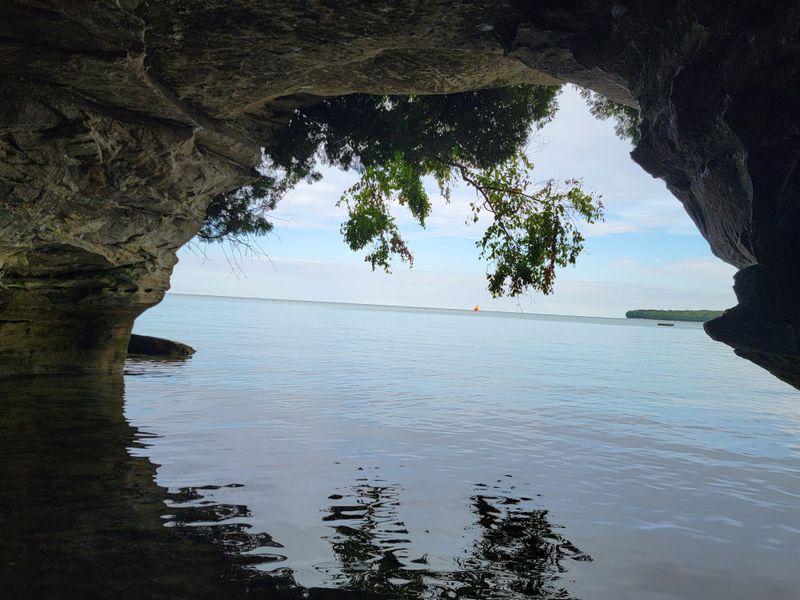
The shoreline east of Port Austin reads like a natural gallery. Before the main event, I pass ledges, alcoves, and small caves where wave action nibbles into the sandstone.
These pockets are tempting, so I idle at the mouths and watch the surge. Entering only when water levels and wind are docile keeps the bow from slapping into ceilings you cannot see around a bend.
A few bends before Turnip Rock, the cliff line steepens and the color shifts to warmer tones. Trees lean out over the water like curious spectators following your stroke cadence.
Past the rock, additional notches hide in the shadows if conditions allow a relaxed detour. I never force that extra tour because the return can change character if the breeze rises.
Every landmark on this route is best in glances and short pauses. The rhythm of paddle, look, breathe, and move on makes the finale land with a quiet thrill.
Photography Tips From the Water
Shooting from a moving kayak is equal parts fun and juggling act. I keep the camera in a dry bag with a quick-access clip and rely on a wrist strap so one surprise wave does not claim it.
Polarized sunglasses or a circular polarizer on the lens tame glare and reveal color in the water. I set a fast shutter to freeze ripple motion, then bracket a few frames when light flickers across the rock.
Angles matter here. A low seat height makes Turnip Rock loom larger and emphasizes the stem while a wider view includes cliff context and sky for scale.
Mid-morning sunlight lights the cap trees without blowing out the pale stone. On cloudy days the details soften, which flatters the textures and reduces harsh shadows.
Most important is courtesy. Drift, snap, move on, and leave the scene open so the next paddler can find their frame too.
Weather, Wind, and When to Turn Back
Lake Huron can switch moods faster than your playlist. A calm, glassy launch can shift into rolling chop within the hour, especially along the exposed stretch toward Turnip Rock.
I watch for sustained winds above 12 to 15 knots, whitecaps forming farther offshore, or rebound waves ricocheting off the limestone cliffs that stack into confused chop.
If the bow starts slapping hard and each stroke gains only inches, turning back is not quitting. It is choosing the paddle you actually planned rather than a survival slog that steals the fun.
Fatigue builds quickly in headwinds, and the return trip always feels longer when you fight both waves and pride.
Weather apps help with planning, but eyes on the water tell the truth. I check wind direction carefully in relation to my return route and leave a margin for a slower homeward leg.
Conditions that feel manageable heading out can double in difficulty on the way back.
Extra layers stay dry in a sealed bag, and a spare paddle rides under deck bungees. Communication matters, so I tell someone my route and expected time window before launching.
There will always be more calm days than bragging rights. Save the story for your photos instead of a cautionary tale.
Rentals, Outfitters, and Local Logistics

Port Austin makes the logistics refreshingly painless, even if you arrive without your own gear. Local outfitters rent both sit-on-top and touring kayaks, provide properly fitted PFDs, and share route briefings tailored to the day’s wind, wave forecast, and recent lake levels.
For first-timers especially, that short pre-launch conversation can make all the difference in confidence and safety.
Reservations on sunny summer weekends help you avoid the scramble. Demand spikes quickly when the forecast looks clear, and securing a kayak ahead of time removes unnecessary stress.
I like asking specifically about rebound chop near the caves and any floating debris after storms because that local insight saves time and energy once you are on the water.
Parking near the harbor fills quickly during peak hours. Arriving early not only lands a closer launch spot but also buys you calmer water before both crowds and afternoon breezes build.
That quiet window can transform the entire paddle.
Some shops offer dry bags, phone cases, and small essentials if you forget yours. That last-minute grab has saved more than one camera in my circle.
Maps, etiquette reminders, and posted weather boards put everyone on the same page. That shared knowledge keeps Turnip Rock feeling like a privilege, not a theme ride.
What To Pack and Wear
Simple gear choices make the day smoother from the first push off the harbor to the final glide back in. A properly fitted PFD is nonnegotiable, and a snug hat, sun shirt, and quick-dry shorts or leggings keep comfort steady from launch to landing.
Water shoes or secure sandals also help on rocky shoreline entries, giving you stable footing when waves nudge the kayak.
Sunscreen, lip balm, and polarized sunglasses matter more than you think. The lake reflects light upward, and hours on the water multiply exposure that creeps up quietly.
Reapplying midway through the trip prevents that late-day burn you only notice once you are back on shore.
Water and compact snacks live in a reachable pocket. I favor bars that survive heat and do not crumble into kayak confetti, plus something salty to balance the sun and effort.
Staying lightly fueled keeps energy steady for the return leg.
A phone in a waterproof case with a float lanyard rides secured under deck bungees. A small first aid kit, whistle, and light rain shell round out the safety side without adding bulk.
A camera or action cam is optional, but a microfiber cloth for lenses is golden—one clean swipe and the rock’s textures snap back into crisp relief.



