 Unearth The Voyage
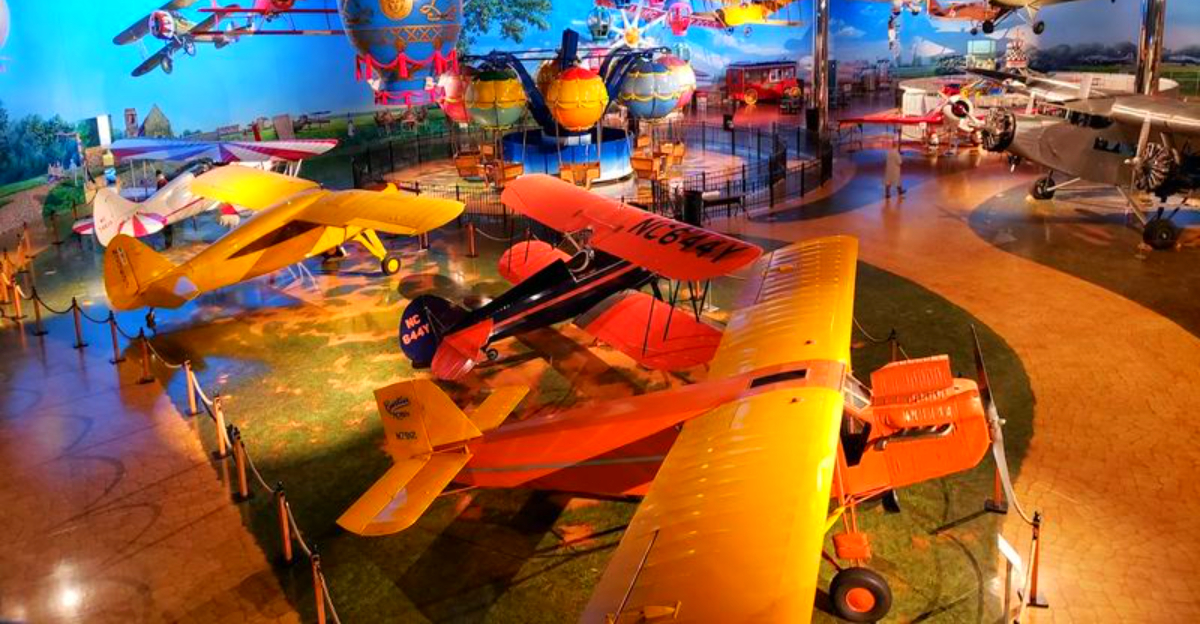
There is a museum in southwest Michigan where you can actually sit in the cockpit of a real fighter jet, and no, that is not a typo. The Air Zoo Aerospace and Science Center in Portage is the kind of place that makes your jaw drop the moment you walk through the doors.
Giant aircraft hang overhead, flight simulators hum with activity, and kids of every age, including the adults who have never quite grown up, run from exhibit to exhibit with wide eyes. With a rating of 4.8 stars from over 1,500 visitors and a collection that spans World War II warbirds to supersonic spy planes, this place punches well above its weight for a museum tucked into a quiet Michigan city.
Whether you are an aviation nerd who can name every aircraft on sight or someone who just thinks planes are cool, the Air Zoo has something that will genuinely surprise you. Read on to find out what makes this spot so special.
Finding the Air Zoo: Location, Address, and First Impressions
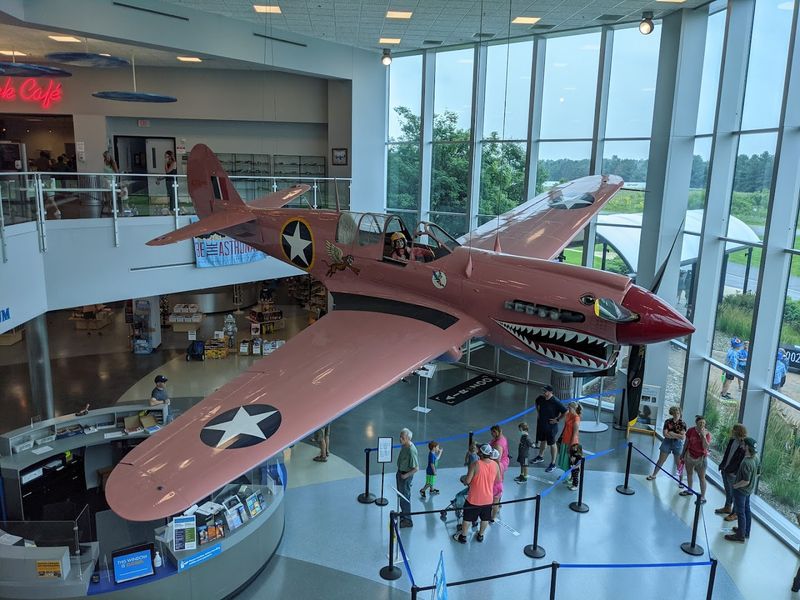
The Air Zoo Aerospace and Science Center sits at 6151 Portage Road, Portage, MI 49002, just a short drive from downtown Kalamazoo. The building does not look enormous from the outside, but that first impression is beautifully misleading.
The moment you step through the main entrance, the scale of the place hits you hard.
Two massive buildings make up the campus. The main hangar holds the bulk of the collection, while a second facility nearby is where the restoration team works on bringing historic aircraft back to life.
A free shuttle connects the two, or you can walk the short distance between them.
Parking is free and plentiful, which is a small but genuinely appreciated detail. Outside, a few aircraft are displayed near picnic tables, giving you a taste of what waits inside.
The museum is open Monday through Saturday from 9 AM to 5 PM and Sunday from noon to 5 PM, reachable by phone at (269) 382-6555.
The Aircraft Collection: A Lineup That Commands Respect
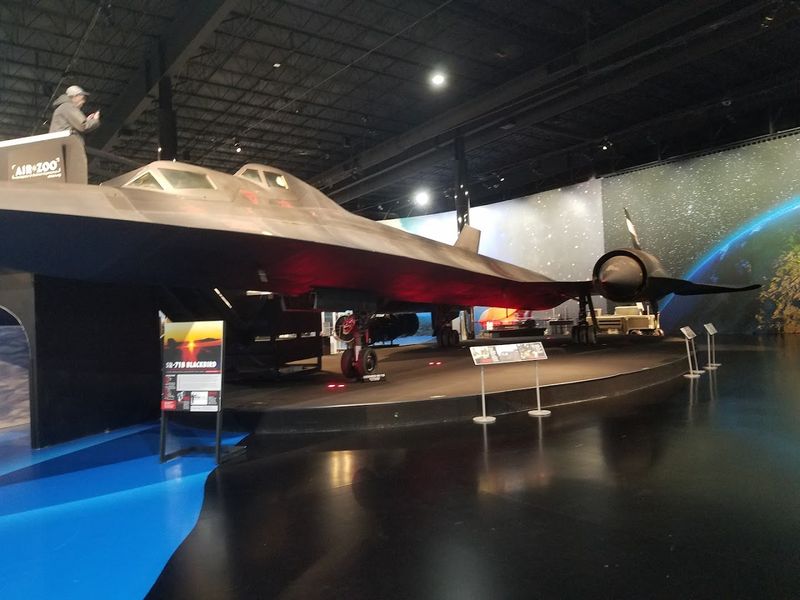
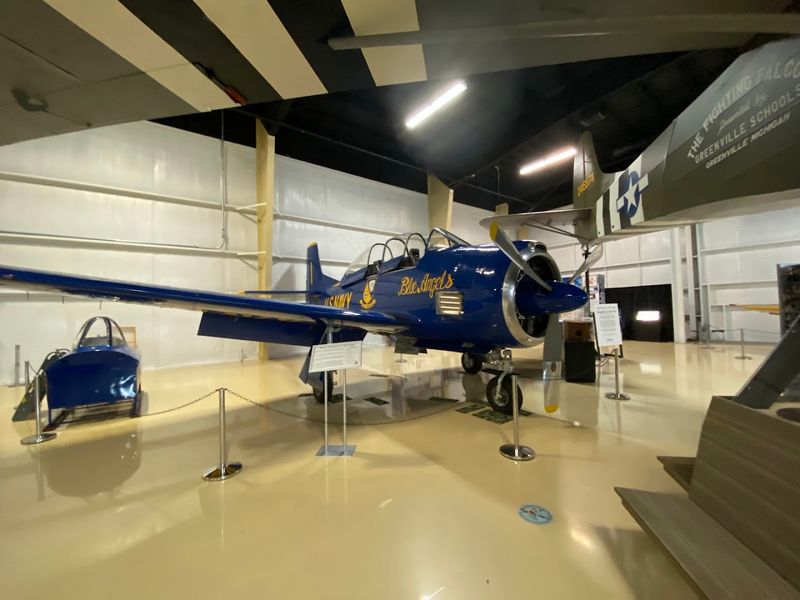
The collection at the Air Zoo is the kind that makes aviation fans stop mid-sentence and just stare. Real aircraft, most of which have actually flown in combat or served in active military roles, fill the main hangar floor and hang suspended from the ceiling above.
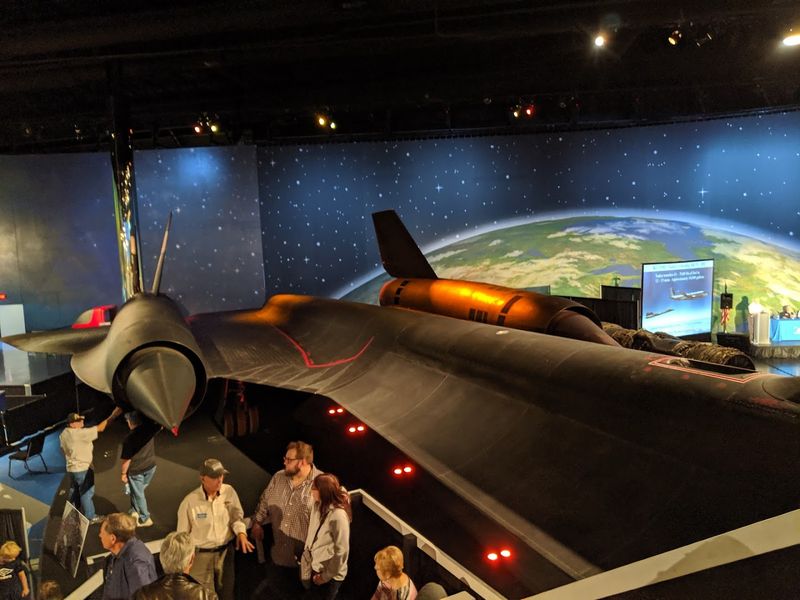
The SR-71B Blackbird on display is a particular showstopper. This specific aircraft is the training variant, and according to enthusiasts who track these things closely, it may be the only one of its kind still in existence.
The F-14 Tomcat, the P-40 Warhawk, and a range of other warplanes round out a collection that spans decades of aviation history.
Reading the story plaques beside each aircraft adds real depth to the experience. Some of those histories are genuinely surprising, covering test pilots, combat missions, and engineering breakthroughs that changed how the world flies.
Every aircraft here has a past worth knowing.
Open Cockpit Weekends: Sit Where the Pilots Sat
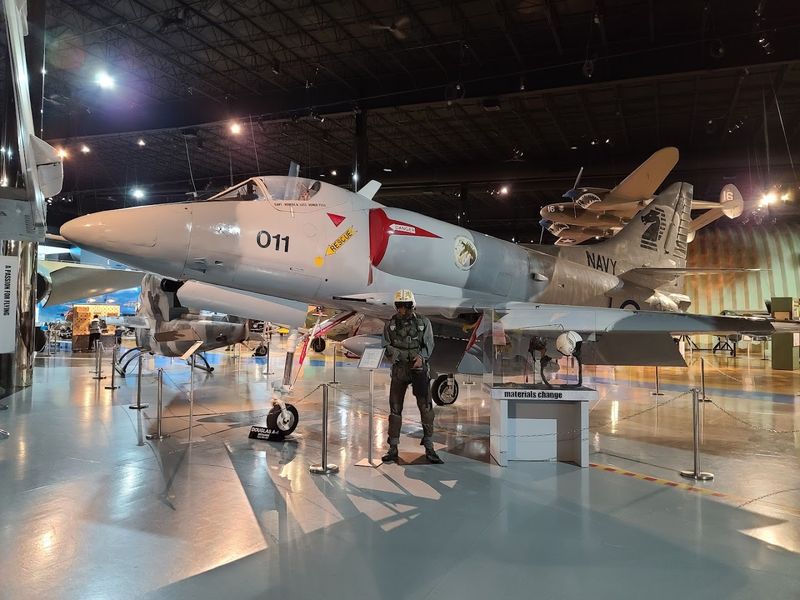
Every Friday, Saturday, and Sunday throughout February, the Air Zoo runs its Open Cockpit Weekends, and this is genuinely one of the coolest things a museum in Michigan offers. Guests get to climb into the cockpits of real aircraft, including World War II fighters, experimental designs, and supersonic jets.
The experience is included with paid admission, and Air Zoo members get in free. There is something about sitting in the actual seat where a real pilot once prepared for a mission that no exhibit panel or documentary can replicate.
The controls, the cramped space, the view from behind the windscreen: it all makes history feel surprisingly close.
This is not a replica or a simulator, it is the genuine article. For families with kids who love planes, or adults who grew up dreaming of flying, Open Cockpit Weekends deliver a memory that tends to stick around long after the drive home.
Flight Simulators and Rides: The Fun Does Not Stop at Looking
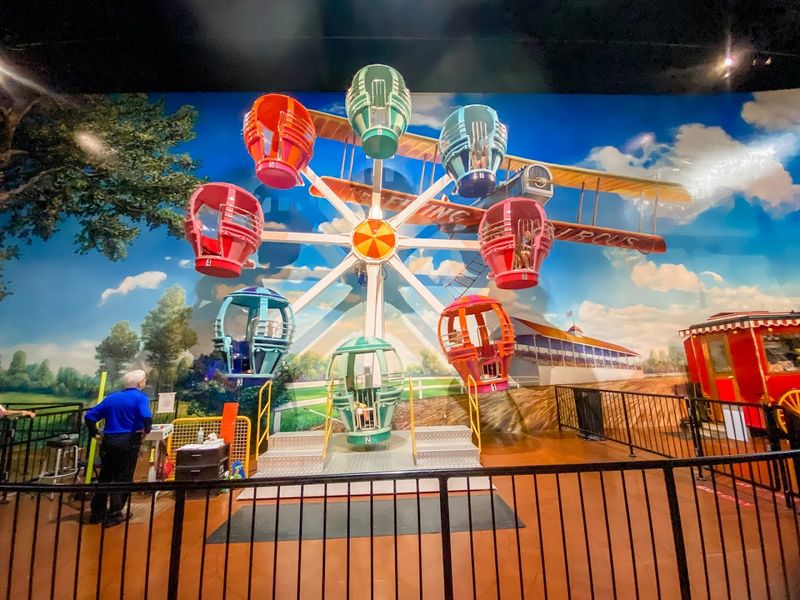
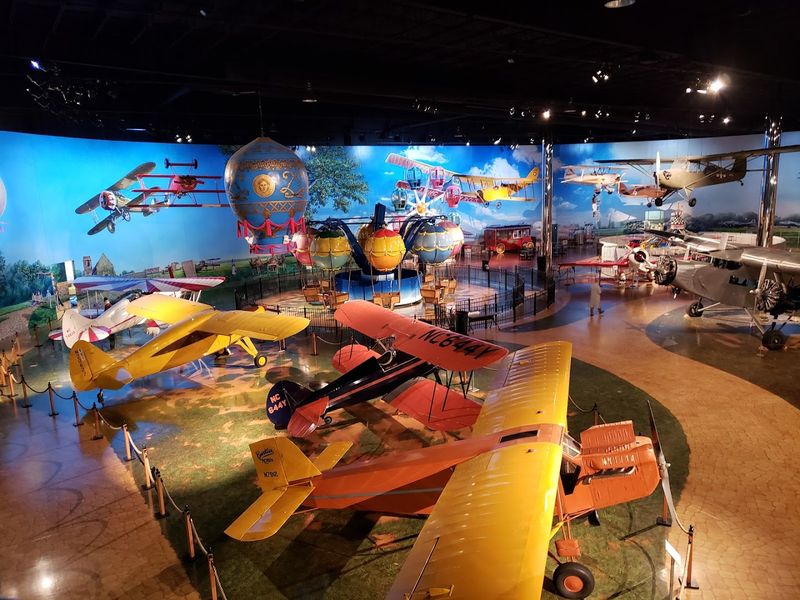
Not every museum dares to put amusement park rides next to priceless historic aircraft, but the Air Zoo pulls it off with surprising confidence. The ride lineup is included in the price of admission, which means no scrambling for extra tickets once you are inside.
Flight simulators are a highlight for older kids and adults. They are compact, accessible, and genuinely fun, even if the sessions run about three minutes per turn.
The Ferris wheel inside the hangar is a surreal and delightful sight, as is the mini parachute drop that younger visitors tend to absolutely love.
For toddlers and very young children, a dedicated play zone called the Toddler Tarmac provides aviation-themed toys and a safe space to explore. The variety of experiences across different age groups is one of the main reasons families consistently report spending three to five hours here without running out of things to do.
The F-117 Nighthawk: A Stealth Legend Up Close
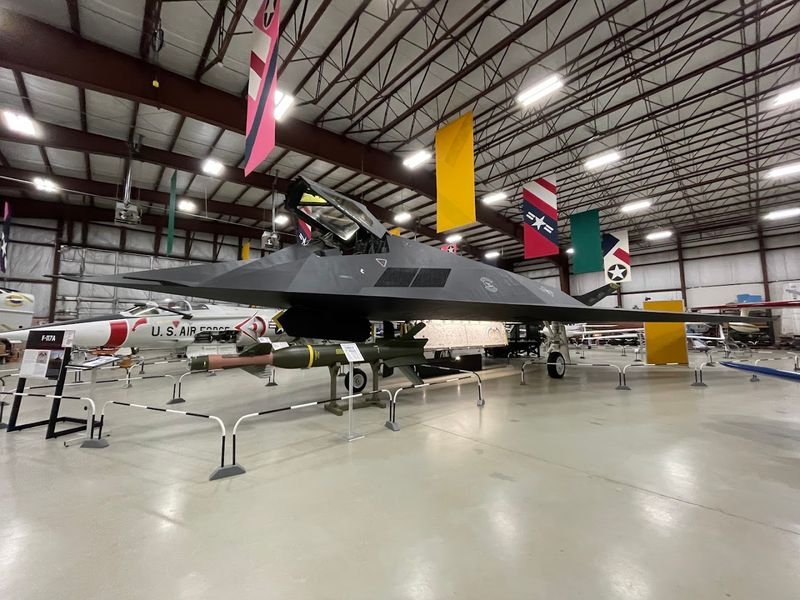
The F-117 Nighthawk lives in the second building on the Air Zoo campus, and the walk over to see it is absolutely worth the effort. In photographs, the aircraft looks angular and unusual.
In person, the sheer scale of it rewrites your expectations entirely.
The Nighthawk was the world’s first operational stealth aircraft, designed with flat, angled surfaces to deflect radar signals rather than absorb them. Its unconventional geometry made it nearly invisible to enemy detection systems during the Gulf War era.
Seeing those geometric panels up close makes the engineering feel both brilliant and a little otherworldly.
Admission to the second building is included with your regular ticket, so there is no extra cost to experience one of the most iconic aircraft in modern military history. Visitors who almost skipped the second building often circle back and say it was one of the best decisions of their visit.
The 4D Theater and Aerospace Films: More Than a Seat in the Dark
The 4D theater at the Air Zoo adds another layer to a visit that already has plenty going on. Aerospace-themed films run regularly throughout the day, and the format goes beyond a standard screen experience with sensory effects that match the on-screen action.
Grandparents who brought grandchildren have noted that the films are just long enough to keep younger viewers engaged without losing their attention. That balance is harder to achieve than it sounds, and the programming team seems to have figured it out.
For visitors who need a short break from the main floor, the theater offers a genuinely entertaining rest stop rather than a filler activity. The films tie directly into the aviation and space themes of the museum, so the experience feels cohesive rather than like a distraction.
It is one of those features you might initially overlook on the map but end up being glad you tried.
The Kitty Hawk Cafe: Fuel Up Before the Next Hangar
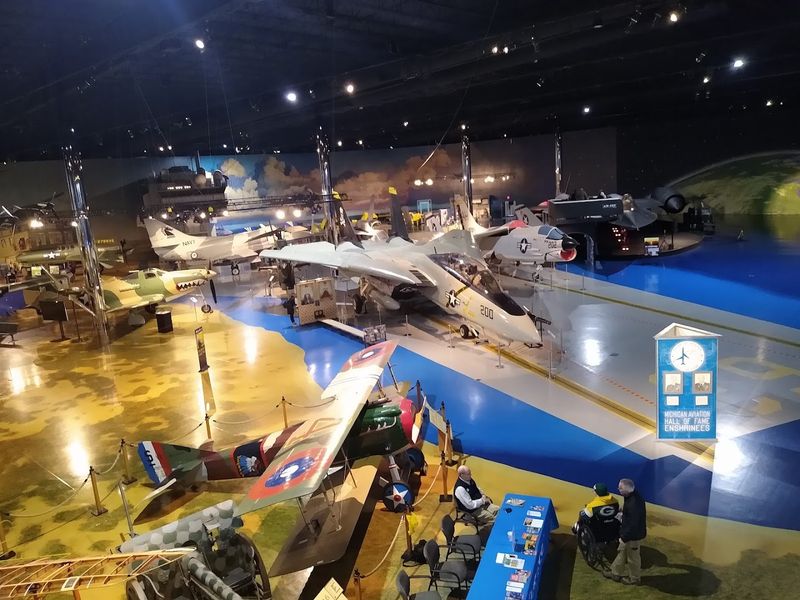
The cafe at the Air Zoo sits on the second floor, and the view from up there is genuinely spectacular. Looking down over the main hangar floor while eating a burger or a grilled cheese sandwich, with historic aircraft spread out below you, is a dining experience that most restaurants cannot compete with.
The Kitty Hawk Cafe keeps things straightforward: burgers, fries, sandwiches, and snacks at prices that will not make you wince. For a museum cafe, the food quality earns consistently positive mentions, which is a higher bar than it might seem.
An aircraft carrier is painted on the floor of the second level, visible from above and from the cafe seating area. It is one of those clever design details that rewards the curious visitor who takes a moment to look around rather than just eating and heading back down.
The elevator makes the second floor fully accessible to all visitors.
Interactive Exhibits and Hands-On Learning Throughout the Museum
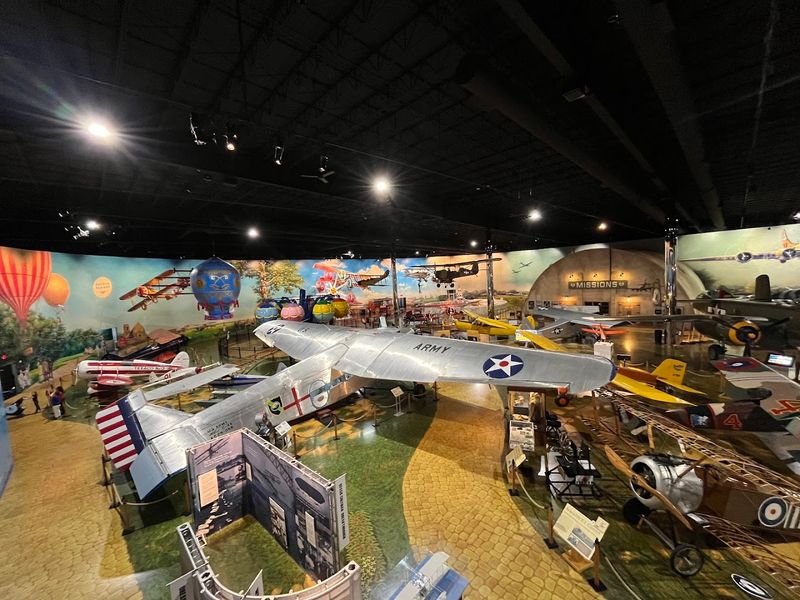
The Air Zoo does not ask you to simply look and move on. Interactive stations are scattered throughout both buildings, inviting visitors to touch, manipulate, and experiment with concepts from aerospace science and engineering.
These stations work well for curious adults just as much as they do for school-age kids.
Murals cover large sections of the walls and floors, and they are far more detailed and artistically accomplished than the average museum backdrop. The aircraft carrier painted on the upper floor is a favorite, but other murals throughout the main hangar add a visual richness that makes the space feel alive rather than purely archival.
Knowledgeable tour guides and volunteers are available throughout the museum, and their stories about individual aircraft and pilots add context that the plaques alone cannot fully capture. One guide discussing the history of a single plane can turn a casual glance into a ten-minute conversation that you genuinely did not want to end.
Accessibility and Visitor Comforts: A Museum That Thinks of Everyone
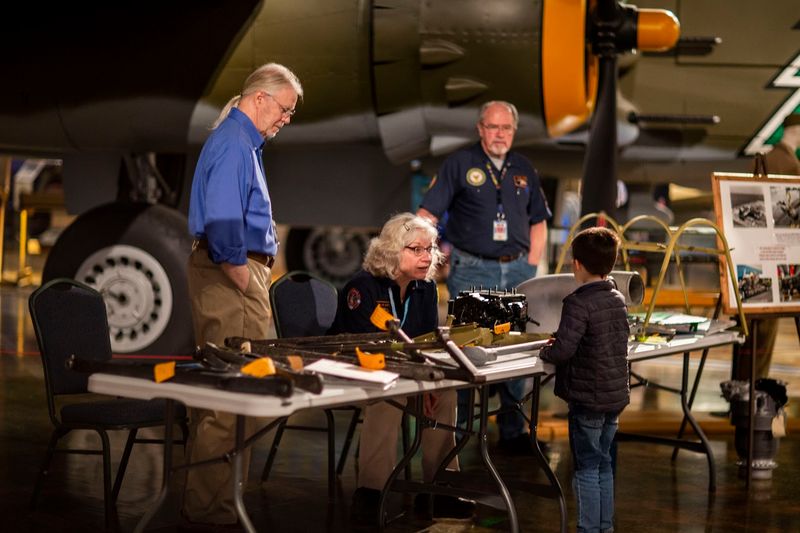
Accessibility at the Air Zoo is handled with real care and attention. The entire facility is wheelchair accessible, and a small supply of wheelchairs is available free of charge on a first-come, first-served basis.
Wagons for young children are also available, which parents of toddlers will recognize as an unexpectedly thoughtful touch.
Elevators connect the main floor to the second-level cafe, so no part of the museum experience is off-limits based on mobility. Free parking, including handicap-accessible spaces, is available throughout the lot surrounding the building.
A free shuttle service runs between the two campus buildings for visitors who prefer not to walk.
The Toddler Tarmac play area includes a breastfeeding nook and a dedicated baby play zone, making the museum genuinely welcoming for families with infants. These are the kinds of practical details that turn a good museum visit into a comfortable, stress-free day that the whole family actually enjoys.
The Gift Shop: Take a Little Aviation History Home
The Air Zoo gift shop has earned its own fan base among visitors who were not expecting much from a museum store. The selection leans into aviation themes with genuine enthusiasm, covering everything from model aircraft and educational toys to apparel, books, and novelty items.
The baseball caps have been called out specifically by multiple visitors as unusually good, which is the kind of detail that says something about the shop’s overall quality. Bumper stickers, keychains, and other small souvenirs make easy, affordable mementos for anyone who wants to bring a piece of the experience home without spending a lot.
For aviation enthusiasts, the selection of books and scale models offers more serious collectibles alongside the lighter tourist fare. The shop sits near the main entrance, making it easy to browse on the way out without feeling like you are being herded through a commercial gauntlet at the end of your visit.
Membership Perks and Ticket Pricing: Getting the Best Value
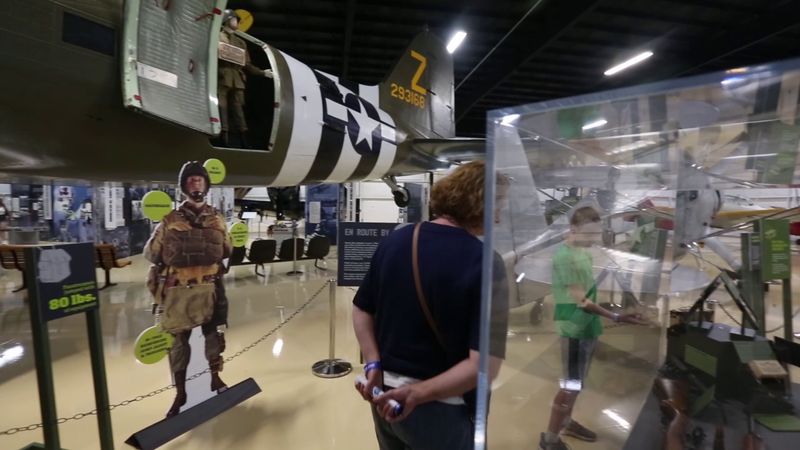
Adult tickets at the Air Zoo run around $18, which covers full access to both buildings, all rides, simulators, the theater, and the exhibits. For everything that is packed into a visit here, that price point sits comfortably in the reasonable range, especially for families looking for a full-day activity.
Membership is worth considering if you plan to return, or even if you just want to maximize a single visit. Air Zoo members get free admission to Open Cockpit Weekends and also benefit from reciprocal agreements with science and nature museums across the country, which makes the membership useful well beyond Portage.
Tickets cover the entire day, meaning you can leave, grab lunch elsewhere, and return without paying again. That kind of flexibility is genuinely rare among museums and makes the Air Zoo easy to fit into a broader day of exploring the Kalamazoo area without feeling rushed or locked in.
Planning Your Visit: Tips for Making the Most of Your Time
Most visitors recommend setting aside three to four hours for a thorough visit, and that estimate holds up consistently across reviews. Two hours feels rushed, especially if you want to spend time in both buildings and catch a film in the theater.
Comfortable walking shoes are a smart choice since the floor space is extensive.
Arriving early on weekdays tends to mean shorter waits at the simulators and more breathing room around the most popular aircraft. Weekends bring larger crowds, particularly during special events like Open Cockpit Weekends in February, so arriving right at the 9 AM opening gives you a head start.
Reading the story plaques beside each aircraft is one of those habits that transforms the visit from a visual tour into something genuinely educational. The museum does a strong job of connecting each plane to real historical events and real people, and those stories are what visitors most often mention when they talk about coming back for a second time.



