 Unearth The Voyage
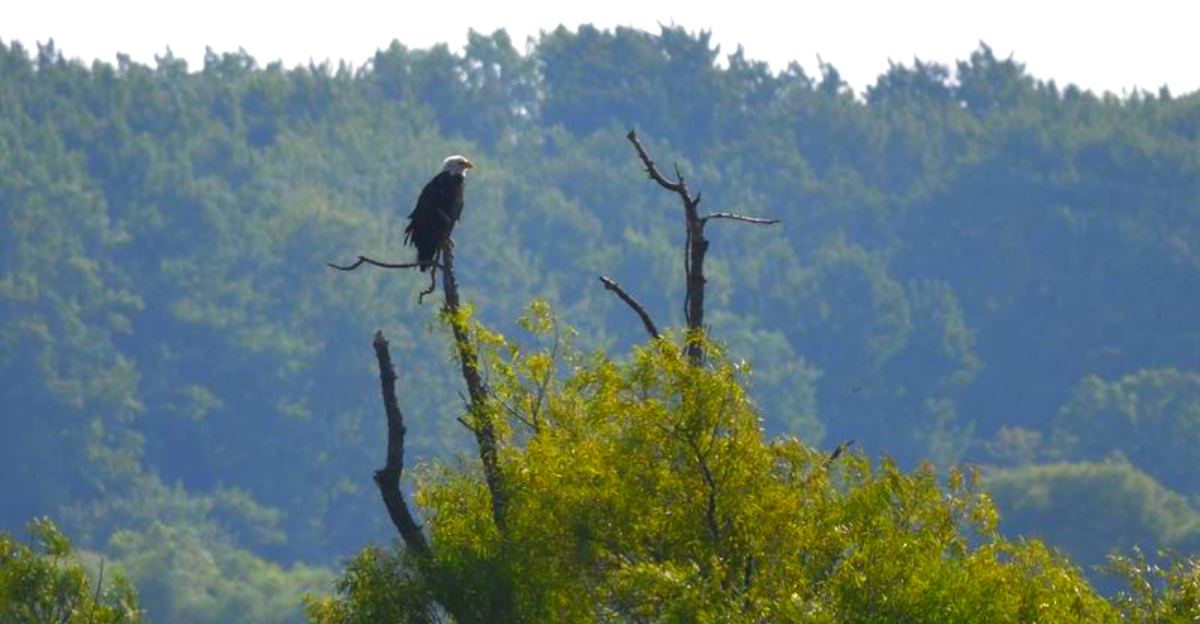
There is a place in mid-Michigan where bald eagles cruise overhead, great blue herons stand motionless at the water’s edge, and sandhill cranes call out across open wetlands at dawn. I had heard about it from a friend who kept saying, “You have to go, trust me,” and after my first visit, I completely understood the excitement.
The Shiawassee National Wildlife Refuge near Saginaw is the kind of place that makes you put your phone down and just look around in quiet amazement. Spanning thousands of acres of wetlands, forests, and grasslands along the Shiawassee River, this refuge is one of Michigan’s most rewarding outdoor destinations.
Whether you are a seasoned birder with a long-lens camera or someone who simply wants a peaceful afternoon surrounded by nature, this refuge delivers something genuinely special. Read on, because every section of this article reveals a different reason why this place deserves a spot on your must-visit list.
Where It All Begins: Location and First Impressions
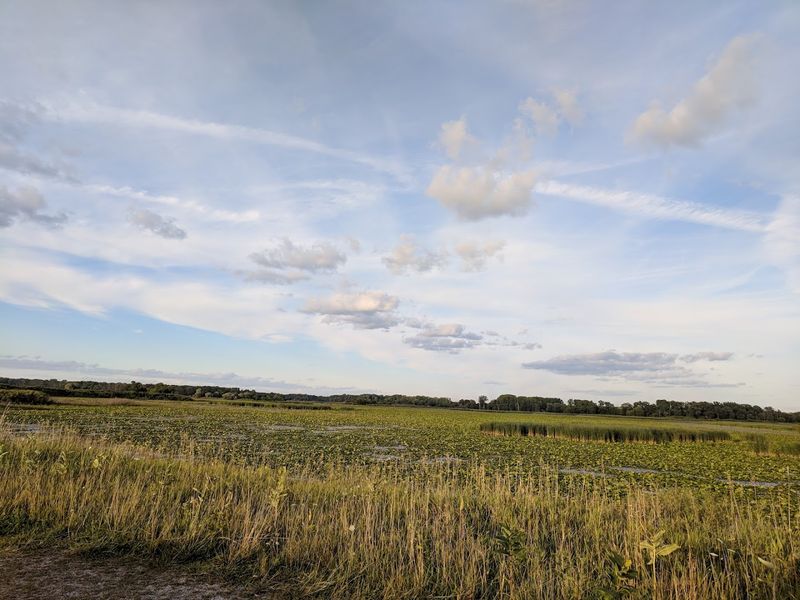
The address reads 6975 Mower Rd, Saginaw, MI 48601, but the moment you turn off the main road and head toward the refuge, you already sense something different about the landscape around you.
The flat, open terrain of mid-Michigan stretches out in every direction, and the sky feels enormous here. Saginaw sits in the heart of the Lower Peninsula, and the refuge occupies a significant stretch of land along the Shiawassee River floodplain, making it one of the most ecologically rich spots in the entire state.
The office is open Monday through Friday from 7:30 AM to 4:00 PM, and reaching the staff by phone at +1 989-777-5930 is easy if you have questions before your visit. The website at fws.gov/refuge/shiawassee offers maps, seasonal updates, and helpful visitor guidelines.
The first thing I noticed on arrival was the quiet. There were no crowds, no noise, just wind moving through the marsh grass and the distant honking of Canada geese.
That immediate sense of calm is not something you manufacture; it is simply what this place is.
A Wetland World Unlike Anything Else in Michigan
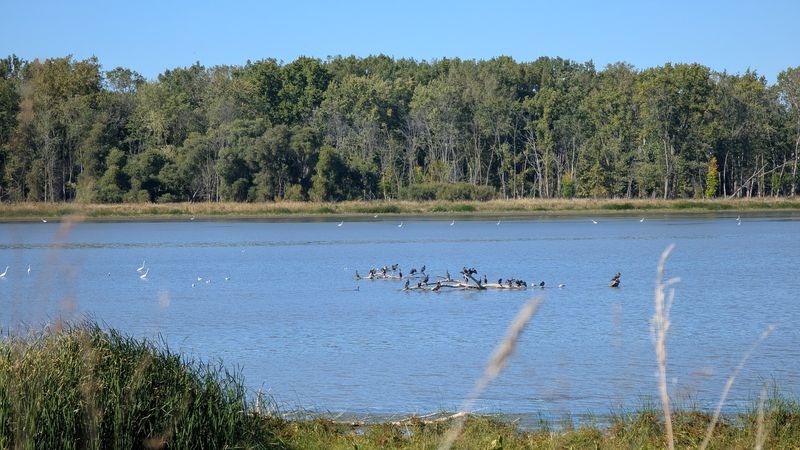
More than 9,000 acres of managed wetlands, grasslands, and river bottomland forests make up this refuge, and that sheer scale is hard to wrap your head around until you are actually standing in the middle of it.
The Shiawassee River and three other rivers, the Tittabawassee, Flint, and Bad rivers, all converge near the refuge, creating a natural floodplain that supports an extraordinary range of plant and animal life. The result is a mosaic of habitats that changes with the seasons and rewards visitors who return more than once.
During spring and fall migrations, the wetlands fill with tens of thousands of waterfowl, turning the sky into a living, moving spectacle. In summer, the marshes buzz with life: frogs, turtles, dragonflies, and nesting birds fill every corner of the landscape.
The refuge is managed by the U.S. Fish and Wildlife Service, which carefully controls water levels to support migratory birds and resident wildlife throughout the year.
That level of dedicated stewardship shows in every corner of the property, and it is one of the main reasons the ecosystem here feels so healthy and alive.
The Auto Tour Route: A Six-Mile Drive Worth Every Minute
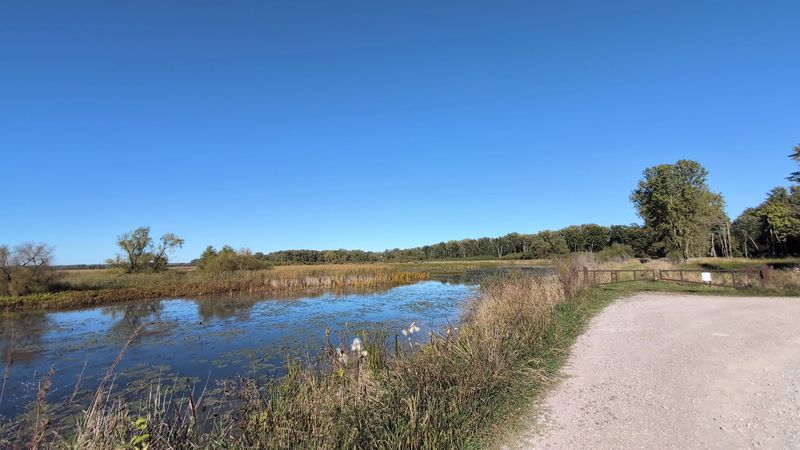
My favorite way to experience the refuge, especially on a warm summer afternoon, is the six-mile auto tour route. It is a one-way gravel road that winds through the heart of the wetlands, and once you commit to it, there is no turning back, which is honestly part of the fun.
The road is well-maintained, though the gravel does kick up dust, so keeping your windows up is a smart move. Several pull-off areas along the route let you stop, roll down the window, and scan the water with binoculars at your own pace.
On my visit in early summer, I spotted great blue herons standing like statues in the shallows, a family of Canada geese crossing the road with zero concern for my schedule, and a pair of sandhill cranes feeding in a nearby meadow. The drive can take anywhere from 30 minutes to two hours depending on how often you stop.
Bringing a camera with a long zoom lens makes a real difference here, since the wildlife tends to stay a comfortable distance from the road. A spotting scope is even better if you have one available to pack.
Bald Eagles and the Birdwatching Scene That Will Blow Your Mind
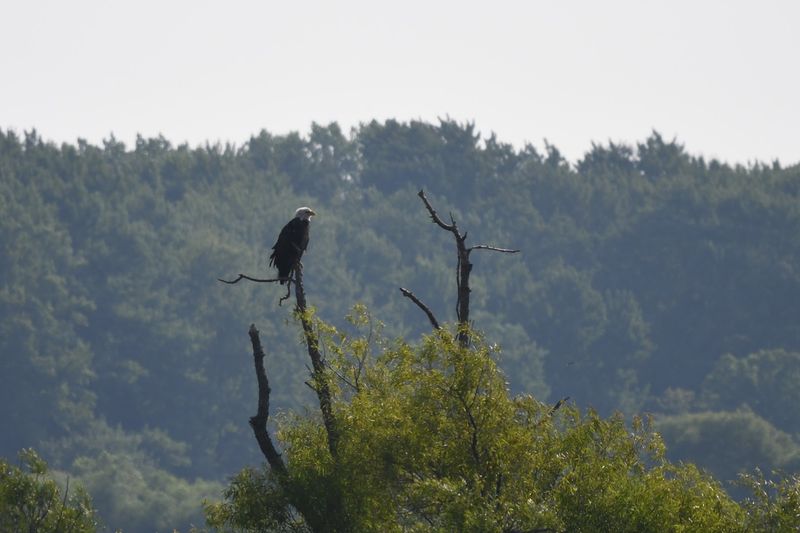
Few things in nature stop you cold the way a bald eagle does, and at this refuge, seeing one is far from rare. The wetlands and river channels provide ideal hunting grounds, and on almost every visit I have made, at least one eagle has made an appearance somewhere along the route.
The refuge is a certified Important Bird Area and supports over 280 species of birds throughout the year. Sandhill cranes, great egrets, great blue herons, tundra swans, various duck species, and an impressive variety of shorebirds all use this habitat at different times of year.
Spring migration, which typically peaks in March and April, is arguably the most dramatic season to visit. Tens of thousands of ducks and geese pass through, and the noise alone, the honking, calling, and wing beats, is an experience that stays with you.
Fall migration brings another wave of activity, with waterfowl numbers surging again and the added bonus of autumn color in the surrounding tree lines. Bringing a bird identification app on your phone adds a whole new layer of engagement to every outing at this truly remarkable refuge.
Hiking Trails That Put You Right in the Middle of It All
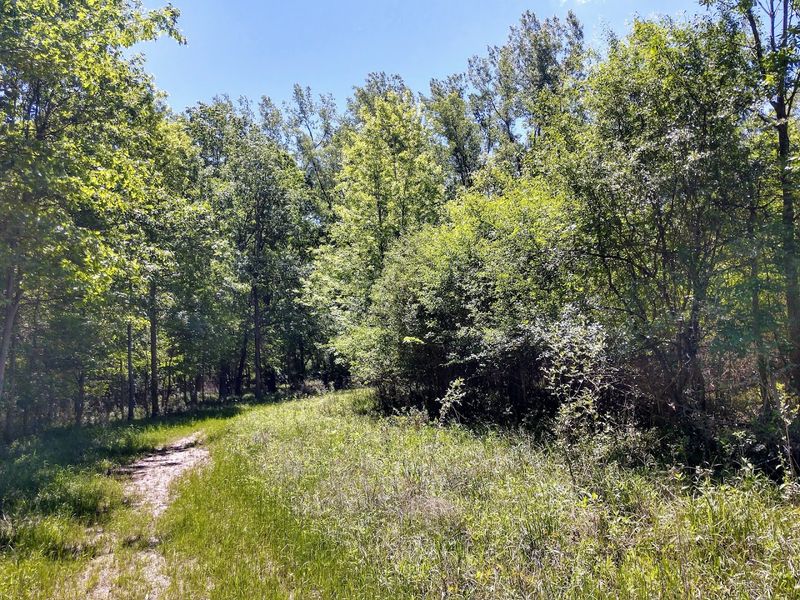
Not every visitor wants to experience the refuge from behind a windshield, and the trail system here makes it easy to get out and walk directly through the landscape. The trails are wide, mostly flat, and well-marked, which makes them accessible to a broad range of fitness levels and ages.
The main trail network covers several miles through diverse habitats, including open marsh edges, wooded bottomlands, and grassland sections. I hiked about 5.5 miles on one visit and encountered deer, turtles sunning on logs, and more bird species than I could count, all within a single morning.
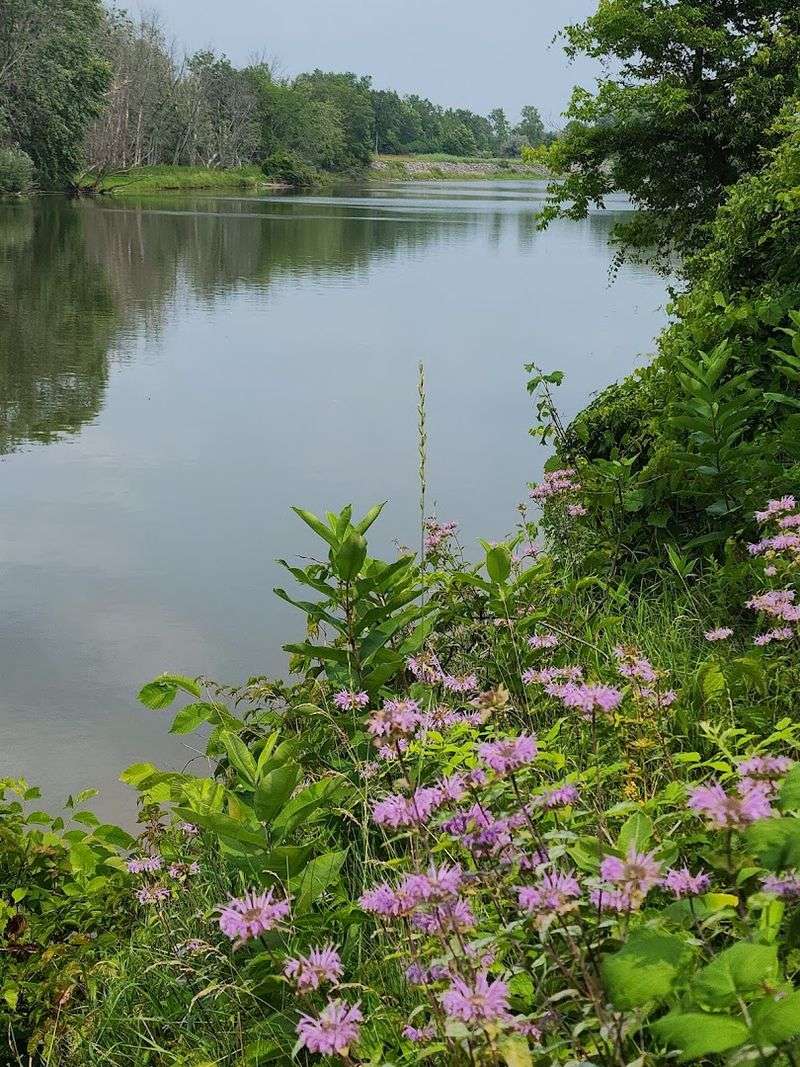
The trails also run along sections of the Shiawassee River, where you can pause and watch the current move through the trees. The river access adds a sense of depth to the hike that purely upland trails cannot match.
One honest tip: bring bug spray, and bring more than you think you need. The flies and mosquitoes near the marsh edges are determined, and they will find any exposed skin without hesitation.
A hat with a brim also helps keep things comfortable during longer hikes through open sections of the trail.
Wildlife Beyond the Birds: Deer, Turtles, and Unexpected Surprises
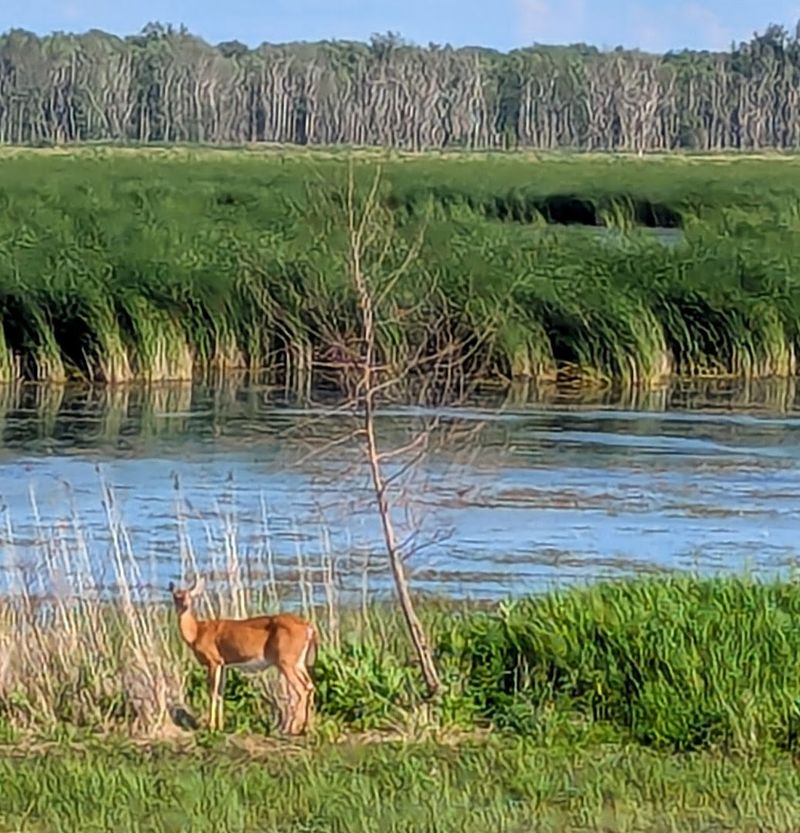
Birds get most of the attention here, and deservedly so, but the refuge is home to a surprisingly rich cast of other wildlife that rewards patient and observant visitors. White-tailed deer are a common sight along the trail edges and meadow borders, especially in the early morning and evening hours.
Painted turtles and snapping turtles bask on logs and muddy banks throughout the warmer months, and spotting them requires only a slow pace and a willingness to look carefully at the water’s edge. River otters, muskrats, and beaver are also present in the waterways, though they tend to be more elusive.
One of the more memorable moments from a past visit involved watching a great blue heron swallow a large carp whole, which is both impressive and slightly alarming to witness up close. Nature here is not a curated show; it is raw and real and occasionally surprising in ways you cannot predict.
Coyotes are also active in the refuge, and on quiet evenings near the marsh, their calls carry clearly across the open water. The full sensory experience of this place, the sounds, sights, and even the earthy smell of the wetlands, is genuinely hard to replicate anywhere else nearby.
Sunrise and Sunset: The Best Times to Experience the Magic
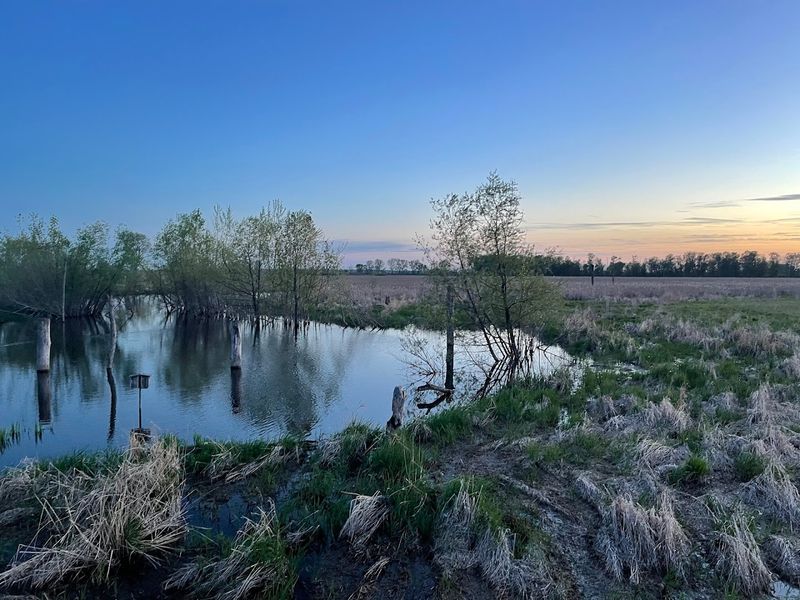
There is something about the light at this refuge during the early morning and late evening hours that makes every photograph look like it was taken by a professional. The flat landscape means the horizon is wide open, and the sky over the wetlands turns extraordinary shades of orange, pink, and gold during sunrise and sunset.
Early morning visits have the added benefit of peak wildlife activity. Birds are most vocal and visible in the first two hours after dawn, and the air is usually cooler and calmer, which makes for better viewing conditions overall.
I arrived once just before 8 AM and had the auto tour route almost entirely to myself.
Evening visits carry their own rewards. As the light fades, frogs begin calling from the marsh edges, geese and swans announce their movements overhead, and the whole refuge settles into a different kind of energy that is peaceful in a way that is hard to describe but easy to feel.
The office opens at 7:30 AM on weekdays, but the outdoor areas are accessible during daylight hours. Timing your visit around sunrise or sunset dramatically improves both the wildlife sightings and the overall atmosphere of the experience.
Seasonal Changes That Keep Every Visit Feeling New
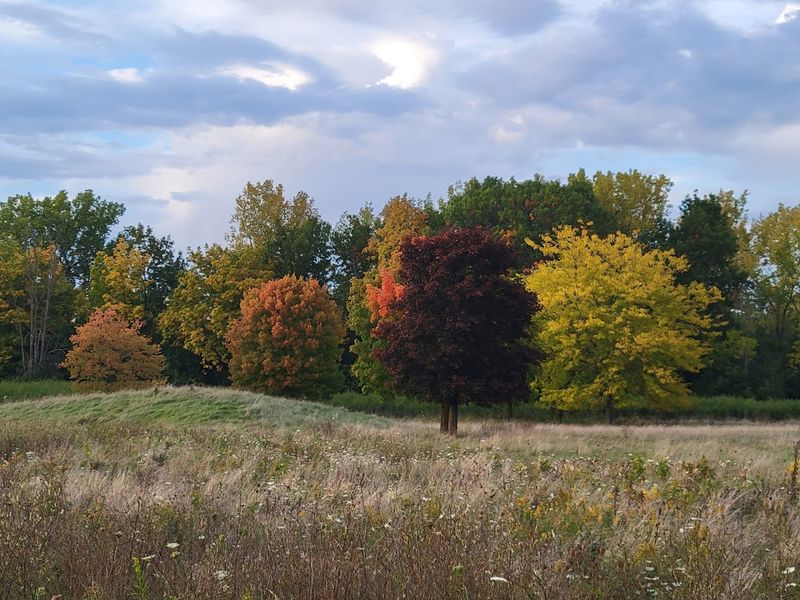
One of the things I love most about this refuge is that it genuinely rewards repeat visits throughout the year. Each season brings a completely different version of the landscape and the wildlife that inhabits it, making it impossible to feel like you have fully seen everything after just one trip.
Spring is migration season, when the wetlands fill with returning waterfowl and the chorus of frogs fills the air from every direction. Summer brings nesting birds, lush green vegetation, and long days that make extended hikes comfortable and rewarding despite the heat.
Fall is arguably the most visually spectacular time to visit. The bottomland forests turn brilliant shades of red, orange, and yellow, and the second wave of migration brings thousands of birds back through the area on their way south.
The combination of fall color and wildlife activity is genuinely breathtaking.
Winter visits are quieter, but the stark beauty of frozen marsh edges and bare tree lines has its own appeal. Bald eagles become easier to spot against the snow, and the reduced vegetation makes it simpler to observe the wildlife that remains active through the colder months of the year.
Practical Tips to Make Your Visit Go Smoothly
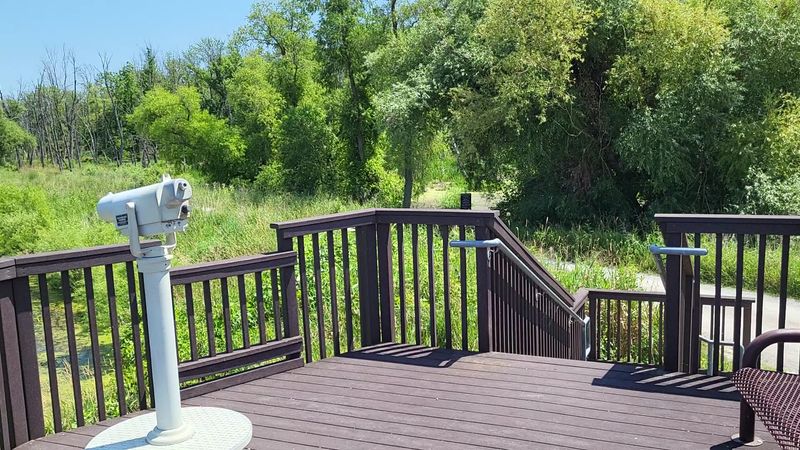
A little preparation goes a long way at this refuge, and a few simple choices before you leave home can make the difference between a good visit and a great one. Start with binoculars if you have them, because the wildlife often stays well away from the roads and trails, and the naked eye misses a lot of detail at distance.
A camera with a zoom lens of at least 300mm is ideal for bird photography, and the refuge provides plenty of opportunities for compelling shots if you are patient and move slowly. Bug spray is not optional from late spring through early fall; the insects near the marsh are persistent and numerous.
Wear comfortable, closed-toe shoes with good grip, especially if you plan to hike the trails rather than drive the auto route. The gravel road on the auto tour can be rough on low-clearance vehicles, so keep that in mind if you are driving something close to the ground.
Water is essential, particularly on warm days when the open landscape offers little shade. The refuge has a vault toilet along the trail for convenience, but there are no food vendors or facilities, so pack everything you need before you arrive at the site.
Why This Refuge Deserves a Permanent Spot on Your Michigan Bucket List
Some places are worth visiting once for the novelty, and others become the kind of destination you find yourself returning to again and again without needing much of a reason. This refuge firmly belongs in the second category, and most people who visit once tend to come back before the season even changes.
The combination of accessibility, variety, and sheer natural beauty is rare in a single location. The refuge is free to visit, easy to reach from Saginaw and the surrounding communities, and open to a wide range of activities from leisurely drives to full-day hikes.
The U.S. Fish and Wildlife Service has done an outstanding job maintaining and managing the habitat here, and that commitment to conservation is visible in the health of the ecosystem.
The wildlife is abundant, the trails are well-kept, and the overall atmosphere of the place feels cared for without being over-developed.
For anyone who has ever wanted to experience Michigan’s natural heritage in a setting that feels both wild and welcoming, Shiawassee National Wildlife Refuge near Saginaw is exactly that place. It is the kind of spot that quietly changes how you think about the natural world right in your own backyard.



