 Unearth The Voyage
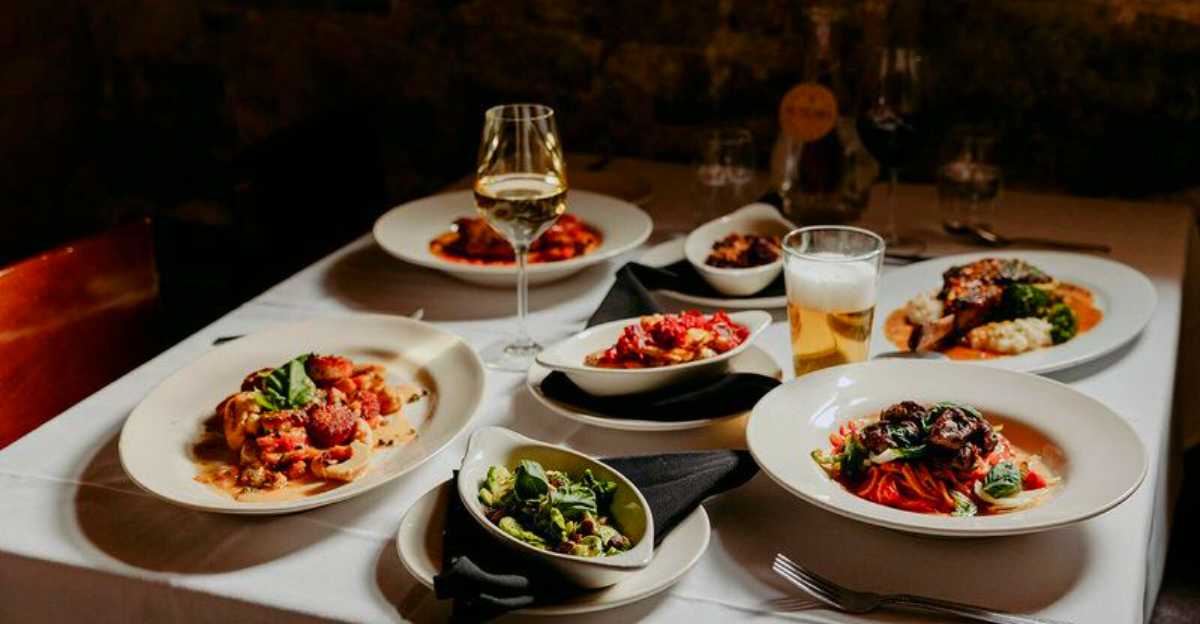
You walk into the old State Hospital campus expecting history, not steam rising off handmade pasta that smells like buttered wheat and black pepper. Trattoria Stella opens at 5, and by 5:07 the room hums with clinks, low laughter, and that quiet confidence of a kitchen that knows exactly what it is doing.
The server mentions a cavatelli that sold out last night in 42 minutes, and you suddenly understand why locals plan their week around a reservation. Curious what makes this tiny Michigan bistro feel unmistakably Italian without leaving Traverse City?
Keep reading.
The First Ten Minutes: Why 5 PM Matters
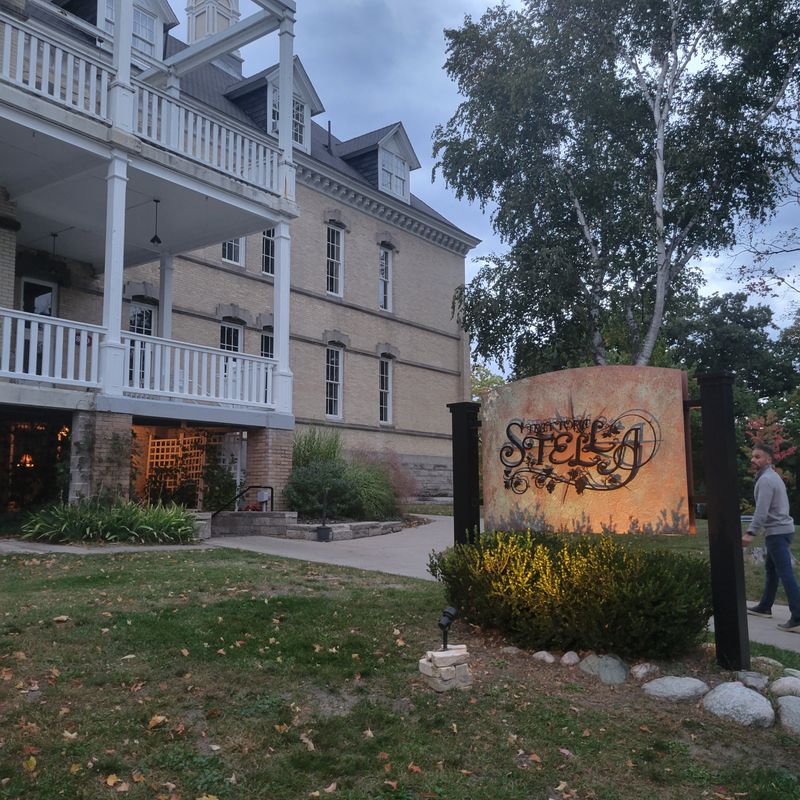
You arrive a shade before five, the red brick of the old asylum still holding daytime warmth. The door opens to a low hum: stemware chiming, soft Italian standards, and a gentle garlic-sage breath from the kitchen.
Seats fill in streaks, two tops first, then a four top near the archway, while a host slides a wine list that reads like a postcard from Piedmont.
The early crowd knows the drill. Order antipasti quickly, because the burrata goes fast when the cream center is perfect and the tomatoes are good.
A server whispers about a pasta special, voice low like a secret, cavatelli with braised rabbit, thyme, and lemon zest. You say yes without needing the price.
Plates move with efficient grace, no theatrical flares, just timing. The first forkful lands before your brain catches up, chewy ridges pulling sauce the way a wool sweater grabs lint.
Outside, the lawn cools. Inside, the room steadies into its pace, and you realize five o’clock is not early here.
It is the starting gun.
Handmade Cavatelli That Bites Back
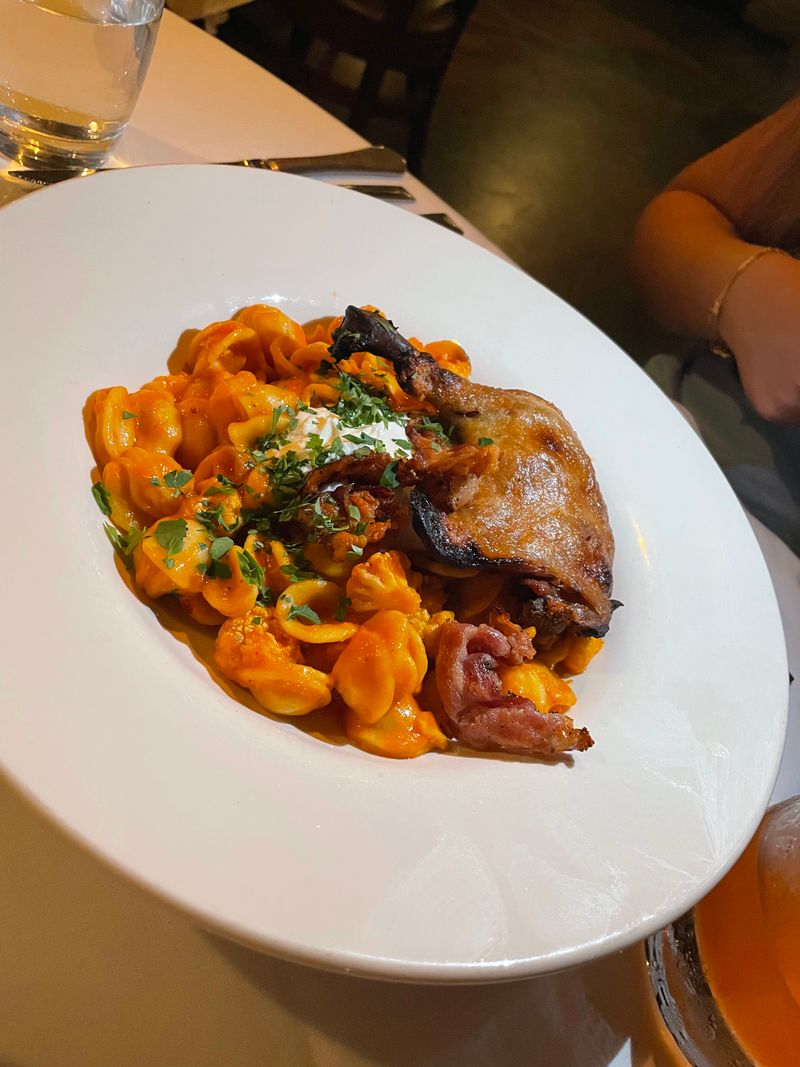
The cavatelli lands looking modest, no flashy garnish beyond a scatter of lemon zest and herbs. Then the fork lifts a curl and you feel the resistance, that springy chew only hand-rolled dough gives.
Sauce glistens, more emulsion than liquid, a marriage of braising juices, butter, and Parmigiano that clings to every ridge.
Rabbit is tender enough to nudge apart with the tines, strands laced through the pasta like commas in a long sentence. The thyme smells like sun-warmed wood.
A squeeze of acidity cuts through richness, awake but not loud. You catch a whisper of black pepper where the cook finished the pan, mortar-ground and confident.
Halfway through, there is a silence at your table, the kind that follows a well-placed chord. Chew, pause, sip of Barbera, back to the plate.
The portion seems small until you notice the pace it sets. It is calibrated, not meager.
When the last bite is gone, you are not full. You are ready for what is next.
The Room: Brick, Arches, and Soft Lamps
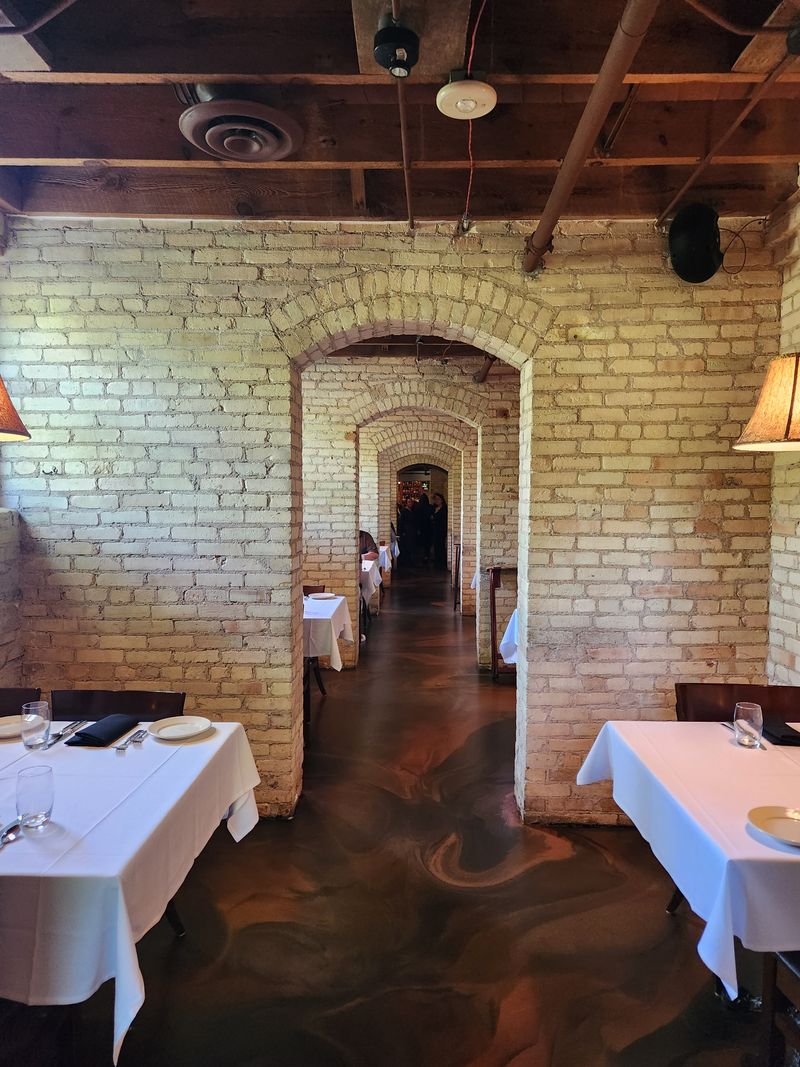
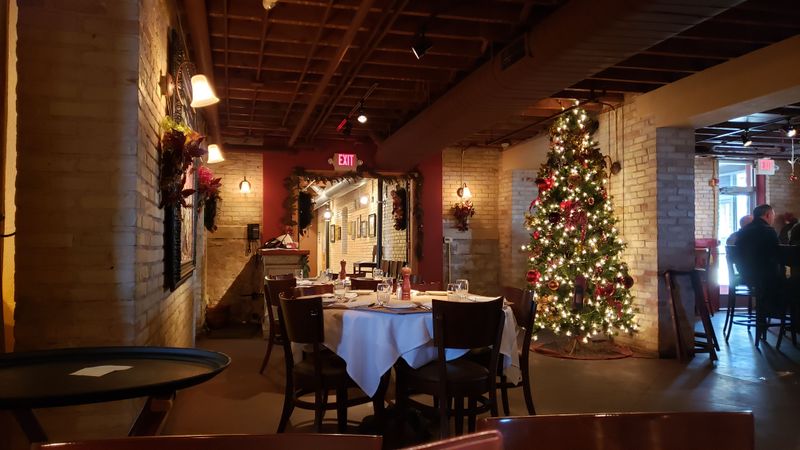
Trattoria Stella lives inside the Village at Grand Traverse Commons, a 19th century complex with bones you can feel. The dining room holds its history without theatrics: brick that looks sanded by time, arched alcoves, and heavy doors that close softly.
Lamps pool amber light across tabletops, letting plates glow like they were meant for this color temperature.
There is a calm to the layout. No cramped aisles or decorative clutter fighting for attention.
In one niche, a wine map of Piedmont leans behind glass, dotted with names you can taste. The floor creaks once near the server station, a polite reminder the building has opinions.
At a corner table, a couple negotiates a second bottle and decides yes. A cook walks past in a black apron, hands citrus-bright from grating zest.
The architecture does not shout Italy. It gives you the patience to eat like you have time.
And somehow, that is the more convincing argument.
Tagliatelle al Ragù: A Quiet Lesson in Restraint
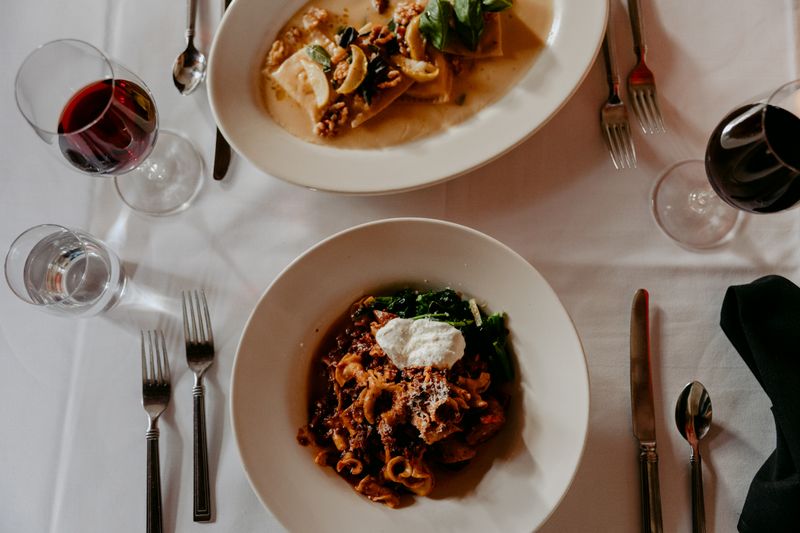
The tagliatelle arrives in an uncomplicated tangle, edges soft but not slack. You smell tomato only after the meat, which is how it should be.
The sauce is not red so much as brick, reduced until it barely moves, a whisper of milk melting the edges into silk.
You chase a ribbon around the fork and it holds together, elastic with yolk-rich dough. The ragù leans savory, not sweet, with onion cooked to the point of disappearance.
Nutmeg is there if you look for it. Parmigiano lands like snow, then liquefies into gloss.
No basil bush, no spoonful of sugar. Just heat, time, and a cook who trusts both.
Conversation fades while you calibrate salt with your palate, then it returns brighter. A sip of Nebbiolo puts roses in the background.
The server checks in, eyes on the plate, not the theatrics. You nod.
This is the dish you try not to finish but do anyway, because restraint can be tasted but not left behind.
The Burrata That Makes You Pause
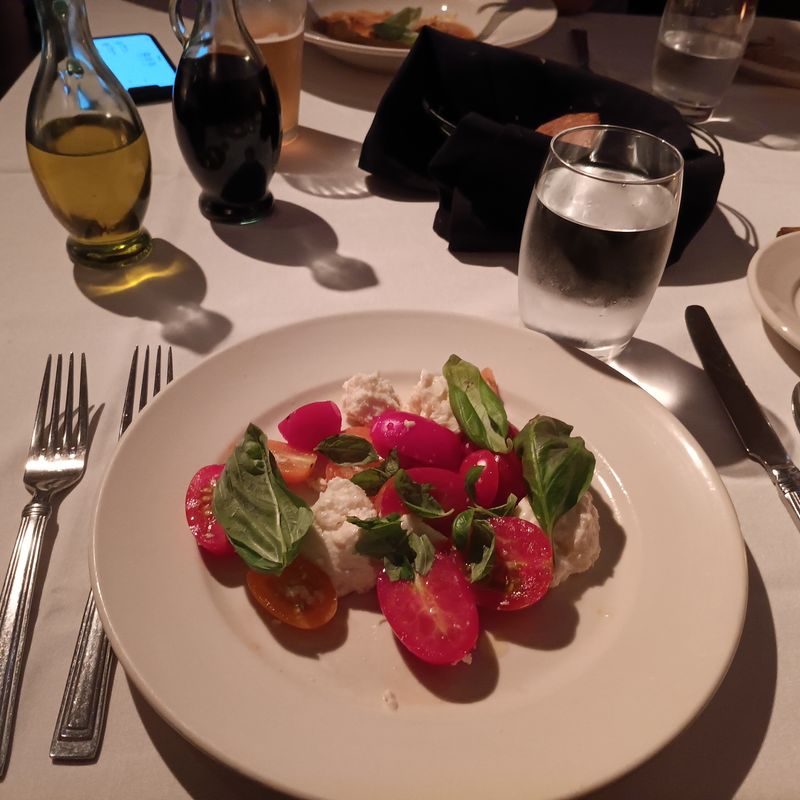
When the burrata opens, the center spills like quiet thunder. Cream pools around the edges, catching salt crystals and pepper flecks.
Tomatoes are sliced thick enough to remember they were vines this morning, glossed with oil that smells green and peppery.
You drag grilled bread through the center and it sighs against the crust. The heat lifts dairy sweetness, then smoke from the char levels it out.
Basil tastes like a clean shirt drying in the sun. You tap the plate for the last bit of oil, because leaving a finish that good is impolite to yourself.
This is the kind of starter that changes pacing for the meal. Not heavy, not light.
Just an invitation to pay attention. Around you, plates land with the same quiet confidence.
A couple across the room holds their forks midair, then nod in unison. In a restaurant that values patience, this dish teaches the first lesson fast.
Wine List With a Northern Latitude Brain
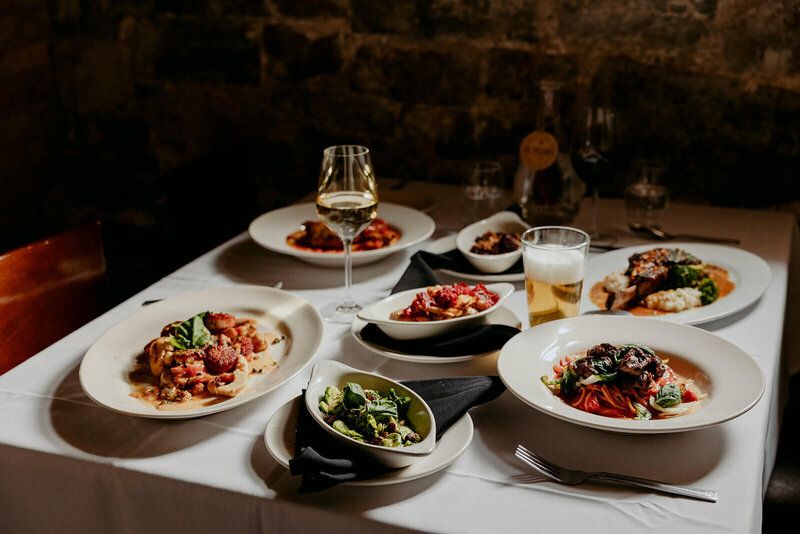
The list reads Italian first, then thoughtfully local, as if the Great Lakes and the Alps plan dinner together. Barbera and Nebbiolo hold court, but a lean Ligurian white sneaks in beside Lake Michigan riesling with a flinty wink.
The sommelier speaks plainly, no quiz, matching textures more than flavors.
With ragù, you are steered to a Barbera d’Asti that cuts like a clean line. With seafood, an Alto Adige white that smells of pears and cold stone.
The Traverse City riesling lands where acidity meets orchard, a precise counterpoint to buttered noodles. You notice pours are measured, not stingy, solving the problem of third-glass regret.
Statistics drift into view: Michigan’s wine industry supports thousands of jobs and lures travelers up the shoreline each season. What matters here is the fit, glass to plate.
You sip, take a bite, and the room seems to sharpen a stop. The pairing is not a trick.
It is a guided walk to the next door you are about to open.
Service That Knows When Not To Talk
Good service feels like choreography you never see. At Stella, it is a refill that appears the second you notice the glass is low, or a pause while you find the right word for what the sauce is doing.
Menus open to the page you want before you ask. Specials are described without theater, like directions offered on a quiet street.
A server clocks the left-handed diner and resets silver discreetly. Another swaps a wobbly table shim without the thud.
When you ask about the pasta flour, the answer is specific, then gone, because the plate in front of you is getting cold. There is pride here, but it is pointed at the guest, not the script.
Nearby, a couple lingers over amaretti and espresso. No one suggests speed.
The check lands only when you glance over twice. Hospitality like this does not raise its voice.
It just never makes you do the work it can do for you.
Local Sourcing Without the Lecture
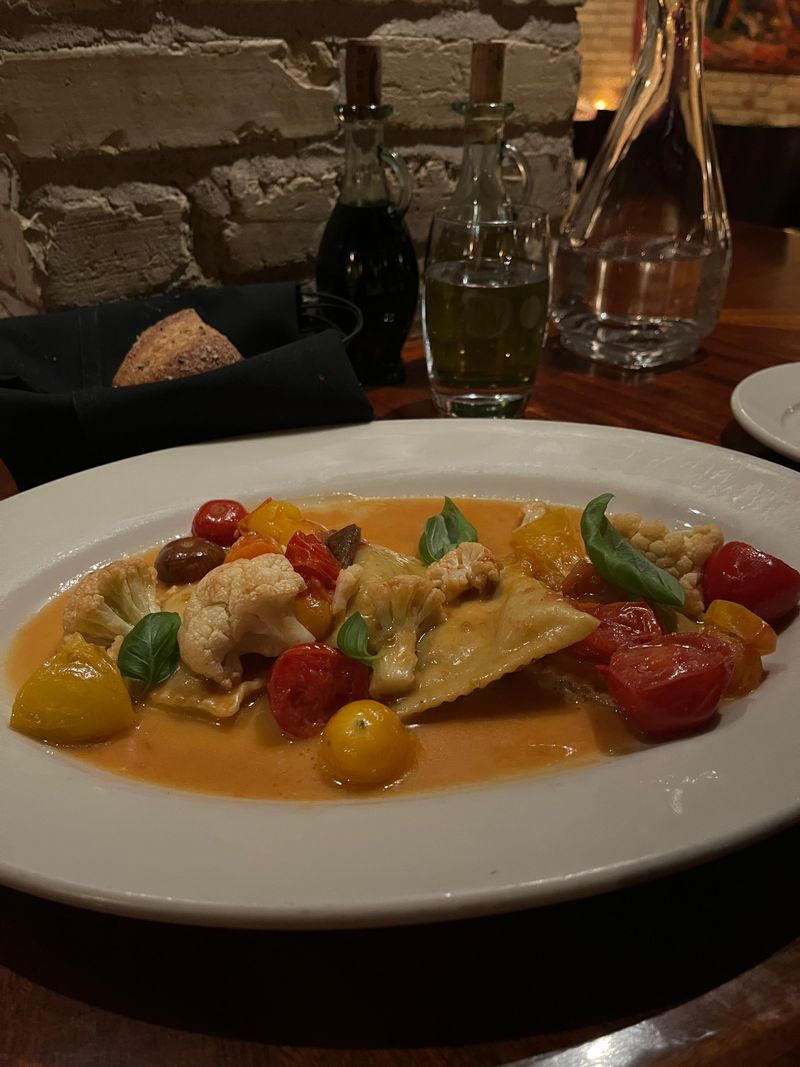
Farm-to-table is a phrase that can make eyes glaze, but here it reads like handwriting on the plate. Eggs taste denser, yolks more sunrise than sunset.
Herbs carry that minute-old perfume you only get from trimming them to order. The kitchen calls out farm names when you ask, not to score points, but because they like giving credit.
A late-summer menu swings toward corn and tomatoes. October leans into squash, sage, and roasted garlic that softens into sweetness.
Pasta shapes respond accordingly: fat noodles for braises, thin ribbons for seafood, ridges when a sauce needs grip. You can feel the decisions, not just see them.
Michigan’s agricultural output is second only to California in crop diversity east of the Mississippi, a fact the room does not announce, but the plates do. Local here is not a sermon.
It is texture, timing, and a line on the prep list that reads today, not tomorrow. You taste it in the margins, where the food gets its pulse.
Pasta Texture: The Chew That Explains Everything
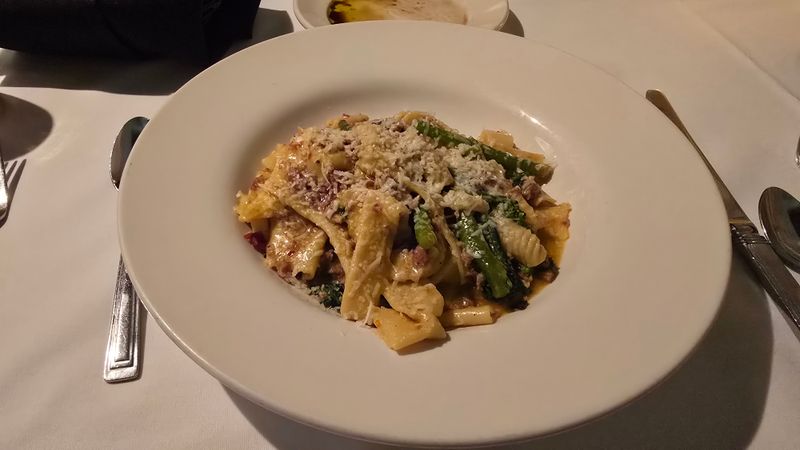
There is a single test for pasta that matters: does it fight back a little. At Stella, the answer is yes, every time.
Not crunchy, not limp, but that sweet place where gluten springs and releases. The chew slows you down, forcing a pace that lines up with conversation and the tempo of the room.
Texture changes with shape. Tagliatelle slips and folds.
Orecchiette catches sausage like coins in a fountain. Gnocchi are not clouds but comfortable pillows, seared to a faint crust that turns butter nutty.
Each shape behaves like it trained with its sauce for weeks.
When a plate passes, you can see the sheen of a correct emulsion, sauce and starch speaking the same language. No puddles, no break.
You taste confidence, not bravado. And by the second bite, you understand how a tiny bistro can rival larger names, even abroad.
Technique travels. Discipline is local.
Reservations, Timing, And Where To Sit
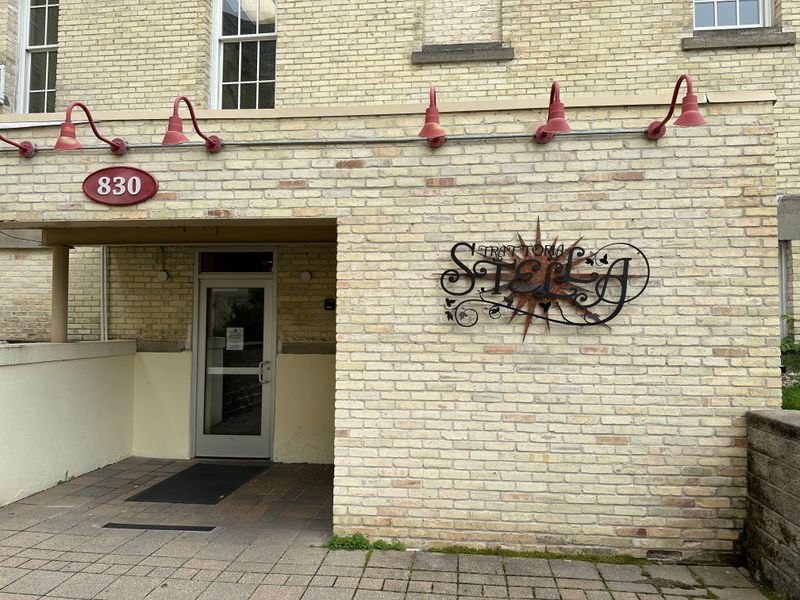
If you want the first wave calm, book the five o’clock and walk in two minutes early. The bar seats are quick to go, good for solo pasta and a glass while watching plates land.
Two tops near the arch get the best sightlines without traffic, especially on weekends when the hum becomes a chorus.
Closed at lunch, open evenings, so plan your day around a late afternoon coffee and a hunger you earn. Parking is easier on the south side of the campus, a short walk under old trees that still shade summer heat.
If a special sells out, it usually happens before seven thirty. Ask the host at the door for the short list.
For groups, communicate pacing. The kitchen will meet you where you are, but pasta waits for no one.
If you are marking a date or a celebration, say so quietly. This room rewards intention.
You will feel it when the first plate lands and the table shifts toward stillness.



