 Unearth The Voyage
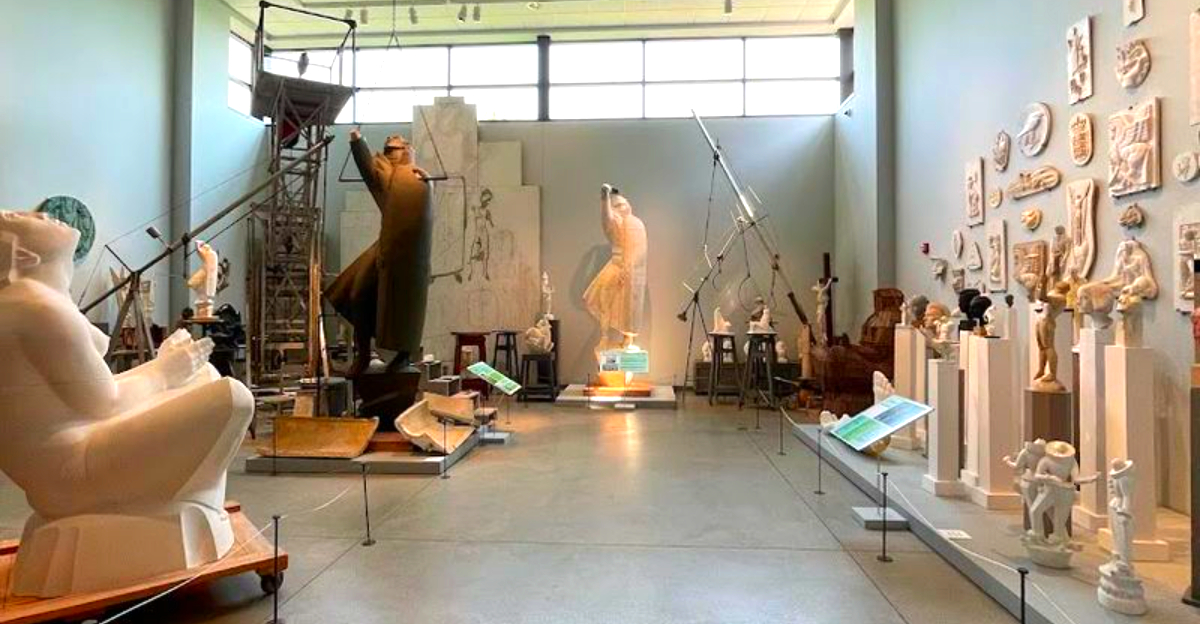
There is a place in Michigan where art does not stay locked behind glass or confined to a single room. It spills outside, stretches across a garden, and even follows you home through a public art pass that points you toward sculptures scattered across the region.
The museum I am talking about sits on a university campus, costs nothing to enter, and holds more than 2,000 works by one of America’s most beloved public sculptors. I had no idea how many of his pieces I had already seen throughout my life until I walked through those doors and started connecting the dots, and that feeling alone made the whole trip worth it.
Finding the Museum on Campus
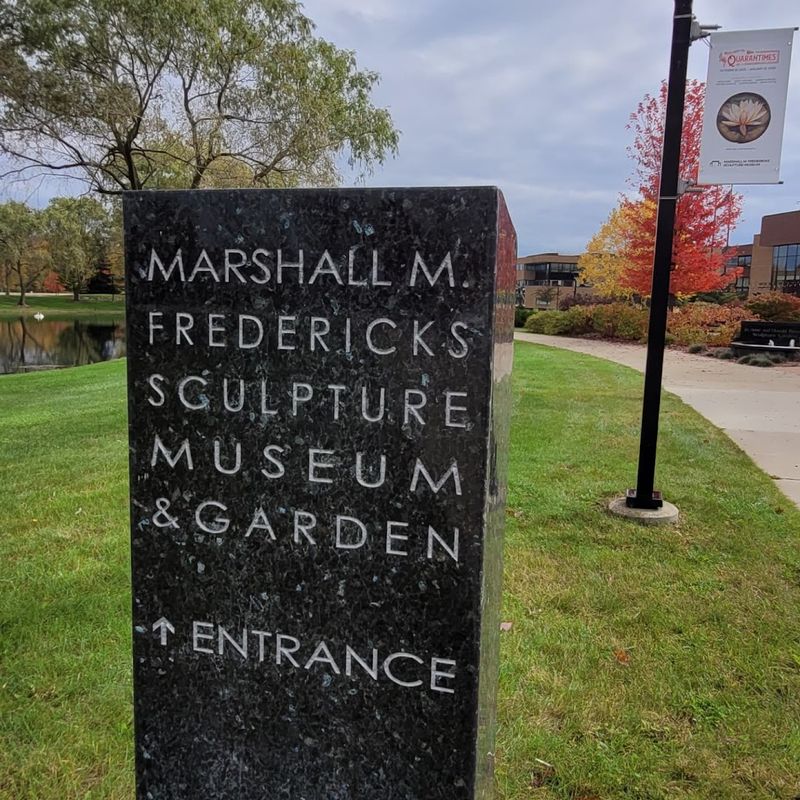
The Marshall M Fredericks Sculpture Museum sits at 7400 Bay Rd, University Center, MI 48710, right on the campus of Saginaw Valley State University. University Center is a small community in Michigan’s Great Lakes Bay Region, tucked between Saginaw and Bay City, and the campus itself has a clean, open feel that makes finding the museum pretty straightforward.
Parking is available near the building, though it can be limited on busier days, so arriving a little early is a smart move. The museum is open Tuesday through Saturday from 11 AM to 5 PM and is closed on Sundays.
You can reach the staff at 989-964-7125 or visit marshallfredericks.org before your trip to check for any special events or updated hours.
The building blends into the campus landscape without being flashy, but the sculpture garden near the entrance gives you an immediate preview of what is waiting inside. That first glimpse of large-scale white sculptures against the Michigan sky sets the tone for everything that follows.
The Story Behind the Sculptor
Not every artist gets a museum dedicated entirely to their life’s work, and Marshall M Fredericks earned that honor in a way that feels completely natural once you learn his story. He was a Detroit-based public sculptor whose career spanned decades and whose work ended up in cities, malls, parks, and public spaces across the United States and around the world.
Fredericks studied under the legendary Carl Milles and developed a style rooted in optimism, humanity, and a deep respect for the natural world. His sculptures often feature figures reaching upward, animals interacting with people, and a sense of joyful movement frozen in time.
The museum does an excellent job of tracing his journey from early student work to major commissioned pieces.
Reading the short stories posted beside each sculpture adds real depth to the visit. Many people walk in not knowing his name and walk out realizing they have admired his work for years without ever knowing who created it, which is a quietly powerful experience.
The Main Gallery and Its Breathtaking Scale
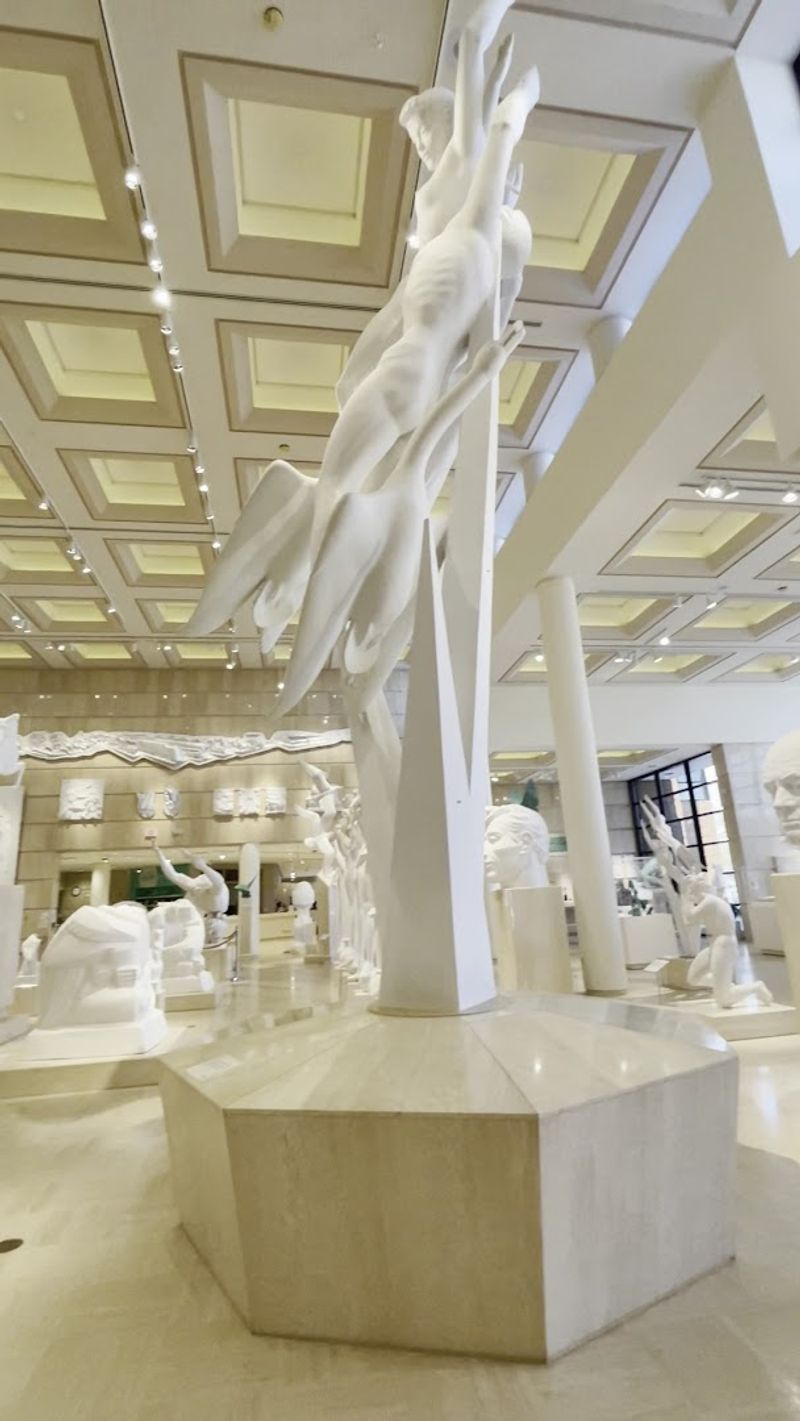
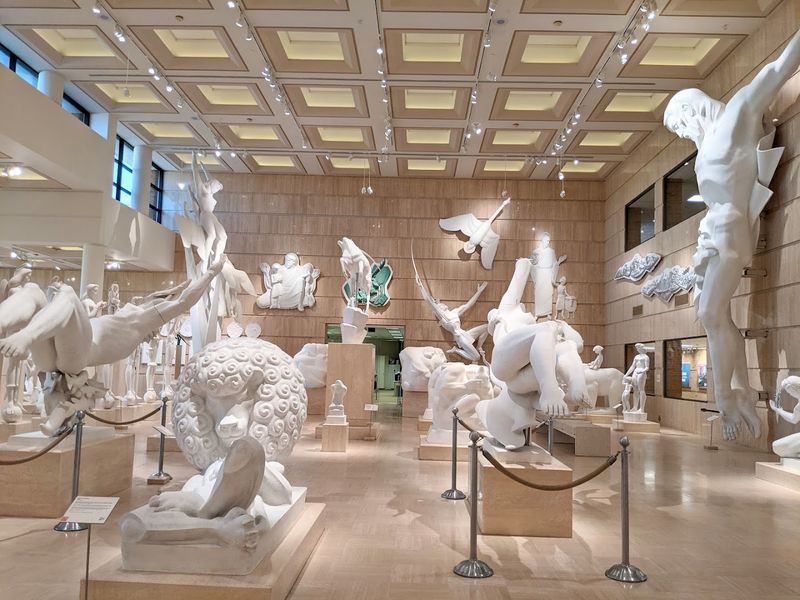
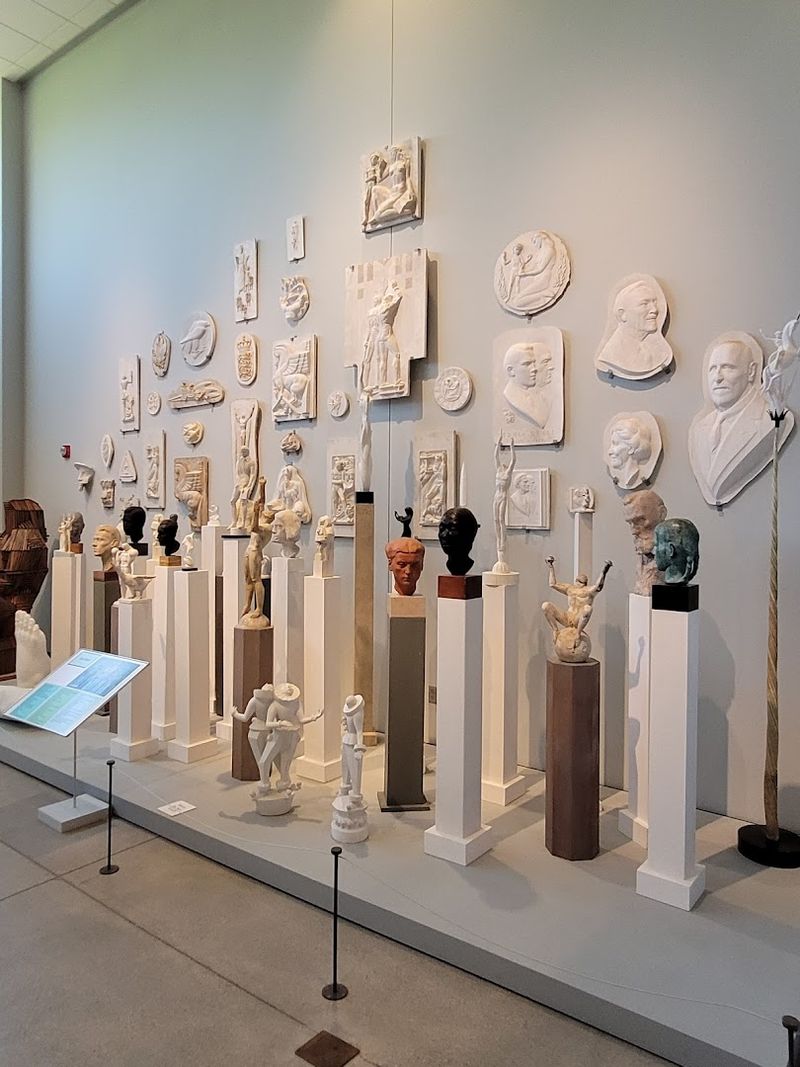
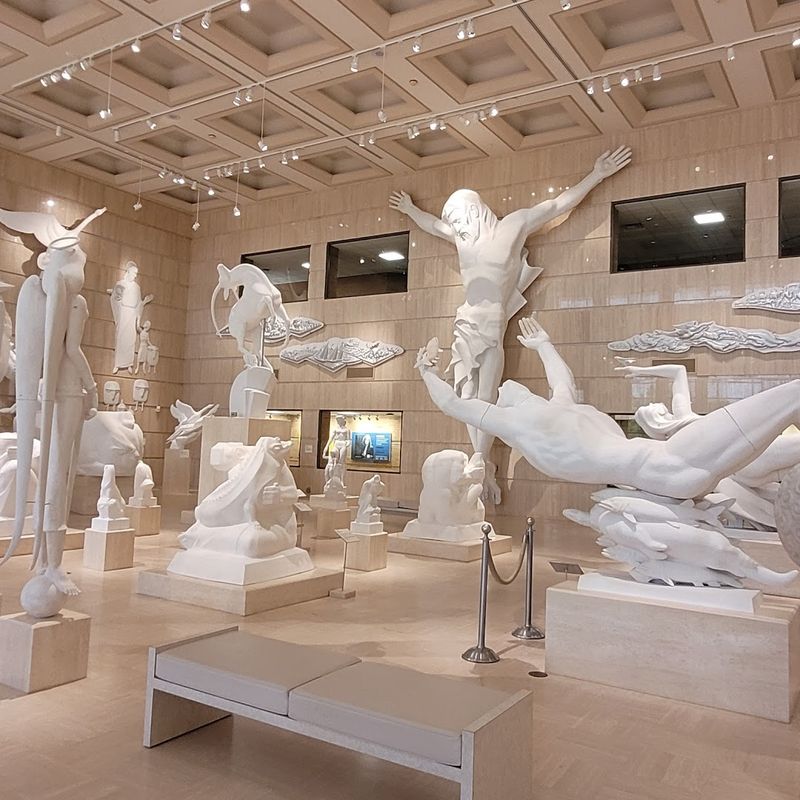
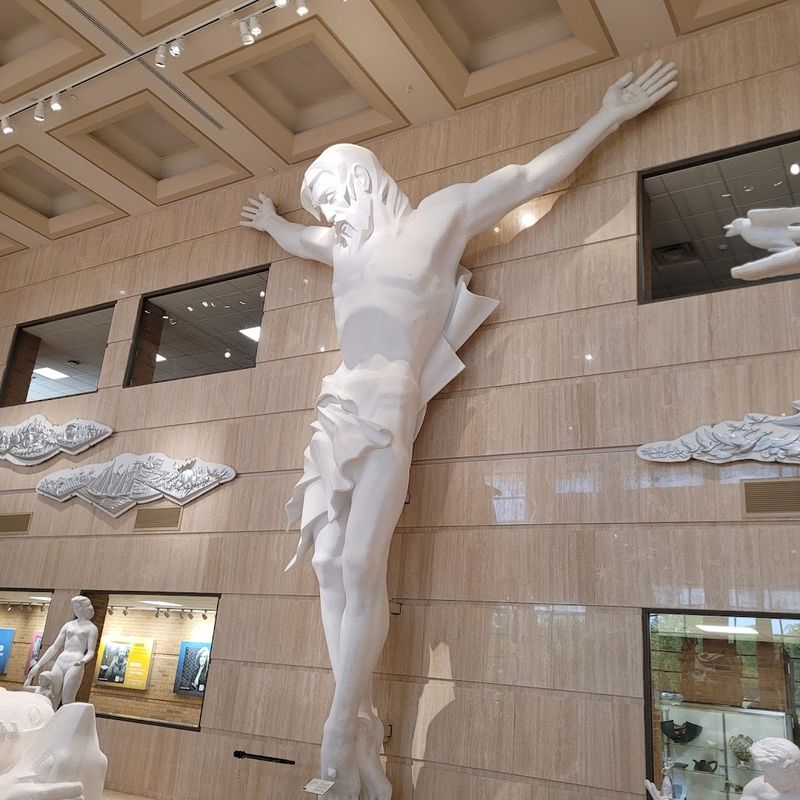
The main gallery is the kind of room that stops you in your tracks the moment you cross the threshold. It is a wide, bright, open space filled with large white plaster sculptures arranged so that you can walk around each one and take in every angle.
The sheer size of some pieces is genuinely jaw-dropping, especially knowing that many of them are the original models used to create the finished bronze or stone works installed in public spaces.
Because so many sculptures are displayed together, you get a clear sense of Fredericks’ consistent style. His figures have a warmth and an upward energy that is hard to describe but easy to feel when you are standing among dozens of them at once.
The all-white palette of the plaster models gives the room a unified, almost dreamlike quality.
Plan to spend at least an hour here, because rushing through would mean missing the small details, the texture of a hand, the tilt of a head, the curve of a wing, that make each piece feel alive.
Recognizing Familiar Faces in the Collection
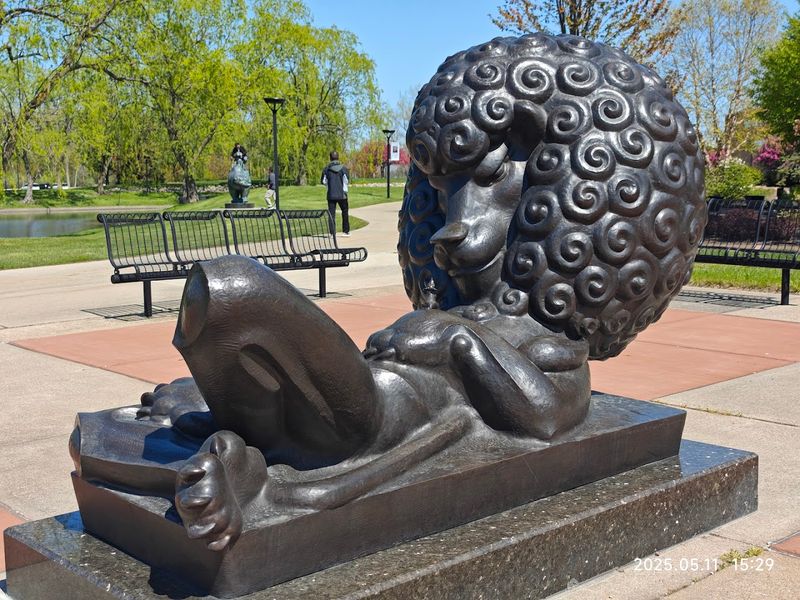
One of the most surprising moments during my visit came when I recognized sculptures I had seen before without ever knowing who made them. The Boy and the Bear is probably the most famous example, a charming piece that once stood at Northland Mall in Michigan and sparked real nostalgia for visitors who grew up taking photos with it as kids.
The museum holds more than 2,000 works in its collection, and while not all of them are on display at once, the selection rotates and covers a wide range of subjects, from heroic figures and religious imagery to playful animals and portrait busts. Some pieces were commissioned for famous locations, and the wall labels explain exactly where the finished versions ended up.
That sense of recognition, realizing you have walked past a Fredericks sculpture in a park or public plaza without knowing it, turns the museum visit into something more personal than a typical art tour. It connects the collection to your own memories in a way that few museums manage to pull off.
The Reproduction of Fredericks’ Royal Oak Studio
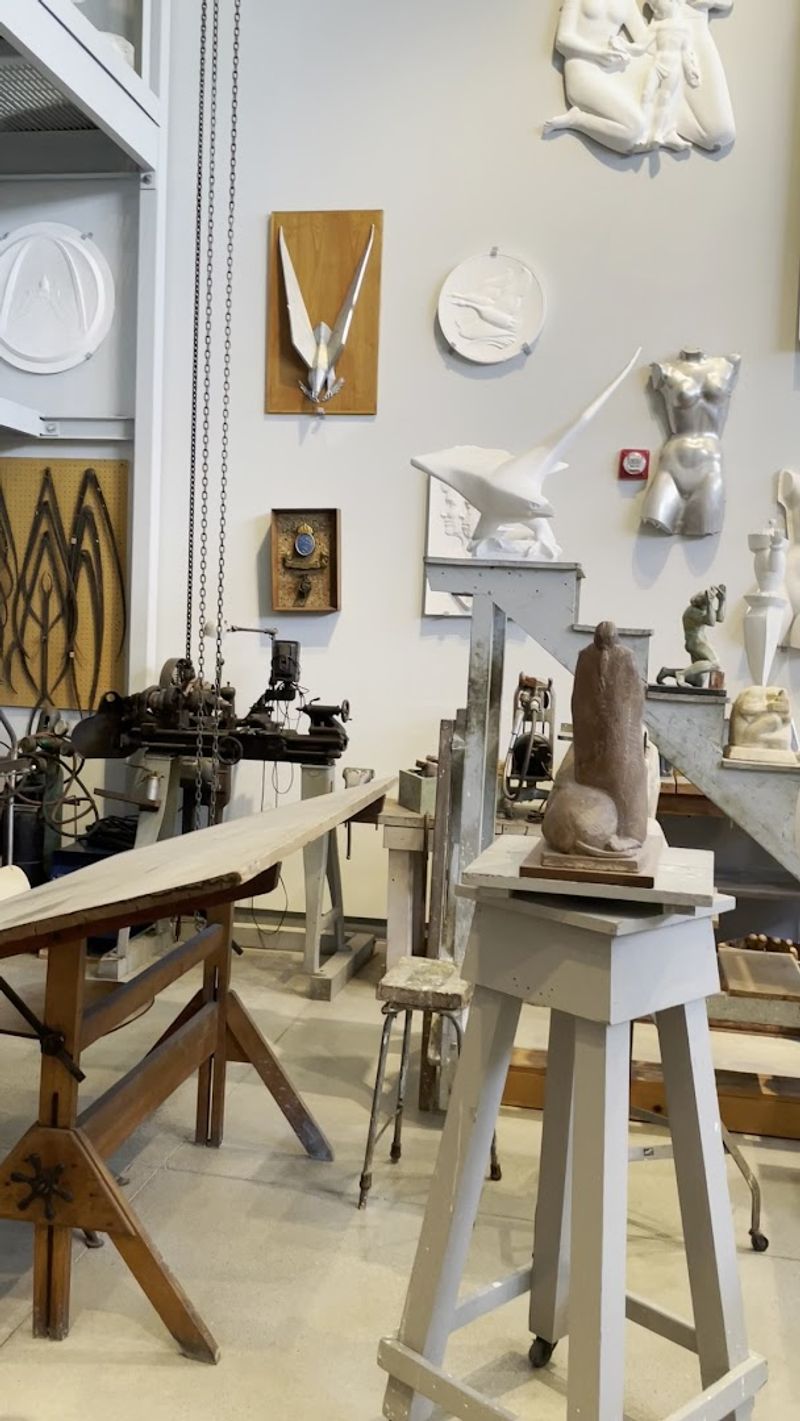
Art museums often show you the finished product but leave the creative process a mystery. The Marshall M Fredericks Sculpture Museum solves that problem with a reproduction of his Royal Oak studio, and it is genuinely one of the most fascinating parts of the entire visit.
Tools, sketches, personal items, and small working models are arranged just as they would have been in his actual workspace.
Seeing the tools he used to shape clay and plaster makes the large finished sculptures feel even more impressive. You start to understand the physical effort and patience involved in creating works at that scale.
The studio reproduction also gives the museum a warm, lived-in quality that balances nicely against the more formal gallery space.
Visitors who drive in specifically to see this room often say it was the highlight of their trip, and it is easy to understand why. There is something deeply satisfying about getting a window into how an artist actually worked day to day, surrounded by the materials and objects that fueled a lifetime of creativity.
The Sculpture Garden Outside
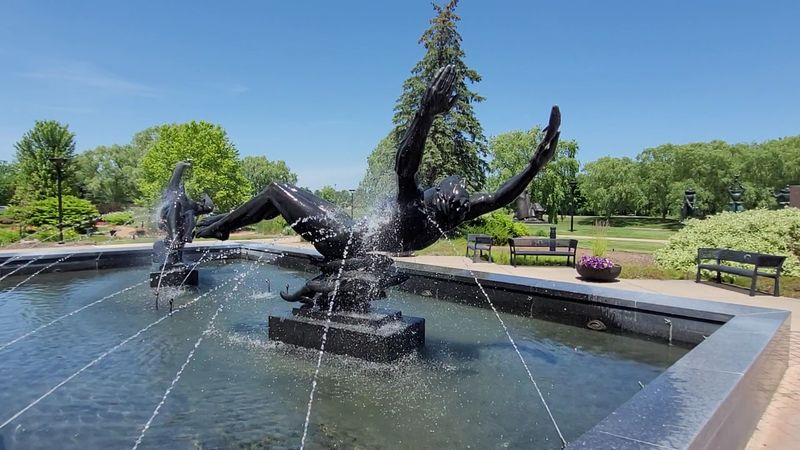
Before you even step inside, the outdoor sculpture garden gives you a reason to slow down and look around. Several of Fredericks’ works are installed across the grounds near the museum entrance, and the open-air setting lets you appreciate their scale in a completely different way than the indoor gallery does.
Natural light, sky, and the surrounding campus landscape all become part of the viewing experience.
The water feature in the garden area is a particular draw for younger visitors. Kids are naturally pulled toward it, and the sculptures nearby make for great photo opportunities.
Bringing an extra layer or a change of clothes for little ones is genuinely useful advice, because the water area has a magnetic effect on children.
Even on a quiet weekday, the garden has a peaceful, unhurried atmosphere that makes it easy to linger. The combination of public art and natural surroundings feels intentional rather than accidental, and it reflects Fredericks’ own belief that art should be accessible to everyone, not just those who seek it out in formal settings.
Rotating Temporary Exhibitions
The museum is not a one-and-done destination, and the rotating temporary exhibitions are a big reason why. Two dedicated gallery spaces host changing shows every few months, featuring work by local and regional artists alongside occasional thematic exhibitions that complement the permanent collection.
These galleries keep the museum feeling fresh no matter how many times you visit.
The variety in these shows is worth noting. You might find contemporary sculpture alongside traditional painting, or a focused exhibition spotlighting a single local artist’s body of work.
The curatorial choices tend to be thoughtful, drawing connections between the visiting work and Fredericks’ own artistic values without forcing the comparison.
Regular visitors to the area have made a habit of checking the museum’s website or calling ahead to see what is currently on display. The temporary galleries also provide a platform for emerging Michigan artists to reach a wider audience, which gives the museum a community-oriented energy that extends well beyond its role as a monument to one sculptor’s legacy.
A Workroom That Shows the Process
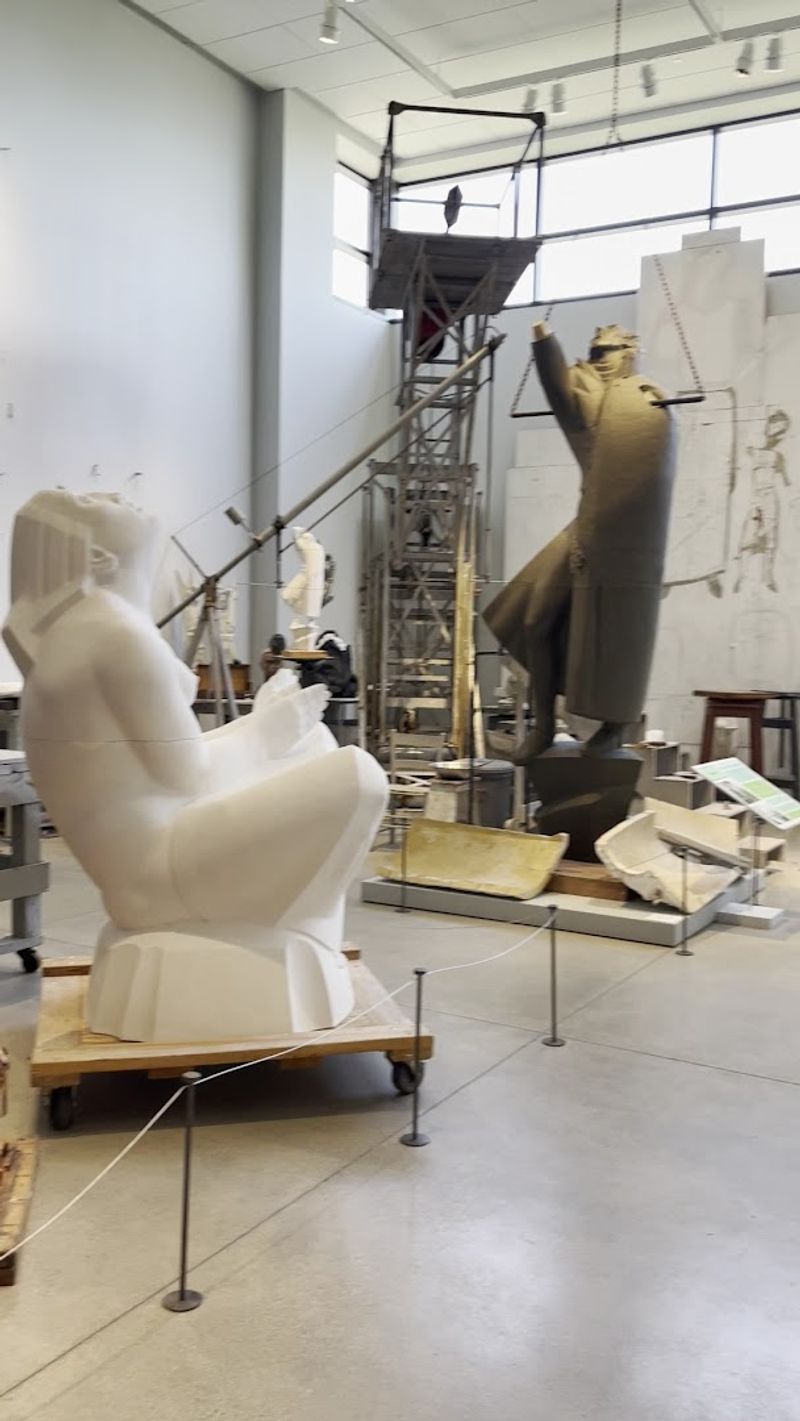
Most people think of finished sculptures as objects that arrived fully formed, but the workroom at this museum pulls back the curtain on the entire process. It shows visitors how large-scale sculptures are actually constructed, from the initial small models through the enlargement process and into the final casting stages.
For anyone curious about the technical side of art, this room is a revelation.
The display is educational without being dry or overly technical. Labels and visual aids explain each stage clearly, and the physical examples on hand make the information concrete rather than abstract.
Children especially tend to find this section engaging because it answers the natural question of how something so massive gets made.
Understanding the process also deepens your appreciation for every other piece in the museum. After seeing how much labor and precision goes into a single sculpture, you look at the main gallery differently.
Each white plaster form stops being just a pretty object and becomes evidence of hundreds of hours of skilled, focused work by a dedicated artist who cared deeply about his craft.
Free Admission and What That Really Means
Free admission is not something to gloss over, because this museum genuinely delivers an experience that most paid institutions would be proud to offer. There is no entry fee, no suggested donation pressure, and no tiered ticket system.
You simply walk in and start exploring, which makes the whole visit feel immediately relaxed and welcoming.
The free model also means this is an ideal destination for families, students, school groups, and anyone who wants to spend a meaningful afternoon without worrying about the cost. The gift shop is available for those who want to take something home, and it carries smaller casts of some of Fredericks’ most iconic works, which are priced on the higher end but represent genuine collectibles for art lovers.
Free parking is also available on site, which removes another common friction point for museum visits. The combination of no admission fee, free parking, and a high-quality collection makes this one of the most accessible and rewarding cultural stops in Michigan’s Great Lakes Bay Region, full stop.
Accessibility and Visitor Comfort
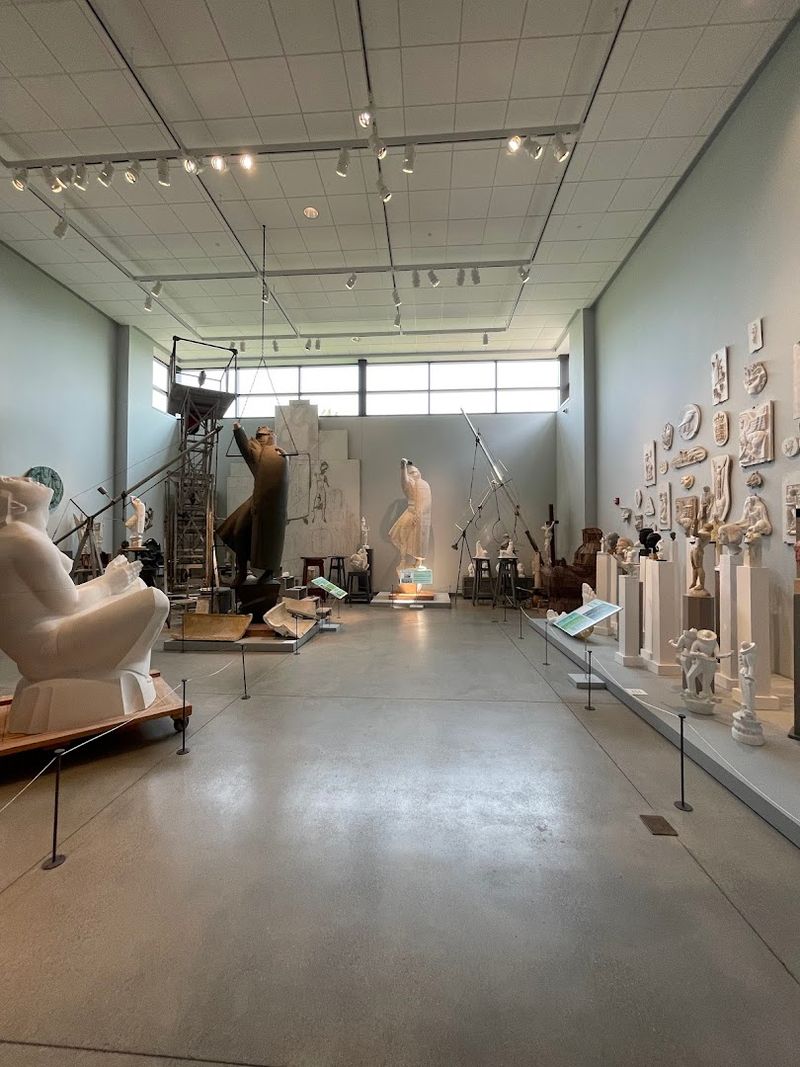
The museum is fully wheelchair accessible, which is worth highlighting because not every cultural institution gets this right. Wide pathways between sculptures, accessible restrooms, and a layout that does not require navigating stairs make the space comfortable for visitors with mobility needs.
The front desk staff are also noted for being helpful and approachable, ready to answer questions or provide context about the collection.
The Public Art Pass and the Broader Region
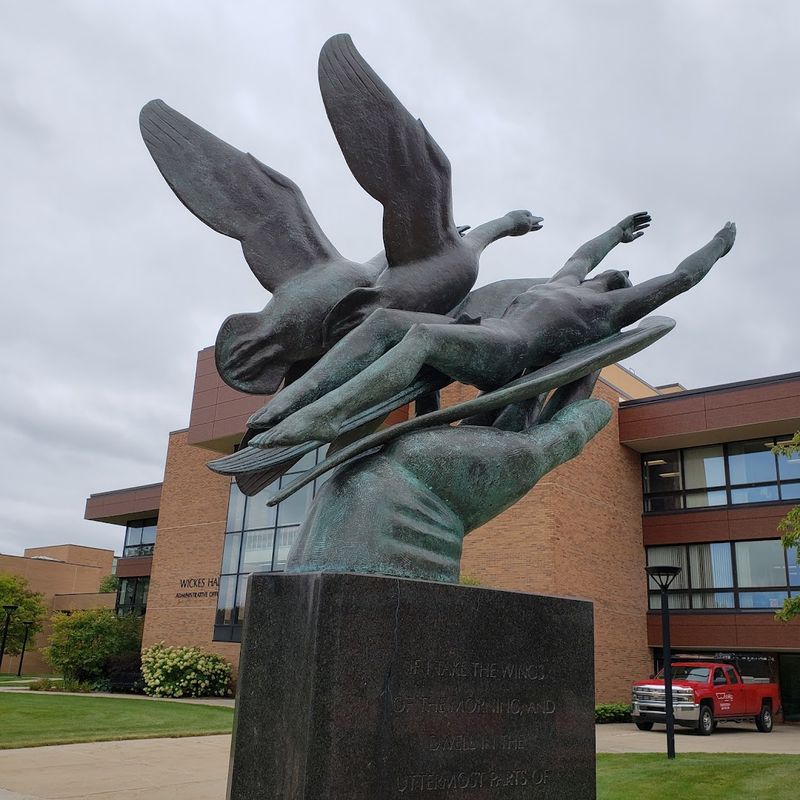
One of the most distinctive features of the Marshall M Fredericks Sculpture Museum is something you can carry out the door with you. The museum participates in a public art pass program that directs visitors to publicly displayed art throughout the Great Lakes Bay Region, all of it free to view.
It is essentially a self-guided tour of Fredericks’ work and other public art installed in parks, plazas, and civic spaces across the area.
This program transforms the museum from a single destination into a starting point for a much larger adventure. You might find yourself driving to a nearby city to see a bronze figure you spotted in a brochure, or discovering a park you never knew existed because a sculpture was installed there decades ago.
The connections between the museum and the wider community feel organic rather than forced.
For visitors who enjoy combining art with exploration, the public art pass is genuinely exciting. It rewards curiosity and encourages people to look more closely at their surroundings, which is exactly the kind of impact Fredericks himself seemed to hope his work would have on everyday public life.
Why This Place Stays With You
Some museums are impressive in the moment and forgotten by the time you reach the parking lot. The Marshall M Fredericks Sculpture Museum is the other kind.
It has a way of settling into your memory and resurfacing later, especially when you spot one of his sculptures in a city you are visiting or see a photo of a public plaza where one of his pieces stands.
The combination of a focused collection, an intimate scale, a free admission policy, and the studio reproduction creates an experience that feels personal rather than institutional. You leave knowing something real about a specific artist, his process, his values, and his remarkable reach across American public life.
The museum earns its 4.8-star rating not through spectacle or novelty but through consistency, care, and a genuine commitment to sharing one sculptor’s extraordinary legacy with anyone willing to make the drive. Whether you are a lifelong art enthusiast or someone who wandered in out of curiosity, the Marshall M Fredericks Sculpture Museum has a quiet confidence that makes it one of Michigan’s most rewarding cultural stops.



