 Unearth The Voyage
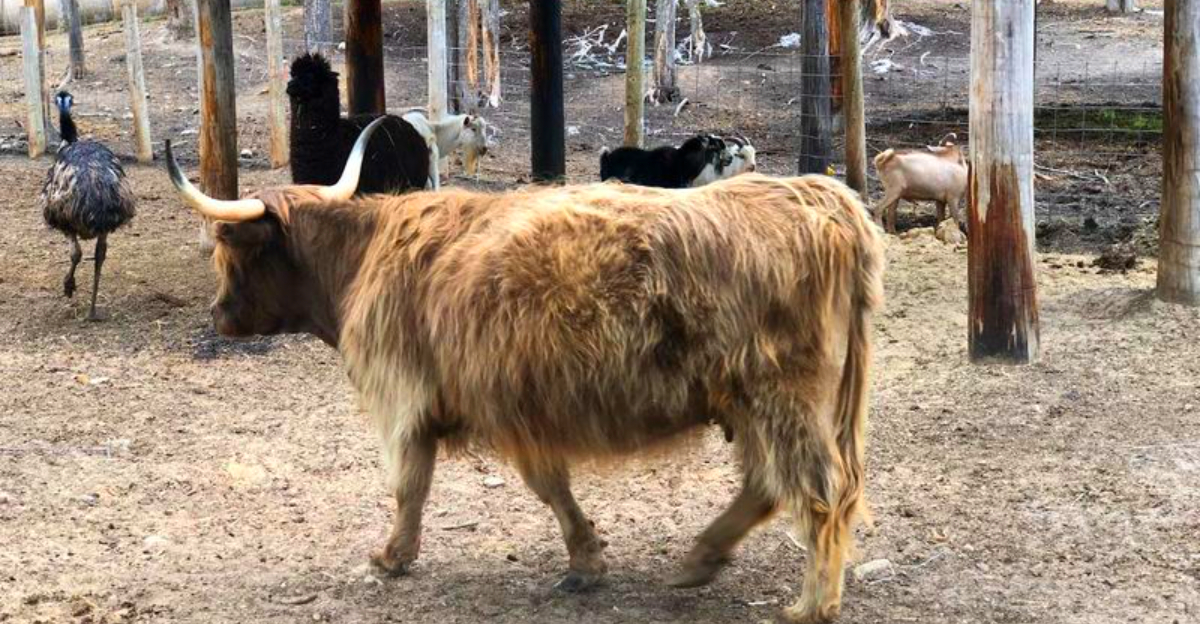
Some animal attractions keep you behind railings and at a polite distance, but this one surprised me by making the whole visit feel personal, close, and wonderfully unpredictable. I showed up expecting a small roadside stop and ended up finding wooded paths, unusually interactive encounters, and the kind of hands-on moments that stick in your head long after you leave.
The real twist is that the charm here is not polished spectacle, but how much you can actually learn, feed, and experience at ground level. Keep reading and I will show you where this place is, what makes it different from a big city zoo, when to go, and which details can turn a good visit into a seriously memorable Michigan day.
The Address That Starts the Adventure

The surprise begins at DeYoung Family Zoo, N5406 Co Rd 577, Wallace, MI 49893, in the United States, where the wooded setting immediately tells you this will not feel like a massive city attraction. I liked that the place sits in a quieter stretch of Michigan, because the drive in builds a little suspense before the animals ever appear.
Even the first few minutes gave me that pleasant feeling that I had stumbled onto something people remember for years.
Once I got through the entrance, the family-run personality became obvious in the best way. This is a zoo in Wallace, Michigan that leans into education, natural habitats, and direct interaction instead of flashy distractions, so I never felt like I was being rushed past the good parts.
That balance of rustic setting and active animal experiences sets the tone for everything that follows, and it only gets more interesting once the feeding buckets come into play.
Why It Feels Different From Bigger Zoos
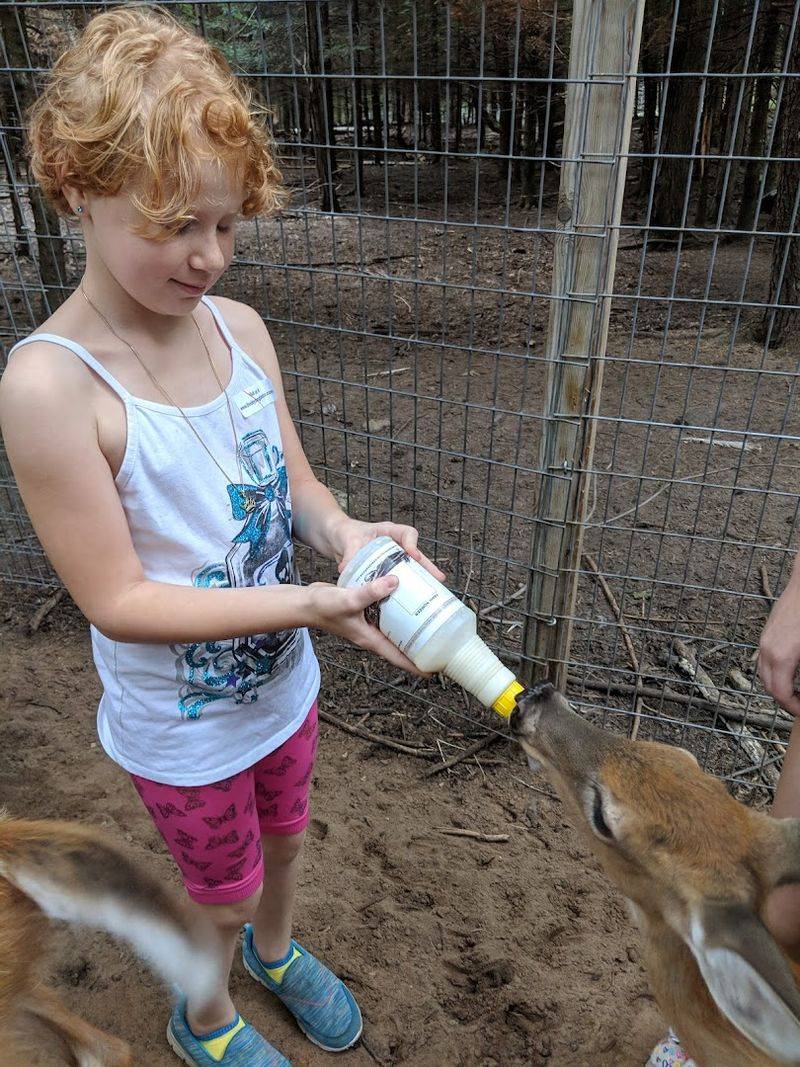
Big zoos can be impressive, but this place won me over with access instead of scale. I never had the feeling that I was spending the whole day squinting at distant animals through layers of fencing, because the layout and programming keep you engaged up close.
That change alone made the visit feel more active and less like a slow march between signs.
What stood out most was how often staff created moments for people to learn and interact, rather than simply observe and move on. The experience felt intentionally personal, with animal talks, feedings, and chances to get nearer than you usually can at larger institutions, all while keeping the educational side front and center.
I came away thinking this zoo understands something important: memorable travel is not always about size, and the next part of the visit proves that with one of its most crowd-pleasing features.
Feed Buckets, Lettuce, and Instant Joy
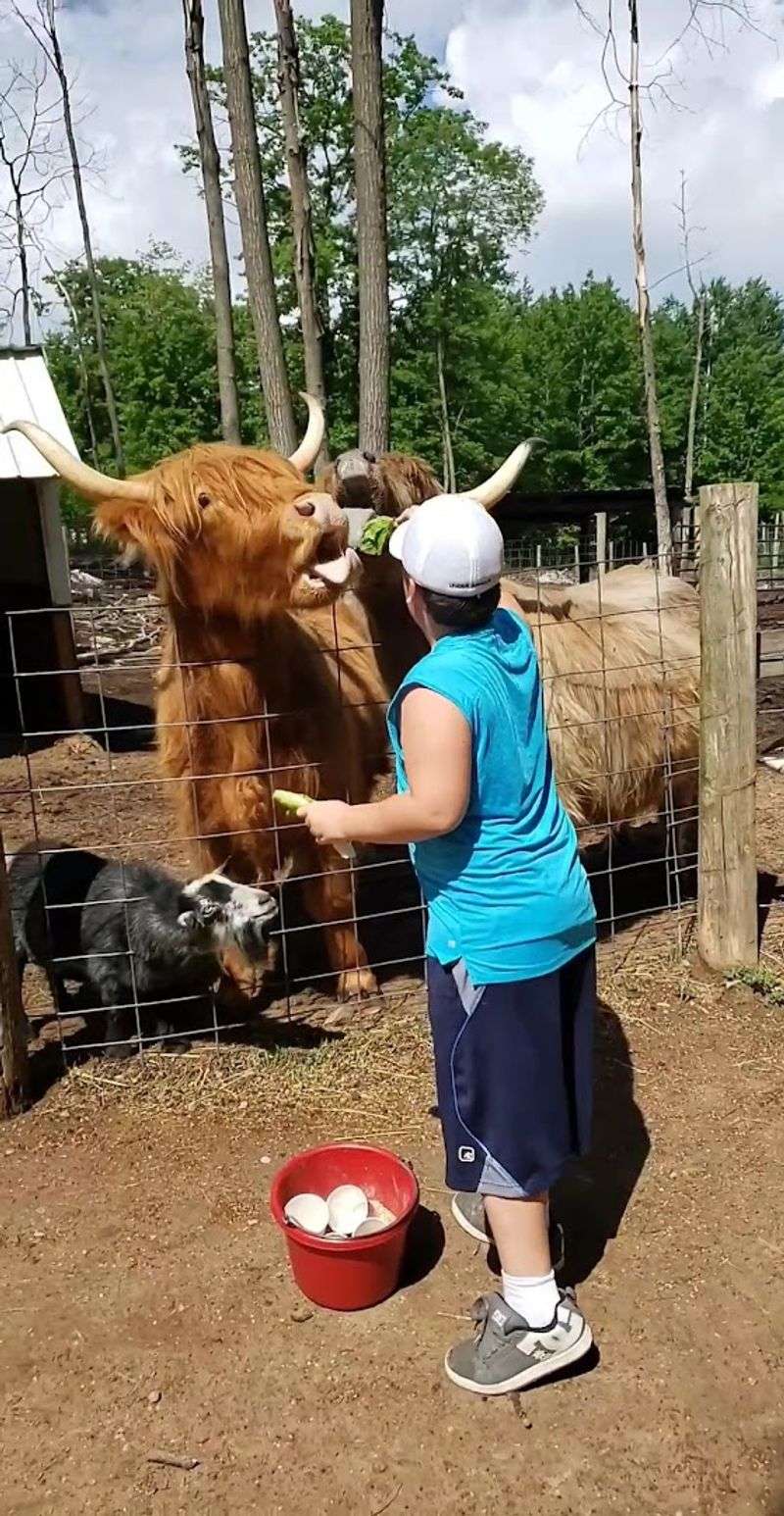
No fancy technology was needed to make me grin here, because a simple feed bucket did the job. Buying food for the animals turns the visit into a running game of who might wander over next, and it adds a playful rhythm to the walk that keeps kids and adults equally invested.
I liked having a purpose at each habitat instead of just drifting past and reading a plaque.
The feeding opportunities are part of what gives DeYoung Family Zoo its reputation for being unusually hands-on. Depending on the day and the animals involved, visitors can offer approved foods to several species, and that direct interaction makes every path feel like it might hold a little surprise around the corner.
It is practical, entertaining, and surprisingly educational at the same time, because you start noticing behavior, preferences, and personalities instead of just checking animals off a list, and one especially famous resident tends to steal the next scene.
The Wallace the Hippo Moment
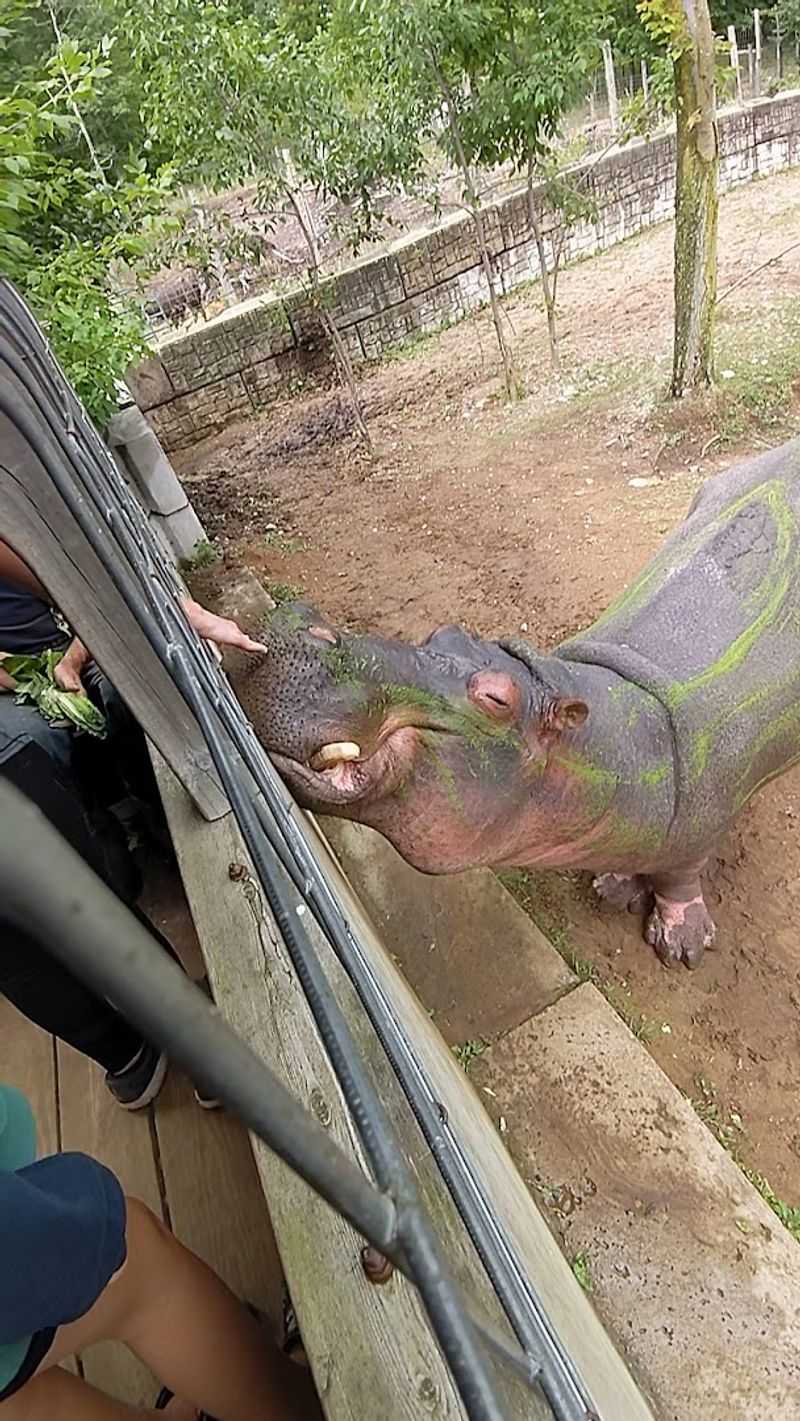
Every zoo has an animal people talk about on the drive home, and here the hippo usually wins the popularity contest. Seeing Wallace the hippo up close adds a real wow factor to a place that already feels personal, and I understood immediately why so many visitors build their day around catching that encounter.
Few experiences cut through adult composure faster than realizing you are suddenly discussing hippo whiskers with complete seriousness.
What impressed me was that the excitement was paired with information, not just spectacle. Staff presentations help explain the animal’s habits and behavior, and that made the moment feel richer than a quick photo opportunity.
The encounter also captures the whole personality of the zoo: curious, welcoming, and just unusual enough to make you text someone afterward with a message that sounds slightly made up, which is perfect because the surrounding habitats keep that same energy going in a very different, more wooded direction.
A Wooded Setting With Real Personality
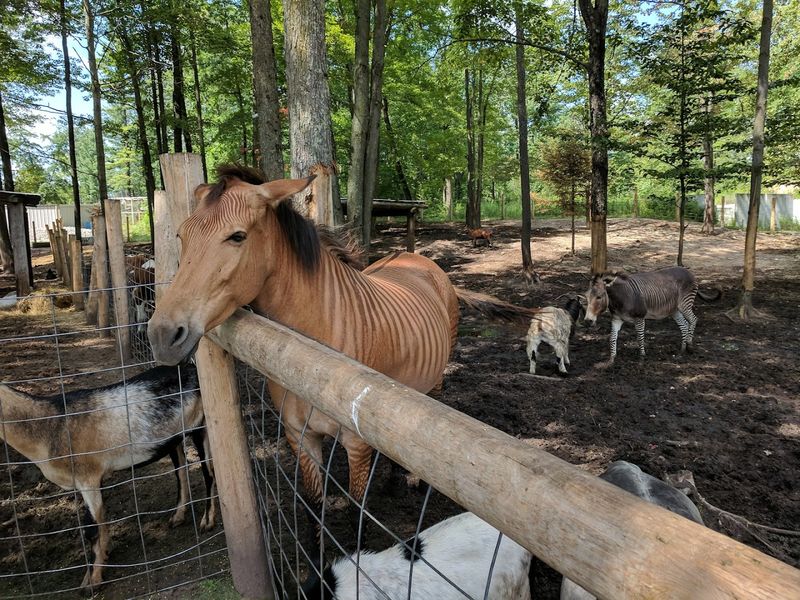
Instead of polished pavement and nonstop concrete, this zoo gives you trees, dirt paths, and a setting that feels tucked into the landscape. I appreciated that the property does not fight its surroundings, because the wooded atmosphere makes the experience feel calmer and a little more adventurous without turning it into a wilderness obstacle course.
On a good day, the natural backdrop is half the charm.
That said, the terrain is part of the real-world planning here. Uneven ground, gentle hills, heat, and bugs can all shape your visit, so comfortable shoes and a little preparation go a long way if you want to enjoy the place at a relaxed pace.
I found that the rustic setup matched the zoo’s family-run identity perfectly, but it also rewards visitors who come ready for an outdoor day rather than a climate-controlled stroll, and that practical difference becomes even more important when you time your visit around the daily activity schedule.
The Best Time to Arrive

Timing matters here more than at many places I have visited, because the liveliest parts of the day are tied to feedings, talks, and interactive sessions. Arriving early gives you a better shot at seeing animals active, catching scheduled presentations, and avoiding the feeling that you are forever one habitat behind the action.
I learned quickly that this is not the kind of attraction where rolling in late guarantees the same experience.
Michigan summer heat can make both people and animals less energetic by midday, and several visitors have noted that the earlier window tends to be more rewarding. That lined up with what I noticed, especially in a setting with natural shade but plenty of outdoor exposure.
Checking current hours before you go is smart, but so is building in enough time to move slowly, pause often, and follow the schedule rather than race it, because the zoo’s strongest moments usually happen when you let the day unfold instead of trying to outsmart it.
Shows and Encounters That Keep You Scrolling Forward
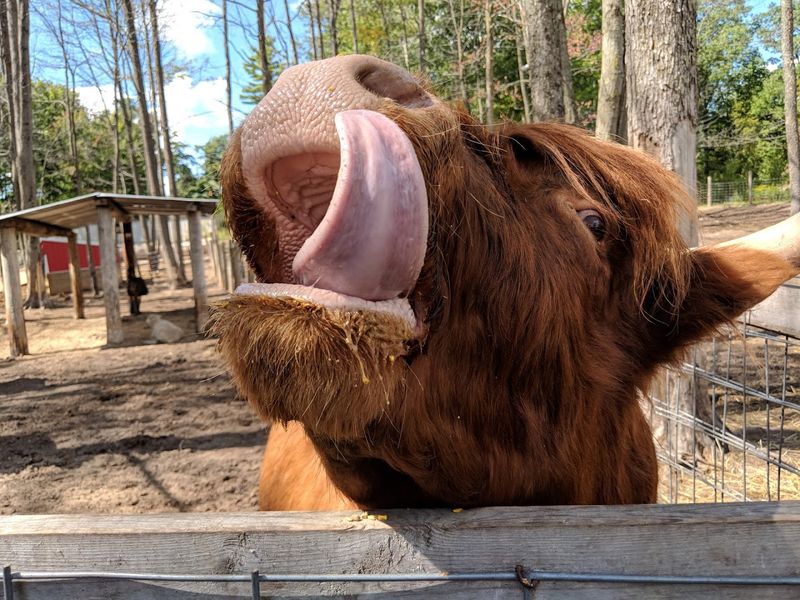
One thing I did not expect was how much the day would feel like a sequence of mini discoveries instead of one continuous loop. Staff-led talks and encounter moments pop up through the visit, and they give the zoo a built-in sense of momentum that keeps you curious about what is happening next.
It is the travel equivalent of saying, just one more stop, and actually meaning it.
That structure works especially well for families, because there is usually another interesting moment waiting beyond the next path. Depending on the day, visitors may get close to smaller animals during educational sessions, and the presentations lean practical and friendly rather than overly rehearsed.
I liked that the information felt accessible without being watered down, which made it easier to stay engaged even after several habitats in a row, and the only trick is balancing those scheduled highlights with enough free time to enjoy the zoo at your own pace.
The Staff Make the Place Work
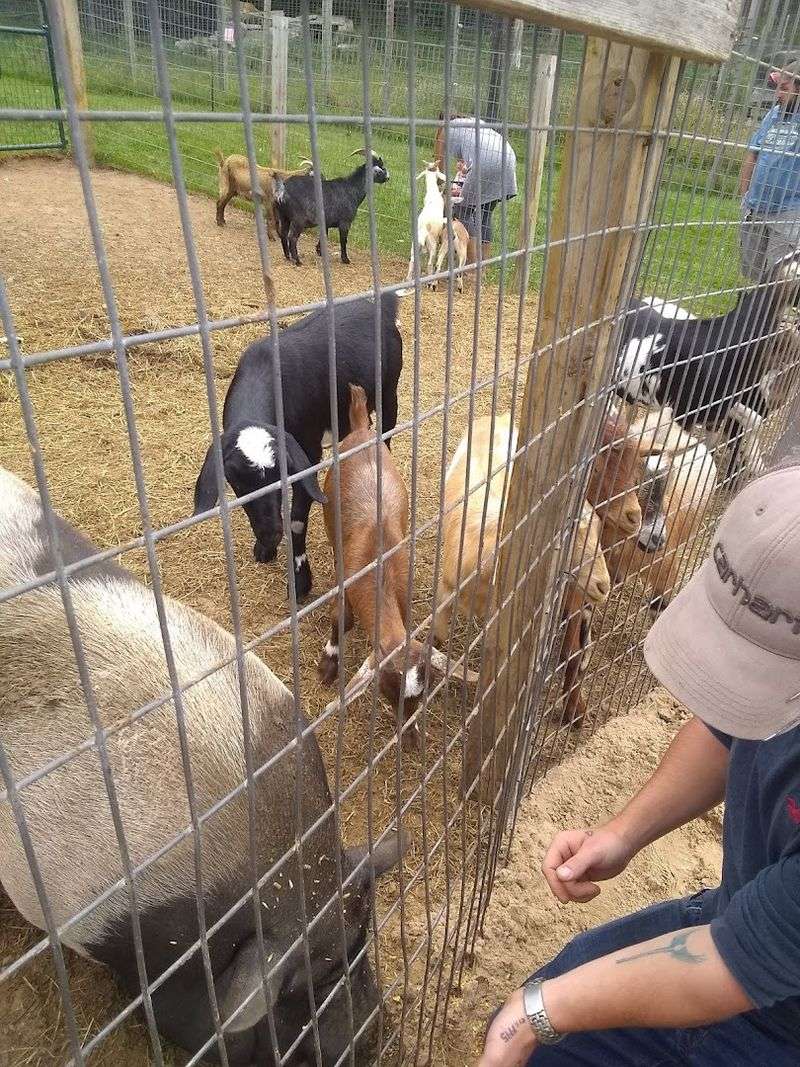
Some attractions run on infrastructure, but this one clearly runs on people who care about what they are doing. Throughout my visit, the conversations with staff added context, warmth, and just enough humor to keep the day from feeling scripted.
That matters in a family-run place, because visitors notice quickly when hospitality feels real and when it does not.
At DeYoung Family Zoo, the strongest impressions often come from those small exchanges during feedings, questions, and informal animal talks. The team’s knowledge helps turn a close encounter into something memorable, and their approachable style fits the relaxed setting better than a polished lecture ever could.
Like any busy attraction, the pace can get hectic and not every moment lands perfectly for every visitor, but the overall sense I got was of people who are deeply invested in the animals and in helping guests connect with them, which makes the next practical details worth paying attention to.
What Families Should Know Before Going
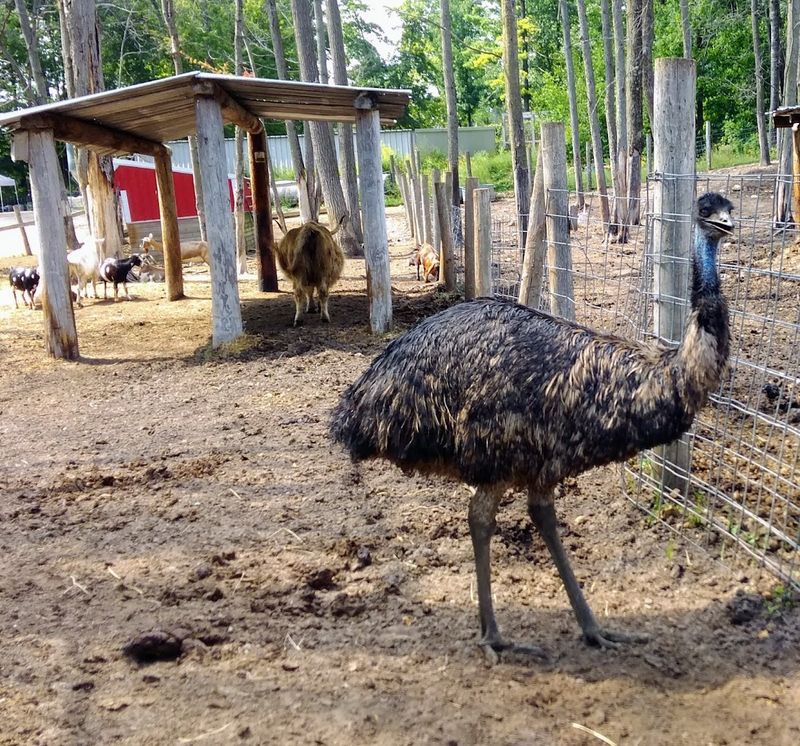
A little preparation makes a big difference here, especially for families with younger kids. The zoo is outdoor, rustic, and more physically varied than a compact paved attraction, so I would not show up expecting endless benches, perfectly flat paths, or a quick one-hour loop with no effort required.
Bringing water, comfortable shoes, and a stroller or wagon for small children can be the difference between cheerful exploring and the kind of meltdown that nobody wants as a souvenir.
Heat and bugs are common themes in visitor experiences, and both are easy to manage if you plan ahead. I would also build in snack expectations before arriving, because on-site food options have been limited at times and the focus here is clearly the animals rather than a full-service day campus.
That practical side does not lessen the appeal at all, but it helps to know that the magic here comes from interaction, curiosity, and time outdoors, not polished convenience, which is exactly why the animal variety can feel even more surprising once you start rounding corners.
The Animal Mix Keeps the Walk Interesting
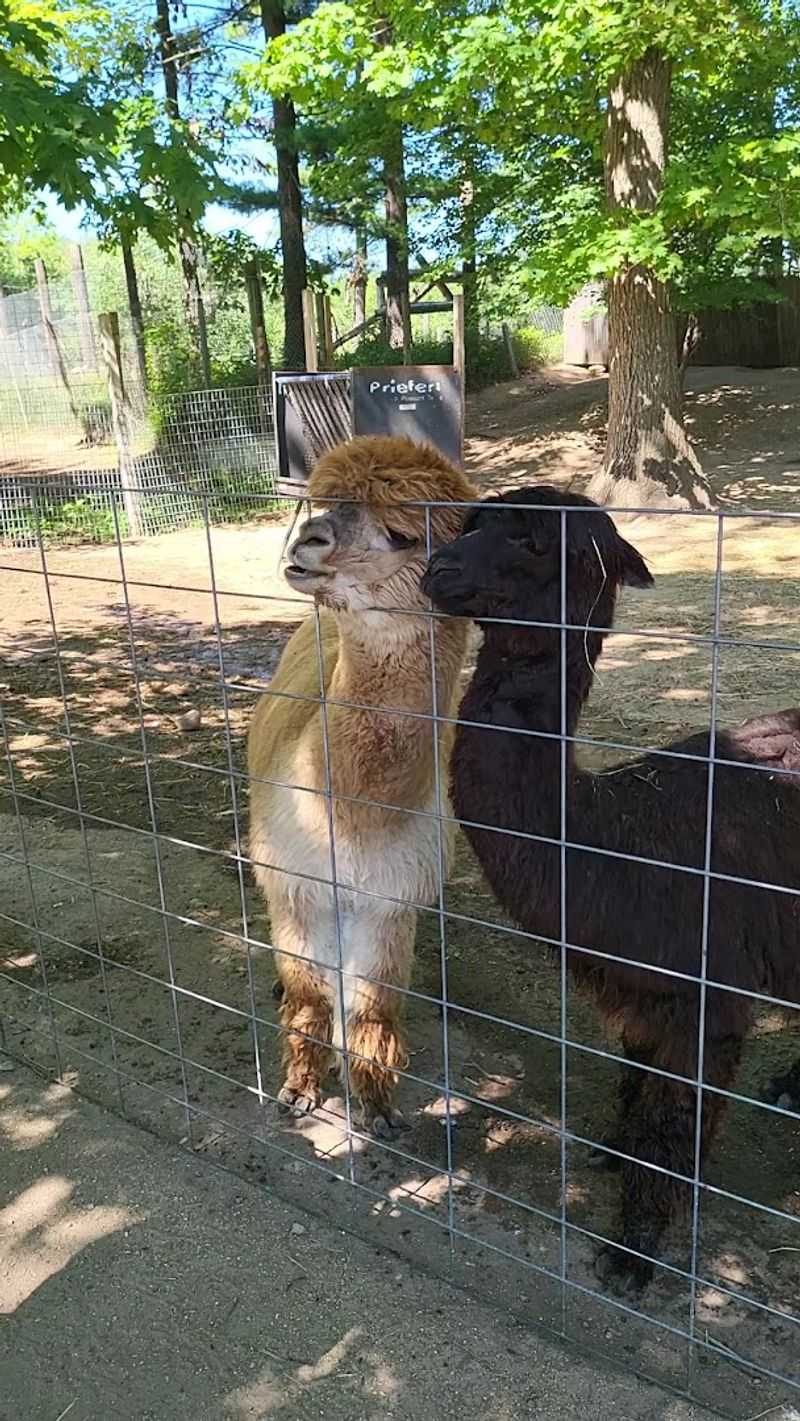
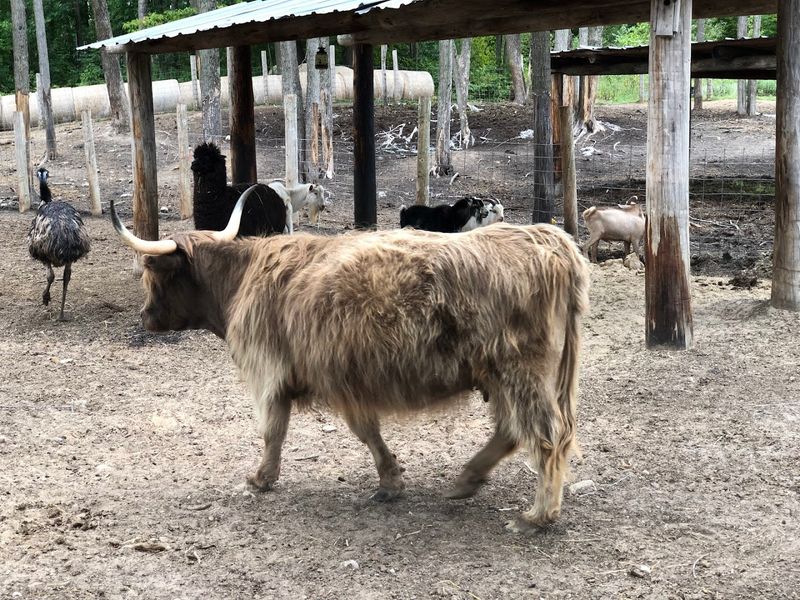
The collection here is not about sheer numbers, and I think that is part of the appeal. Instead of trying to overwhelm visitors with endless exhibits, the zoo offers a mix of domestic and exotic animals that keeps the walk varied and engaging, especially because some habitats come with feeding or educational moments attached.
One minute I was admiring a familiar farm favorite, and the next I was paying close attention to a species that usually feels much farther removed from everyday life.
Visitors regularly mention seeing animals such as camels, bears, wolves, coyotes, tigers, alpacas, and smaller creatures featured in talks or encounters, and that range gives the zoo a pleasantly unpredictable rhythm. I liked that each stretch of the property felt a little different from the last, which helped the visit avoid repetition despite the zoo’s smaller scale.
It is the kind of place where curiosity stays switched on, and that becomes even more true once you look at the optional specialty experiences tied to the broader zoo visit.
Why the Specialty Encounters Get So Much Attention
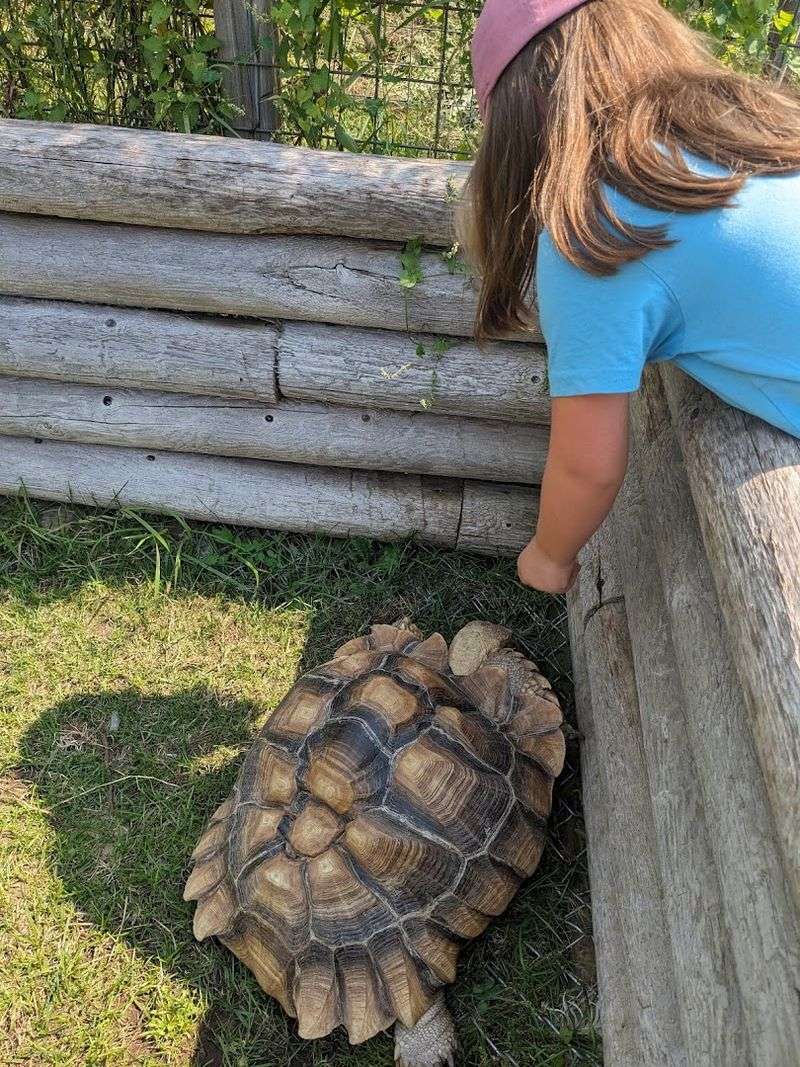
For plenty of visitors, the regular admission is only half the story. Specialty encounters connected to the zoo have become a major reason people return, because they offer longer, more focused time with select animals in a setting that feels intimate without losing the educational purpose.
I understand the appeal completely, since those moments can turn an already memorable visit into the kind of experience people plan around months later.
These sessions vary, so I would always check the current options directly before going, but the general idea is simple: less crowd, more conversation, and a stronger connection to one animal or small group. That format suits the whole spirit of DeYoung Family Zoo, where personal interaction is the strongest selling point and curiosity is rewarded.
Even if you skip the add-on experiences, it helps to know they exist because they explain why so many guests talk about returning again rather than treating the zoo as a one-and-done afternoon, and that repeat appeal says a lot.
The Kind of Michigan Stop You Remember
By the time I headed out, what stayed with me was not one single animal or photo. The lasting impression was how personal the whole place felt, from the wooded setting to the staff conversations to the simple fun of feeding animals and waiting to see who would wander over next.
That mix gives DeYoung Family Zoo a distinct identity that is easy to describe and surprisingly hard to replace.
It is not trying to be the biggest zoo in the state, and that is exactly why it works. The appeal comes from close experiences, practical learning, family-run warmth, and the sense that a visit here can still surprise you even after you think you understand what kind of attraction it is.
For me, that made Wallace, Michigan feel less like a dot on the map and more like the setting for one of those travel days that keeps resurfacing later, usually with a smile and at least one sentence that begins, you will not believe this place.



