 Unearth The Voyage
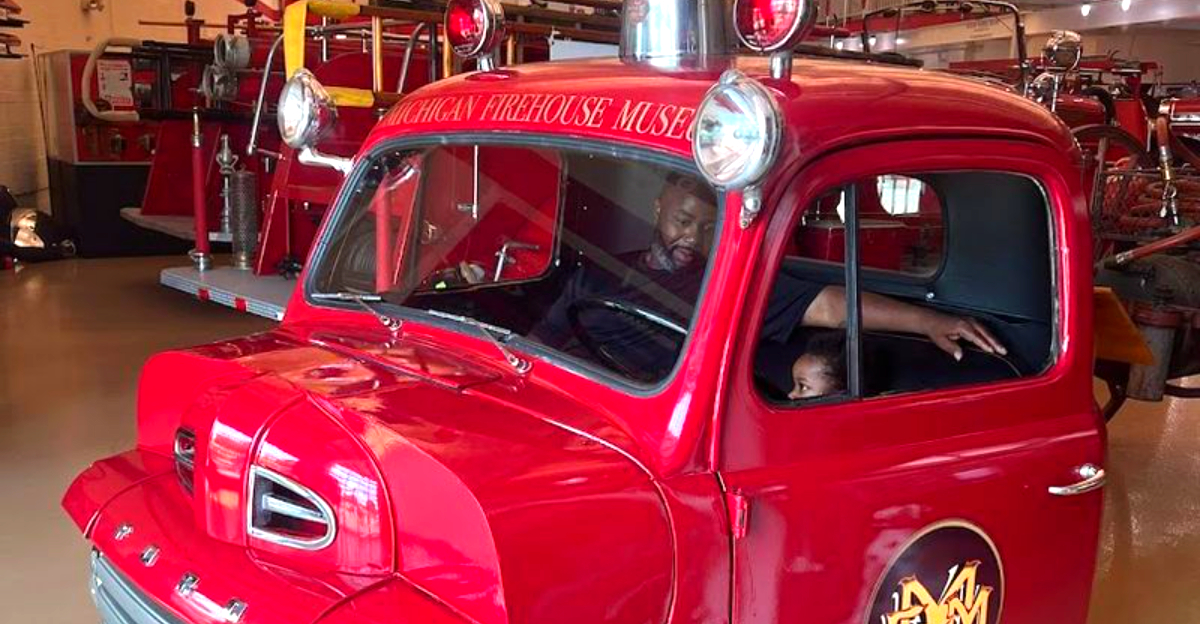
On a quiet street in a small Michigan city, an old firehouse still stands much as it did in 1898. Step inside, and the space opens into three floors of preserved equipment, from antique engines to rows of polished bells.
A restored bunk room sits upstairs, complete with the original brass pole. Even casual visitors tend to linger longer than expected, moving slowly from one exhibit to the next.
The building holds more than artifacts – it carries the pace and texture of a working firehouse.
The Historic 1898 Firehouse at the Heart of It All
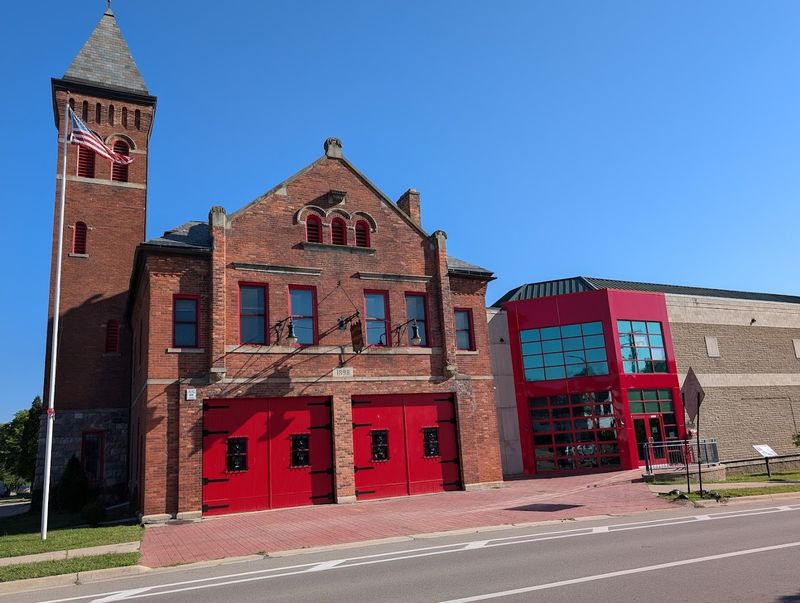
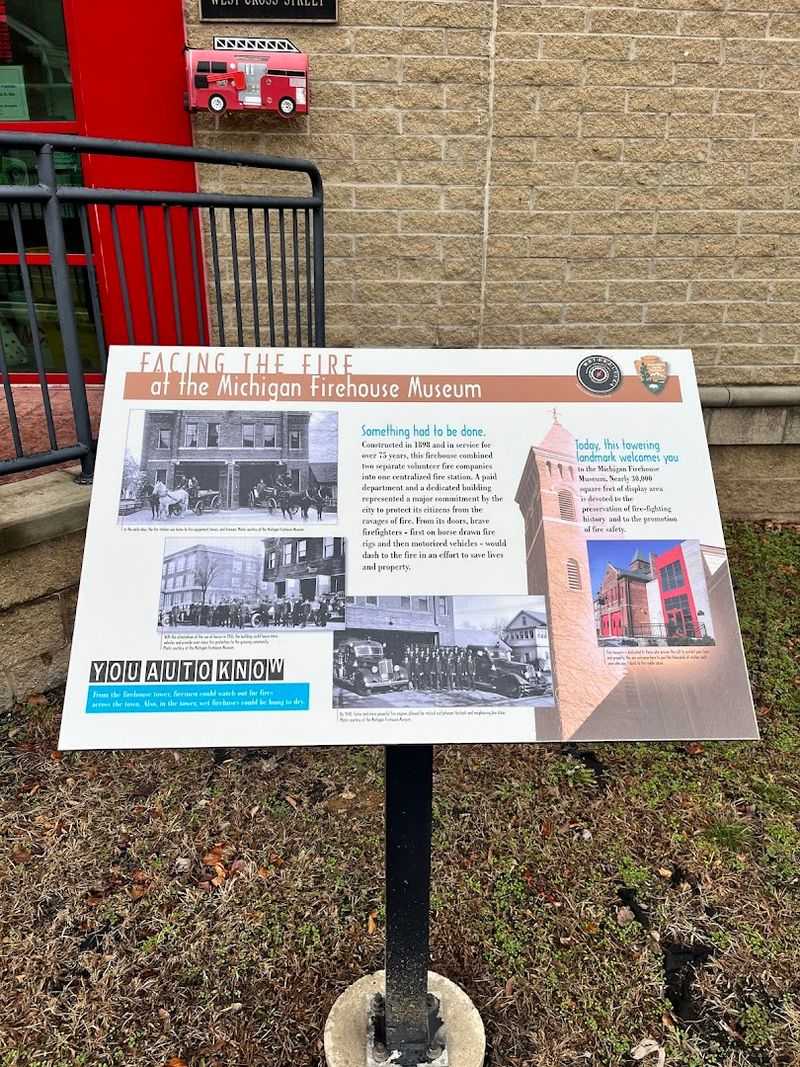
Some buildings carry their history on the outside, and the moment you see the brick facade of this 1898 firehouse at 110 W. Cross Street in Ypsilanti, Michigan, you know you are looking at something that has survived a long time on purpose.
The Michigan Firehouse Museum and Education Center is housed inside this original structure, which has been carefully preserved to honor its roots while also welcoming modern visitors. The original firehouse architecture is still intact, giving the whole experience a grounded, authentic feeling that newer museum buildings simply cannot replicate.
A modern multi-level exhibit area was added in 2002, expanding the space without erasing what made the original building worth saving. The combination of old and new makes for a surprisingly layered visit.
You get the charm of a century-old firehouse alongside the clarity of well-organized, thoughtfully designed exhibits that help the history actually land.
A Floor-by-Floor Journey Through Firefighting History
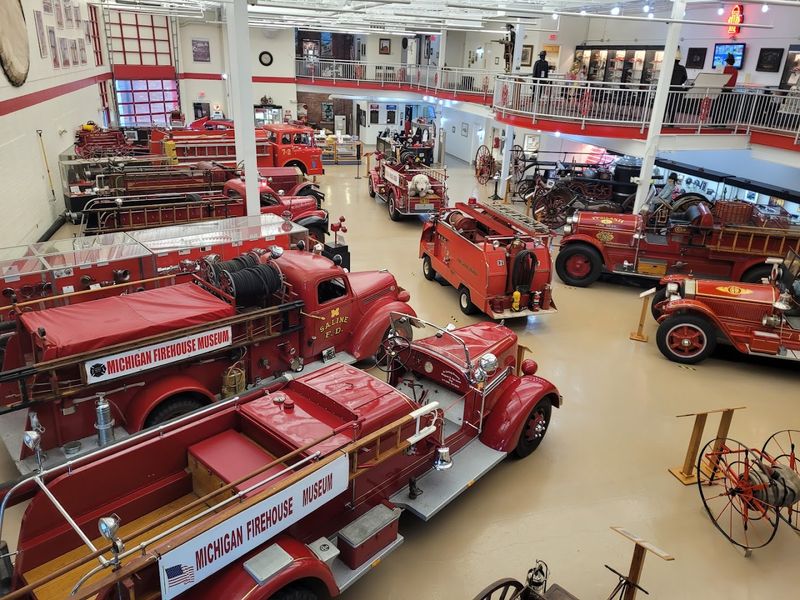
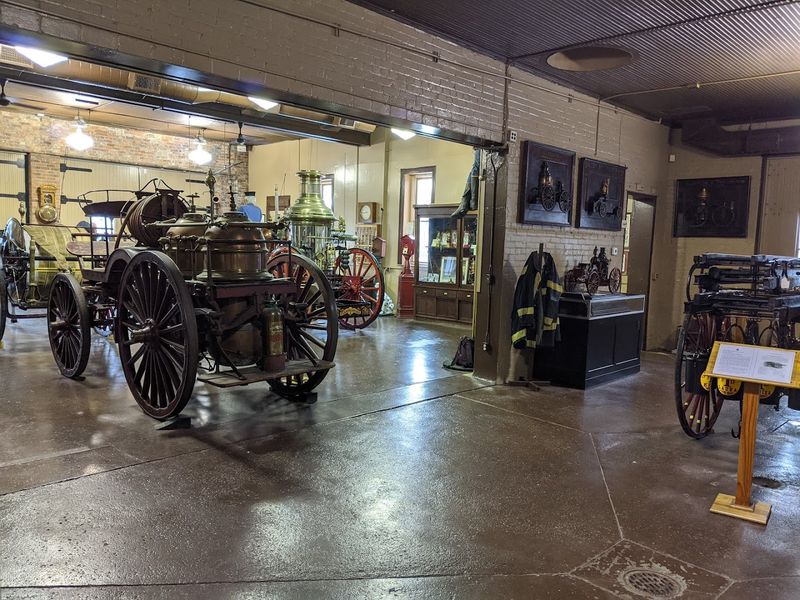
Three floors sounds modest until you realize just how much is packed into each one. The ground level greets you with the original firehouse space, where restored hose carts and early pumpers sit exactly where you would expect to find them, surrounded by the kind of details that make history feel tangible rather than distant.
Head upstairs and the exhibits shift toward firefighting equipment, communications history, and the evolution of gear worn by real crews over the decades. The upper mezzanine is dedicated to Smokey Bear, which catches most visitors off guard in the best possible way.
The basement holds additional vintage fire trucks, and spending time down there feels like finding a bonus level in a video game you thought you already understood. An elevator is available for visitors with strollers or mobility needs, which makes every floor genuinely accessible.
The museum estimates you will need one to two hours, but many visitors find themselves stretching that well beyond the estimate.
The Antique Fire Truck Collection That Steals the Show
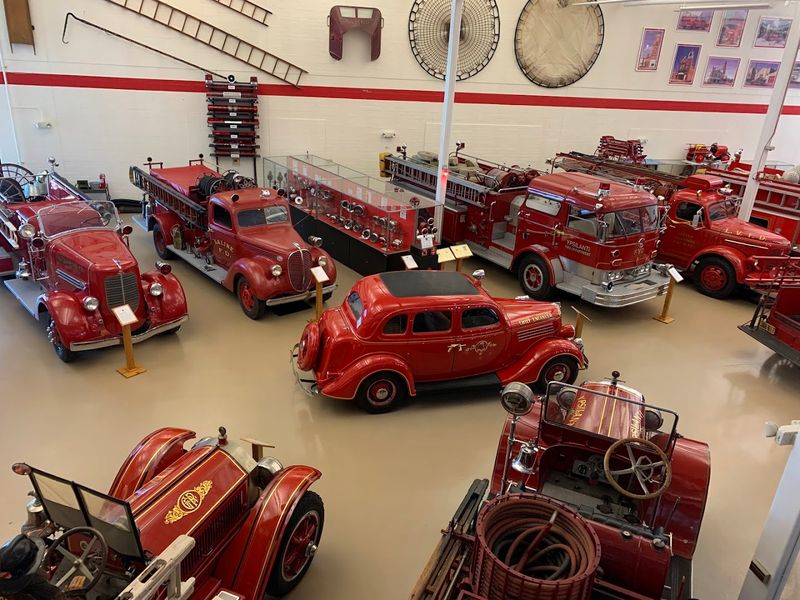
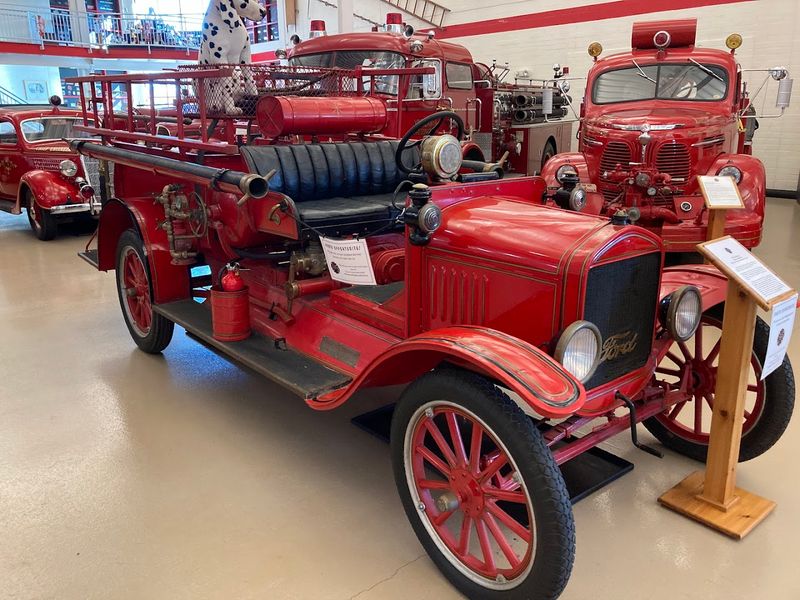
The fire trucks here are the main event, and they absolutely deliver. The collection spans from the 1890s all the way through the 1960s, covering a stretch of history when firefighting technology changed more rapidly than almost any other field of public safety equipment.
Early horse-drawn hose carts sit alongside motorized pumpers that look like they belong in a black-and-white photograph. Each piece of apparatus tells a specific story about the era it came from, the department that used it, and the technology that made it possible.
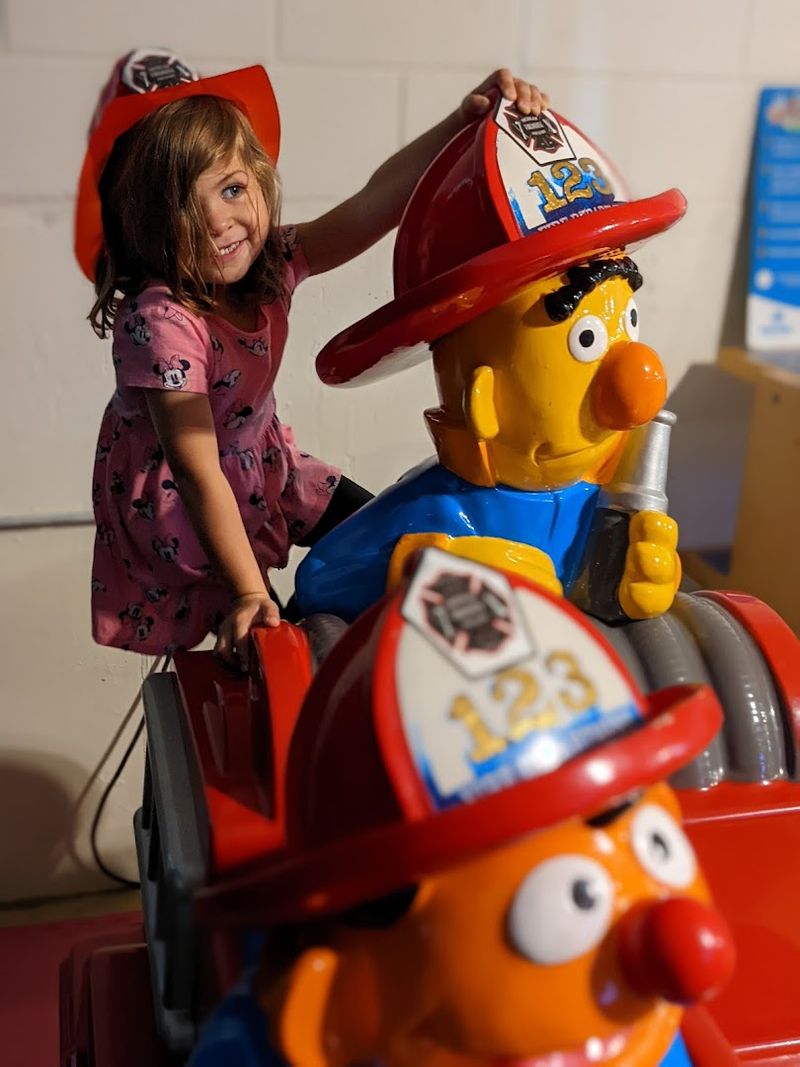
Two of the trucks are available for kids to actually climb on, which transforms the experience from purely educational into something genuinely memorable for younger visitors. Seeing a child behind the wheel of a real vintage fire truck, surrounded by the rest of the collection, is one of those small travel moments that sticks with you long after the drive home.
And the basement holds even more surprises waiting to be discovered.
The Largest Collection of Fire Truck Bells in the United States
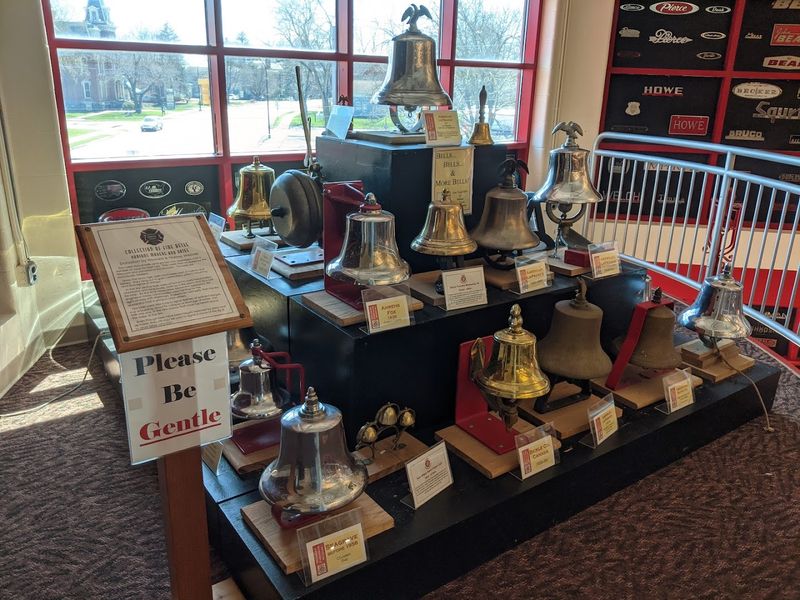
Here is a fact that stops most visitors mid-step: this small museum in Ypsilanti holds the largest collection of fire truck bells in the entire United States. That is not a regional claim or a modest local boast.
That is a national record sitting quietly in a building most people outside of Michigan have never heard of.
The bells range across different eras and sizes, each one representing a specific chapter in the way fire departments signaled their approach before electronic sirens became standard. The sound a bell makes is different from a siren in a way that is hard to explain but easy to feel, and being surrounded by so many of them gives the exhibit a particular weight.
Staff members have been known to operate a siren for curious visitors, which apparently delights children and adults in equal measure. The bell collection alone justifies the trip for anyone with even a passing interest in the history of public safety communication.
The Restored Bunk Room and the Famous Brass Pole
Upstairs in the original 1898 firehouse section, the restored crew quarters give visitors a genuine sense of what daily life looked like for firefighters who lived at the station between calls. The bunk area is outfitted with period-accurate details, and the kitchen space beside it makes the whole setup feel like a real home rather than a staged display.
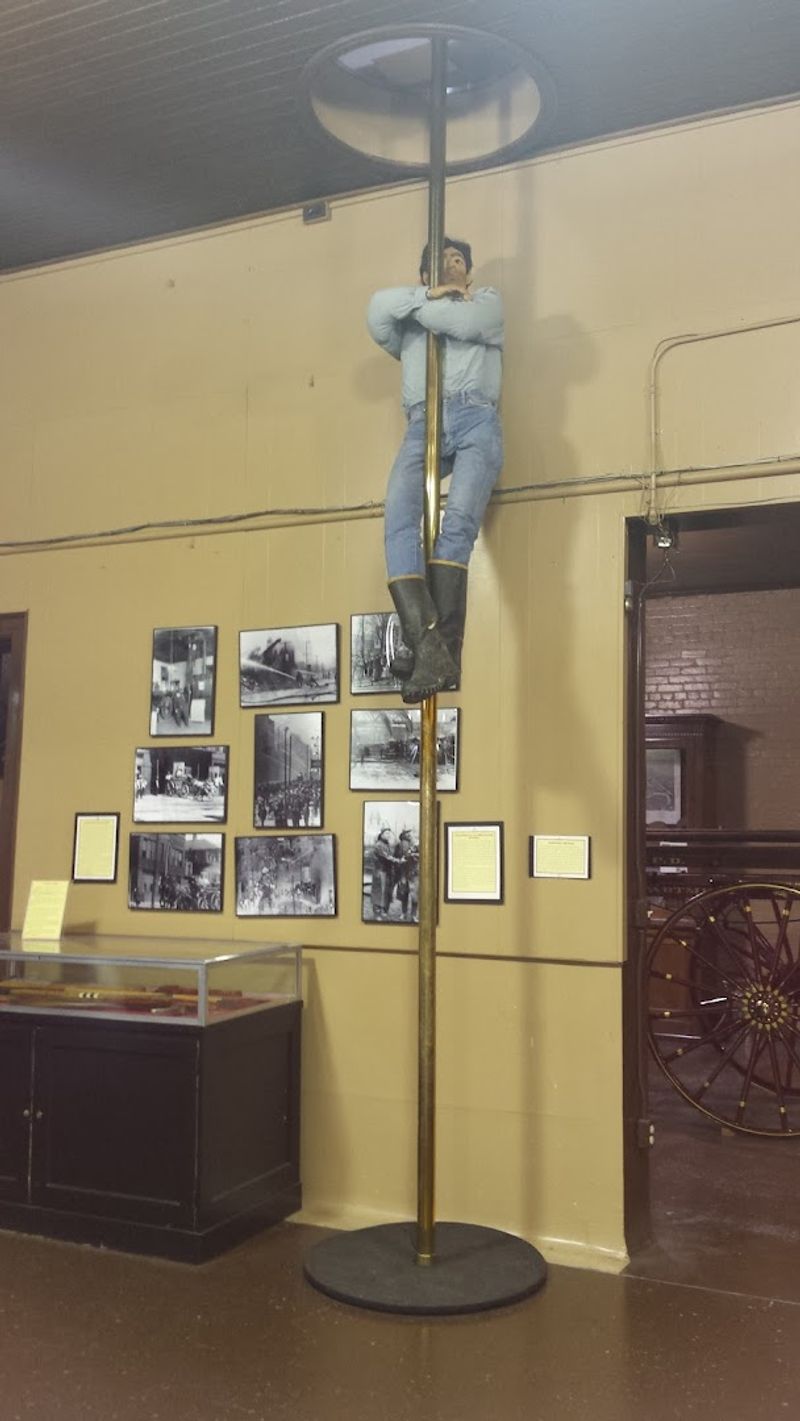
Then there is the brass pole. It stands right where it always has, connecting the living quarters above to the apparatus floor below, and it is exactly as satisfying to see in person as you would hope.
The pole is a symbol that most people associate with firefighting from childhood, and standing next to the real thing inside an actual historic firehouse carries a weight that photographs cannot fully capture.
The restored quarters section consistently ranks as a highlight among visitors, particularly those who come with children. It transforms an abstract idea of what firefighters did into something concrete, personal, and surprisingly moving for a museum that fits on three floors.
Artifacts That Cover Nearly Two Centuries of Firefighting
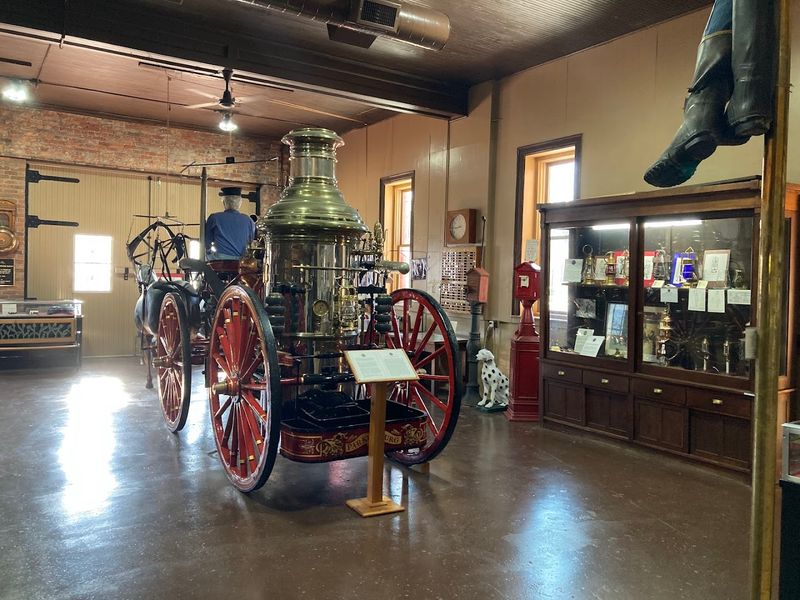
Beyond the trucks, the artifact collection here is genuinely staggering in its range. Antique extinguishers line one wall in a display that traces the full evolution of fire suppression technology from early chemical canisters to the pressurized cylinders still used today.
Helmets and hats from fire departments across Michigan tell a regional story that connects local communities to the broader national history of organized firefighting. Breathing apparatus, nozzles, hose carts, ladders, emblems, and patches fill the cases with the kind of granular detail that rewards slow, careful looking.
Toy fire trucks also appear throughout the collection, which adds an unexpectedly charming layer to what could otherwise feel like a purely technical exhibit. The range of artifacts means that every visitor, regardless of age or background, finds something that connects with them personally.
A former firefighter will see the tools of their trade across generations, while a curious child will find a toy truck that looks a lot like the one sitting on their shelf at home.
Why the Staff Here Makes Every Visit Better
A museum is only as good as the people inside it, and by that measure, this one consistently punches above its weight. The staff here are knowledgeable, enthusiastic, and genuinely invested in making sure every visitor leaves with something they did not know when they arrived.
There is a personal dimension to the collection that staff members are happy to share. One of the fire trucks on display has a family connection to the museum itself, tied to the grandfather and father of someone deeply involved with the space, which gives the whole institution a warmth that corporate museums rarely achieve.
Kids receive special attention, including the occasional firefighter hat to wear while exploring, which transforms a museum visit into something closer to an adventure. The staff has also been known to demonstrate sirens for young visitors, a small gesture that creates the kind of outsized memory that keeps families coming back year after year.
The gift shop and welcome center add a final friendly touch to the whole experience.
Interactive Features That Keep Kids Fully Engaged
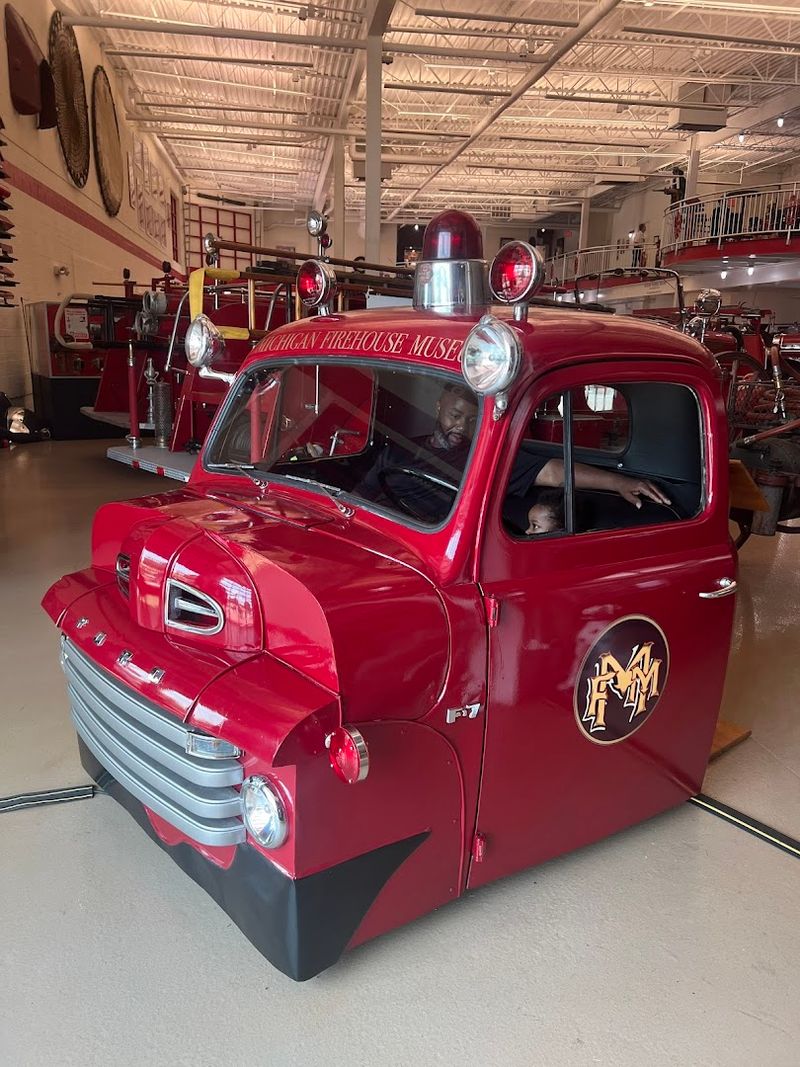
Not every museum manages to hold the attention of a six-year-old for two hours, but this one does it with a mix of hands-on features that feel purposeful rather than tacked on. Two fire trucks are available for climbing, which means kids can actually sit in the cab, grip the wheel, and feel the scale of these machines in a way that no photograph or video can replicate.
A coloring area and video stations are tucked into the space as well, giving younger visitors a place to decompress between the more intensive exhibits. A Japanese firefighting game is also available to play, which brings an unexpected international dimension to what could have been a purely local history experience.
The basement play area provides additional space for the youngest visitors, making the museum genuinely welcoming for families with toddlers and small children. Parents with strollers will appreciate the elevator, which removes one of the most common logistical headaches of visiting multi-floor spaces with very young kids.
Admission Pricing and Who Gets a Discount
Admission here is genuinely reasonable for what you get. Adults thirteen and older pay fifteen dollars, children between three and twelve pay five dollars, and children under three get in free.
For a family of four spending two to three hours inside a well-maintained, fully staffed museum, that math works out in your favor.
Discounts are available for seniors, college students, military personnel, and public safety workers, which reflects the museum’s deep connection to the communities it honors. Group tours are available by appointment for those who want a more structured experience, which makes this a solid option for school field trips and organized outings.
A membership is also available for purchase, and if you are planning more than one visit in a year, it pays for itself quickly. The museum is open Thursday through Sunday from noon to four in the afternoon, so a little advance planning ensures you do not make the drive only to find the doors closed.
Call ahead at 734-547-0663 if you have questions.
Getting There and Parking Without the Stress
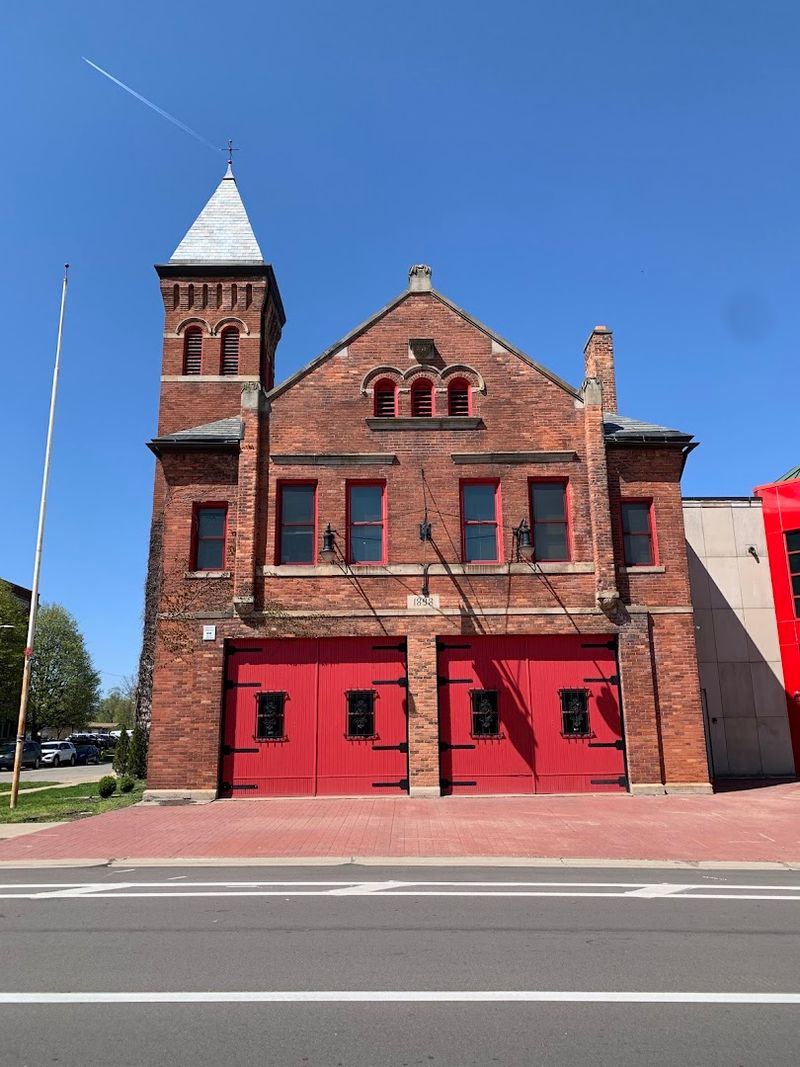
The museum sits at 110 W. Cross Street in Ypsilanti, Michigan, which puts it right in the heart of a walkable downtown area with several nearby attractions.
Street parking is available on N. Huron Street and N.
Washington Street, and there are a small number of free parking spots directly behind the building, though those fill up fast on busy days.
Frog Island Park is nearby and offers additional parking within a short walk, making it a reliable backup option when the immediate area is full. The walk from the park takes less than five minutes, and the neighborhood between the two is pleasant enough that the extra steps feel like a bonus rather than an inconvenience.
The surrounding area includes restaurants and a farmers market down the road, which makes it easy to turn a museum visit into a fuller afternoon outing. A gas station sits directly across the street for anyone who needs a quick snack before heading inside.
Events, Rentals, and After-Hours Experiences
The museum is not just a daytime destination for history enthusiasts and family outings. The space is available for private events, and the combination of dramatic vintage fire trucks, three floors of exhibits, and historic architecture makes it a genuinely unusual venue for celebrations of all kinds.
Weddings have been held here, with guests moving through the museum during the reception and experiencing the collection as part of the evening. The atmosphere after hours, with the trucks lit up and the exhibits glowing around a gathering of people, creates something that a conventional event space simply cannot match.
Corporate gatherings, private tours, and community events also make use of the space throughout the year. The staff brings the same energy to these occasions that they bring to regular visiting hours, which means the experience feels personal regardless of the size of the group.
Booking in advance is recommended, especially for weekend dates that tend to fill up quickly during the warmer months.
Why This Museum Deserves a Spot on Your Michigan Road Trip
Michigan has no shortage of museums, but very few of them manage to be genuinely educational, visually impressive, physically interactive, and emotionally resonant all at once. This one checks every one of those boxes without breaking the bank or demanding a full day of your time.
The combination of a real 1898 firehouse, a national record-breaking bell collection, dozens of antique fire trucks, and a staff that clearly loves what they do creates a visit that feels complete rather than rushed. Most people spend between one and three hours here, which fits neatly into a road trip itinerary without dominating the whole day.
Whether you are a former firefighter reconnecting with a career, a parent looking for something that holds a child’s attention, or simply someone who appreciates well-preserved history in an accessible format, the Michigan Firehouse Museum and Education Center rewards the visit every time. Some places look small from the outside and turn out to be exactly that.
This one looks small and turns out to be vast.



