 Unearth The Voyage
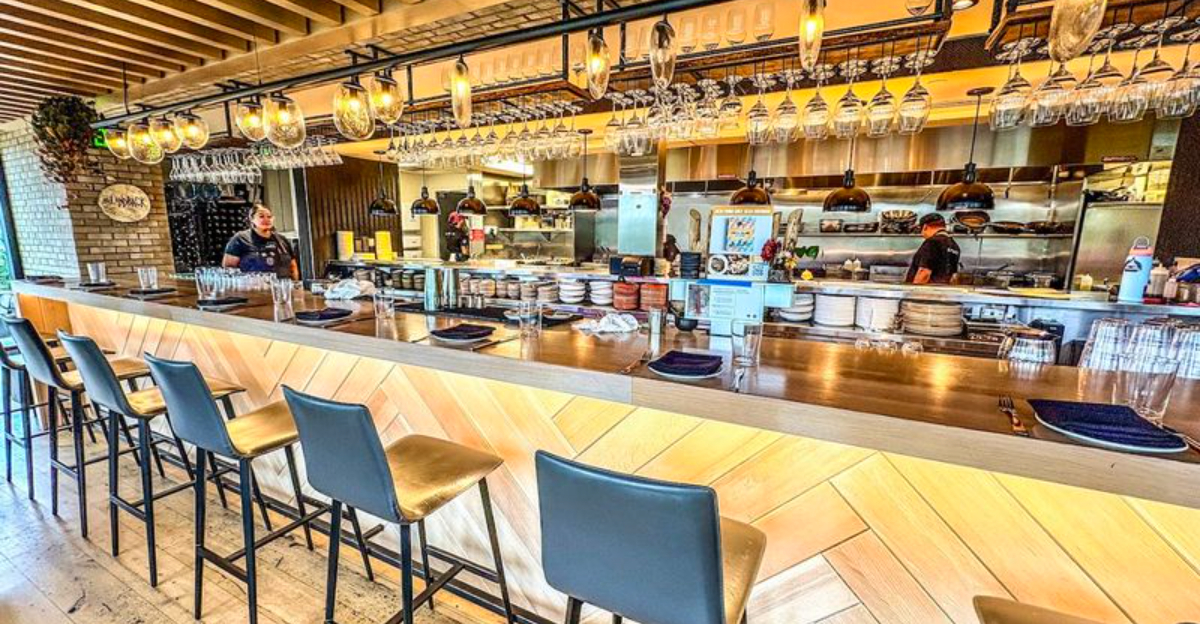
Minnesota has a food scene that goes way beyond hot dish and walleye. From century-old diners to award-winning Indigenous kitchens, the state is packed with restaurants that have earned their place in people’s hearts — and kept it.
Some have been around for decades, others are newer but already feel like classics. These are the spots locals swear by, visitors seek out, and no one ever gets tired of.
Matt’s Bar (Minneapolis) — The Birthplace of a Legend
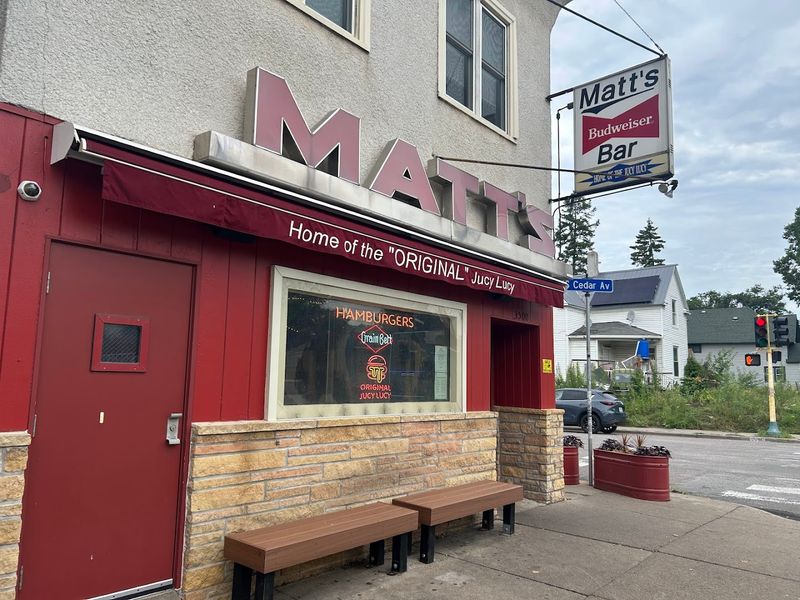
Bite into a Jucy Lucy and you will immediately understand why Matt’s Bar has a permanent place in Minnesota history. This no-frills Minneapolis spot is widely credited with inventing the cheese-stuffed burger — a simple but genius idea that changed what a burger could be.
The interior looks like it has barely changed in decades, and that is exactly the point.
Matt’s Bar does not chase trends or add fancy toppings to its menu. The Jucy Lucy is the star, and it has been since the 1950s.
Locals line up for the same experience their parents and grandparents had, which says everything about the kind of loyalty this place earns.
First-timers should know: the cheese inside is molten hot. Many people have burned their mouths by rushing the first bite.
Order a cold beer, wait a minute, and enjoy one of the most iconic meals Minnesota has to offer. Cash only, no frills, just flavor — that is the Matt’s Bar promise, and it delivers every single time without fail.
Mickey’s Diner (St. Paul) — A Living Time Capsule
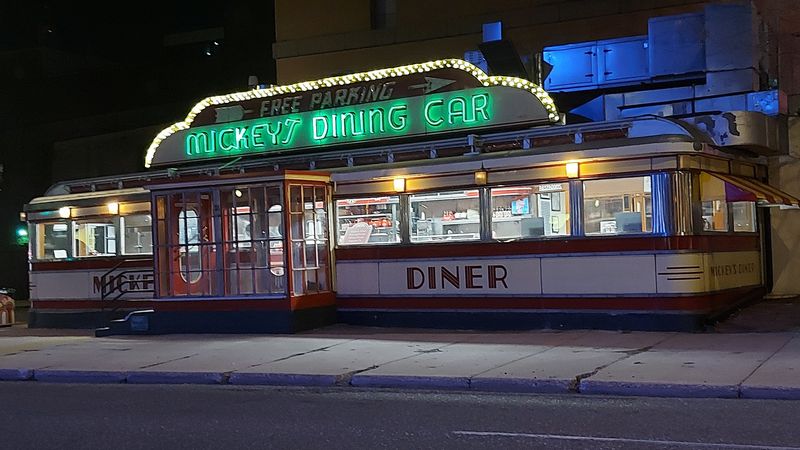
Neon lights, a gleaming railcar exterior, and the smell of fresh coffee — Mickey’s Diner in St. Paul looks like a movie set, except it is completely real and has been since 1939. This place has been open 24 hours a day, seven days a week, through wars, recessions, blizzards, and everything in between.
That kind of staying power is almost unheard of.
The menu sticks to the classics: eggs, pancakes, burgers, and hot coffee that keeps coming. Nothing on the plate will surprise you, but everything will satisfy you.
There is something deeply comforting about a place that knows exactly what it is and never pretends to be anything else.
Mickey’s was added to the National Register of Historic Places, which means the government itself recognized it as worth preserving. Tourists stop just to take a photo outside, but regulars come for the grilled cheese and the familiar faces behind the counter.
Whether you roll in at noon or 3 a.m., Mickey’s Diner greets you the same way — with hot food and zero judgment. That is a rare and wonderful thing.
Kramarczuk’s (Minneapolis) — Immigrant Roots That Still Thrive
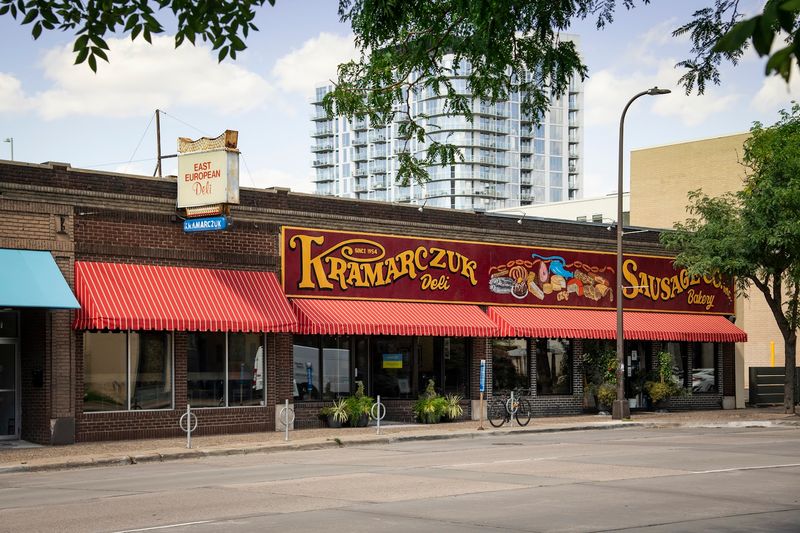
Walk through the door at Kramarczuk’s and the smell hits you first — smoked sausage, fresh bread, and something slow-cooked in the back. Founded by Ukrainian immigrants Wasyl and Anna Kramarczuk in 1954, this Northeast Minneapolis institution has been serving Eastern European comfort food for generations.
The recipes have not changed much, and that is the whole idea.
The menu reads like a love letter to the old country: borscht, kielbasa, pierogi, and cabbage rolls made the traditional way. Every item feels handcrafted because most of it actually is.
This is not a place trying to modernize Eastern European food — it is a place committed to preserving it with respect and care.
Kramarczuk’s also functions as a deli, so you can take home sausages, smoked meats, and other goodies to enjoy later. The space has a casual, market-style feel that makes it easy to linger.
For the Minneapolis community, especially those with Eastern European heritage, it is more than a restaurant — it is a connection to roots that run deep. Few places in the city carry that kind of cultural weight so gracefully.
Al’s Breakfast (Minneapolis) — Tiny Space, Massive Legacy
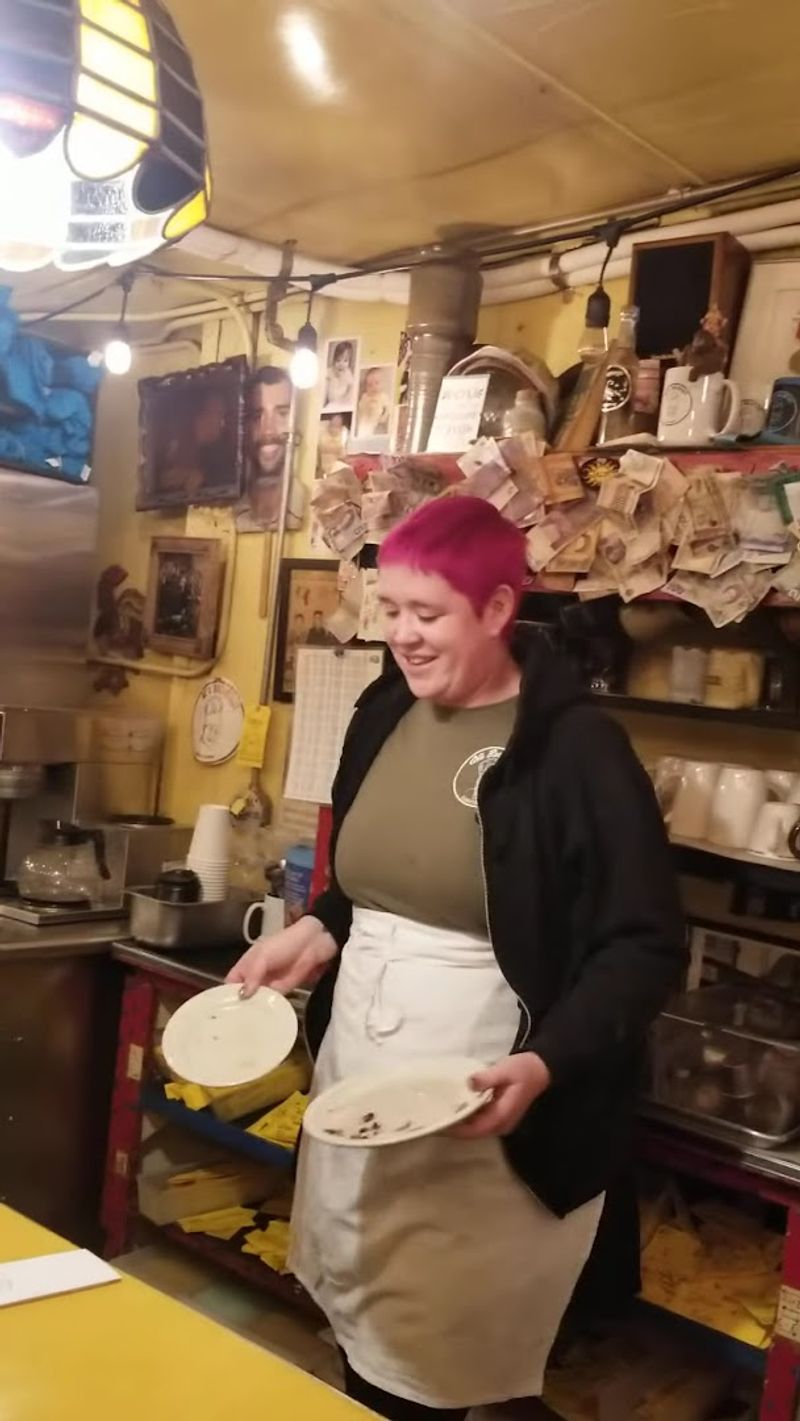
Fourteen seats. One narrow counter.
A line that stretches out the door most mornings. Al’s Breakfast on Dinkytown’s Maple Street has been feeding University of Minnesota students and neighborhood regulars since 1950, and somehow the cramped quarters only add to its legendary charm.
Personal space is optional here; great pancakes are not.
The menu is breakfast-focused and unapologetically simple. Pancakes, eggs, hash browns, and coffee are the main attractions.
The cooks work in a space so tight that watching them operate feels like watching a choreographed performance. Orders are called out, plates slide down the counter, and somehow everything arrives hot and exactly right.
Al’s was named a James Beard America’s Classic, which is one of the highest honors a restaurant can receive in the United States. That award recognizes places with timeless appeal and beloved status in their communities — and Al’s earns that description completely.
If you visit on a weekend, expect to wait. But regulars will tell you the wait is part of the experience, a chance to chat with strangers who are about to become your breakfast neighbors for the next 30 minutes.
Duluth Grill (Duluth) — Farm-to-Table Before It Was Trendy
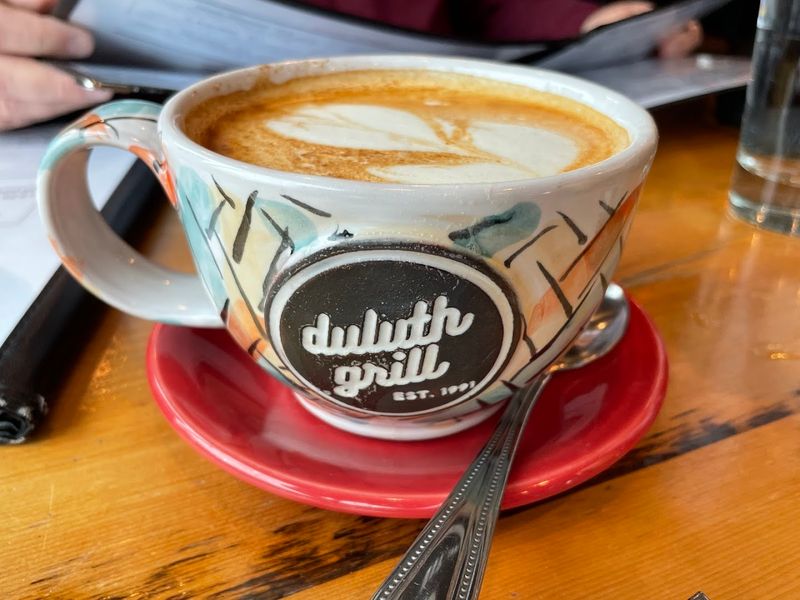
Long before farm-to-table became a buzzword on every restaurant menu in America, Duluth Grill was quietly sourcing local ingredients and building a menu around Minnesota’s agricultural seasons. Located in the Canal Park area of Duluth, this spot has earned a reputation for doing things right — fresh, honest food served in a welcoming space that feels genuinely community-rooted.
The menu changes with the seasons, which keeps things exciting for regulars who visit year-round. Breakfast and brunch are especially popular, with dishes that highlight local eggs, produce, and grains in creative but approachable ways.
The staff tends to be knowledgeable and enthusiastic, which makes the experience feel less like a transaction and more like a conversation about food.
Duluth Grill also runs a greenhouse and garden on-site, growing some of the herbs and vegetables used in the kitchen. That level of commitment to sourcing is rare and impressive for a casual restaurant.
Visitors to Duluth often list it as a must-stop, and locals treat it as a weekly ritual. It is the kind of place that makes you feel good about what you are eating — and that feeling keeps people coming back for more.
Seward Community Cafe (Minneapolis) — Food as Social Mission
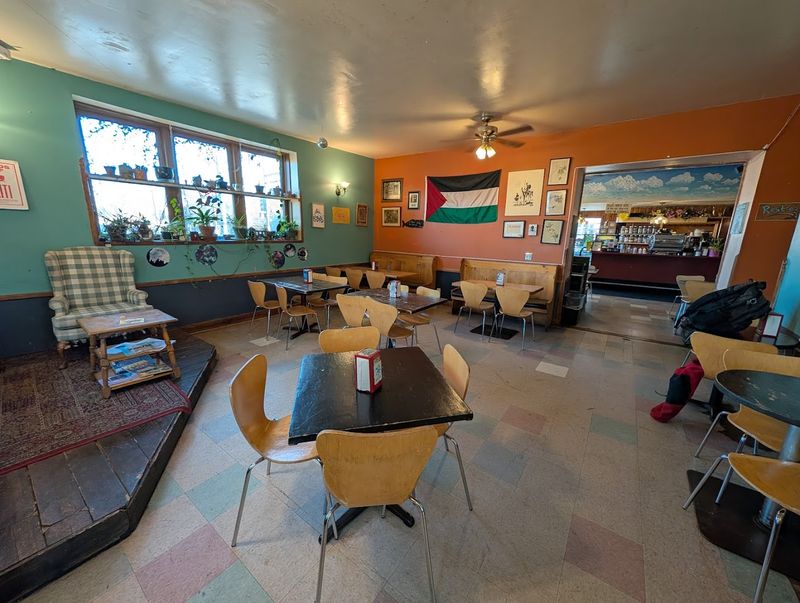
Since 1974, Seward Community Cafe has operated on a principle that most restaurants ignore entirely: food should serve the community, not just the customer. As one of the oldest worker-owned cooperatives in the United States, every decision at this Minneapolis cafe is made collectively by the people who work there.
That structure shows up in everything from the menu to the atmosphere.
The food leans heavily vegetarian and vegan, reflecting a commitment to sustainability and accessibility. Prices are kept reasonable on purpose, because the cafe believes good food should not be a luxury.
The daily specials are creative, hearty, and often feature ingredients sourced from local farms and suppliers in the region.
What makes Seward Community Cafe feel different from other spots is the energy inside. It is relaxed, welcoming, and unpretentious in a way that feels earned rather than performed.
Students, activists, families, and neighbors all share tables here without anyone feeling out of place. For over 50 years, it has been a gathering spot where food and values intersect naturally.
That combination of purpose and flavor has kept the cafe alive and relevant through every decade since its founding in the Seward neighborhood.
Hard Times Cafe (Minneapolis) — Counterculture Classic
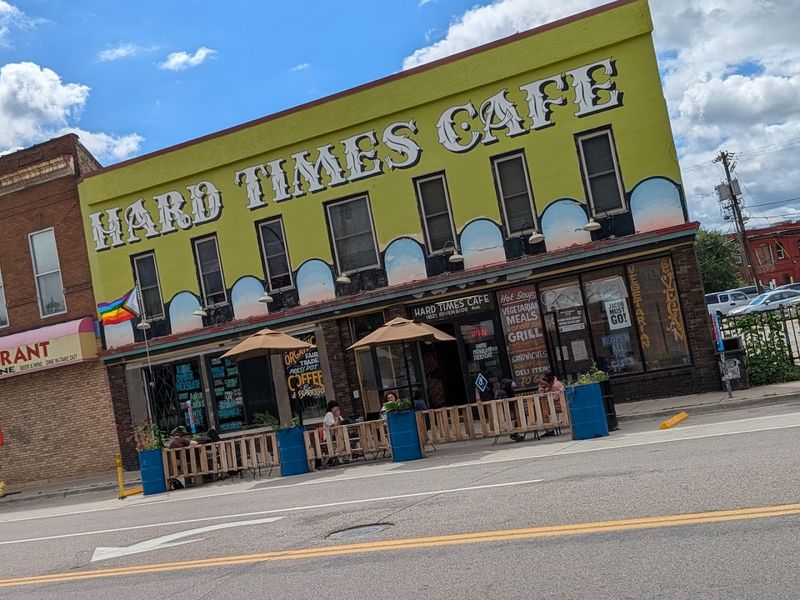
Not every great restaurant is trying to win a Michelin star or land on a best-of list. Hard Times Cafe in Minneapolis has never chased mainstream approval, and that stubbornness is precisely what made it iconic.
Founded in 1992 and run as a worker collective, this Cedar-Riverside neighborhood spot became a home base for artists, activists, punks, and anyone who felt like the regular world did not quite fit them.
The menu is fully vegan and vegetarian, with affordable prices that make it accessible to students and low-income community members. Portions are generous, flavors are bold, and the whole setup feels refreshingly anti-corporate.
The walls are usually covered in local art and political posters, giving the space a gallery-meets-kitchen energy that is hard to replicate.
Hard Times Cafe is not polished, and it does not want to be. The scuffed furniture and DIY aesthetic are part of the identity.
What keeps people loyal is the feeling that this place actually means something — that it stands for a community and a set of values beyond just filling plates. After more than three decades, it remains one of the most genuinely unique dining experiences in all of Minneapolis, beloved by those who know it well.
Murray’s (Minneapolis) — The Steakhouse That Defined an Era
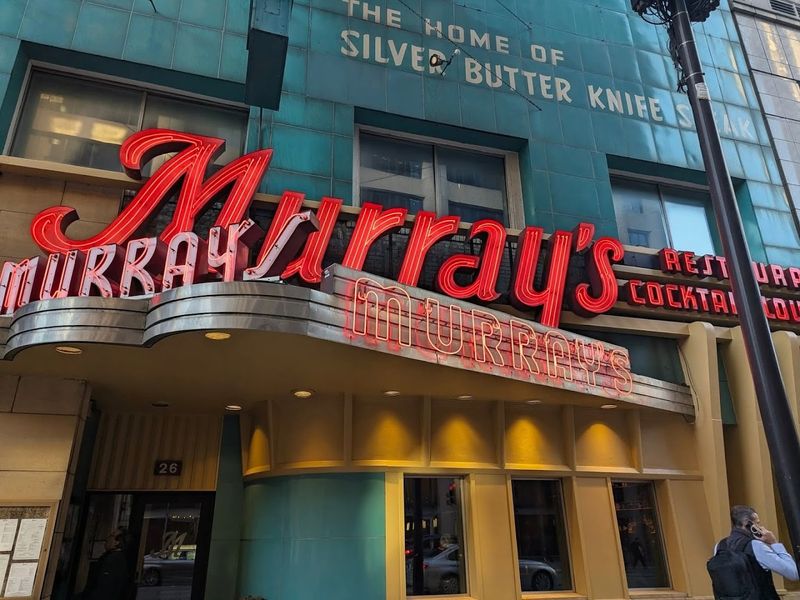
There are steakhouses, and then there is Murray’s. Open since 1946, this Minneapolis institution set the standard for what a fine dining experience in the Midwest should look and feel like.
The Silver Butter Knife Steak — a thick-cut sirloin so tender it requires no knife — became the dish that launched a thousand reservations and cemented Murray’s reputation across generations.
The dining room feels like stepping into a bygone era of elegance: white tablecloths, low lighting, and service that is attentive without being fussy. It is the kind of place where people mark anniversaries, close business deals, and celebrate milestones.
The formality is not stuffy — it is warm and intentional, like being treated as a guest rather than just a customer.
Murray’s has stayed relevant by honoring its identity rather than chasing whatever trend is currently popular. The menu has evolved slightly over the decades, but the commitment to quality beef and classic preparation remains unchanged.
In a city that loves its food scene, Murray’s occupies a unique position as both a historical landmark and a living restaurant that still delivers. First-timers should absolutely order the Silver Butter Knife Steak — the name is not an exaggeration.
The Lexington (St. Paul) — Classic Supper Club Culture
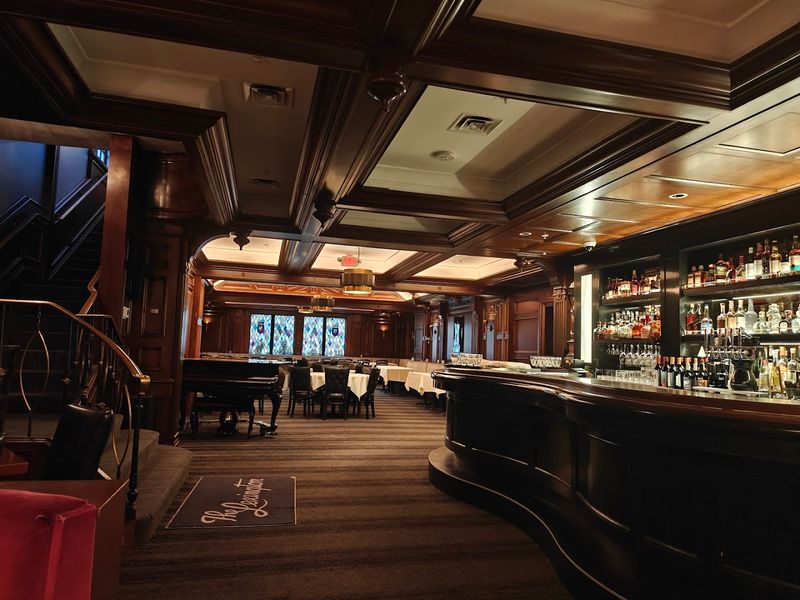
The Lexington has been a St. Paul institution since the 1930s, and walking through its doors feels like entering a well-preserved chapter of American dining history. Supper clubs were the pinnacle of going out back in the mid-20th century — cocktails first, a leisurely meal second, and good conversation all the way through.
The Lexington still delivers exactly that experience with genuine style.
The menu leans into classic American fare: steaks, seafood, and comfort-driven dishes executed with care. The bar program is strong, with well-made classic cocktails that feel right at home in the setting.
Everything about the space — the dark wood, the soft lighting, the unhurried pace — encourages you to slow down and actually enjoy your evening.
What is remarkable about The Lexington is that it was restored and revived in 2016 after a period of closure, and the community response was overwhelming. St. Paul residents packed the place because they had genuinely missed it.
That kind of emotional connection between a restaurant and its city is something money cannot manufacture. The Lexington earned it over decades, and its revival proved that some places are simply too important to let disappear from the neighborhood landscape.
Fitger’s Brewhouse (Duluth) — History in Every Pint
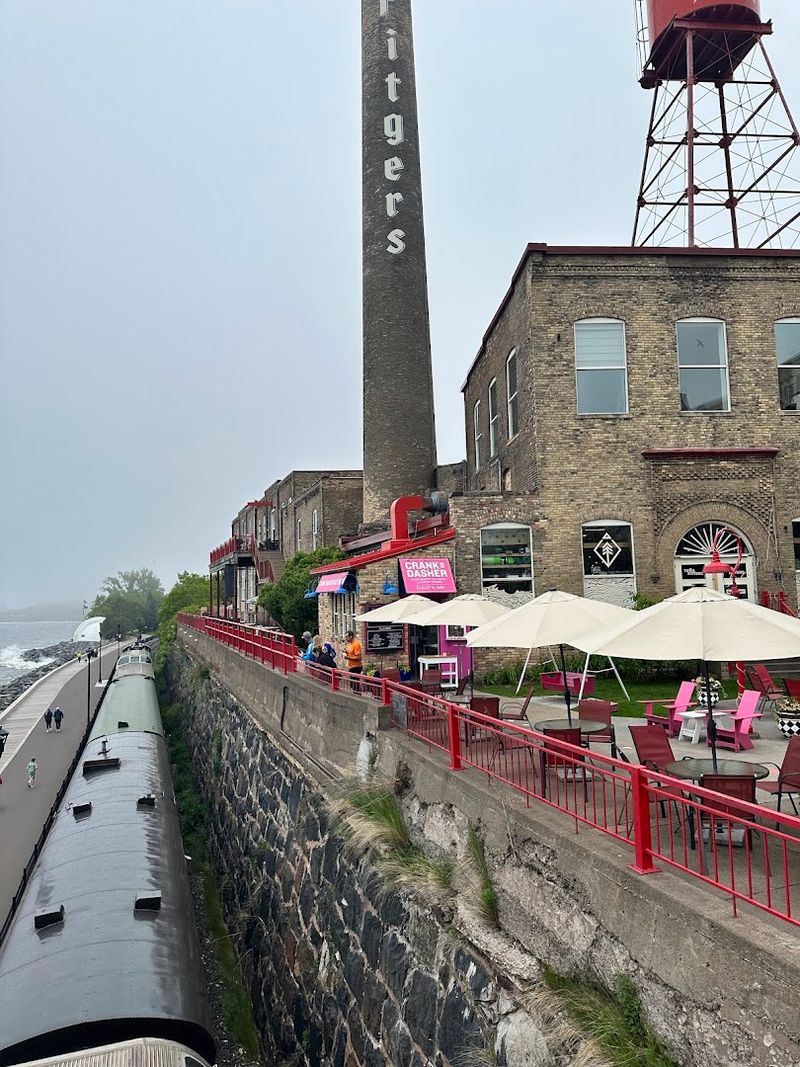
Fitger’s Brewhouse sits inside a 19th-century brewery complex on the shores of Lake Superior, and the building alone tells a story worth paying attention to. The original Fitger’s Brewing Company operated from 1881 until 1972, and the complex was later converted into a hotel and dining destination.
The brewhouse carries that industrial heritage forward with craft beer brewed on-site and a menu that matches the bold, hearty setting.
The food ranges from pub classics to more ambitious plates, all designed to pair well with the rotating tap list. Local ingredients show up throughout the menu, which fits naturally into Duluth’s identity as a city proud of its regional roots.
Sitting near the windows with a view of the lake while drinking a beer brewed in the building behind you is a genuinely special experience.
Fitger’s Brewhouse draws a mix of tourists exploring Canal Park and locals who have been coming for years. The atmosphere is lively without being overwhelming, and the space has enough character to keep your eyes busy between bites.
It is one of those places where the location, history, and food all reinforce each other perfectly. Duluth has plenty of great spots, but Fitger’s has a combination of elements that is truly hard to beat.
Hubbell House (Mantorville) — A 19th-Century Survivor
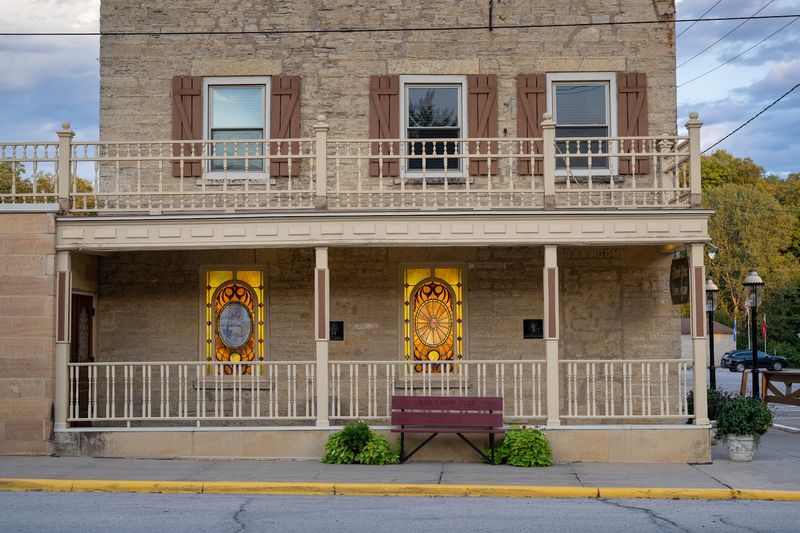
Opened in 1854 — three years before Minnesota even became a state — Hubbell House in Mantorville holds a claim that almost no other restaurant in America can match. It started as a stagecoach stop, serving travelers crossing the Minnesota frontier, and it has been welcoming guests ever since.
That is not just history; that is an unbroken thread running through nearly 170 years of American life.
The building itself is a preserved piece of 19th-century architecture, made from local limestone in the small town of Mantorville, which is itself a designated historic district. The menu today features classic American dishes — steaks, walleye, and seasonal fare — served in a setting that feels like dining inside a museum, except the food is actually excellent.
Hubbell House draws visitors from across the state who make the drive specifically to experience a meal in one of the oldest continuously operating restaurants in the country. It is the kind of destination that inspires a road trip.
For history lovers and food lovers alike, the combination of authenticity and quality makes it unforgettable. Mantorville may be a small town, but Hubbell House gives it a reputation that reaches far beyond its zip code.
Hell’s Kitchen (Minneapolis) — Personality-Driven Dining
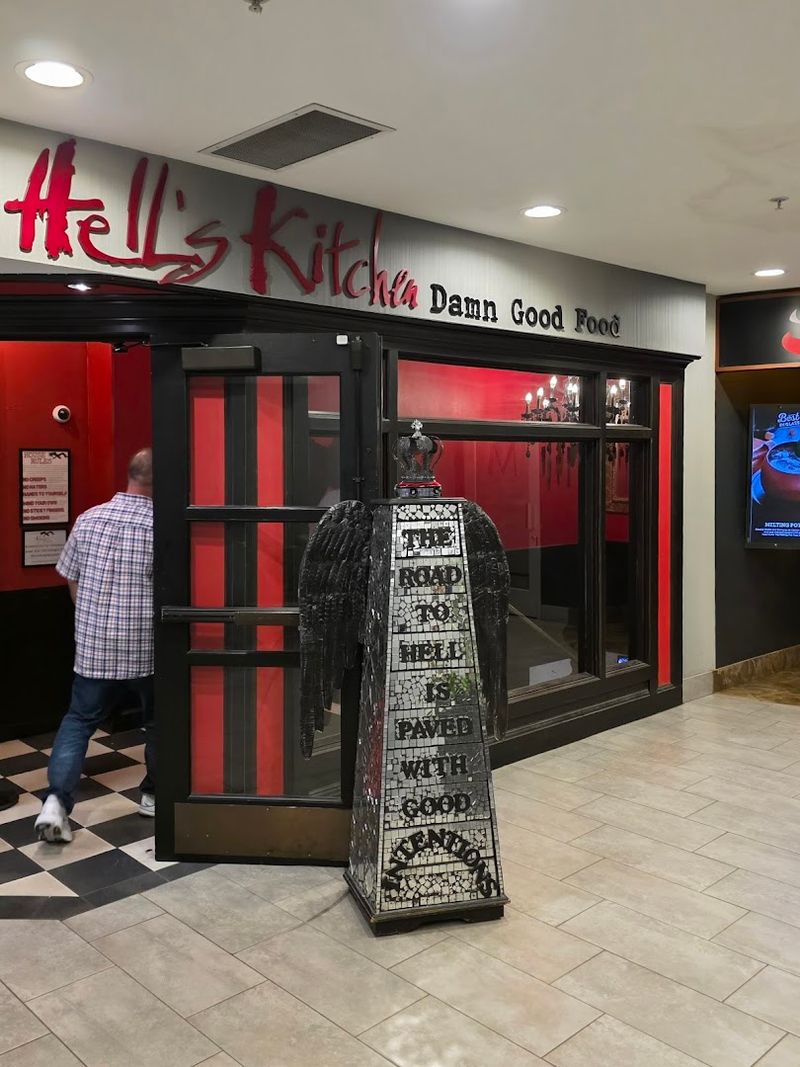
Hell’s Kitchen does not whisper — it announces itself. Located in a dramatic underground space in downtown Minneapolis, this restaurant built its reputation on bold brunch dishes, irreverent humor, and a personality so strong it practically walks up and introduces itself.
The name alone tells you this place is not interested in playing it safe, and the food backs that attitude up completely.
The brunch menu is where Hell’s Kitchen really shines. Lemon ricotta hotcakes, mahogany-smoked meats, and wild rice porridge are among the standout items that regulars return for obsessively.
Everything on the plate feels intentional and slightly theatrical, like someone in the kitchen genuinely cares about making an impression. The coffee is excellent, which matters more than people admit when evaluating a brunch spot.
Beyond the food, Hell’s Kitchen has cultivated a brand identity that extends to merchandise, a peanut butter line, and a loyal fan base that treats it more like a lifestyle than a restaurant. The staff energy tends to be high and genuinely fun, which adds to the overall experience.
In a city full of great breakfast options, Hell’s Kitchen carved out a niche by being the loudest, most flavorful personality in the room — and nobody seems to mind one bit.
Owamni (Minneapolis) — Redefining American Cuisine
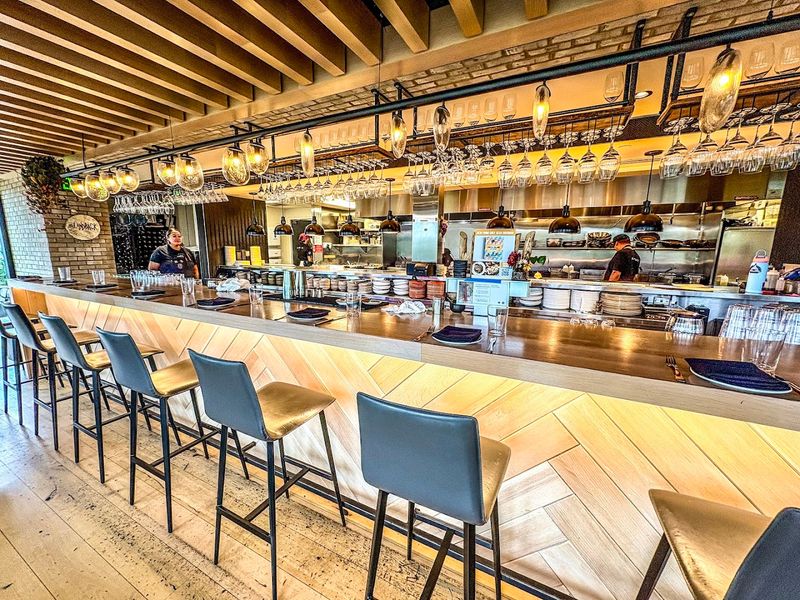
When Owamni opened along the Mississippi River in Minneapolis, it immediately changed the conversation about what American food could be. Chef Sean Sherman, also known as The Sioux Chef, built a menu entirely around Indigenous North American ingredients — bison, wild rice, cedar, sumac, and more — while deliberately excluding colonial-era staples like wheat flour, dairy, and cane sugar.
The result is something genuinely unlike anything else in the country.
The James Beard Award for Best New Restaurant in 2022 confirmed what diners had already discovered: Owamni is exceptional. But beyond the accolades, the restaurant carries deep cultural significance.
It centers the food traditions of Native peoples who have called this land home for thousands of years, offering a perspective that fine dining has historically overlooked entirely.
Eating at Owamni feels like learning something important while also having one of the best meals of your life. The flavors are complex, the presentations are beautiful, and the story behind every dish adds a layer of meaning that stays with you long after the meal ends.
Reservations fill up fast and should be made well in advance. This is not just a restaurant — it is a statement about identity, history, and the future of American food culture.
Diane’s Place (Minneapolis) — The New Face of Tradition
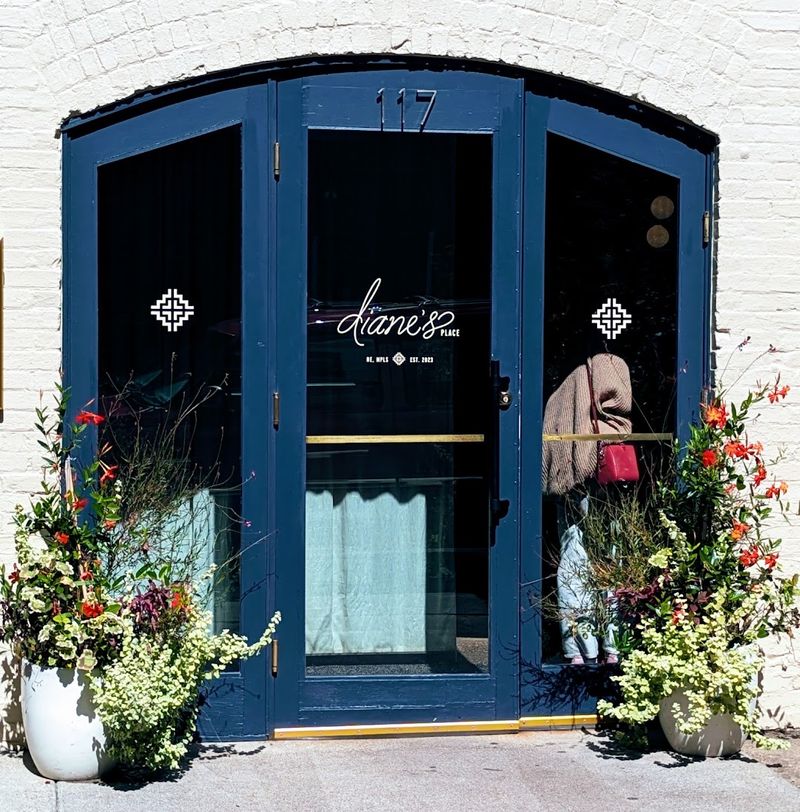
Hmong American cuisine has deep roots in Minnesota, home to one of the largest Hmong communities in the United States. Diane’s Place in Minneapolis stands as one of the most celebrated expressions of that culinary heritage, offering dishes that reflect the flavors, techniques, and traditions brought from Southeast Asia and refined across generations of life in the Midwest.
Every plate tells a story of resilience and creativity.
The menu features traditional Hmong dishes alongside American comfort food, creating a fusion that feels natural rather than forced. Egg rolls, papaya salad, and rice-based dishes sit alongside familiar breakfast and lunch staples, making the menu accessible to newcomers while still honoring the food that the community grew up eating.
The portions are generous and the prices are fair.
What makes Diane’s Place stand out is the warmth that comes through in everything — from the cooking to the service to the space itself. It feels like eating at someone’s home, which is the highest compliment a restaurant can receive.
As Minnesota’s food scene continues to reflect its increasingly diverse population, spots like Diane’s Place are not just participating in that conversation — they are leading it. This is tradition with a forward-looking spirit.
Pizzeria Lola (Minneapolis) — Modern Classic Status
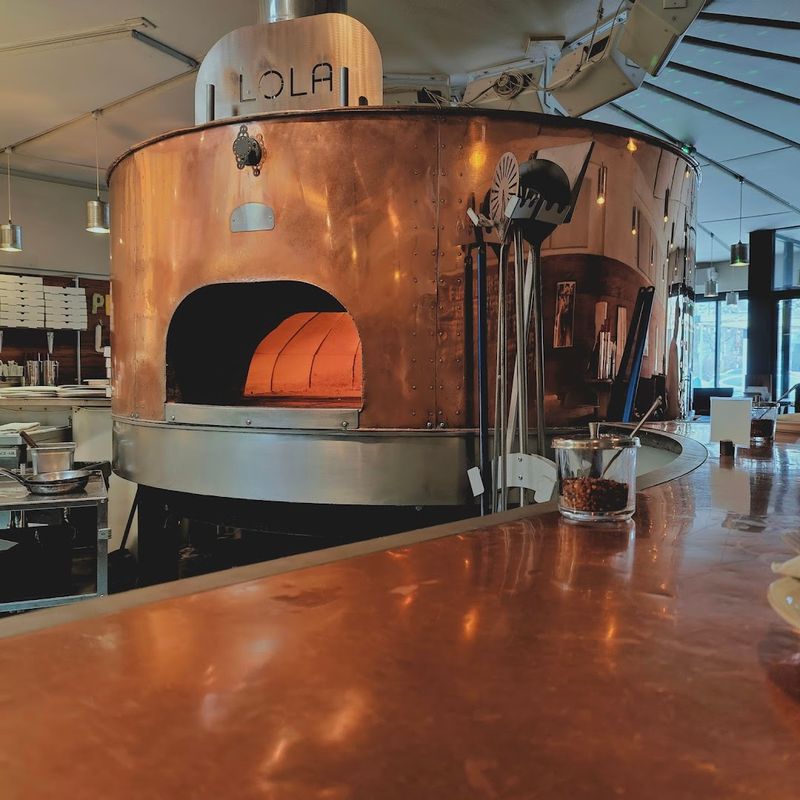
Some restaurants feel like classics the moment they open. Pizzeria Lola, which launched in 2010 in the Kenny neighborhood of Minneapolis, earned that status surprisingly fast.
Chef Ann Kim built a menu around wood-fired pizzas that blend Italian technique with Korean flavors — a combination that sounds unexpected but tastes like it was always meant to exist. The Lady ZaZa pizza, topped with Korean sausage and kimchi, became an instant icon.
The space is warm and inviting, with a wood-burning oven as the centerpiece of the open kitchen. Watching the pizzas come out of the fire while you wait gives the whole experience a satisfying, almost primal energy.
The crust has just the right amount of char, and the toppings are balanced in a way that shows real culinary thoughtfulness rather than gimmickry.
Ann Kim went on to win a James Beard Award, and Pizzeria Lola is widely credited as the restaurant that launched her into national recognition. But even without the awards, it would still be packed most nights based purely on the food.
The restaurant reflects everything exciting about Minneapolis dining — diverse influences, personal vision, and a commitment to craft that turns a simple pizza into something genuinely memorable. It is a neighborhood spot with a national reputation.



