 Unearth The Voyage
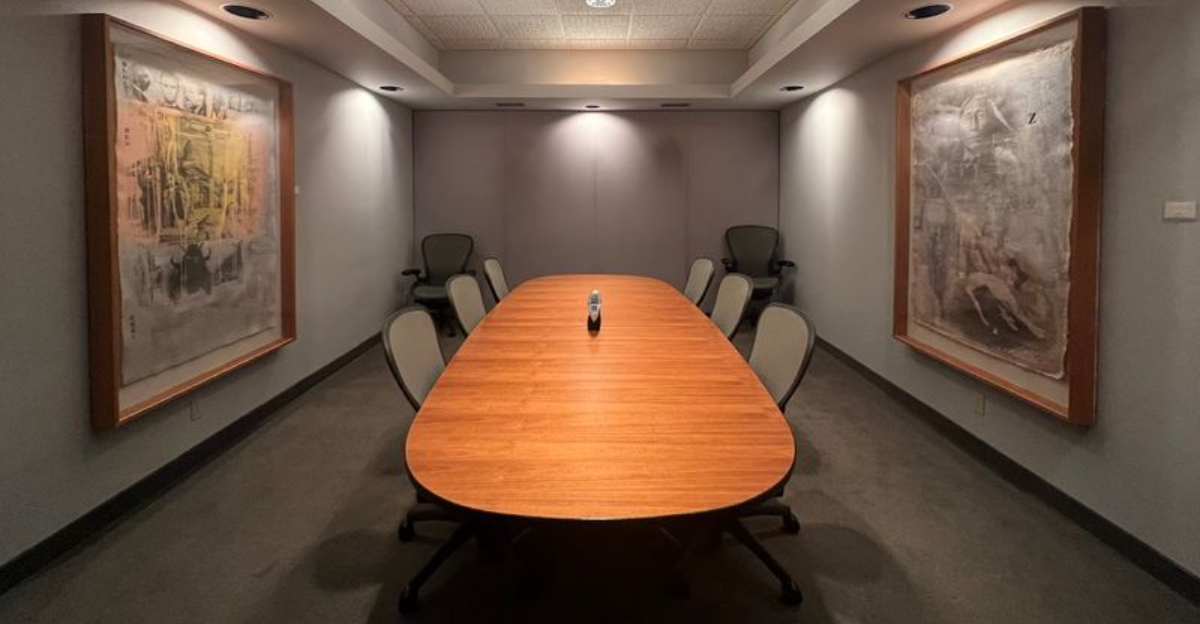
At Orfield Laboratories Inc in Minneapolis, the world’s quietest anechoic chamber turns silence into a measurable test of human perception. Visitors report hearing their heartbeat, lungs, and even joints because the chamber absorbs nearly all sound and minimizes external noise.
This space is more than a curiosity, serving research, product testing, and tours that explain how sound and silence shape daily life. Here is what you need to know before stepping into the room where quiet becomes the main event.
What an anechoic chamber actually does

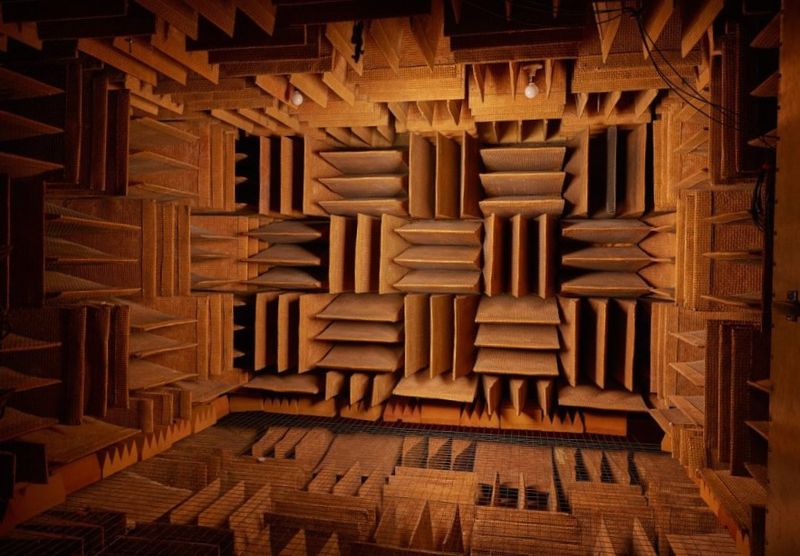
An anechoic chamber is designed to remove echoes and nearly all ambient noise, creating a controlled acoustic environment. At Orfield Laboratories in Minneapolis, the chamber uses thick layers of sound-absorbing wedges and a decoupled floor to prevent reflections and vibrations.
This setup lets engineers measure only the sound produced by the source, with almost no interference from the room itself.
Because environmental noise is suppressed, microphones and instruments capture authentic data about loudness, directionality, and tonal character. That is vital for product validation, psychoacoustic studies, and standards compliance.
The chamber does not make sound disappear in the world outside, but inside it, the background level is so low that subtle noises become detectable.
For a visitor, this means hearing internal sounds that daily life masks. You might notice your pulse, breathing, and the soft creak of joints because there is no competing noise floor.
The sensation can feel disorienting at first, yet it demonstrates how perception depends on context. Orfield’s chamber turns quiet into a living lesson about how ears, brain, and environment interact.
Why Orfield’s chamber is called the quietest room
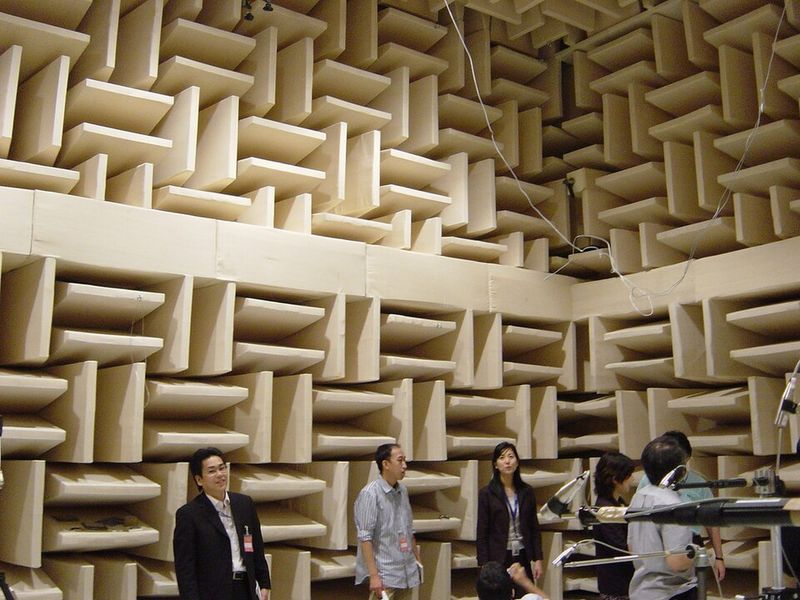
Orfield Laboratories’ anechoic chamber has been measured at extreme negative decibel levels relative to human hearing threshold under specific test conditions. That figure reflects how little sound energy remains after absorption by the wedge geometry and isolation construction.
The room is engineered to prevent reflections from walls, floor, and ceiling, so signals die instead of bouncing.
Low noise floors make measurements more precise, which is crucial for research and product development. Statistical repeatability improves when background interference is pushed down.
The quietest-room label comes from validated acoustic tests, not marketing flourish, and it highlights the facility’s design rigor and maintenance.
Visitors often expect pitch-black silence, but the experience is about the absence of external acoustic clutter. Your ears adapt and start surfacing bodily sounds that usually get masked.
That perceptual shift helps explain why some people choose shorter sessions, while others last longer comfortably. The designation draws attention, but the practical value is the chamber’s reliability as a reference environment.
Where it is and how to plan your visit
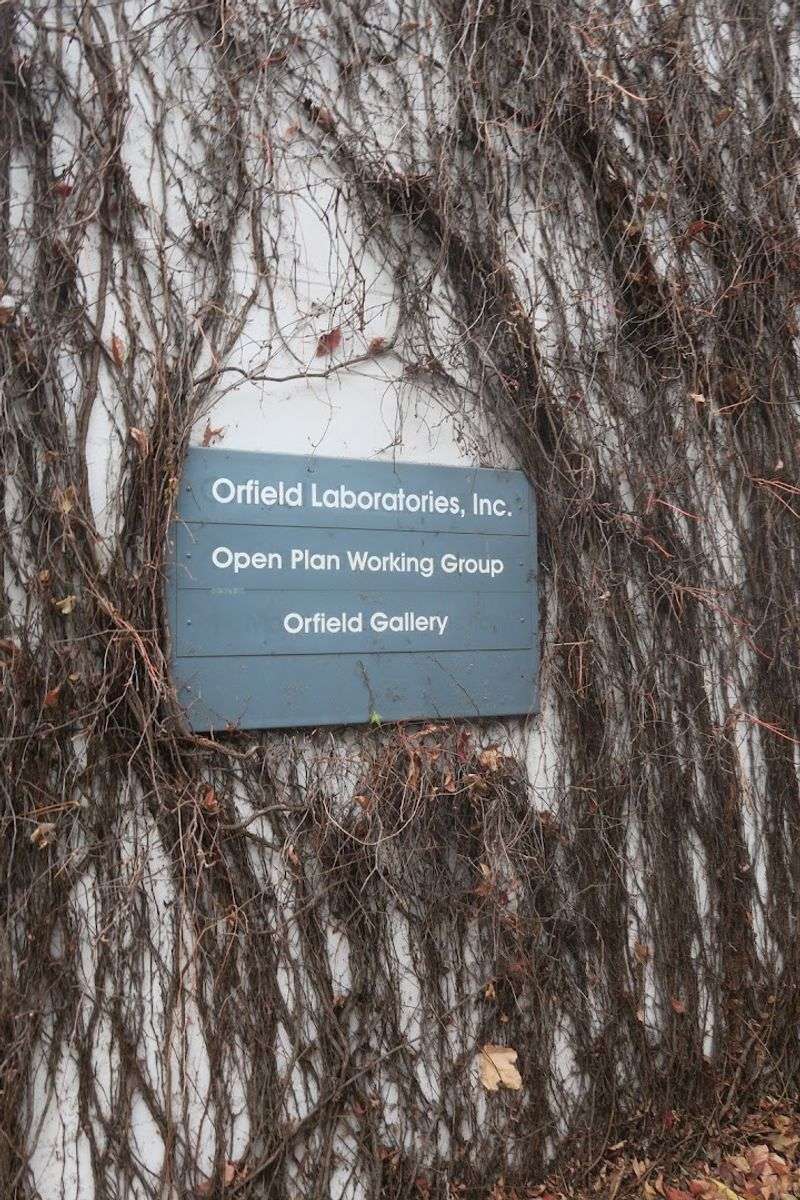
Orfield Laboratories is located at 2709 E 25th St, Minneapolis, Minnesota, and operates primarily as a research and product development facility. Tours and chamber experiences are offered by reservation, with posted hours typically 8 AM to 5 PM on weekdays.
Checking the website or calling +1 612-721-2455 helps confirm availability and policies before booking.
Because demand can spike, especially after media coverage, scheduling early is smart. Private tours explain the building’s past as a recording studio, the lab’s acoustic work, and safety guidelines for the chamber.
You will be briefed on what to expect and how to communicate if the session feels uncomfortable.
Parking and arrival are straightforward, and staff provide a calm, professional orientation. Plan a little extra time to explore exhibits and the reverb room if included.
If a slot is canceled, follow up promptly to reschedule or request a refund per current policy. A clear plan helps you focus on the remarkable sensation that follows when the door closes and quiet takes over.
The science behind negative decibels
Decibels are a logarithmic unit referenced to a standard threshold of human hearing. When measurements read below 0 dB SPL, it means the sound pressure is lower than that reference, not that sound is impossible.
Orfield’s chamber suppresses environmental contributions so completely that instrumentation can register extremely faint signals under controlled calibration.
Negative decibel readings depend on microphone sensitivity, weighting curves, bandwidth, and averaging time. Precision equipment and procedures matter, because a tiny draft or vibration can skew data.
The chamber’s structure controls these variables by isolating the space and absorbing energy across targeted frequency ranges.
For visitors, negative decibels do not feel like a number. They feel like clarity.
With no reverberation, the brain loses spatial cues it uses to interpret distance. That makes internal noises jump forward in awareness.
Understanding the metric helps separate sensation from measurement, highlighting why Orfield’s environment is valued for research and demonstrations.
What you will likely feel inside
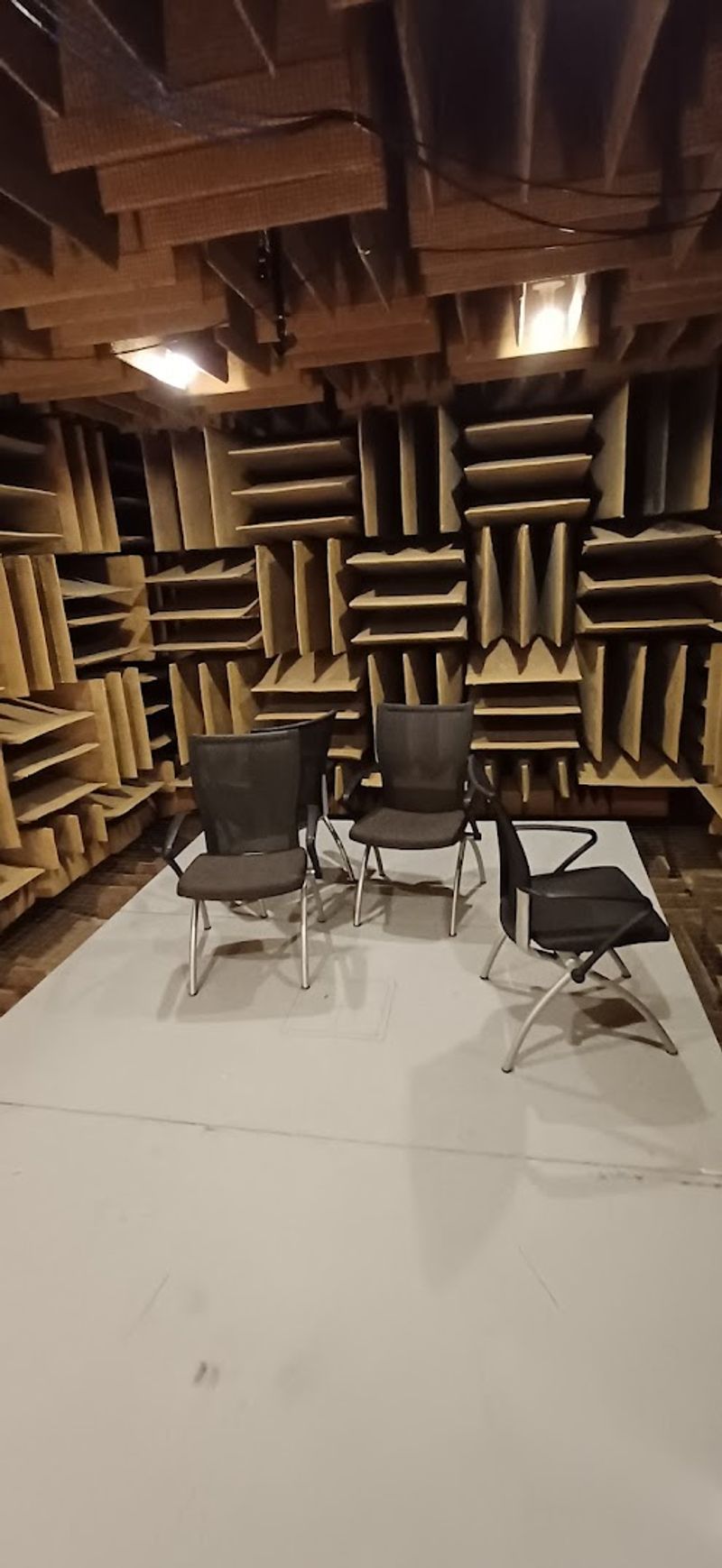
Most people report hearing their heartbeat, breathing, and tiny muscular clicks within a few minutes. The absence of reflections makes orientation harder, so balance can feel unusual.
Some describe a gentle pressure-like sensation as the brain searches for normal room cues that are missing.
This response is not harmful, but it can feel intense if you expect ordinary quiet. Staff recommend staying still, focusing on slow breathing, and letting the novelty pass.
As your auditory system adapts, the experience settles into a steady awareness of self-generated sounds.
Time perception can shift because there are fewer external markers, so minutes may feel longer or shorter. Communicate if discomfort rises, and remember there is no requirement to finish a full hour.
The value comes from noticing how hearing works, not from endurance. Many visitors leave calmer, with a new respect for everyday soundscapes.
Safety, comfort, and etiquette
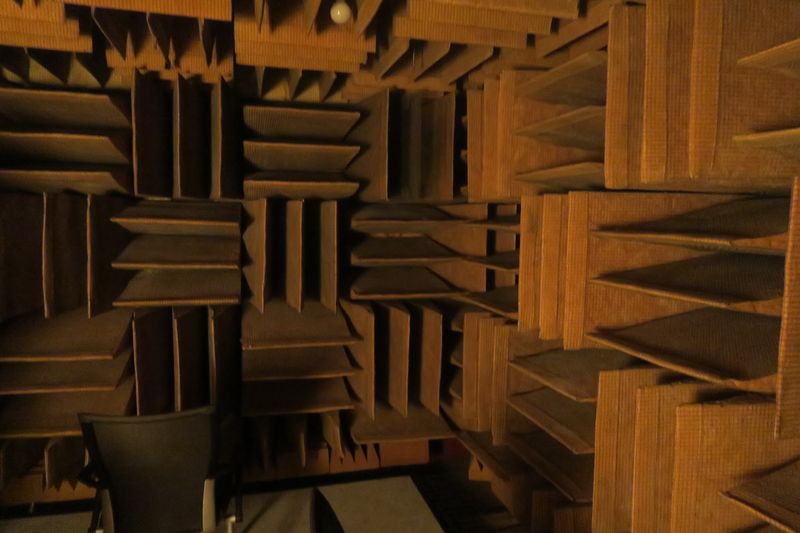
Before entering, staff provide a concise safety briefing that covers communication signals and exit procedures. You will remove loose items and follow guidance about footwear on the suspended floor.
The chamber is well maintained, but careful steps protect both you and the equipment.
Comfort strategies include relaxed posture, eyes open or softly closed, and steady breathing. If you feel dizzy, kneeling or sitting reduces balance effort while you reorient.
Headphones are not used because the goal is to experience the acoustic environment as is, without added audio.
Etiquette is simple: speak quietly outside the chamber, listen during the briefing, and respect time slots so groups stay on schedule. Photos may be allowed in designated moments, depending on policy, but flashes are discouraged.
Remember that this is an active lab, not an amusement ride. Professional conduct ensures a better visit for everyone and protects sensitive research spaces adjacent to the chamber.
Tours, booking options, and cancellations
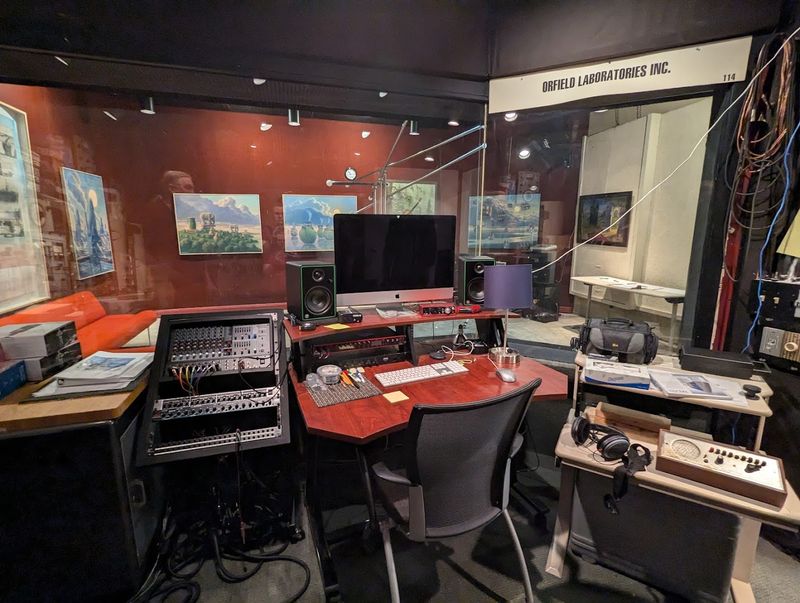
Orfield Laboratories schedules tours that combine history, facility highlights, and time inside the anechoic chamber. Availability varies, so online booking or a phone call helps secure a spot.
Private sessions are popular, particularly for visitors seeking longer quiet periods or tailored explanations.
Policies explain check-in windows, photography guidelines, and late arrival handling. Cancellations can happen, and the lab works to reschedule when possible.
If you need a refund or new date, prompt communication improves outcomes because open slots may fill quickly.
Reviews mention responsive staff and also note rare gaps in follow-up during busy times. Keep confirmation emails and note the phone number in case messages land in spam.
Planning flexibility plus courtesy on both sides makes logistics smooth. That way, the focus can remain on the experience itself and the thoughtful science behind it.
How companies use the chamber
Manufacturers bring products to Orfield Laboratories to quantify sound levels, search for tonal issues, and validate designs. Microphones and analyzers capture precise spectra without room reflections masking faults.
Results inform material choices, damping strategies, and mechanical tolerances that improve perceived quality.
Appliances, medical devices, automotive components, and audio gear are common test subjects. In a quiet environment, a faint rattle becomes clear, and airflow noise can be mapped.
That leads to actionable fixes before production, saving cost and protecting brand reputation.
The chamber also supports psychoacoustic evaluations that relate measured data to how listeners judge loudness and comfort. Standards work may include protocols for repeatability so results compare across sites.
For clients, the takeaway is tighter control over acoustic performance, not just a new number on a spec sheet. Orfield’s facility connects engineering practice with human experience in a way everyday rooms cannot.
The building’s recording studio legacy
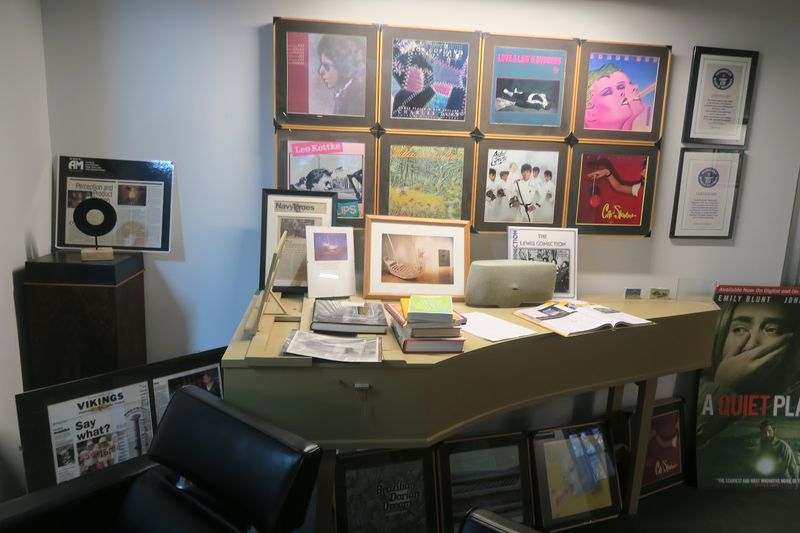
Part of the tour highlights the property’s earlier life as a recording studio. The story adds context to why acoustics have long mattered at this address.
Seeing archival photos and equipment helps connect today’s research with decades of sound-focused work in Minneapolis.
Studio spaces demand controlled reflections and isolation, though not the same total absorption as an anechoic room. That lineage nurtured a culture of careful listening and precise construction.
Visitors appreciate how the building evolved while keeping its commitment to sound quality and design.
Hearing about artists who once recorded here makes the lab’s mission feel grounded and local. It is a reminder that great sound begins with spaces that respect physics and people.
The recording legacy does not overshadow the laboratory’s role today, but it enriches the narrative you hear as you step toward the chamber’s door.
Reviews and what they reveal
Public reviews frequently praise the knowledgeable staff and the educational quality of tours. Many visitors describe the anechoic session as peaceful, not frightening, and note that an hour can pass quickly once settled.
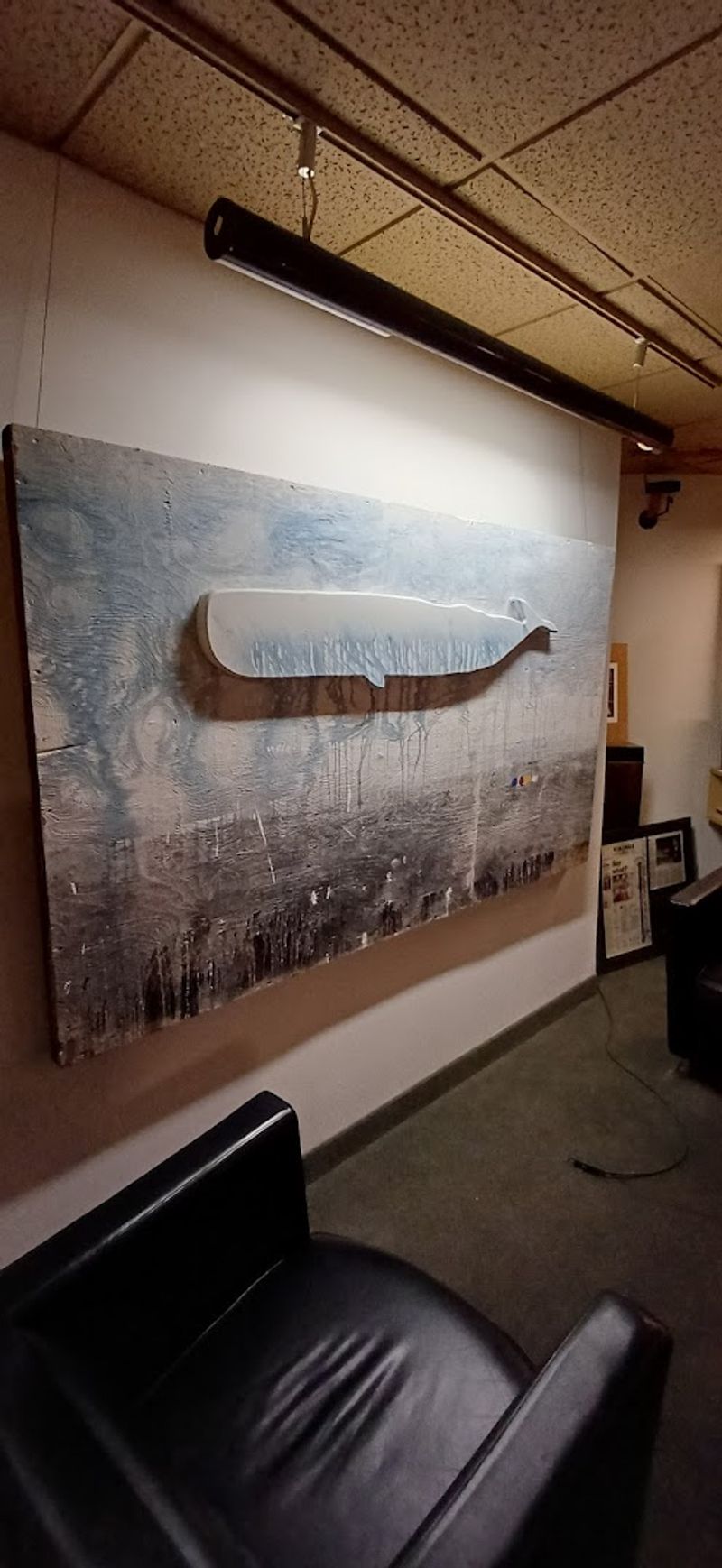
Others highlight the engaging art collection and the contrast with the reverb room.
There are also occasional reports of scheduling hiccups or delayed responses, especially during peak interest. These comments underscore the importance of confirming details and leaving time buffers.
Balanced feedback suggests most guests are satisfied and find the experience worth the effort.
When you read reviews, look for specifics about pacing, explanations, and how guides manage expectations. Clear, patient communication appears to make the biggest difference in comfort.
Taken together, the feedback frames Orfield as a small, specialized lab that welcomes the public while prioritizing research standards and safety.
The reverb room contrast
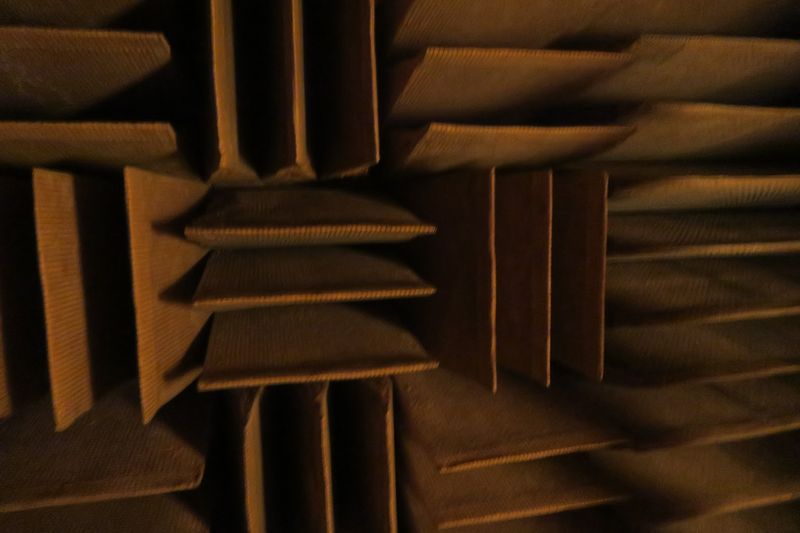
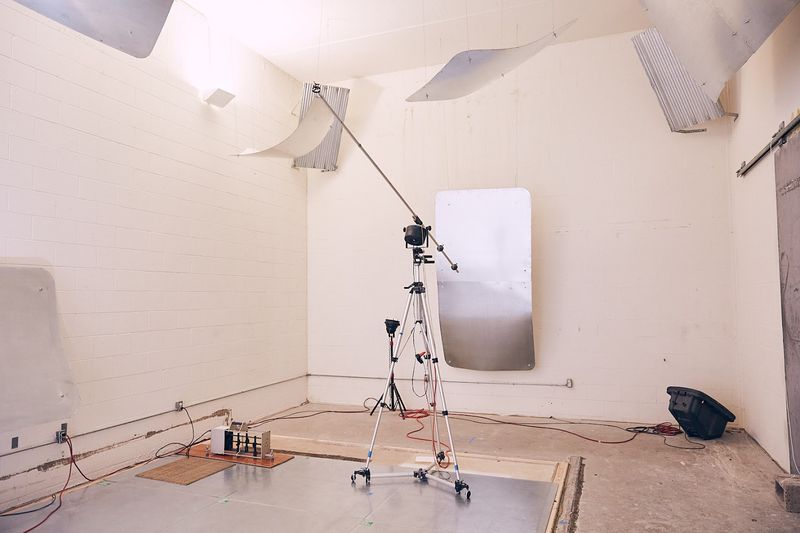
Orfield often pairs the anechoic chamber with a reverberation room so you can feel opposite acoustic extremes. In the reverb space, hard surfaces reflect sound to extend decay times, making claps and speech bloom and linger.
This showcases how room geometry and materials shape what we hear.
Engineers use reverb rooms to assess absorption of materials and the way products behave in lively environments. Comparing both rooms clarifies why absorptive and reflective strategies each have a role.
Everyday spaces mix these traits, so hearing the poles helps you recognize design tradeoffs around comfort and clarity.
For visitors, the contrast is dramatic and memorable. After quiet, the reverb room feels expansive and bright.
The back-to-back experience anchors key acoustic concepts better than charts alone, leaving you with a practical sense of how buildings, products, and voices interact.
Psychoacoustics and human perception
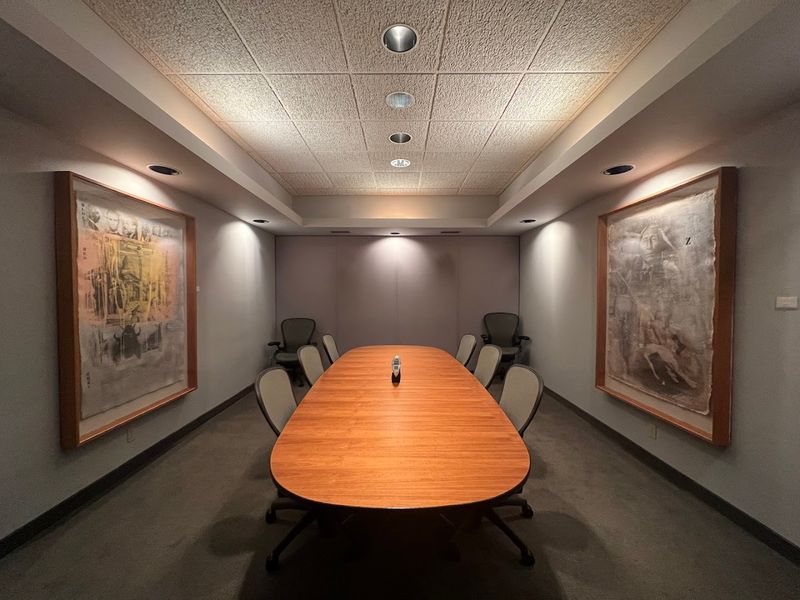
Psychoacoustics links measurable sound to how people actually perceive it. In Orfield’s chamber, controlled stimuli and surveys reveal thresholds, masking effects, and loudness judgments.
Because the noise floor is minimized, data reflects human response rather than room artifacts.
Researchers can probe how small spectral changes alter comfort or clarity. For products, that means tuning noise signatures to be less intrusive, not just quieter in decibels.
Listener panels help translate graphs into design choices that support well-being and usability.
As a visitor, you witness how the brain fills gaps when cues vanish. Internal sounds step forward, and time feels elastic.
That lived moment pairs with the scientific method to teach that hearing is an active process, shaped by expectation, context, and physiology. The chamber turns theory into something you can sense directly.
What to wear and bring
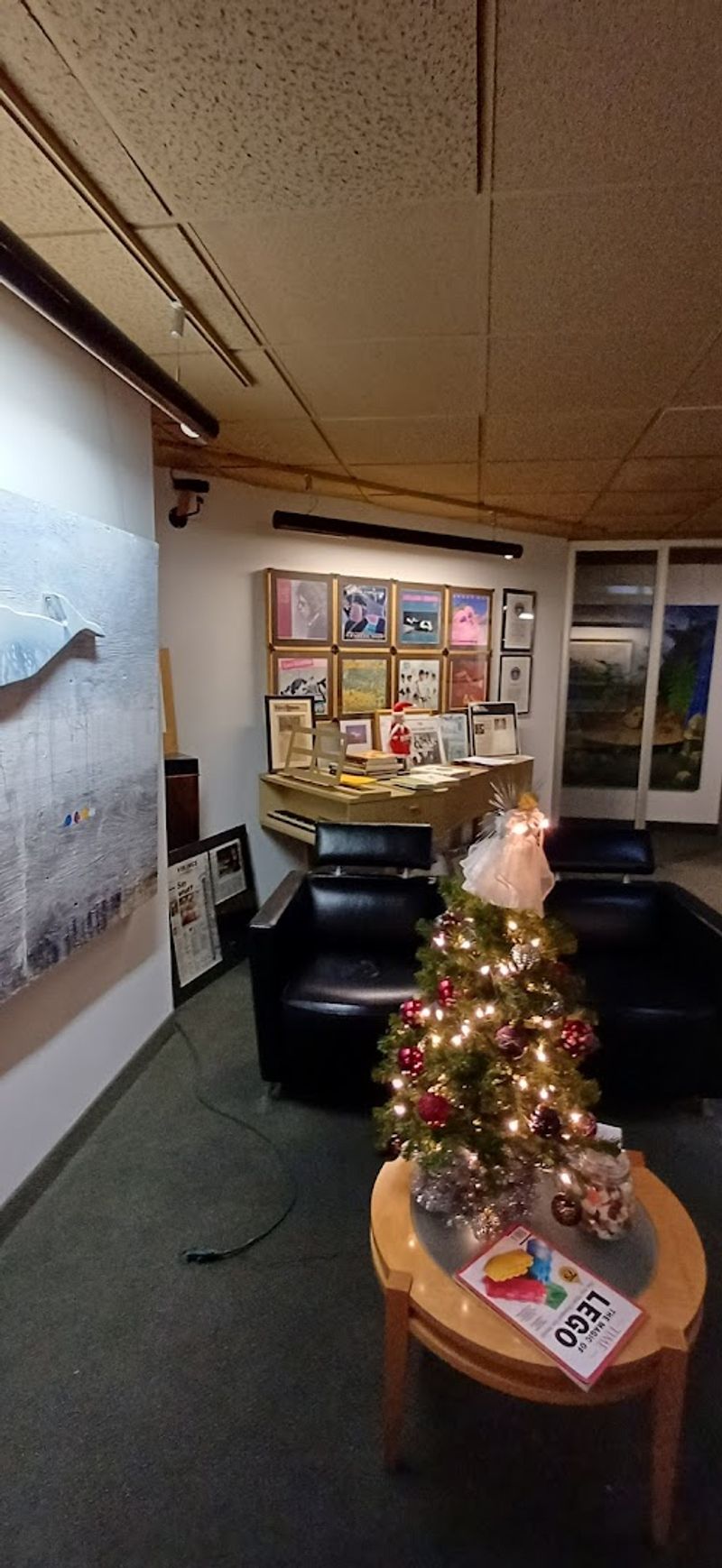
Wear comfortable clothing and closed-toe shoes with good traction for the suspended floor. Avoid jangling jewelry or noisy fabrics that can distract in a low-noise environment.
Bring only essentials, since minimal items reduce the chance of accidental bumps against microphones or wedges.
Photography rules vary, so check whether phones are allowed during specific parts of the tour. If lighting is dim, a flash may be restricted to protect eyes and preserve the experience.
A small notebook can help capture impressions right after exiting, when details feel fresh.
Hydration and meals are best handled before arrival, and caffeine timing is worth considering if you are sensitive. The space is climate controlled, but layers add comfort during still sessions.
Preparedness frees you to focus on how silence reframes attention and how your own body becomes the sound source.
How long people usually last

Session length varies widely, but many visitors report 5 to 30 minutes as a comfortable window on a first try. Others, especially after guidance, remain for much longer periods and find the time restorative.
Orfield’s staff emphasize listening to your body rather than chasing a record.
Why does it feel challenging? Without ambient cues, the brain amplifies internal sensations and can misjudge balance.
Once breathing and posture settle, the novelty fades and concentration deepens. Some people describe a meditative state where small sounds feel rich instead of strange.
The headline claim that most cannot last an hour captures the experience’s intensity, not a strict limit. With preparation and calm pacing, many do reach or exceed that mark.
Either outcome offers insight into perception, which is the real reason to step inside.
Booking etiquette and expectations
When reserving, read the confirmation thoroughly and share names of all attendees. Arrive a few minutes early to respect the schedule and ensure you hear the full briefing.
If plans change, notify the lab promptly so another guest can take the slot.
Set expectations with your group about quiet behavior and patience. The facility is a working research site, and staff balance hospitality with precision.
Questions are welcome, and guides are skilled at explaining complex ideas in plain language.
Afterward, consider sending feedback that is specific and constructive. Positive notes help teams refine tours, while reports about delays or confusion guide improvements.
Clear etiquette strengthens the experience for future visitors and supports the lab’s mission in Minneapolis.



