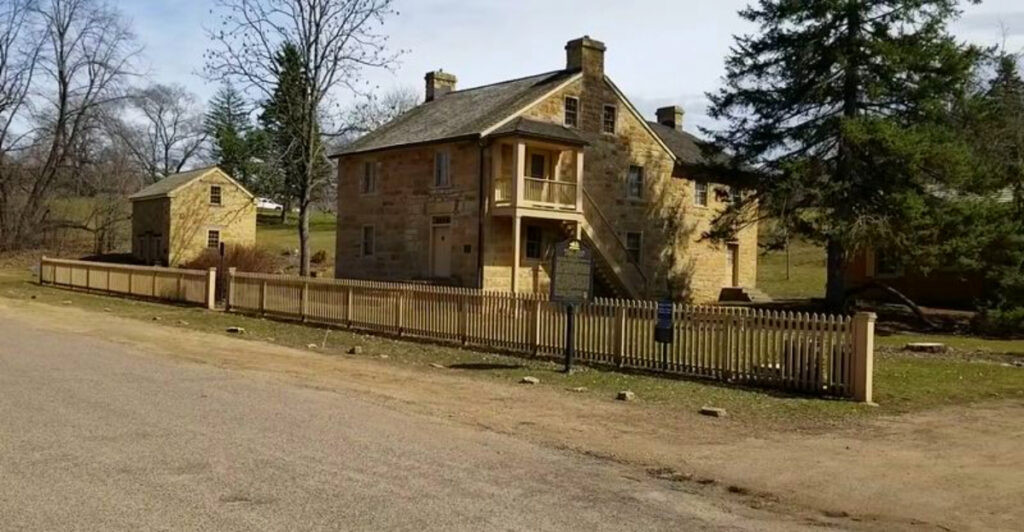
There is a limestone house sitting quietly along the Minnesota River that has stood longer than the state itself. Built in the 1830s, it is recognized as the oldest surviving private residence in Minnesota, and most people drive right past it without ever knowing it exists.
The town of Mendota is easy to overlook, tucked between two major rivers just minutes from the Twin Cities, but what it holds inside those golden stone walls is genuinely remarkable. This is one of those places where early American frontier life, the fur trade, and Dakota history all come together in a way that feels completely real.
The House That Predates Minnesota Statehood
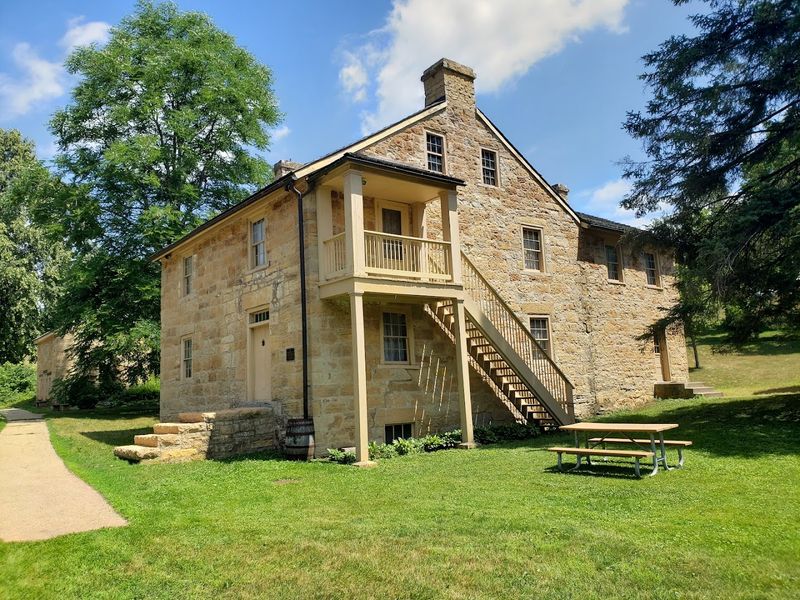
Most buildings that call themselves “historic” are from the early 1900s. The Sibley House at the Sibley Historic Site, located at 1357 Sibley Memorial Hwy, Mendota, MN 55150, was built in 1835, more than two decades before Minnesota became a state in 1858.
That detail alone stopped me in my tracks when I first heard it. The thick limestone walls, quarried locally, have survived nearly two centuries of Minnesota winters without crumbling.
The structure looks serious and solid, the kind of building that was clearly meant to last. Walking around the exterior before the tour even started, I kept thinking about how different this land must have looked when that first stone was laid.
There are very few places in the upper Midwest where you can stand next to a building this old and feel the weight of that history pressing back against you.
What the Fur Trade Actually Looked Like Here
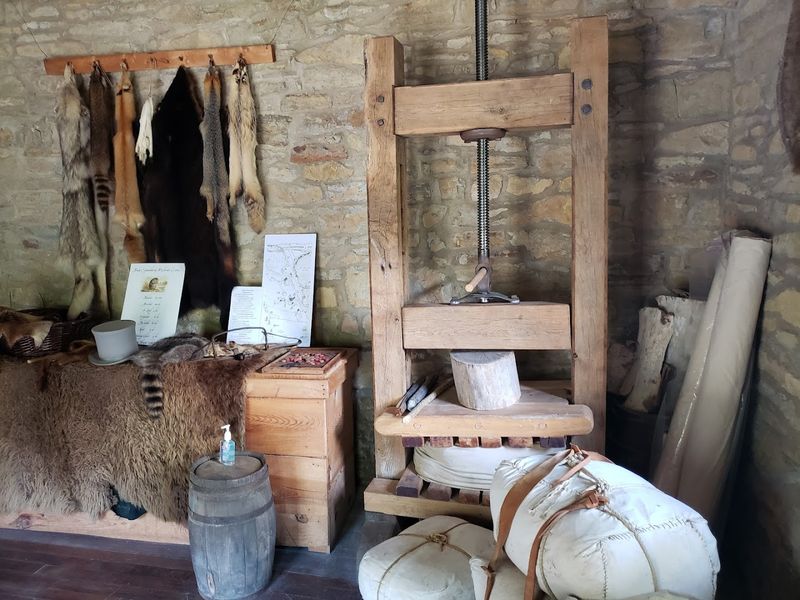
Henry Hastings Sibley arrived in Mendota as an agent for the American Fur Company, and his home doubled as the nerve center of a vast trading network stretching across the region. The tour makes that commercial reality vivid in a way that a textbook never could.
You see the kinds of goods that changed hands, learn how beaver pelts drove an entire economy, and start to understand why this specific spot at the confluence of the Minnesota and Mississippi Rivers mattered so much to traders and Dakota people alike.
The fur trade era is often romanticized, but the guided tour at this site does a solid job of grounding it in practical detail. How were goods transported?
Who did the actual trapping? What did daily life look like for the people living and working here?
Those questions get real, specific answers that stick with you long after the tour ends.
The Golden Limestone That Sets This Place Apart
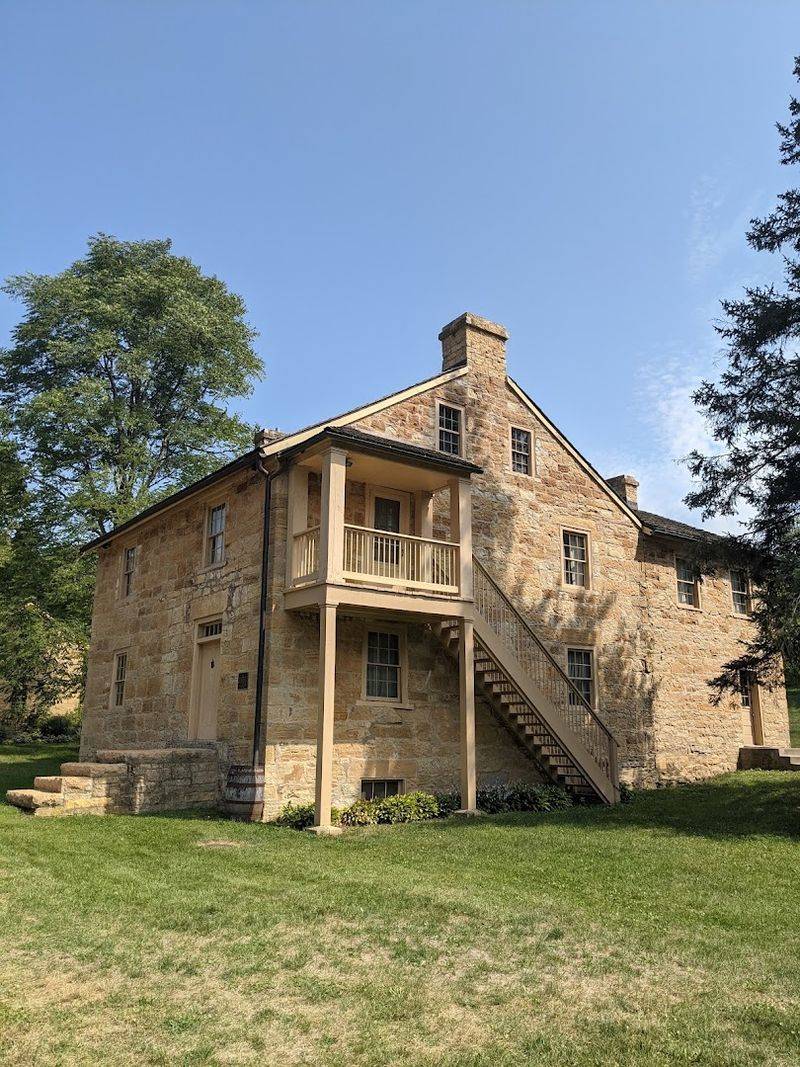
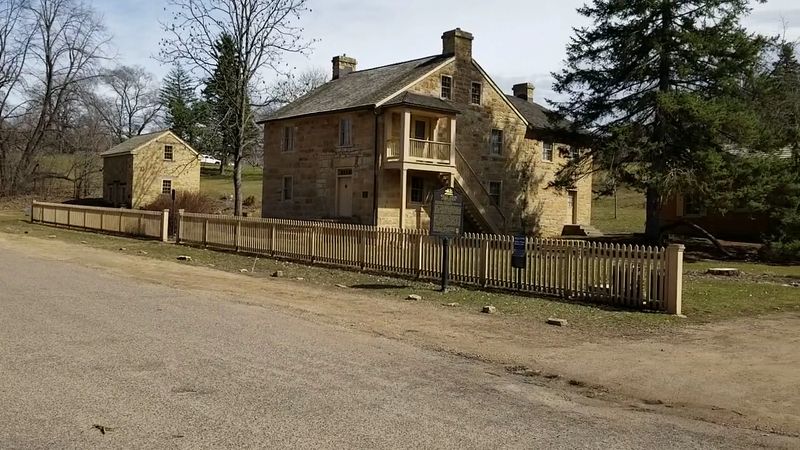
One of the first things you notice about the buildings at this site is their color. The limestone used to construct them has a warm, golden-honey tone that photographs beautifully and looks even better in person on a sunny afternoon.
This stone was quarried from the bluffs in the region, which means the buildings are literally made from the land they stand on. That connection between material and place gives the whole site a grounded, rooted feeling that modern construction simply cannot replicate.
Three main historic structures remain on the property, each built from this same distinctive stone. Seeing them grouped together on the quiet grounds, surrounded by old trees and open lawn, creates a sense of stepping into a preserved moment rather than a reconstructed one.
The buildings feel genuinely original because, in large part, they are. That authenticity is rare and worth appreciating up close.
Three Buildings, Three Different Stories
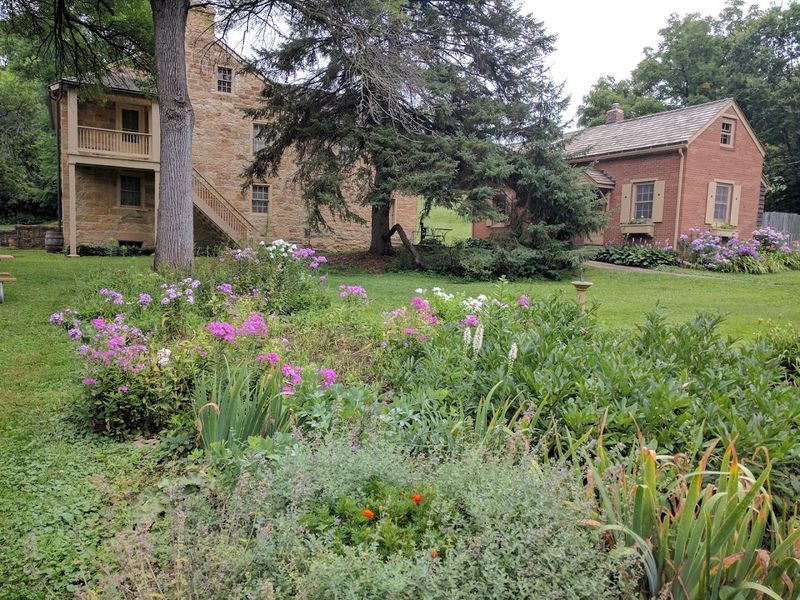
The Sibley House is the headliner, but it is not the only structure worth your attention on these grounds. The site also includes the Jean Baptiste Faribault House and a building known as the Cold Storage House, each telling a distinct chapter of early Minnesota life.
The Faribault House has its own fascinating story connected to another prominent figure in the fur trade and early territorial history. Seeing these buildings as a group rather than in isolation helps visitors understand that Mendota was genuinely a community, not just one man’s outpost.
During the guided tour, the connections between the buildings and the people who lived and worked in them become surprisingly personal. You start picturing real families, real routines, real struggles.
The Cold Storage House, practical and unadorned, somehow made the daily logistics of frontier life click for me in a way that the more polished rooms did not.
Period Furnishings That Feel Genuinely Lived In
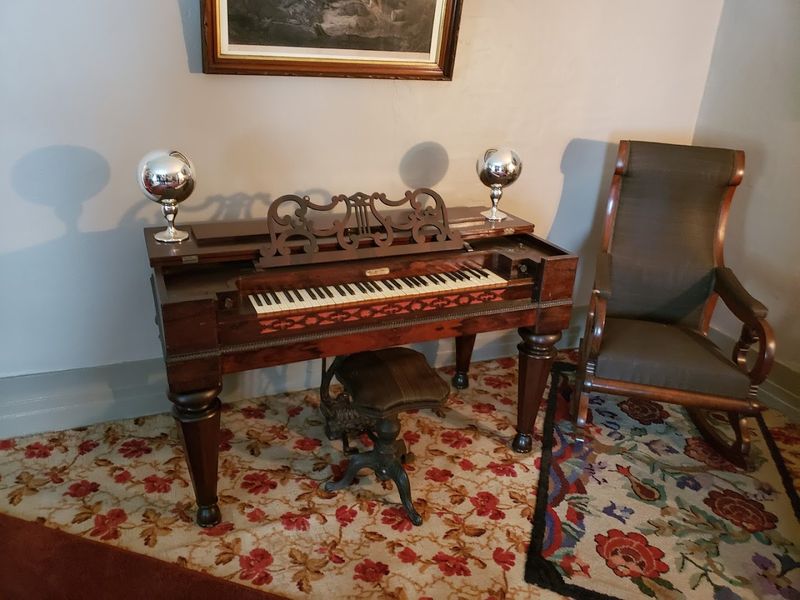
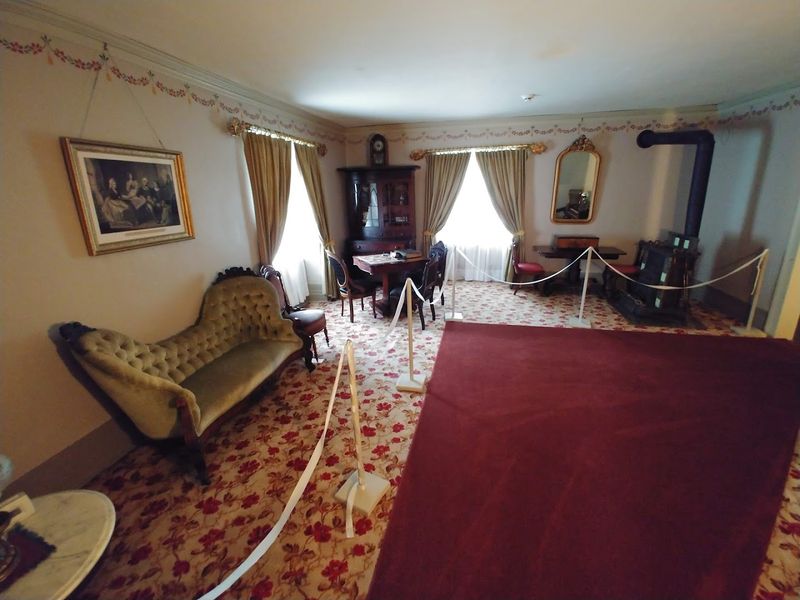
A lot of historic house museums feel like furniture showrooms with velvet ropes. The Sibley House interior has a different quality to it.
The period furnishings are arranged in ways that suggest actual use rather than display, and the rooms carry a worn, lived-in character that makes the history feel less distant.
Wooden furniture, iron implements, woven textiles, and domestic objects from the mid-1800s fill the rooms with context. You get a real sense of what it meant to maintain a household at the edge of the frontier, far from established supply chains and city conveniences.
One reviewer noted that the buildings are in good shape with many period furnishings, and that matches my experience exactly. Nothing felt fake or over-restored.
The goal here seems to be honest preservation rather than theatrical recreation, and that restraint makes the whole experience more believable and more moving. The rooms breathe history quietly.
The Dakota Connection That Runs Through Everything
Long before European traders arrived, the confluence of the Minnesota and Mississippi Rivers was a significant place for the Dakota people. The Sibley Historic Site sits within that deeply layered geography, and the tour acknowledges the Dakota presence and perspective as part of the story being told.
The site is managed by Dakota County, and the Minnesota Historical Society is also involved in its interpretation. The history here is complex, and the best tours engage with that complexity honestly rather than smoothing it over for comfort.
Understanding the Dakota relationship to this land, to the fur trade economy, and to the changes brought by American expansion adds essential depth to everything you see on the grounds. The site is not simply a celebration of one man’s legacy.
It is a place where multiple histories intersect, and the most meaningful visits are the ones where visitors come ready to sit with that complexity rather than look past it.
The Guided Tour That Brings It All Together
You can walk around the grounds on your own, but the guided tour is where this site really opens up. The one-hour tour covers the fur trade era, the people who lived in these buildings, the town of Mendota’s early history, and the ongoing preservation work that keeps the structures standing.
Multiple visitors have singled out specific guides by name in their feedback, which says something real about the quality of interpretation here. A knowledgeable guide who genuinely cares about the material makes an enormous difference in how much you take away from a visit like this.
The tour moves through the buildings and grounds at a comfortable pace, and questions are welcomed throughout. I found myself asking things I had never thought to wonder about before, which is usually a sign that the storytelling is doing its job.
Make sure to check tour times before you arrive, since they are scheduled and not continuous.
Halloween Tours and Seasonal Programming
The standard tour is excellent, but the seasonal programming at this site adds a completely different dimension to the experience. The Halloween tours, in particular, have developed a following among visitors who want something more atmospheric than a typical history lesson.
One memorable Halloween event explored the connection between Henry Sibley and the Salem witch trials, with costumed performers playing period roles alongside the regular guide. A bonfire and s’mores rounded out the evening in a way that felt festive without being gimmicky.
Seasonal events like these are a smart way to bring history to audiences who might not seek it out on their own. The site uses the drama of the setting, those shadowy limestone walls, the old trees, the river nearby, to create experiences that stick in memory.
If you have the option to visit during a special event, it is worth planning around. Check the Minnesota Historical Society website for current programming schedules.
The Quiet Town of Mendota Itself
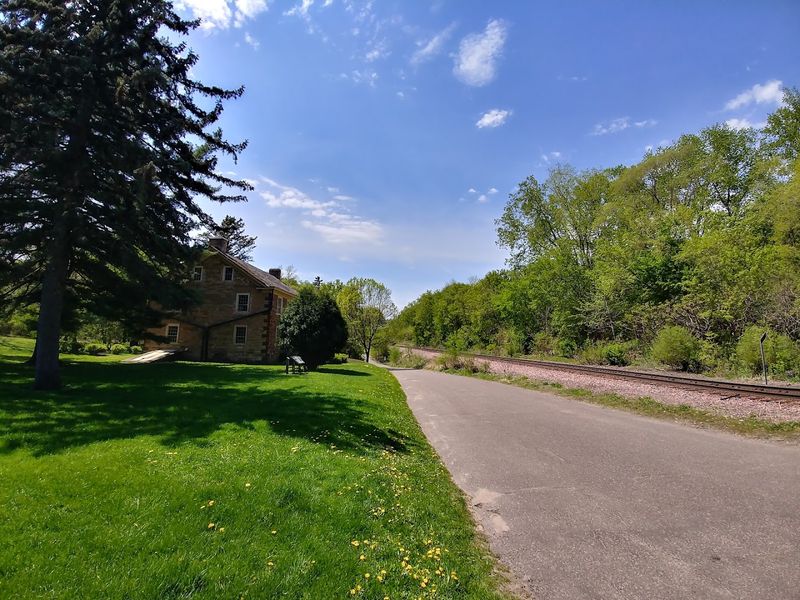
Mendota is one of the smallest and oldest towns in Minnesota, and it wears that distinction without any fanfare. The town sits at the confluence of the Minnesota and Mississippi Rivers, a location that made it critically important in the fur trade era and largely overlooked ever since.
Walking through Mendota feels genuinely quiet in a way that is increasingly hard to find this close to a major metropolitan area. The Twin Cities are just minutes away, but the pace here is completely different.
There are no crowds, no lines, no noise beyond the occasional plane from the nearby airport.
The town itself holds additional historic structures worth noting. A nearby historic church and what is recognized as the oldest bridge in the state are both close to the Sibley site, making Mendota a surprisingly rich destination for anyone interested in early Minnesota history.
The whole town can be explored in an afternoon without ever feeling rushed.
Trails, River Views, and Room to Roam
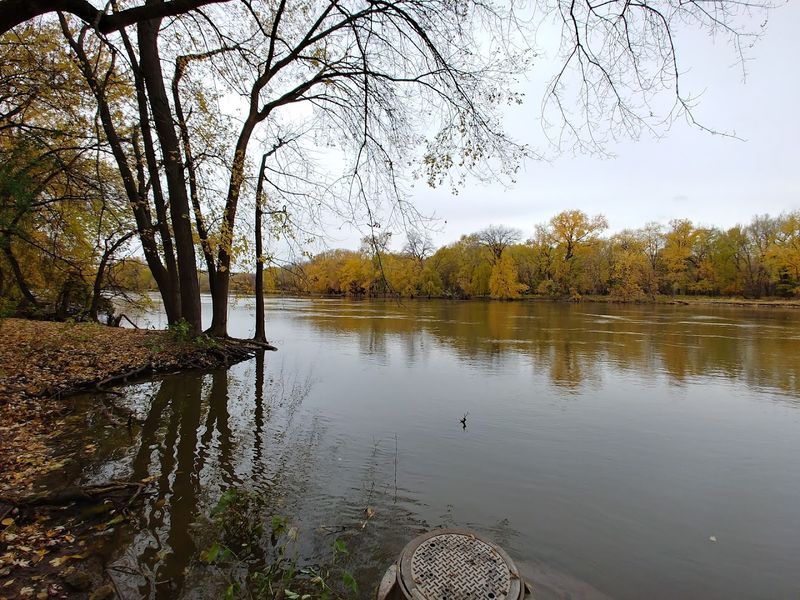
The Sibley Historic Site is connected to a broader network of hiking and biking trails that follow the river bluffs through what is now Fort Snelling State Park. After the tour, I spent another hour just walking the grounds and exploring the trail access nearby, and it added a completely different texture to the visit.
The unpaved trails wind through wooded terrain with occasional river views that feel genuinely remote despite being so close to the city. Some trails connect further into Bloomington and the river bottoms area, making this a legitimate starting point for a longer outdoor day.
The site itself has open lawn space that works well for a picnic. Families with kids have room to spread out, and the grounds feel relaxed and unhurried.
Wildlife is present too. Rabbits and squirrels are common on the property, and the natural surroundings give the visit a peaceful quality that lingers after you leave.
Admission, Access, and Practical Details
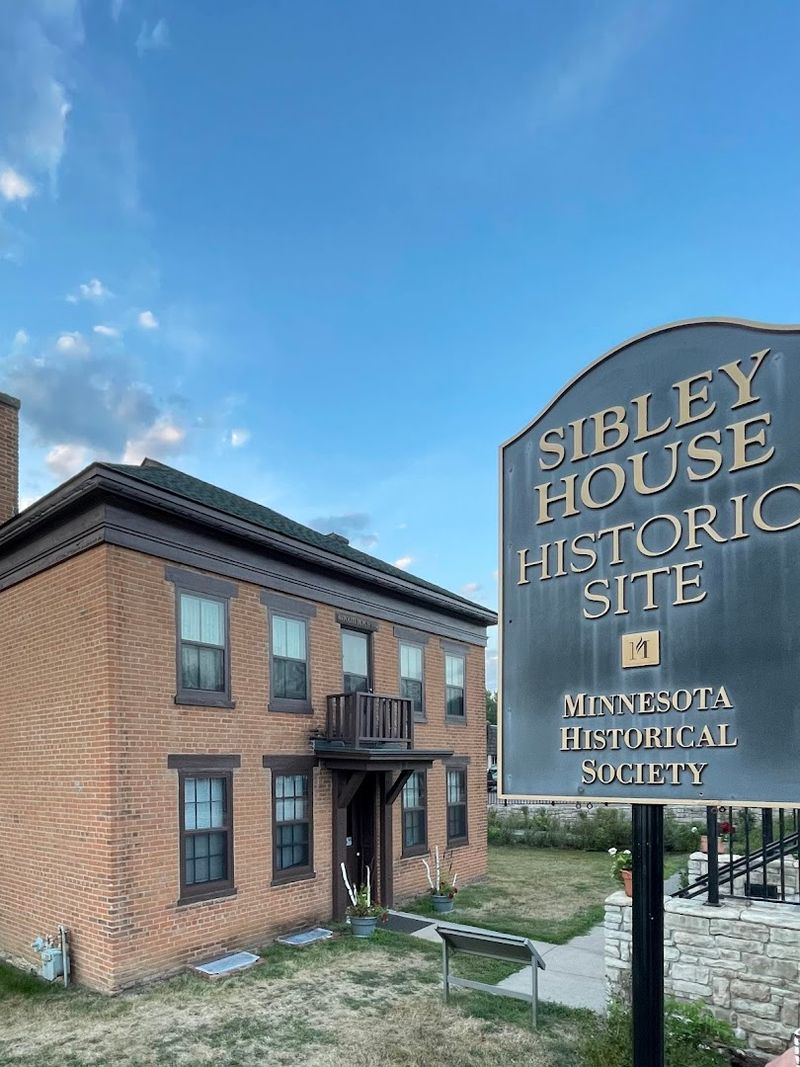
The site is open Friday through Sunday from 10 AM to 5 PM, which means a little advance planning is needed if you want to catch a tour. Tours are scheduled rather than continuous, so checking times before you arrive is genuinely important and will save you a frustrating trip.
Admission pricing is described by visitors as reasonable, and Minnesota Historical Society members get in free, which is a nice bonus if you already hold a membership. The gift shop carries a small selection of items including historically themed postcards at a very approachable price point.
Getting to the site requires a bit of navigation since it sits along the Sibley Memorial Highway rather than a major thoroughfare. Once you arrive, parking is available on site.
The address is 1357 Sibley Memorial Hwy, Mendota, MN 55150. More information and current tour schedules are available through the Minnesota Historical Society website at mnhs.org/sibley.
Why This Place Deserves a Spot on Your Minnesota List
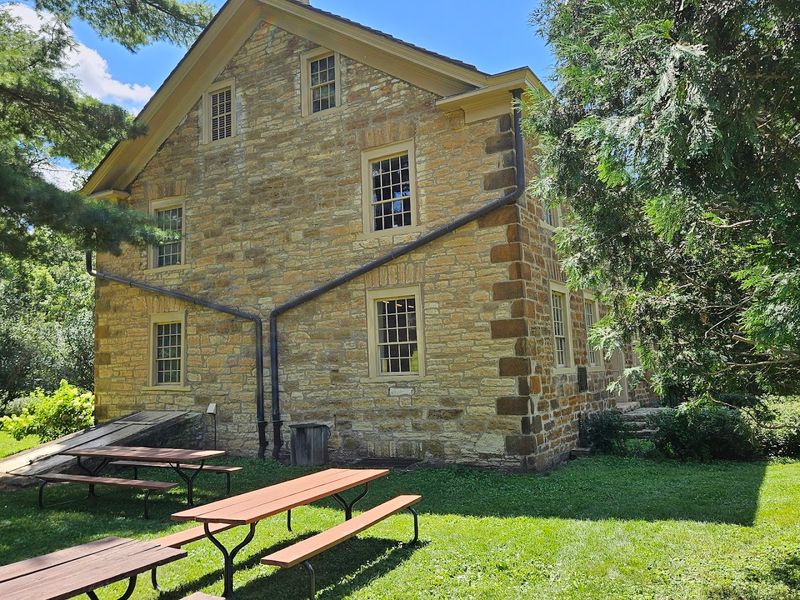
There is something genuinely moving about standing inside a building that has witnessed nearly two centuries of history on this land. The Sibley Historic Site is not a reconstruction or a replica.
These are original structures that have been carefully preserved, and that authenticity changes how the experience feels from the moment you arrive.
Most visitors to the Twin Cities never make the short drive to Mendota, which means this site stays refreshingly uncrowded. You get real time with the buildings, real conversation with the guides, and real space to absorb what you are seeing without being rushed through.
For anyone curious about how Minnesota began, who lived here before statehood, and what the fur trade era actually looked like on the ground, this site answers those questions with honesty and depth. The surrounding trails, the quiet town, and the river views make it easy to turn a one-hour tour into a full and satisfying afternoon.
Share this story