Most people picture the Mississippi River as a wide, powerful force rolling through cities like Memphis or New Orleans. But the river’s very first steps happen somewhere far quieter, far north in Minnesota, where you can literally walk across it on stepping stones without getting your knees wet.
That starting point sits inside the oldest state park in Minnesota, a place so large and so rich with nature that a single day barely scratches the surface. What makes it even more remarkable is how few people outside the region know it exists.
Where the Mississippi River Truly Begins
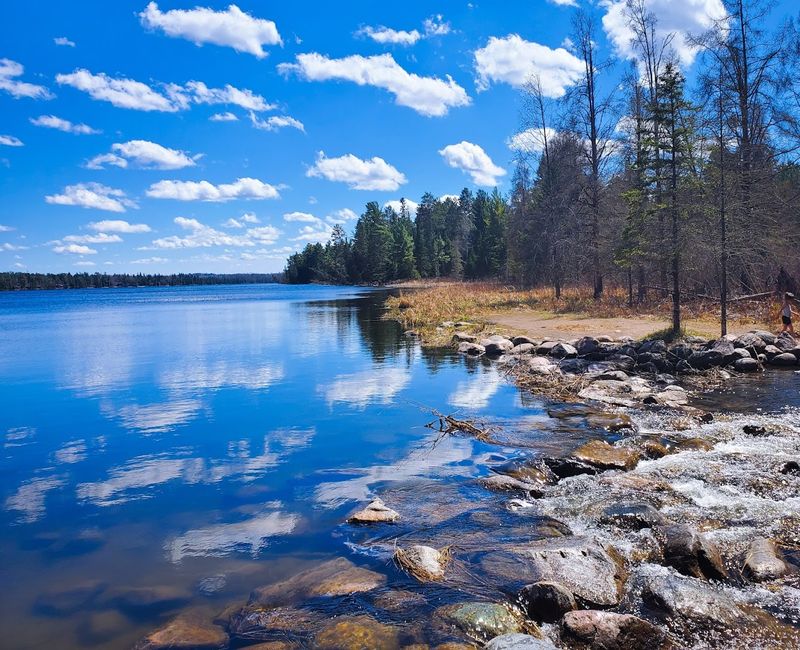
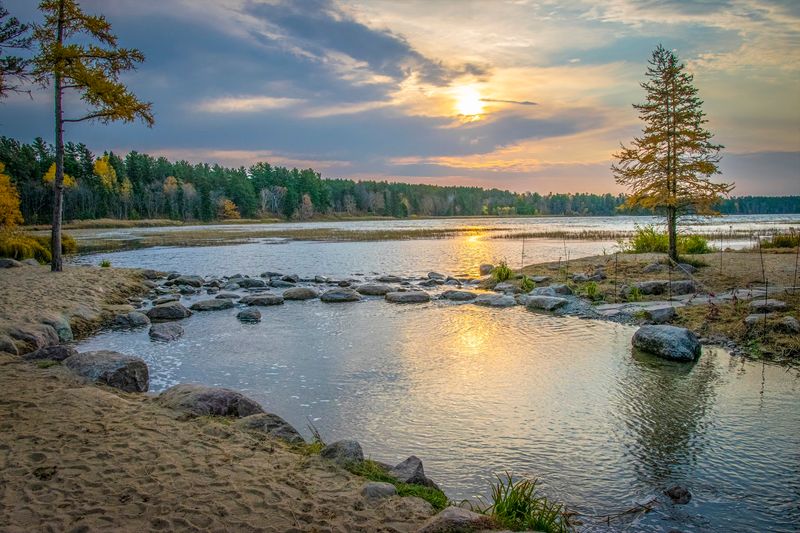
There is something almost unbelievable about standing at the spot where the Mississippi River is born. At Itasca State Park, located at 36750 Main Park Drive, Park Rapids, Minnesota, you can cross the river’s headwaters by stepping from rock to rock.
The water is ankle-deep, crystal clear, and barely two car-lengths wide.
This is where Lake Itasca releases its water northward, starting a journey of roughly 2,340 miles to the Gulf of Mexico. The clarity of the water at this point is striking.
You can see every pebble on the bottom without squinting.
Most visitors take off their shoes and wade across just to say they did it. The rocks can be slippery, so water shoes help.
Getting here early, between 8 and 10 in the morning, means fewer crowds and a more personal connection with one of North America’s most legendary rivers.
Minnesota’s Oldest State Park and Its Deep History
Established in 1891, Itasca State Park holds the title of Minnesota’s oldest state park. That age shows in the best possible way, through towering old-growth pines, well-worn trails, and a landscape that has been protected for well over a century.
The park covers more than 32,000 acres, making it one of the largest in the state.
The name Itasca comes from a Latin phrase meaning “true head,” a name coined by explorer Henry Rowe Schoolcraft when he identified Lake Itasca as the Mississippi’s true source in 1832. That discovery ended years of debate and put this corner of Minnesota on maps worldwide.
Walking through the park today, you feel the weight of that history. The old-growth forests that survived logging in the late 1800s still stand here, some of the pines reaching heights of 120 feet or more, their trunks wide enough to make you stop and stare.
The Ancient Pines That Refused to Fall
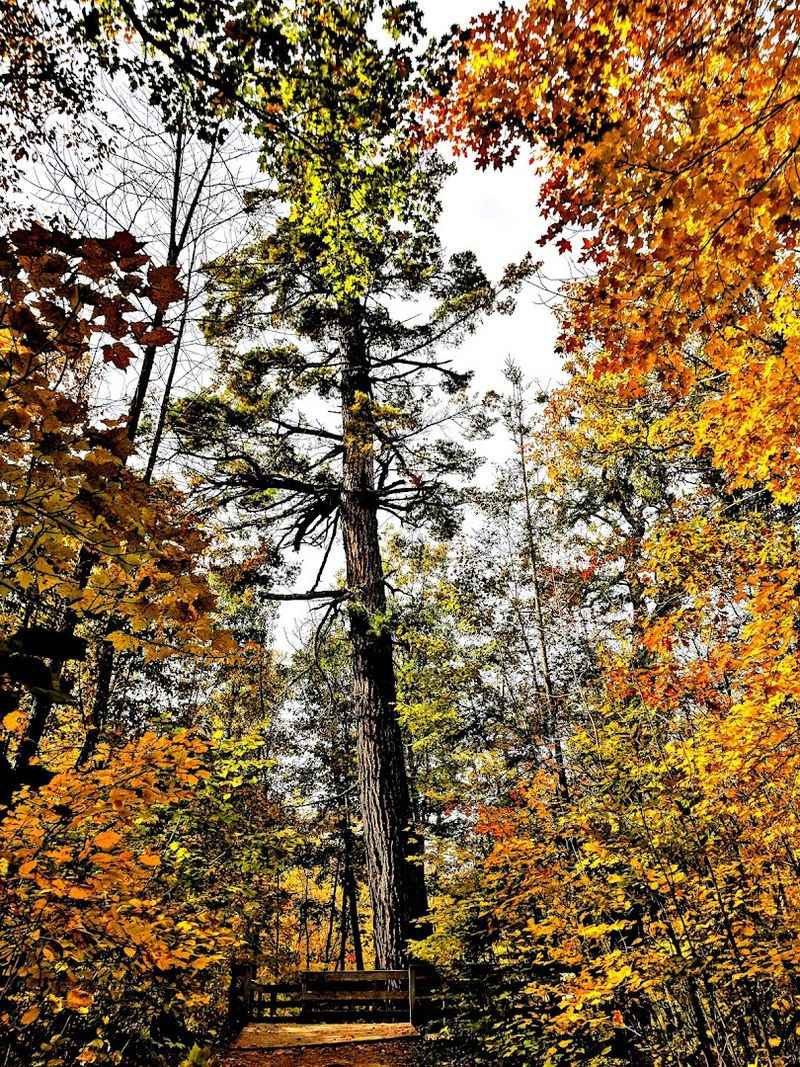
Not every tree in Minnesota survived the logging boom of the late 1800s, but a remarkable stand of old-growth red and white pines at Itasca did. Walking the Preacher’s Grove trail puts you directly beneath trees that are estimated to be between 200 and 300 years old.
The trunks are thick, straight, and deeply furrowed with age.
Standing under them feels quieter than the rest of the park. Sound seems to get absorbed by the canopy overhead, and the light filters down in long, soft columns.
It is the kind of place that slows your pace naturally without you realizing it.
These trees are a living record of what Minnesota’s forests looked like before settlement. Conservationists worked hard to protect this grove, and that effort pays off every time a visitor looks up and realizes they are standing in the middle of something genuinely irreplaceable.
Over 100 Lakes Packed Into One Park
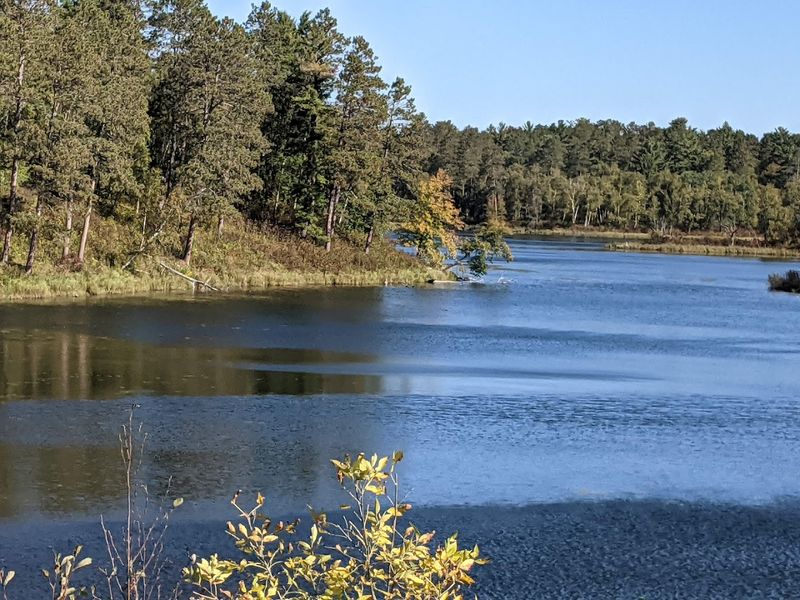
Most state parks have one or two lakes worth mentioning. Itasca has more than 100.
That number alone sets it apart from nearly every other park in the Midwest. Lake Itasca is the centerpiece, but dozens of smaller lakes and ponds are scattered throughout the park’s 32,000-plus acres, each with its own personality and appeal.
Fishing is popular across many of these lakes, with walleye, northern pike, and bass among the species anglers pursue. Canoeing and kayaking let visitors explore quieter corners of the park that trails cannot reach.
The water clarity across many of the lakes is exceptional, a product of the park’s protected watershed.
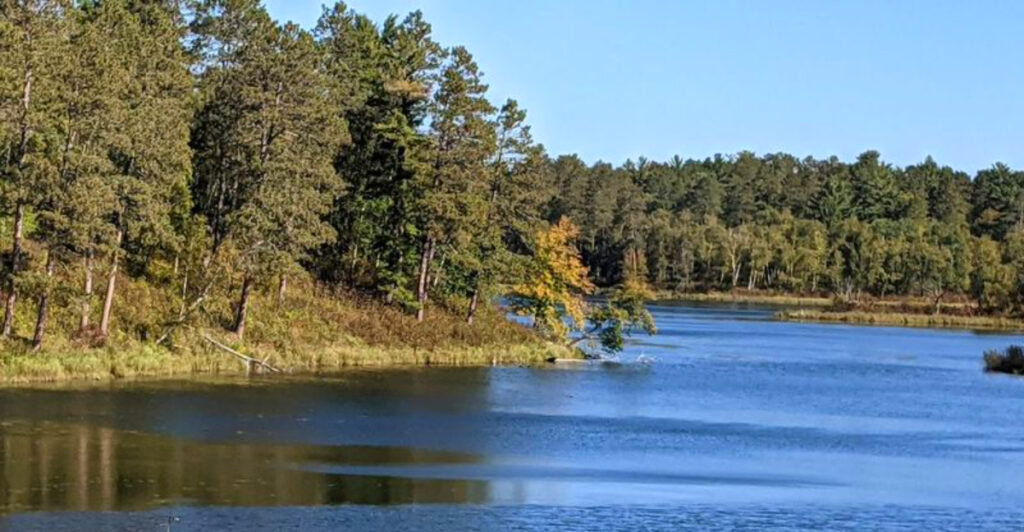
For photographers, the lakes offer endless opportunities, especially in early morning when mist sits on the water and the surrounding pines reflect perfectly on the surface. Fall turns everything amber and gold, making the lake views even more dramatic than they are in summer.
The Fire Tower With a View Worth 135 Steps
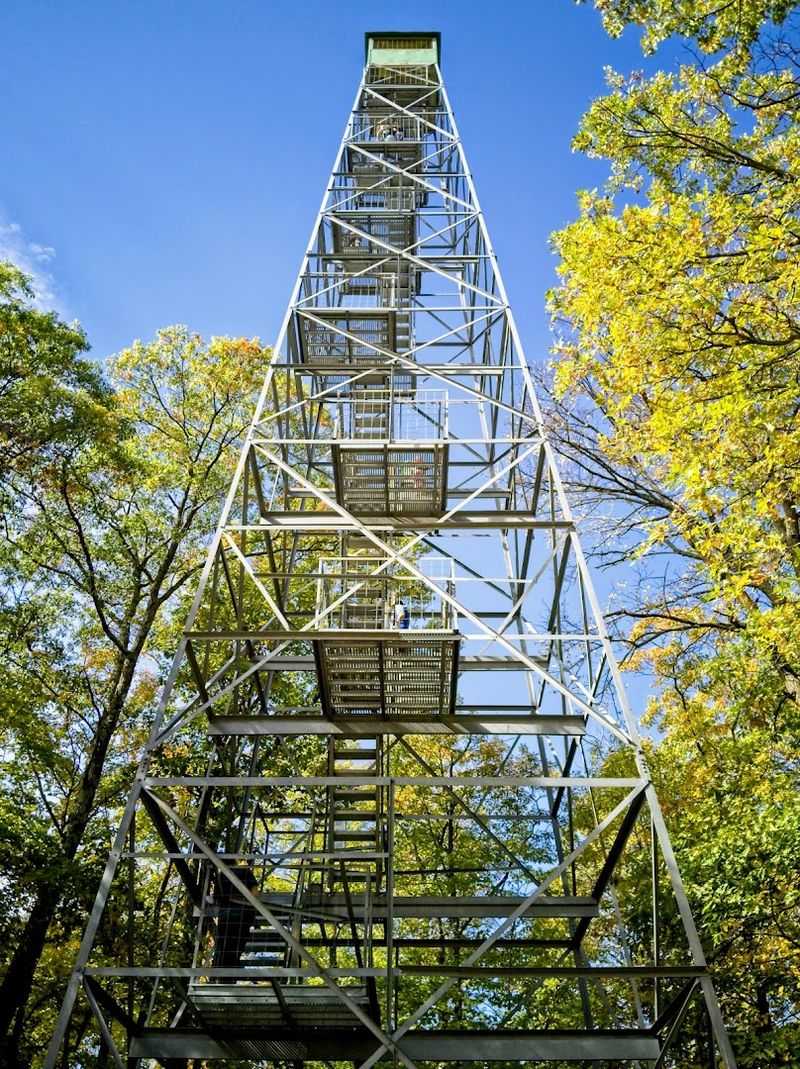
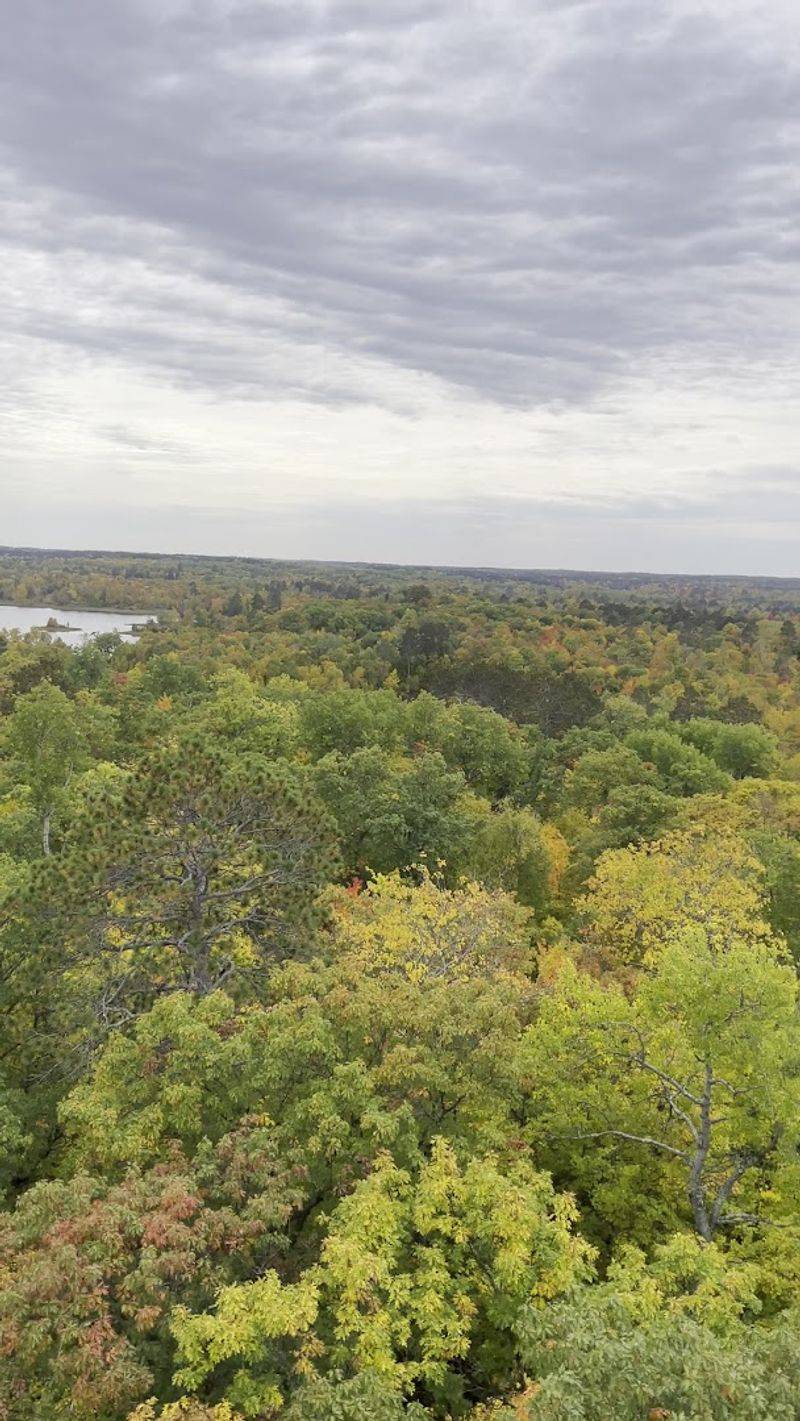
Climbing 135 steps sounds like work, but the payoff at the top of Itasca’s fire tower makes every step worth it. The tower rises above the tree canopy and delivers a panoramic view of the surrounding forest and lakes that stretches in every direction.
On a clear day, the view is genuinely breathtaking.
Getting to the tower requires a short hike along a trail that includes a fairly steep incline. The trail itself is pleasant, moving through shaded forest before opening up near the tower base.
The climb up the tower stairs is manageable for most visitors, though those with a fear of heights may want to pause partway up and decide from there.
The tower is one of those park features that many visitors skip in favor of the headwaters, which means the trail is often quieter than other areas. That relative calm makes the hike feel more like a personal adventure than a tourist attraction.
Trails That Cover Every Skill Level
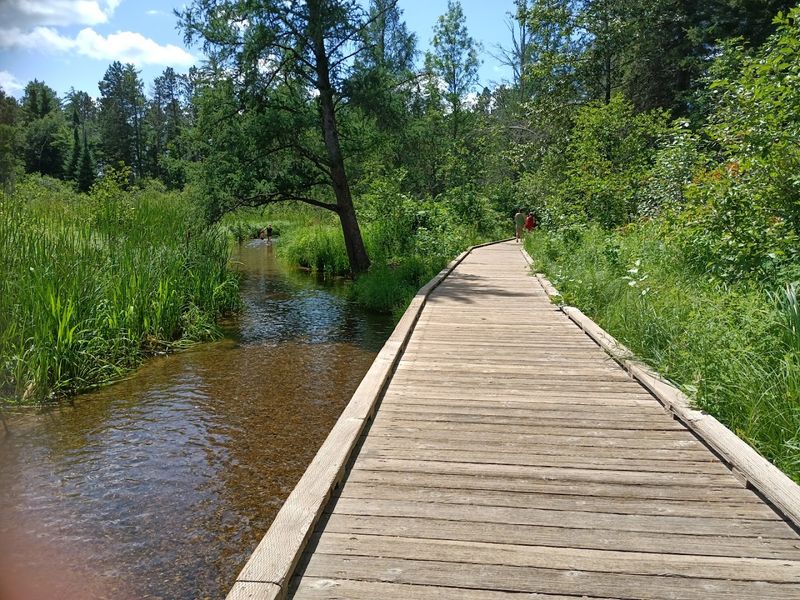
Whether you prefer a paved path for an easy afternoon ride or a rugged backcountry trail through varied terrain, Itasca has a route that fits. The park maintains an extensive trail system that includes both paved bike trails and more challenging hiking paths like the Ozawindib Trail and the Deer Park Trail.
The paved trails are smooth and well-signed, making them accessible for families with young children and visitors using wheelchairs or strollers. The more remote trails, like the stretch past the Dr. Roberts Trail cabin, transition into wilder, quieter terrain where the park feels less managed and more raw.
Wildflowers line many of the trails in late spring and early summer, and the old pines create a natural canopy overhead that keeps things cooler even on warm days. Trail maps are available at the visitor center, and the park’s signage makes navigation straightforward for first-time visitors.
The Wilderness Drive That Changes Everything
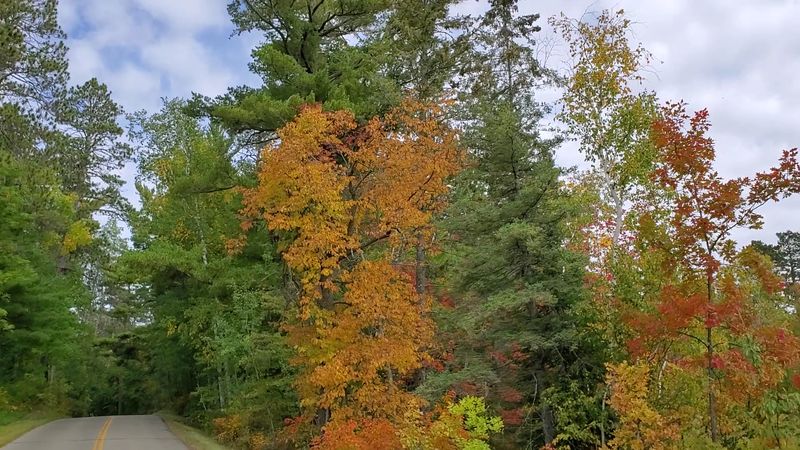
One of the most underrated ways to experience Itasca is the one-way Wilderness Drive, a scenic road that winds through the heart of the park. This route takes visitors through dense forest, past lakes, and alongside wetlands in a way that hiking trails alone cannot replicate.
It is especially stunning in fall when the foliage shifts to deep reds, oranges, and yellows.
The drive is slow by design. The road is narrow and winding, encouraging drivers to take their time and watch for wildlife.
White-tailed deer, bald eagles, and various waterfowl are commonly spotted along this stretch. The experience feels less like driving through a park and more like moving through a living landscape.
Many visitors do the Wilderness Drive after visiting the headwaters, using it as a way to decompress and absorb the scale of the park before heading out. It is one of those quiet park features that tends to leave a lasting impression.
Wildlife That Shares the Park With You
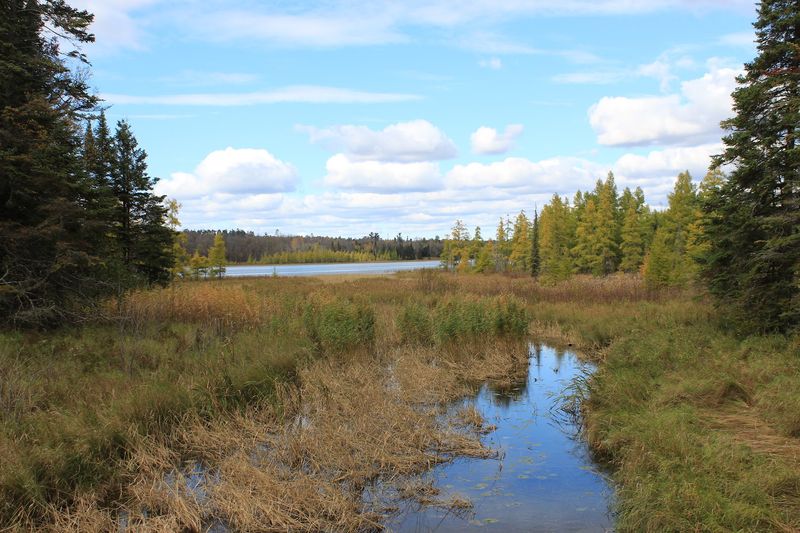
Itasca is home to a wide range of wildlife that visitors regularly encounter throughout the park. White-tailed deer are common, often spotted near trail edges and along the Wilderness Drive, especially in the early morning and evening hours.
Bald eagles nest in the park and are frequently seen soaring over the lakes.
The park’s wetlands support beaver, river otter, and a variety of waterfowl, including loons whose calls echo across the lakes on calm evenings. Black bears are present in the park, though sightings are less frequent.
Staying aware and following park guidelines ensures a safe and respectful experience for both visitors and animals.
Birding is particularly rewarding at Itasca, with species like the common loon, great blue heron, and various warblers found throughout the park’s diverse habitats. Bringing binoculars and a field guide adds a whole new layer of engagement to any trail walk.
Camping Options That Suit Every Style
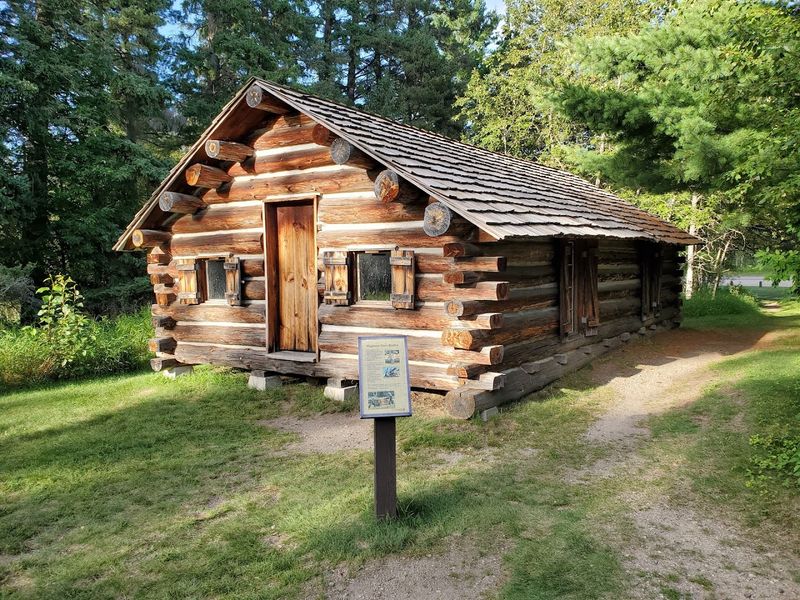
Camping at Itasca is not a one-size-fits-all arrangement. The park offers a range of options, from traditional tent sites to rustic cabins equipped with a futon, bed, microwave, kitchen sink, and small refrigerator.
Campers who want a little more comfort than a sleeping bag on the ground will find those cabins a practical middle ground.
The campgrounds are well-maintained, with clean shower houses and restroom facilities that hold up even during peak summer visits. The park has also added a second dump station for RV campers at the upper campground, which helps reduce congestion when visitors are preparing to leave.
Five nights in the park is not unusual for visitors who want to fully explore the trail system, lakes, and key landmarks. With so much ground to cover, the campground becomes a genuine base of operations rather than just a place to sleep.
Reservations are strongly recommended during summer months.
The Visitor Center That Goes Beyond the Basics
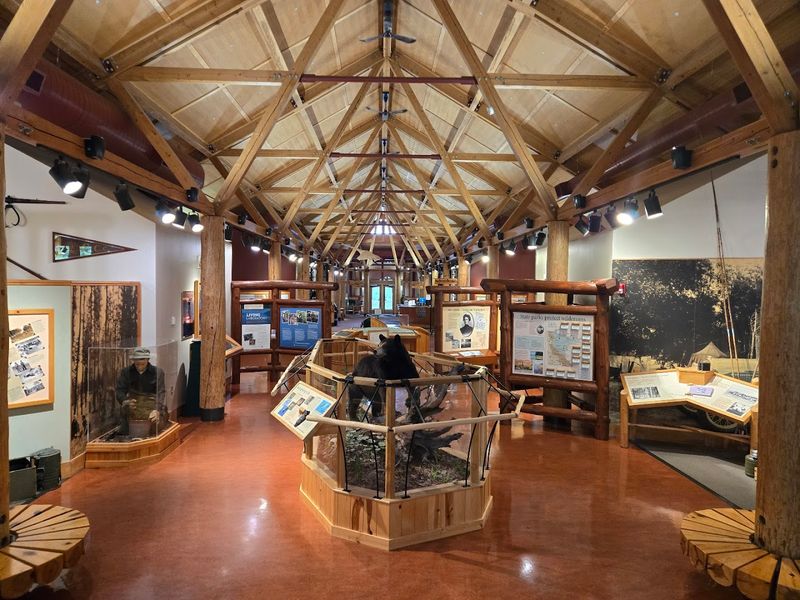
The visitor center at Itasca stands out compared to most state park facilities. It is larger, more detailed, and more engaging than what you typically find, with exhibits covering the park’s natural history, the story of the Mississippi headwaters, and the ecology of the surrounding region.
A hands-on children’s section makes it particularly welcoming for families.
Rangers and staff at the center are knowledgeable and genuinely helpful when it comes to recommending trails, timing visits to avoid crowds, and pointing out things visitors might otherwise miss. Trail maps, park brochures, and seasonal information are all available here.
Taking 20 or 30 minutes inside the visitor center before heading out to the trails gives the rest of the visit more context. Understanding why Itasca was protected and what makes the headwaters historically significant turns a pleasant outdoor trip into something that feels more meaningful and memorable for both adults and kids.
Fall Colors That Turn the Park Into a Painting
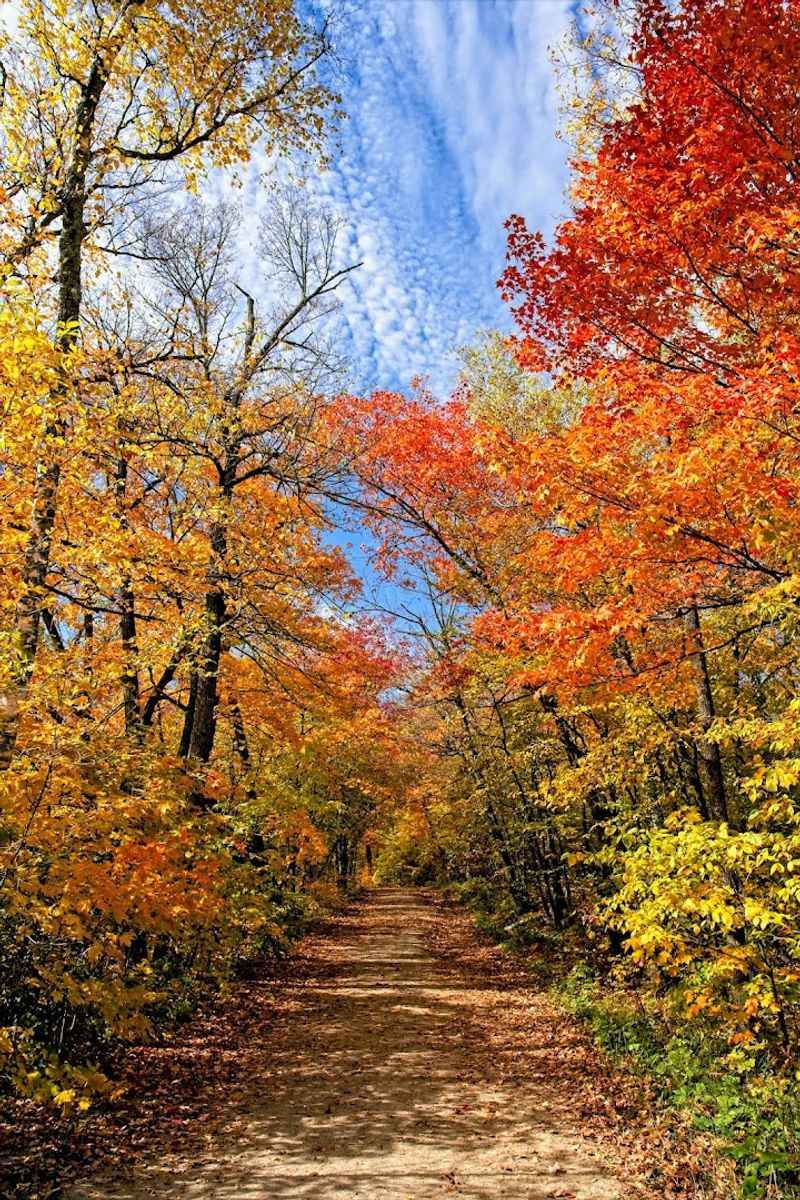
Autumn at Itasca operates on a different level than most places. The combination of hardwoods and conifers creates a layered color display that shifts from deep greens to blazing oranges, reds, and yellows as October approaches.
The lakes amplify everything, doubling the color display through their mirror-like reflections.
Visiting in fall also means cooler temperatures, fewer crowds, and quieter trails. The Wilderness Drive becomes particularly spectacular during peak color, and the headwaters area takes on a more serene quality when the summer rush has passed.
One visitor who explored the park in fall described the colors as stunning, and that is an honest assessment rather than an overstatement.
Peak fall color in northern Minnesota typically arrives in late September to mid-October, though it varies by year. Checking the Minnesota DNR’s fall color reports before planning a trip helps narrow down the best window for catching the display at its most vivid.
The Gift Shop and Cafe That Round Out the Day
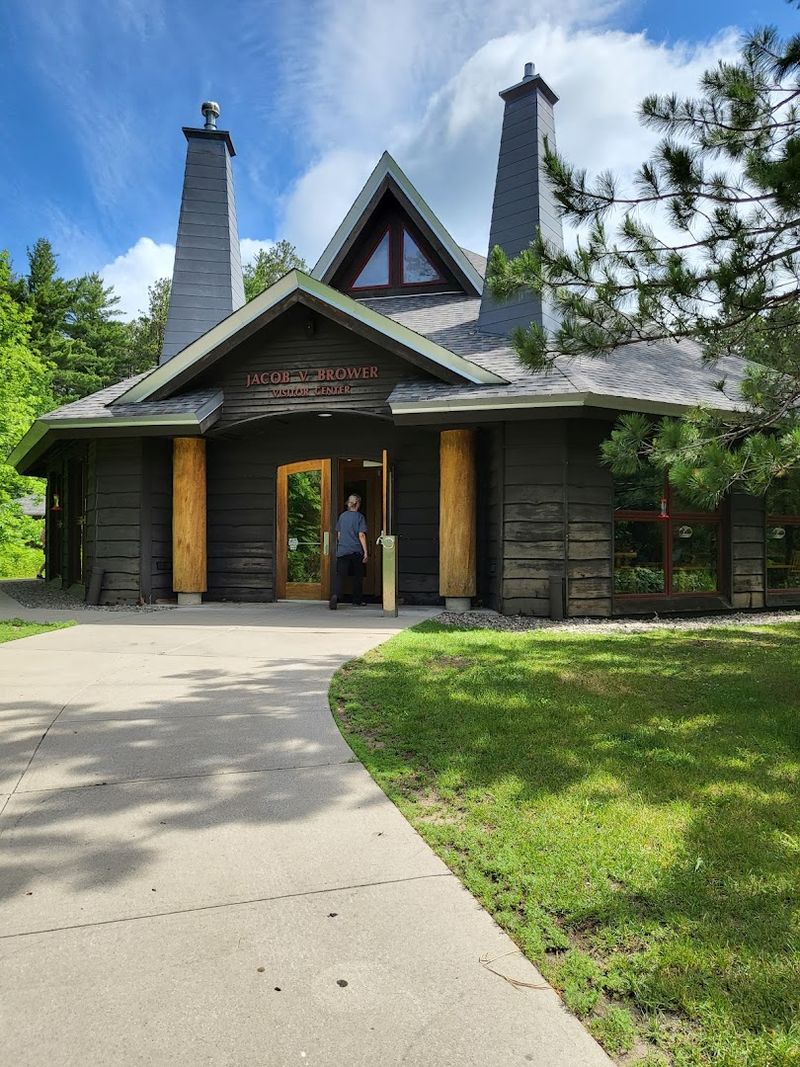
After a morning on the trails or at the headwaters, the park’s gift shop and cafe offer a welcome pause. The Mississippi Headwaters gift shop carries a wide selection of souvenirs, from clothing and magnets to ornaments and locally themed items.
It is well-stocked and genuinely fun to browse, especially for families looking to bring something home from the trip.
The cafe keeps things straightforward and affordable. Prices are reasonable by any standard, which makes grabbing a meal or a snack easy without feeling like you are overpaying for the convenience of eating inside the park.
A hot dog, a sandwich, or a quick bite fits naturally into a full day of outdoor activity.
Having both a cafe and a gift shop inside the park reduces the need to drive into town mid-visit. That convenience is easy to overlook until you realize how much time it saves on a long day of exploring.
Accessible Access to the Headwaters for All Visitors
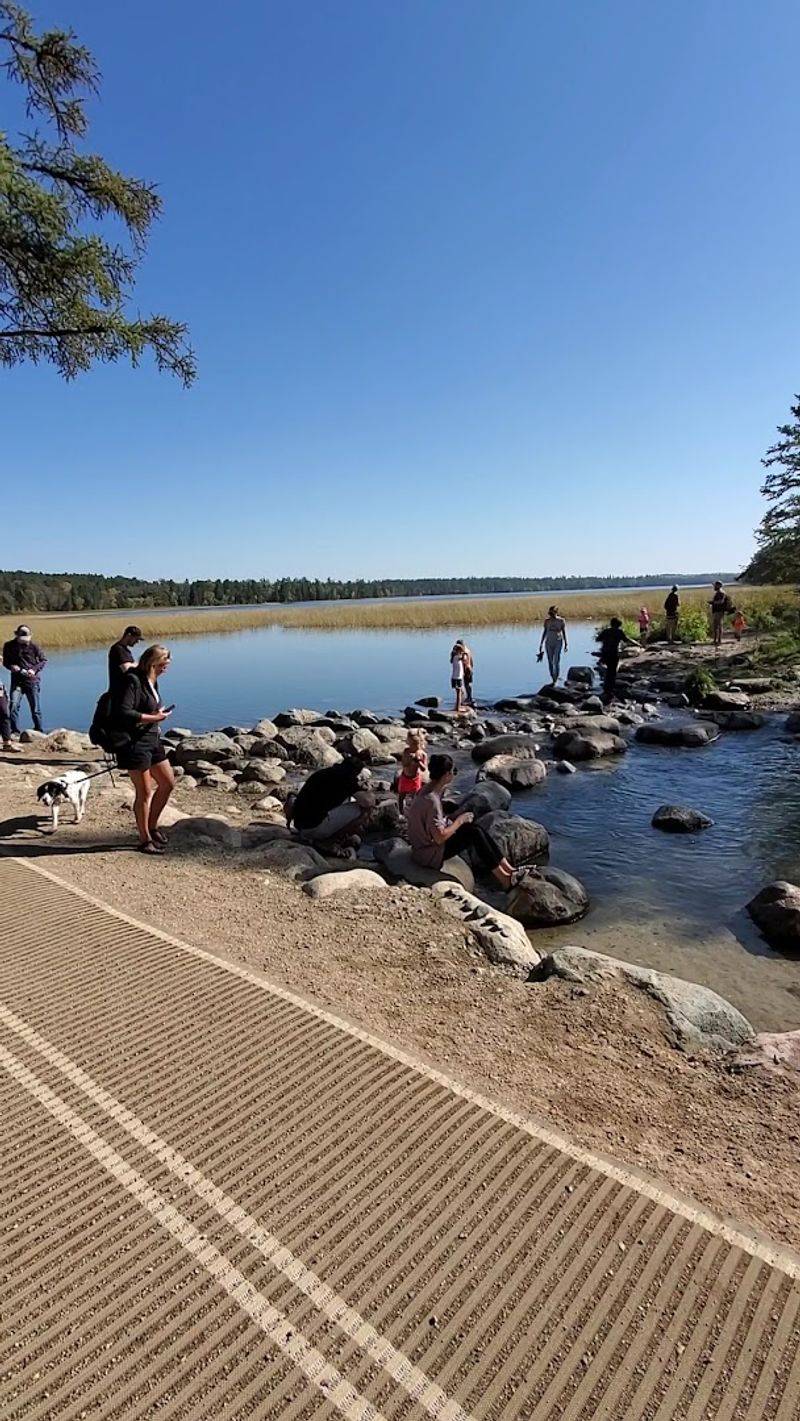
One of the most thoughtful aspects of Itasca’s headwaters area is how accessible it is. The walk from the parking area to the headwaters is only about 800 feet, and the path is suitable for wheelchairs, strollers, and kid carts.
Families with young children or visitors with limited mobility can reach the headwaters without difficulty.
That accessibility matters a great deal at a landmark this significant. Being able to stand at the source of the Mississippi River should not require a strenuous hike, and at Itasca, it does not.
The setup is practical and considerate without taking anything away from the natural setting.
Arriving between 8 and 10 in the morning on a weekday gives visitors the best combination of light and low foot traffic. The headwaters area can become crowded later in the day during summer, so timing the visit early makes the experience feel more personal and far less rushed.
Winter and Spring Visits Offer a Different Kind of Beauty
Most visitors think of Itasca as a summer destination, but the park holds real appeal in other seasons too. A spring visit brings wildflowers to the trail edges and migrating birds to the lakes, though some facilities remain closed until the season officially opens.
Checking ahead with the park before visiting in April or early May helps avoid any surprises.
Winter turns the park into a quieter, more contemplative place. Snow settles heavily on the pine branches, the lakes freeze solid, and the trails that buzz with summer activity become peaceful corridors through a white landscape.
Snowshoeing and cross-country skiing are popular winter activities in the park.
Visitors who explore Itasca outside of peak summer often describe it as feeling like an entirely different park. The crowds thin, the wildlife becomes more visible, and the landscape reveals textures and details that get overlooked when the trails are packed with people.
Why People Keep Coming Back to Itasca
There is a reason Itasca earns repeat visitors year after year. The park is large enough that no single trip covers everything.
Trails that were skipped on one visit become the focus of the next. Lakes that looked interesting from the Wilderness Drive eventually get explored by canoe.
The fire tower, the old-growth pines, the quieter backcountry trails, all of it rewards return visits.
For many families, Itasca becomes a tradition. The headwaters crossing is a rite of passage that parents bring their children back to do, then those children return as adults with their own families.
That generational pull is something few parks manage to create.
Beyond the headwaters, the sheer variety of what the park offers keeps things fresh no matter how many times you visit. The surrounding area near Park Rapids also has its own appeal, making Itasca a natural anchor for a longer northern Minnesota road trip worth planning well in advance.
Share this story