 Unearth The Voyage
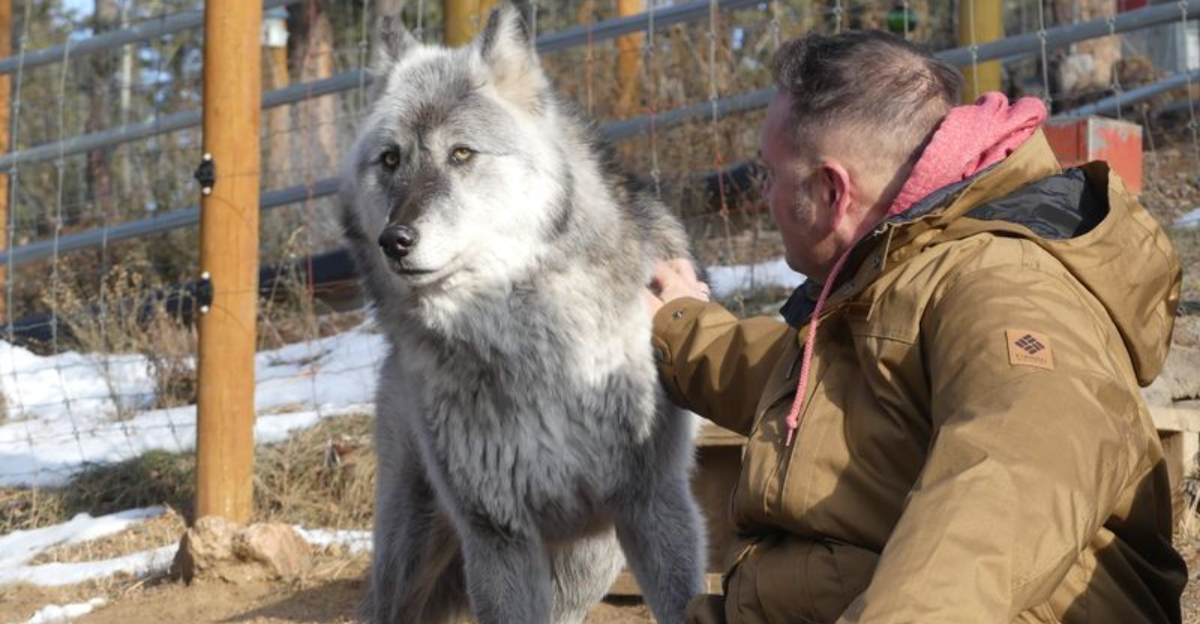
Just outside Colorado Springs, hidden in the mountain town of Divide, sits one of the most unique wildlife experiences in the state. The Colorado Wolf and Wildlife Center offers visitors a rare chance to meet wolves up close, learn their stories, and even howl alongside them.
Unlike a typical zoo, this sanctuary focuses on education, conservation, and giving rescued wolves a safe home. Whether you’re a wildlife lover, a curious family, or just looking for an unforgettable adventure, this place delivers something you won’t find anywhere else.
1. It’s close to Colorado Springs but it feels a world away
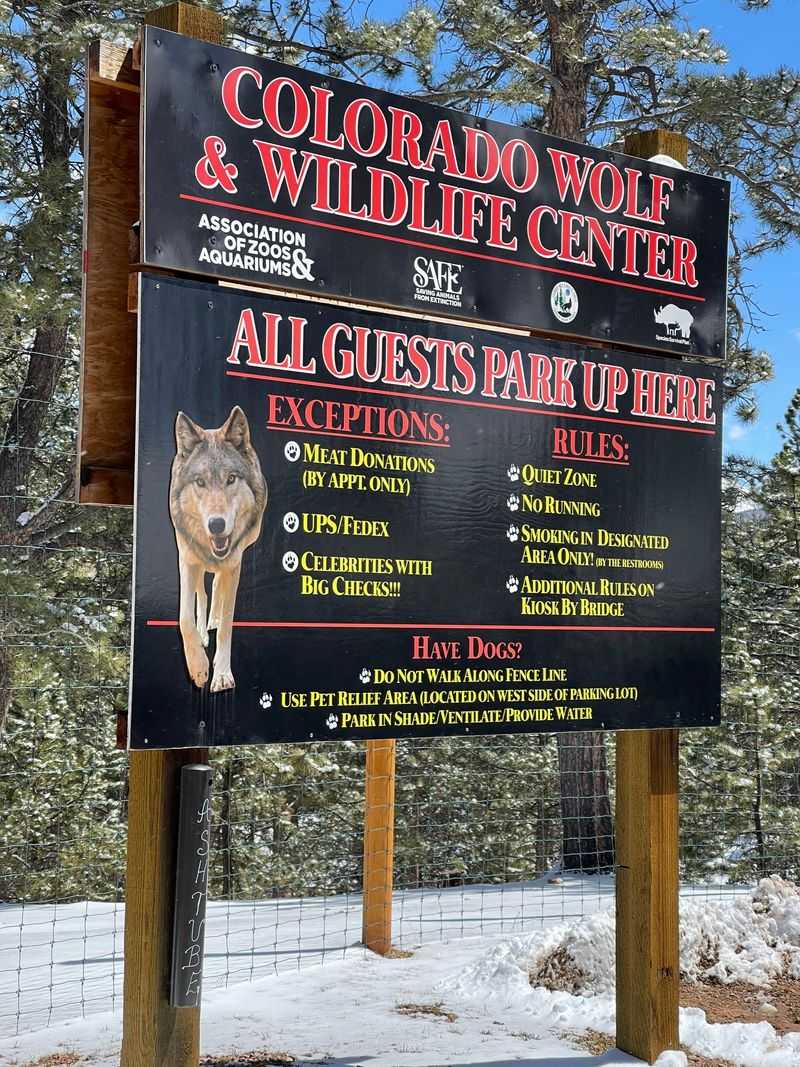
Less than an hour’s drive from the busy streets of Colorado Springs, you’ll find yourself in a completely different environment. Divide is a small mountain town where the air feels fresher, the trees stand taller, and the sounds of nature replace the hum of city traffic.
The shift in atmosphere is instant and refreshing.
Visitors often describe the drive as part of the experience itself. Winding roads lead you higher into the mountains, and with every mile, the landscape becomes more dramatic.
Pine forests surround you, and the views open up to reveal peaks and valleys that remind you why Colorado is so special.
Once you arrive, the sense of escape is complete. You’re not just visiting a wildlife center; you’re stepping into a quieter, wilder world.
The sanctuary sits tucked among the trees, and the only sounds you’ll hear are the wind, birds, and if you’re lucky, the distant call of a wolf. It’s the kind of place that makes you slow down, breathe deeper, and appreciate the natural beauty around you.
2. You’re not just seeing wolves – you’re meeting individuals with backstories
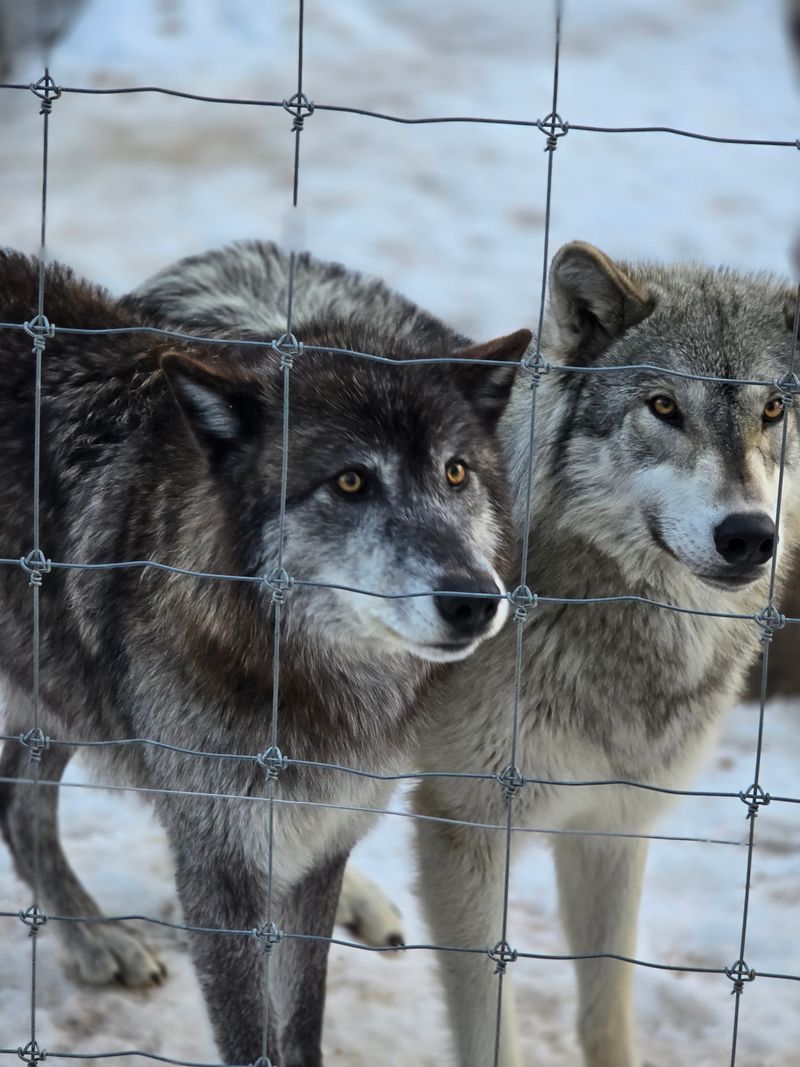
Walking through this sanctuary is nothing like staring at animals behind glass. Each wolf has a name, a history, and a personality that guides share with enthusiasm.
You’ll hear about where they came from, why they needed rescue, and what makes each one unique. Some are playful, others are shy, and a few have quirks that make them unforgettable.
Understanding their stories changes how you see them. Instead of just admiring their beauty, you start to notice behavior patterns and individual traits.
One wolf might be the pack leader, confident and commanding. Another might hang back, observing quietly from a distance.
These details make the experience deeply personal and educational.
The sanctuary staff knows these animals well and shares insights you won’t find in textbooks. They explain how each wolf’s past shaped their current behavior and why certain wolves bond with specific handlers.
By the end of your visit, you won’t just remember seeing wolves—you’ll remember meeting Diego, Dakota, and the others by name, each with a story worth telling.
3. The resident “pack” includes several wolf types
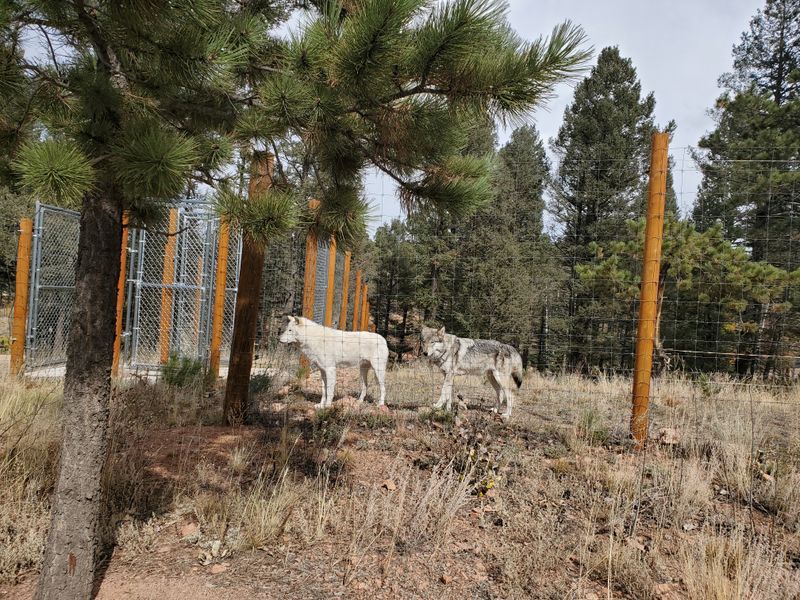
Variety is one of the sanctuary’s strengths. The wolves living here represent different subspecies, each with distinct characteristics and appearances.
Mexican gray wolves, timber wolves, and tundra or arctic mixes all call this place home. Seeing them side by side highlights just how diverse the wolf family truly is.
Among the residents, Diego and Dakota are two Mexican gray wolves who often capture visitors’ attention. Mexican gray wolves are smaller and leaner than their northern relatives, with coats that blend rust, gray, and cream tones.
They’re also among the most endangered wolves in North America, making every encounter with them meaningful and rare.
Timber wolves and arctic mixes bring their own impressive features. Timber wolves are larger, with thick fur and powerful builds suited for colder climates.
Arctic wolves often have lighter, almost white coats that shimmer in the sunlight. Observing these differences up close helps visitors appreciate the adaptability and beauty of wolves across different environments and ecosystems throughout the continent.
4. You’ll likely see more than wolves
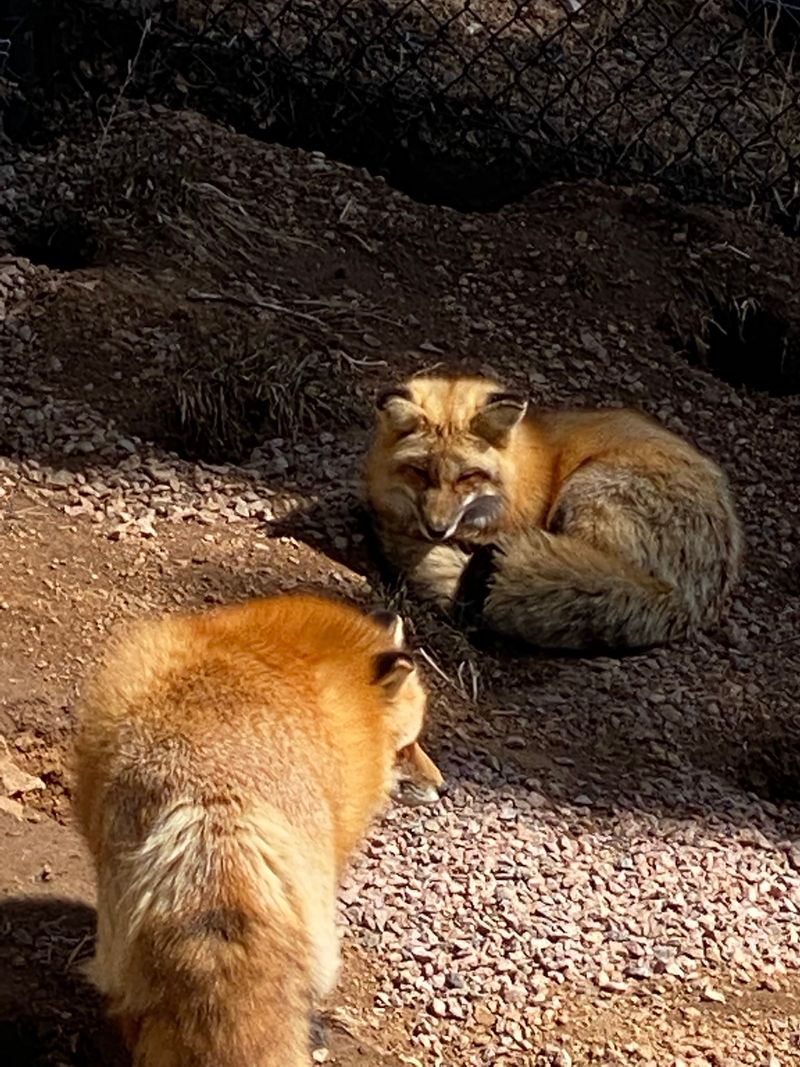
While wolves are the main attraction, they’re not the only residents here. The sanctuary also cares for coyotes and several types of foxes, giving visitors a broader look at North American canids.
These animals add variety and educational depth to every tour, especially for families and wildlife enthusiasts curious about the differences between species.
Swift foxes and silver foxes are among the notable residents. Swift foxes are small, quick, and incredibly cute, with oversized ears and a golden coat.
They’re native to the Great Plains and are less commonly seen in captivity, making them a special treat. Silver foxes, on the other hand, have striking dark fur with silver-tipped guard hairs that shimmer beautifully in natural light.
Seeing these animals alongside wolves helps visitors understand how different canids have adapted to various environments. Coyotes are clever survivors, foxes are agile hunters, and wolves are powerful pack animals.
Each plays a unique role in the ecosystem, and the sanctuary does an excellent job explaining those roles in ways that are easy to understand and appreciate.
5. Most visits start with a guided, educational walking tour
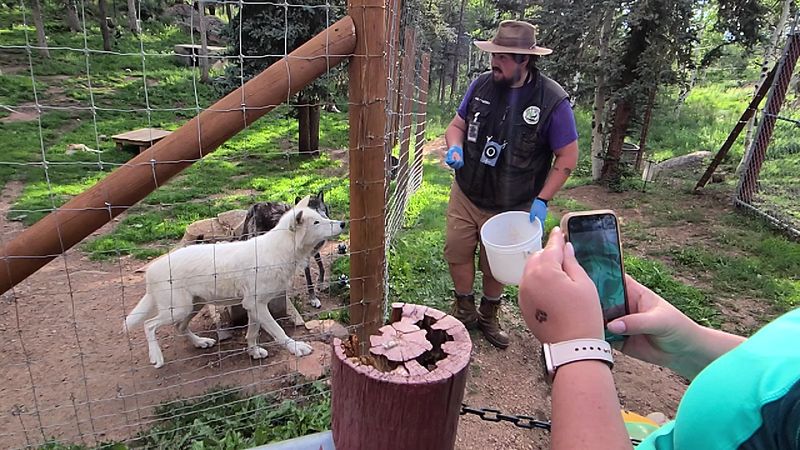
The Standard Tour is the foundation of the sanctuary experience. It lasts about one hour and takes you on a guided walk through the facility, where you’ll learn about wolf biology, behavior, and the conservation challenges they face.
Guides are knowledgeable, passionate, and skilled at making complex topics accessible to all ages.
Expect to hear fascinating facts about how wolves communicate, hunt, and raise their young. You’ll also learn about the history of wolf populations in North America and why sanctuaries like this one are so important.
The tour balances education with observation, giving you plenty of time to watch the animals and ask questions.
This isn’t a high-adrenaline thrill ride. It’s designed to be informative, respectful, and inspiring.
You’ll walk along gravel paths, stop at various enclosures, and listen to stories that deepen your appreciation for these incredible animals. The pace is relaxed, the information is rich, and the views of the wolves in their natural-looking habitats are stunning.
It’s perfect for anyone who wants to learn while enjoying the outdoors.
6. Every tour ends with the signature moment: the group howl
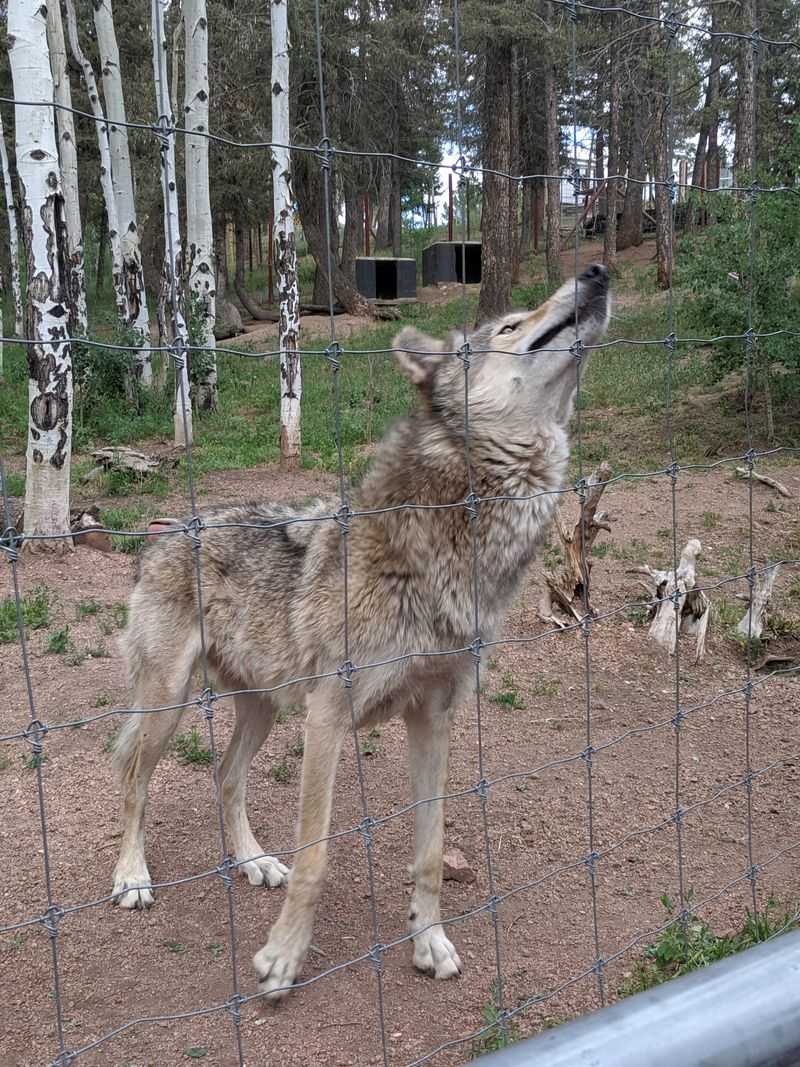
No visit is complete without the group howl. It’s the moment everyone remembers, the story they tell friends, and the experience that often gives people goosebumps.
Toward the end of the tour, your guide will gather the group and demonstrate a proper wolf howl. Then, everyone joins in.
At first, it might feel a little silly. But once the group gets going, something magical happens.
The sound rises, echoes through the trees, and sometimes – if the timing is right – the wolves respond. Their howls are haunting, powerful, and unlike anything you’ve heard before.
It’s a primal connection that feels both ancient and deeply moving.
Even if the wolves don’t howl back, the experience is still unforgettable. Standing in the mountains, surrounded by towering pines, howling with strangers who’ve become fellow adventurers—it’s a moment of pure joy and wonder.
Kids love it, adults get emotional, and everyone leaves with a story. It’s the perfect way to end a tour and a memory you’ll carry with you long after you leave.
7. If you want the most action, choose the Feeding Tour
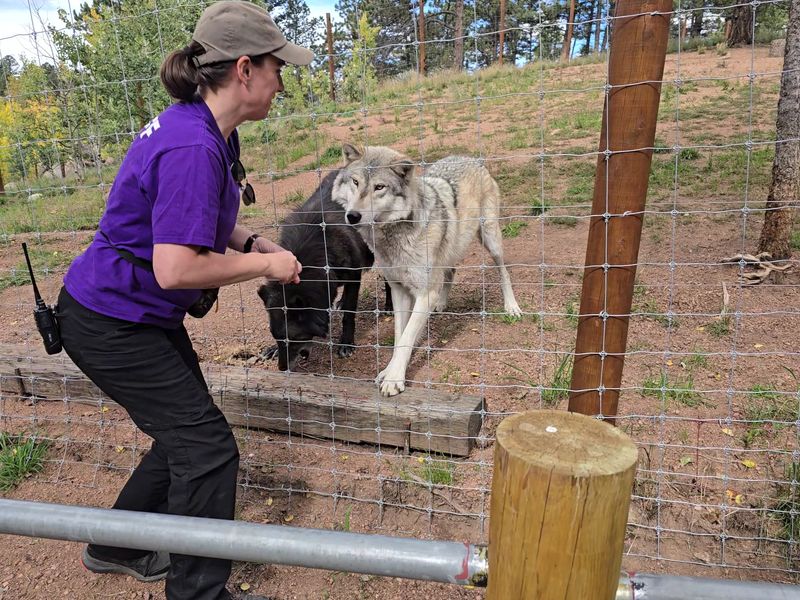
For visitors who want to see the wolves at their most active, the Feeding Tour is the way to go. This tour includes everything from the Standard Tour, plus the high-energy spectacle of watching the animals eat.
Feeding time reveals behaviors you won’t see during quieter moments, like pack hierarchy, competition, and raw instinct in action.
Wolves become more vocal, more alert, and more physically engaged when food is involved. You’ll see who eats first, who waits their turn, and how the pack dynamics play out in real time.
Guides explain what’s happening and why, turning the feeding into an educational experience rather than just entertainment.
This tour is especially popular with photographers and families looking for something a little more dynamic. The wolves move quickly, their energy is contagious, and the whole atmosphere shifts.
It’s exciting without being stressful, and it gives you a deeper understanding of how these animals function as a group. If you’re only visiting once, many people say the Feeding Tour is absolutely worth the upgrade.
8. Feeding Tour timing changes by season (and it matters)
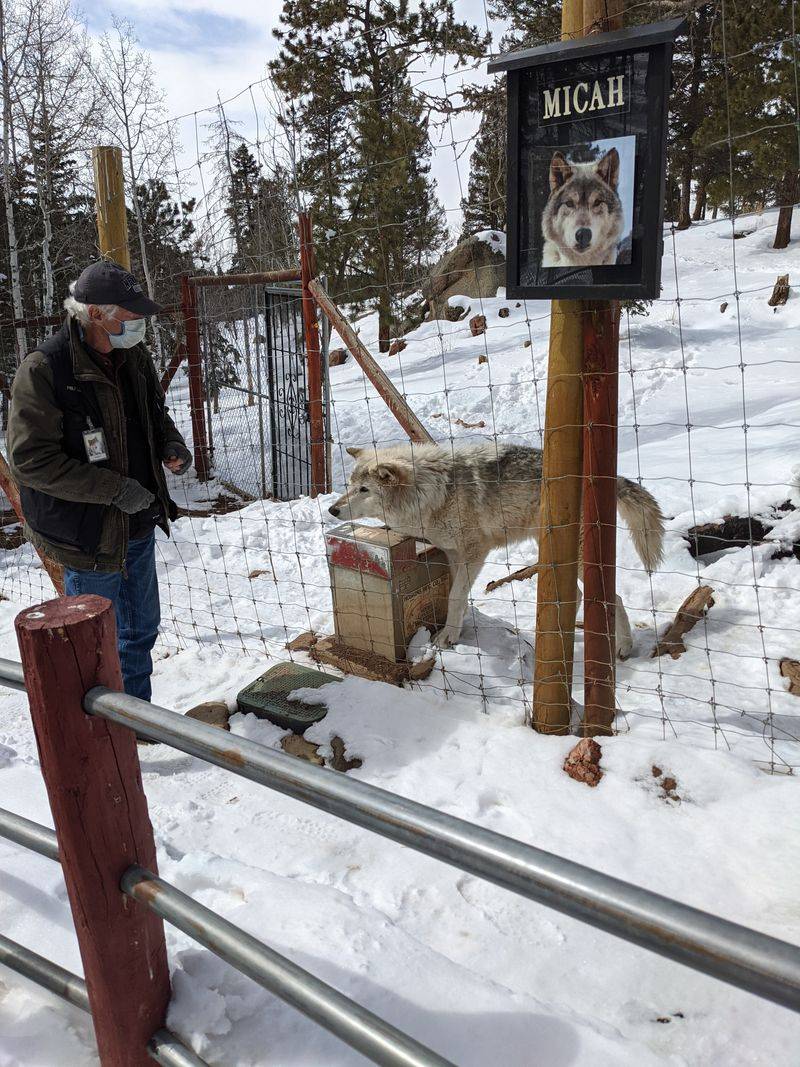
Timing is everything when it comes to the Feeding Tour. In winter, feeding typically happens around 4 pm, while summer tours are scheduled for 6 pm.
The difference isn’t just about convenience—it affects the quality of your experience in several ways.
Winter tours happen earlier because daylight fades fast in the mountains. By 4 pm, the light is softer and the temperature is already dropping.
You’ll want warm layers and good shoes for potentially icy paths. The wolves are often more active in cooler weather, which can make for great viewing and photography.
Summer tours at 6 pm take advantage of longer daylight and milder temperatures. The evening light is golden and beautiful, perfect for photos.
However, the wolves might be less energetic in warmer weather, so their behavior can be more subdued. Either way, planning around the season ensures you get the best possible experience.
Check the schedule ahead of time and dress accordingly—it makes a big difference.
9. The Full Moon Tour is the “storybook” option
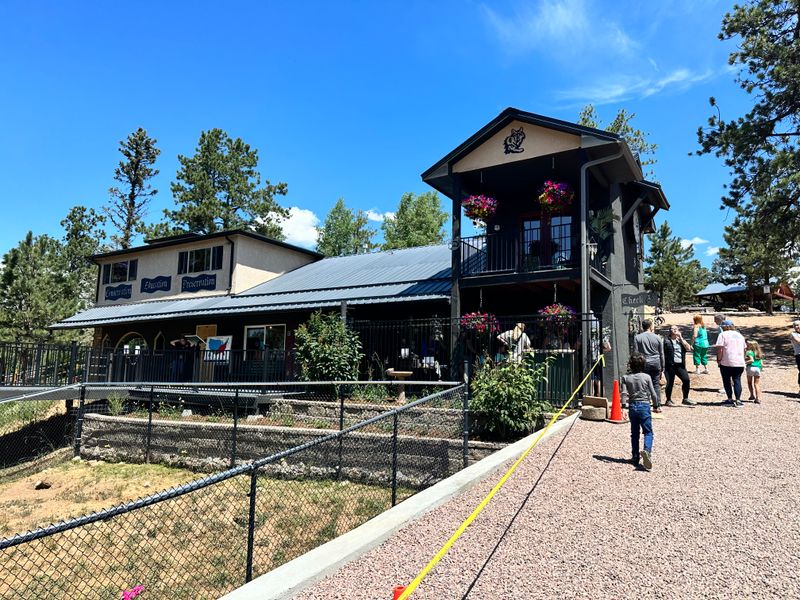
Once a month, the sanctuary offers something truly special: the Full Moon Tour. Scheduled on Saturday nights when the moon is full, this tour transforms the experience into something almost magical.
The setting is more atmospheric, the pace is slower, and the focus is on creating a memorable evening rather than just a quick visit.
Tours start as the sun begins to set, and you’ll be treated to warm drinks and snacks while you wait for the sky to darken. The guides share stories, answer questions, and build anticipation for the main event.
As the moon rises, the group gathers for a dedicated howl session—a moment that feels like stepping into a fairy tale.
The Full Moon Tour lasts longer than the standard option, giving you more time to soak in the scenery and connect with the animals. The combination of moonlight, mountain air, and the sound of wolves howling creates an unforgettable sensory experience.
It’s romantic, peaceful, and perfect for anyone who wants something a little more immersive and enchanting than a daytime visit.
10. There are add-on encounters for people who want something more interactive
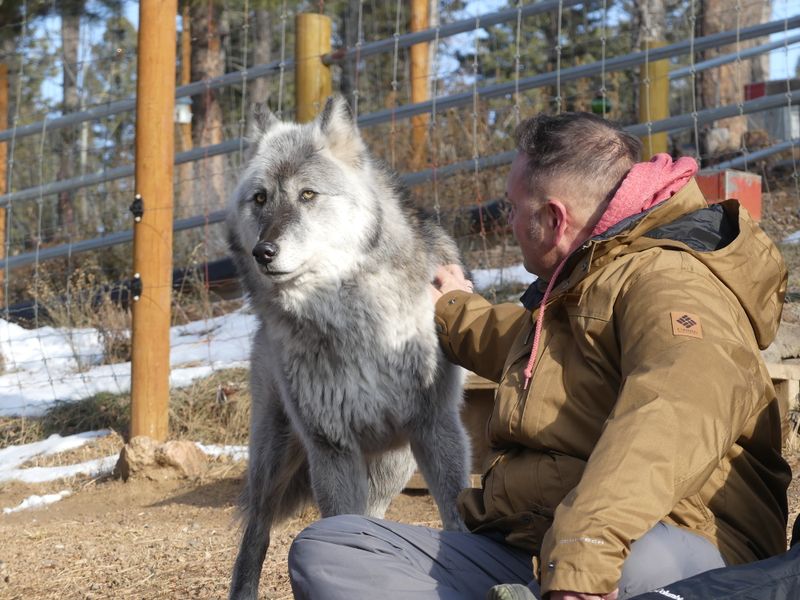
Beyond the standard tours, the sanctuary offers more intimate, hands-on experiences for those seeking deeper interaction. Options like the Meet & Greet and VIP or Interactive encounters allow for closer contact with the animals, though availability is limited and guidelines are strict.
These encounters are designed for serious wildlife enthusiasts who want to learn more and engage in a more personal way. You might get to stand closer to the enclosures, participate in enrichment activities, or spend extra time with specific animals.
The staff carefully manages these experiences to ensure both visitor safety and animal welfare.
Because these encounters are limited and require advance reservations, they tend to book up quickly. Pricing is higher than standard tours, reflecting the additional time, access, and personalized attention.
If you’re passionate about wolves and want an experience that goes beyond observation, these add-ons are worth considering. Just be prepared to follow all rules closely—these are wild animals, and respect is non-negotiable.
The reward is a deeper connection and memories that last a lifetime.
11. It’s high elevation – dress like the weather can change in five minutes
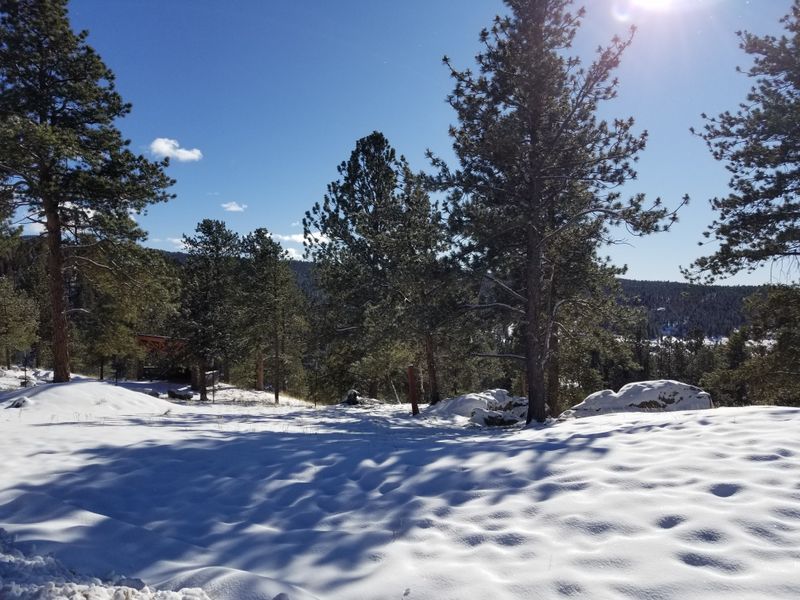
The sanctuary sits at approximately 9,165 feet in the Pikes Peak mountain range, and that elevation brings unpredictable weather. Conditions can shift rapidly, even within a single hour.
You might start your tour in sunshine and end it in wind, rain, or even snow—regardless of the season.
Layering is your best strategy. Wear a base layer, add a fleece or sweater, and bring a windproof or waterproof jacket.
Even if the forecast looks mild, mountain weather has a mind of its own. Temperatures can drop sharply once the sun dips behind the peaks, especially in the evening.
Good shoes are just as important as warm clothes. The trails are gravel and wood chips, which can become slippery when wet.
Sturdy hiking boots or trail shoes with good grip will keep you safe and comfortable. Don’t rely on sneakers or sandals.
The sanctuary staff emphasizes preparation for a reason—being properly dressed allows you to focus on the wolves instead of shivering or slipping. Plan ahead, and you’ll enjoy every minute.



