Hidden in the Missouri Ozarks, one remarkable spring park captivates visitors with electric blue water, crystal-clear streams, historic ironworks, and one of the prettiest riverside walks in the state. Guests come to admire the dazzling spring, watch trout glide through impossibly clear water, explore fascinating historic ruins, and enjoy a peaceful day outdoors, but many leave talking about how much more there is to discover beyond the famous spring. It’s the kind of place where natural beauty, history, and family-friendly recreation come together in one unforgettable destination.
The experience extends far beyond the spring itself. Scenic walking trails, excellent trout fishing, two engaging museums, a National Historic Landmark, a peaceful campground, picnic areas, and stories spanning more than two centuries have made this one of Missouri’s most rewarding day trips. Whether you’re planning an Ozarks road trip or simply looking for a beautiful place to spend the day, it’s easy to understand why visitors return here again and again.
Here’s why Maramec Spring Park has become one of Missouri’s most beloved natural attractions and one of the best places in the Ozarks to experience stunning scenery, fascinating history, and outdoor adventure.
Where Exactly This Place Is And How To Find It
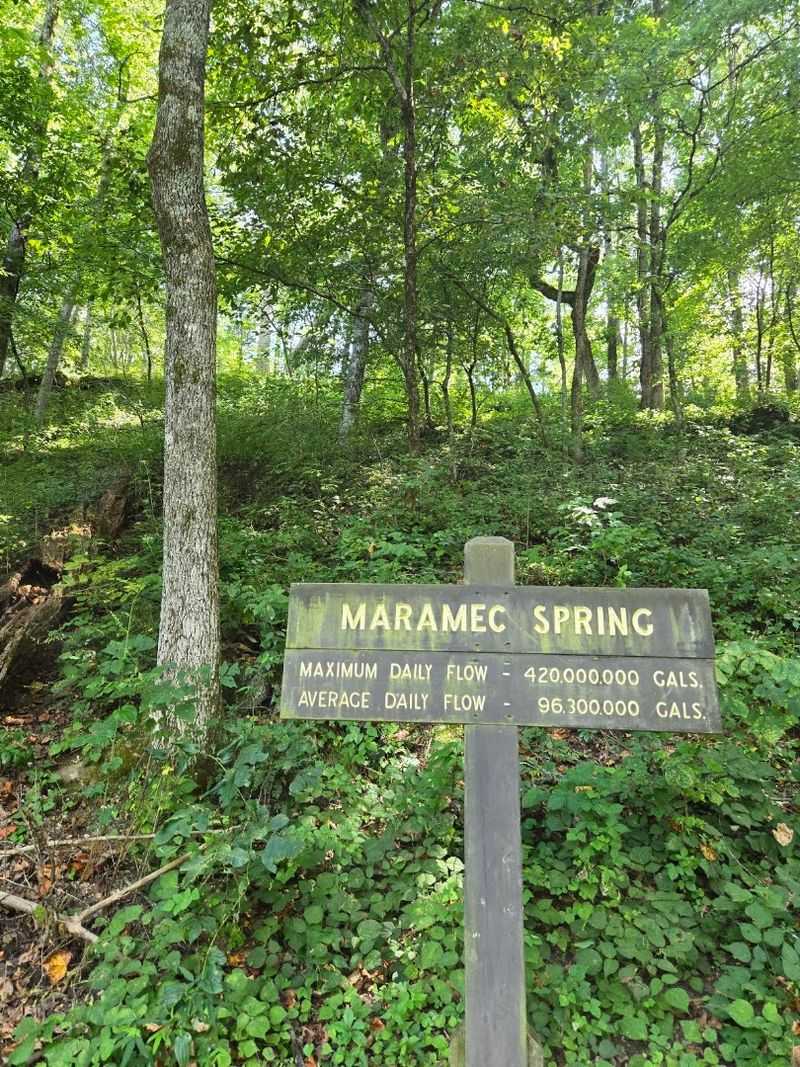
Most people cruise past St. James on Interstate 44 without a second thought, but that small Phelps County town is the gateway to one of Missouri’s most underrated natural destinations. Maramec Spring Park sits at 21880 Maramec Spring Dr, St James, MO 65559, about nine miles south of town along a winding road that already starts to feel like a reward before you even arrive.
The park is open daily from 5:30 AM to 9:00 PM, which means early risers can catch the spring in morning light before the crowds show up. The entrance fee is currently around $5 to $7 per vehicle, making it one of the most affordable full-day outings in the state.
You can reach the park by phone at +1 573-265-7124 or check the latest updates at maramecspringpark.com. Cell service is spotty inside the park, so download a map before you leave home and plan to be gloriously unplugged for a few hours.
The Iron Works Ruins That Rewrote Missouri History
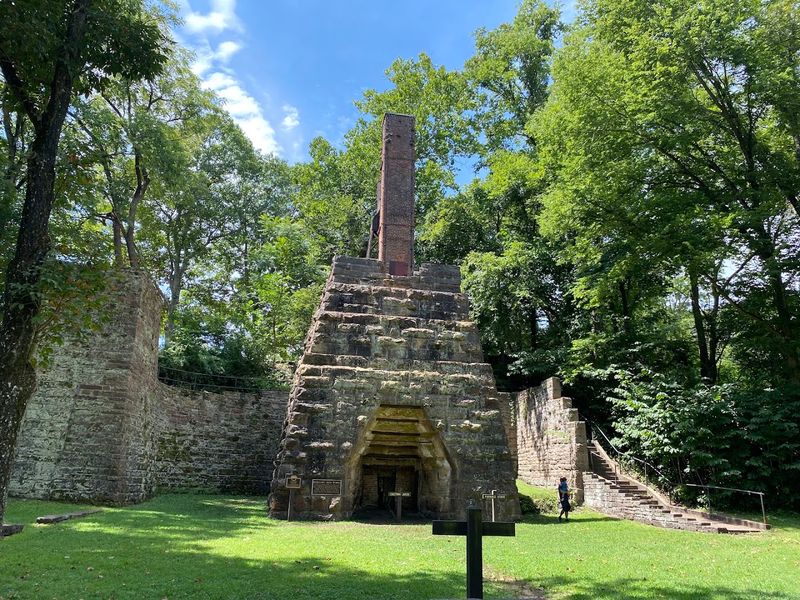
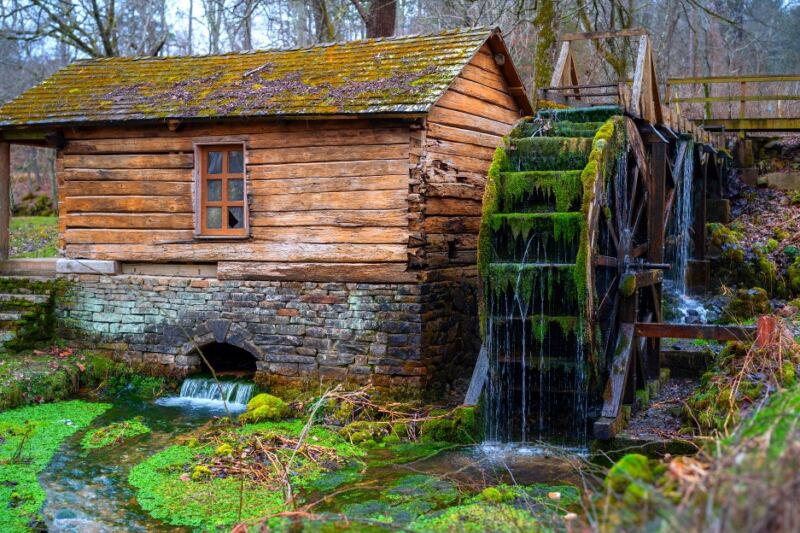
Long before anyone was fishing here for fun, this land was the site of serious industrial ambition. The Maramec Iron Works was established in the 1820s by Thomas James, and it holds the distinction of being the first successful ironworks west of the Mississippi River.
The stone ruins of the iron furnace still stand inside the park, and they have been designated a National Historic Landmark. Walking up to the furnace for the first time, it is hard not to feel the weight of what happened here. Workers smelted iron in this remote Missouri valley long before the state was even well-settled, and the operation ran for decades.
The ruins are well-preserved and clearly signed, so you can follow the story even without a guided tour. The combination of the old stone structure against the backdrop of the blue spring water and green forest creates a scene that photographers absolutely love. History and nature rarely share the same frame this well, and that contrast alone makes the detour to the ruins completely worth it.
The Electric Blue Water That Stops People In Their Tracks
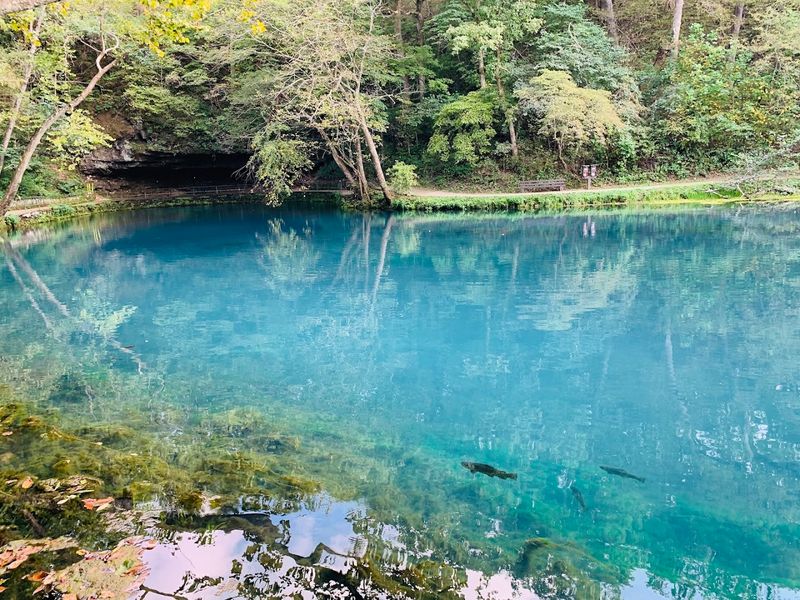
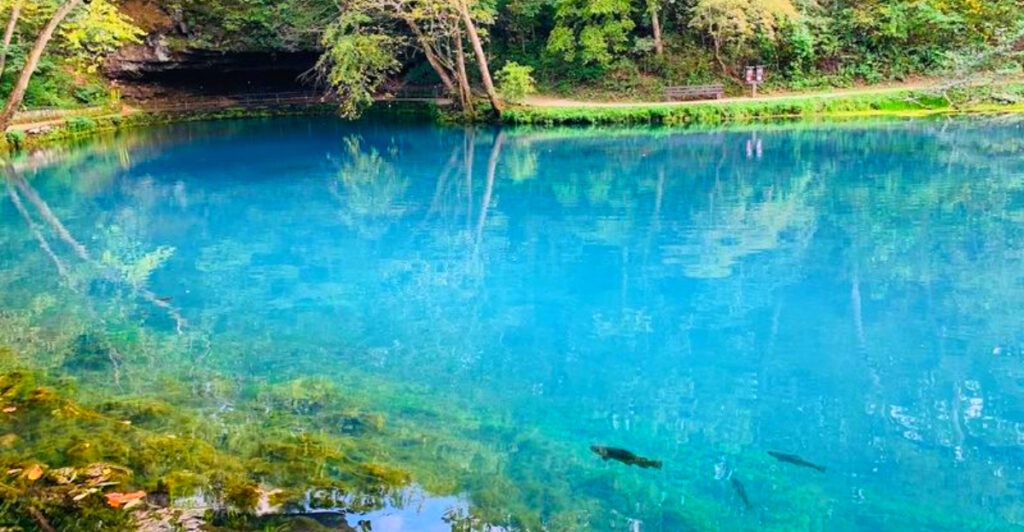
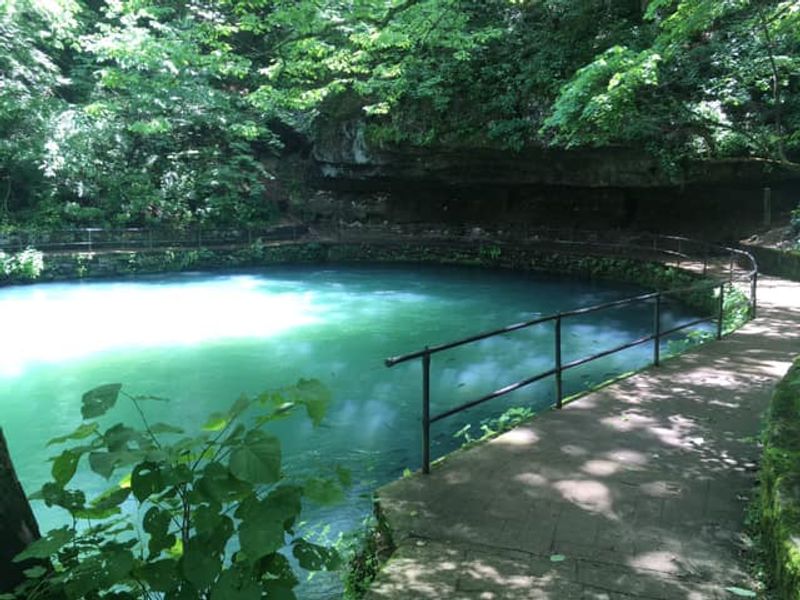
Nothing prepares you for the color of the water here. The spring pushes out roughly 100 million gallons daily from about 350 feet underground, and by the time it reaches the surface, it has been filtered through layers of limestone until it looks almost artificially blue.
The shade shifts between turquoise and a deep sky blue depending on the time of day and the angle of the light. On a sunny afternoon, the pool near the main spring head glows in a way that makes photographs look edited even when they are completely untouched.
The clarity is just as striking as the color. You can see straight to the bottom and watch individual trout holding position in the current like they are posing for a nature documentary. The spring is ranked as the fifth largest in Missouri, a fact that starts to make sense once you stand at the edge and feel the sheer volume of water moving past you.
The Riverside Walk That Earns Every Compliment It Gets
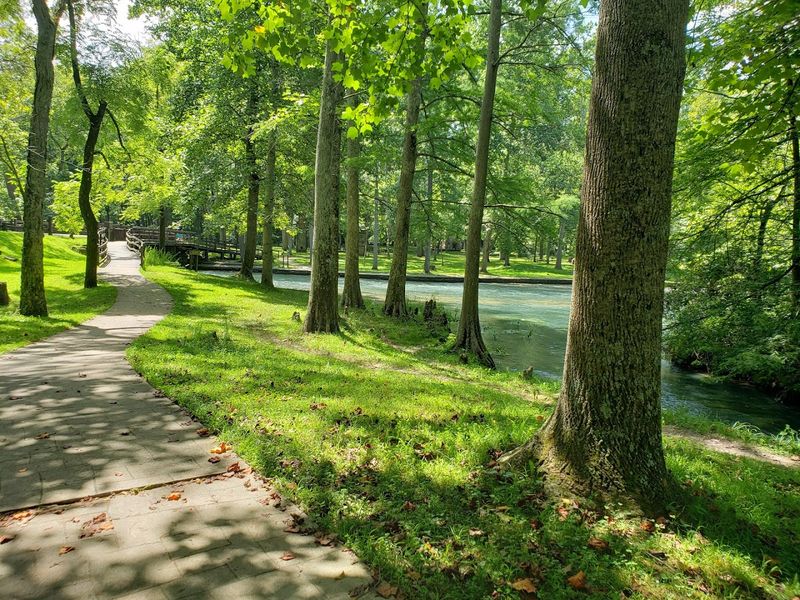
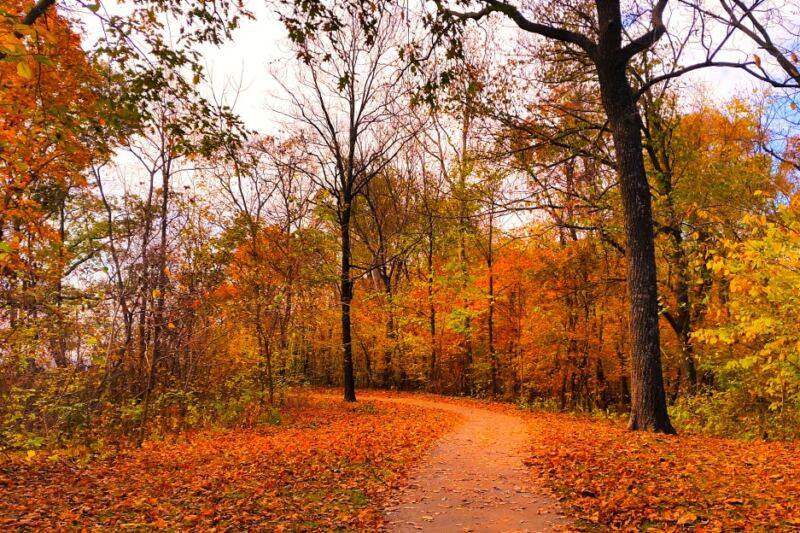
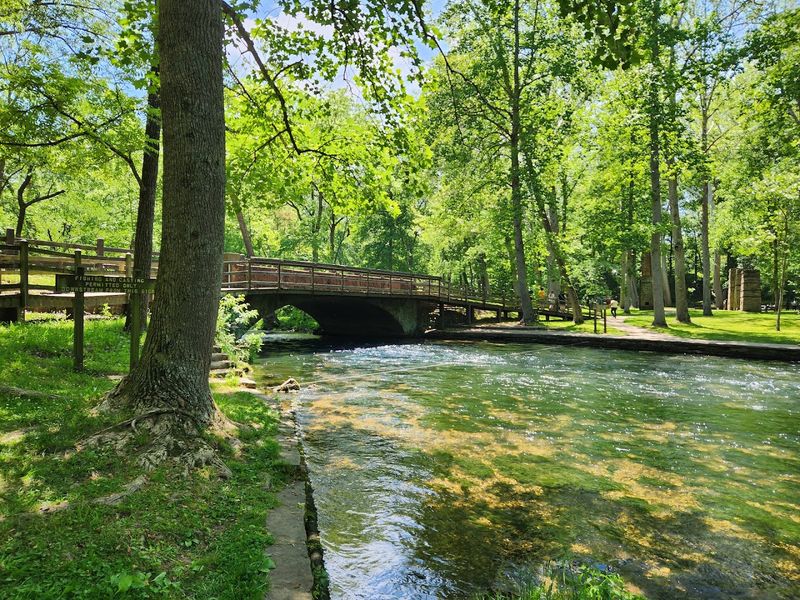
The main trail at the park loops around the spring and follows the spring branch toward the river, and it is the kind of walk that makes you slow down without even realizing it. The path is paved and ADA-accessible, which means it works for strollers, wheelchairs, and anyone who just wants a smooth surface under their feet.
The route passes through stands of mature trees that keep things shaded and cool even on warm days. Along the way, you get repeated views of the spring water moving alongside you, and those views do not get old.
What makes the walk feel different from a standard nature trail is how much there is to notice at each turn. The hatchery channels run parallel to part of the path, the ruins of the old iron furnace appear around one bend, and the river itself opens up further along. Plan for at least an hour if you want to take it all in without rushing.
Trout Fishing So Good You Can See The Fish Before You Cast
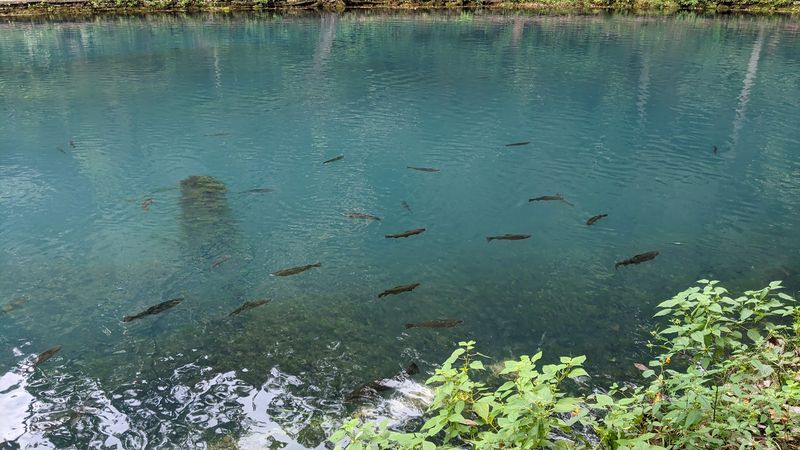
Trout fishing at this park operates on a whole different level of visibility. The water is so clear that you can watch the fish before you even pick up a rod, which is either thrilling or humbling depending on your skill level.
The park maintains a trout hatchery that regularly stocks the spring branch with Rainbow and German Brown trout. A fishing permit runs an extra $5 on top of the vehicle entrance fee, and designated fishing areas are spread along the spring branch so anglers have plenty of room to spread out.
Fish cleaning stations with running water are set up near the fishing areas, which is a practical touch that serious anglers will appreciate. For families with younger kids, the hatchery channels offer a chance to get up close to the fish without needing any gear at all. For just 25 cents, you can buy fish food from a dispenser and feed the trout directly, which turns into one of those unexpectedly joyful moments that everyone in the group talks about on the drive home.
Two Museums That Make The History Actually Interesting
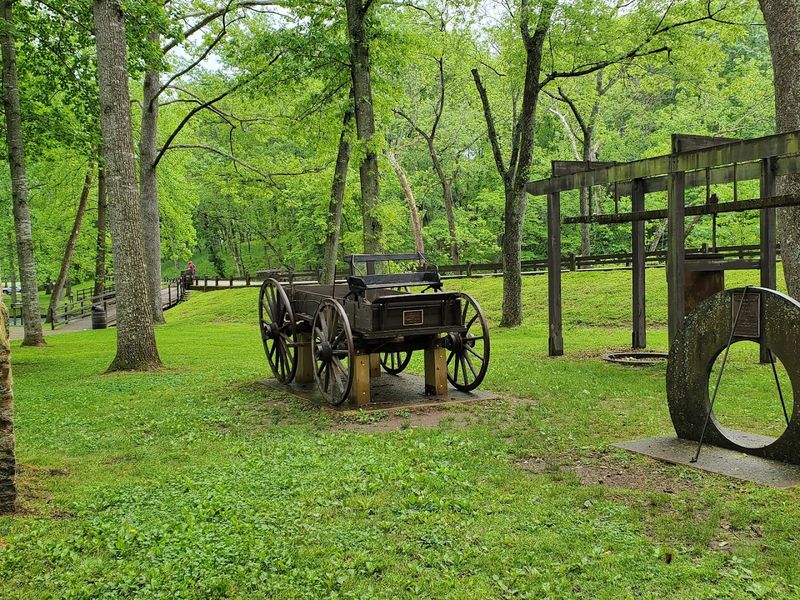
Most parks offer a single information board near the parking lot and call it educational. Maramec Spring Park goes considerably further, with two separate on-site museums that cover the history of the land from multiple angles.
The first museum focuses on natural and cultural history, with exhibits covering the geology of the spring, the wildlife of the Ozarks, and the human story of the region. The second museum centers on agricultural history, giving visitors a look at how the land was farmed and worked over the generations since the iron works era.
Both museums are included with the park entrance fee, and the exhibits are well-organized enough to hold the attention of adults and older kids without feeling like a school field trip. The natural history museum once had an aquarium near the gift shop, and regular visitors clearly hope to see it return. The staff and volunteers who maintain the facilities take obvious pride in the cleanliness and presentation, and the restrooms inside the museum building are genuinely spotless.
The James Foundation Story Behind The Public Access
The reason this park exists as a public space at all comes down to one woman’s decision. Lucy James, the granddaughter of Thomas James who founded the iron works, established the James Foundation with a clear purpose: keep this land accessible to the public and maintain it with care rather than selling it for private development.
That decision has shaped everything about how the park operates today. The James Foundation still owns and manages the property, which explains why the grounds are kept in such exceptional condition without the bureaucratic delays that sometimes slow down state-managed parks.
The foundation’s approach means the park feels cared for in a personal way. The landscaping around the spring includes natural flower gardens that attract birds and butterflies through the warmer months. The campground has been recently expanded and upgraded. The facilities are clean, the staff are knowledgeable, and the whole experience carries the kind of intentional quality that reflects an organization genuinely committed to its mission rather than just going through the motions.
The Trail Of Tears Connection That Adds Sobering Depth
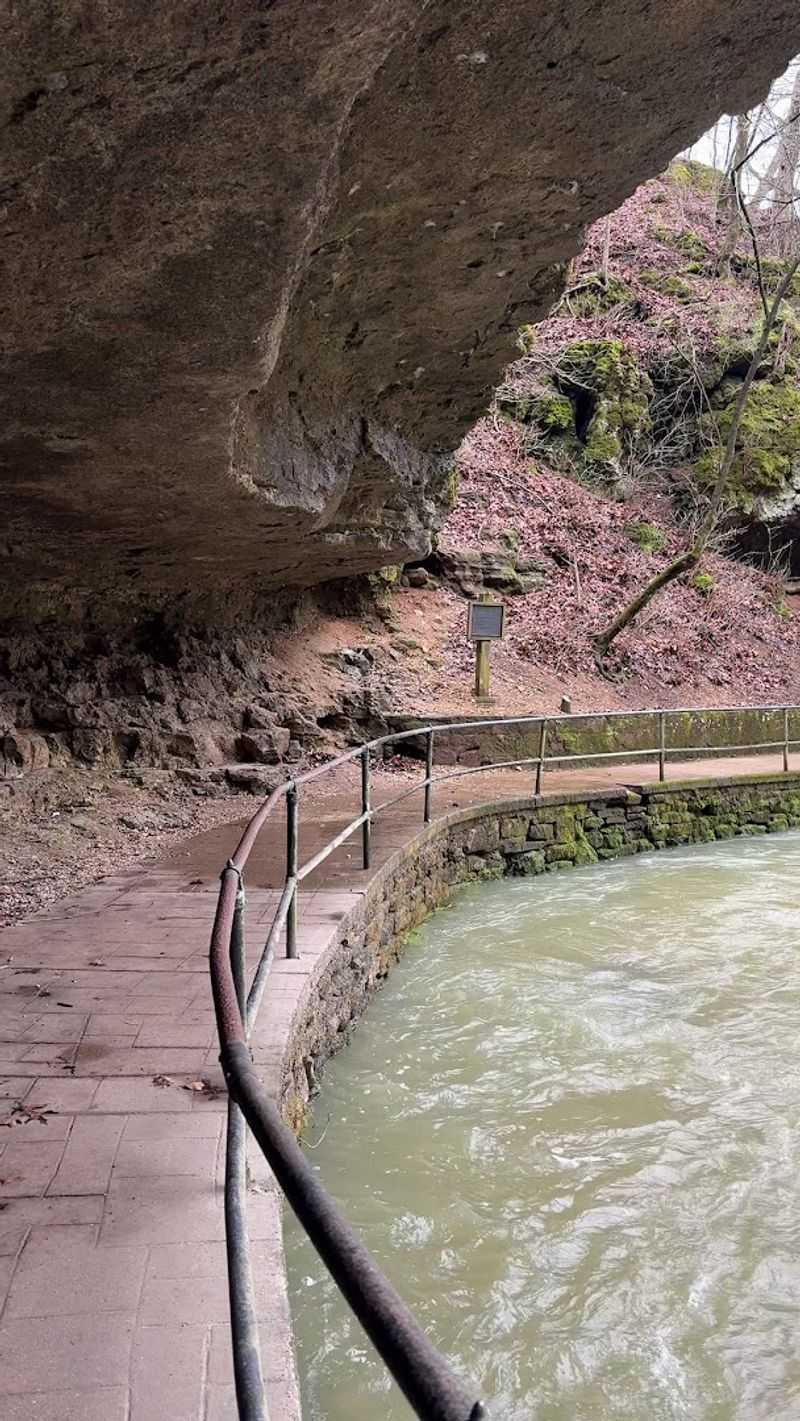
Beyond the beauty of the spring and the industrial history of the iron works, this land carries a much heavier chapter in American history. Maramec Spring Park served as a documented campsite along the Northern Route of the Trail of Tears, the forced removal of Cherokee people from their ancestral homelands in the 1830s.
That fact changes how you look at the landscape a little. The same spring that now draws visitors for its gorgeous blue water once provided rest and water to thousands of people on one of the most painful journeys in the nation’s past.
The park acknowledges this history as part of its broader educational mission, and knowing it adds a layer of significance to the visit that goes well beyond scenery and fishing. It is a reminder that beautiful places often hold complicated stories, and that paying attention to all of those stories is part of what makes a visit meaningful rather than just scenic. This depth of history is one of the things that separates Maramec Spring Park from a typical day-trip destination.
Camping Here Is Genuinely One Of The Better Options In The Ozarks
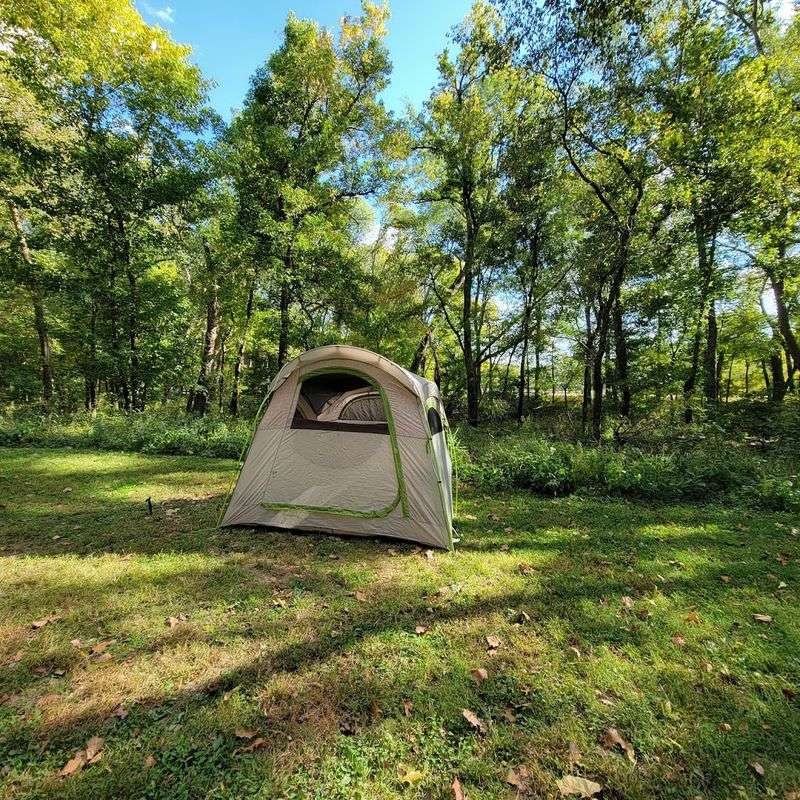
Spending one night at this park is not enough, and once you see the campground, you will understand why people return every season. The campground sits adjacent to the main park and has recently been expanded to include more sites with full electric hookups alongside the basic camping options.
The bathrooms and showers are private individual rooms with heating and cooling, which is a level of comfort that catches a lot of campers off guard in a good way. November camping here works surprisingly well precisely because of those heated facilities.
The sites themselves are clean, well-spaced, and shaded by mature trees. Road noise from a nearby highway is audible from some spots, but the sound of the spring branch moving nearby does a fair amount to balance that out. One practical note worth remembering: the raccoon population around the campground is bold and plentiful, so keep all food secured in your vehicle overnight. Experienced campers know this drill, but first-timers should take the warning seriously before they learn it the hard way.
Picnic Areas, Playgrounds, And Why Families Keep Coming Back
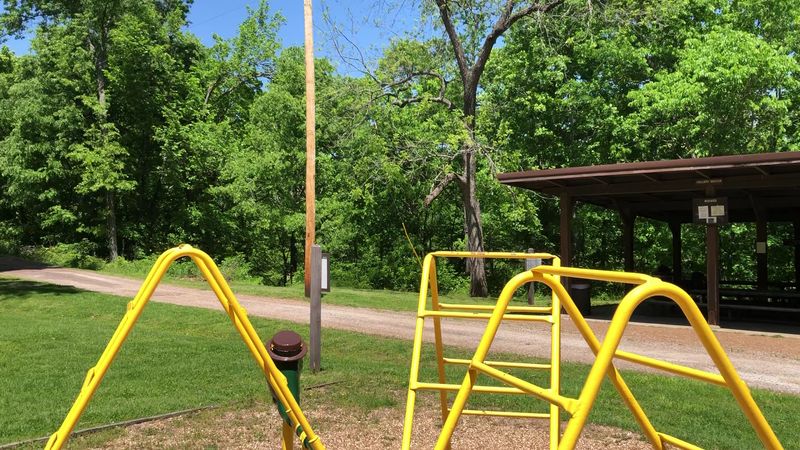
The park is genuinely set up for a full day out rather than a quick stop. Covered picnic shelters are scattered across the grounds, giving families a comfortable place to eat lunch without fighting the sun or scrambling for shade.
Playgrounds are available for younger kids, and the open green spaces between the spring, the hatchery, and the river give children room to move around freely. Dogs are welcome throughout the outdoor areas as long as they stay on a leash, which makes the park a good option for pet owners who hate leaving their animals behind.
The combination of fishing, walking, museum visits, wildlife watching, and picnicking means different members of the same group can find something that appeals to them without anyone feeling dragged along. The park also hosts events like the Old Iron Works Festival, which draws crowds interested in living history demonstrations and local culture. Families who make this a regular annual trip tend to describe it as one of those rare places where everyone leaves happy, and that is a harder thing to pull off than it sounds.
Practical Tips That Will Make Your Visit Run Smoothly
A few logistical details will save you time and frustration before you make the drive. The park opens at 5:30 AM every day of the week and closes at 9:00 PM, so there is plenty of flexibility for both early morning visits and late afternoon arrivals. The entrance fee is currently around $5 to $7 per vehicle, and fishing requires an additional $5 permit.
Cell service inside the park is unreliable, so download any maps or trail information before you arrive. Bring cash for the fish food dispensers near the hatchery, as the 25-cent machines are a highlight for kids and adults alike.
Wear comfortable shoes with good grip if you plan to explore beyond the paved trail, as some of the historic areas and overlooks involve uneven terrain. Arrive earlier in the day on weekends if you prefer quieter conditions, since the park draws steady crowds during warm weather. The website at maramecspringpark.com has current event listings and seasonal updates worth checking before your trip.
Share this story