Mizumoto Japanese Stroll Garden offers one of Missouri’s most peaceful escapes, with winding paths, colorful koi ponds, graceful bridges, traditional Japanese architecture, and beautifully landscaped gardens spread across 7.5 acres. Located inside Springfield Botanical Gardens, it brings authentic Japanese garden design to the heart of the Ozarks.
Visitors can feed koi, cross the iconic moon bridge, explore a traditional teahouse, relax beside quiet ponds, and enjoy spectacular displays of cherry blossoms in spring and brilliant Japanese maples in autumn. Seasonal events like the Japanese Fall Festival add another reason to visit, making every season feel a little different.
Here’s why Mizumoto Japanese Stroll Garden has become one of southwest Missouri’s most treasured attractions and a favorite destination for photographers, families, and anyone looking for a peaceful afternoon outdoors.
Where the Garden Calls Home
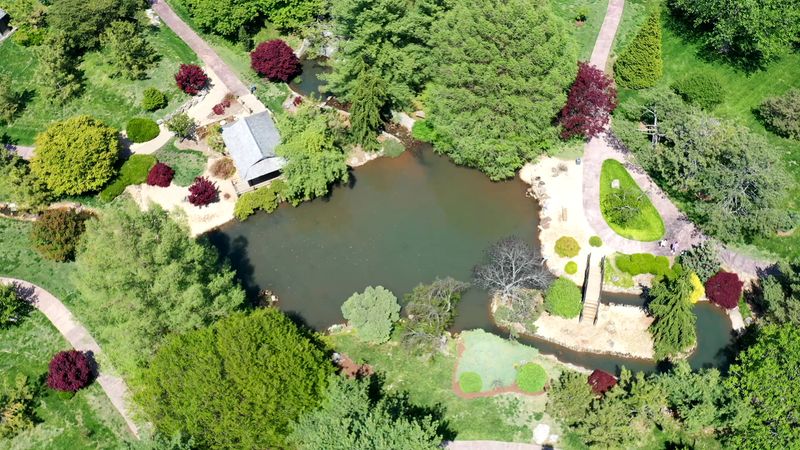
Right in the middle of Springfield, Missouri, a traditional Japanese garden quietly waits for anyone willing to seek it out. The Mizumoto Japanese Stroll Garden sits at 2400 S Scenic Ave, Springfield, MO 65807, inside the Springfield Botanical Gardens at Nathanael Greene/Close Memorial Park.
The garden covers 7.5 acres and is open daily from 10 AM to 7 PM during its seasonal run, typically April through October. A small admission fee applies, with adults paying around $6 and children ages three and up paying around $4, while the tiniest visitors under two get in free.
Group rates are available for parties of ten or more. Clean restrooms and picnic tables are available near the ticket house, and the playground at Nathanael Greene Park sits just next door, making this an easy full-day outing for families. You can reach the garden by phone at 417-891-1515 for current hours and event details.
A Garden That Celebrates Cultural Friendship
Most gardens are named after donors or politicians, but this one carries a name with a far more personal story. Yuriko Mizumoto Scott was a Japanese woman who became the first Japanese war bride brought to the Ozarks, arriving in Springfield after World War II and building a life in a community very different from her homeland.
In 2004, the garden was officially named in her honor, recognizing her tireless support for the space and her role in connecting Japanese and Ozark cultures over the decades. She became a living bridge between two worlds, and the garden reflects that mission beautifully.
Her story adds a layer of meaning to every visit that you simply cannot find in a brochure. Knowing that this peaceful landscape exists partly because of one woman’s dedication to sharing her heritage makes every stroll feel a little more intentional and a little more moving than an ordinary afternoon walk in the park.
A Garden Rooted in Kyoto Tradition
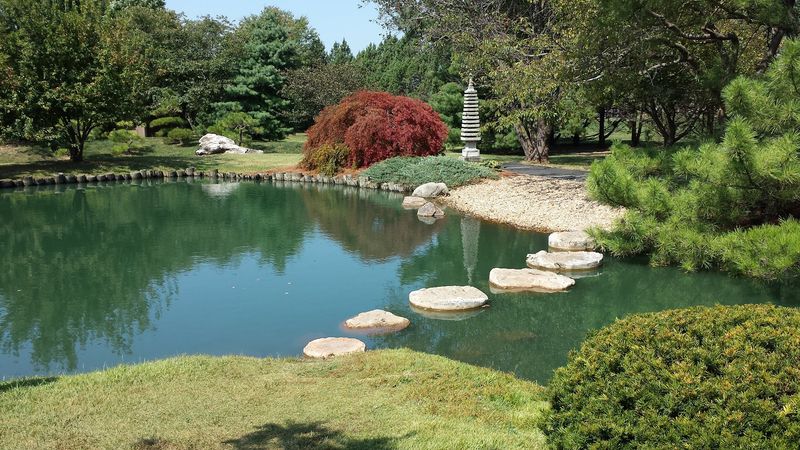
The design of this garden did not come from imagination alone. It was inspired by a replica of the Garden of the Abbot’s Quarters in Kyoto, Japan, a style of garden design that emphasizes balance, intention, and the careful relationship between water, stone, plants, and open space.
Every element you encounter on the winding paths, from the curved bridges to the artistic stone lanterns to the flowing streams, was placed with purpose. Japanese garden philosophy believes that the arrangement of natural elements can guide the mind toward calm and reflection, and you can genuinely feel that philosophy at work here.
The garden was established in the mid-1980s with the goal of bringing an authentic Japanese landscaping experience to Missouri, and the craftsmanship shows. It never feels like a theme park version of Japan. It feels considered, measured, and respectful of the tradition it draws from, which is exactly what makes it so worth visiting.
Three Koi Lakes That Steal the Show
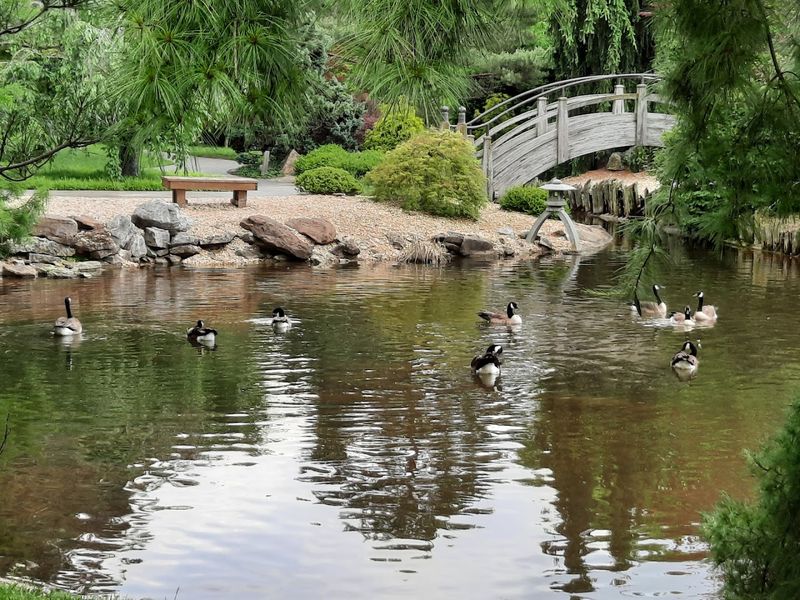
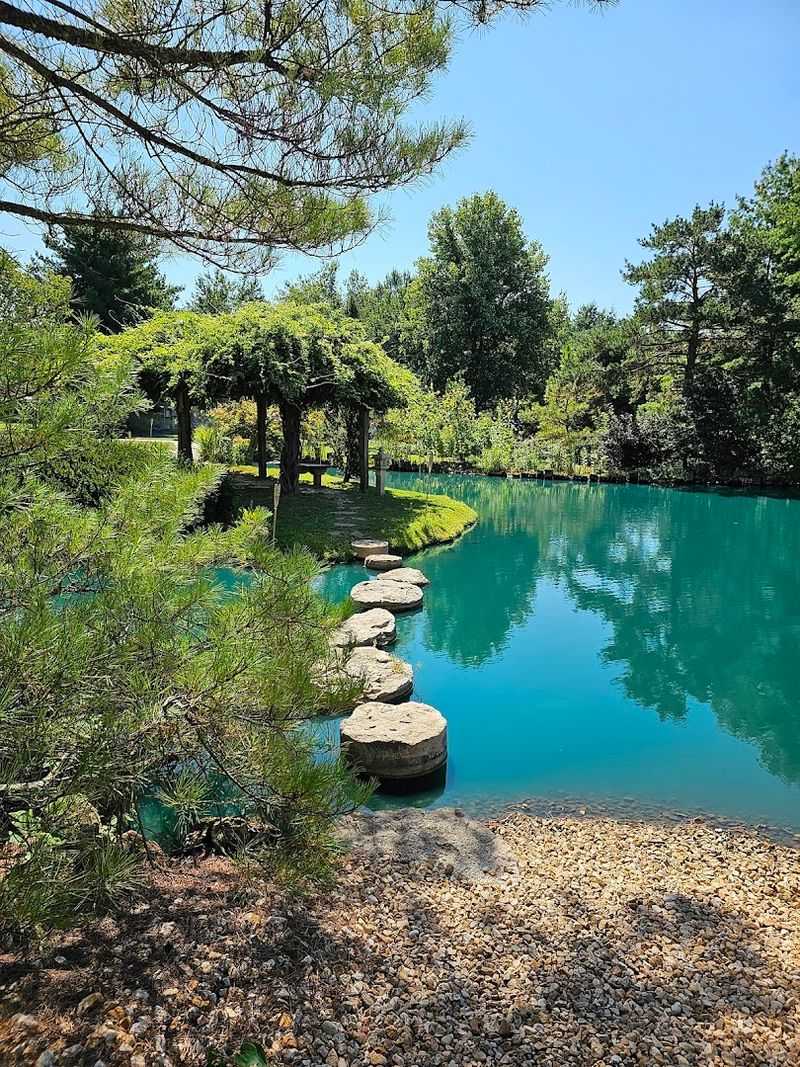
Ask anyone who has visited what they remember most, and the koi will almost always come up first. The garden features three large koi lakes, each filled with brilliantly colored fish in shades of orange, white, red, and black that drift lazily through the clear water like living brushstrokes.
Feeding the koi is one of the most popular activities for visitors of all ages, and watching children crouch at the water’s edge to toss food to the fish is one of those simple, joyful moments that makes a visit feel complete. The fish are surprisingly bold and will glide right up to the surface the moment they sense someone nearby.
The lakes are also central to the garden’s overall design, with paths looping around their edges and bridges arching gracefully overhead. Reflections of the surrounding trees shimmer across the water’s surface, and on a calm afternoon, the whole scene looks almost too beautiful to be real.
The Moon Bridge and Its Perfect Reflection
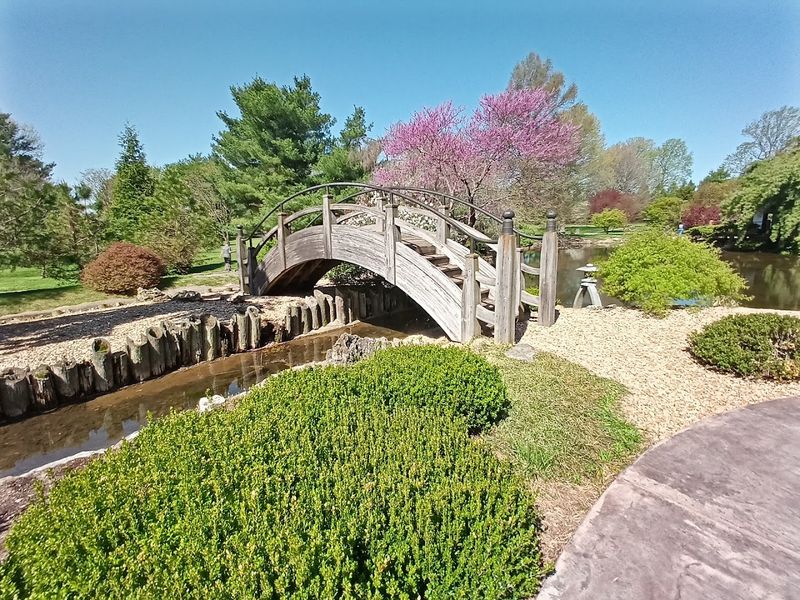
Few structures in any garden are as photogenic as a well-placed moon bridge, and this one earns every photo taken of it. The arching wooden bridge rises steeply over one of the koi lakes, and when the water is calm, its reflection forms a near-perfect circle that looks like a full moon lying flat on the surface.
Crossing it is a small adventure in itself. The steep curve means you have to slow down, and that forced pause gives you a moment to look out over the water in both directions before descending the other side.
Photographers, especially those shooting engagement or family portraits, tend to linger here longer than anywhere else in the garden. The bridge appears in countless local wedding and portrait sessions, and it is easy to understand why. It frames subjects beautifully against the water and the trees, creating images that look far more dramatic than the effort required to get them suggests.
Quiet Corners for Reflection and Rest
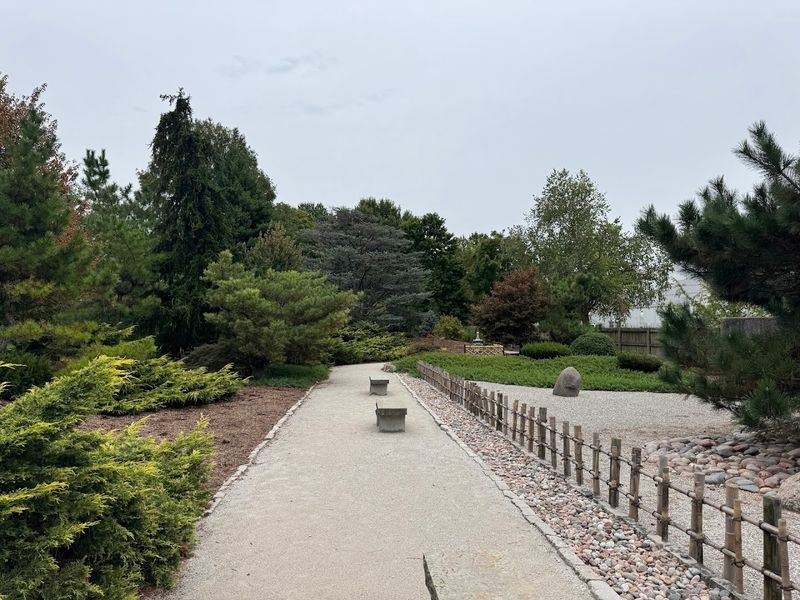
Beyond the bridges and the koi lakes, the garden offers quieter spaces designed specifically for stillness. A meditation garden sits within the grounds, featuring the kind of carefully raked gravel and smooth stone arrangements that Japanese garden design uses to encourage a calm and focused mind.
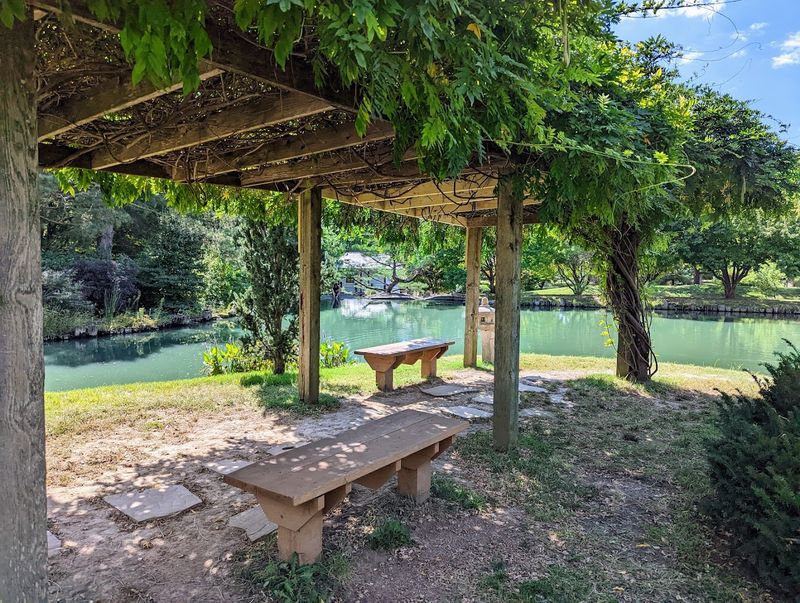
Visitors can view the zen garden area, though the raking is left to the gardeners rather than guests. Benches and sitting areas are scattered throughout the property, tucked under large shade trees or positioned near the water, giving you plenty of options to simply sit and absorb the surroundings.
The shade is generous, with towering trees creating a canopy that makes even warm days feel manageable. One thing worth noting is that most seating is along the paths rather than on the grass, as signs ask visitors to stay on the designated routes to protect the landscape. That small boundary actually adds to the experience, keeping the garden looking as intentional as it was designed to be.
The Teahouse That Transports You
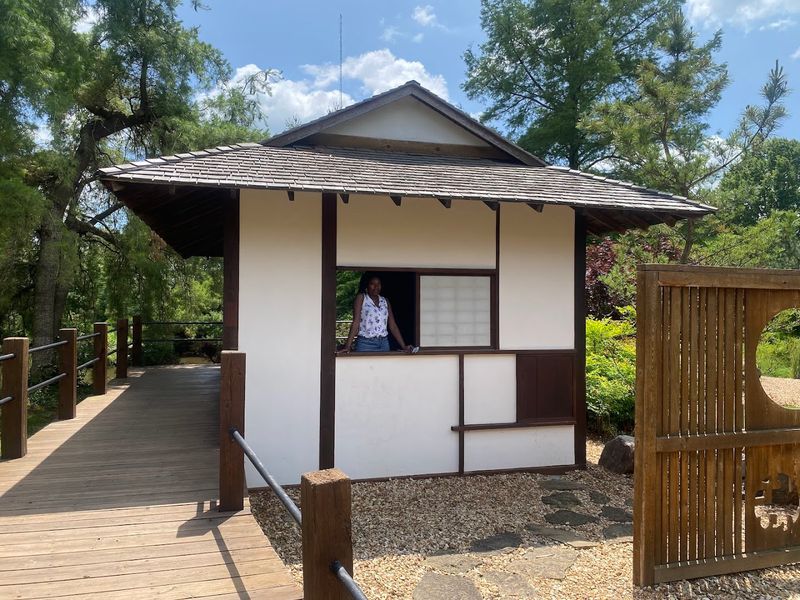
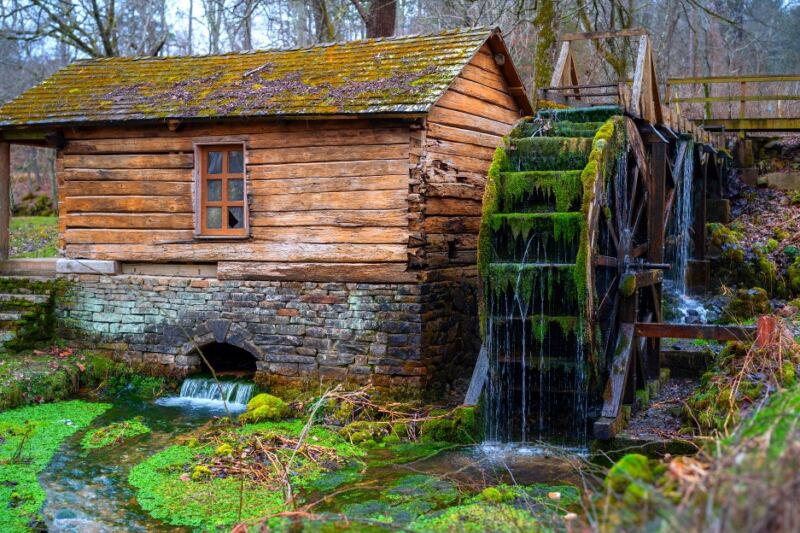
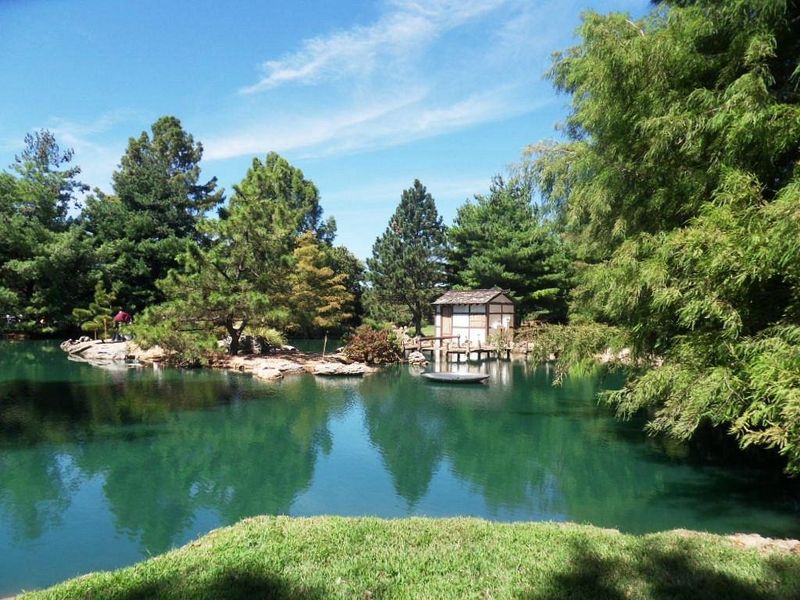
One of the most striking structures inside the garden is the traditional teahouse, a small wooden building that looks like it was lifted directly from a Japanese village and set down gently among the Ozark trees. It adds a sense of cultural authenticity that photographs cannot fully capture.
The teahouse is not a functioning cafe where you can order a cup of matcha and sit down, but its presence as an architectural element contributes enormously to the atmosphere of the garden. It serves as a focal point on the path and a reminder that every element here was chosen to reflect genuine Japanese tradition rather than a simplified version of it.
Small wooden structures like this one appear in several spots throughout the grounds, each adding character and depth to the landscape. Visitors consistently mention how interesting and unique these buildings feel, and they make excellent backdrops for photographs, especially during the golden hour just before the garden closes in the evening.
Spring Blossoms That Make the Whole Place Smell Different
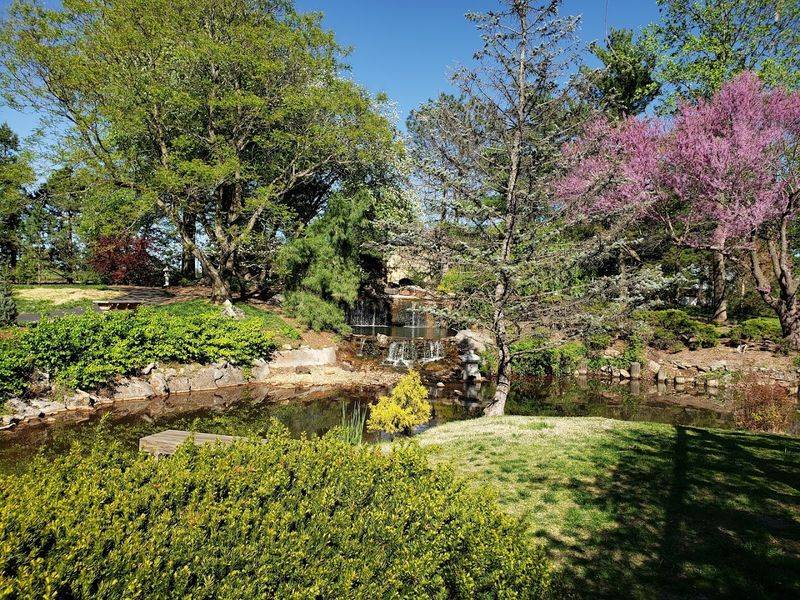
Spring is arguably the most magical season to visit, and the garden transforms in a way that catches even repeat visitors off guard. Cherry blossoms and other flowering trees burst into color, and the fragrance that hangs in the air around the blooming trees is the kind of sensory detail that stays with you long after you have left.
Wisteria also grows in parts of the garden, though its blooms can vary from year to year in size and fullness. The combination of floral scent, gentle breezes, and the sound of water trickling through the streams creates an atmosphere that feels almost staged, except that it is entirely natural.
Spring visits tend to draw visitors looking for portrait photography opportunities, and the garden is genuinely one of the best spots in the Springfield area for that purpose. The soft pink tones of the blossoms against the dark wood of the bridges and the blue-green water of the koi ponds create color combinations that practically photograph themselves.
Autumn Turns the Garden Into a Painting
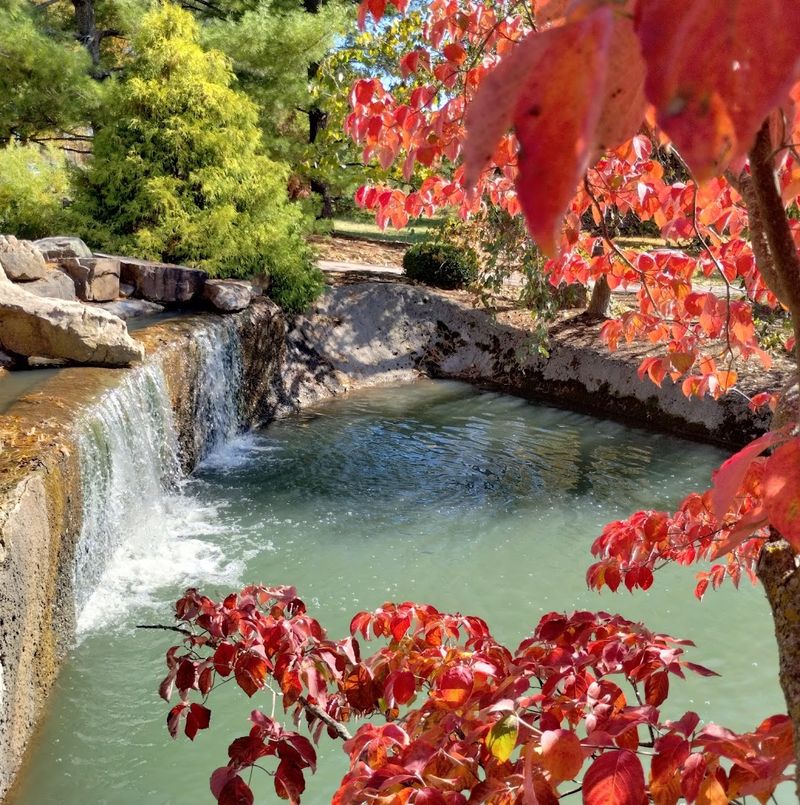
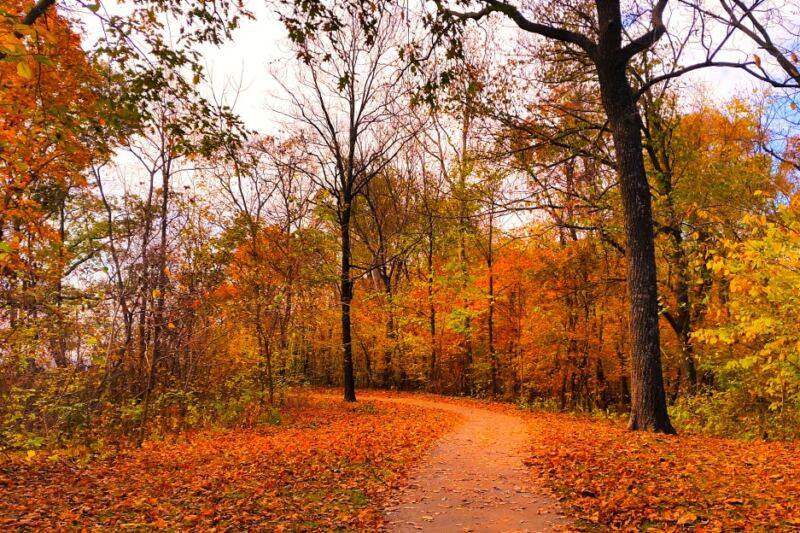
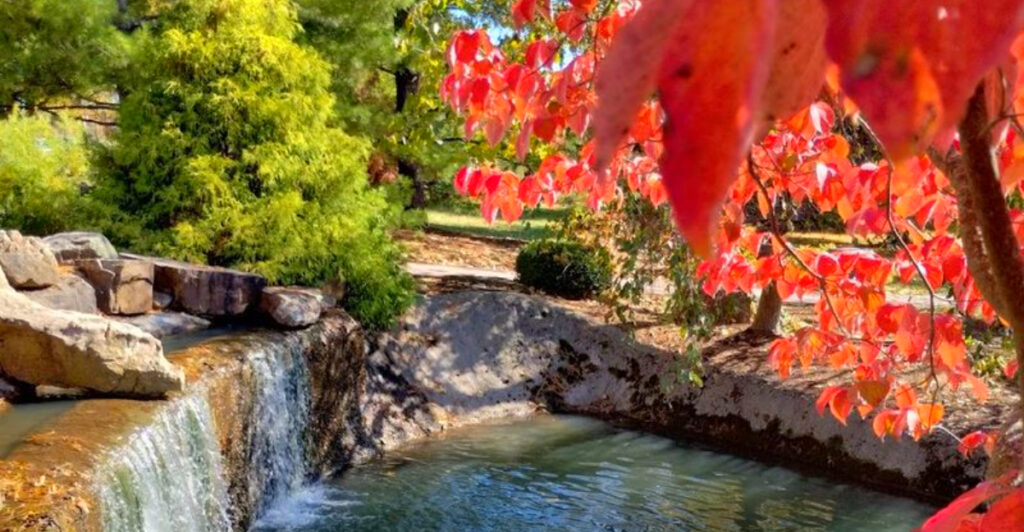
If spring is magical, autumn is absolutely dramatic. The Japanese maples and other deciduous trees scattered throughout the garden shift into shades of deep red, burnt orange, and golden yellow that make the whole place feel like a scene from a painting rather than a public park in Missouri.
The contrast between the vivid foliage and the dark stone lanterns, the green moss on the rocks, and the still surface of the koi ponds is the kind of visual experience that stops people mid-stride. Many visitors say autumn is their favorite season here, and the timing of the annual Japanese Fall Festival in the fall makes it even more of a reason to plan a trip during that window.
Colorful evergreen specimens and maples are planted throughout the grounds, so even as some trees peak and fade, others hold their color a little longer, extending the visual spectacle across several weeks rather than compressing it into a single fleeting weekend.
The Japanese Fall Festival Worth Planning Around
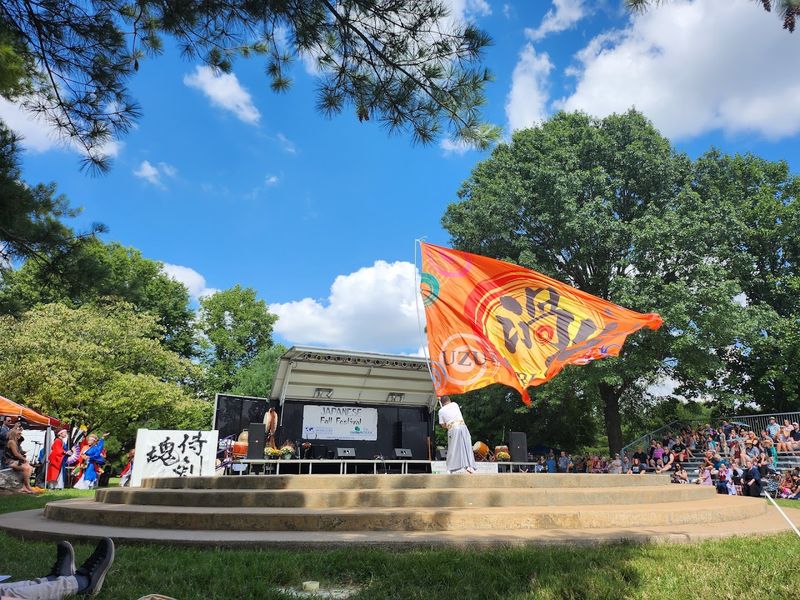
Once a year, the garden hosts the Japanese Fall Festival, and it is a genuinely different kind of event that draws a crowd unlike any typical park gathering. Visitors arrive in traditional Japanese attire, anime cosplay, and creative costumes inspired by Japanese manga and culture, turning the garden paths into a lively and colorful parade of self-expression.
Vendors set up throughout the grounds, and the festival atmosphere fills the usually quiet space with music, food, and cultural celebration. Japanese lanterns placed on the water glow as evening falls, creating a scene that is both festive and surprisingly beautiful.
The festival is consistently one of the most-talked-about events in Springfield’s annual calendar, and it offers a completely different way to experience the garden compared to a quiet weekday afternoon stroll. If you plan to attend, arrive early, because the paths fill up quickly and parking can be a challenge when the event is at full capacity.
Gardens Aglow Lights Up Winter Nights
The garden’s seasonal run typically ends in October, but the Springfield Botanical Gardens hosts a separate winter event called Gardens Aglow that transforms the entire park into a festive light display after dark. Families with children consistently describe it as a highlight of the holiday season in Springfield.
Thousands of lights line the paths and illuminate the trees, creating a completely different kind of beauty than the garden offers during daylight hours. Kids burn off energy walking the lit-up trails, and the atmosphere is cheerful and communal in a way that the quieter stroll garden experience is not.
The event is worth checking the park’s schedule for, as it typically runs during the winter holiday season and draws large crowds on weekend evenings. Even visitors who are not particularly drawn to gardens during the warmer months find that the lights festival offers a reason to experience the Springfield Botanical Gardens grounds in a new and festive way.
Practical Tips to Make Your Visit Count
A few practical details can make the difference between a good visit and a great one. The garden is open daily from 10 AM to 7 PM during its April through October season, and weekday afternoons tend to be noticeably quieter than weekend mornings, giving you more space to wander without crowds.
Comfortable walking shoes are a smart choice, as the paths include some uneven stone surfaces, and the koi lake areas can get slippery near the water’s edge. The geese that wander the grounds are charming but not always tidy, so watch your step near the water.
A small gift and souvenir shop is available near the entrance, and clean restrooms are on-site at the ticket house. The garden is largely accessible by wheelchair, with most paths navigable without difficulty. For the best photography light, aim for the hour before closing, when the afternoon sun softens and the garden takes on a warm, golden quality that makes every corner worth photographing.
Share this story