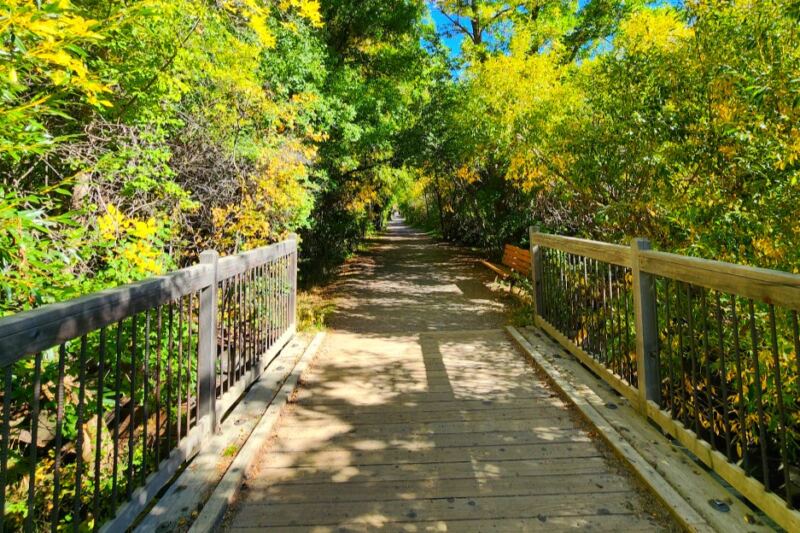
Tucked into the Elkhorn Mountains just south of Helena, a privately owned botanical garden has grown into one of Montana’s most remarkable hidden attractions. Visitors come to explore 14 themed gardens, more than 1,500 varieties of plants, whimsical fairy displays, and peaceful paths that follow Prickly Pear Creek, all surrounded by mountain views. What began as one family’s personal project has become an internationally accredited arboretum that surprises first-time visitors at every turn.
The experience goes well beyond flowers. Guests can discover rare plants from around the world, attend seasonal events, relax beside the creek, browse a specialty nursery, or even spend the night in a tiny cabin on an island surrounded by flowing water. Whether you’re a dedicated gardener or simply looking for one of Montana’s most unusual day trips, it’s a destination that rewards anyone willing to venture a little farther off the highway.
Here’s why Tizer Botanic Garden & Arboretum has become one of Montana’s most unique botanical destinations and a place visitors happily return to throughout the growing season.
The Personal Story That Planted It All
Not every botanical garden begins with a master plan or a million-dollar grant. The Tizer Botanic Garden and Arboretum in Jefferson City, Montana, grew from something far more personal and far more moving than that.
In 1997, Richard Krott and Belva Lotzer acquired a modest piece of land along Tizer Lake Road, initially dreaming of nothing grander than a private retreat. Richard had been facing a serious health challenge, and gardening became his therapy, his daily medicine, his reason to get outside and put his hands in the soil.
The couple planted cosmos and other vibrant flowers along Prickly Pear Creek, slowly transforming weedy patches into something genuinely beautiful. By 2000, curious strangers were showing up uninvited, sometimes even after dark, just to walk through what had become a backyard wonder. Recognizing the joy their garden sparked in others, Richard and Belva opened their gates on weekends, and a private sanctuary quietly became a shared one.
Finding the Garden: Address, Location, and Getting There
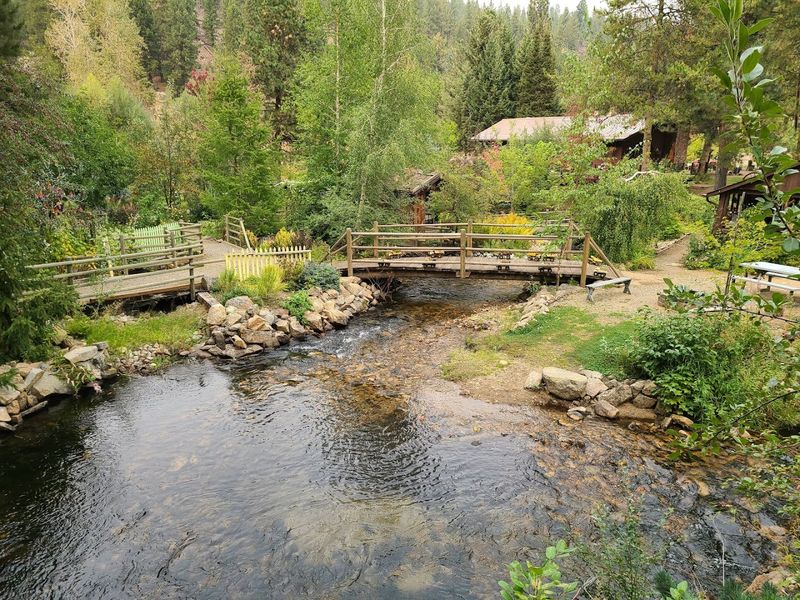
The full address is 38 Tizer Lake Road, Jefferson City, MT 59638, and the drive itself is half the experience. From Helena, the journey south takes roughly 18 miles, making it an easy and scenic day trip from the state capital.
Take Exit 176 off Interstate 15 in Jefferson City, then follow Highway 282 until the signs guide you down toward Tizer Lake Road. The road feels remote enough to make you wonder if your GPS has gone rogue, but the modest entrance soon gives way to something far grander than the surroundings suggest.
The garden sits at approximately 5,000 feet of elevation within the dramatic embrace of the Elkhorn Mountains, a setting that lends the property a genuinely wild character. Prickly Pear Creek runs directly through the grounds, adding both soundtrack and soul to the experience. The garden is open Tuesday through Sunday from 10 AM to 5 PM, and the phone number is 406-933-8789.
Fourteen Themed Gardens, Each With Its Own Personality
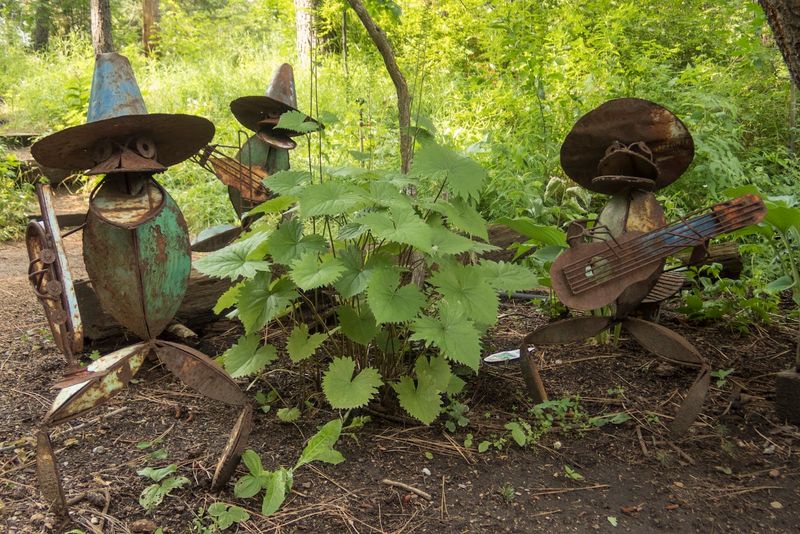
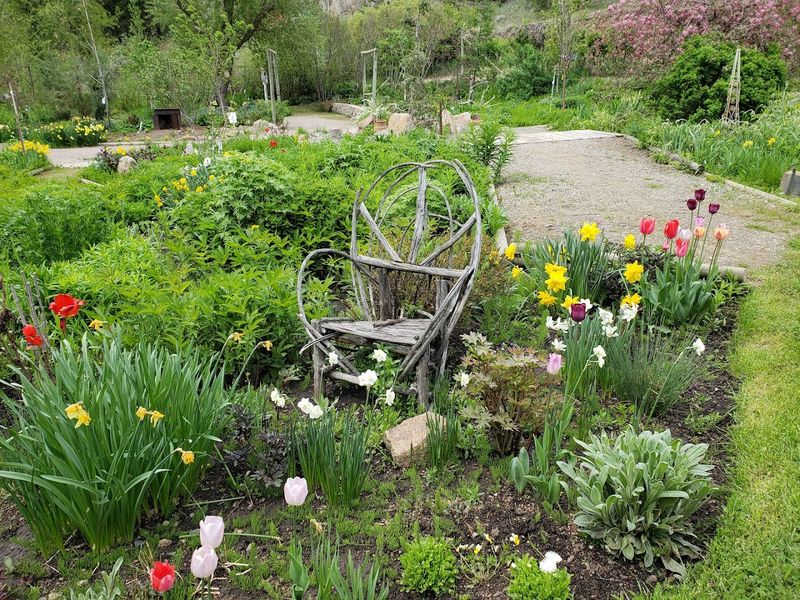
Fourteen distinct themed gardens spread across this property, and each one offers a genuinely different mood, plant palette, and sensory experience. The Rose Garden, established in 2003 in partnership with Weeks Roses of California, is a standout, featuring hardy Canadian varieties and pest-resistant Brindabella roses from Australia that hold their own against Montana winters.
The Herb Garden overflows with medicinal, edible, and tea varieties, while the Vegetable Garden and Orchard produce apples, pears, plums, and raspberries. A Shade Garden filled with hostas and woodland plants provides cool relief on warmer days, and the Butterfly and Hummingbird Garden practically hums with life during peak summer months.
The Meditation Garden invites quiet reflection, and the Secret Garden hides a bench beside the creek where a journal sits waiting for passing thoughts. Every turn of the path delivers a new atmosphere, ensuring that two hours can pass before you realize you have barely covered half the grounds.
The Whimsical Touches That Make This Place Unforgettable
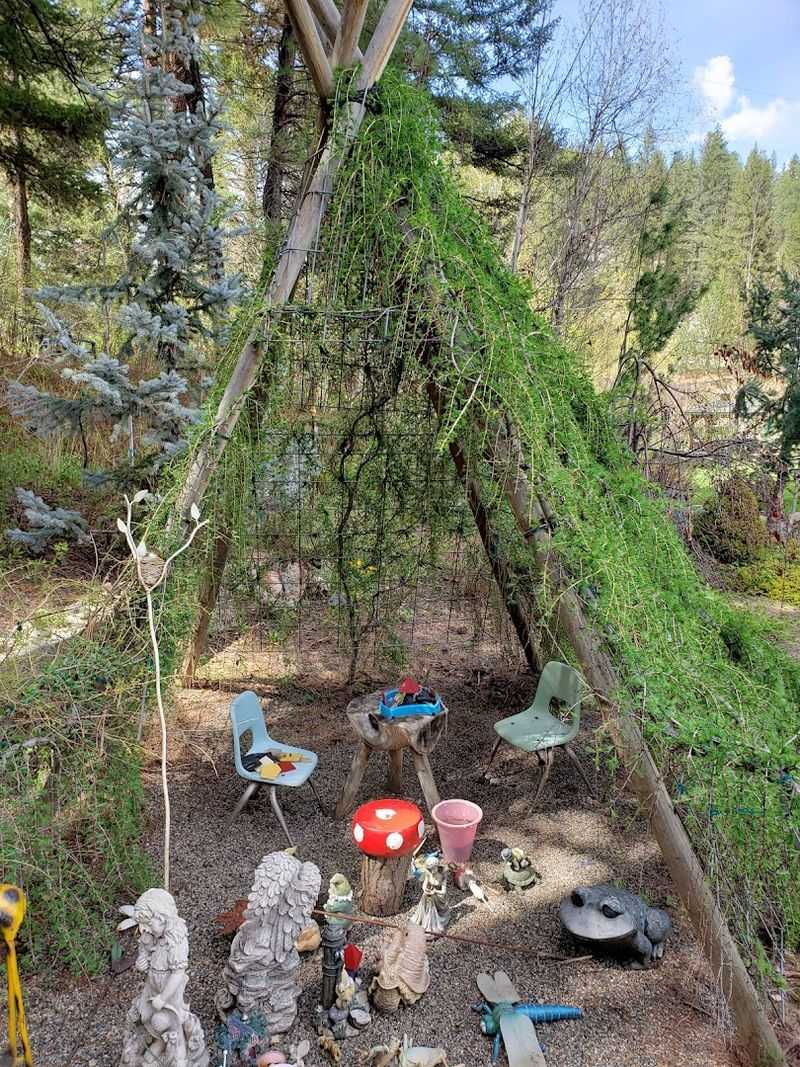
There is a particular kind of delight that comes from discovering an upside-down tree in the middle of a garden path, and Tizer delivers exactly that kind of moment. The property is peppered with playful surprises that transform a botanical stroll into something closer to an adventure.
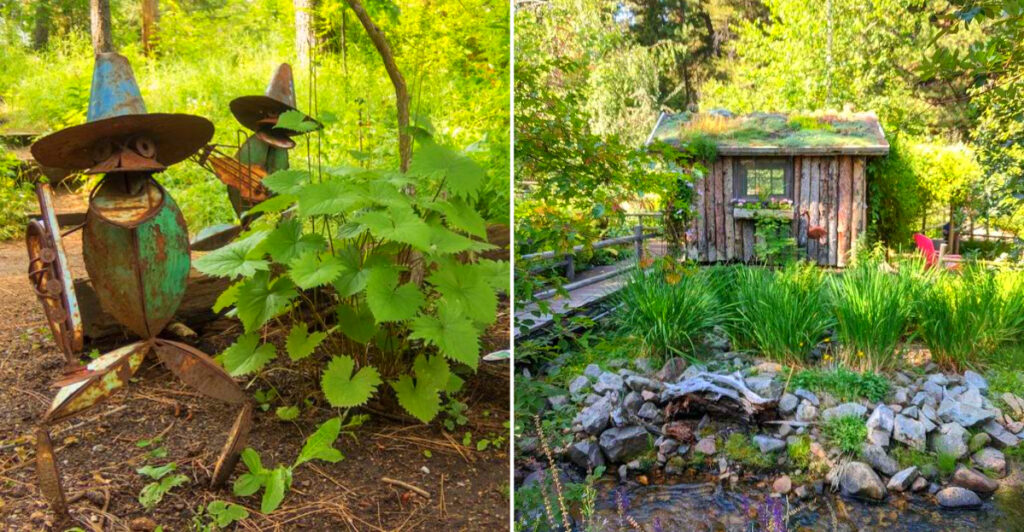
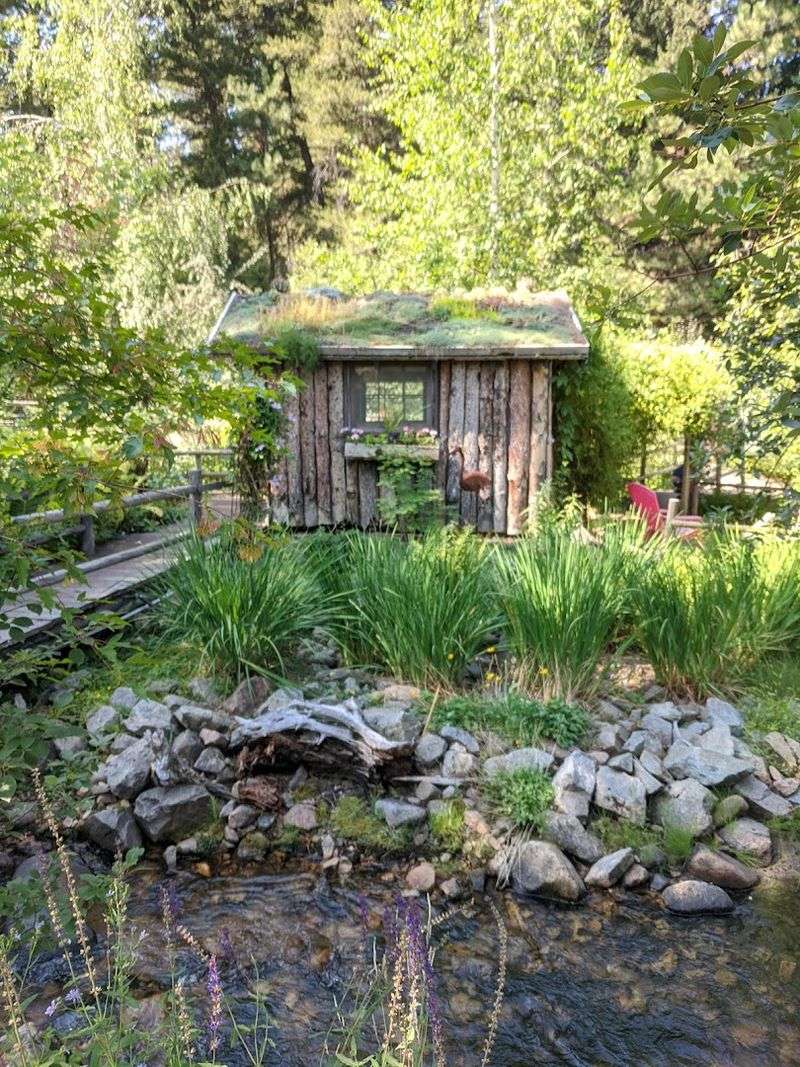
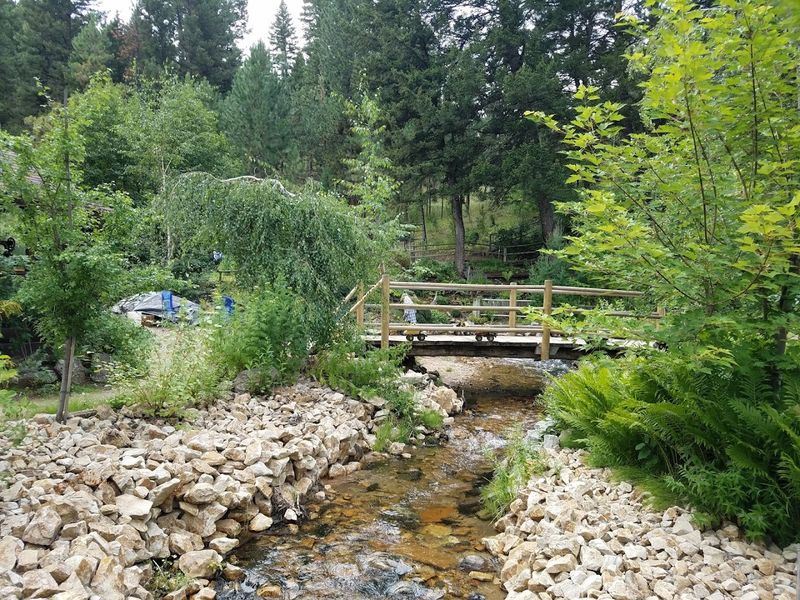
The Children’s Garden features fairy and gnome statues tending miniature scenes, tiny huts built for imaginative play, and a teepee constructed from living tree branches. A dump truck bridge crosses one section of the creek, earning immediate approval from every child who spots it. Plants with cleverly crafted faces peer out from among the foliage, and a living tool shed blends organic artistry with practical function in a way that is genuinely hard to describe until you see it.
One island in Prickly Pear Creek holds a secluded table perfect for quiet riverside reflection, and another hosts a small cabin available for overnight rental. These details accumulate into an atmosphere that is playful without being childish, and creative without feeling forced.
A Nationally Recognized Horticultural Heavyweight
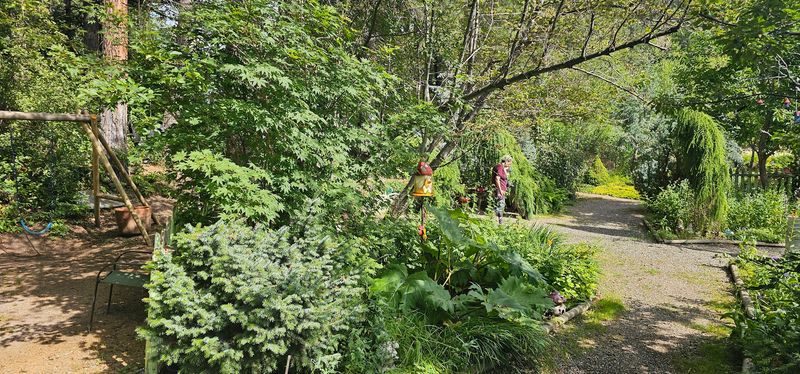
Behind the charming rustic atmosphere and fairy statues lies a garden with serious horticultural credentials. Tizer Botanic Garden and Arboretum holds the distinction of being Montana’s only official botanic garden and arboretum in the western part of the state, a title that reflects both the depth of its plant collections and the rigor of its management.
Even more impressively, it is one of only three internationally accredited arboreta in the United States that is privately owned rather than affiliated with a university or government institution. That level of recognition is rare and hard-earned, requiring documented plant collections, professional standards, and demonstrated commitment to botanical education.
Since 2007, the garden has also served as Montana’s only demonstration garden for the Plant Select Program, a collaborative initiative between Denver Botanic Gardens and Colorado State University focused on identifying plants that thrive in challenging western climates. This role means the garden actively contributes data to the broader horticultural community, making it a living research site as much as a leisure destination. That combination of charm and credibility is genuinely uncommon.
Over 1,500 Plant Varieties, Including Some From Siberia
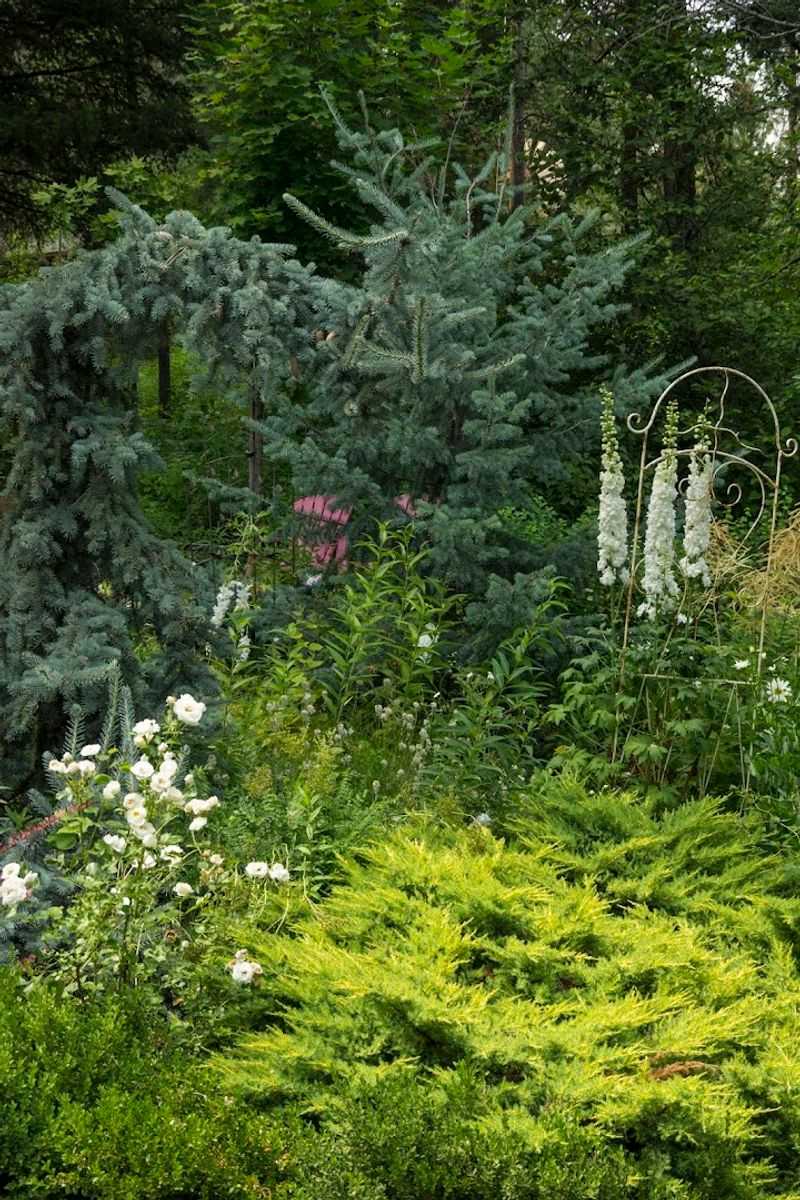
The sheer variety of plants growing across this 4.5-acre property is remarkable for a privately owned garden at high altitude. More than 1,500 varieties of perennials, shrubs, and trees have been cultivated here, with thousands of individual specimens spread across the grounds.
The conifer collection alone includes over 225 varieties, their varied textures and forms adding year-round structure to the landscape. Deciduous trees and shrubs account for approximately 450 varieties, contributing dramatic seasonal changes from spring blossoms through autumn color. The rose collection features around 100 different types, with a strong emphasis on cold-hardy Canadian varieties proven to survive Montana winters without coddling.
What truly elevates the collection is the inclusion of rare plants sourced from Siberia, South Africa, Turkistan, and other far-flung regions, alongside extremely rare native Montana species. The owners’ encyclopedic knowledge of these specimens turns a casual walk into an informal global botany lesson. Chatting with the staff here reveals the kind of plant expertise that takes decades to accumulate, and they share it freely.
Sleeping on an Island in the Creek
Most botanical gardens send you home at closing time. This one offers you a reason to stay. A tiny cabin perched on an island in the middle of Prickly Pear Creek is available for rent through Vrbo, and the experience of falling asleep to water flowing on both sides of your shelter is exactly as peaceful as it sounds.
The cabin skips Wi-Fi and television by design, which is either a dealbreaker or the entire point depending on your relationship with screens. Essential comforts are covered, including a mini-fridge, coffee maker, and microwave, so mornings can still begin properly. The composting outhouse is rustic, and prospective guests should read the listing carefully to understand what the experience entails before booking.
Beyond the creek-side cabin, a beautifully restored 140-year-old homesteader cabin on the property serves as a popular wedding venue, offering couples an authentically Montanan setting complete with rustic charm and mountain views. Staying overnight here extends the garden experience into something genuinely immersive, and waking up to birdsong and creek sounds is a memory that tends to stick.
What to Know Before You Go: Practical Visitor Tips
A little preparation goes a long way toward making your visit here genuinely enjoyable. The garden opens annually from Mother’s Day through October, running 10 AM to 5 PM daily. The nursery typically opens earlier, around April 25th, weather permitting, for those eager to get a head start on the season.
Adult admission is $9.00, and children aged 5 to 12 enter for $7.00, which is reasonable given how much time most visitors end up spending inside. Approximately 90 percent of the grounds, including paths, bridges, and restrooms, are handicap accessible, making the garden genuinely welcoming to visitors with mobility considerations.
Pets are allowed but should be kept on a short leash, since the property supports birds, squirrels, rabbits, frogs, and fish that deserve their calm. The on-site gift shop stocks snack foods, ice cream, cold drinks, and candy, but a proper meal requires bringing your own. Packing a picnic is strongly encouraged, and the garden’s many tucked-away tables make eating among the flowers feel less like a compromise and more like the best idea you had all week.
The Nursery Across the Street: Taking the Garden Home
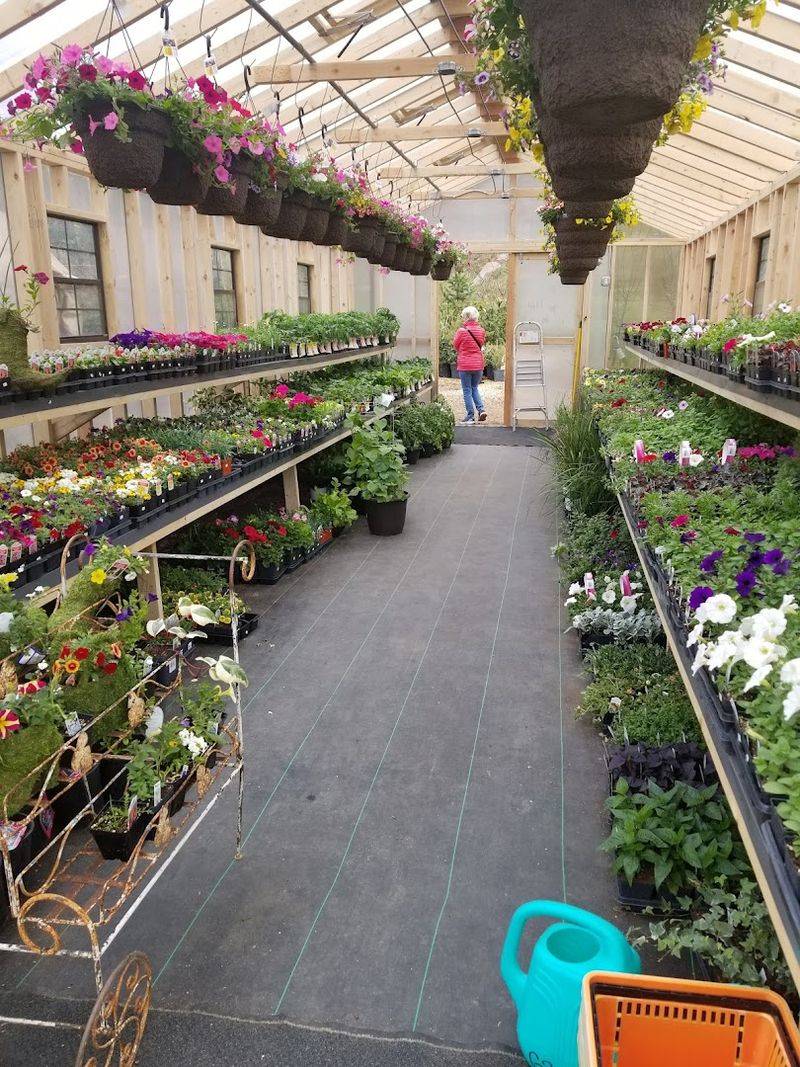
Across the street from the main garden sits a nursery with two greenhouses, and it functions as Helena’s premier destination for climate-appropriate plants. The focus here is deliberate and specific: every plant sold is chosen for its ability to survive and thrive in Montana’s high-altitude, cold-hardy conditions.
The current emphasis leans toward edible plants, with a growing selection aimed at helping customers produce food directly from their own gardens. Bare-root trees and shrubs are a specialty, and while potted tree selections can be limited depending on the season, the quality and relevance of what is available consistently impresses serious gardeners.
The staff’s plant knowledge is one of the nursery’s most valuable assets, and they are genuinely enthusiastic about sharing it. Asking a question here rarely results in a one-sentence answer; instead, you get context, history, and practical advice rooted in years of growing experience in this exact climate. Many visitors leave having purchased plants they never planned to buy, simply because a conversation with a staff member made the case too compelling to resist. It is a living extension of the garden philosophy next door.
A Garden That Changes With Every Season and Every Visit
The owners of Tizer will tell you that all times are the best times to visit, and after spending time across multiple seasons, that claim holds up surprisingly well. Spring arrivals are greeted by the first tentative blooms pushing through after winter, a quiet drama that rewards patience.
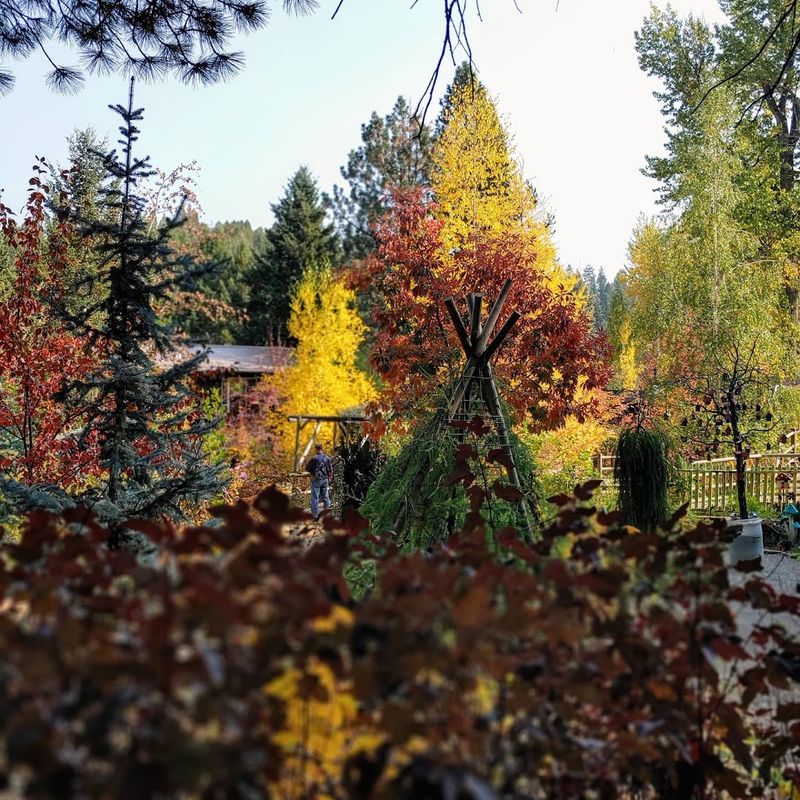
Summer brings the full riot of color that most visitors picture when they think of a botanical garden, with the butterfly and hummingbird areas particularly alive during the warmest months. The rose garden peaks in mid-summer, filling the air with fragrance on calm mornings when the mountains still cast long shadows across the paths. Autumn shifts the mood entirely, trading bright petals for the warm golds and deep reds of changing foliage, while certain varieties cultivated specifically to bloom after the first freeze extend the season well into October.
Each visit genuinely offers something different, not just because the plants change, but because the light, the wildlife, and the creek itself all shift with the seasons. Returning visitors consistently report discovering corners of the garden they somehow missed the first time, which says everything about how much this small space manages to hold.
Share this story