 Unearth The Voyage
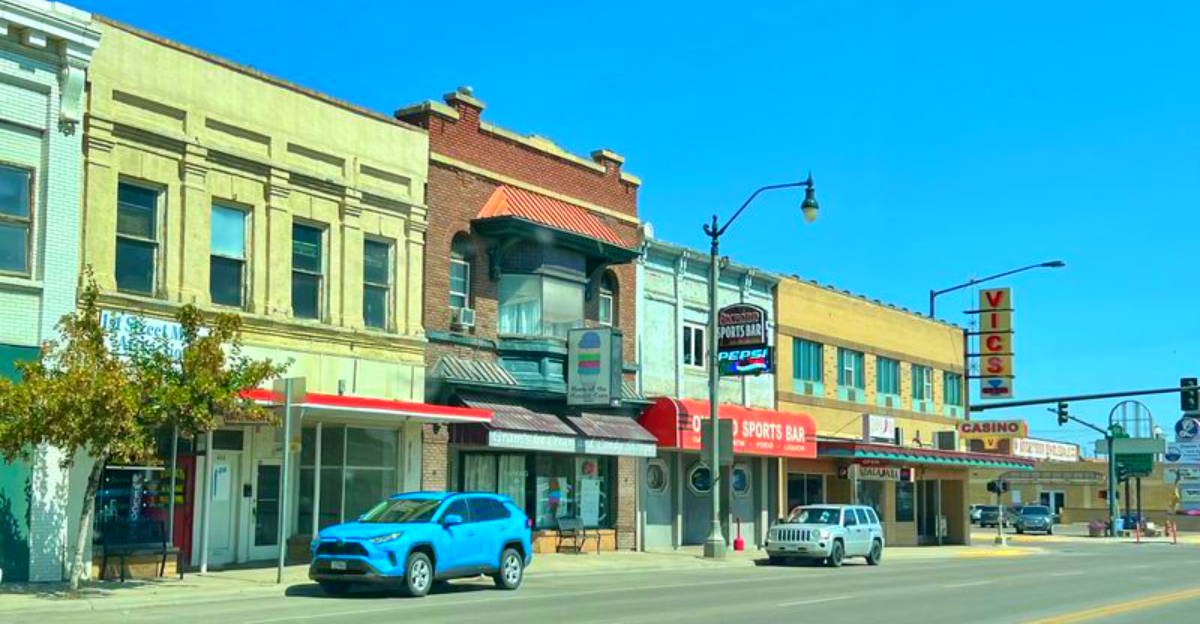
Just after sunrise in Havre, freight trains cut through town as light spreads across wheat fields and grain elevators. Downtown wakes up slowly – coffee on, doors unlocked, waves exchanged at four-way stops.
The railroad bones are still visible here, but so is a town quietly resetting its pace and prospects.
Havre’s Railroad Roots And Today’s Market Momentum
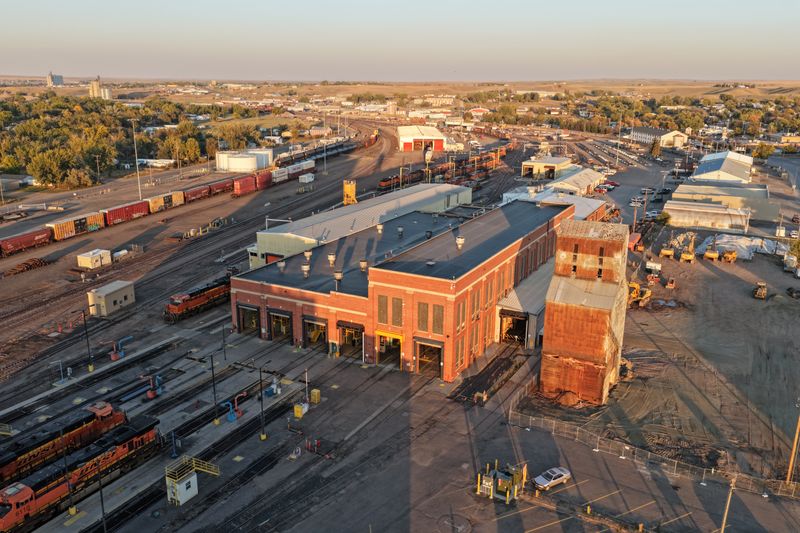
Stand by the tracks at first light and you hear Havre’s heartbeat. Freight snakes through town, a steel reminder that the Great Northern once drew life to this Hi-Line outpost.
The bones of that era remain in red-brick blocks and weathered depots, and lately, buyers notice. They want history, but they also want space, achievable mortgages, and a community that looks you in the eye.
Havre offers that rare trifecta without the price whiplash of larger Montana markets.
Nationally, old railroad towns are trending into new darlings. Fulshear, Texas grew 1,082 percent between 2014 and 2023, proving migration can transform rail-rooted places.
Havre is not chasing that speed, and that is its advantage. The pace is calm enough to preserve character, yet brisk enough that inventory matters.
You will find starter homes near Highland Park, tidy midcentury ranches south of 2nd Street, and fixer opportunities close to Downtown.
What tips the scale is practical living. Fiber options, a regional hospital, and steady BNSF activity underpin jobs and reliability.
Investors eye duplex conversions, while families prioritize yards and nearby schools. If you have been priced out elsewhere, Havre’s curve looks both sensible and promising.
Downtown Havre: Brick, Brew, And Walkable Wins
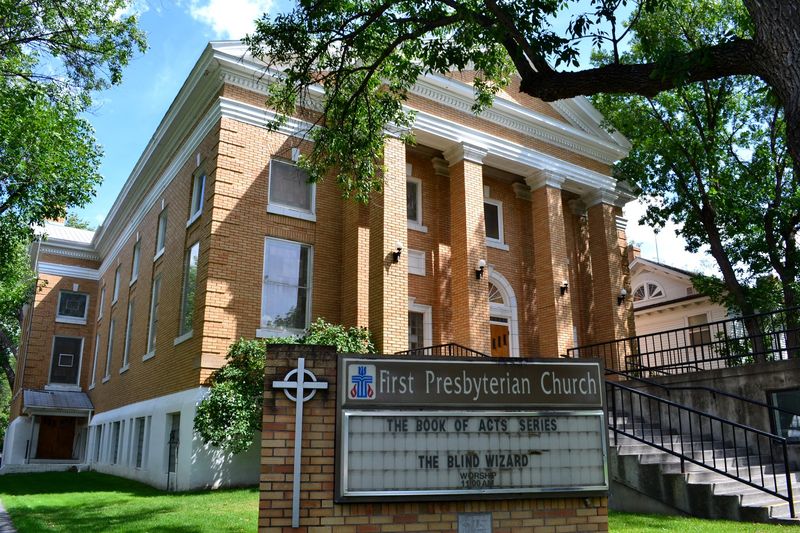
Downtown is where Havre reveals its everyday rhythm. Brick storefronts hold outfitters, galleries, a classic barber, and the kind of café where the barista learns your order by week two.
You stroll past painted ghost signs, catch rail horns in the distance, and notice that parking is easy and the sidewalks feel neighborly. At night, warm window light slides onto the street, and you get the sense of a town that likes being itself.
For buyers, downtown condos are rare, but upper-floor lofts above shops surface occasionally. Small commercial spaces work well for creator studios or side-hustle boutiques.
The play here is proximity. You can walk to coffee, the library, a steakhouse, and the train station, then bike to parks in minutes.
That walkability converts into livability, and livability holds value.
Local business chatter points to steady foot traffic during events and weekends. A few facades have been refreshed, and more owners are eyeing energy-efficient upgrades.
If you want character without chaos, this core feels like a safe bet. The insider tip: act fast on mixed-use listings.
They go to buyers who appreciate original millwork, tall windows, and a front-row seat to small-city life.
Havre Beneath The Streets: Underground History, Real Appeal
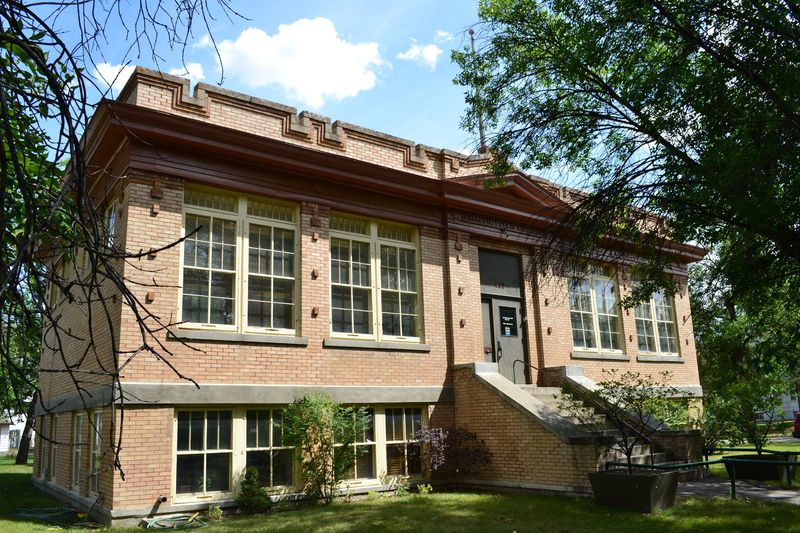
Havre Beneath the Streets is a revelation. You head below ground and step into a hidden city of barbershops, bordellos, and bakeries recreated where businesses once survived after a devastating fire.
The air smells faintly of old wood and dust, and the stories are vivid. Guides weave in railroad lore, bootleg whispers, and frontier resilience, giving context to every preserved doorway.
This kind of cultural anchor strengthens confidence for buyers and entrepreneurs. When a town preserves its soul, people feel safer investing.
Tour traffic stays steady in summer and helps downtown thrive. Shops nearby see spillover, and visitors often linger for lunch, then wander real estate flyers at windows.
It all adds up to an ecosystem where heritage fuels commerce.
From a lifestyle lens, this museum makes weekend hosting easy. Friends come to town, you take the tour, then pop up to coffee and a stroll.
It is an instant itinerary that deepens your connection to place. If you value communities that tell their story clearly, Havre’s underground exhibit delivers a compelling signal.
It shows that the past is not a gimmick here, it is the backbone.
Hi-Line Dining: From Hearty Steaks To Huckleberry Treats
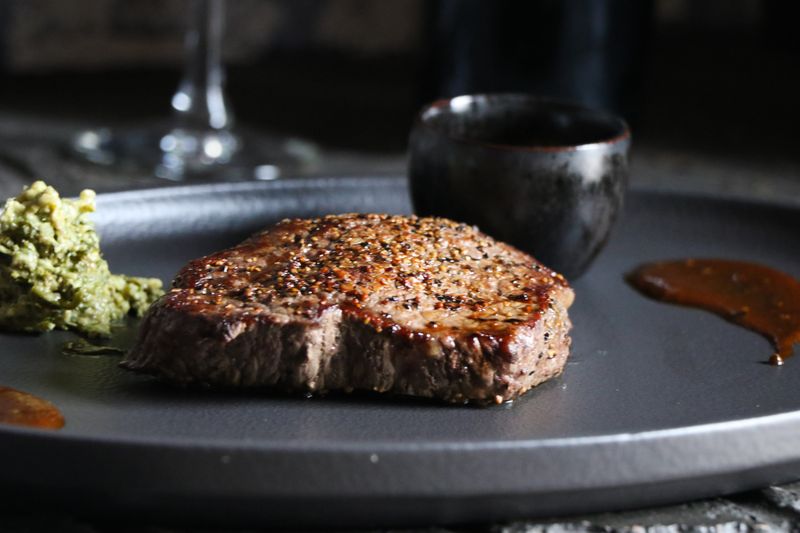
Dining in Havre feels like a handshake. Portions are generous, service is eye-level, and menus nod to ranch country with steaks, chops, and burgers you actually remember.
Breakfast joints pour third cups without asking, and there is usually a house-made pie cooling somewhere. Huckleberry shows up in syrups and desserts, while local bars keep taps honest and unfussy.
What surprises newcomers is the range. You can grab a hearty chicken fried steak, then pivot to a wood-fired pizza or a solid pho bowl from a family-run spot.
Coffee culture has sharpened too, with roasters pushing fresher profiles and baristas dialing in espresso. This matters because food scenes anchor neighborhoods.
People move for schools, yes, but they stay for reliable comfort and occasional flourish.
Nationally, regional dining preferences are tightening around value and authenticity, and Havre fits that curve. Prices are fair, specials rotate with seasons, and staff remember your kid’s name.
Pro tip: ask locals for the best Friday prime rib and the spot making scratch cinnamon rolls. These rituals turn into routines.
Routines become roots. Roots build demand.
Parks, Trails, And Big Sky Weekends
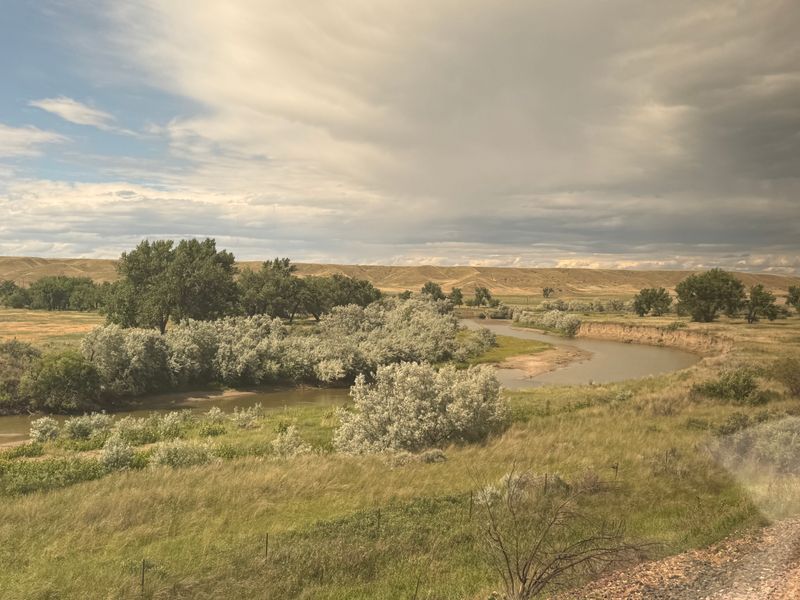
On weekends, you chase the horizon. Havre’s parks stretch into coulees and prairie, where wind moves through grass like water.
You can bike quiet streets toward the Milk River, jog past wheat-scented fields, or unroll a blanket under enormous sky. The soundtrack is meadowlarks and the distant hum of a train, and the air tastes clean.
Families love playground clusters and wide ball fields. Dog owners get long-leash space, and winter brings easy sledding hills.
Trails outside town tease with views that make a week feel shorter. Because this is the Hi-Line, sunsets spool forever, turning neighborhoods gold before dinner.
That daily theater does not get old.
From a real estate angle, access to green space keeps certain blocks hot. Homes near parks move first, and listings mention trail proximity faster than closet count.
If you are relocating, scout the edges of established neighborhoods for mature trees and quick park links. Bring sturdy shoes, a windbreaker, and a picnic kit.
Your future Saturdays will thank you. The lifestyle here is not performative.
It is practical joy wrapped in sky.
Fort Assinniboine: Frontier Scale And Regional Gravitas
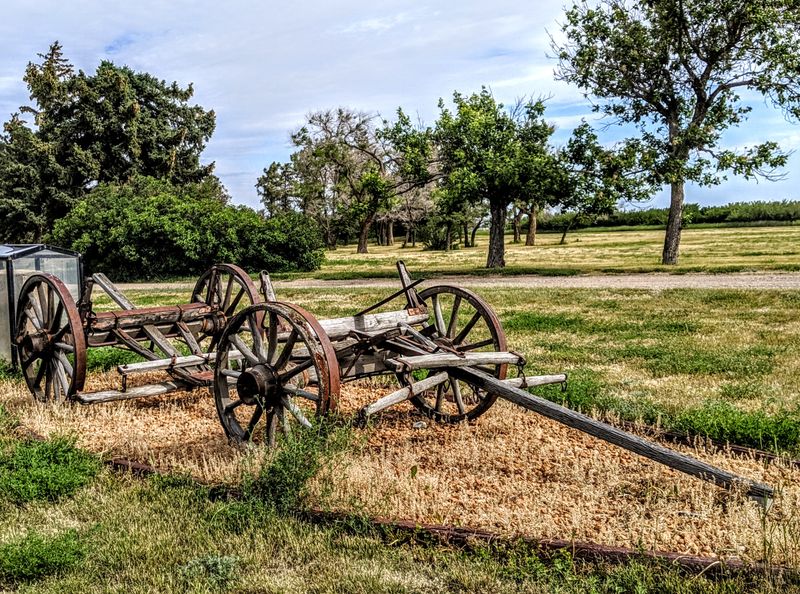
A short drive south brings you to Fort Assinniboine, and suddenly the past feels enormous. Red-brick barracks anchor huge parade grounds, and wind crosses them with a steady hush.
You walk between buildings imagining cavalry clatter and officers studying maps. Interpretive signs connect Blackfeet history, frontier defense, and the railroad’s strategic reach across the Hi-Line.
Living near a site like this changes your weekends and your perspective. You are not just buying a house; you are buying proximity to history that still informs the region.
Visitors bring quiet tourism, especially in summer, and local events add rhythm to the calendar. That cultural gravity helps stabilize demand.
Heritage has a way of signaling durability to buyers and lenders alike.
The fort’s scale also emphasizes why Havre grew where it did. Rail lines, open range, and strategic location intersected to create a service center.
Today, that function continues in healthcare, education, and freight logistics. If you are scouting neighborhoods, note the easy drive to the fort from south-side streets.
Pack water, a hat, and give yourself time to wander. The place breathes patience.
Neighborhood Snapshots: Highland Park, Southwest, And The Avenues
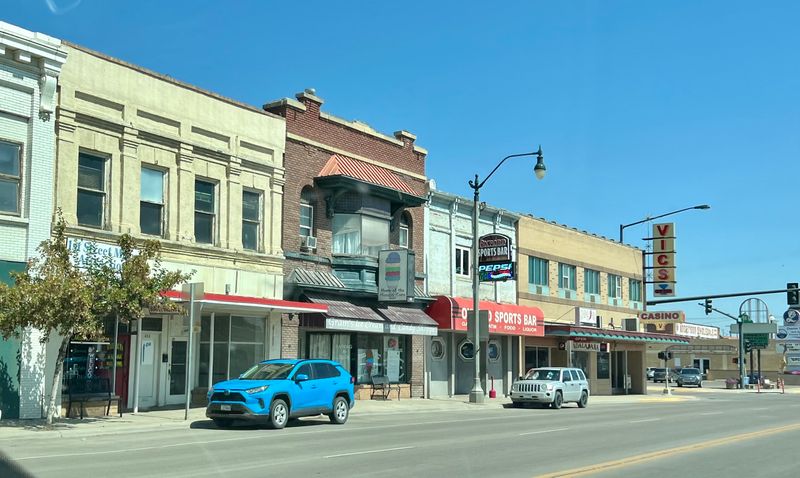
Every buyer asks the same question: where does it feel right. Highland Park wins for school proximity, mature trees, and tidy lots that fit first-time budgets without sacrifice.
Southwest stretches a bit roomier with midcentury ranches and longer driveways. The Avenues offer that grid comfort of sidewalks, garages, and quick access to downtown.
Each pocket has its sound, from backyard sprinklers to distant whistles.
Commuting is a breeze by big-city standards. Ten minutes covers most daily routes, and winter plows know their way around.
Fiber pulls through many streets, and cell coverage stays steady. You spend less time in the car and more in your life.
That adds up. If you want a home office with morning light, aim for east-facing rooms near tree cover.
Inventory shifts with the seasons. Spring pops listings, late summer turns competitive before school.
Ask your agent for price-per-square-foot trends and days-on-market by micro area. The value play: livable houses that need cosmetic updates.
Paint, floors, and a modest kitchen refresh go far here. You can build equity without losing weekends to chaos.
Work And Education: Anchors That Keep Havre Steady
When you consider a move, you look for anchors. Havre has them.
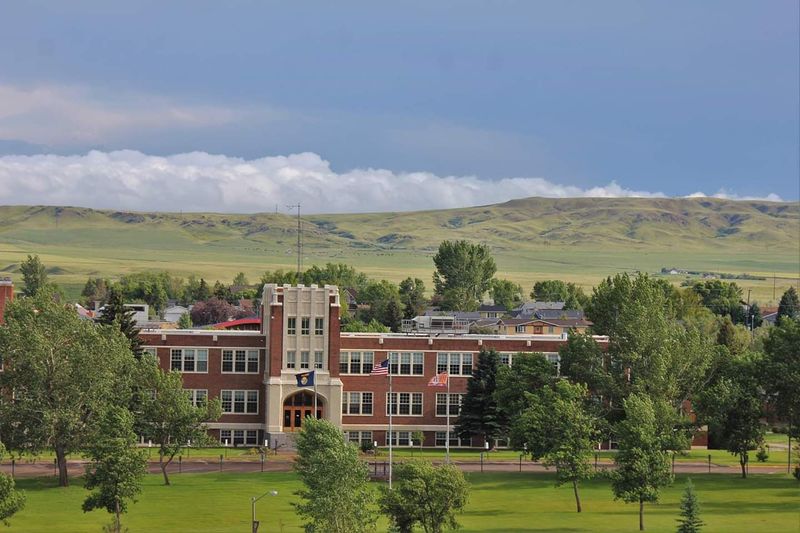
Northern Montana Hospital keeps healthcare close, while Montana State University Northern brings students, faculty energy, and steady events. Freight and maintenance jobs tied to the rail network add further ballast.
Together, these pillars create the kind of baseline that helps households plan.
Education is a daily convenience. Families appreciate neighborhood schools, and the university’s programs spill into community workshops and performances.
Small cities thrive when classrooms and clinics feel accessible. Havre passes that check with practical ease.
The result is a town that does not bet everything on one industry.
Regionally, towns with education and healthcare anchors tend to hold value even during wobbly cycles. You see it in stable rents, reliable tradespeople, and a calendar filled with games and graduations.
If you work remotely, the university’s presence often correlates with better bandwidth and coffee shops that open early. That is a livability loop.
It pulls buyers who want normal days that run on time.
Seasonal Rhythm: Winters That Build Community
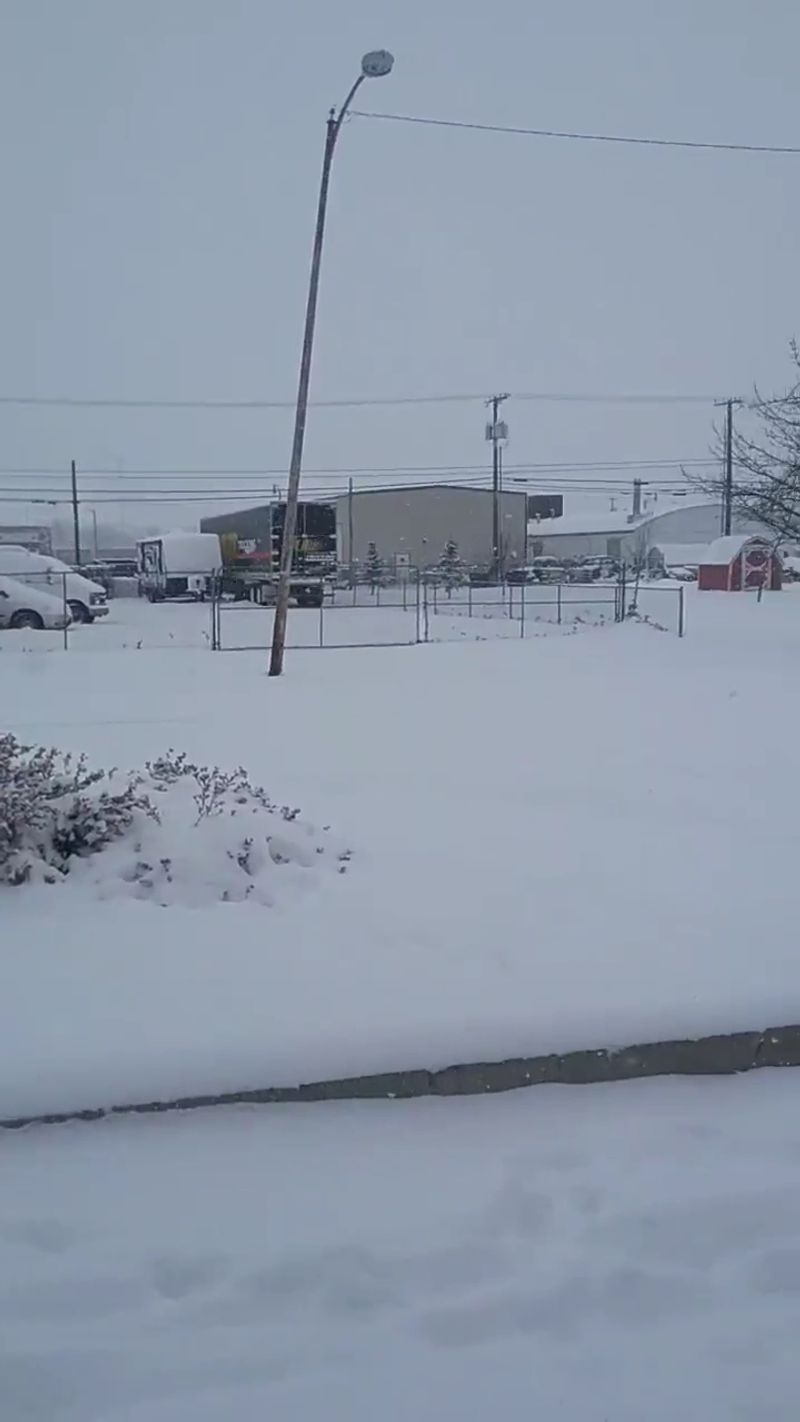
Winter in Havre is honest. Snow stacks, wind tests your layers, and neighbors help dig each other out.
It sounds tough, but the tradeoff is a community that shows up. You learn which gloves actually work, keep a scraper in every car, and discover the quiet magic of a clear night when stars feel close enough to pocket.
Indoors, crockpots and board games do heavy lifting.
Cold seasons shape housing decisions. Good insulation and south-facing windows matter.
Garages earn every inch, and mudrooms become heroes. Sellers who add storm doors and efficient furnaces see value returned.
Buyers notice energy bills, and simple weatherproofing reads like love. The upside is crisp air and a calendar that leans cozy without cabin fever.
Local events keep spirits up. Hockey games, school concerts, and small festivals dot the weeks.
You meet people by doing the same winter things together. That repeat contact builds trust, which is the real currency in smaller markets.
Come spring, snowmelt reveals lawns ready for first mow. By then you know your neighbors’ dogs by name, and the town feels smaller in the best way.
From Rail Lines To Runways: Getting In And Out
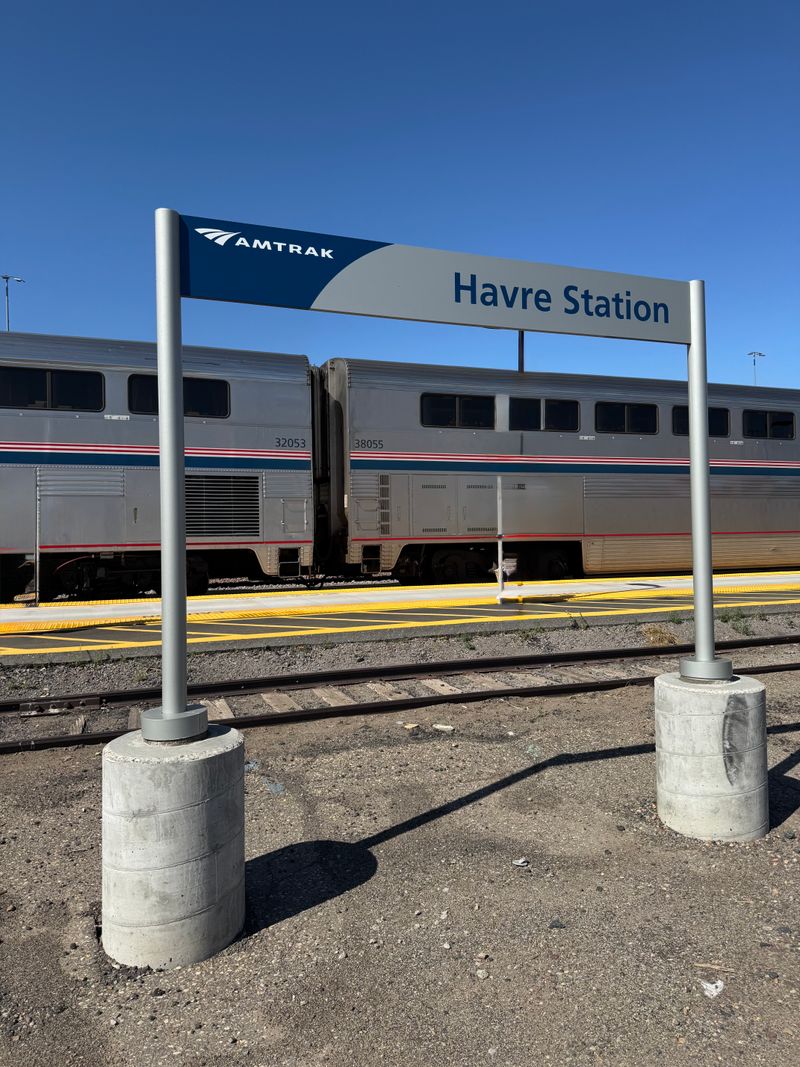
Havre’s geography means you are connected in practical ways. Amtrak’s Empire Builder stops right downtown, so you can ride the rails to Whitefish, Spokane, or Minneapolis without a parking saga.
The City-County Airport handles regional hops and charters, and highways slice cleanly east-west across the Hi-Line. Driving feels meditative here, where the horizon stays honest and traffic is a rumor.
For daily life, that network translates into flexibility. Visiting family, supply runs, and weekend getaways stay doable.
Freight reliability also props up local prices by keeping goods moving. You feel the railroad legacy not just as history, but as living infrastructure.
That gives a small city outsized capability.
House hunters should map commute times against winter patterns. Pick routes with reliable plowing and minimal drift risk.
Ask about garage depth if you plan to store outdoor gear or a small boat. The upside is simple: travel feels less like an obstacle and more like a chosen rhythm.
In a world of congestion, that is rare value.



