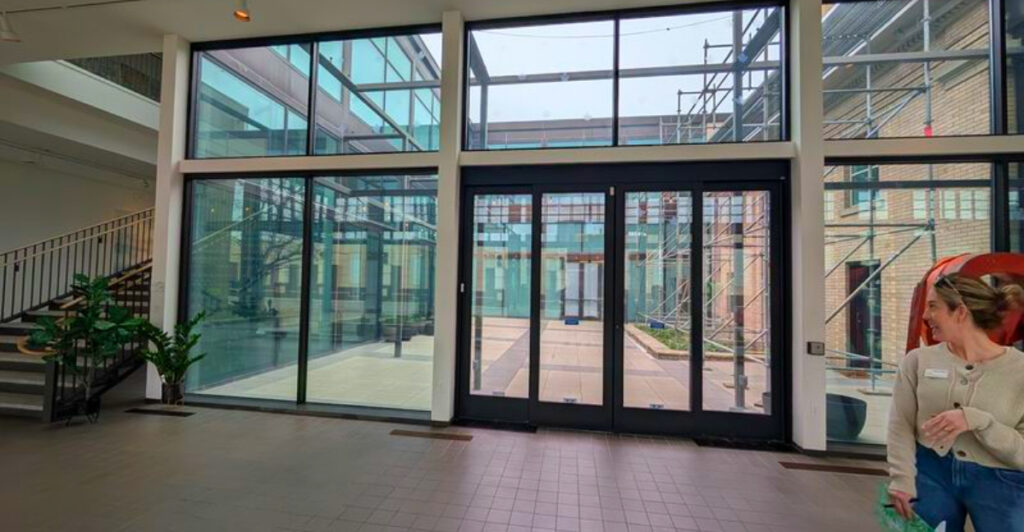
Housed in a former county jail in downtown Billings, Montana’s largest contemporary art museum contains thousands of works that explore the American West from perspectives both familiar and unexpected. Since 1964, it has built a collection that ranges from early Montana Modernists and Native American artists to major figures in contemporary American art.
The museum’s unassuming exterior gives little indication of what is inside. Galleries feature paintings, sculptures, photographs, and mixed-media works spanning decades of artistic movements, including pieces connected to New York’s Abstract Expressionist scene and works from one of the most influential private art collections in the country.
What makes this museum stand out is its scope. Visitors can trace the evolution of Western art while discovering artists who challenged traditional ideas about the region and its identity.
Here’s why this Billings institution has become one of Montana’s most important cultural destinations.
A Former Jail Turned Art Destination
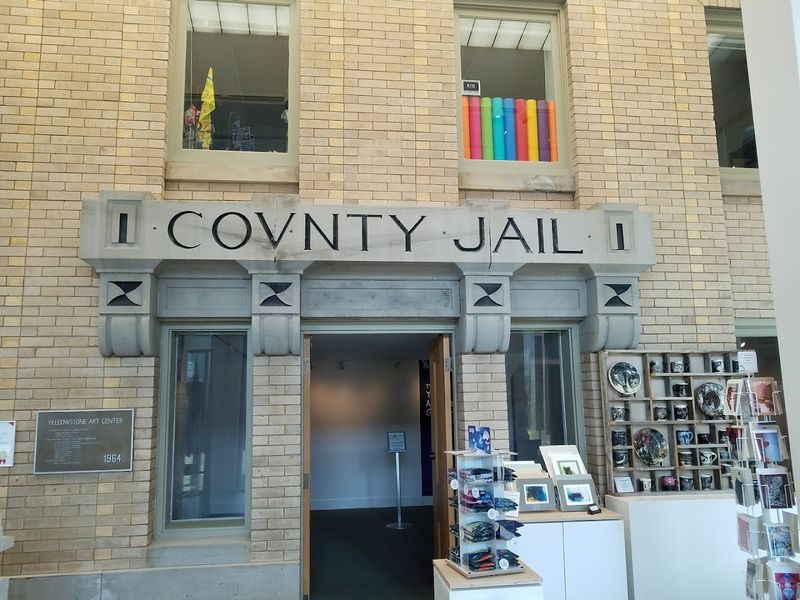
Most art museums are built to impress from the outside. This one started its life as the Yellowstone County Jail, which makes it one of the more unusual origin stories in American museum history.
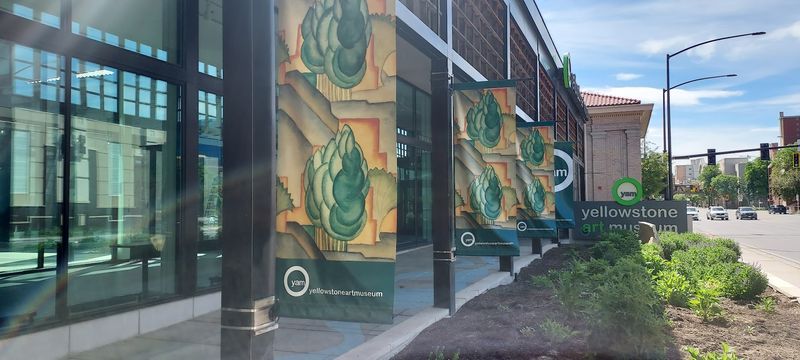
The Yellowstone Art Museum, at 401 N 27th St A, Billings, MT 59101, opened in October 1964 as the Yellowstone Art Center. Its founders made a deliberate and bold choice: instead of celebrating Western genre paintings and historical artifacts like most regional museums of the era, they focused on contemporary and avant-garde work from the Northern Rockies.
That decision set the tone for everything that followed. The building itself still carries a certain character, with its sturdy brick structure and repurposed spaces that feel layered with history.
The contrast between the building’s past and its current purpose as a space for creative expression is one of the first things that catches your attention when you arrive.
A Collection That Spans Over 8,500 Works
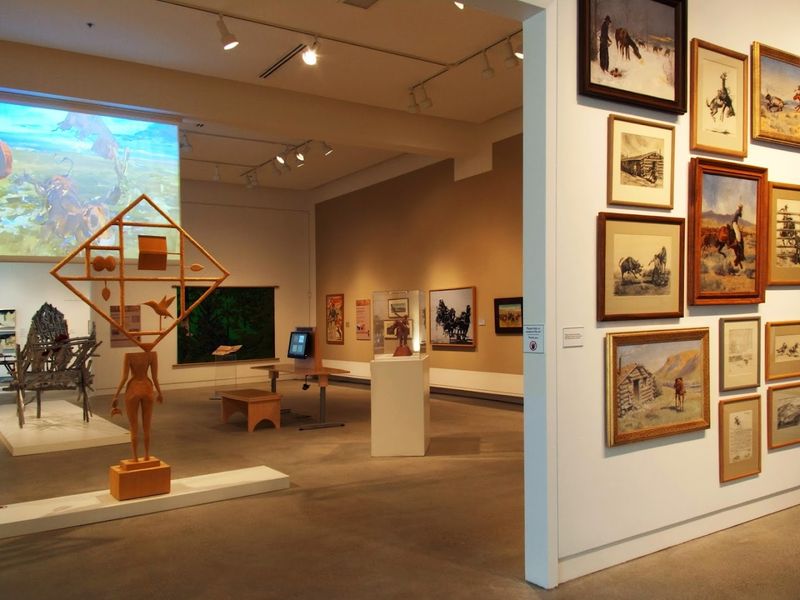
The sheer scale of what this museum holds is worth pausing on. Over 7,300 works of historic and contemporary regional art and archival items make up the permanent collection, covering a remarkable range of mediums and periods.
Contemporary paintings sit alongside historical artifacts, ceramics, photographs, prints, drawings, mixed media, and sculpture. The breadth reflects the museum’s commitment to telling a full and honest story about the Mountain West and Northern Plains, not just the romantic or simplified version.
What makes this collection feel different from a typical regional museum is its insistence on complexity. The works here engage with the social, cultural, and physical landscape of the region, including its contradictions and its evolving identity.
You do not walk through these galleries feeling like you are looking at a postcard. You walk through feeling like you are reading something much more layered and worth your time.
And the Visible Vault adds another dimension entirely, which I will get to shortly.
The Montana Collection and Its Regional Voice
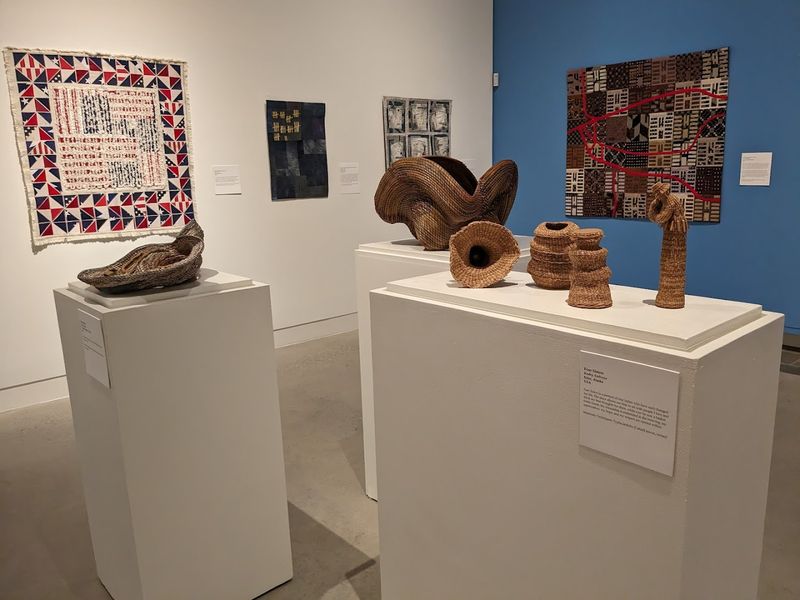
At the heart of the museum is the Montana Collection, a focused group of 1,200 works that center on artists who have lived, worked, or been deeply inspired by time spent in Montana. It is the kind of collection that feels personal rather than encyclopedic.
The mediums represented here are impressively varied: prints, drawings, ceramics, paintings, photographs, mixed media, and sculpture all have a place. Artists like Rudy Autio, Deborah Butterfield, Jaune Quick-to-See Smith, Theodore Waddell, and Peter Voulkos appear alongside names that may be less familiar but are equally compelling.
What ties these works together is a shared engagement with the realities of today’s West, not a nostalgic fantasy of it. The Montana Collection does not shy away from complexity or contradiction.
It presents the region as a living, breathing place shaped by many different voices and experiences. That honesty is what gives this part of the museum its quiet power.
Isabelle Johnson: Montana’s Modernist Hidden in Plain Sight
If you have never heard of Isabelle Johnson, the Yellowstone Art Museum is the place to change that. The museum serves as the primary repository for her work, holding an extraordinary 826 of her paintings and works on paper.
Johnson was an early Montana Modernist whose contributions to the region’s art history are significant, yet she remains far less celebrated than she deserves. Having that many of her works in one place allows visitors to trace the arc of her creative development in a way that is rarely possible with regional artists of her era.
Seeing so many pieces by a single artist in one collection gives you a genuine sense of her vision and her range. It is one of those museum experiences that sneaks up on you: you start looking casually, and then you find yourself standing in front of a particular piece much longer than you planned.
The Johnson holdings alone make a visit worthwhile.
The Visible Vault: Art Storage as a Public Experience
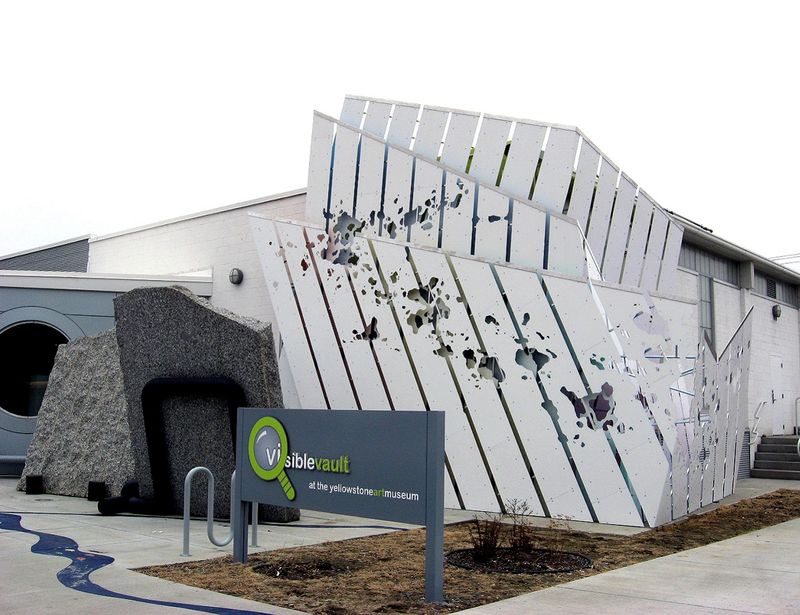
Opened in 2010, the Visible Vault is one of the most genuinely original features of this museum, and it is the kind of thing that makes you realize how much goes on behind the scenes at any serious art institution.
Rather than hiding its storage facility away from the public, the museum made it accessible. Approximately 3,500 works of art are preserved here, along with thousands of sketches, photographs, and archival materials.
The Gary and Melissa Oakland Artist in Residence Studio is also part of this space.
Seeing art in storage rather than on display gives you a completely different perspective on how museums function. Works are organized, catalogued, and carefully preserved, and watching that process from the outside turns a practical necessity into something genuinely fascinating.
Visitors consistently single out the Visible Vault as a highlight, and it is easy to understand why. It transforms the invisible work of preservation into something the public can actually experience and appreciate firsthand.
Will James, the Vogel Gift, and Other Surprising Collections
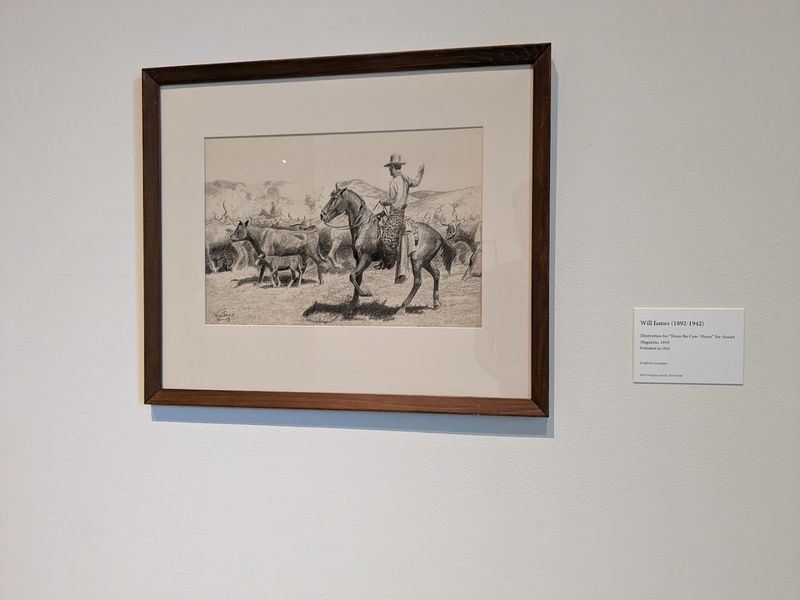
Beyond its Montana-focused holdings, the museum contains a few collections that feel genuinely unexpected given its regional identity. The Virginia Snook Collection is the largest gathering of works by Will James, the beloved cowboy writer and illustrator whose drawings defined a particular vision of the American West for generations of readers.
Then there is the Poindexter Collection, which contains hundreds of works in New York Abstract Expressionism, a style that could not feel more geographically distant from Montana but sits here with complete confidence.
Perhaps most surprising is the 2009 gift of 50 Conceptual and Minimalist works from the private collection of Herbert and Dorothy Vogel, two New York City postal workers who became one of the most celebrated art collectors in American history. Their collection was distributed to museums across all 50 states as part of a national program, and Billings received its share.
That mix of cowboy illustration, Abstract Expressionism, and Conceptual art in one building is genuinely hard to find anywhere else.
Boundless Visions: The Long-Term Exhibition Worth Seeking Out
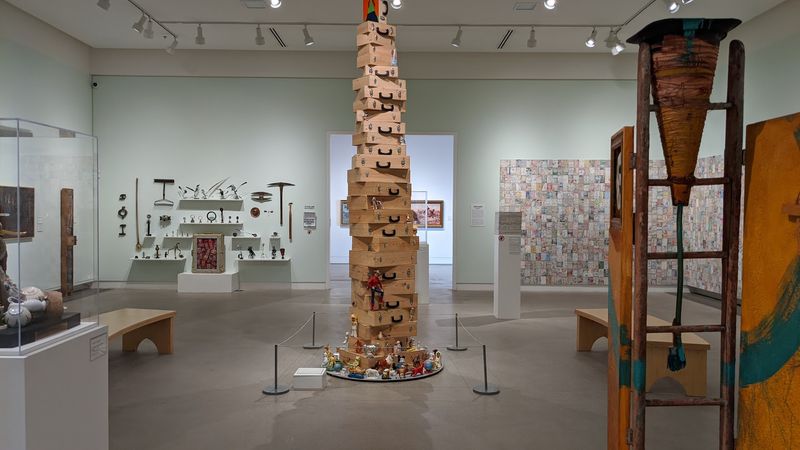
Among the rotating and traveling exhibitions that cycle through the museum, one long-term show deserves special attention. “Boundless Visions” traces the story of art in the Mountain West and Northern Plains from the late nineteenth century to the present day, giving visitors a sweeping and coherent narrative to follow.
Rather than presenting individual works in isolation, this exhibition places them in historical and cultural context. You move through time and across artistic movements, watching how the region’s artists have responded to the landscape, the communities, and the broader currents of American art history.
For a first-time visitor especially, “Boundless Visions” functions as an ideal orientation to everything the museum holds. It gives you the framework to understand why particular artists and works matter, and it makes the rest of your visit feel more connected and purposeful.
Art history can sometimes feel like a dry subject, but this exhibition has a way of making the past feel genuinely alive and relevant to the present.
Community Programs, School Tours, and Interactive Activities
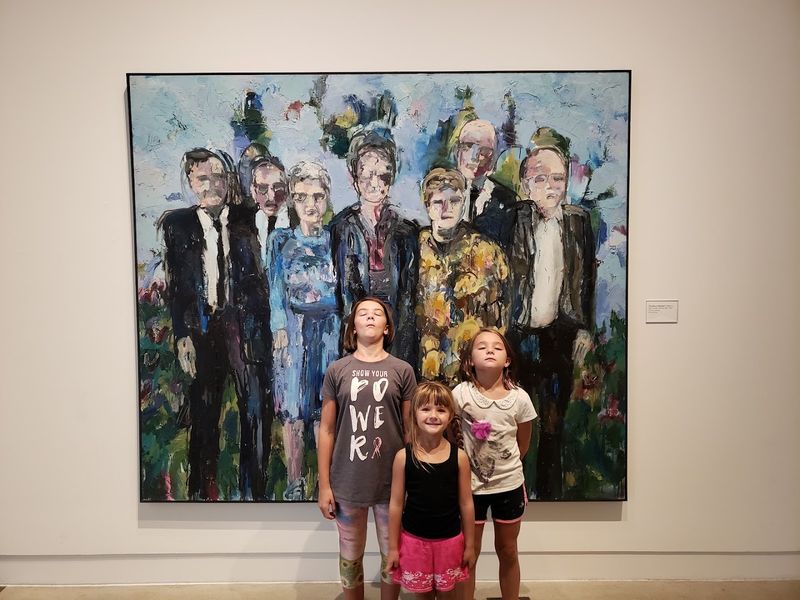
A museum’s relationship with its community says a lot about its values, and the Yellowstone Art Museum takes that relationship seriously. Educational programs, artist talks, workshops, and school tours are all regular parts of the calendar, and the museum actively works to make art accessible to visitors of every age and background.
There is a dedicated kids’ area within the museum, and interactive activities are spread throughout the galleries so that younger visitors stay engaged rather than bored. A visit here with children is a genuinely different experience from many art museums, where young visitors are expected to quietly observe rather than participate.
The school exhibition program is particularly worth noting. Local middle school students have their work displayed in the museum, and the quality and creativity on show tends to catch adult visitors off guard in the best possible way.
Seeing a community’s young artists taken seriously enough to have their work displayed in a professional museum setting is one of the more quietly moving things this place does.
First Fridays and the Museum’s Welcoming Admission Policy
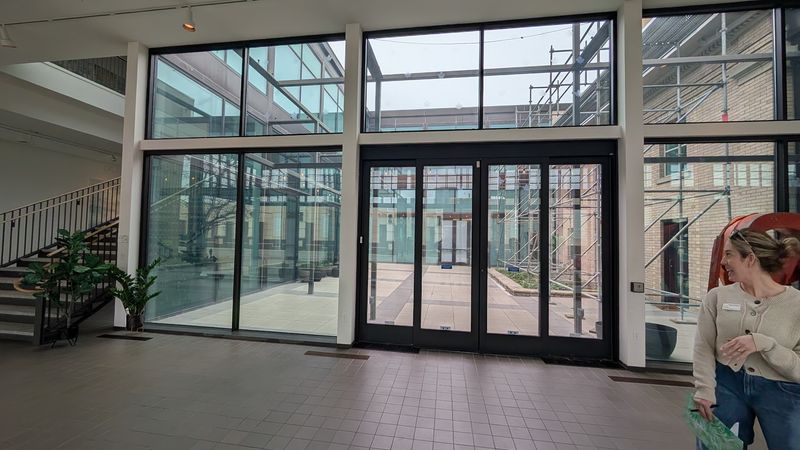
One of the most practical things to know before visiting is that the museum uses a suggested admission model rather than a fixed price. That means you can pay what you are able to, which removes a barrier that keeps many people from visiting cultural institutions in the first place.
On top of that, the first Friday of each month brings free admission from 4 to 8 PM, making it a popular evening out for locals and visitors alike. The relaxed atmosphere on First Fridays has a social energy that feels different from a typical afternoon visit.
The museum is open Wednesday through Saturday, with extended hours on Thursdays until 8 PM. It is closed Sunday through Tuesday, so planning ahead is worth your while.
The phone number is 406-256-6804, and more information is available at artmuseum.org. Admission flexibility, combined with the museum’s track record of being welcoming and helpful, makes this a place where showing up on a budget feels completely comfortable.
The Gift Shop, Cafe, and Sensory Details You Did Not Expect
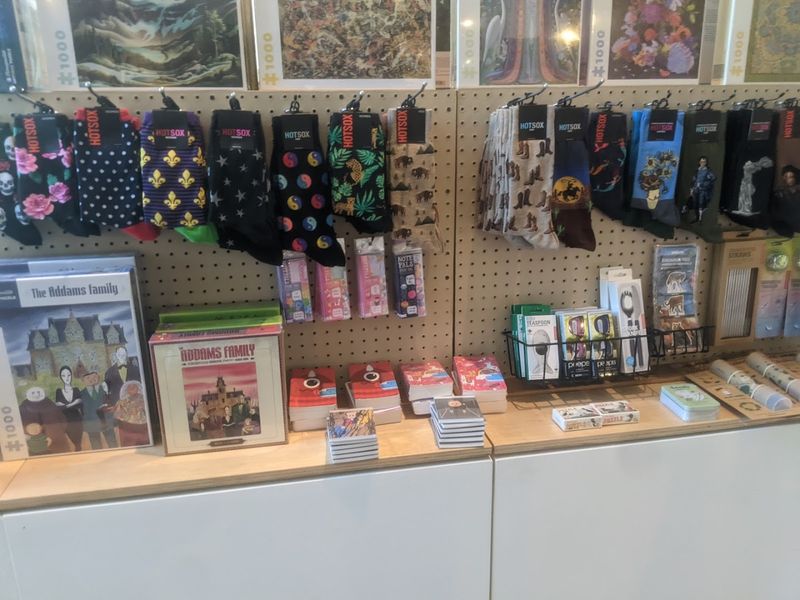
Not every museum visit is purely about the art on the walls, and the Yellowstone Art Museum understands that. The gift shop is genuinely worth browsing, stocked with locally relevant items, art books, and pieces that feel connected to the collection rather than generic museum merchandise.
There is also a cafe on site where you can sit down, slow down, and let the visit settle in. That kind of space matters more than it might seem: having somewhere to pause and reflect makes the whole experience feel less rushed and more enjoyable.
One detail that comes up repeatedly from visitors is the olfactory experience of the museum, which is not something you expect to read about in an art review. The particular smell of the space, a mix of old building, preserved materials, and something harder to name, apparently leaves a distinct impression.
It is a small but telling reminder that a great museum engages more than just your eyes, and this one does exactly that.
What to Know Before Your Visit to This Billings Landmark
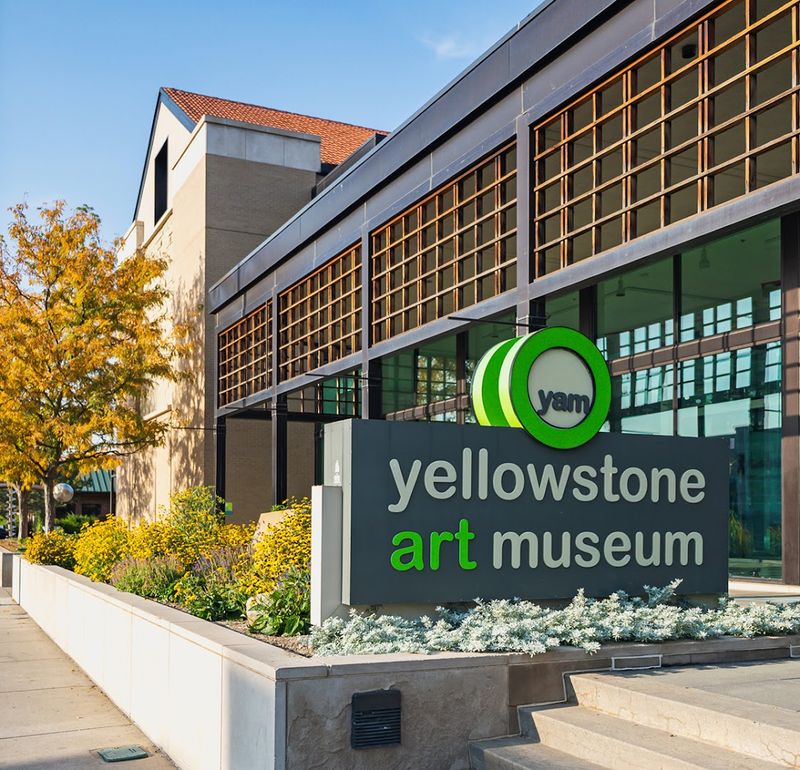
The museum’s location in downtown Billings puts it within walking distance of restaurants, making it easy to build a full afternoon or evening around a visit. The address is 401 N 27th St A, Billings, MT 59101, and it holds a 4.5-star rating from over 400 reviews, which reflects the consistently positive experience most visitors report.
Plan to spend between 90 minutes and two hours if you want to move through the galleries at a comfortable pace without rushing. The museum is accredited by the American Alliance of Museums, a recognition it has held since 1982, which places it among the most professionally managed institutions in the country.
Wheelchairs are available on a first-come, first-served basis for visitors who need them, and the staff is widely praised for being knowledgeable and genuinely helpful rather than just present. For a city that sometimes gets overlooked on Montana travel itineraries, this museum is a compelling reason to make Billings a deliberate stop rather than an afterthought.
Share this story