 Unearth The Voyage
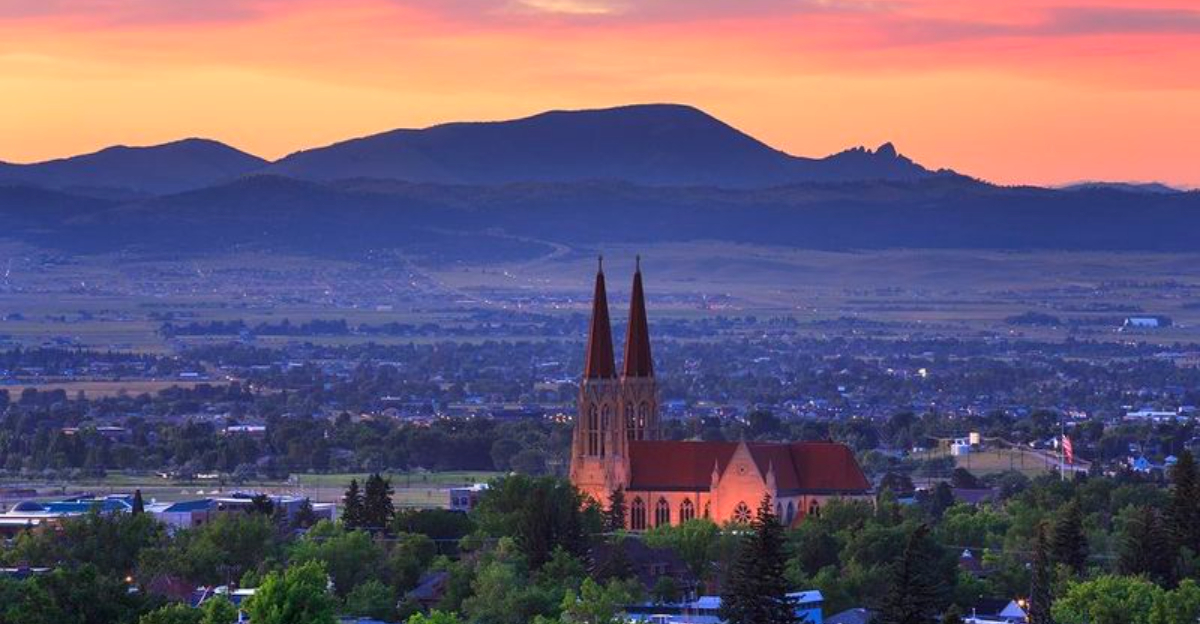
Montana offers some of the most stunning landscapes and outdoor adventures in America, from towering mountain ranges to historic small towns. Whether you want to ski world-class slopes, explore national parks full of wildlife, or discover charming communities with rich histories, this state has something for everyone. Planning your Montana adventure means choosing from countless incredible destinations, each with its own unique character and attractions. Here are the must-visit spots that will make your Montana trip truly unforgettable.
1. Glacier National Park & Going-to-the-Sun Road
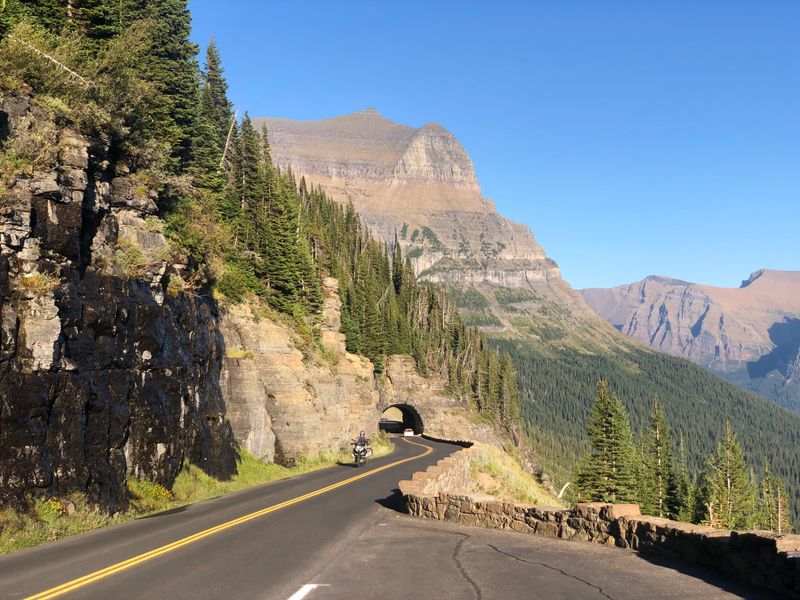
Over a million acres of peaks, alpine lakes, and glacially carved valleys make Glacier National Park Montana’s crown jewel. Going-to-the-Sun Road climbs through this wilderness, offering one of the most spectacular drives anywhere in the world. Waterfalls cascade beside the pavement, sheer cliffs tower overhead, and high mountain passes reveal views that will leave you breathless.
Iconic hikes like the Highline Trail reward adventurers with sweeping vistas, while Lake McDonald’s turquoise waters reflect surrounding peaks perfectly. Wildlife sightings are frequent throughout the park, from mountain goats to grizzly bears. Logan Pass provides bucket-list photo opportunities at the Continental Divide.
The park uses a vehicle reservation system for key corridors, so check current access rules before your visit. Policies continue to evolve, making advance planning essential for 2025 trips.
2. Yellowstone National Park (Montana Gateways)
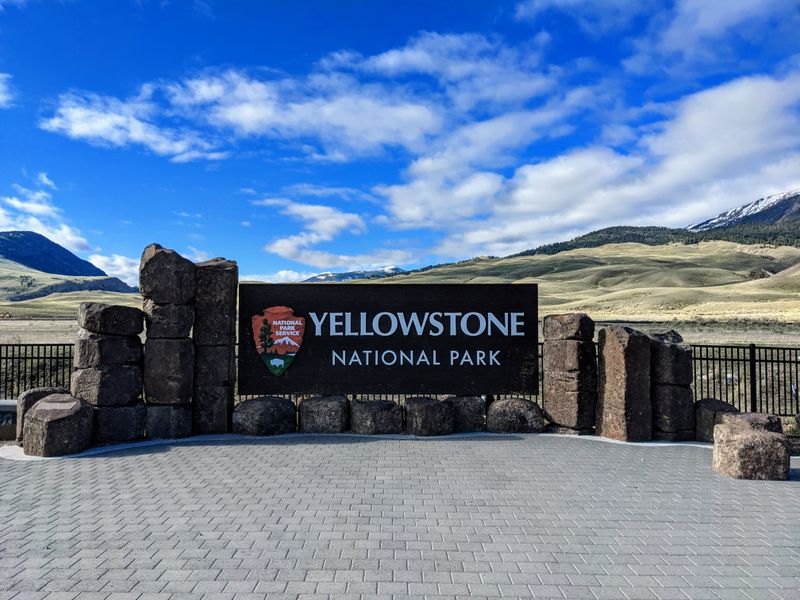
Yellowstone spreads across three states, but Montana claims three of its five entrances. The year-round North Entrance at Gardiner and the wildlife-rich Northeast Entrance near Cooke City both offer easy access to the park’s wonders. Montana’s side puts you closest to some of Yellowstone’s best attractions.
Lamar Valley, sometimes called America’s Serengeti, teems with grizzlies, bison, wolves, and elk in numbers that amaze first-time visitors. Early morning and evening hours provide the best wildlife watching opportunities. The valley’s open terrain makes spotting animals much easier than in forested areas.
New infrastructure improvements, including the Yellowstone River bridge, enhance access between the valley and northeast entrance. These Montana gateways offer a quieter, more authentic approach to experiencing America’s first national park.
3. Big Sky & Big Sky Resort
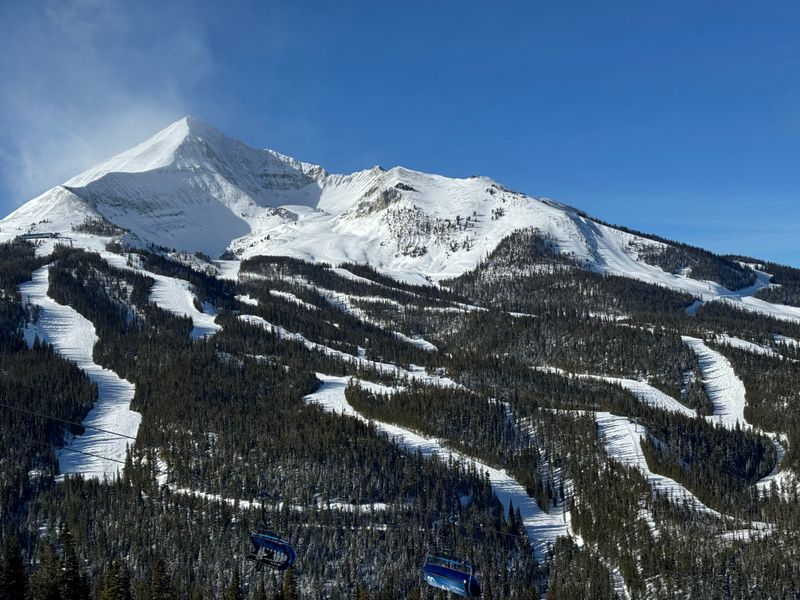
Southwest of Bozeman lies Big Sky, a four-season alpine playground that attracts outdoor enthusiasts year-round. Big Sky Resort ranks among the largest ski resorts in the United States, boasting thousands of acres of terrain. The winter 2025-26 season runs from late November through April, conditions permitting.
World-class skiing dominates winter months, with consistent snowfall and varied terrain for all skill levels. Recent seasons have seen normal operations with active snow reports and a full slate of lifts running daily. The resort confirms it’s very much open and ready for visitors.
Summer brings hiking, mountain biking, and scenic lift rides that showcase Montana’s beauty without the snow. The area transforms into a green paradise with wildflowers and endless trails. Big Sky truly earns its reputation as a destination for every season.
4. Whitefish & Whitefish Mountain Resort
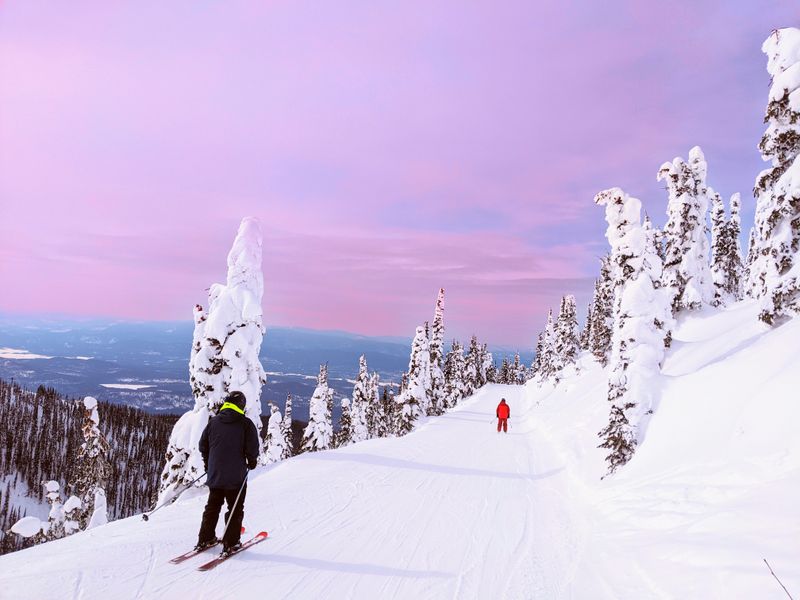
Whitefish looks like it jumped straight from a postcard, with its historic downtown and beautiful lake setting. This charming town sits on the edge of Glacier Country, making it a perfect base for exploring northwestern Montana. Above town, Whitefish Mountain Resort operates year-round with activities for every season.
Winter brings skiing, snowboarding, and night skiing under the stars to the resort’s slopes. The 2025-26 season dates are already published, confirming the hill’s active operations. Summer transforms the mountain into a hiking paradise, with gondola rides offering effortless access to stunning views.
The laid-back small-town atmosphere combines perfectly with easy access to Glacier National Park and Whitefish Lake. Downtown streets invite evening strolls past galleries, restaurants, and shops. You can ski in the morning and explore a national park by afternoon.
5. Bozeman & Bridger Bowl
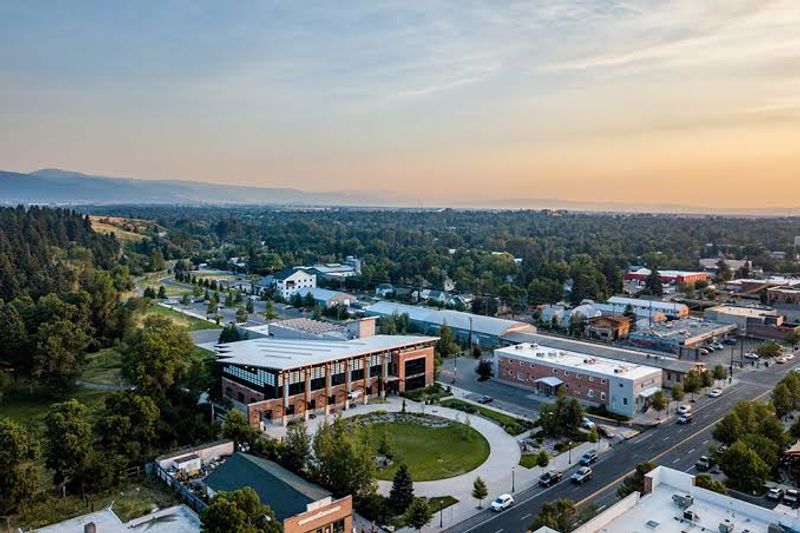
Bozeman blends lively college-town energy with quick access to mountains in every direction. The Museum of the Rockies, a Smithsonian-affiliated institution, houses one of the world’s finest dinosaur fossil collections. Paleontology enthusiasts travel from around the globe to see its exhibits.
Just north of town, Bridger Bowl Ski Area operates as a nonprofit ski hill beloved by locals. Recent statistics show daily lift operations from December through April, with active snow reports throughout the season. The mountain’s legendary cold smoke powder draws skiers back year after year.
Downtown Bozeman is extremely walkable, with breweries, coffee shops, and restaurants lining every block. Hot springs dot the surrounding area, offering relaxation after mountain adventures. The city perfectly balances outdoor recreation with cultural attractions and urban amenities that make extended stays comfortable and interesting.
6. Missoula & the Clark Fork River
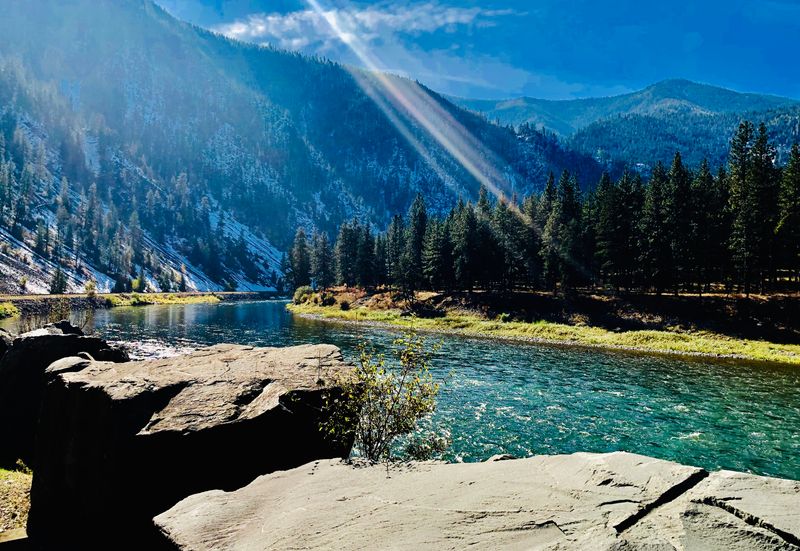
Missoula pulses with energy as a riverside university town known for arts, live music, and thriving craft-beer culture. Guides routinely describe it as one of Montana’s most vibrant cities. The dense cluster of breweries, galleries, and music venues creates an atmosphere unlike anywhere else in the state.
The Clark Fork River flows right through town, offering floating and even river surfing opportunities in summer months. Locals and visitors alike enjoy lazy afternoon floats or more adventurous whitewater runs. Hiking up to the M on Mount Sentinel provides sweeping views over the entire valley.
Evening hours reveal Missoula’s true character, as people wander between bookstores, coffee shops, and taprooms. The food scene rivals cities many times its size, with creative chefs using local ingredients. Cultural events and festivals happen almost every weekend during warmer months.
7. Flathead Lake
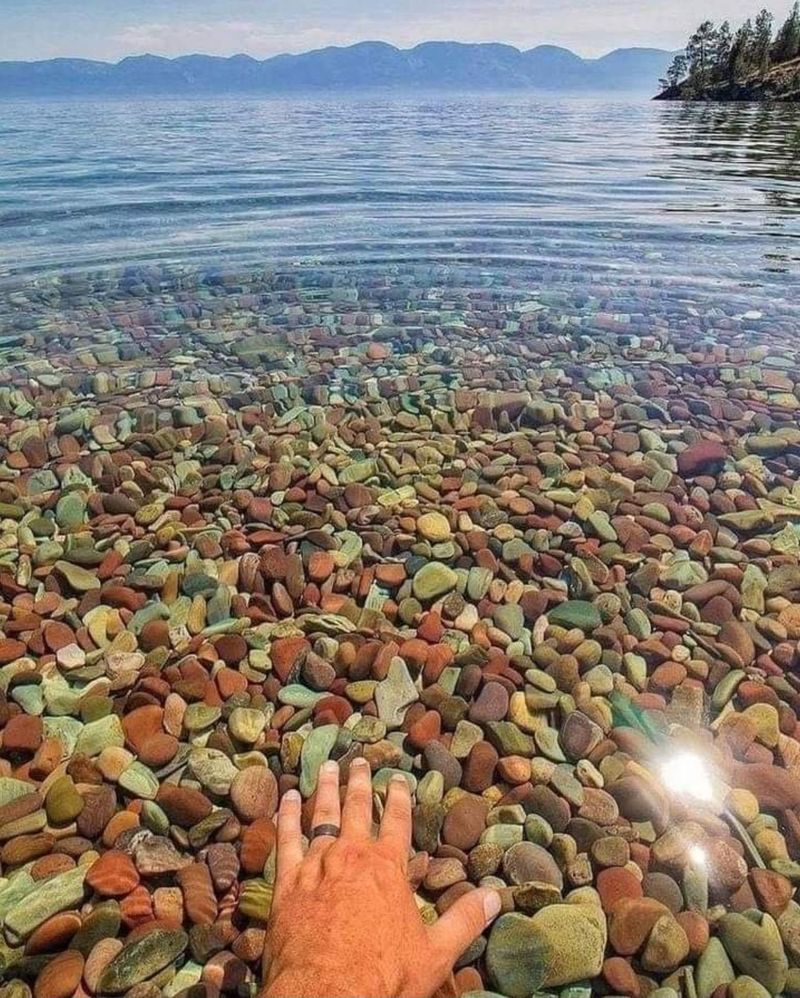
Flathead Lake holds the title of largest natural freshwater lake west of the Mississippi in the lower 48 states. Over 200 square miles of water stretch across the landscape, with 185 miles of shoreline to explore. The lake’s size creates its own weather patterns and supports a unique ecosystem.
Long summer days invite boating, sailing, paddle-boarding, and swimming in remarkably clear water. Cherry orchards line parts of the shore, producing fruit sold at roadside stands during harvest season. The lake’s depth and size keep water temperatures comfortable for swimming through late summer.
Lakeside communities like Bigfork and Polson offer small-town charm with excellent lake access. Both towns feature galleries, restaurants, and shops worth exploring between water activities. Sunset views across the lake, with mountains rising in the distance, create memories that last a lifetime.
8. Kalispell & the Flathead Valley
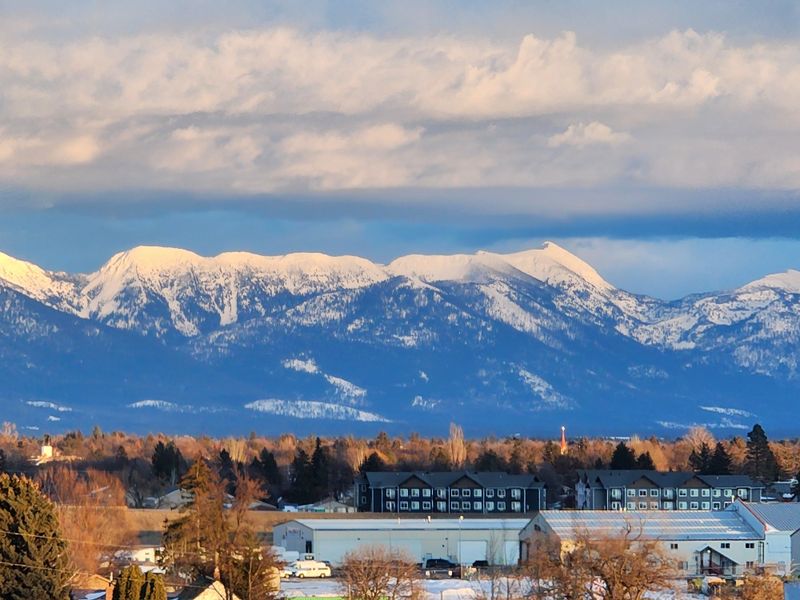
Kalispell sits at the north end of Flathead Valley, making it a natural basecamp for regional exploration. The town lies about 30 to 45 miles from Glacier’s West Entrance and close to Flathead Lake. This central location lets you reach multiple major attractions within an hour’s drive.
Historic downtown streets lined with early 20th-century buildings create a charming atmosphere for evening strolls. Museums tell the story of the valley’s settlement and development. Local shops offer everything from outdoor gear to Montana-made crafts and artwork.
Day trips to Glacier, Flathead Lake, and Jewel Basin all start easily from Kalispell. After a full day of adventure, returning to comfortable accommodations and good restaurants feels perfect. The town provides all the services travelers need without the crowds found in some more touristy Montana destinations.
9. Seeley-Swan Valley & Seeley Lake
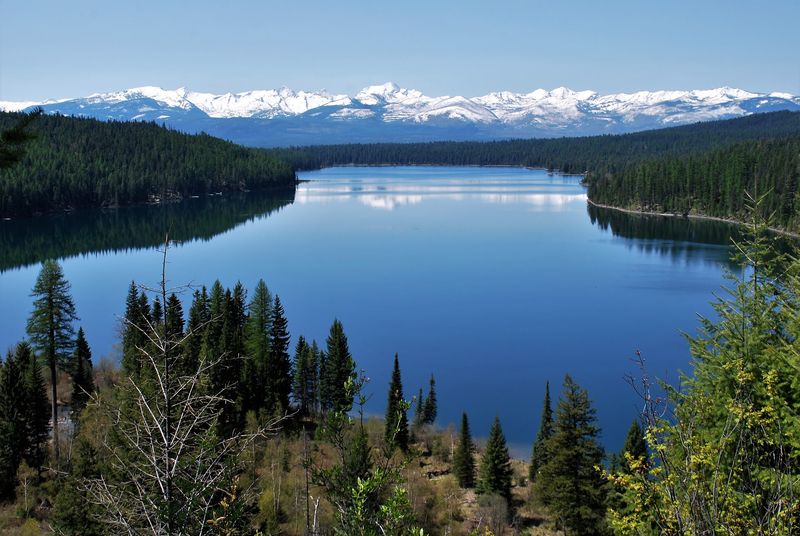
Between the Mission and Swan ranges lies the Seeley-Swan Valley, described as a year-round playground of lakes and trails. The valley provides access to the Bob Marshall Wilderness complex, which spans over 1.5 million acres of protected backcountry. This quieter corner of western Montana sees fewer visitors than more famous destinations.
Emerald lakes invite kayaking and canoeing through water so clear you can see the bottom. Forested trails lead to waterfalls, alpine meadows, and mountain vistas. Summer and fall bring ideal conditions for hiking and mountain biking along well-maintained paths.
Winter transforms the valley into a paradise for cross-country skiing and snowmobiling. Miles of groomed trails wind through snow-covered forests. The peaceful atmosphere and stunning scenery make this area perfect for travelers seeking solitude and genuine wilderness experiences away from crowded tourist corridors.
10. Paradise Valley & Chico Hot Springs
South of Livingston, Paradise Valley follows the Yellowstone River toward the park’s North Entrance. The Absaroka Range frames this stunning corridor with peaks that glow pink and orange at sunset. In the heart of the valley sits Chico Hot Springs Resort, operating continuously since 1900.
Geothermal pools at Chico maintain perfect temperatures year-round, creating a steaming oasis under star-filled skies. The historic property offers lodging, spa services, and excellent dining. Horseback rides into the surrounding foothills provide a classic Western experience.
The valley serves as a scenic jumping-off point for Yellowstone and surrounding public lands. Fishing the Yellowstone River, hiking mountain trails, and wildlife watching all happen within minutes of Chico. Many visitors find themselves returning year after year, drawn by the combination of natural beauty and relaxing hot springs.
11. Red Lodge & the Beartooth Highway
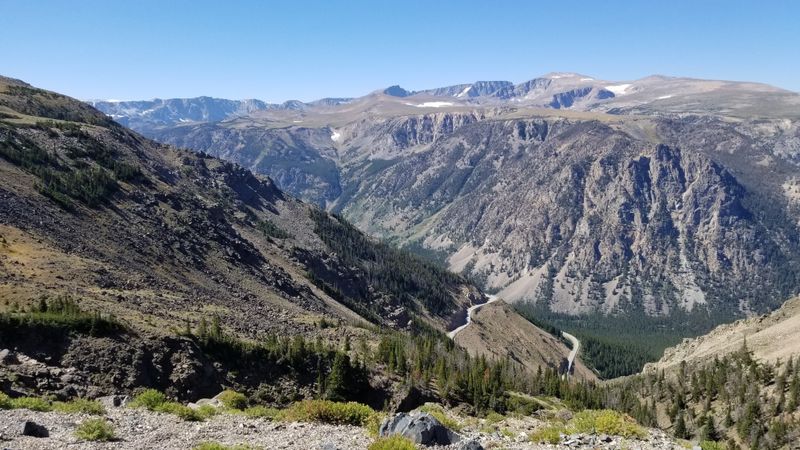
Red Lodge is a classic mountain town with quick access to one of America’s most jaw-dropping drives. The Beartooth Highway, a 68-mile All-American Road, climbs from Red Lodge to high alpine plateaus. The route reaches the Northeast Entrance of Yellowstone through some of the most dramatic mountain scenery imaginable.
Summer months bring perfect conditions for driving or motorcycling the switchbacks. Sweeping views of snowy peaks and alpine lakes appear around every curve. The highway typically opens late May or early June and closes with the first heavy snows of fall.
Red Lodge itself offers a chill base with hiking, fishing, and access to nearby state and national forests. The town’s historic downtown features galleries, restaurants, and shops worth exploring. Shoulder seasons provide quieter times to enjoy the area without summer crowds.
12. Bighorn Canyon National Recreation Area
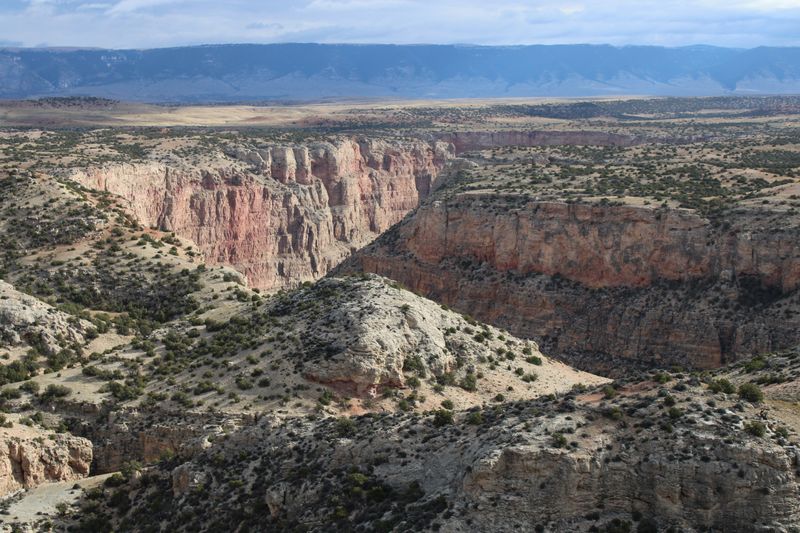
Straddling the Montana-Wyoming border, Bighorn Canyon National Recreation Area protects over 120,000 acres of dramatic landscape. Towering cliffs rise more than 500 feet above Bighorn Lake’s blue waters. The area is often described as a less-crowded alternative to more famous Western parks.
Boating and kayaking on Bighorn Lake provide unique perspectives of the canyon walls. Devil Canyon overlook offers spectacular photography opportunities without requiring boat access. The sandstone formations change color throughout the day as sunlight shifts.
Wild horses and bighorn sheep roam quiet backroads, creating exciting wildlife viewing opportunities. The desert landscape feels worlds apart from Montana’s mountain regions. Visitors seeking solitude and stunning geology find this hidden gem delivers both in abundance, with far fewer people than Yellowstone or Glacier.
13. Makoshika State Park (Glendive)
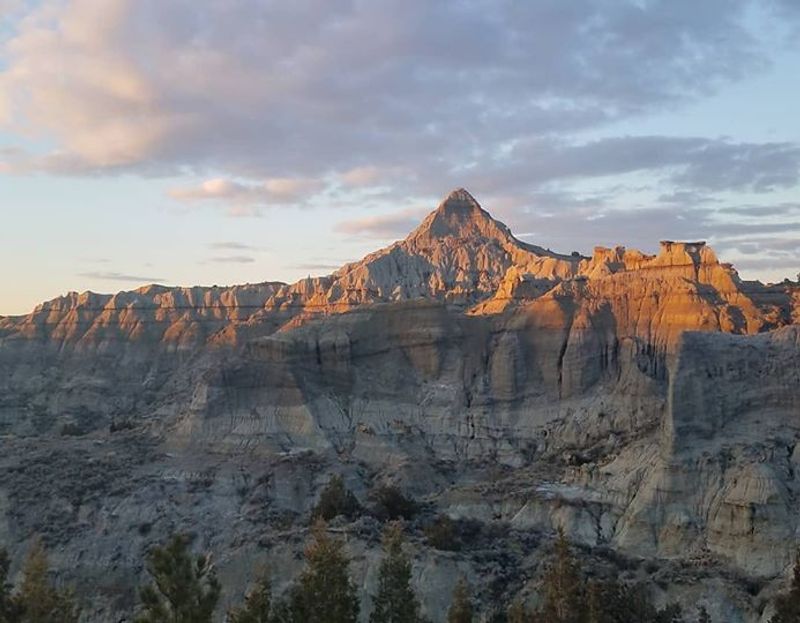
Makoshika is Montana’s largest state park, a badlands landscape outside Glendive that surprises first-time visitors. Hoodoos, natural bridges, and colorful rock formations create an otherworldly scene. Dinosaur fossils from formations like Hell Creek make this area important to paleontology.
Hiking trails wind through the eroded ridges, revealing new geological wonders around every bend. The interpretive center displays fossil finds and explains the area’s prehistoric past. Spring and fall offer the most comfortable temperatures for exploring the exposed terrain.
Sunset over the badlands paints the rocks in shades of orange, red, and purple. This landscape shows a very different side of Montana beyond the high mountains most people imagine. The park’s remote location means you’ll often have trails and viewpoints almost entirely to yourself, creating an intimate experience with ancient geology.
14. Lewis & Clark Caverns State Park
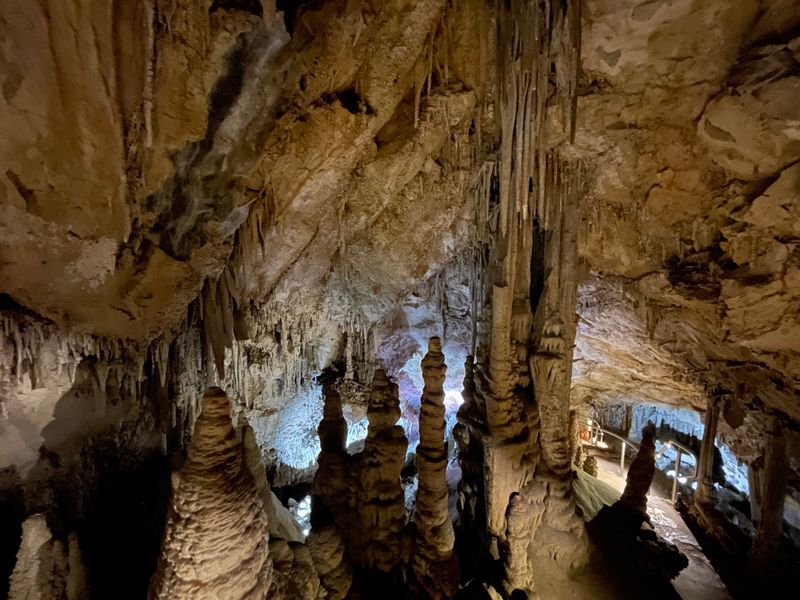
Near Whitehall, Lewis & Clark Caverns State Park preserves one of the largest known limestone cavern systems in the Northwest. Montana’s first state park features elaborate underground chambers accessible only through guided tours. Stalactites, stalagmites, and flowstone create spectacular formations that took thousands of years to develop.
Tours descend into the caverns where temperatures remain around 50 degrees year-round. Guides explain the geology and history while leading groups through narrow passages and large rooms. The formations are remarkably well-preserved and beautifully illuminated.
Above ground, the park offers hiking trails and camping areas with scenic views. Peak season tours can sell out, making reservations highly recommended. Combining the cool underground tour with surface activities creates a full day of exploration in an area rich with both geological and historical significance.
15. Great Falls & Giant Springs State Park
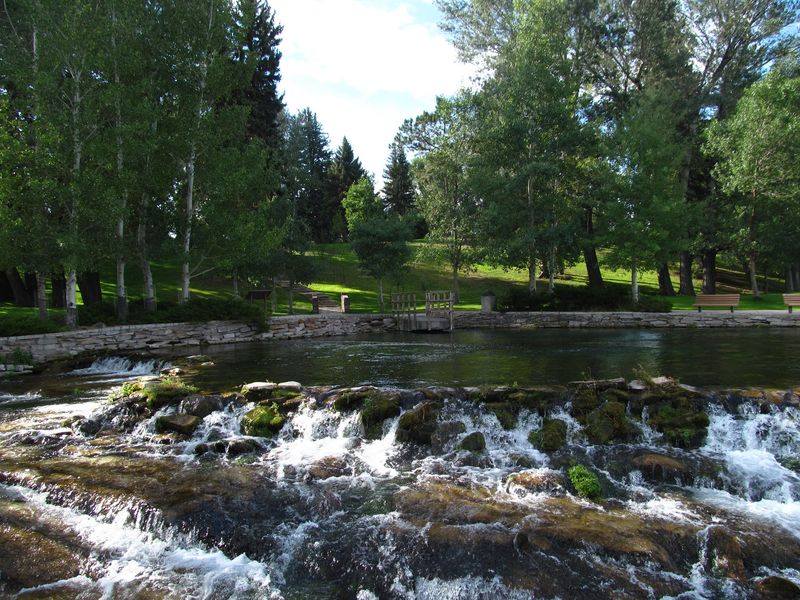
Great Falls takes its name from a series of cascades along the Missouri River that drop over 600 feet within about ten miles. Just outside town, Giant Springs State Park showcases one of the largest freshwater springs in the United States. The remarkably short Roe River flows only about 200 feet from the spring into the Missouri.
Riverside trails invite walking and biking with constant views of flowing water. Lewis & Clark interpretive sites explain the expedition’s difficult portage around the falls in 1805. The spring’s crystal-clear water maintains a constant temperature year-round.
Picnicking at Giant Springs while watching the Missouri roll past creates a peaceful afternoon. The park combines natural wonders with historical significance in an easily accessible setting. Great Falls itself offers museums, restaurants, and services that make it a comfortable base for exploring central Montana.
16. Butte & Historic Uptown
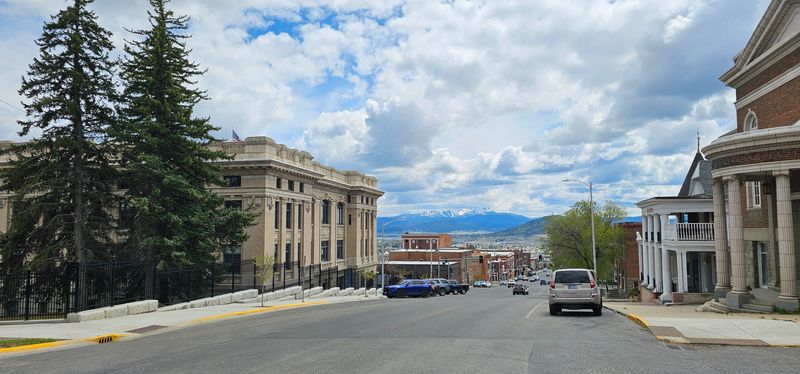
Butte was once among the world’s great mining boomtowns, and that legacy remains visible everywhere. The Uptown district and neighboring Anaconda together form the nation’s largest National Historic Landmark District. Nearly 6,000 contributing historic buildings and several preserved mine headframes tell the story of Montana’s copper mining era.
Brick-lined streets wind past Victorian mansions, historic saloons, and museums dedicated to mining history. The Montana Folk Festival fills Uptown with music and food each summer, drawing thousands of visitors. Tours of historic sites reveal the lives of miners and the wealthy mine owners.
The city’s authentic, gritty character appeals to history buffs and urban explorers. Unlike sanitized tourist towns, Butte shows real history with all its complexity. Walking these streets feels like stepping back to the early 20th century when copper was king.
17. Helena & Last Chance Gulch
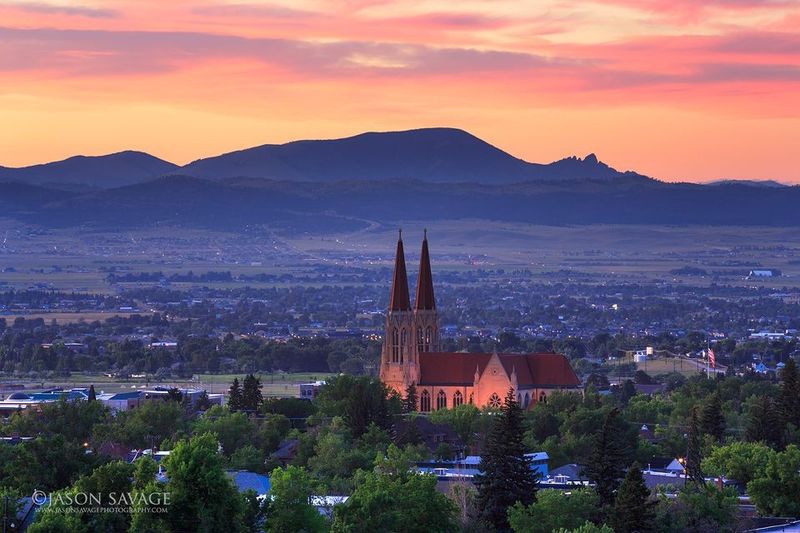
Helena, Montana’s capital, grew from a gold strike in 1864 in a ravine called Last Chance Gulch. Today that same gulch forms a pedestrian-friendly downtown corridor lined with shops and galleries. Historic architecture from the gold rush era and later prosperity creates a charming streetscape.
The State Capitol building features impressive architecture and artwork worth touring. Last Chance Gulch’s outdoor mall atmosphere invites leisurely browsing through local businesses. Coffee shops and restaurants spill onto sidewalks during warm weather.
Nearby trails in the South Hills offer sweeping views over town and the surrounding valleys. Mount Helena’s network of paths provides quick escapes into nature without leaving the city limits. Helena combines the functions of state government with small-town charm and easy access to outdoor recreation, making it more interesting than many capital cities.
18. Billings, the Rimrocks & Pictograph Cave State Park
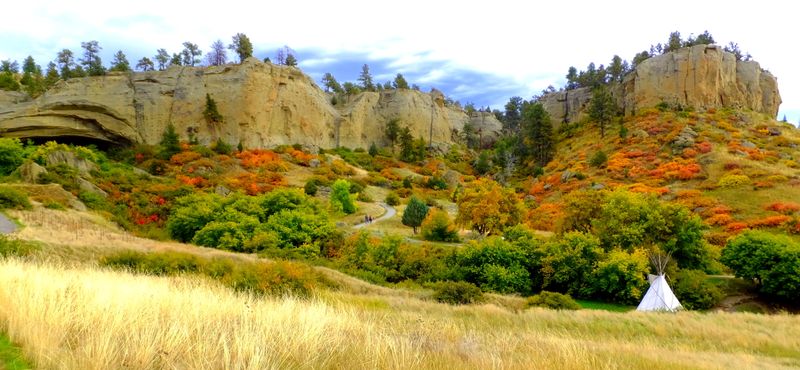
Billings is Montana’s largest city, sitting beneath sandstone cliffs known as the Rimrocks. These formations were created from an ancient seabed and sculpted by the Yellowstone River over millions of years. The cliffs provide a dramatic backdrop to the urban landscape.
Just south of town, Pictograph Cave State Park protects caves that housed generations of Indigenous hunters. Dozens of pictographs painted over thousands of years remain visible on the cave walls. A short loop trail makes these cultural treasures easily accessible to visitors of all ages.
The park tells a deep human story of the region spanning millennia. Interpretive signs explain the significance of the artwork and the lives of ancient peoples. Combining urban comforts with quick access to both Rimrock hikes and this important cultural site makes Billings a surprisingly interesting stop.
19. Bitterroot Valley (Hamilton & Beyond)
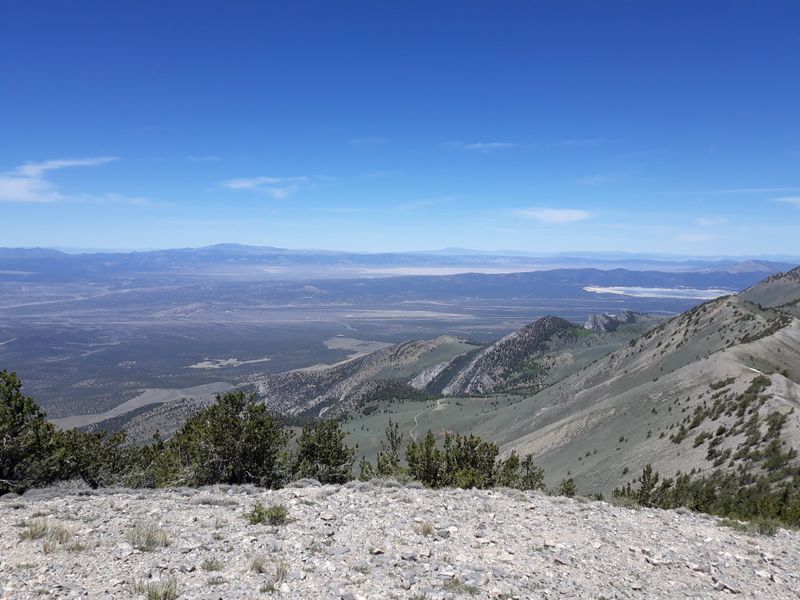
South of Missoula, the Bitterroot Valley runs between the Bitterroot and Sapphire mountains. Small communities like Hamilton and Darby dot the valley floor. Trail systems climb nearly every canyon, leading to waterfalls, alpine lakes, and sweeping views.
Creek-side trails such as Mill Creek or Ward Mountain offer rewarding hikes through diverse terrain. The Bitterroot River provides excellent fishing opportunities for trout. Late summer and fall bring spectacular colors to the valley’s forests and agricultural areas.
This quieter, more agricultural side of western Montana appeals to travelers seeking authentic rural experiences. Ranches and small farms create a pastoral landscape between mountain ranges. The valley’s beauty rivals more famous Montana destinations, but with far fewer crowds and a slower pace that lets you truly relax and absorb the surroundings.
20. Little Bighorn Battlefield National Monument
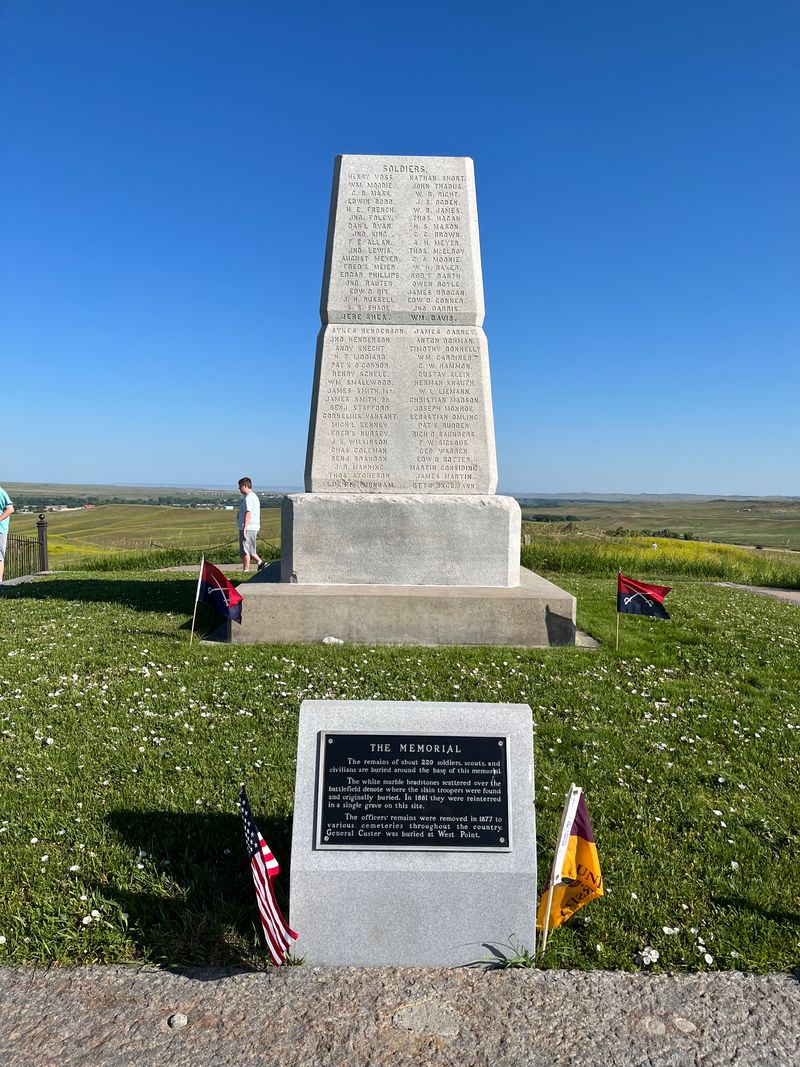
In southeastern Montana, Little Bighorn Battlefield National Monument preserves the site of the June 25-26, 1876 battle. Lakota, Cheyenne, and Arapaho warriors fought the U.S. 7th Cavalry in a conflict known widely as Custer’s Last Stand. The battlefield remains remarkably unchanged from that day nearly 150 years ago.
Walking the rolling hills where the battle unfolded creates a powerful connection to history. Memorials honor both Native warriors and cavalry soldiers who died here. The landscape itself tells part of the story, with terrain that influenced battle tactics and outcomes.
Ranger talks unpack the conflict’s complex history and lasting impact on both Native peoples and American expansion. The monument encourages visitors to understand multiple perspectives on this pivotal event. Visiting this site provides essential context for understanding Montana’s history and the broader story of the American West.



