One of the largest freshwater springs in the United States is hidden in the heart of Montana. Every day, an estimated 156 million gallons of crystal-clear water emerge from underground, creating a natural wonder that has drawn visitors for generations.
The spring is the centerpiece of a state park known for its remarkable geology, abundant wildlife, and connection to one of the shortest rivers in the world. Visitors can explore walking trails, learn about the area’s unique hydrology, and visit a nearby fish hatchery that highlights the importance of this powerful water source.
With its combination of natural beauty and fascinating science, it’s a destination that consistently exceeds expectations and remains one of Montana’s most impressive hidden gems.
Where Exactly You Will Find This Natural Wonder
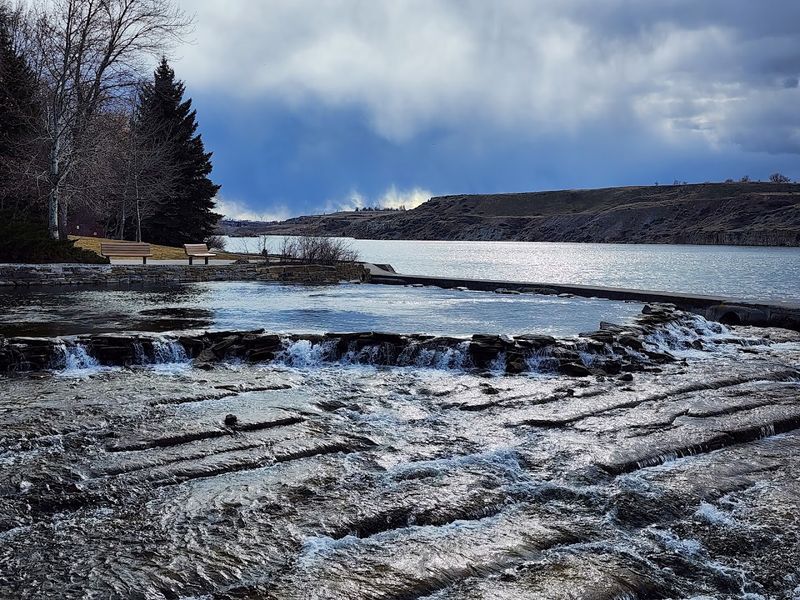
The park that houses one of the largest freshwater springs in the country sits at 4803 Giant Springs Road, Great Falls, Montana 59405, tucked along the eastern bank of the Missouri River. Great Falls is a mid-sized city in north-central Montana, and the park is easy to reach from downtown in just a few minutes by car.
The address puts you right at the heart of a 4,500-acre property that manages to feel both wild and welcoming at the same time. There is ample parking, clean restrooms, and no admission fee, which makes planning a visit genuinely stress-free.
The park is open every day of the week from 5:30 AM to 9:30 PM, giving early risers and evening strollers alike a solid window to enjoy the grounds. You can reach the park by phone at 406-727-1212, or check the official site at stateparks.mt.gov/giant-springs for updates before heading out.
The Spring That Has Been Flowing for Millions of Years
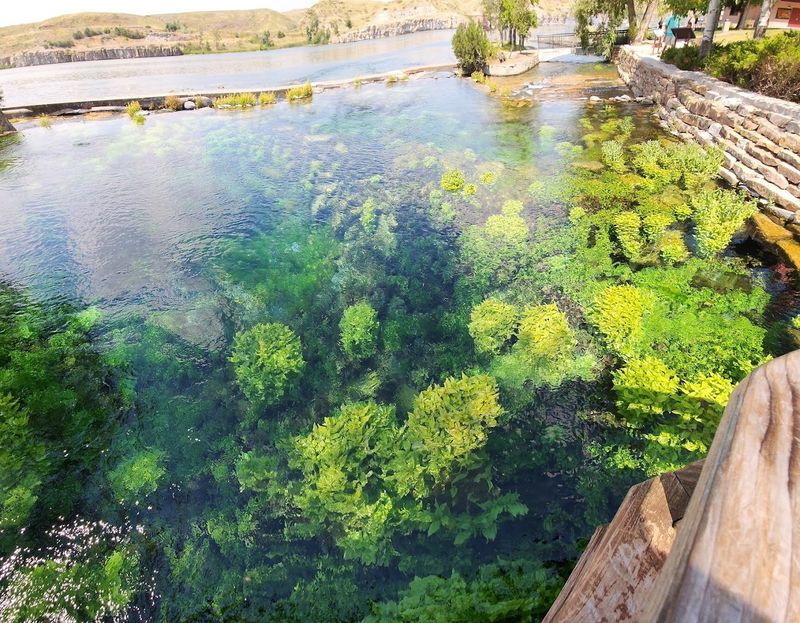
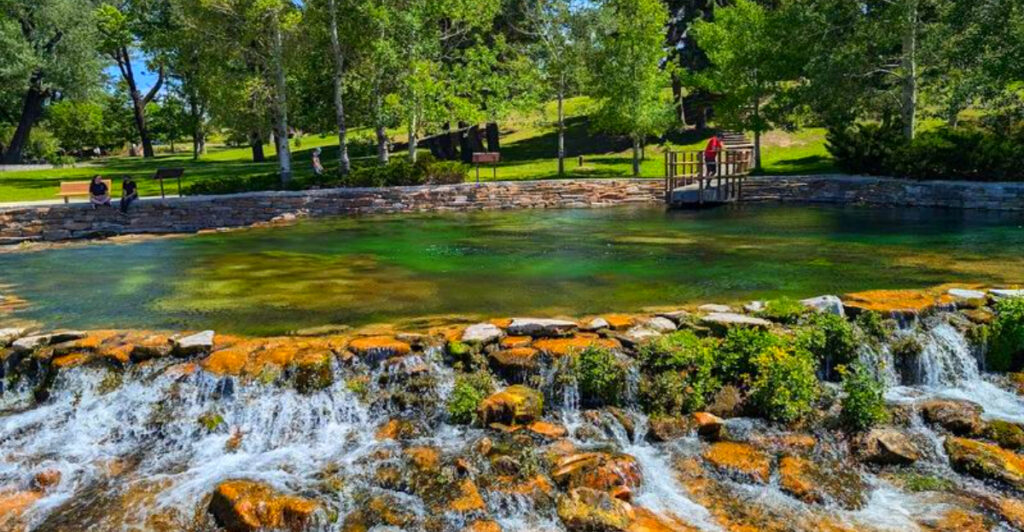
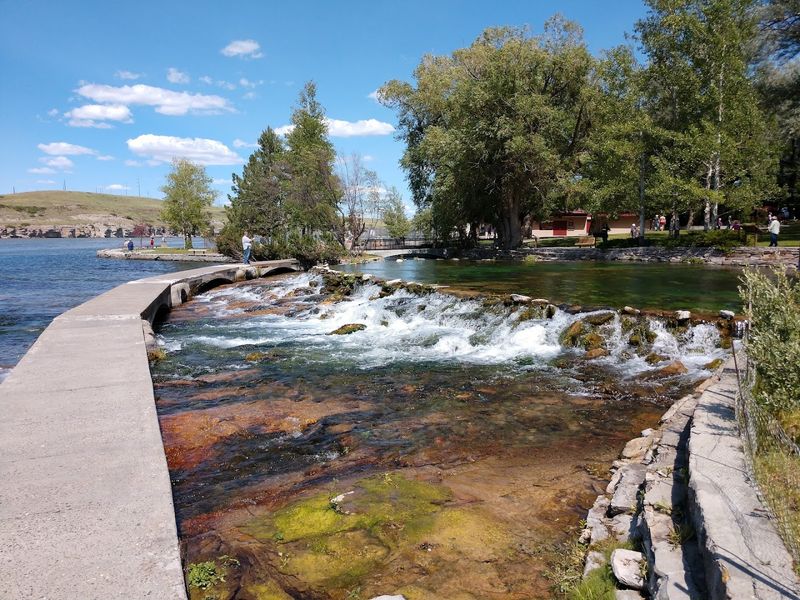
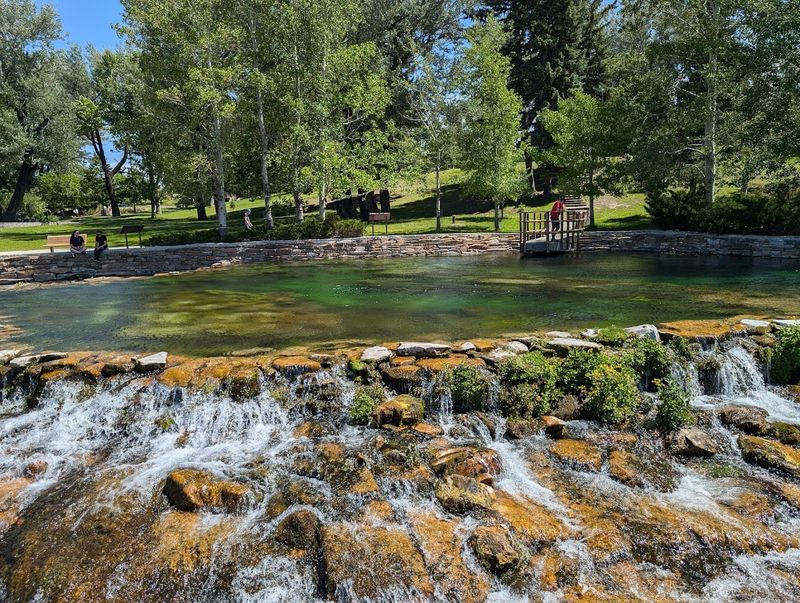
Watching the spring itself is one of those experiences that is hard to describe without sounding dramatic, but here goes: the water boils up from the ground with a quiet, steady power that feels almost alive. It is brilliantly clear, and you can see bright green aquatic plants swaying gently beneath the surface as the water pushes upward.
The spring pumps out 156 million gallons of water per day, which is a number so large it barely feels real until you are standing right next to it. The temperature holds at a constant 54 degrees Fahrenheit no matter the season, which means it looks equally inviting on a blazing summer afternoon and a crisp October morning.
The water originates from the Madison Aquifer beneath the Little Belt Mountains and takes around 26 years to complete its underground journey before reaching the surface. That slow, natural filtration is exactly what gives the spring its legendary clarity, and the park has excellent signage that explains the whole process in approachable detail.
Lewis and Clark Were the First to Document This Place
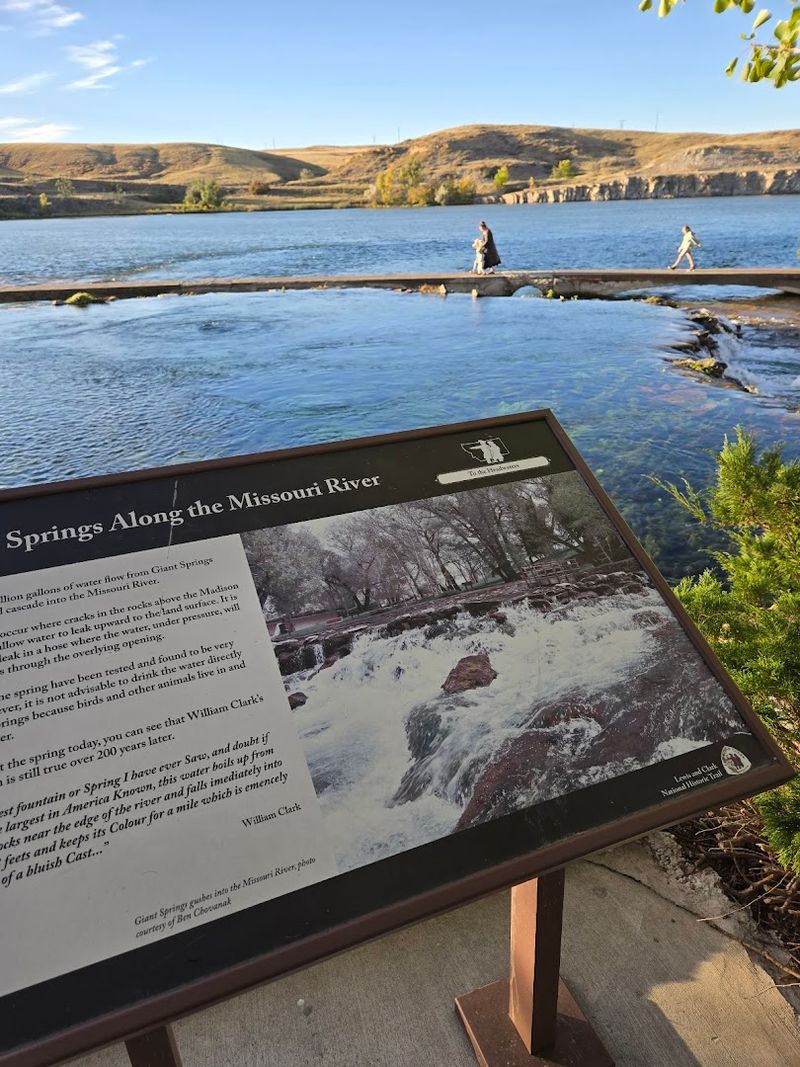
Long before this became Montana’s most visited state park, two explorers named Meriwether Lewis and William Clark paddled up the Missouri River and stumbled upon something extraordinary. In June of 1805, Lewis recorded the spring in his journal, describing the water with the kind of enthusiasm you do not usually associate with expedition notes.
That discovery gave the spring a historical weight that adds a whole other layer to a visit here. You are not just looking at a geological feature; you are standing at the same spot where one of the most famous expeditions in American history paused to take notice.
The park does a thoughtful job of honoring that history through interpretive displays and informational boards placed near the spring. Reading through them gives you a genuine sense of context, turning what could be a quick photo stop into something that actually sticks with you long after you drive away.
History has a way of making water feel even more interesting.
The World Record River You Can Cross in About Ten Steps
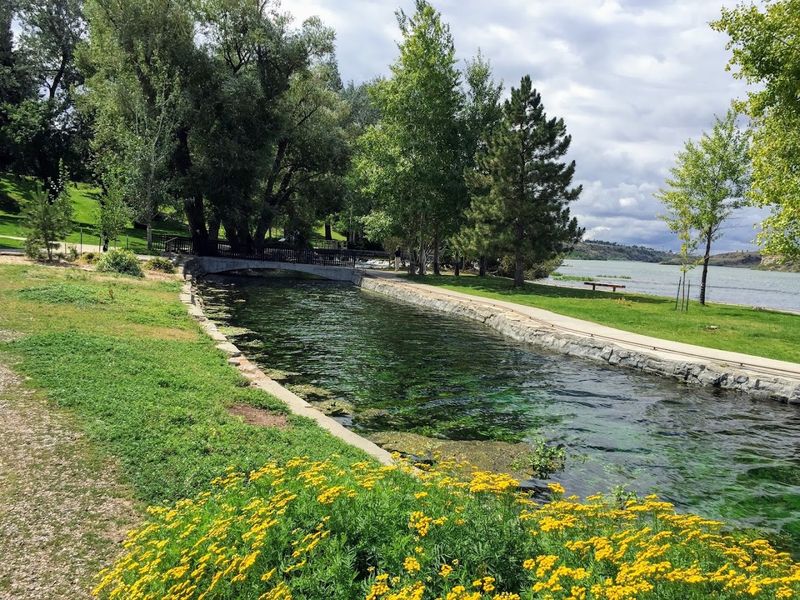
One of the quirkiest facts about this park is that it contains the headwaters of the Roe River, a waterway that was once officially recognized by the Guinness Book of World Records as the shortest river in the world. The Roe River runs for approximately 200 feet before joining the Missouri River, which means you can walk its entire length in well under a minute.
There is something wonderfully absurd about standing at the source of a record-breaking river that you can see from end to end without moving your feet. The Roe River flows directly from Giant Springs, which makes the spring not just a geological marvel but also the birthplace of a legitimate world record holder.
Interpretive signs near the river explain its claim to fame, and most visitors cannot help but laugh a little when the scale of it sinks in. It is the kind of detail that makes this park feel genuinely one-of-a-kind rather than just another pretty outdoor space.
The fish hatchery nearby adds yet another reason to linger.
A Fish Hatchery That Is More Fun Than You Might Expect
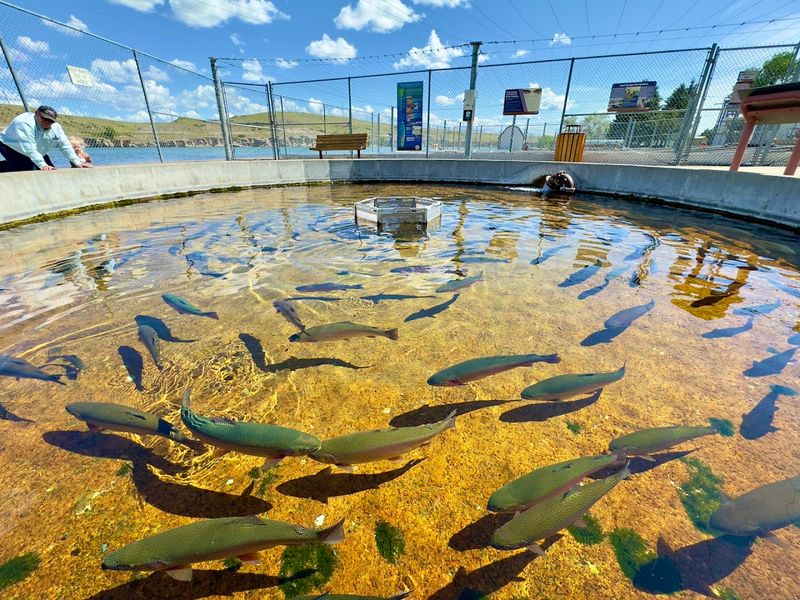
Right next to the spring sits the Giant Springs State Fish Hatchery, and it turned out to be one of the most genuinely enjoyable surprises of my visit. The hatchery uses the spring’s cold, clean water to raise rainbow trout, and the operation is open to visitors who want to take a closer look at how it all works.
The show pond holds some of the largest trout I have ever seen up close, and the fish move through the water with a slow, confident ease that is oddly mesmerizing. If you bring quarters, you can purchase fish food from a vending machine and feed them directly, which is an instant hit with kids and honestly pretty entertaining for adults too.
The hatchery staff are knowledgeable and happy to answer questions, and the educational displays explain everything from spawning cycles to how the fish are eventually released into lakes and streams across Montana. Plan to spend at least 30 to 45 minutes here, because there is more to discover than the name suggests.
Miles of Trails That Follow the Missouri River
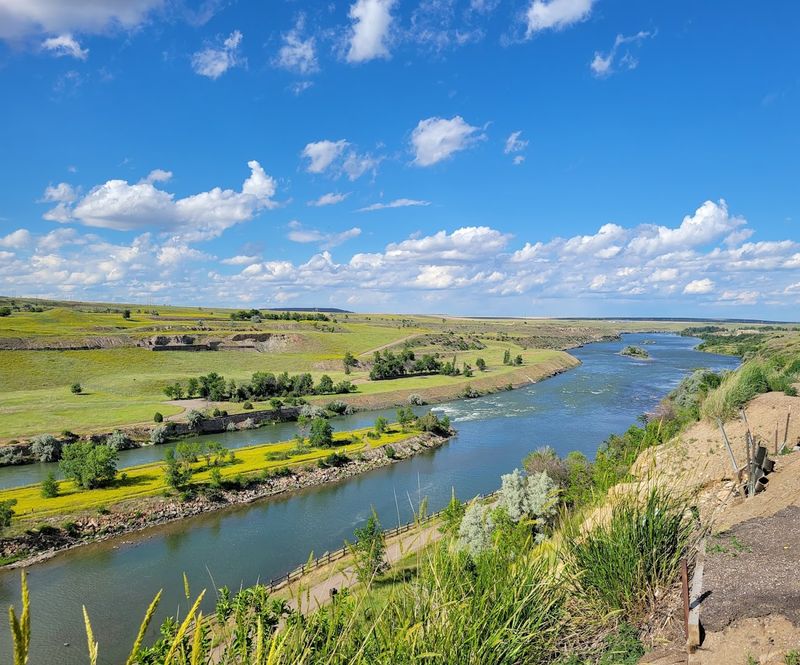
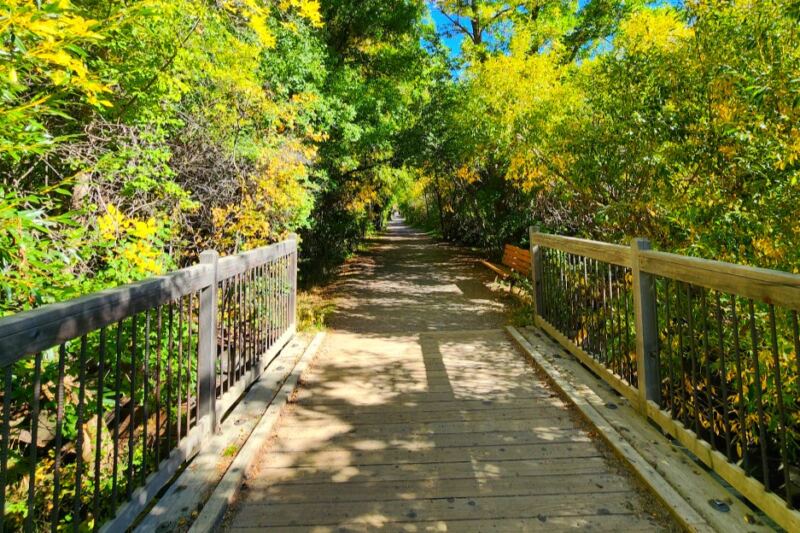
The trail system at this park is genuinely impressive for a day-use facility. With 20 to 30 miles of paths winding through the property, there is plenty of room to stretch your legs whether you are looking for a short stroll or a longer outing on a mountain bike.
A paved, flat riverside path runs along the Missouri River and is accessible to visitors using wheelchairs, canes, or walkers, which is a detail worth highlighting because truly inclusive trails are rarer than they should be. The surface is smooth and well-maintained, and the views of the river from this path are consistently beautiful.
Unpaved trails branch off into more natural terrain for those who prefer a bit of texture underfoot. Shade is plentiful along most of the routes thanks to a healthy tree canopy, which makes summer hiking far more comfortable than you might expect in Montana’s open landscape.
Fishing spots appear regularly along the trail, and the park allows fishing with the appropriate Montana license.
Birdwatching Here Is Seriously Worth Your Time
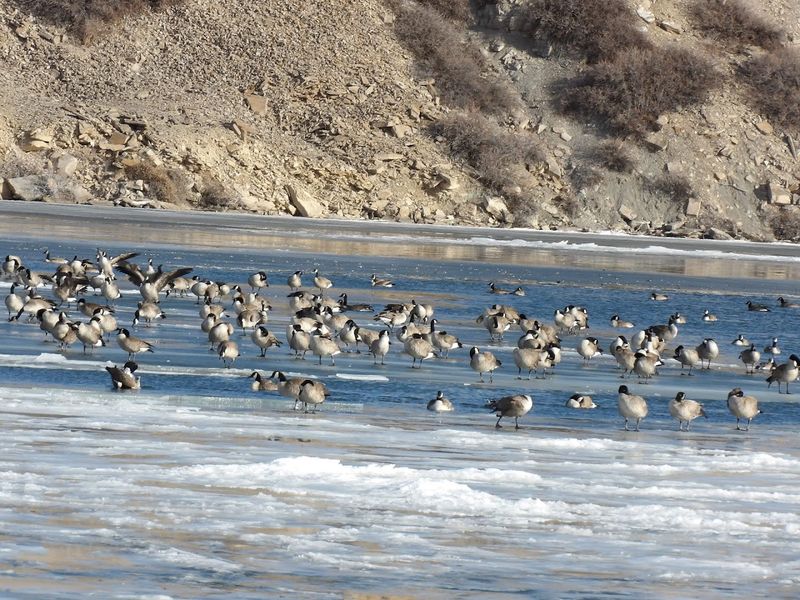
Montana is not a state you typically associate with pelicans, but Giant Springs State Park will quickly change that assumption. White pelicans are a regular sight along the Missouri River here, and they share the shoreline with seagulls, geese, herons, and a rotating cast of other species that make this one of the better birdwatching spots in the region.
The park’s combination of open water, riparian vegetation, and varied terrain creates ideal habitat for a wide range of birds, and the trails put you close enough to observe without disturbing them. Bring binoculars if you have them, because the payoff is real.
One small heads-up worth passing along: the Canada geese that roam the grassy areas are bold, numerous, and completely unintimidated by humans. They add a certain comedic energy to any walk, but watch where you step.
The park earns high marks from birding enthusiasts who visit specifically for the species diversity, and the spring itself attracts waterfowl that seem drawn to the steady, clear outflow.
Picnicking and Family Time Done Right
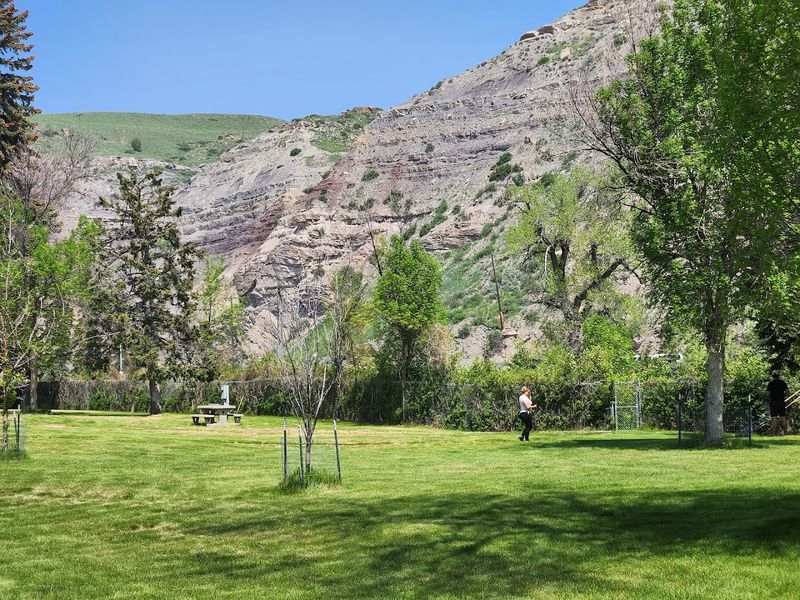
The grounds at this park are genuinely well-suited for a relaxed family outing. Wide stretches of green, shaded lawn invite visitors to spread out a blanket, unpack a lunch, and simply enjoy the surroundings without any agenda.
Benches are scattered throughout the property, and the overall atmosphere is peaceful without feeling remote.
A small promenade over the water gives you a close-up view of the spring’s outflow, and it is the kind of spot where you can stand for longer than you planned without noticing the time passing. The grounds are meticulously maintained, and the restrooms are clean, which matters more than people admit when planning a day trip with children.
There is also a little book swap on the property where visitors can take a book and leave one behind, and the selection apparently covers everything from children’s picture books to mystery novels. The park is pet-friendly as long as dogs are kept on leashes, and the general atmosphere feels relaxed, neighborly, and genuinely welcoming to everyone who shows up.
What the Great Falls of the Missouri Actually Look Like
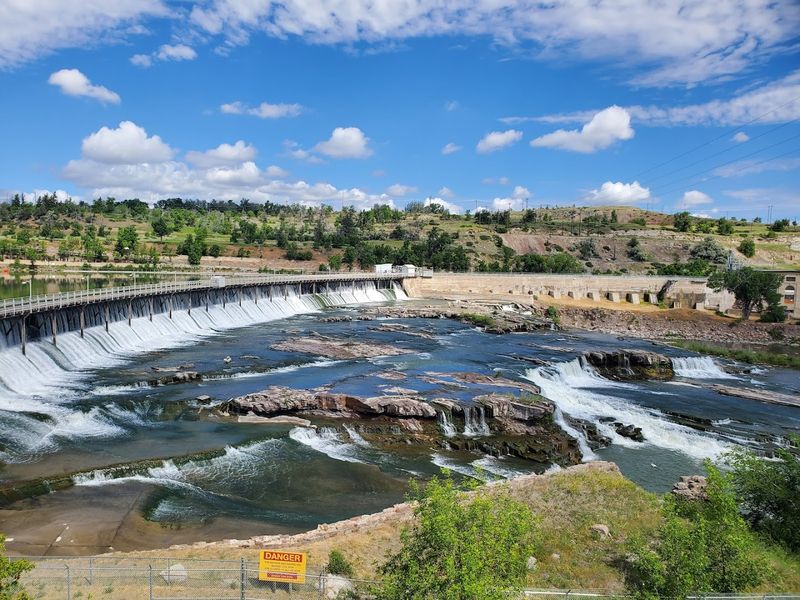
The city of Great Falls takes its name from a series of waterfalls on the Missouri River, and Giant Springs State Park gives you access to some of them. The park contains the Great Falls of the Missouri along with three other waterfalls within its boundaries, which sounds spectacular on paper.
In practice, the falls are more understated than the name might lead you to believe. The water moves over rocky ledges with genuine force, and the views from the trail are scenic and worth the walk, but if you arrive expecting Niagara-scale drama, you may need to recalibrate your expectations.
That said, the falls are still a compelling natural feature, and the context of the Missouri River flowing through this landscape adds real visual interest. The Lewis and Clark connection also applies here, since the expedition famously struggled to portage around these very falls in 1805.
Knowing that history while you stand on the trail gives the whole scene a different kind of weight that pure scenery alone cannot provide.
Practical Tips That Will Make Your Visit Smoother
A few practical details can make the difference between a good visit and a great one. The park is free to enter, which is a rare and welcome thing for a facility this well-maintained.
No camping is permitted, so this is strictly a day-use destination, and the hours run from 5:30 AM to 9:30 PM every day of the week.
Bring quarters if you plan to visit the fish hatchery, since the fish food dispenser requires coins and feeding the trout is one of those small experiences that turns out to be genuinely fun. Sunscreen is a smart addition to your bag, especially in summer, since portions of the trail are exposed to full sun.
The park sees over 300,000 visitors annually, so weekday mornings tend to offer a quieter experience than weekend afternoons. Parking is available on-site and straightforward to navigate.
Dogs are welcome on leash throughout the park, and the flat, paved riverside path makes the whole property accessible to visitors of varying mobility levels.
Why This Park Keeps Drawing People Back Year After Year
A 4.8-star rating from nearly 2,700 reviews is not something a park earns by accident. Giant Springs State Park holds that score because it consistently delivers a combination of natural beauty, historical depth, accessible trails, and family-friendly amenities that is genuinely hard to match in a single location.
The spring itself never changes, which is part of its appeal. It flows at the same rate and temperature in January as it does in July, making every season a reasonable time to visit.
The landscape shifts around it, with golden grasses in autumn and bright green riverbanks in spring, but the water stays clear and constant.
Locals return regularly for morning walks, afternoon picnics, and the kind of easy outdoor reset that a busy week often demands. Travelers passing through Great Falls consistently rank it as a must-stop, and first-time visitors frequently leave planning their return.
There is a quiet confidence to this place, the kind that comes from knowing exactly what it is and delivering it without fuss.
Share this story