 Unearth The Voyage
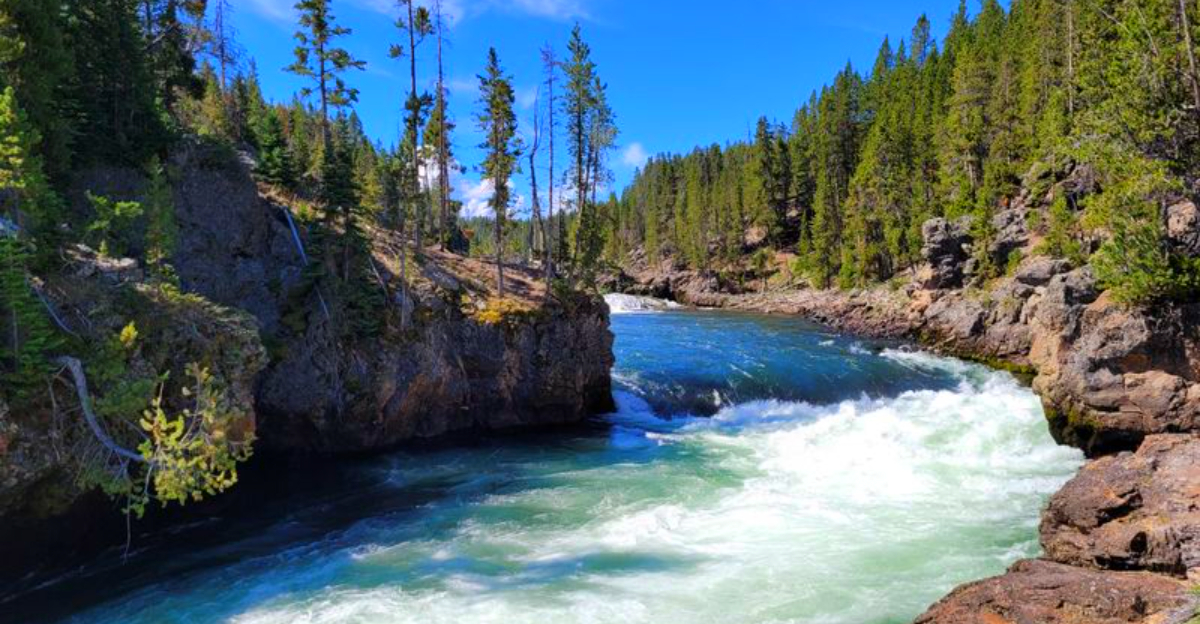
Some rivers obey the lines on a map, but the Yellowstone refuses to sit still. As one of the last major undammed rivers in the United States, it wanders, floods, and redraws its own margins. Drive along its banks in Montana and you will see fresh bends, newborn gravel bars, and wild water that feels alive. Follow the road and you will watch the river rewrite the scenery in real time.
Why the Yellowstone Keeps Moving
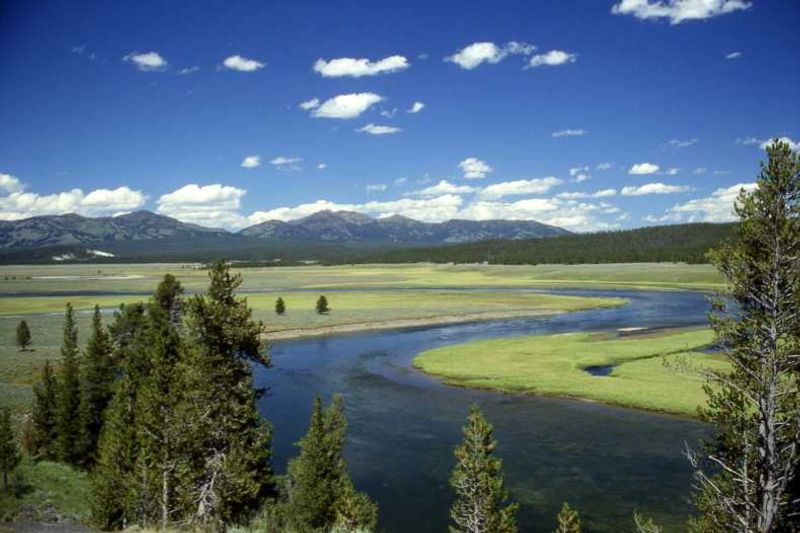
The Yellowstone keeps shifting because water chases the easiest path. Snowmelt swells spring flows, carving cutbanks and scattering gravel. When floods arrive, the river overtops banks and finds shortcuts.
That natural restlessness creates oxbows, side channels, and new islands. Cottonwoods sprout on fresh bars while old channels go quiet. You can watch banks slump, trees tumble, and currents braid.
Because there are no big dams on the main stem, those forces remain free. The result is a river that edits itself constantly. Every season resets the canvas, and every bend tells a recent story.
Paradise Valley Scenic Byway
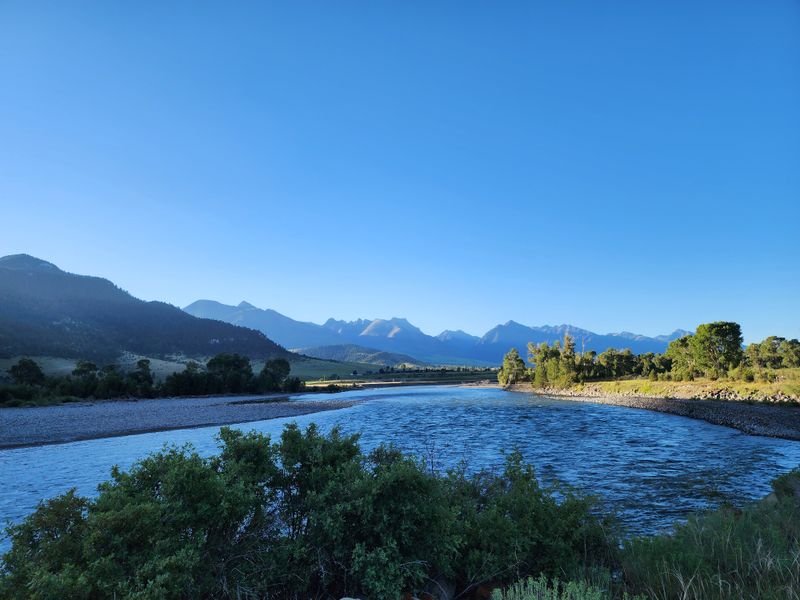
Between Livingston and Gardiner, the road shadows the Yellowstone through Paradise Valley. Peaks tower over sage flats while the river flickers in and out of view. Pullouts reveal fresh cutbanks and luminous side channels.
You might spot pronghorn on the benches and eagles working drift lines. Anglers step into clear runs where yesterday’s bar did not exist. The scenery feels wide open and newly minted.
As storms roll off the Absarokas, light slants across braided water. Each mile offers another angle on the river’s shifting course. You keep driving because the next bend might be different.
Highway 212 Toward Red Lodge
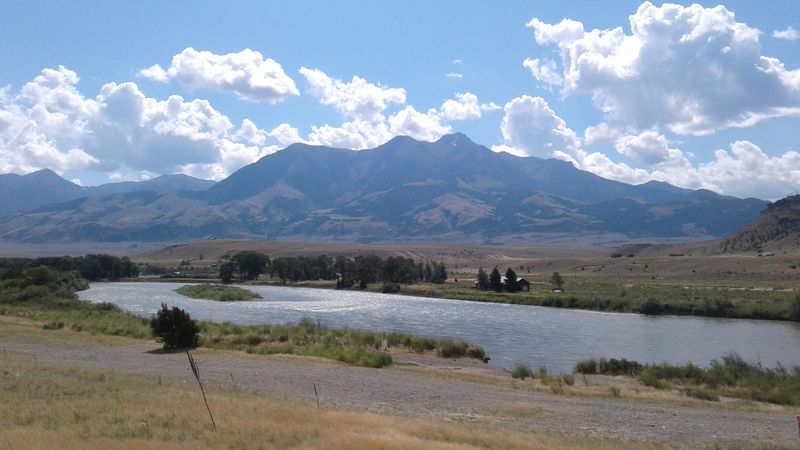
Head east from the valley and take Highway 212 toward Red Lodge. The road rides gentle swells of prairie while the Yellowstone’s imprint appears in cottonwood ribbons. Old meanders arc across the flats like faint scars.
Mountains lift in the distance, turning every mile into a wide screen moment. Watch for gravel bars rearranged by spring surges. Ranch bridges cross side channels that were not there last year.
Pull over where the river nears the pavement. You will hear cobbles rattle under quick water. It is a soundtrack to motion, proof that the landscape is still editing.
Billings Rimrocks Overlook
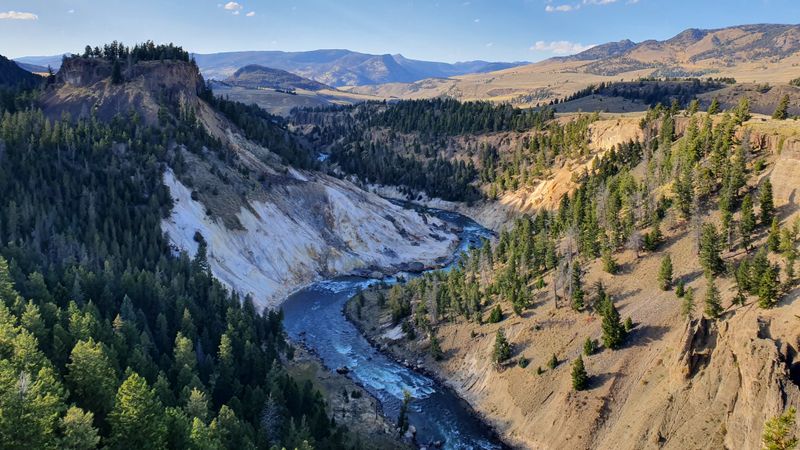
From the Rimrocks above Billings, you get a bird’s eye of change. The Yellowstone snakes across its floodplain, and old channels trace ghost loops. Sandstone cliffs frame a living map in motion.
Stand a while and compare pale bars to darker water. You will notice how the channel has wandered over decades. It is easier to grasp the river’s restlessness from height.
Even the city seems arranged around the bends. Light slides across point bars and cottonwood groves. The overlook turns hydrology into theater, and you are seated in the balcony.
Riverside Pullouts and Access Points
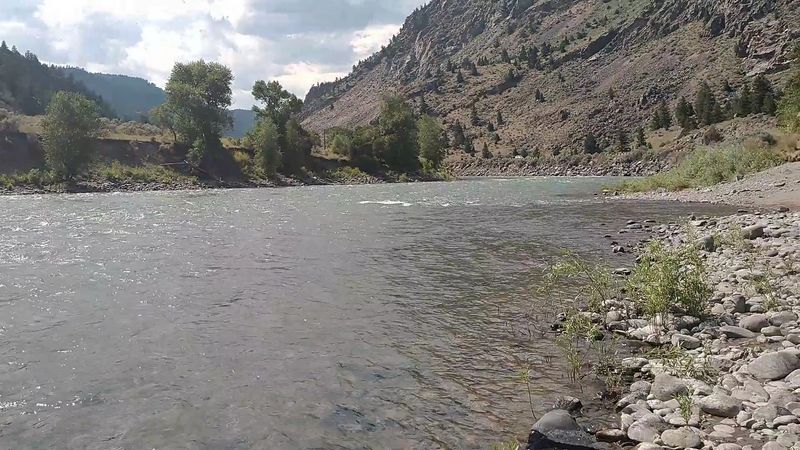
Dozens of unsigned pullouts invite quick detours to the water. Step out and you will smell cottonwoods, wet cobble, and sun warmed silt. The river might be roaring or whispering, depending on the day.
Walk a few yards and touch fresh cutbanks. Notice willows staking new ground on damp bars. Every access point offers a slightly different mood and shape.
Bring a thermos and linger while swallows skim eddies. You will leave with grit on your boots and a recalibrated sense of time. The river makes small changes that add up.
Best Time to See the Changes
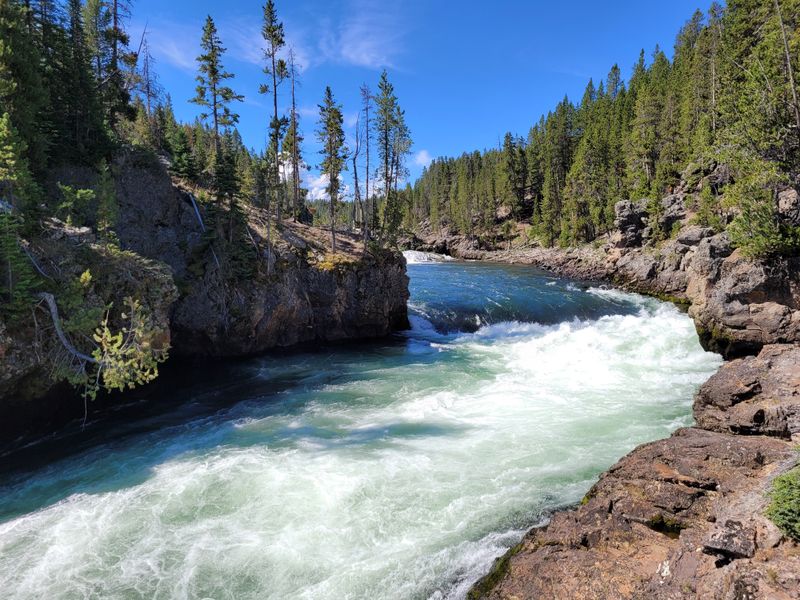
Late spring into early summer is prime time for watching the river redraw lines. Snowmelt swells the current, and the water turns the color of tea. Banks crumble, logs raft up, and side channels awaken.
These weeks are loud with movement. You can feel power in the ground and air. By midsummer, clarity returns and new bars glitter with mica flecks.
Plan dawn or dusk drives for soft light on fresh features. Take notes, then return a month later to compare. The differences will surprise you, even over short spans.
Wildlife, Cottonwoods, and Oxbows
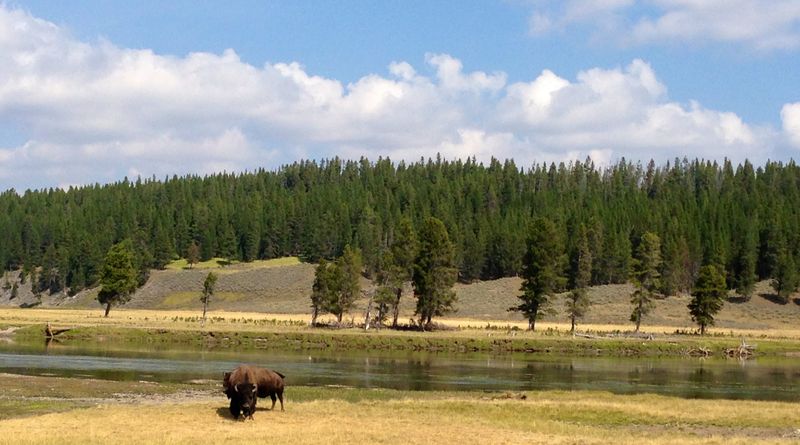
Where the river slows, oxbows and backwaters shelter life. Cottonwood seedlings colonize new bars and grow into galleries. Beavers stitch ponds together, shaping quiet nurseries for ducks and trout.
Elk browse along willow thickets while herons hunt shallows. You might hear sandhill cranes riding thermals over wetlands. The mosaic shifts as flows rearrange the pieces each year.
Bring binoculars and move quietly at dawn. The river’s restlessness builds habitat diversity, not chaos. Every curve adds edges where wildlife thrives, making drives feel like rolling safaris.
Driving Tips For Respecting A Living River
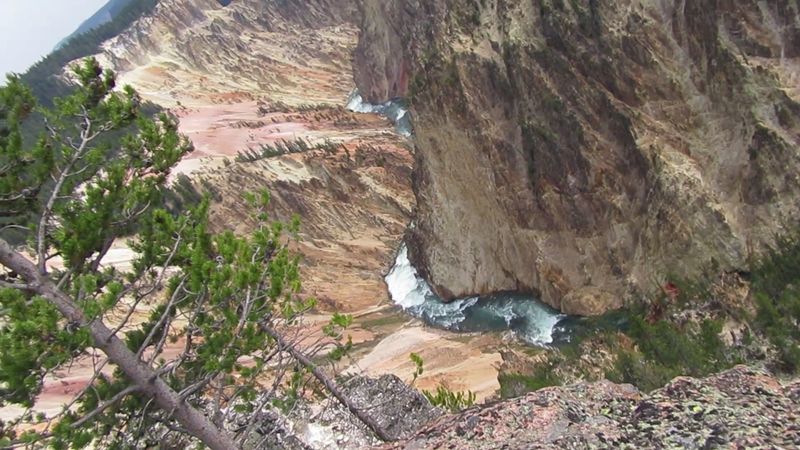
Keep tires on established pullouts and avoid soft shoulders near cutbanks. Give the river room to work, especially during high water. Check road conditions and watch for wildlife crossing at dusk.
Pack out trash and tread lightly on new bars. Those fresh surfaces are fragile nurseries for plants. If you wade, step carefully to protect spawning gravels.
Photograph from stable ground and be ready for quick weather swings. A small, flexible plan suits a shifting river best. You will come home with better stories and a lighter footprint.



