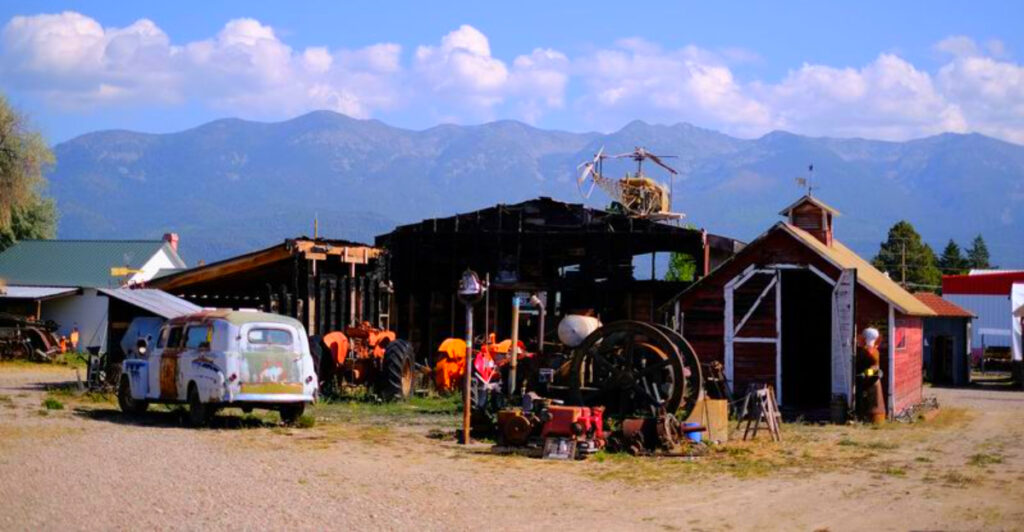
This small-town Montana museum has earned its “Smithsonian of the West” nickname by packing more than 340,000 artifacts into over 40 buildings. Set near Flathead Lake, it covers everything from transportation and military history to pop culture, classic cars, motorcycles, and rare collectibles.
The variety is the real draw. A 1912 Harley-Davidson, a Vietnam-era Huey helicopter, movie memorabilia, historic firearms, and vintage automobiles all share space in a collection that feels far bigger than most visitors expect.
What makes the museum stand out is how unpredictable it is. Every building holds a different piece of American history, turning a quick road-trip stop into the kind of place people end up exploring for hours.
A Museum Unlike Any Other in Montana
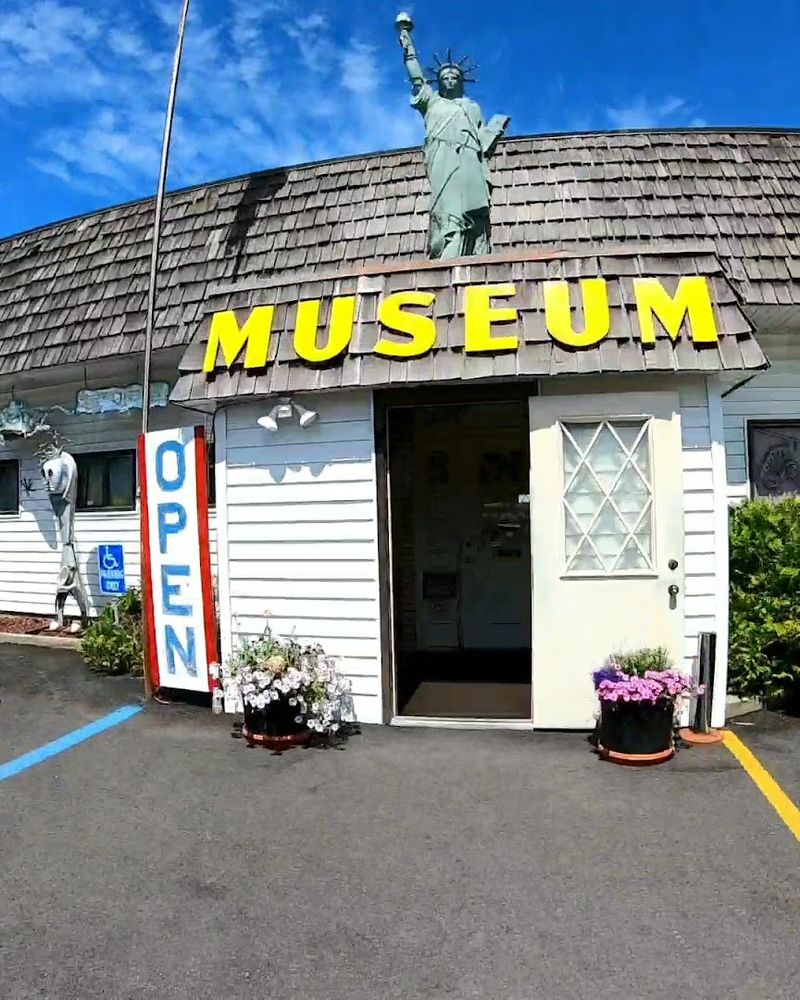
Most museums greet you with a quiet lobby and a pamphlet. This one greets you with a tank parked outside and a 65-foot logging towboat named Paul Bunyan listed on the National Register of Historic Places.
The Miracle of America Museum sits at 36094 Memory Lane in Polson, Montana 59860, right along the shores of Flathead Lake with the Mission Mountains rising in the background. The setting alone is worth the drive, but the collection inside is what truly stops people in their tracks.
Spread across more than 35 to 40 buildings on a 4.5-acre complex, this non-profit museum was founded in 1981 by Gil and Joanne Mangels. What started as a personal passion for preserving American heritage has grown into one of the most eclectic and densely packed collections in the entire country.
Plan to spend at least two to three hours here, because one pass through is never quite enough.
The Founding Story Behind the Collection
Gil Mangels did not set out to build a museum. He set out to save things that mattered, one artifact at a time, and eventually those things filled buildings.
Starting in 1981, Gil and his wife Joanne began collecting and preserving pieces of American history that might otherwise have been lost or forgotten. Over the decades, that personal collection grew into a public institution with over 340,000 artifacts, depending on how you count the nooks and crannies.
Gil can still be found walking the grounds today, and visitors who are lucky enough to cross paths with him quickly discover that he is a living encyclopedia of the collection. His passion for the material is contagious, and hearing him explain the story behind a single artifact can turn a quick glance into a half-hour conversation.
The museum remains family-run, with Joanne and their granddaughter Dez also playing active roles in welcoming and guiding guests through the collection each day.
The Military Collection That Drops Jaws
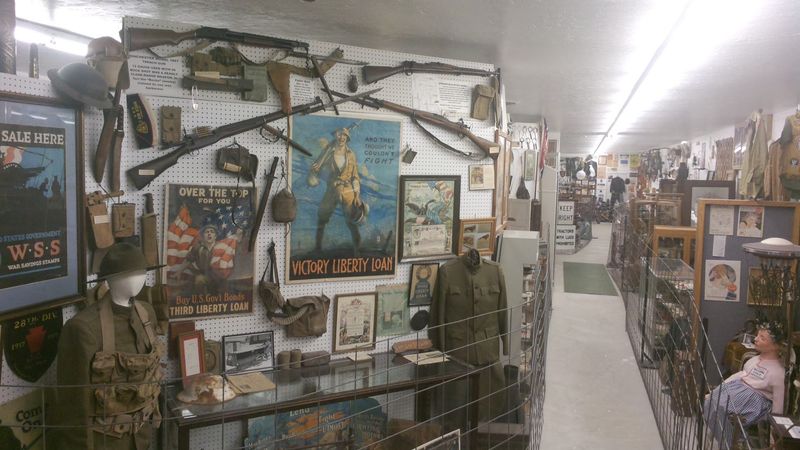
The military section of this museum is not a few glass cases with old medals. It is a full-scale, multi-era tribute to American service members that covers the Civil War, World Wars I and II, and the Vietnam War.
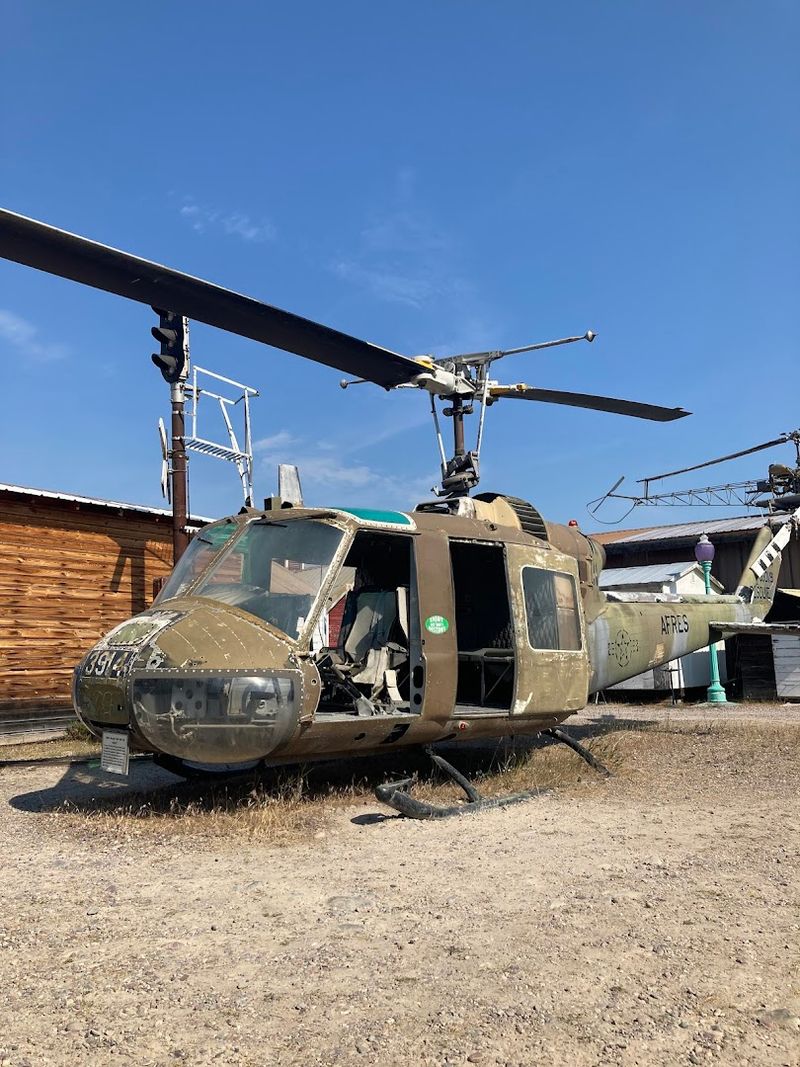
Tanks, military vehicles, vintage firearms, and soldier gear fill the space in a way that feels immersive rather than sterile. One of the most popular features is the 1971 A-7D Corsair jet plane and the Huey helicopter, both of which visitors can actually climb into and explore up close.
The personal items are what make this section especially moving. Letters, uniforms, and small everyday objects carried by real soldiers bring a human dimension to history that photographs in textbooks simply cannot match.
Former military families and veterans tend to spend the longest time in this part of the museum, and it is easy to see why. Each item feels less like an exhibit and more like a preserved memory waiting to be acknowledged.
Over 70 Antique Motorcycles and a Legendary 1912 Harley
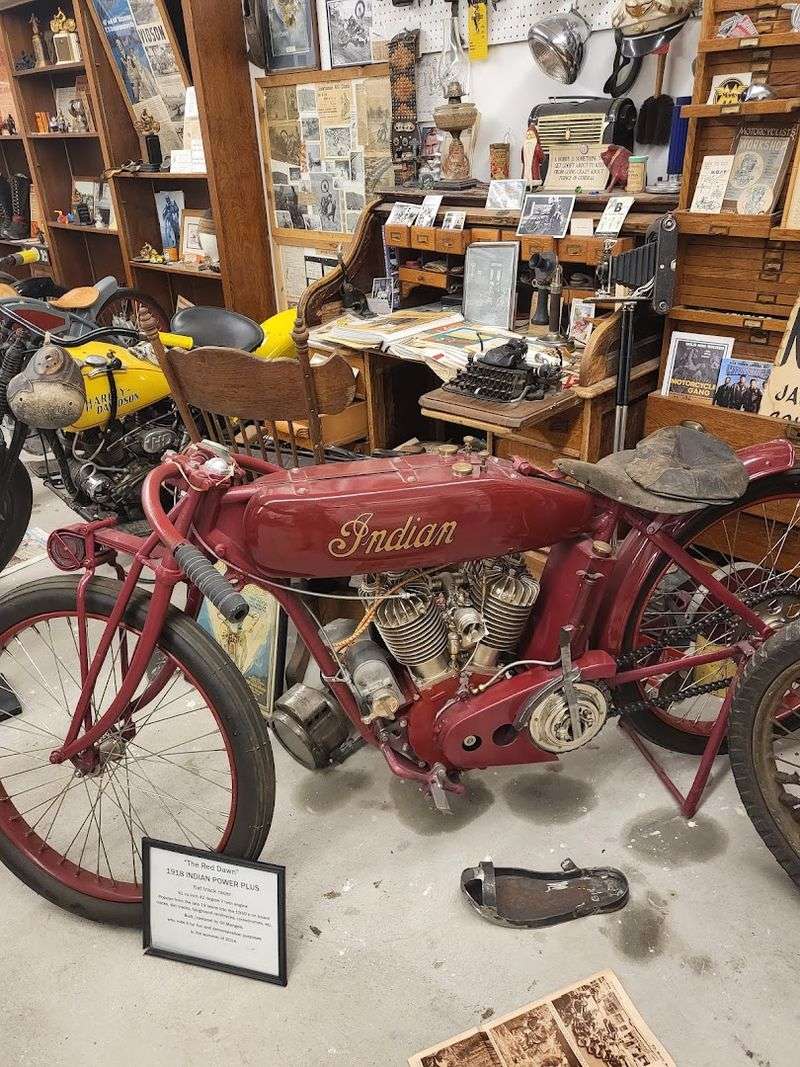
Few things in this museum get motorcycle enthusiasts as worked up as the two-wheeled collection waiting inside. More than 70 antique motorcycles line the exhibit space, and the crown jewel is a 1912 Harley-Davidson that has survived over a century in remarkable condition.
Alongside the bikes, the museum holds more than 3,000 pieces of motorcycling memorabilia, from vintage gear and posters to rare parts and historical photographs. It is one of the most comprehensive motorcycle collections in the Pacific Northwest, and it draws serious collectors and casual admirers in equal measure.
The range of makes, models, and eras on display tells the story of how American motorcycling culture evolved over more than a hundred years. Early board-track racers sit near mid-century cruisers, and each machine carries its own personality and backstory.
If you have ever had even a passing interest in motorcycles, budget extra time for this section, because the details on these machines are worth a long, slow look.
The Pioneer Village That Feels Genuinely Lived In
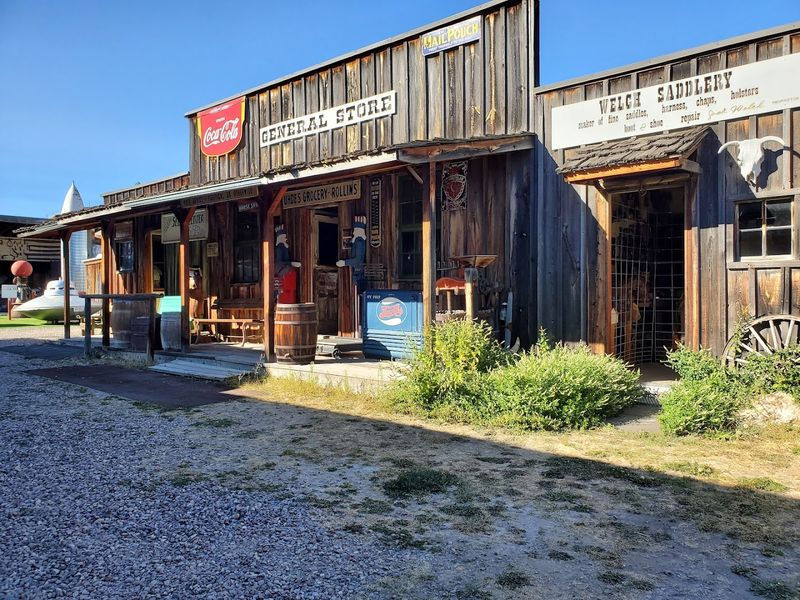
The outdoor portion of this museum is where things get truly remarkable. A full pioneer village made up of original historic buildings from the region forms a preserved neighborhood that depicts early American life in the American West.
Walk through a sod-roofed log cabin, peek into a one-room schoolhouse, browse the shelves of a period general store, and check out the tools in a working blacksmith shop. There is also a barber shop, a doctor’s office, a dentistry, a gas station, and even a jail, each one filled with authentic period artifacts rather than reproductions.
The buildings themselves are originals, not reconstructions, which gives the village a weight and authenticity that is hard to manufacture. You can almost feel the decades pressing in through the doorways.
Children especially respond to this section, because it is hands-on and easy to imagine. Adults tend to slow down here too, recognizing objects their grandparents or great-grandparents might have used without a second thought.
The Quirky and Unexpected Corners of the Collection
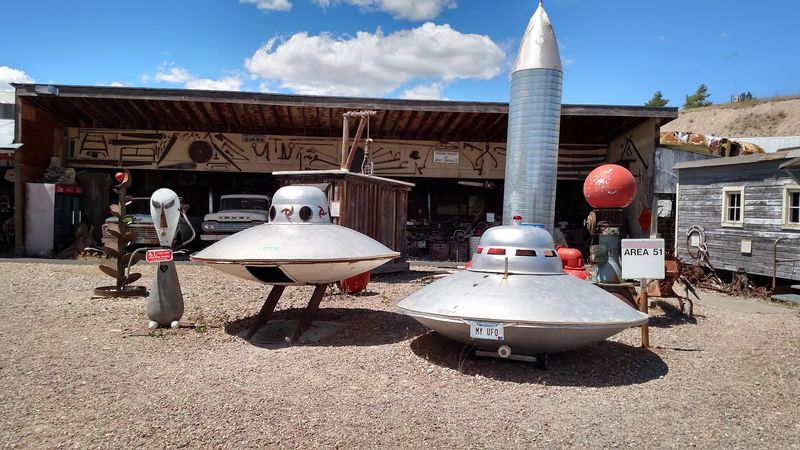
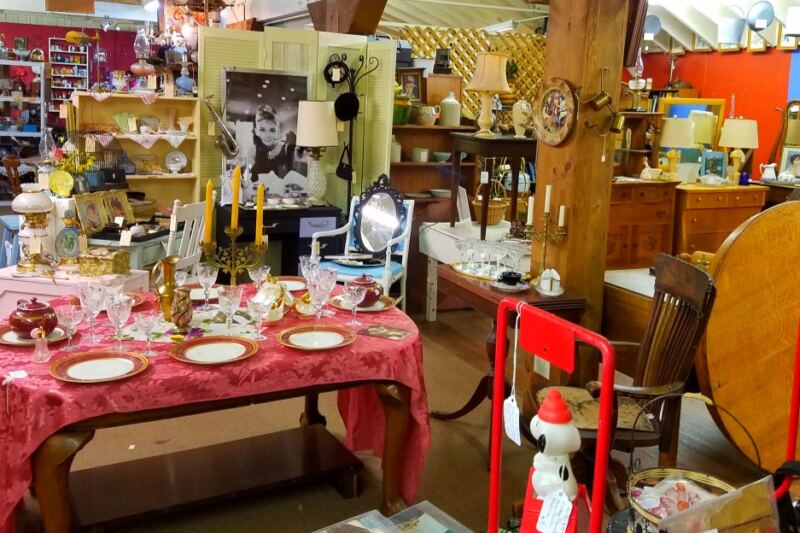
Not every museum has a UFO display with an alien autopsy scene tucked between a Victorian hair art exhibit and a collection of antique mousetraps. This one does, and that is precisely what makes it so hard to describe to someone who has never been.
Hundreds of vintage vacuum cleaners share space with scores of antique washing machines and a full-size soda fountain. Teddy Roosevelt’s saddle sits near Old West artifacts and presidential memorabilia.
A winged monkey from The Wizard of Oz watches over a corner that also holds moonshine stills and pro- and anti-Vietnam War bumper stickers.
The breadth of the collection is genuinely staggering, and the unexpected juxtapositions are part of what makes each new room feel like a surprise. There is no tidy narrative thread tying everything together, and somehow that works perfectly.
Plan to wander slowly through this section, because the best discoveries tend to appear just when you think you have already seen everything worth seeing.
Antique Vehicles, Wagons, and the Paul Bunyan Towboat
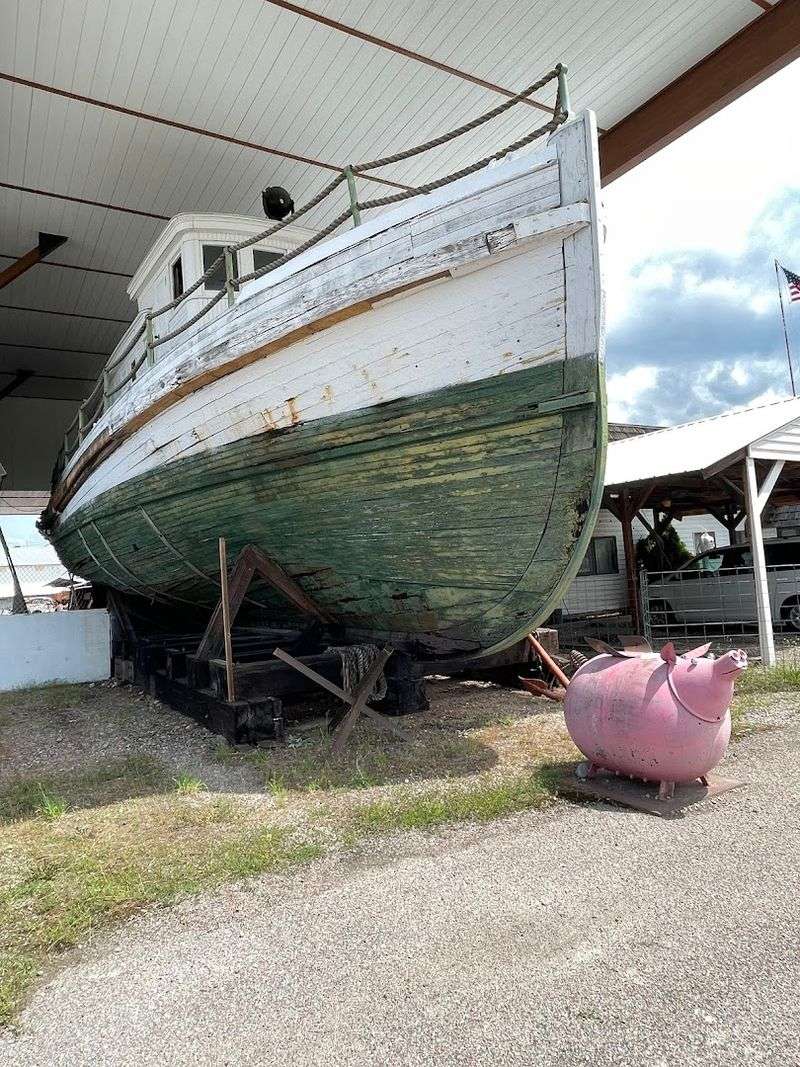
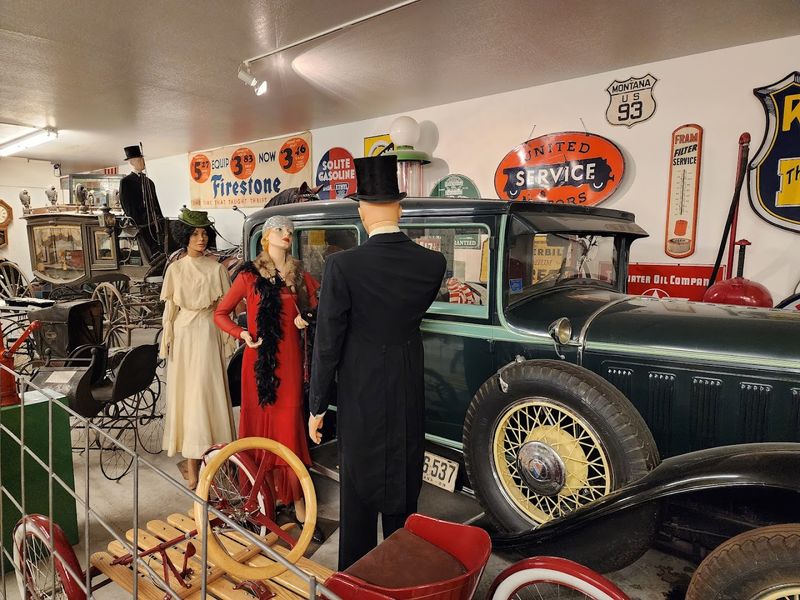
The vehicle collection at this museum stretches well beyond the motorcycle wing. Antique cars, trucks, tractors, snowmobiles, sleighs, covered wagons, buckboards, and buggies are spread across the property in a way that traces the full arc of American transportation history.
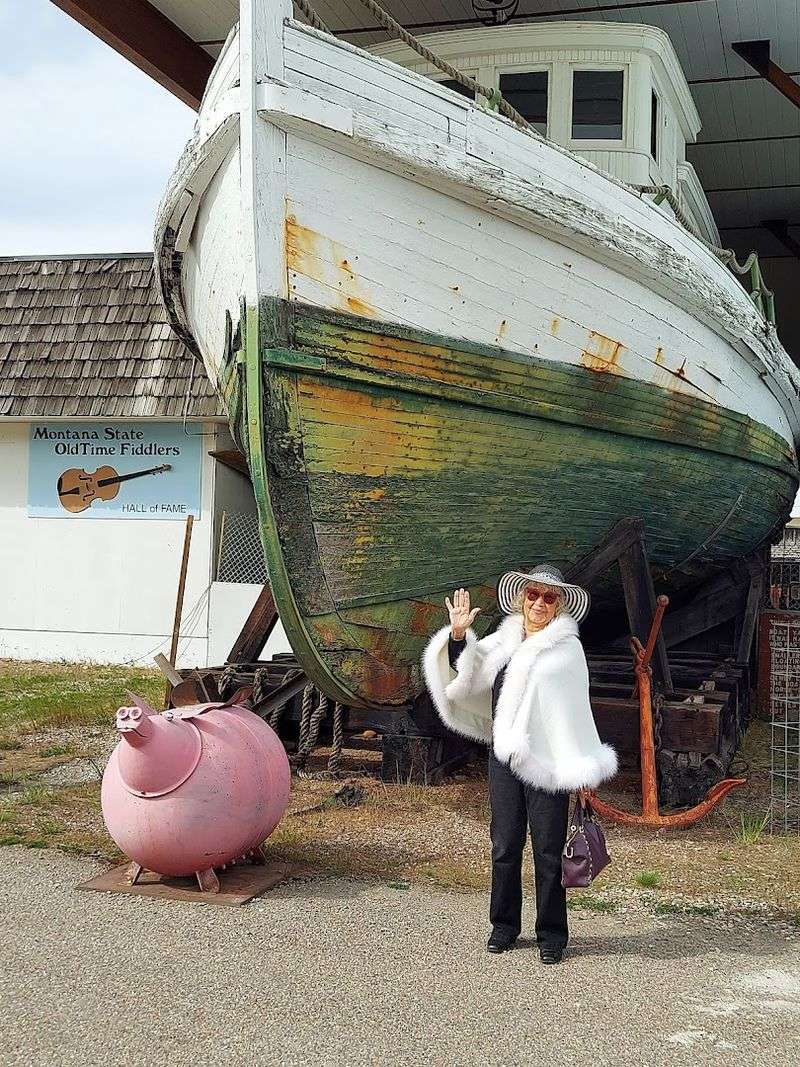
The standout piece is the 65-foot logging towboat named Paul Bunyan, which is listed in the National Register of Historic Places. It is an enormous physical reminder of the logging industry that once shaped the economy and landscape of the Pacific Northwest.
Seeing the boat in person next to horse-drawn wagons and early automobiles creates an unexpected timeline of how people and goods moved across this part of the country over the course of a century. The scale shift alone is worth pausing over.
The variety here means that whether your interest is in farm equipment, early automobiles, or working watercraft, there is something specific and substantial waiting for you in this section of the museum.
What It Feels Like to Spend a Full Day Here
Most visitors arrive expecting to spend an hour and leave having spent three. That pattern repeats itself so consistently that it has become something of an unofficial tradition at this museum.
The indoor building alone could absorb most of a morning if you stop to read the labels and take in the details. Then the outdoor pioneer village opens up another world entirely, and before long the afternoon has slipped away without anyone noticing.
Families with young children find the experience especially rich because there are interactive displays throughout, a playground on the grounds, and plenty of hands-on exhibits that encourage touching and exploring rather than just looking. Kids who can climb into a Huey helicopter tend to stay engaged in a way that more formal museums struggle to achieve.
Admission is priced at $10 for adults and $5 for children aged 2 to 12, which makes it one of the most affordable full-day experiences in western Montana. The museum is open every day from 9 AM to 5 PM year-round.
The Annual Live History Days Event
Once a year, the museum transforms from a static collection into a living, breathing demonstration of American history. Live History Days is the event that regular visitors plan their summer schedules around, and it has been running for nearly four decades.
During this weekend, many of the museum’s vehicles are fired up and driven, machinery is demonstrated in action, and the entire property takes on an energy that a normal visit simply cannot replicate. The sound of vintage engines and the smell of old machinery running create a sensory experience that no display case can capture.
Visitors who have attended multiple times describe it as one of the best family events in the Flathead Valley, and the crowd tends to include everyone from young children experiencing history for the first time to older adults reconnecting with machines they once knew well.
If your travel dates have any flexibility, checking the museum’s schedule at miracleofamericamuseum.org before your trip is well worth the few minutes it takes.
Rare Firearms and the Stories They Carry
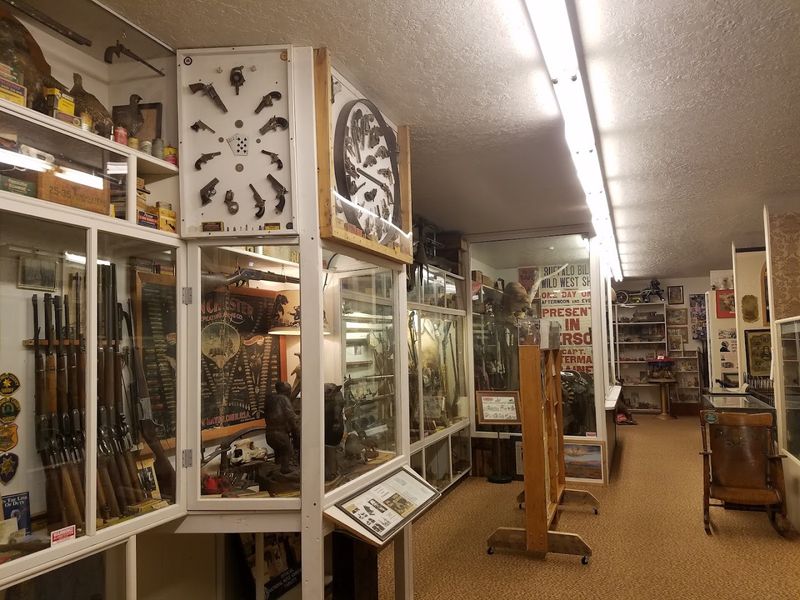
The firearms collection at this museum is not simply a wall of old guns. Each piece comes with context, and the curators have made a genuine effort to connect the objects to the historical moments and people they belonged to.
Among the standout pieces is an 1895 Winchester ring carbine, a rare and historically significant firearm that most collectors only ever see in photographs. The collection spans multiple centuries and includes military weapons, frontier firearms, and civilian pieces that trace the role of guns in American daily life and conflict.
What sets this collection apart from others is the specificity of the labeling and the depth of the accompanying information. Rather than simply identifying a weapon by name and date, the museum often explains where it was found, who used it, and what moment in history it represents.
Gun enthusiasts and history buffs alike tend to linger here longer than they planned, drawn in by details that reward careful attention and a willingness to read beyond the surface.
The Setting: Flathead Lake and the Mission Mountains
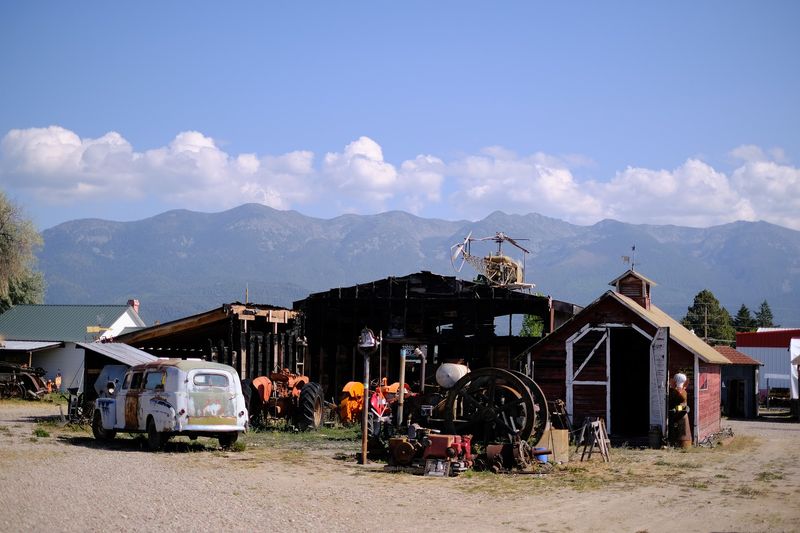
The museum’s location adds a dimension that no indoor exhibit could replicate. Polson sits at the southern end of Flathead Lake, the largest natural freshwater lake west of the Mississippi, and the Mission Mountains rise dramatically to the east as a constant backdrop.
Driving into town along Highway 93, the scenery builds anticipation in a way that makes the eventual discovery of the museum feel even more satisfying. The combination of mountain views, lake water, and a sprawling campus of historic buildings creates a setting that feels genuinely cinematic.
After a few hours inside the museum, stepping outside into that landscape provides a natural reset. Many visitors take a short walk near the lake before returning to explore more of the outdoor exhibits, and the contrast between the preserved past inside the museum and the timeless natural landscape outside is quietly striking.
Polson itself is a charming small town worth exploring before or after your museum visit, with the lake accessible and the mountains always in view no matter which direction you turn.
Practical Tips for Getting the Most Out of Your Visit
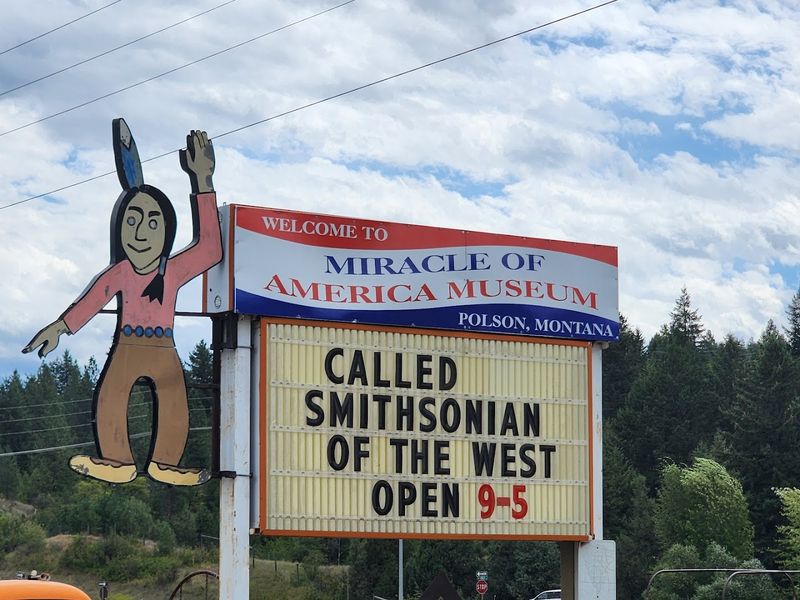
A few practical details can make the difference between a good visit and a great one. The museum is open seven days a week from 9 AM to 5 PM, every day of the year, which makes it an easy addition to almost any Montana road trip itinerary regardless of the season.
Admission runs $10 for adults and $5 for children aged 2 to 12, and the value per dollar spent is genuinely difficult to beat anywhere in the state. Wear comfortable shoes, because the outdoor portion involves a fair amount of walking across uneven terrain between buildings.
Arriving in the morning gives you the best chance of spending time with staff members who can point you toward the exhibits most likely to match your interests. The team is knowledgeable and genuinely enthusiastic, and a two-minute conversation at the entrance can save you from missing something remarkable.
You can reach the museum by phone at 406-883-6804 or explore their website at miracleofamericamuseum.org before your trip to check for special events and seasonal programming.
Share this story