Not every hidden gem requires a long drive into the countryside. Tucked away in Merion Station, this 13.5-acre park offers wooded trails, a winding creek, and a surprising sense of calm just minutes from some of the Philadelphia region’s busiest neighborhoods.
Since 1944, the park has been maintained by dedicated volunteers who have helped preserve a haven for wildlife and native plants. Birdwatchers come to spot dozens of species, while visitors of all kinds appreciate the walking paths and natural setting.
It is the kind of place that rewards a slower pace and reminds you that some of the area’s most memorable outdoor experiences are hiding in plain sight.
Where Exactly This Green Escape Hides
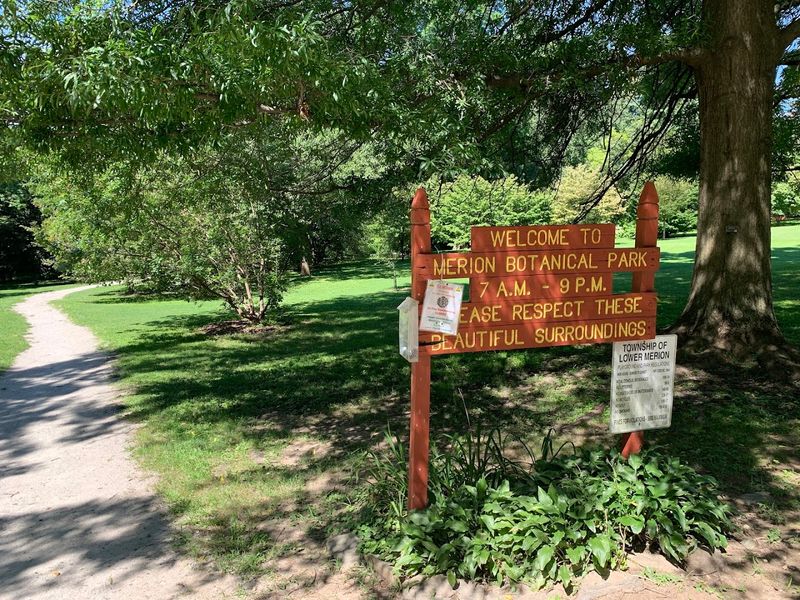
The address is 100 Merion Rd, Merion Station, PA 19066, and if you blink while driving through this quiet Main Line neighborhood, you might genuinely miss the turn. The park sits in Lower Merion Township, just outside Philadelphia, surrounded by historic homes and mature street trees that blend right into the scenery.
What surprised me most on arrival was how naturally the park fits into the neighborhood. There is no grand entrance gate or dramatic sign, just a gentle invitation into green space that feels like it has always belonged there.
Street parking is available along the road, and the SEPTA Regional Rail Merion Station is a short walk away, which makes this surprisingly easy to reach without a car. For anyone coming from Center City Philadelphia, the train ride is quick and the walk from the platform is pleasant.
This park rewards the people who know where to look.
The 1944 Origin Story You Did Not Expect
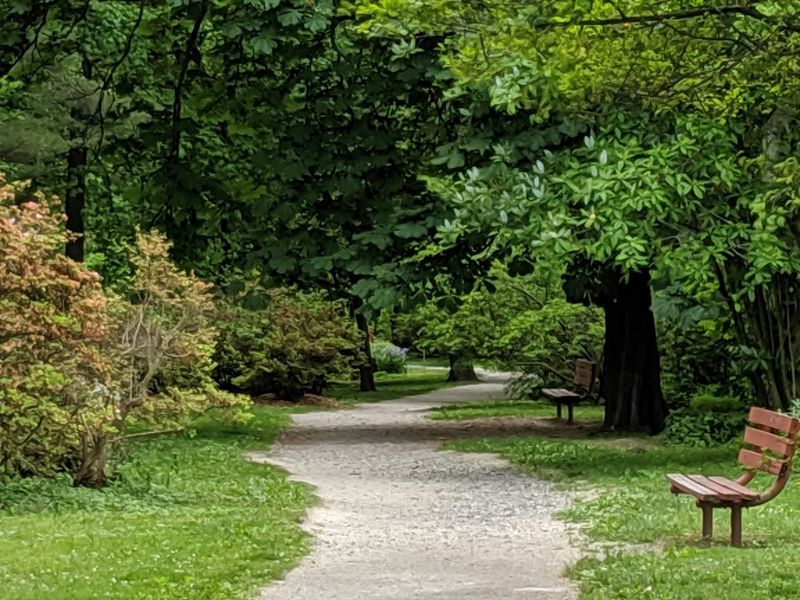
Most public parks get their start through a government budget line and a ribbon-cutting ceremony. Merion Botanical Park has a more interesting origin story than that.
It was founded in 1944 by the Botanical Society of Lower Merion, a group of passionate plant enthusiasts who wanted their community to have a living, breathing green space worth caring about.
One of the notable co-founders was Laura Barnes, wife of the legendary art collector Albert C. Barnes, whose Barnes Foundation collection is now one of Philadelphia’s most celebrated cultural institutions.
That connection adds a quiet layer of cultural weight to an already meaningful place.
Today the park is owned by Lower Merion Township but still managed entirely by the all-volunteer Botanical Society of Lower Merion, a fact that becomes obvious the moment you notice how lovingly every plant is labeled and every path is maintained. Eight decades of community dedication have a way of showing up in the details, and this park wears them well.
A Plant Collection That Actually Teaches You Something
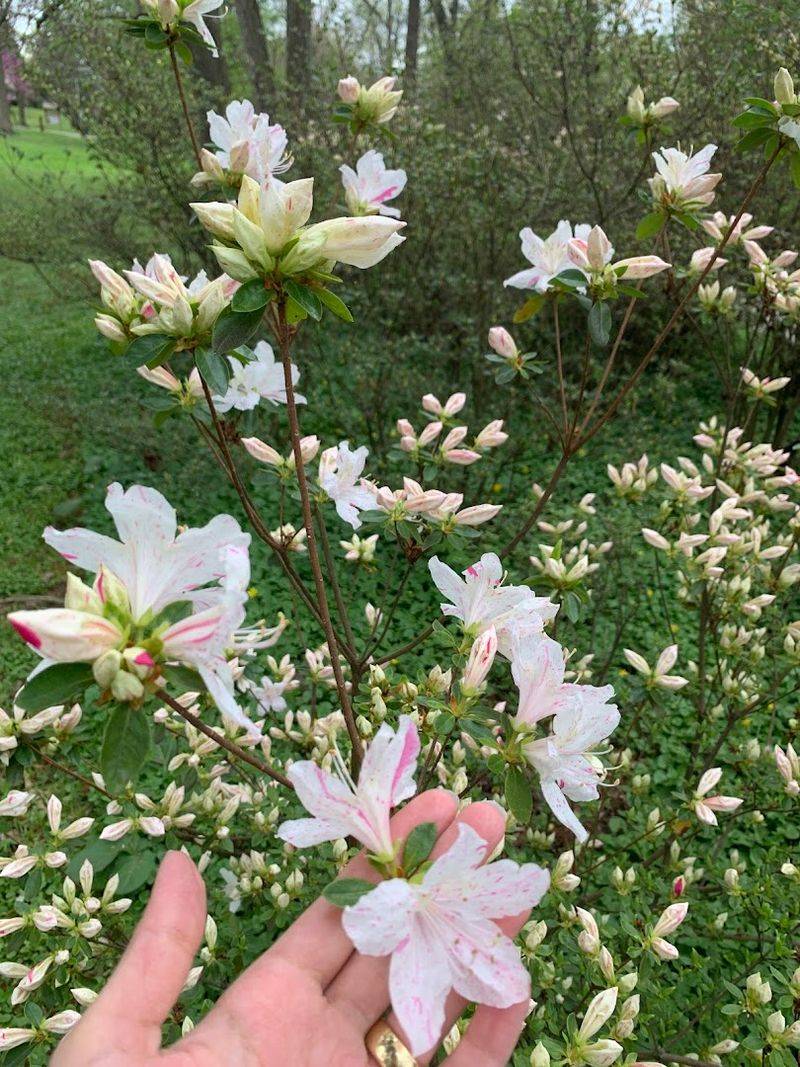
One of the first things I noticed walking the trails was the small placards attached to trees and shrubs throughout the park. Every species is identified with its common and scientific name, which turns a casual stroll into something that actually sticks with you long after you leave.
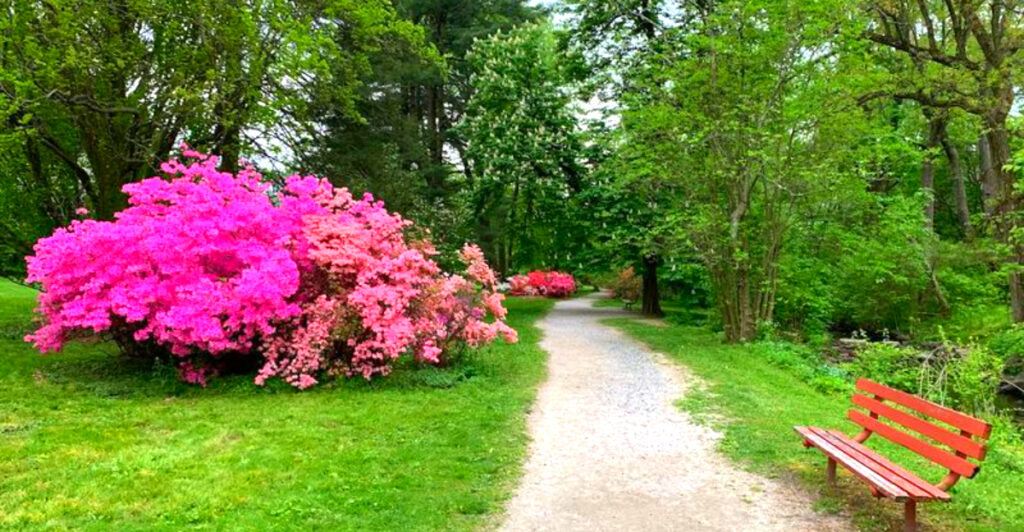
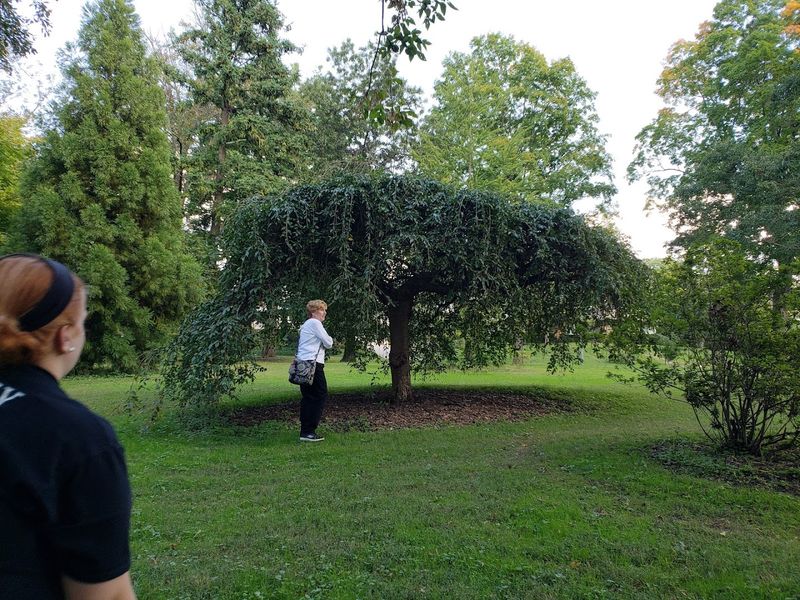
The plant collection here is genuinely diverse. Azaleas, dogwoods, magnolias, cut-leaf maples, redbuds, rhododendrons, and viburnum are all represented, and depending on the season, at least a few of them are putting on a show worth stopping for.
Spring brings the most dramatic floral display, when the azaleas and dogwoods bloom in overlapping waves of color. Fall transforms the maples and redbuds into something almost unreal.
Even in quieter months, the evergreen structure of the rhododendrons and the textured bark of the older trees give the park a visual richness that keeps it interesting year-round. The plant labeling alone makes this feel more like a true arboretum than a standard community park.
Mill Creek and the Trail That Runs Beside It
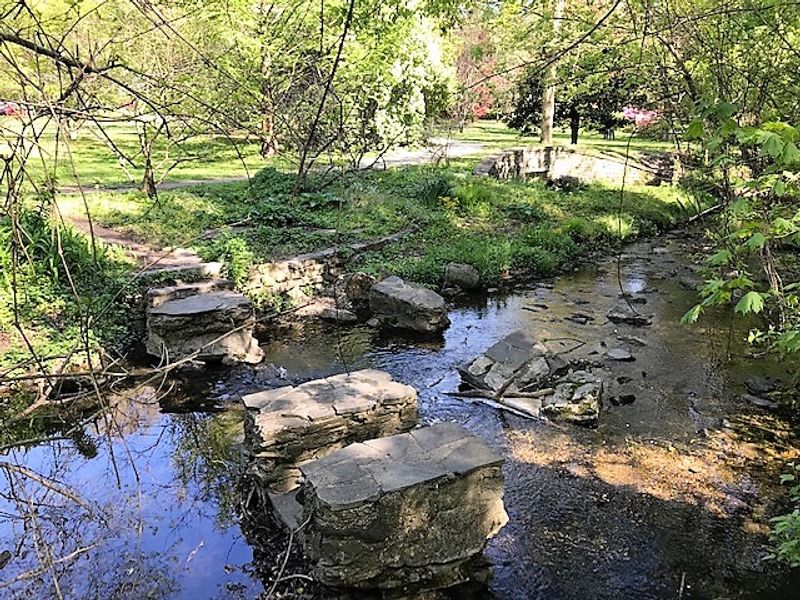
The creek is the park’s secret weapon. Mill Creek runs alongside the main trail, and the sound of moving water changes the entire mood of a walk in a way that is hard to put into words but immediately felt the moment you round the first bend.
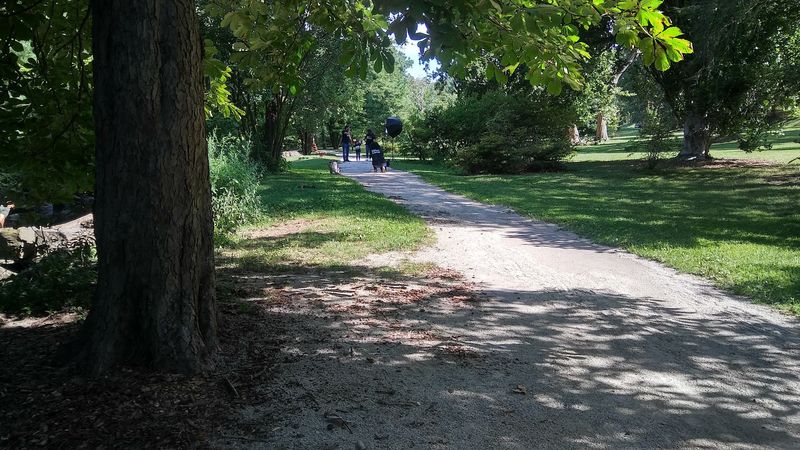
The paved trail hugs one side of the creek, but the real fun starts when you cross the small bridge or hop across the stepping stones to reach the unpaved trail on the opposite bank. That trail feels wilder and quieter, with roots underfoot and branches overhead creating a natural canopy that filters the light beautifully.
Somewhere along that unpaved path, there is a twig hut that someone built using branches and sticks from the surrounding woods. It is rustic, charming, and completely unexpected in the best way.
The creek also creates small cascading areas that produce a soft, rhythmic sound perfect for anyone who needs a genuine mental reset. And trust me, the bird activity near the water is worth pausing for.
85 Bird Species and a Monarch Way Station
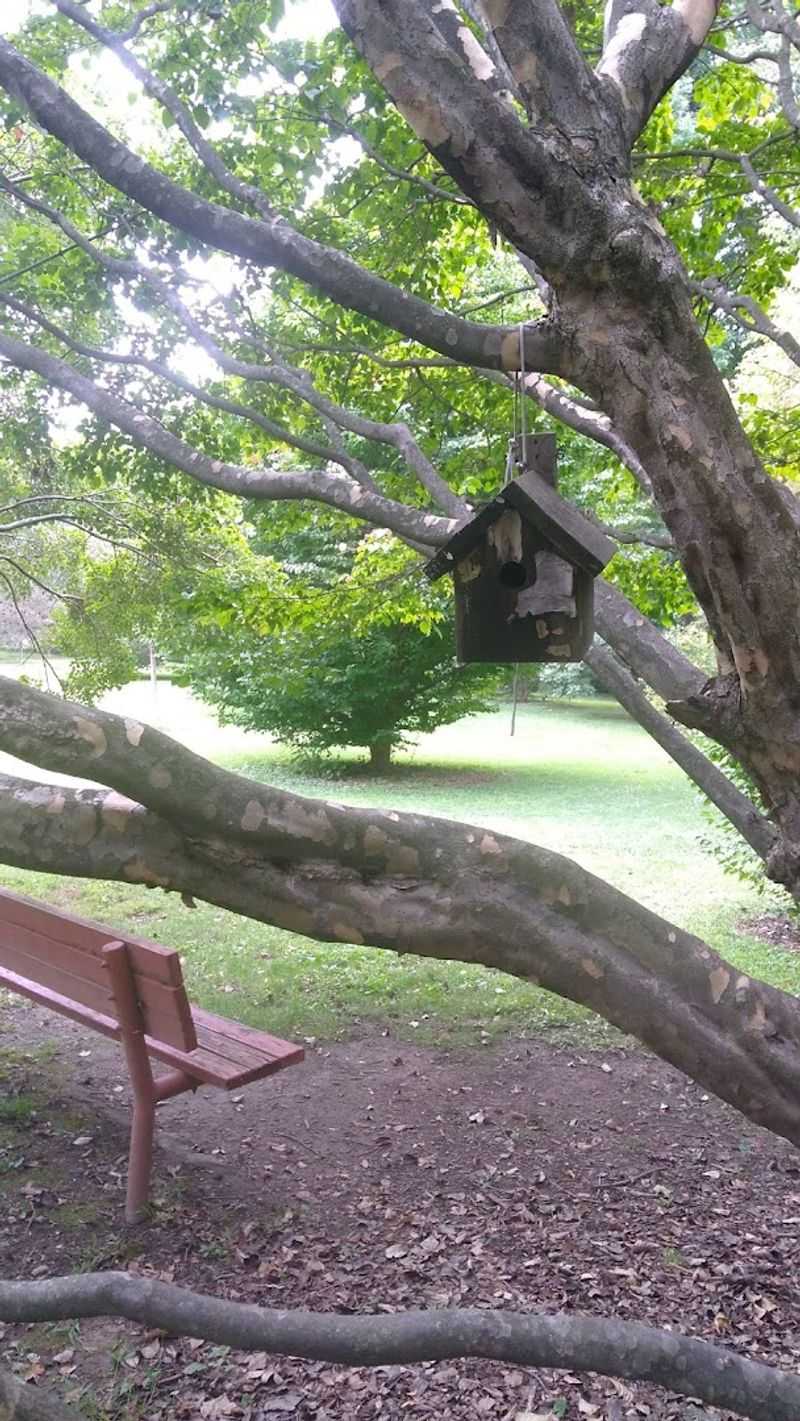
Here is a number that stopped me in my tracks: 85 species of birds have been recorded at Merion Botanical Park. For a 13.5-acre urban park on the Main Line, that is a remarkable figure and a testament to how much thoughtful planting and habitat preservation can accomplish in a relatively small footprint.
The park installed a Monarch Way Station in 2014, which provides milkweed and nectar plants specifically to support monarch butterfly migration. During the right weeks in late summer and early fall, you can actually watch monarchs moving through, which is one of those quiet natural moments that feels disproportionately moving.
Bird watchers with binoculars are a common sight here, and the mix of open grassy areas, wooded creek edges, and dense shrub plantings creates exactly the layered habitat that attracts a wide variety of species. Whether you are a dedicated birder with a life list or someone who just enjoys watching a woodpecker work a tree trunk, this park delivers more wildlife encounters than its size suggests it should.
The next section explains why fall is the absolute best time to be here.
Why Fall Is the Season to Plan Your Visit
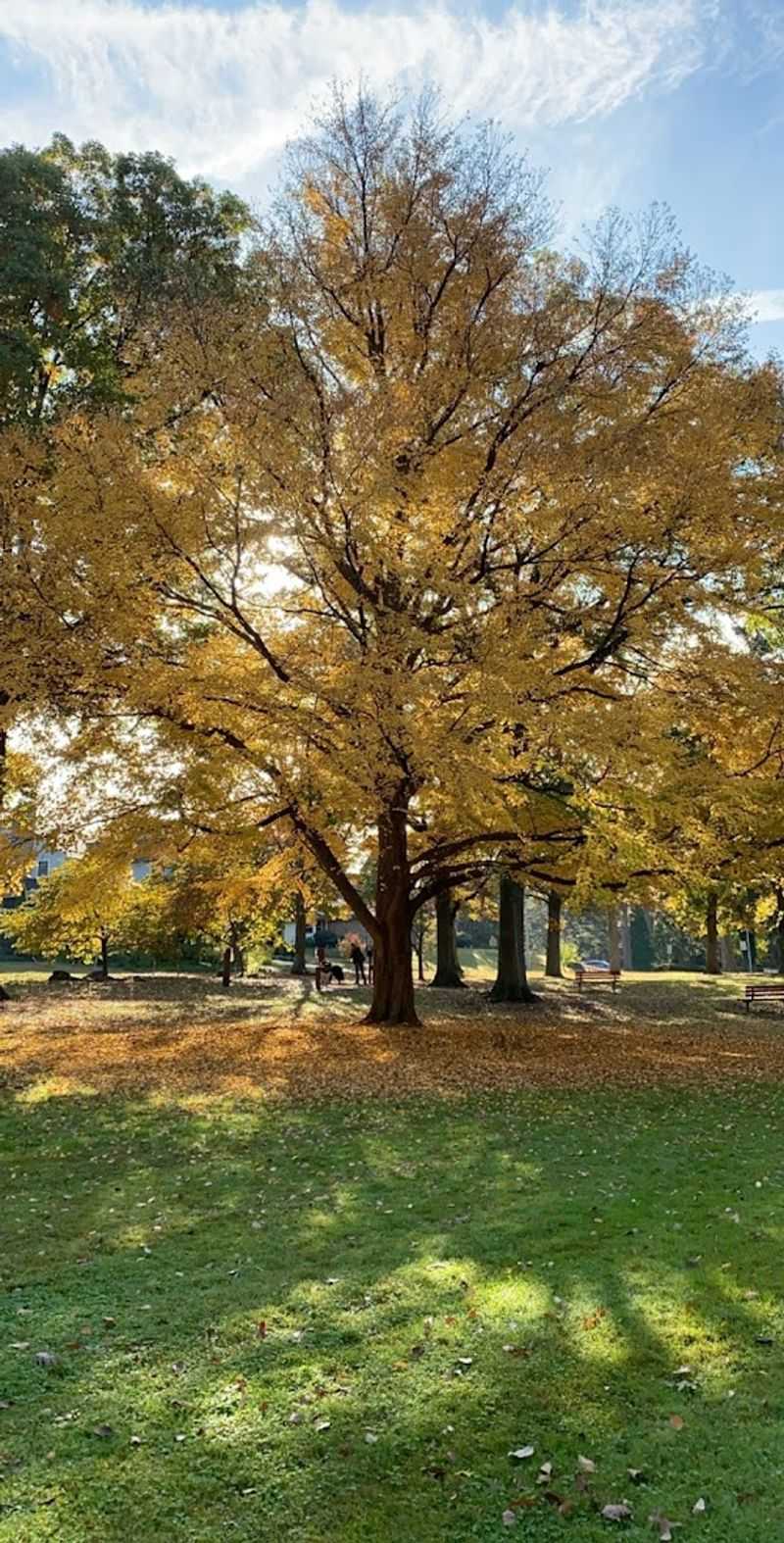
The park is open year-round, but fall is when Merion Botanical Park earns its most enthusiastic fans. From September through early December, the combination of mild temperatures and peak foliage color turns the grounds into something genuinely photogenic without requiring any effort on your part.
The cut-leaf maples are the showstoppers, their deeply lobed leaves turning vivid shades of red and orange that practically glow in afternoon light. The redbuds add warm gold tones, and the overall canopy creates a patchwork of color that rewards anyone who shows up with a camera or even just a few quiet minutes to sit on a bench.
Comfortable walking shoes are a smart call for the unpaved trail sections, and since there are no food vendors on-site, packing a small snack and a water bottle makes the experience much more relaxed. The mild fall weather also means fewer insects and more comfortable temperatures for longer walks.
Spring comes in a close second for spectacle, but fall edges it out for sheer atmosphere and color saturation.
The Grass, the Benches, and the Art of Doing Nothing
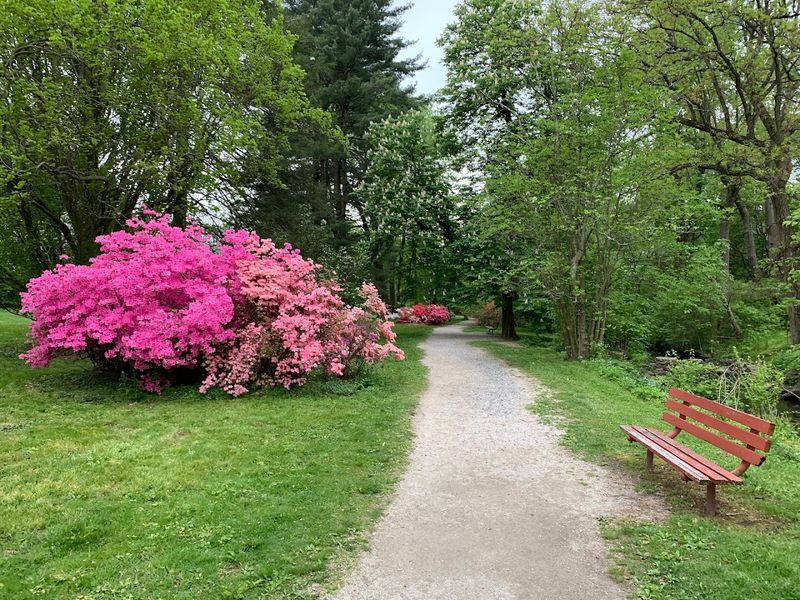
Not every great park experience involves a trail or a bird list. Sometimes the best thing a green space can offer is a wide, well-kept lawn where you can spread out a blanket and simply exist for a while.
Merion Botanical Park handles this beautifully.
The central grassy area is vibrant and well-maintained, the kind of green that looks almost too saturated to be real on a sunny day. Benches are scattered throughout the park, positioned near the creek and under the shade of older trees, making it easy to find a quiet corner that feels entirely your own even when other visitors are around.
The park has hosted small group gatherings and family picnics, and the relaxed, unhurried atmosphere makes it natural for that kind of use. There are no food vendors, no carnival atmosphere, and no noise beyond the creek, the birds, and the occasional passing train on the nearby rail line.
That train horn is a small trade-off for everything else this park offers, and most visitors agree it barely registers after the first time.
Free to Enter, Funded by Volunteers
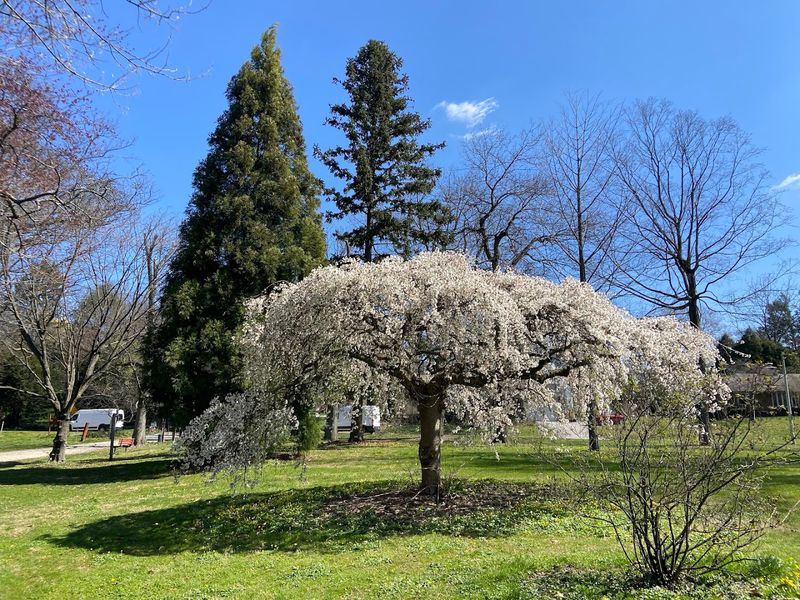
Admission to Merion Botanical Park is completely free, which feels almost radical given how well-maintained and thoughtfully curated the grounds are. Some special events and guided tours may carry a small nominal fee, but showing up on any regular day costs nothing beyond the effort of getting there.
The entire operation is run by the Botanical Society of Lower Merion, an all-volunteer nonprofit that has been stewarding this land since the park’s founding. That means the people trimming the hedges, labeling the plants, and organizing educational programs are doing it because they genuinely care, and that energy shows in every corner of the park.
The society also runs educational programs and guided tours that offer a deeper look at the plant collections and wildlife habitat for those who want more than a solo wander. Supporting the society, even just by spreading the word about the park, feels like a meaningful way to give back to a community resource that asks so little and delivers so much.
The volunteer model here is quietly inspiring.
Getting There Without a Car Is Entirely Possible
One of the more practical surprises about this park is how accessible it is by public transit. The SEPTA Regional Rail Merion Station is a short walk from the park entrance, which means a car is genuinely optional for visitors coming from Philadelphia or other stops along the line.
For those driving, street parking is available along Merion Road, and the two-hour limit keeps turnover reasonable without feeling punishing for visitors who want to linger. The neighborhood streets around the park are calm and pleasant to walk through, adding a bit of Main Line residential scenery to the experience of arriving.
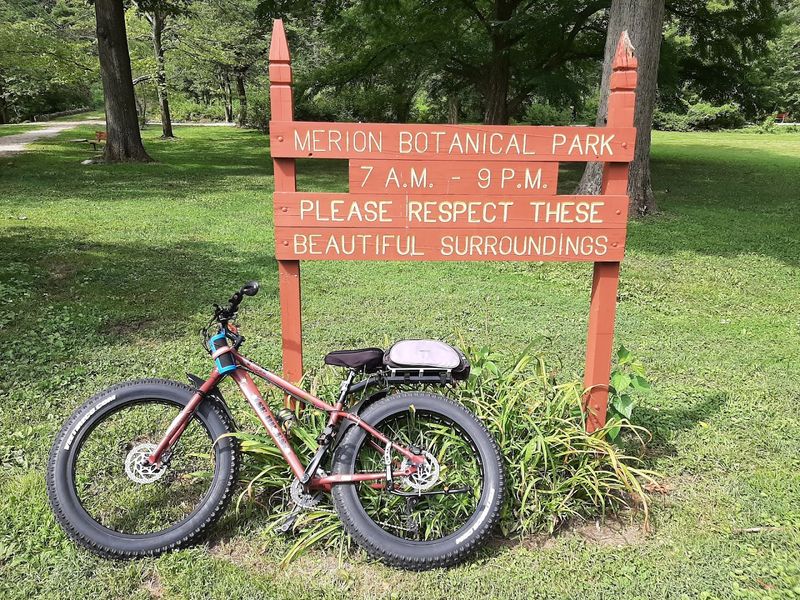
The park is open daily from 7:00 AM to 9:00 PM according to current hours, giving early risers and evening walkers both a window to enjoy the grounds. Morning visits have a particular quality here, with the light filtering through the tree canopy and the bird activity at its peak.
Coming by train and walking the last few blocks adds a small adventure to what is already a rewarding outing.
What the Park Asks You to Leave Behind
Every park has its rules, and Merion Botanical Park’s are worth knowing before you arrive so nothing catches you off guard. Bikes are not permitted on the trails, which helps keep the paths quiet and safe for walkers.
The park also has no playground equipment, no food vendors, and no public restrooms on-site, so planning ahead makes a real difference.
Pets are generally not permitted in the botanical garden areas, though some visitor accounts mention dogs being welcome in certain sections. It is worth checking current guidelines before bringing a four-legged companion.
The no-food-vendor policy means packing your own snacks and water is not just a good idea but genuinely necessary for a comfortable visit.
The overall effect of these guidelines is a park that feels calm and intentional rather than chaotic. Without bikes weaving through and without concession stands drawing crowds, the grounds retain a quality of stillness that is increasingly rare in public spaces.
What you leave behind at the entrance, the rush and the noise, is exactly what makes what waits inside feel so worthwhile.
The Historical Neighborhood That Surrounds It
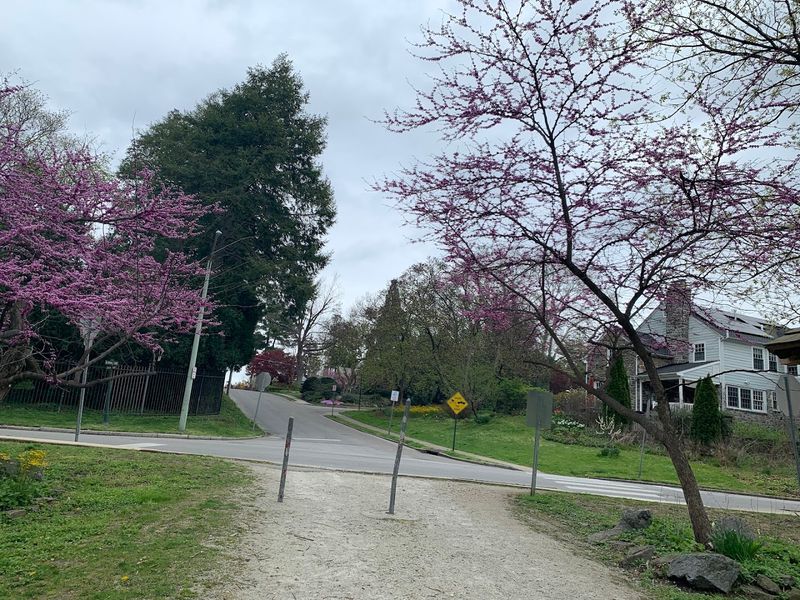
Merion Botanical Park does not exist in a historical vacuum. The neighborhood around it carries its own remarkable timeline, and the most striking example is the Merion Meeting House, a Quaker meeting house that dates back to 1695 and still stands within walking distance of the park entrance.
That kind of deep historical context changes the feeling of a visit. A walk through the park becomes part of a longer story about a community that has valued land, nature, and thoughtful stewardship for centuries.
The Main Line itself has a reputation built on old money and older trees, and Merion Station fits comfortably into that tradition.
The Barnes Foundation connection adds another layer of cultural texture. Laura Barnes, who co-founded the botanical park, was married to Albert C.
Barnes, whose extraordinary art collection now anchors one of Philadelphia’s most visited cultural institutions. Knowing that thread runs through this quiet park makes the whole place feel richer and more layered than its modest entrance sign suggests.
History has a way of making green spaces feel more rooted.
Why This Park Stays Off Most People’s Radar
There is something almost conspiratorial about how well-kept a secret this park has remained. With a 4.7-star rating across hundreds of reviews, the people who know about it clearly love it deeply.
One visitor even joked about not wanting to tell anyone else, which captures the feeling perfectly.
The park does not advertise aggressively, it has no gift shop, no social media push, and no flashy programming calendar designed to attract crowds. What it has instead is consistent quality, a genuinely peaceful atmosphere, and the kind of natural beauty that rewards repeat visits across different seasons.
That low-profile approach is both its charm and its greatest asset. On a Tuesday morning or a quiet Sunday, you can have whole stretches of trail entirely to yourself, which is a rare and genuinely valuable thing in the greater Philadelphia area.
The park’s rating, its history, and its volunteer-driven heart all suggest that the people who find it tend to return. Once you know it is there, it becomes the kind of place you start planning your week around.
Share this story