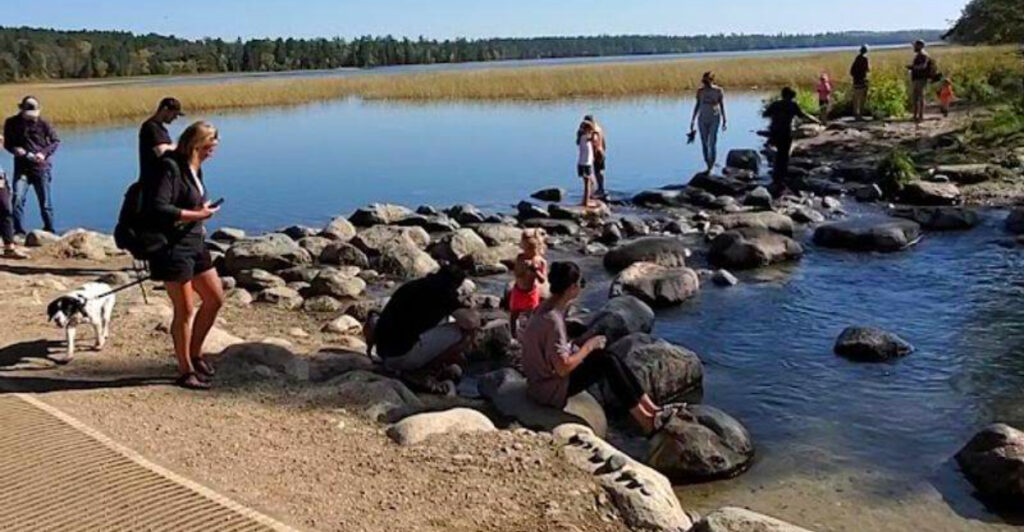
Most people picture the Mississippi River as a wide, powerful force rolling past Memphis or New Orleans. But the truth is, this legendary river starts out so small and quiet that you can literally walk across it on stepping stones without getting your knees wet.
The birthplace of one of America’s greatest rivers sits in a northern Minnesota state park that most residents have never visited. Once you learn what this park holds, it becomes impossible not to start planning a trip.
Where the Mighty Mississippi Takes Its First Steps
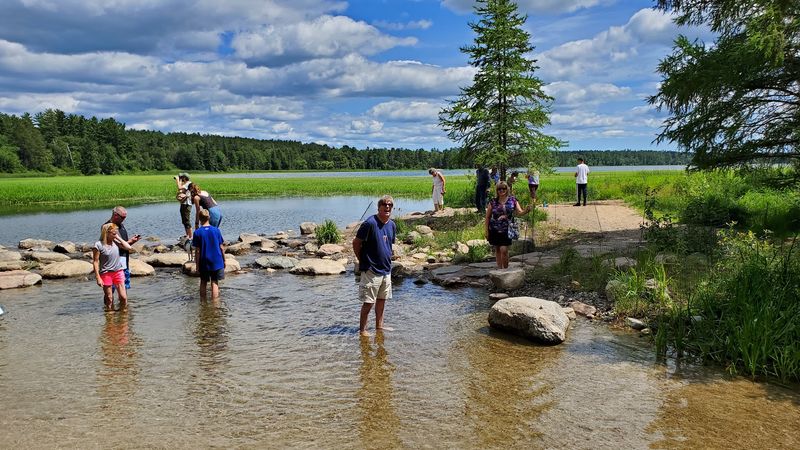
There is something almost unbelievable about standing at the Mississippi headwaters for the first time. The river that eventually stretches over 2,300 miles to the Gulf of Mexico begins here as a calm, knee-deep trickle flowing out of Lake Itasca.
You can walk across it on a row of smooth stones, and many visitors do exactly that.
The water is remarkably clear, and the current is gentle enough that children wade through without a second thought. It feels nothing like the roaring river most people associate with the name Mississippi.
A small wooden footbridge sits nearby for those who prefer to stay dry, but stepping stone to stone is the real draw. This spot at Itasca State Park, located at 36750 Main Park Drive, Park Rapids, Minnesota, is one of those rare places where a geographic fact becomes a genuinely moving experience.
A Park That Has Been Protecting Old-Growth Forest for Over a Century
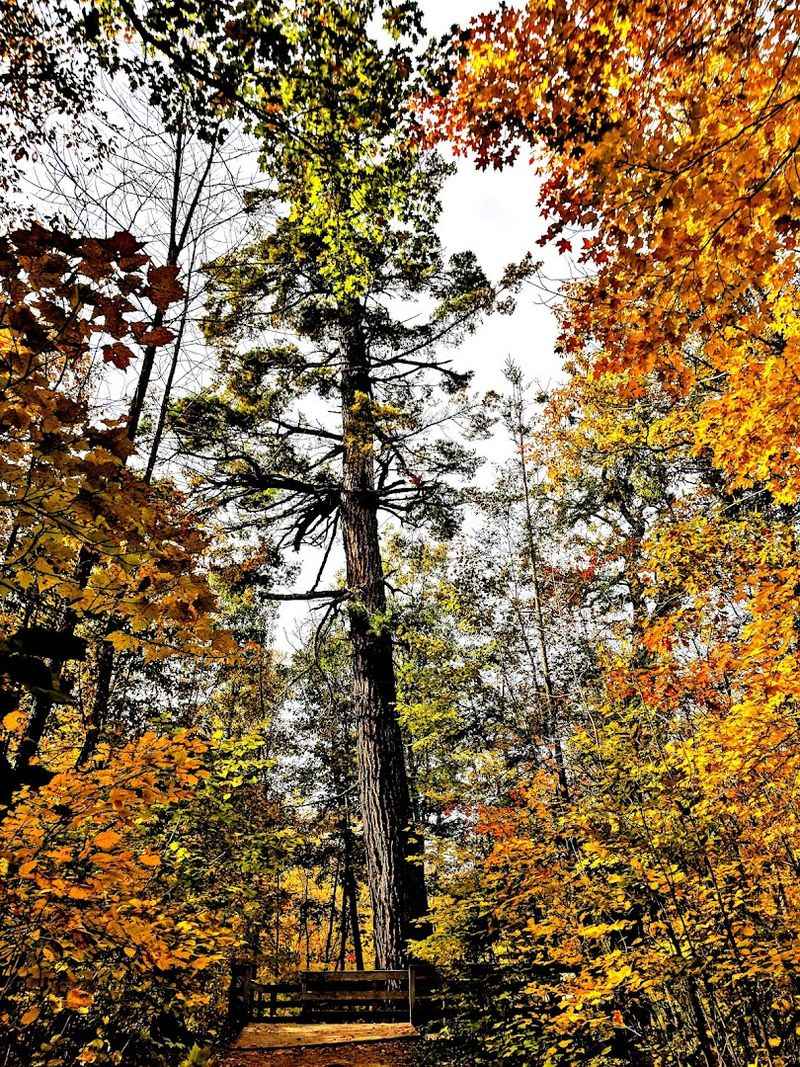
Itasca State Park was established in 1891, making it Minnesota’s oldest state park. That long history of protection means the park still contains stands of old-growth red and white pines that would otherwise have been logged long ago.
Some of these trees are over 300 years old, and walking among them feels genuinely humbling.
The trunks are massive, the canopy is thick, and the forest floor stays cool even on warm summer days. These are not the young, scrubby pines you see along Minnesota highways.
These are the real thing.
The park spans over 32,000 acres and contains more than 100 lakes scattered throughout its forests and wetlands. That sheer scale means most visitors only scratch the surface of what is actually here, no matter how many times they return.
The Fire Tower Climb That Rewards You With Treetop Views
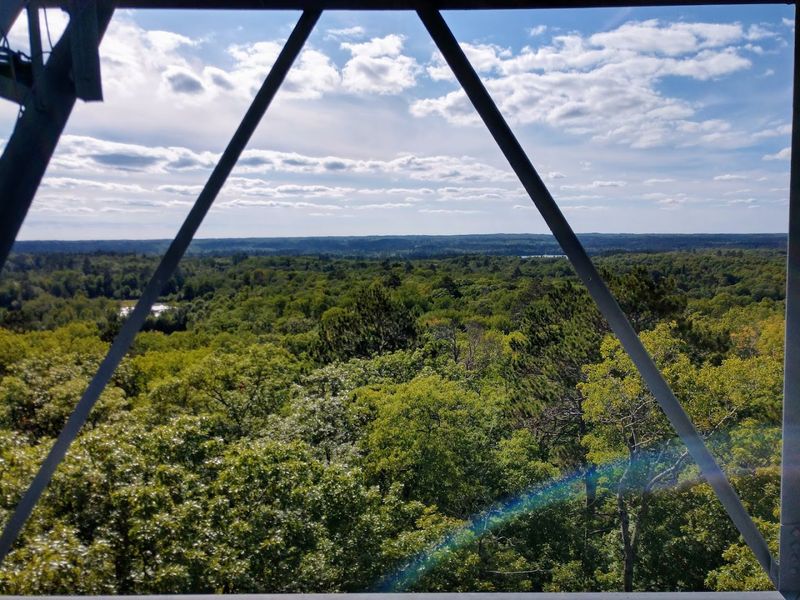
Not far from the headwaters stands a fire tower that offers one of the best views in northern Minnesota. The climb involves 135 steps, and the trail leading to it includes a fairly steep incline that will get your heart moving.
The reward at the top is a sweeping panorama of forest stretching in every direction, broken only by the glint of lakes below.
On a clear day, the view seems to go on forever. The treetops form an unbroken green sea, and the sense of scale hits differently from up there than it does on the ground.
Most visitors heading straight to the headwaters skip the tower entirely, which means the trail stays quieter than you might expect. That relative solitude makes the climb feel even more worthwhile.
Plan at least an extra hour if you want to add this to your visit.
Biking Through the Park on Paved Trails Built for All Skill Levels
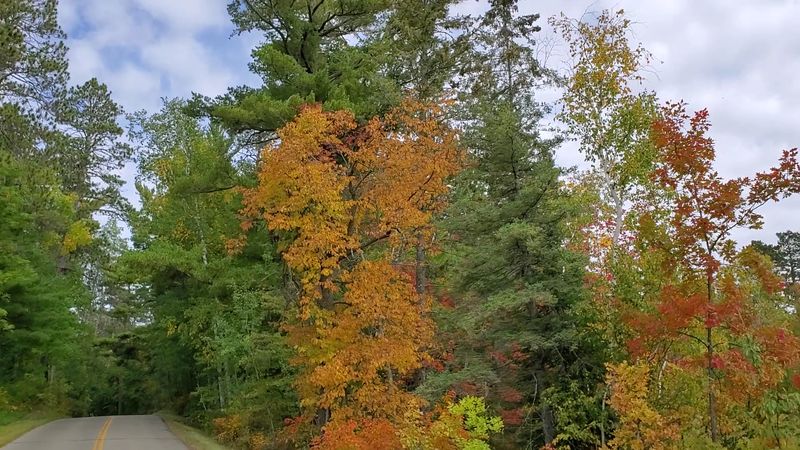
The park’s paved bike trail system is one of its most underrated features. Smooth, well-maintained paths wind through forests and along lakeshores, giving cyclists a way to cover ground that hikers would need hours to reach on foot.
The scenery changes constantly, which keeps the ride interesting from start to finish.
A rental shop inside the park means you do not need to haul your own bike from home. They have also offered tube replacements and basic repair help on-site, which takes a lot of stress out of longer rides.
The trails are accessible enough for casual riders and families with kids, but long enough to satisfy more serious cyclists who want a real workout. Combining a morning bike ride with an afternoon stop at the headwaters makes for a full day that feels genuinely satisfying rather than rushed.
Hiking Trails That Range From Easy Strolls to Wild and Remote Routes
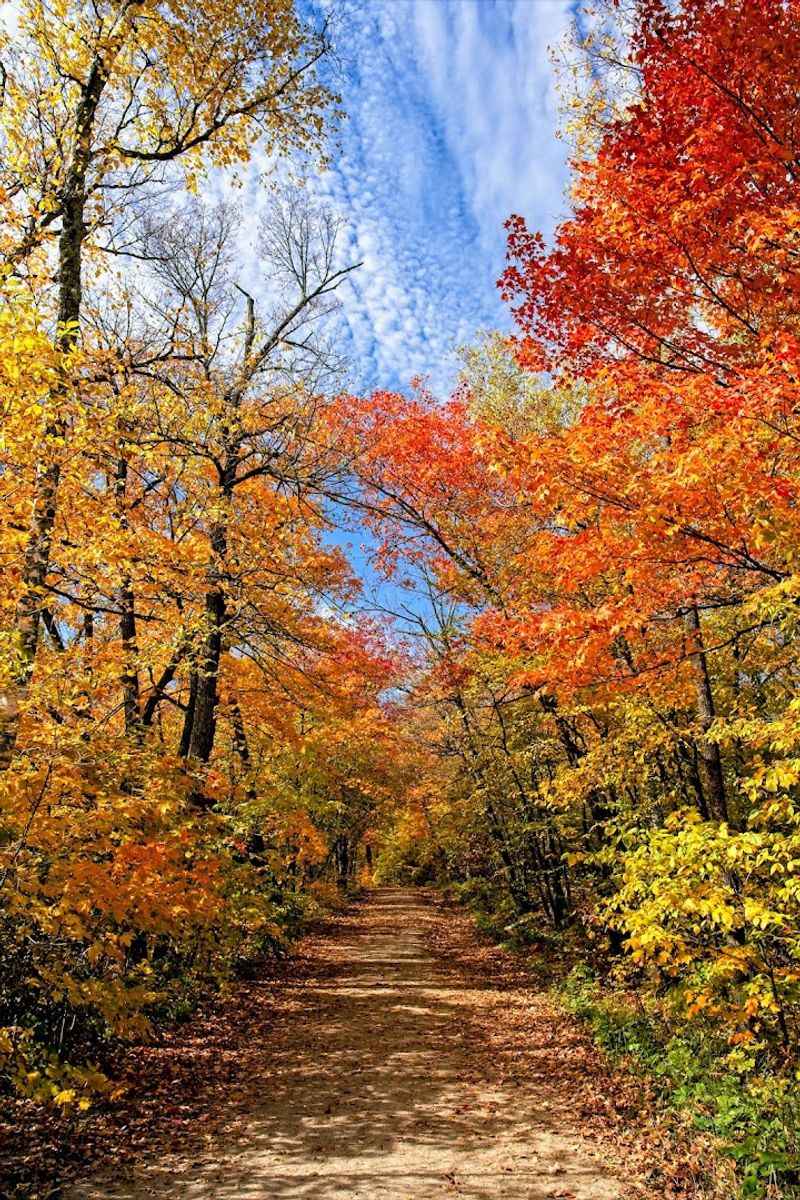
The trail system at Itasca covers a wide range of terrain and difficulty levels. Some paths are flat and well-marked, perfect for a relaxed walk with kids or older visitors.
Others, like the Ozawindib Trail connecting to the Deer Park Trail, involve genuine elevation changes, lake overlooks framed by towering pines, and sections that feel genuinely remote.
Late May brings wildflowers blooming along the quieter trails, while fall turns the whole park into something almost impossibly colorful. The Dr. Roberts Trail is a favorite for those who want to get away from the more trafficked areas, growing wilder and less crowded the farther you go past the old cabin.
No matter which trail you choose, the park is well-signed and easy to navigate. Getting lost is surprisingly difficult here, which lets you focus on actually enjoying the walk rather than worrying about where you are going.
The Wilderness Drive That Shows the Park From a Completely Different Angle
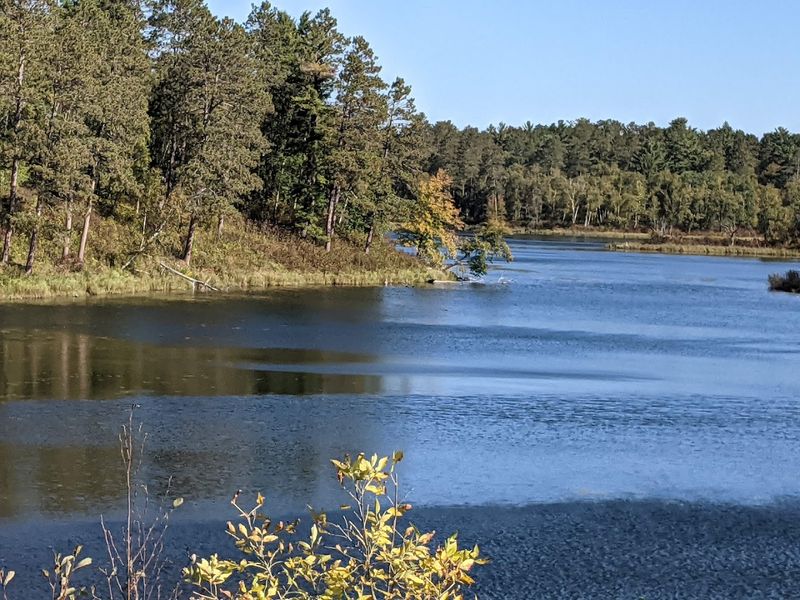
Not everyone visiting Itasca is up for a long hike, and the park’s one-way Wilderness Drive offers a genuinely beautiful alternative. This scenic road loops through some of the most remote and visually striking sections of the park, passing lakes, wetlands, and old-growth forest that most visitors on foot never reach.
Driving it slowly with the windows down, especially in fall when the colors are at their peak, is one of those experiences that stays with you. Wildlife sightings along this route are common, and the lack of traffic makes it feel more like a nature expedition than a car ride.
Many visitors recommend doing the headwaters walk first and saving the Wilderness Drive for the afternoon. The combination covers two completely different sides of the park and gives you a much fuller picture of just how vast and varied this place really is.
Camping Options That Range From Rustic Cabins to Full Campgrounds
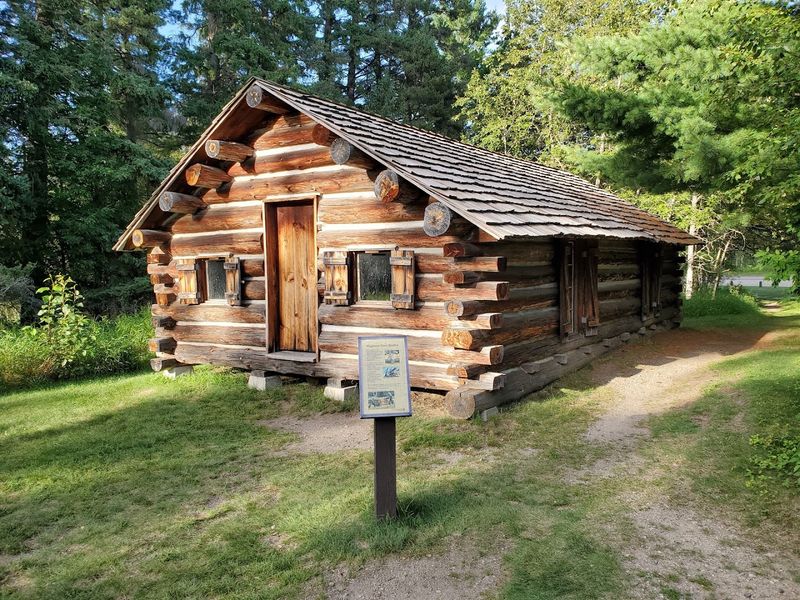
Spending just a few hours at Itasca feels like barely scratching the surface, which is why so many visitors choose to stay overnight. The park offers a range of camping options, from tent and RV sites in well-maintained campgrounds to rustic cabins equipped with basics like a futon, microwave, kitchen sink, and small refrigerator.
The campground facilities are consistently clean, and shower houses are known for solid water pressure, which is a detail that matters more than people admit after a long day on the trails. The grounds are spacious enough that sites feel private rather than crowded.
Five nights here would still leave plenty of trails unexplored and lakes unseen. The park is simply that large.
Those who camp here often say it changes how they think about the place entirely, turning a quick day trip into something that feels much more personal and memorable.
The Visitor Center That Goes Well Beyond a Simple Welcome Desk
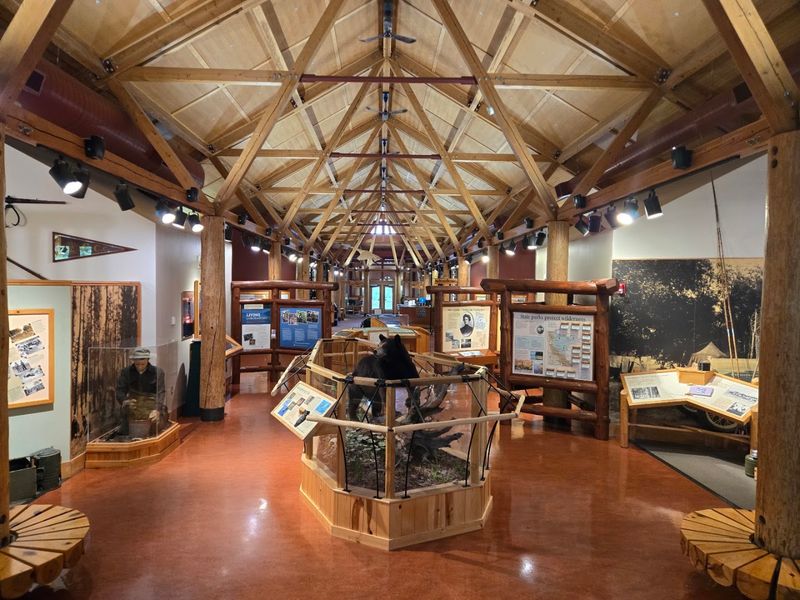
The visitor center at Itasca is noticeably grander than what you find at most state parks. The Mary Gibbs Mississippi Headwaters Center includes hands-on nature exhibits designed specifically for children, giving younger visitors something interactive to engage with beyond the trails and water.
Staff inside are genuinely knowledgeable and willing to help you map out your visit based on how much time you have and what interests you most. First-time visitors especially benefit from stopping here before heading out, since the park is large enough that a little planning goes a long way.
The headwaters themselves are only about 800 feet from the parking area near the center, making the walk accessible even for visitors with mobility limitations. Wheelchairs and strollers navigate the path without difficulty.
That short distance surprises a lot of people who expected a longer trek to reach such a famous geographic landmark.
Wildlife and Wetlands That Make Every Walk Feel Like a Discovery
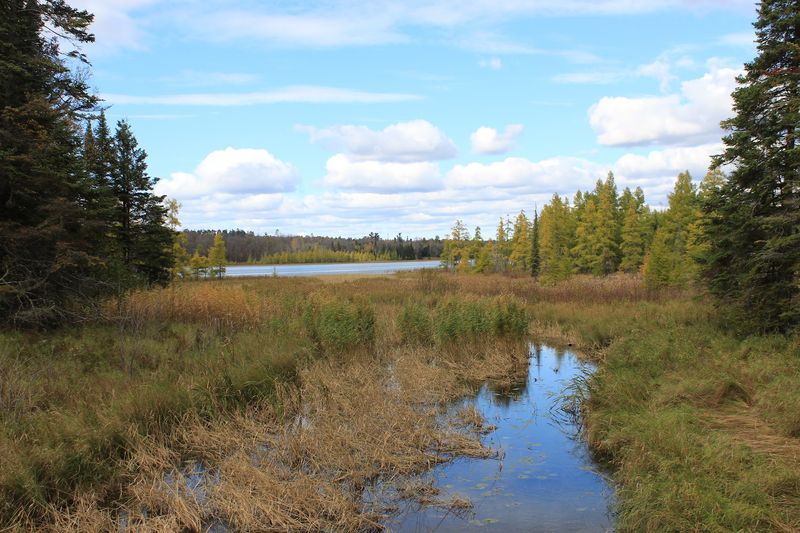
The park’s mix of forests, lakes, streams, and wetlands creates habitat for a wide variety of wildlife. White-tailed deer are commonly spotted near the campgrounds and along the quieter trails, particularly in the early morning and evening hours.
Loons call across the lakes at dusk in a sound that feels distinctly northern Minnesota.
Bird watchers find the park rewarding across multiple seasons, and the wetland areas draw species that are harder to spot in more heavily developed parts of the state. Even a short walk off the main path tends to turn up something worth pausing for.
The sheer number of lakes inside the park, over 100 in total, means aquatic wildlife is never far away. Fishing is also permitted throughout much of the park, adding another reason why so many families return year after year rather than treating Itasca as a one-time stop.
Practical Tips for Getting the Most Out of Your Visit
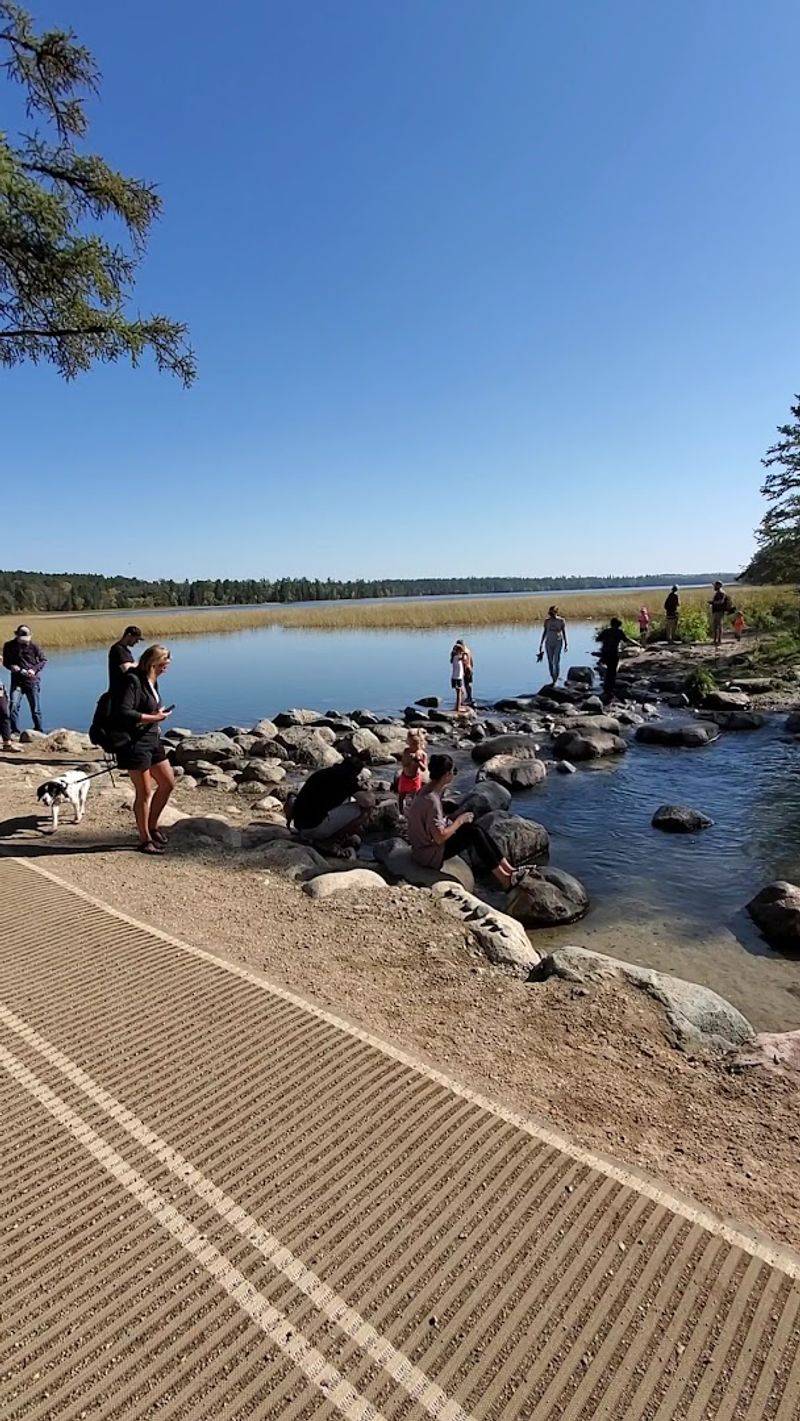
A few practical details can make a real difference on your visit. The headwaters area gets crowded quickly on summer weekends, so arriving between 8 and 10 in the morning gives you the best chance of crossing the stepping stones without waiting.
Weekday visits are noticeably quieter across the whole park.
The rocks at the headwaters can be slippery, so water shoes are a smart choice if you plan to wade across. Those who skip the shoes and go barefoot tend to have more fun anyway, but the footing requires attention.
Mosquitoes are a real presence in summer, so bring repellent and plan accordingly.
A cafe inside the park offers reasonably priced food, and the gift shop near the headwaters carries a solid selection of souvenirs. If you plan to hike in winter or early spring, traction cleats are worth bringing since some trails retain ice well into the season.
Share this story