There is a small city in northwestern Ohio where three major railroad mainlines cross each other in a tight triangle, and the result is one of the most action-packed rail viewing experiences in the entire country. Most people drive past Fostoria without a second thought, completely unaware that just off the highway, freight trains from CSX, Norfolk Southern, BNSF, Union Pacific, and Canadian Pacific roll through at a pace that can leave your jaw on the ground.
The park built around this railroad triangle is open every single day, around the clock, and it costs absolutely nothing to visit. Whether you are a lifelong rail enthusiast or just someone who gets a little thrill when a massive locomotive thunders past, this place will genuinely surprise you with how much raw, unfiltered train action it delivers in a single afternoon.
What Makes the Iron Triangle So Extraordinary
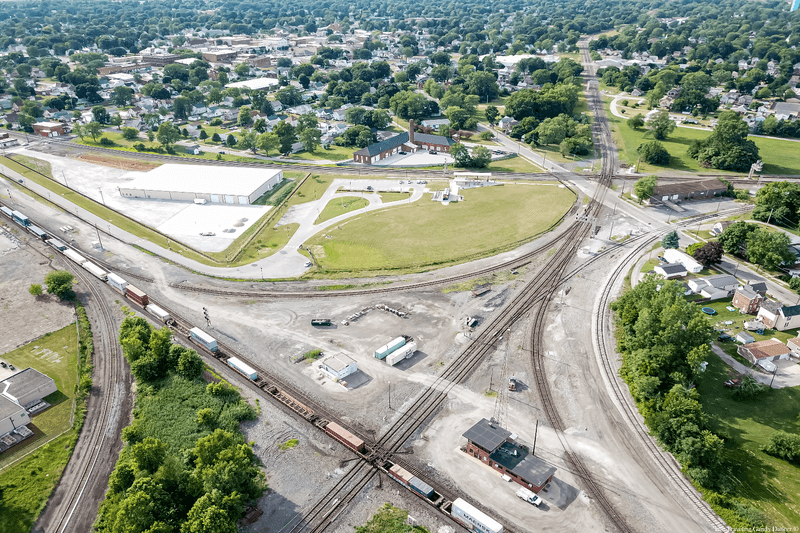
Few railroad intersections in North America can match what sits quietly in Fostoria, Ohio. The Fostoria Iron Triangle Railpark earns its dramatic name from the way three busy mainlines converge and cross each other, creating 13 diamond crossings packed into one compact area.
A railroad diamond is the X-shaped crossing point where two tracks meet at grade, meaning at the same ground level, with no bridges or tunnels separating them. Most cities lost their diamonds decades ago as railroads were rerouted or elevated.
Fostoria kept all 13 of theirs, and that makes this spot genuinely rare on a national scale. The triangle layout also includes a cloverleaf interchange that allows CSX trains to move in all four compass directions without reversing.
That kind of flexibility in a working rail network is something most rail fans only read about in history books.
Finding the Park: Address, Location, and How to Get There
The park sits at 499 S Poplar St, Fostoria, OH 44830, right in the heart of the city and easy to reach from US-23 or State Route 12. Fostoria is roughly an hour south of Toledo and about an hour and a half north of Columbus, making it a realistic day trip from a wide range of Ohio cities.
GPS will take you directly to the parking lot, which is spacious enough to handle buses and RVs, so you never have to stress about fitting your vehicle in. The surrounding neighborhood is quiet and residential, and the park itself feels clean, organized, and welcoming from the moment you pull in.
Once you are parked, the viewing areas are just a short walk from your car, and the tracks are close enough that you can feel the ground vibrate when a long freight train rolls through at speed.
The Railroad Lines You Will Actually See Here
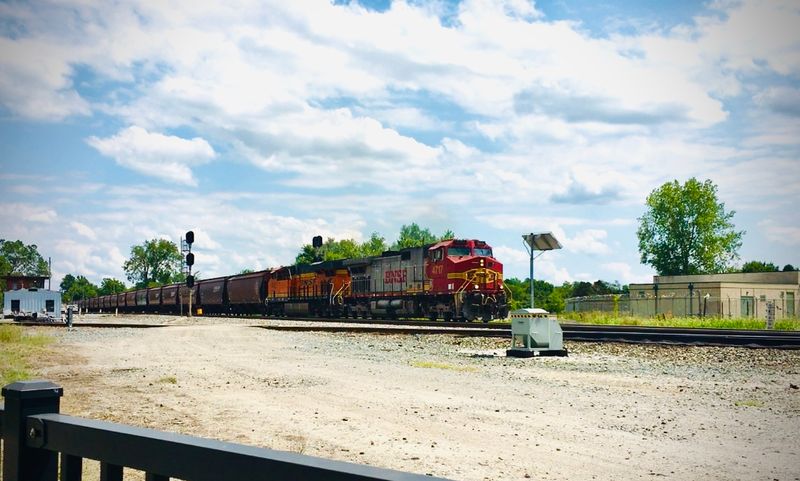
Three major railroad mainlines run through the Iron Triangle, and each one carries serious freight traffic on a daily basis. CSX operates two mainlines through the triangle, while Norfolk Southern runs the third, and together they generate a train frequency that can feel almost relentless on a busy day.
Beyond those two home railroads, you can also spot locomotives from Union Pacific, BNSF, Canadian Pacific, and other carriers that run on trackage rights through the area. Seeing four or five different railroad paint schemes in a single afternoon is genuinely common here.
One visitor spent five and a half hours at the park on a Tuesday evening and counted 24 freight trains passing through, which works out to more than four trains per hour on what most people would consider an average weeknight. That kind of traffic is simply not something you find at just any crossing.
The Pavilion, Seating, and Visitor Amenities
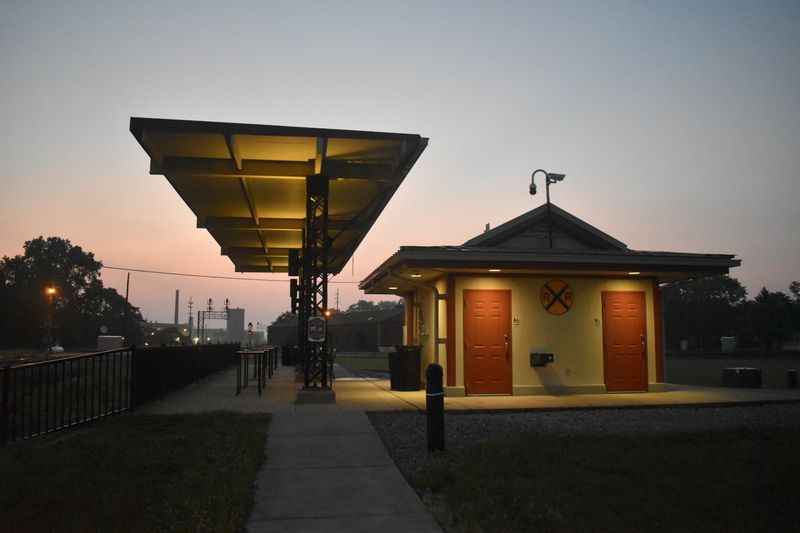
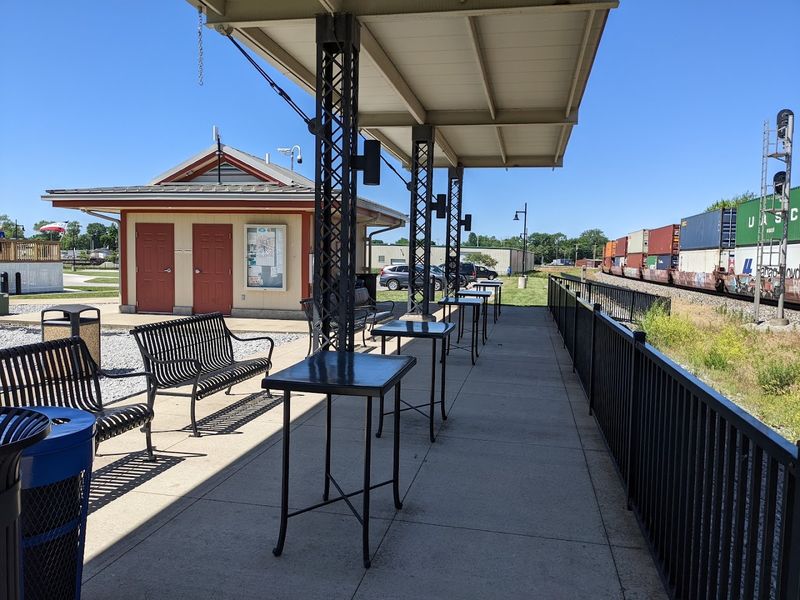
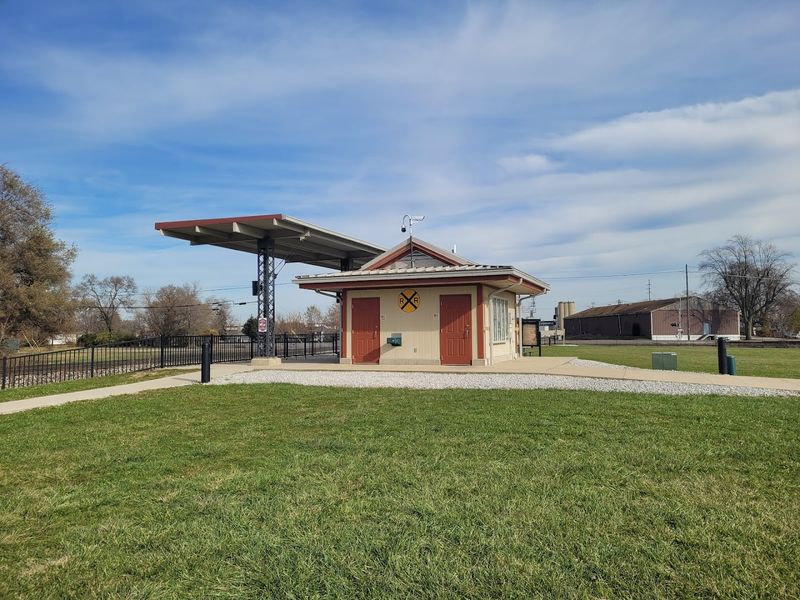
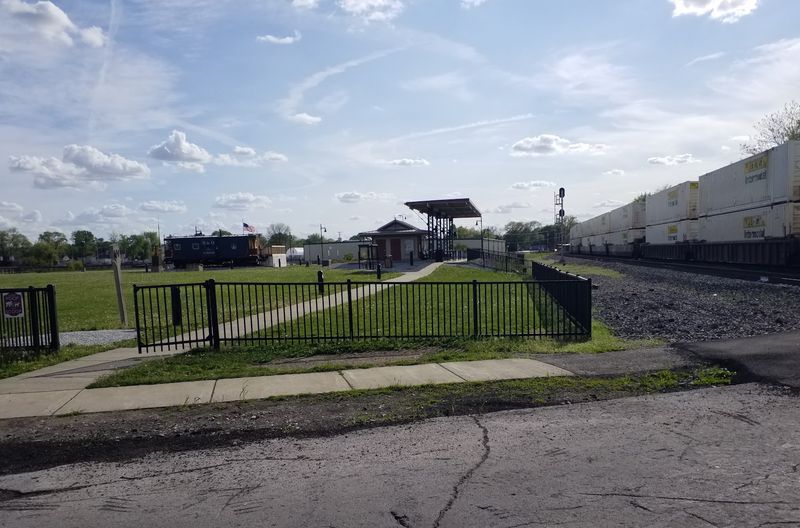
The city of Fostoria did not just slap a bench near the tracks and call it a day. The railpark features a proper covered pavilion with a canopy roof, seating with tables and benches, and a shaded area that makes summer afternoons genuinely comfortable even when the sun is blazing.
Clean, well-maintained restrooms are available on site, and vending machines provide snacks and drinks when hunger hits after your third or fourth hour of watching trains. Informational maps are displayed inside the pavilion, giving visitors a clear picture of how the track layout works and which lines connect where.
The park is open 24 hours a day, seven days a week, and there is no admission fee of any kind. After 8 p.m., restroom access requires a code that the local police department can provide, which is a practical detail worth knowing before a late-night visit.
The Radio Scanner That Changes Everything
One of the most underrated features of this park is the radio scanner mounted near the pavilion and broadcast through outdoor speakers so every visitor can hear it without needing their own equipment. The scanner is tuned to the railroad dispatch frequencies, which means you can hear train crews and dispatchers communicating in real time.
That audio feed gives you advance warning when a train is approaching, sometimes several minutes before it comes into view, because the transmissions travel faster than the locomotives do. Instead of staring at empty tracks and wondering when the next one will show up, you can relax in the shade and simply listen for the chatter that signals something big is on the way.
For photography enthusiasts especially, that extra warning time makes a real difference when it comes to positioning yourself for the best possible shot before the train rolls into frame.
The B&O Caboose and Its Photo Opportunities
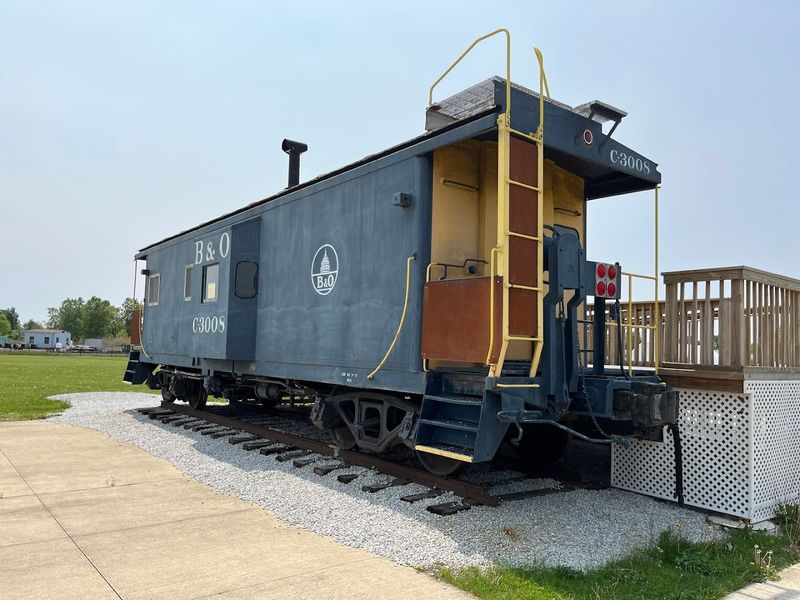
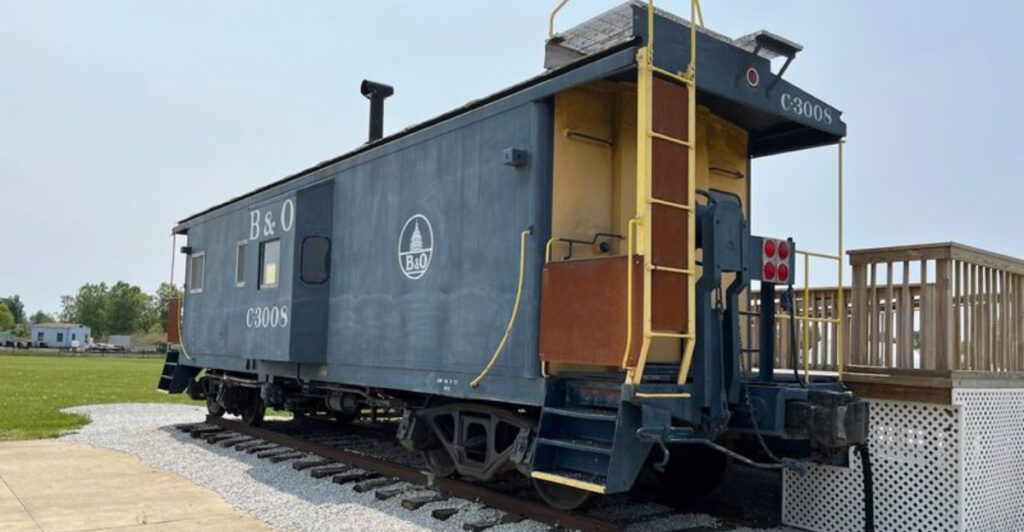
Parked permanently near the CSX mainline is a Baltimore and Ohio railroad caboose, a classic piece of American railroad history that adds a great visual element to the park even when no trains are actively passing through. The caboose serves as a backdrop for some genuinely striking photographs, especially when a modern freight locomotive passes behind it.
The contrast between the old caboose and a 21st-century locomotive tells the whole story of how railroading has changed over the decades without needing a single word of explanation. The caboose is occasionally open for tours, though availability varies depending on the day and season, so checking ahead is worth the effort if touring the interior is high on your list.
Even when the door is closed, the exterior alone is worth exploring, and most visitors end up spending more time photographing it than they expected to before a passing train pulls their attention back to the mainline.
How the Photography Works at This Location
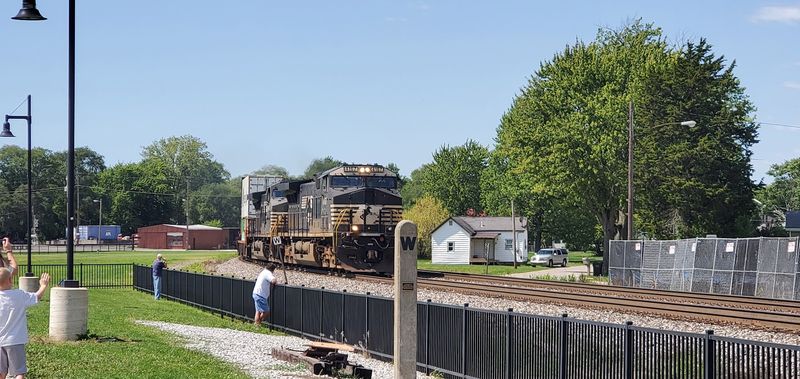
The park is laid out with photographers specifically in mind, offering multiple vantage points that cover different parts of the triangle from different angles. A low fence runs along the edge of the grassy area closest to the tracks, keeping visitors at a safe distance while still allowing completely unobstructed sightlines for cameras of any size.
The open grassy area is flat and spacious, so there is room to spread out, set up a tripod, or simply stand and pan with a passing train without bumping into other visitors. Trains on the Norfolk Southern mainline pass especially close to the fence line, which means the scale of a passing locomotive hits you in a way that no photograph fully prepares you for.
Morning light tends to work well for eastbound trains, while afternoon light favors the westbound traffic, so timing your visit around the sun can make a noticeable difference in your final shots.
What to Expect on a Typical Visit
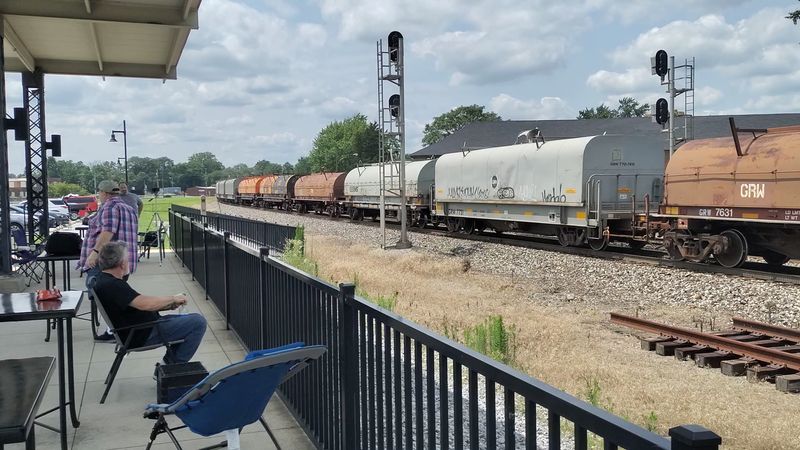
A realistic visit to the Iron Triangle usually runs somewhere between one and three hours, though plenty of people end up staying much longer once the trains start rolling and the scanner chatter picks up. Traffic levels do vary by day and time, and some visits produce a train every ten minutes while others require a bit more patience between sightings.
On a productive visit, seeing locomotives from three or four different railroads within a single hour is entirely achievable. Freight train lengths here are often impressive, with some trains stretching long enough that the front end has already cleared one diamond crossing before the rear cars have entered another.
Bringing a folding chair is a smart move if you plan to stay for several hours, since the covered pavilion fills up on busy weekend days when multiple groups of rail fans arrive at the same time from across the region.
Visiting in Different Seasons
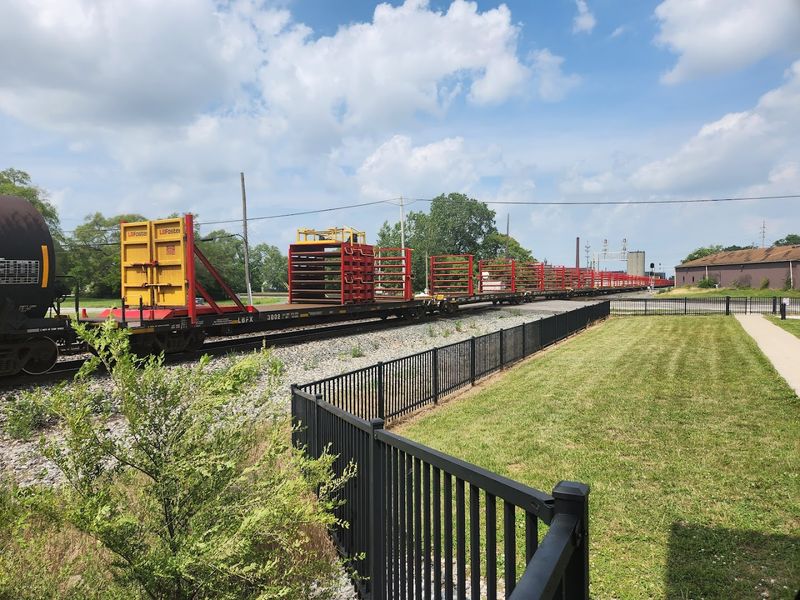
The park looks different depending on when you visit, and each season brings its own set of advantages and trade-offs. Summer is widely considered the best time to come, with long daylight hours, comfortable temperatures, and the full amenities of the pavilion making extended stays easy and enjoyable.
Fall brings lower light angles that can produce beautiful photography conditions, especially in the late afternoon when the golden hour hits the locomotives at just the right angle. Winter visits are absolutely possible since the park never closes, and the sight of a massive freight train pushing through a snowy Ohio landscape has its own dramatic appeal, though the cold does make long stays more of a commitment.
Spring can bring unpredictable weather but also some of the freshest light of the year, and the lower tourist numbers in the off-season mean you often have the best viewing spots entirely to yourself.
The Community of Rail Fans You Will Meet Here
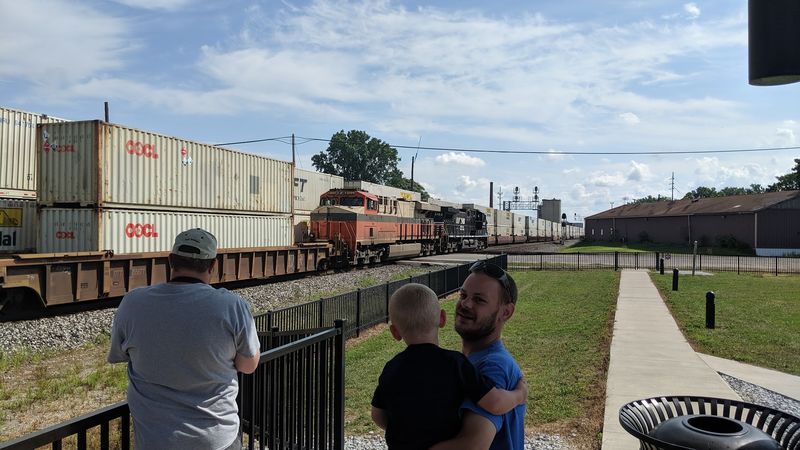
One of the quieter pleasures of visiting this park is the community of people you encounter there. On any given day, you are likely to share the viewing area with rail fans who have driven in from several states away, locals who stop by regularly after work, and families introducing their kids to the world of freight railroading for the very first time.
Conversations start easily here because everyone already has something in common, and the shared experience of watching a long train thunder through a diamond crossing tends to break the ice instantly. Experienced visitors often share tips about which direction to watch, which frequencies to monitor on the scanner, and what time of day tends to bring the heaviest traffic.
That informal exchange of knowledge makes the visit richer than it would be if you were just standing alone by the tracks, and it gives the park a genuinely social atmosphere that sets it apart from a simple roadside crossing.
Why This Place Deserves a Spot on Your Ohio Road Trip List
Ohio has no shortage of interesting roadside stops, but very few of them offer the kind of sustained, high-energy experience that this park delivers completely free of charge. The combination of constant train traffic, multiple railroad lines, a well-designed viewing area, and a welcoming atmosphere makes it stand out in a category of its own.
You do not need to be a dedicated rail fan to enjoy it, because the sheer size and speed of a modern freight locomotive passing just a few yards away is enough to hold almost anyone’s attention. Kids especially tend to go wide-eyed the first time a horn blasts and the ground starts to shake beneath their feet.
If your Ohio road trip itinerary has any flexibility at all, building in a stop at Fostoria Iron Triangle Railpark is the kind of decision you will not second-guess, especially once that first train comes rolling through the triangle right on cue.
Share this story