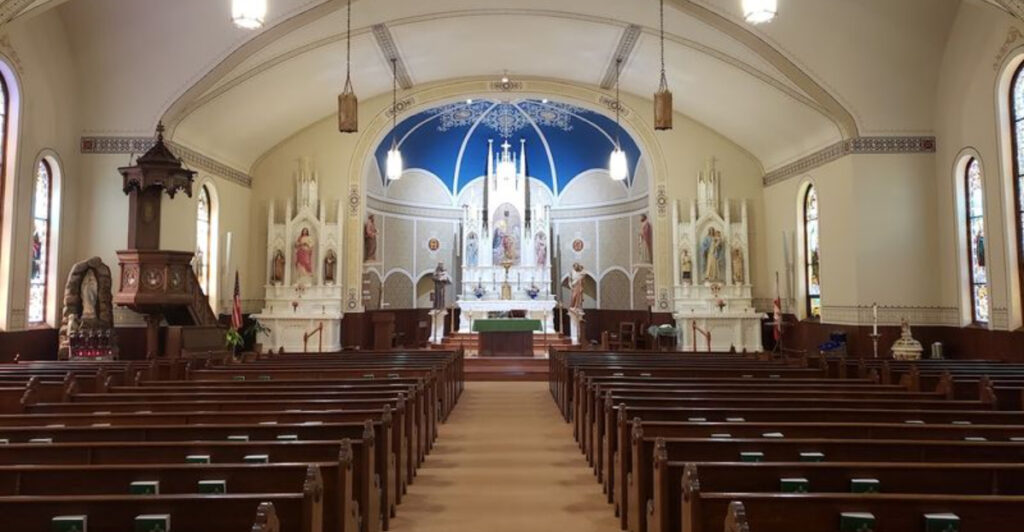
There is a church sitting quietly on the southwestern Minnesota prairie that most people pass without a second glance. From the road, it looks like a modest small-town building surrounded by flat fields and open sky.
But the moment you walk through the front doors, you realize you have stumbled onto something far more remarkable than the exterior ever hints at. The beauty, history, and community spirit packed inside this little church are genuinely worth the detour.
A Prairie Exterior That Hides Everything
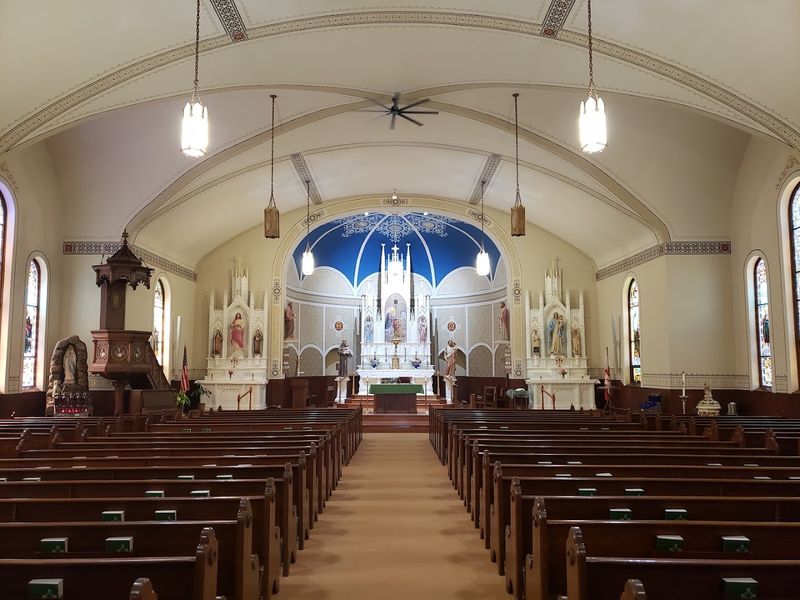
You could drive down Kowno Street a hundred times and barely notice it. St John Cantius Church at 3069 Kowno St, Ivanhoe, MN 56142, sits on the southwestern Minnesota prairie with the kind of quiet confidence that does not need to shout for attention.
The building blends into the flat, wide-open landscape so naturally that it almost seems like part of the earth itself. There are no towering spires visible from miles away, no grand plaza out front pulling traffic in from the highway.
What you get instead is something more honest. A modest exterior that gives absolutely no warning about what waits inside.
That contrast between outside and inside is exactly what makes first-time visitors stop mid-step the moment they cross the threshold. The prairie keeps its secrets well, and this church is one of its best.
The Interior That Stops Visitors Cold
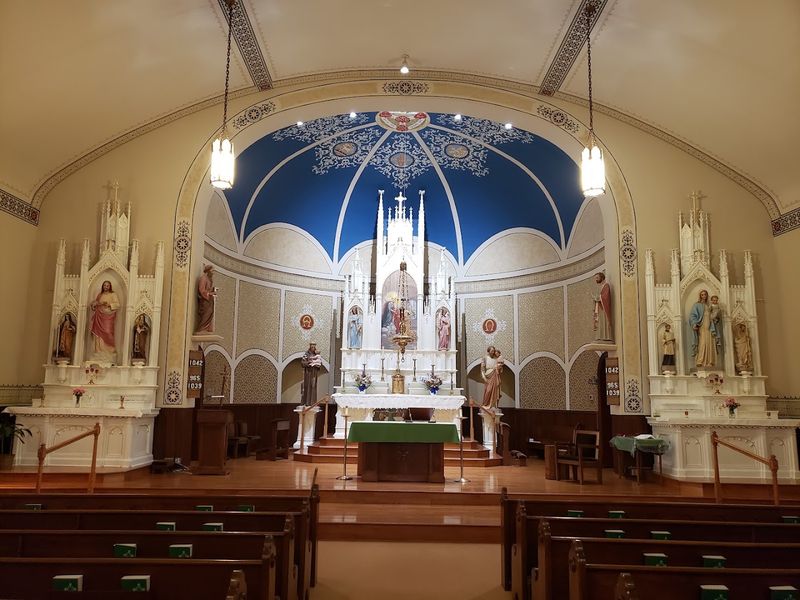
Nothing about the outside prepares you for what is inside. The moment the door swings open, the interior opens up in a way that feels completely out of proportion with the small-town setting surrounding it.
Richly detailed architectural elements, carefully maintained woodwork, and an altar that commands the entire space greet you immediately. The craftsmanship on display reflects the deep pride the community has always taken in this place.
Light filters through the windows in a way that shifts the mood of the whole room depending on the time of day. Morning visits feel different from afternoon ones, and that quality of changing light keeps the space feeling alive rather than frozen in time.
Many visitors say they stood still for a full minute before they could bring themselves to move further inside. That kind of reaction is hard to manufacture and impossible to fake.
The Story Behind the Name
The church bears the name of Saint John Cantius, a Polish-born priest and scholar who lived in the 15th century and became known for his deep compassion and commitment to learning. Naming a rural Minnesota church after him was no accident.
The Polish immigrant communities who settled southwestern Minnesota in the late 1800s and early 1900s brought their faith and their cultural identity with them. Choosing a patron saint with deep roots in Polish Catholic tradition was a way of anchoring their new lives in the values they carried from the old country.
That connection between heritage and faith runs through everything about this church, from its architecture to its community celebrations. When you understand who Saint John Cantius was, the spirit of the congregation starts to make a lot more sense.
The name alone carries centuries of meaning that still echoes here today.
Roots in the Immigrant Prairie Communities
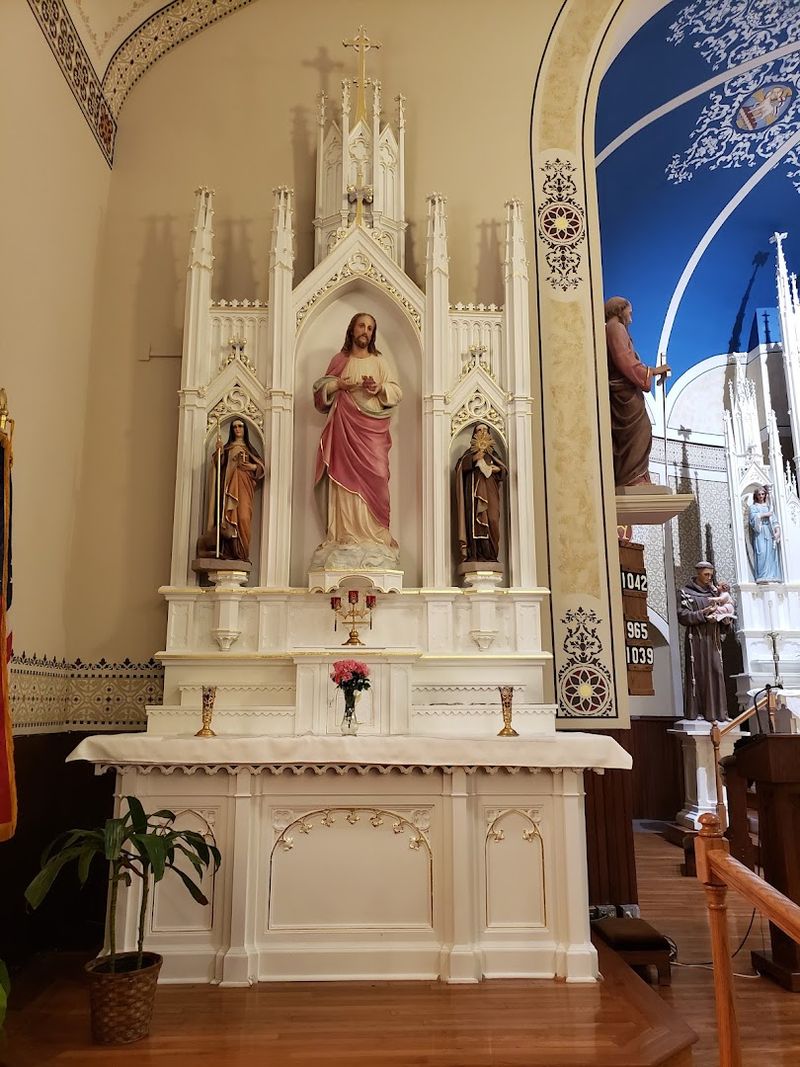
Ivanhoe sits in Lincoln County, a part of Minnesota shaped heavily by waves of European immigrants who came looking for farmland and a fresh start. Polish families were among those who put down roots here, and their Catholic faith became the social and spiritual center of daily life.
Building a church was not just a religious act for these communities. It was a statement of permanence.
It said we are here, we are staying, and we are building something that will outlast us.
St John Cantius stands as a direct result of that determination. The effort required to construct and maintain a church of this quality in a small rural town speaks volumes about what this congregation was willing to sacrifice and invest.
Understanding that immigrant story changes the way you look at every detail inside the building. Each element reflects a community that refused to settle for less than their best.
The Stained Glass Windows Worth Studying Slowly
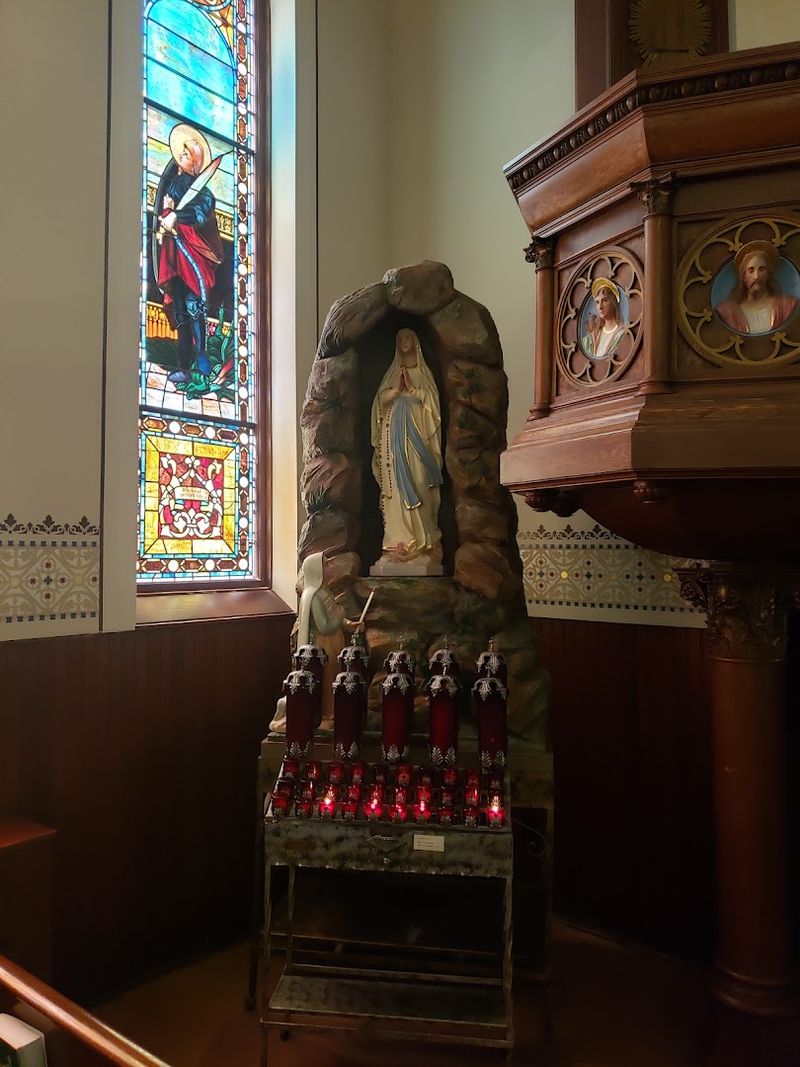
Most people glance at church windows and move on. At St John Cantius, that would be a genuine mistake.
The stained glass here rewards slow, careful attention in a way that casual glances simply cannot capture.
Each window tells a story, and the colors shift dramatically depending on the angle and time of day. Early afternoon light turns the interior into something that feels almost theatrical, with pools of color moving across the floor and pews as the sun changes position.
The craftsmanship reflects a tradition of religious art that took these images seriously as teaching tools, not just decoration. Scenes are rendered with enough detail that you can read the narrative unfolding in each panel if you take the time to look.
Visitors who spend twenty minutes just studying the windows often say it was the most memorable part of their visit. That kind of detail does not happen by accident.
The Altar and Its Commanding Presence
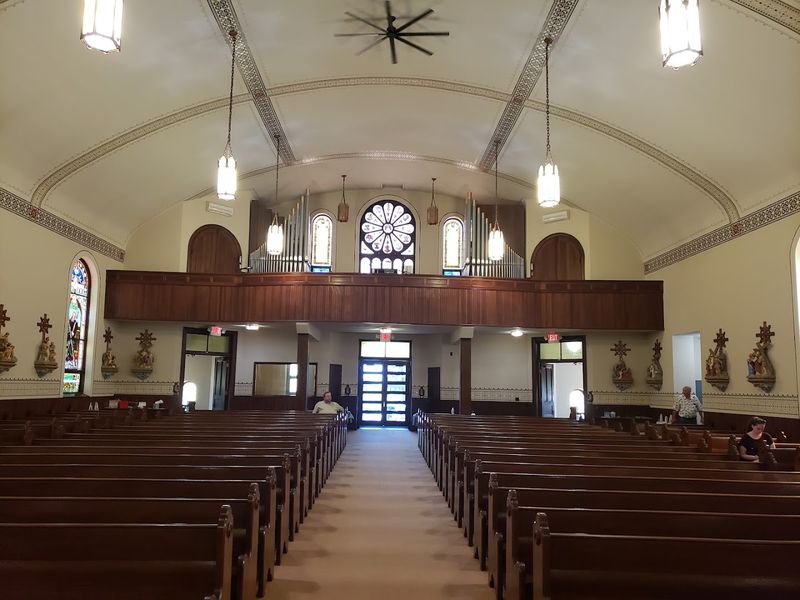
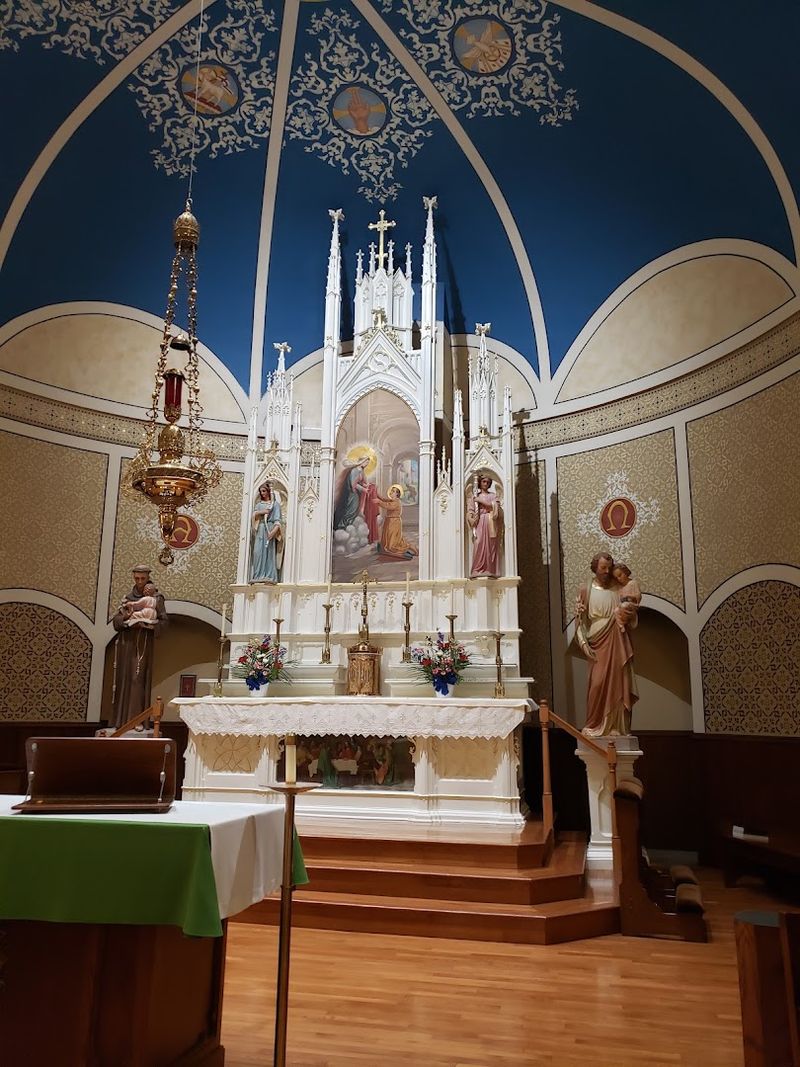
There is something immediately arresting about the altar at St John Cantius. It anchors the entire room with a presence that feels larger than the building itself, which is a remarkable achievement for a church of this size.
The woodwork and detailing reflect craftsmanship that was clearly executed with enormous care. Every carved element feels intentional rather than decorative, as though the builders understood that this was the focal point everything else in the room would serve.
Standing in the nave and looking toward the altar, you get a strong sense of how the space was designed to draw the eye and the spirit forward simultaneously. The geometry of the room works with the altar rather than around it.
For visitors who appreciate religious art and traditional church design, this altar alone justifies the trip. It belongs in the same conversation as altars found in far more famous churches in much larger cities.
The Fourth of July Tradition That Brings Everyone Together
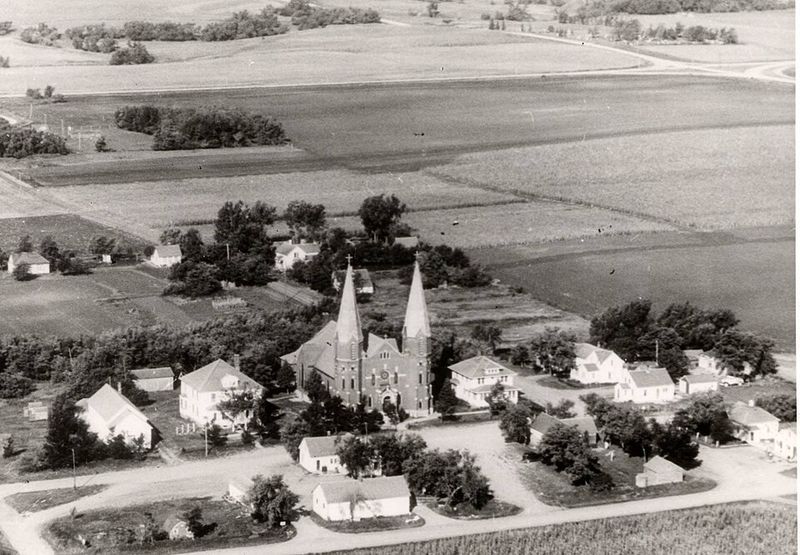
One of the most charming things about St John Cantius is that it has never been just a Sunday morning destination. The church has a long tradition of hosting a Fourth of July celebration that draws the wider community together in a way that few events in small-town Minnesota still manage to do.
These kinds of parish celebrations are becoming rarer, which makes the ones that survive feel even more meaningful. There is something genuinely warm about a community that marks national holidays together on church grounds, mixing faith, food, and neighborly connection in equal measure.
For families who grew up attending this celebration, it carries the kind of nostalgic weight that no amount of bigger-city fireworks can replace. The scale is intimate, the faces are familiar, and the sense of belonging is real.
Events like this are exactly why small rural parishes like St John Cantius continue to matter far beyond their Sunday morning attendance numbers.
Lincoln County and the Small Towns Worth Exploring Nearby
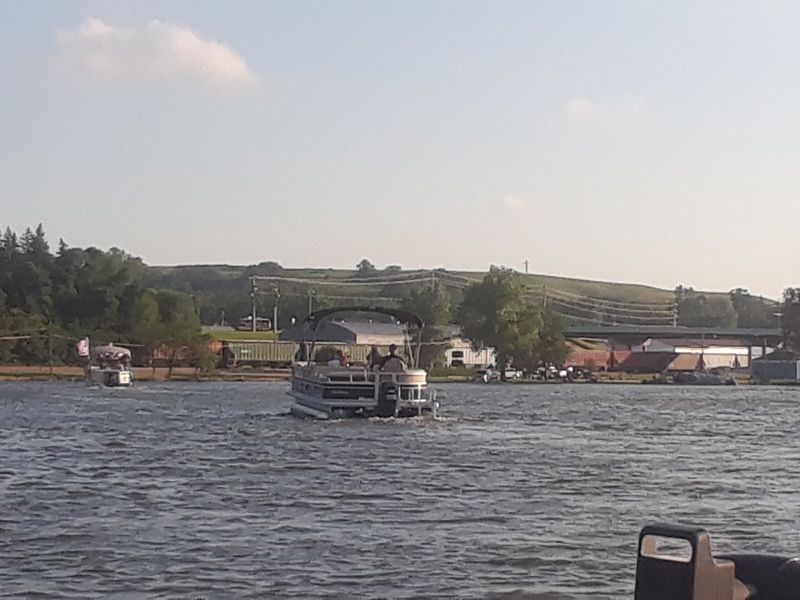
Ivanhoe is the county seat of Lincoln County, and the surrounding area has more to offer curious visitors than a single afternoon can cover. The region carries the kind of unhurried pace that makes it easy to slow down and actually pay attention to where you are.
Small towns in this part of Minnesota have their own distinct character, shaped by the same immigrant heritage that gave St John Cantius its identity. Stopping in local shops, talking to residents, and spending time in the county gives context to everything the church represents.
Lincoln County sits near the South Dakota border, which means the landscape shifts gradually as you travel west, adding visual variety to any road trip through the area.
For travelers who enjoy getting off major highways and discovering places that have not been commercialized, this corner of Minnesota offers exactly that kind of quiet, genuine experience that is increasingly hard to find.
Planning Your Visit to Ivanhoe
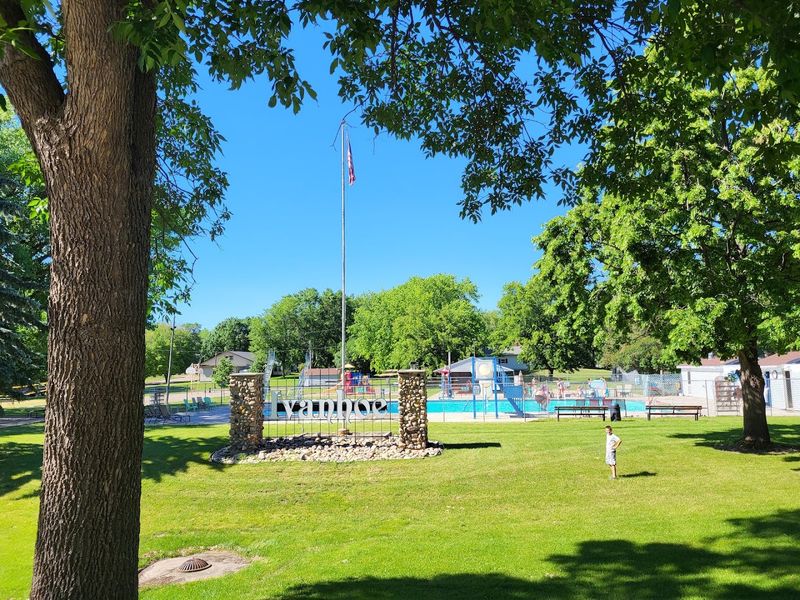
Getting to Ivanhoe requires a genuine commitment to the drive, but that is also part of the appeal. The town sits in the far southwestern corner of Minnesota, making it a natural stop for anyone traveling between the Twin Cities and the Badlands or Black Hills region.
The church is located at 3069 Kowno St, and the address is easy to follow with standard navigation apps. Arriving on a weekday morning tends to offer the quietest experience, with the best natural light for appreciating the interior details.
Checking the parish schedule before visiting is worth the effort, since Mass times and community events vary. The church is affiliated with the Christ the King Area Faith Community, and their website provides current schedule information.
Bringing a camera is strongly recommended. The combination of interior light, stained glass, and surrounding prairie creates photographic opportunities that are genuinely difficult to find anywhere else in this part of the state.
Share this story