There is an artist whose work rivals the most celebrated names in American art history, yet most people have never heard his name. Walter Anderson painted, carved, sculpted, and paddled his way through a life so extraordinary that it reads more like a novel than a biography.
His museum sits quietly in a small Mississippi coastal town, waiting for curious visitors to discover what the art world has long considered a national treasure. Keep reading to find out why this place deserves a spot on every traveler’s list.
The Man Behind the Museum: Who Was Walter Anderson
Walter Inglis Anderson was born in 1903 in New Orleans, Louisiana, and grew up to become one of the most original artistic voices America has ever produced. He studied at the Pennsylvania Academy of Fine Arts and later in Paris, absorbing classical techniques before developing a style entirely his own. His work drew deeply from the natural world, especially the Gulf Coast landscape he called home.
Anderson was not a typical gallery artist. He rowed alone to Horn Island, a barrier island off the Mississippi coast, camping for weeks at a time to sketch and paint wildlife with obsessive devotion.
His connection to nature was not casual inspiration but a consuming passion that shaped every brushstroke.
He worked across an impressive range of mediums, including watercolor, oil, ceramics, and wood carving. His output was staggering in volume and variety, much of it discovered only after his passing in 1965.
Finding the Museum: A Washington Avenue Address Worth Knowing
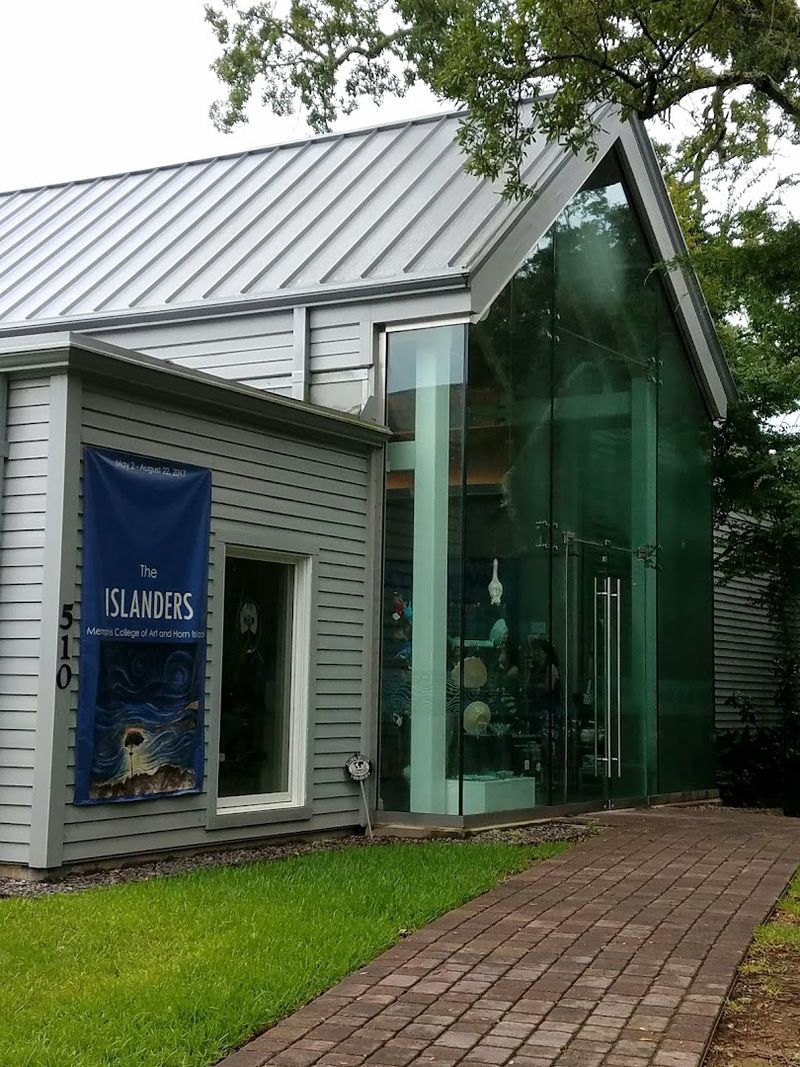
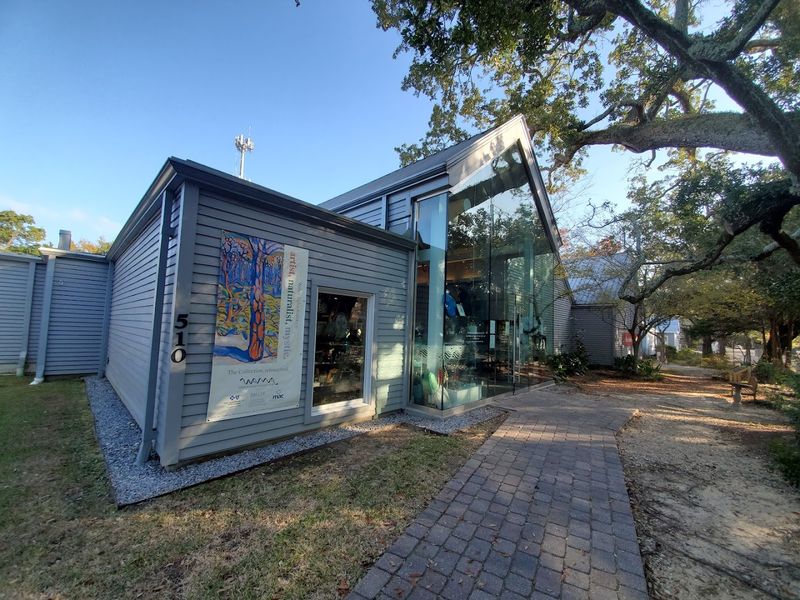
The Walter Anderson Museum of Art sits at 510 Washington Ave, Ocean Springs, Mississippi 39564, right in the heart of a walkable downtown area that surprises most first-time visitors with its character. Ocean Springs is a small city on the Gulf Coast, part of Jackson County, and the museum anchors a stretch of Washington Avenue lined with independent shops and cafes.
Getting there is straightforward whether you are coming from Biloxi, just across the bay, or driving in from farther along the Gulf Coast. Parking is available on-site, which takes away at least one logistical headache.
The building itself is modest from the outside, which makes what waits inside all the more unexpected.
The museum is open Tuesday through Saturday from 11 AM to 5 PM, Monday from 11 AM to 5 PM, and Sunday from 1 to 5 PM. You can reach them at +1 228-872-3164 or visit walterandersonmuseum.org.
The Little Room That Changes Everything
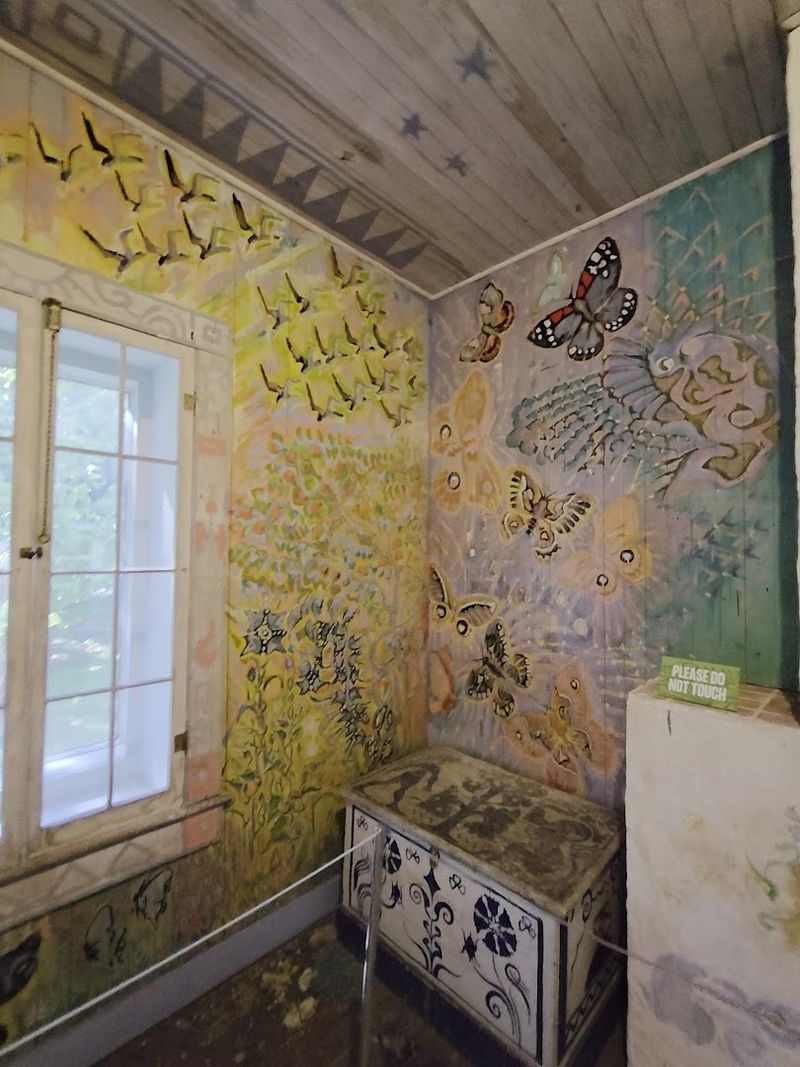
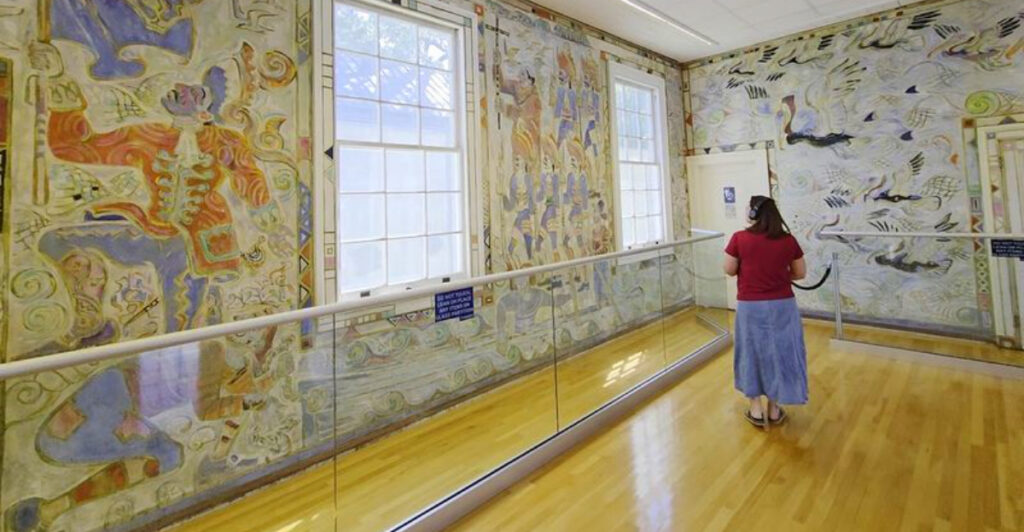
Nothing quite prepares you for the little room. Tucked inside the museum is a tiny chamber that Walter Anderson secretly painted from floor to ceiling, covering every wall and the ceiling itself with a riot of color and life. He painted it for himself, not for an audience, which makes the experience of standing inside it feel almost like trespassing on a private world.
The imagery wraps around you completely. Birds, fish, plants, and coastal creatures fill every inch of space in Anderson’s signature bold, flat style.
The colors are intense without being garish, and the compositions are so layered that you keep finding new details no matter how long you look.
This room alone justifies the trip. Many visitors describe it as the single most moving art experience they have had in any American museum, and after spending time inside it, that reaction makes complete sense.
The Community Center Mural That Took a Lifetime to Understand
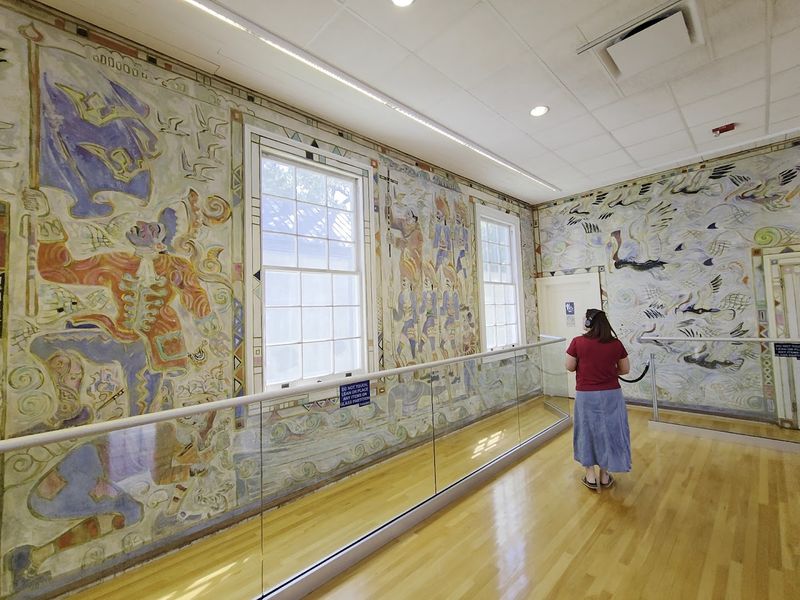
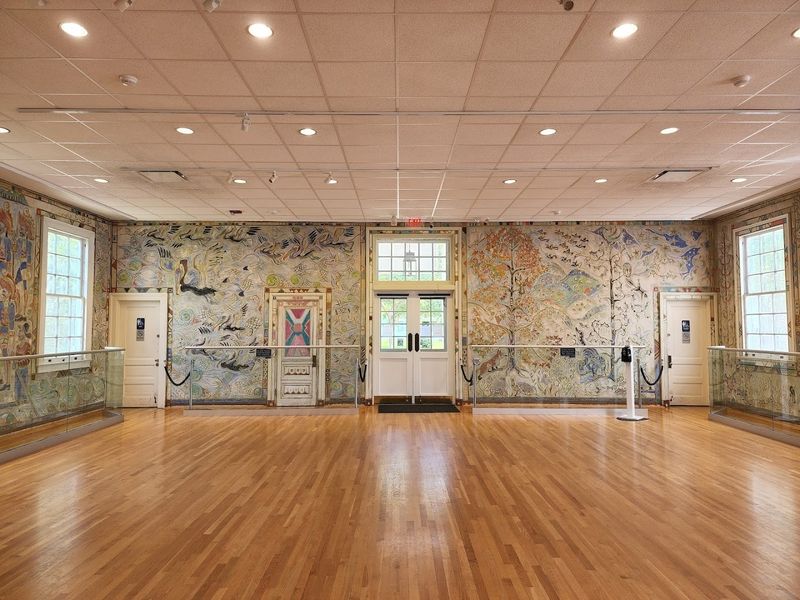
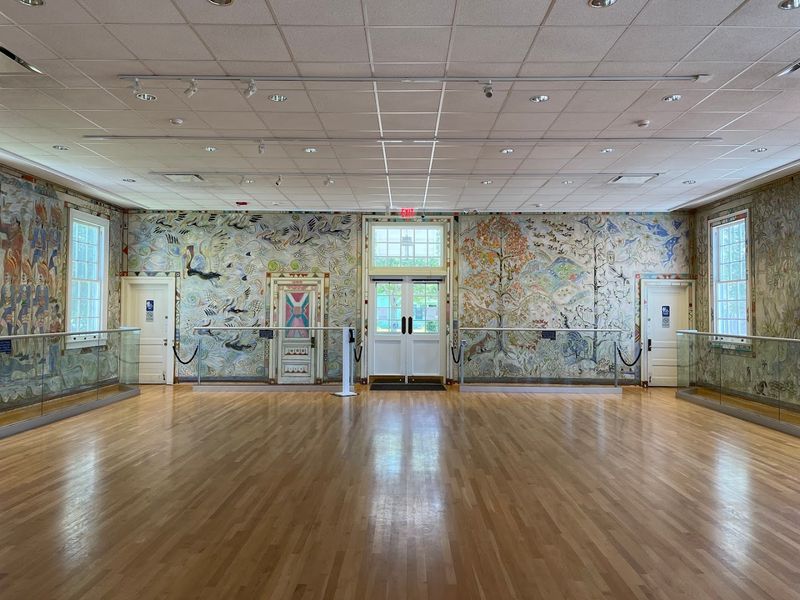
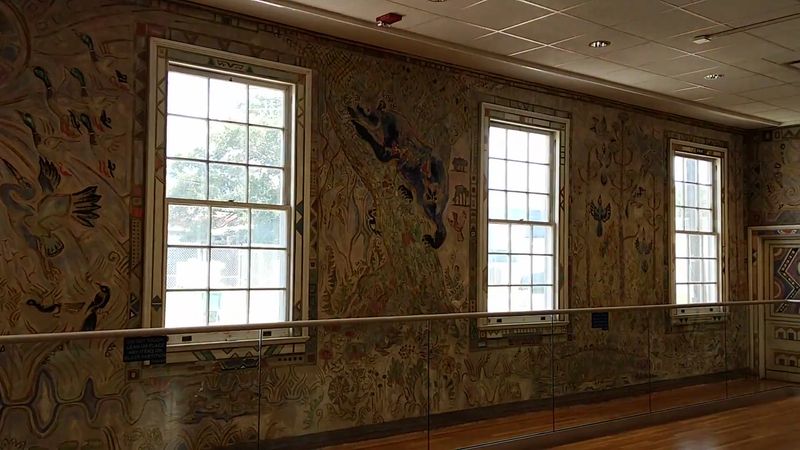
Connected to the museum is the Ocean Springs Community Center, which houses one of Anderson’s most ambitious works. He painted a sweeping mural across its walls depicting the natural and human life of the Mississippi Gulf Coast. The scale is enormous, and the detail is relentless.
Anderson completed this mural as a gift to his community, and for years many residents walked past it without fully grasping its significance. Time and wider recognition of his genius have shifted that perspective considerably.
Standing in that room now, knowing the story behind it, adds layers of meaning to every painted figure and creature on those walls.
Families with children tend to spend a long time here. The mural rewards slow looking, and younger visitors often spot animals and scenes that adults walk right past.
It functions less like a decoration and more like a visual encyclopedia of a place Anderson loved without reservation.
Pottery, Ceramics, and the Anderson Family Legacy
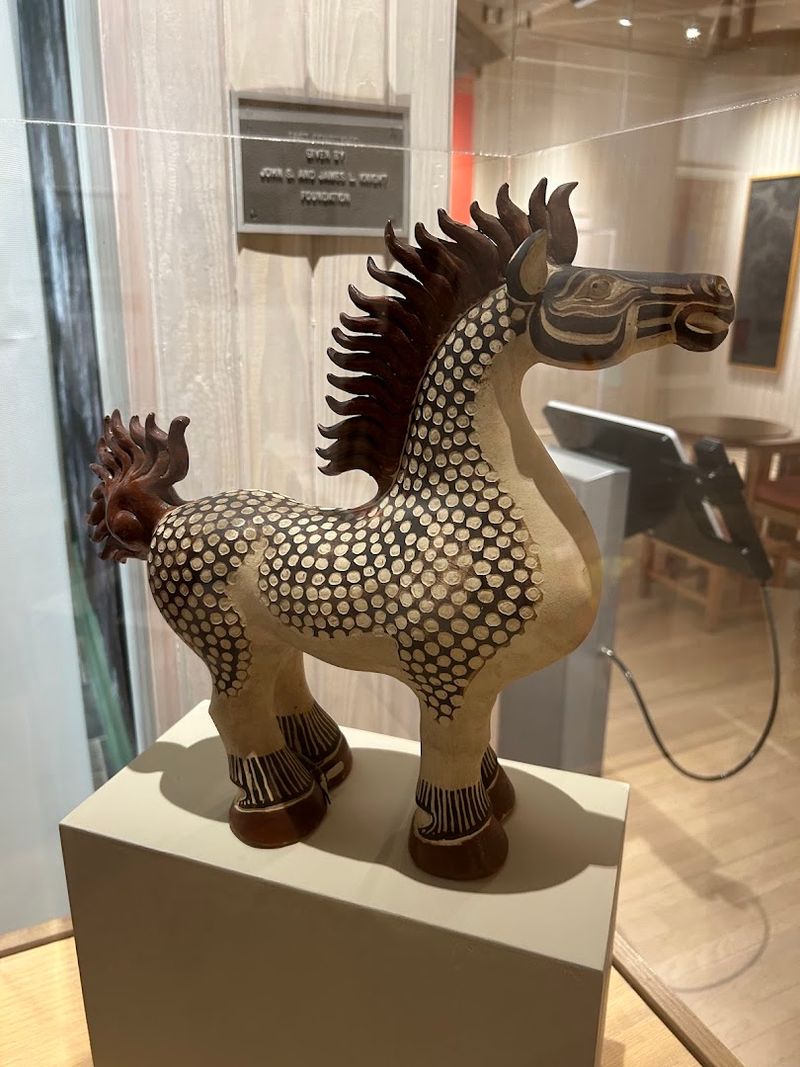
Walter Anderson did not work in isolation from his family. His brothers James and Peter were also artists, and together the Anderson family founded Shearwater Pottery in Ocean Springs, a studio that became its own significant piece of American craft history. The museum celebrates this broader family legacy alongside Walter’s individual work.
Ceramic pieces from Shearwater are displayed throughout the museum, showing a range of styles and periods that span generations of the Anderson family’s creative output. The pottery carries the same affection for coastal wildlife and natural forms that runs through all of Walter’s work, but in a tactile, three-dimensional form that feels distinct from his paintings and drawings.
Many visitors arrive focused on the paintings and leave equally captivated by the ceramics. The family story adds emotional depth to the collection, turning what could feel like a solo exhibition into something richer and more layered than most small museums manage to achieve.
Horn Island and the Obsession That Defined His Art
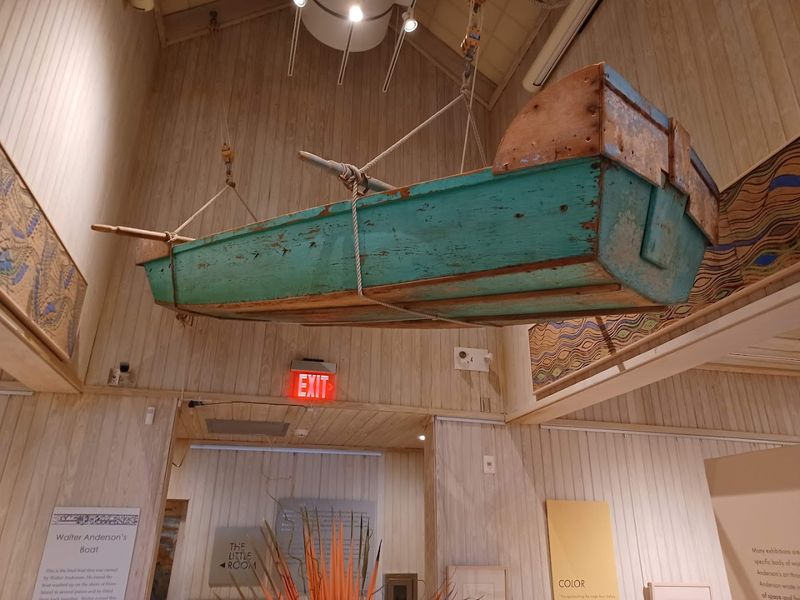
Horn Island, a barrier island off the Mississippi Gulf Coast, was Walter Anderson’s spiritual home. He paddled there alone in a small boat, sometimes in dangerous weather, and camped for extended periods with minimal supplies. His only companions were the birds, reptiles, insects, and plants that populate those remote barrier islands.
The sketchbooks and watercolors he produced on those trips form the core of his artistic legacy. The work is immediate and alive in a way that studio painting rarely achieves.
You can feel the wind and heat in those images, the urgency of an artist trying to capture something that will not hold still.
The museum dedicates significant space to this chapter of his life, displaying original works created during those island stays alongside journals and personal artifacts. Understanding the Horn Island trips is essential to understanding Anderson himself, and the museum does an excellent job of making that connection clear.
The Audio Tour That Brings His Story to Life
The audio tour available at the museum is one of those rare extras that actually earns its recommendation. It walks visitors through Anderson’s life chronologically while connecting each phase of his biography to specific works on display around them. The pacing is thoughtful and the narration avoids the dry, academic tone that makes some museum audio guides feel like homework.
Visitors who skip the audio tour and then hear about it from others often wish they had taken it. The tour fills in biographical context that transforms a gallery of impressive images into a coherent and moving human story.
Anderson’s personal struggles, his relationship with nature, and his evolving artistic methods all become much clearer with that additional layer of information.
The tour works well for solo visitors and families alike. Children who might otherwise drift through a gallery tend to stay engaged when they have something to listen to while they look, and the content is accessible without being dumbed down.
What His Drawings Reveal About a Restless, Precise Mind
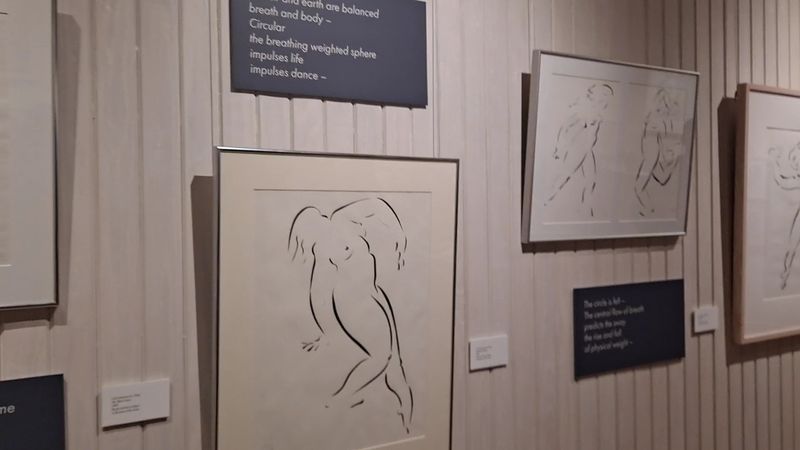
Anderson’s drawings deserve as much attention as his more celebrated murals and paintings. His sketchbooks are filled with thousands of studies of birds, insects, fish, and plants rendered with the precision of a field naturalist and the eye of a trained fine artist. The combination is rare and produces images that feel both scientifically accurate and emotionally expressive.
The museum displays a selection of these drawings in a way that invites close examination. You can see the speed and confidence of his linework, the way he could capture the attitude of a pelican or the curve of a wave with just a few marks.
There is nothing tentative in these drawings, even the quick field sketches carry a sense of absolute certainty about what he was seeing.
His drawings also reveal a mind that never stopped observing. Even in the most modest sketch, there is evidence of someone paying full attention to the world around him, which is both inspiring and quietly instructive.
Rotating Exhibitions That Keep Every Visit Fresh
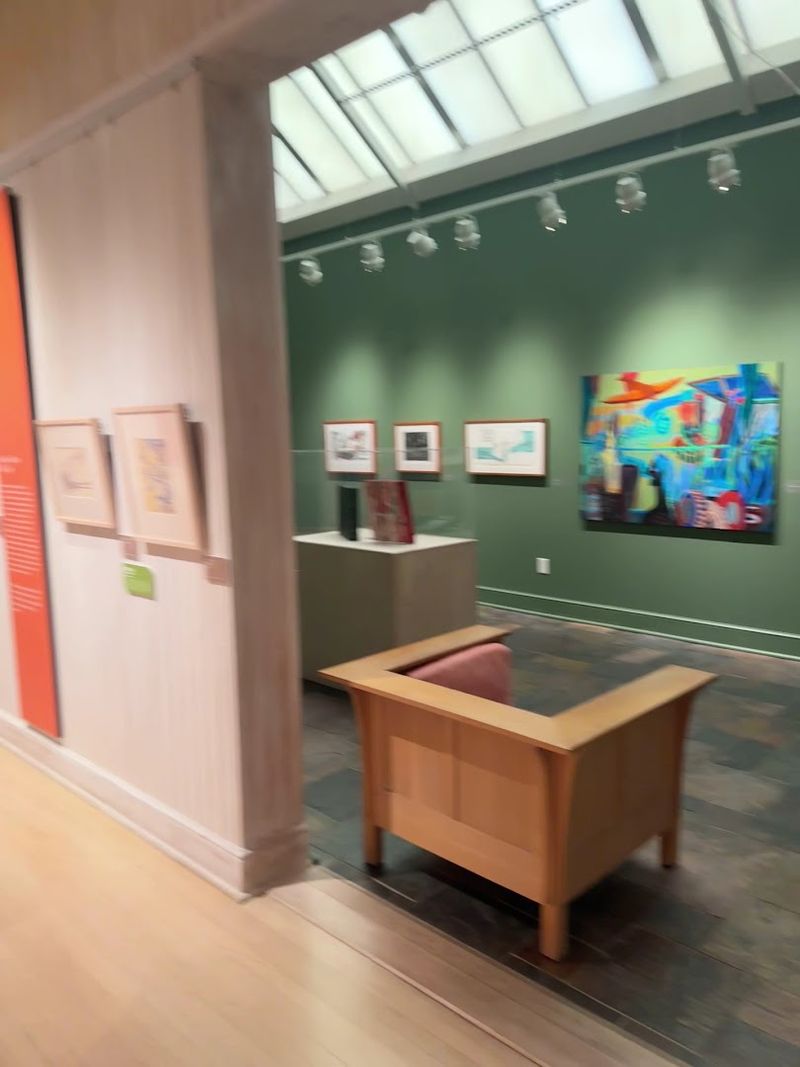
The permanent collection at the Walter Anderson Museum of Art is substantial enough to anchor any visit, but the museum also maintains a rotating schedule of temporary exhibitions that bring in other artists whose work connects thematically with Anderson’s legacy. Past exhibitions have included hand-carved and hand-pressed prints inspired by Gulf Coast scenery, shown alongside Anderson’s own work to create a dialogue between different artistic generations.
These rotating shows are well-curated and feel genuinely integrated into the museum’s identity rather than tacked on as an afterthought. They consistently attract artists working in nature-inspired traditions, which keeps the programming coherent without becoming repetitive.
Returning visitors find that a changing exhibition gives them a new reason to come back even when they feel they know the permanent collection well. The museum uses these shows smartly, often highlighting work that complements Anderson’s methods, whether through similar subject matter, technique, or a shared sense of close observation.
The Gift Shop and the Documentary Film You Should Not Skip
Right next to the gift shop, the museum screens a full-length documentary produced by Mississippi Public Broadcasting that covers Anderson’s life and work in depth. At around 28 minutes, it is the perfect length to watch before exploring the galleries, giving you just enough context to make everything you see afterward more meaningful.
The gift shop itself is well-stocked without being overwhelming. You will find art books, prints, ceramic pieces, and smaller nature-themed gifts that reflect the museum’s character.
Prices are reasonable, and the selection feels curated rather than generic. It is the kind of shop where you actually want to spend time browsing.
Admission for adults runs around $10, which makes the whole experience one of the better values you will find at any art museum in the South. The combination of the documentary, the galleries, the community center mural, and the gift shop adds up to a genuinely full afternoon without straining anyone’s budget.
Ocean Springs as Anderson’s Backdrop and Muse
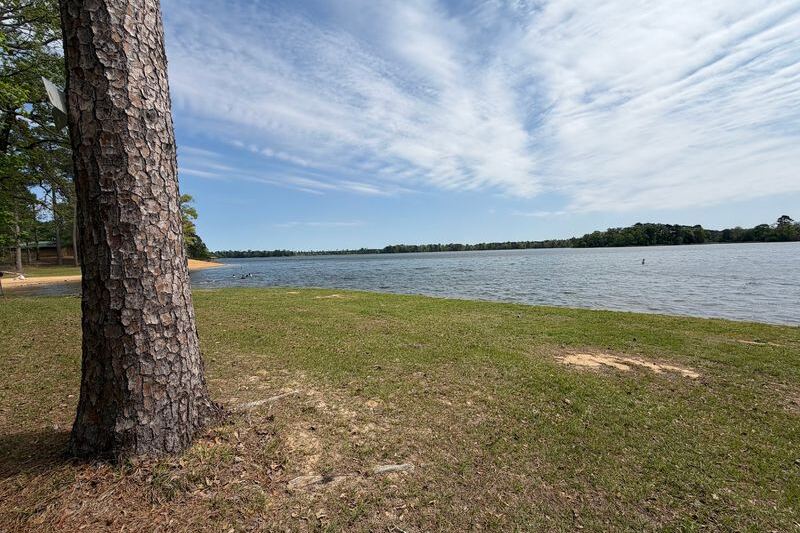
Ocean Springs itself is an essential part of understanding Walter Anderson’s art. The town sits on the eastern shore of Biloxi Bay, separated from Biloxi by a short bridge, and its natural setting provided Anderson with endless material. The bay, the marshes, the barrier islands, and the coastal forest all appear repeatedly in his work.
The downtown area around the museum is worth exploring on foot. Independent shops, restaurants, and the Audubon next door to the museum make for a full afternoon without any need to drive between destinations.
The coffee shop adjacent to the museum is a natural stopping point before or after your visit.
The town has a creative energy that feels consistent with Anderson’s legacy. Local art is visible throughout the community, and there is a sense that Ocean Springs takes its identity as an arts-oriented town seriously.
Anderson’s influence on the community did not end with his life.
Why This Museum Earns Its Near-Perfect Rating
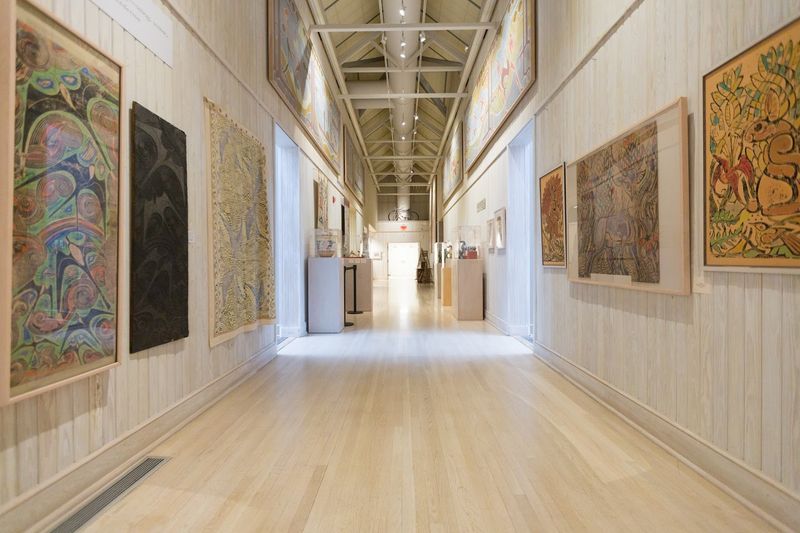
The Walter Anderson Museum of Art combines remarkable artwork, knowledgeable and friendly staff, thoughtful curation, and an admission price that makes the experience accessible to almost everyone.
Visitors who arrive skeptical, including those who describe themselves as non-art fans, consistently leave with a different perspective. Anderson’s work has a directness and energy that connects with people who might otherwise find a museum visit tedious.
His subjects, birds, fish, coastal plants, and the natural world, are universally relatable even when his artistic approach is boldly unconventional.
The museum is compact enough to feel manageable rather than exhausting, yet packed with enough content to hold your attention for two hours or more. That balance is harder to achieve than it looks, and it is a significant reason why so many visitors leave already planning their return trip.
Share this story