Some of the most popular songs ever written are hiding something surprising beneath their catchy melodies. Millions of people have sung along for decades without realizing the true meaning behind the lyrics.
From love anthems that are actually about obsession to party hits rooted in tragedy, these songs tell very different stories than most listeners expect. Read on to find out what your favorite tracks are really saying.
1. ‘Every Breath You Take’ – The Police (1983)
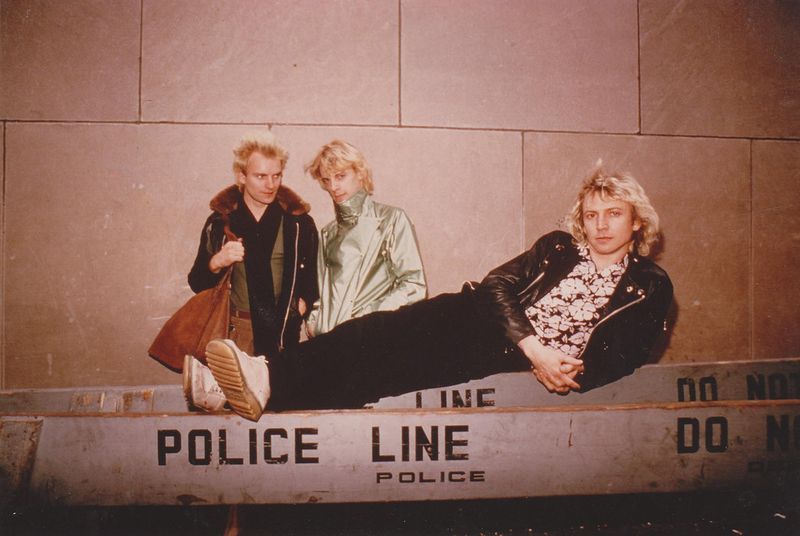
Most people request this song at weddings, slow dances, and romantic playlists, assuming it is the ultimate love song. But Sting wrote it after a painful breakup, and the lyrics are far from sweet.
Every line about watching, waiting, and claiming ownership reflects obsession, not affection.
Sting himself has called it a “nasty little song” and has expressed surprise that so many people missed the dark message. The narrator is not a loving partner; he is a controlling, jealous ex who refuses to let go.
Lines like “every move you make, I’ll be watching you” are meant to feel unsettling.
When you listen again with fresh ears, the song transforms from romantic to genuinely creepy. It is a masterclass in how a beautiful melody can completely disguise a troubling message.
Context truly changes everything in music.
2. ‘Born in the U.S.A.’ – Bruce Springsteen (1984)
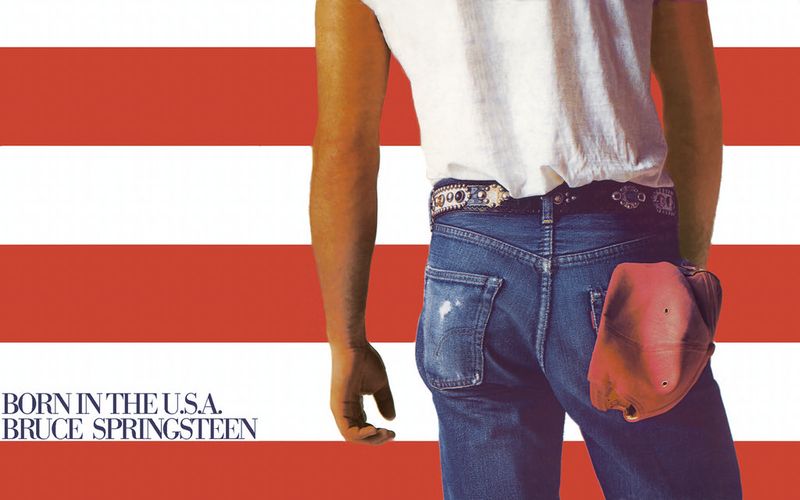
Few songs have been more famously misread than this Springsteen classic. Politicians have used it as a patriotic rally anthem, fans have pumped their fists to it at stadium concerts, and it regularly appears in Fourth of July celebrations.
The problem is that the song is not a celebration at all.
Springsteen wrote it about a Vietnam veteran who returns home to a country that has forgotten him. The lyrics describe unemployment, rejection, and a broken system that sent young men to war and offered nothing when they came back.
The thundering chorus hides a story of real pain.
Ronald Reagan famously tried to use the song during his 1984 campaign, which Springsteen publicly pushed back against. The misunderstanding became one of the most well-known examples of a powerful anthem being stripped of its original, critical meaning by sheer musical force.
3. Semi-Charmed Life – Third Eye Blind (1997)
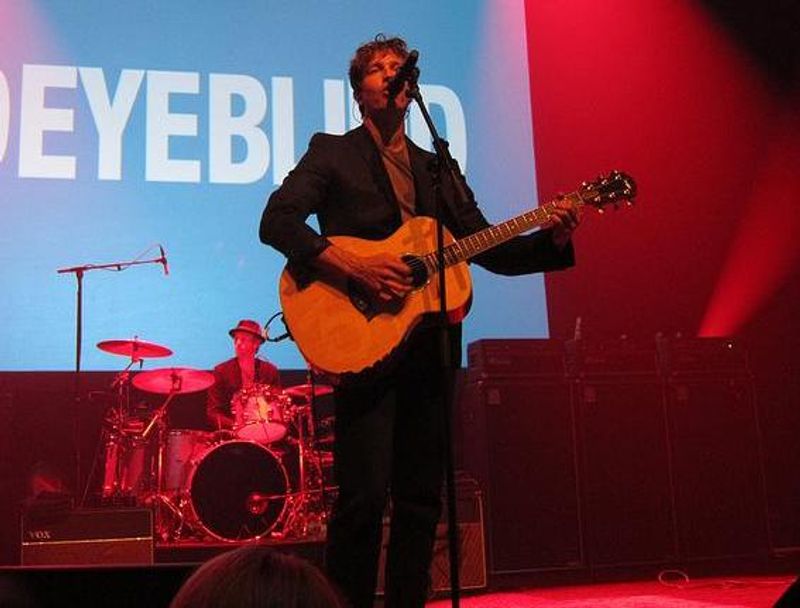
With its bouncy guitar riff and singalong chorus, this song became a defining soundtrack of the late 1990s. Radio stations played it constantly, and it showed up in countless teen movies as the perfect feel-good track.
Very few listeners caught what the lyrics were actually describing.
Lead singer Stephan Jenkins wrote the song about his own experience with crystal meth addiction. The references to “the little red panties” and “doo doo doo” hooks distracted from deeply dark verses about chasing highs, crashing hard, and losing control of your life.
The upbeat sound was completely intentional as a contrast.
Jenkins later said the song was meant to capture how addiction can feel exciting on the surface while destroying everything underneath. Radio edits removed some of the more explicit drug references, which made the happy interpretation even easier to accept.
The packaging sold the wrong story completely.
4. ‘Pumped Up Kicks’ – Foster the People (2010)
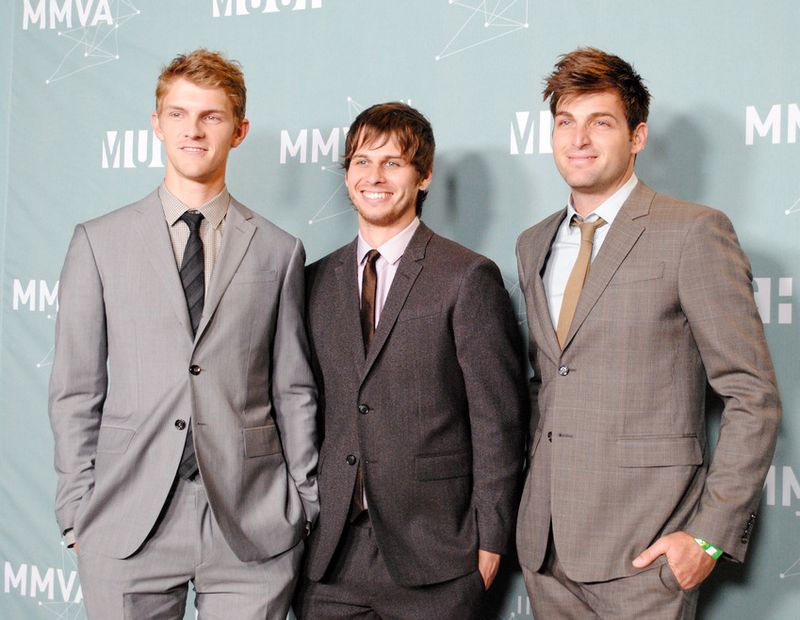
When this song hit the airwaves, it became one of the biggest indie-pop crossovers in years. The whistling melody and relaxed groove made it feel like pure summer fun.
Listeners were humming it everywhere without pausing to process what the words were actually saying.
Frontman Mark Foster wrote the lyrics from the perspective of a deeply troubled teenager who is contemplating violence against his peers. Lines like “all the other kids with the pumped up kicks better run, better run, outrun my gun” make the subject matter unmistakably clear when you actually listen.
Foster said he wrote it to raise awareness about youth mental health.
Several radio stations pulled the song after the 2012 Sandy Hook tragedy, reigniting debate about its place in pop culture. Foster maintained that shining a light on the warning signs of a troubled mind was the entire point.
The contrast between sound and subject remains striking to this day.
5. ‘Closing Time’ – Semisonic (1998)

Bar owners everywhere adopted this song as their unofficial closing anthem, blasting it at last call to signal the end of the night. It fit perfectly, with lyrics about leaving, heading home, and finding somewhere else to go.
The bar interpretation made so much sense that almost nobody questioned it.
Singer and songwriter Dan Wilson later revealed the song was inspired by the birth of his daughter. The “closing time” he was writing about was the end of one phase of life and the beginning of a brand new one.
Lines like “every new beginning comes from some other beginning’s end” carry a much deeper emotional weight when heard that way.
Wilson said he was surprised and amused that bars embraced the song so enthusiastically. He never corrected people immediately because both interpretations felt valid to him.
It is one of the rare cases where a misunderstanding actually added to a song’s legacy rather than taking away from it.
6. ‘Hey Ya!’ – OutKast (2003)

Nobody could sit still when this song came on. The irresistible groove, the “shake it like a Polaroid picture” hook, and Andre 3000’s electric performance made it one of the most joyful-sounding tracks of the 2000s.
It dominated dance floors and radio charts simultaneously.
Underneath all that energy, the song is actually a cynical meditation on failing relationships and the empty routines people go through to stay together. Andre 3000 questions whether love is even real, asking why couples stay in loveless relationships just because society expects them to.
The verses are far more melancholy than the chorus suggests.
Andre has said in interviews that he was going through personal doubts about love and commitment when he wrote the song. The disconnect between the celebratory sound and the skeptical lyrics was completely deliberate.
He wanted to make people dance while he quietly asked the questions nobody wanted to face at a party.
7. ‘Waterfalls’ – TLC (1995)

TLC’s biggest hit has one of the most misread hooks in pop history. The line “don’t go chasing waterfalls” sounds like motivational advice to stay grounded and not reach too far beyond your means.
Posters and inspirational quote pages have used it that way for decades.
The song actually tells two very specific and heartbreaking stories. The first verse follows a young man who gets drawn into drug dealing and is killed.
The second verse depicts a man who ignores safe sex warnings and contracts HIV. The waterfalls represent dangerous temptations, not personal ambitions.
TLC wanted to speak directly to young audiences about real risks they faced in the 1990s. The music video reinforced the message with vivid, emotional imagery.
The fact that the chorus became a feel-good motto shows how easily a powerful message can be softened when the melody is catchy enough to overshadow the words.
8. ‘You’re Beautiful’ – James Blunt (2005)

When this song became a global hit, it was immediately treated as one of the most romantic ballads of the decade. People dedicated it to their partners, played it at weddings, and considered it the definition of heartfelt admiration.
James Blunt seemed like the sensitive guy every romantic wished existed.
Blunt has since clarified that the song is not sweet at all. It is about a man on a subway who sees a woman he once loved, now with someone else.
He stares at her, fixated and unable to move on, while being completely under the influence. The repeated line about a “plan” is left deliberately vague.
Blunt has openly said he finds the song uncomfortable to perform now because of how widely it was misunderstood. He has even joked in interviews that the narrator is not a romantic hero but a slightly unhinged stranger on public transit.
The gap between perception and reality is enormous here.
9. ‘Luka’ – Suzanne Vega (1987)

Suzanne Vega wrote this song from the perspective of a child speaking directly to a neighbor, explaining away bumps and bruises with casual deflection. To some listeners, it sounded like a quirky character study about a shy kid who lives upstairs.
The gentle folk melody reinforced that softer reading.
The truth is far more serious. Luka is a child experiencing abuse at home, using carefully chosen words to avoid saying what is really happening.
Lines like “I think it’s because I’m clumsy” and “don’t ask me why” are the language of a child trying to protect a secret they have been told to keep.
Vega has said she was inspired by real children she observed in her New York City neighborhood. She wanted to give a voice to kids who had no way to speak up for themselves.
The song became an early and important piece of popular music to address child abuse with honesty and empathy.
10. ‘One’ – U2 (1991)
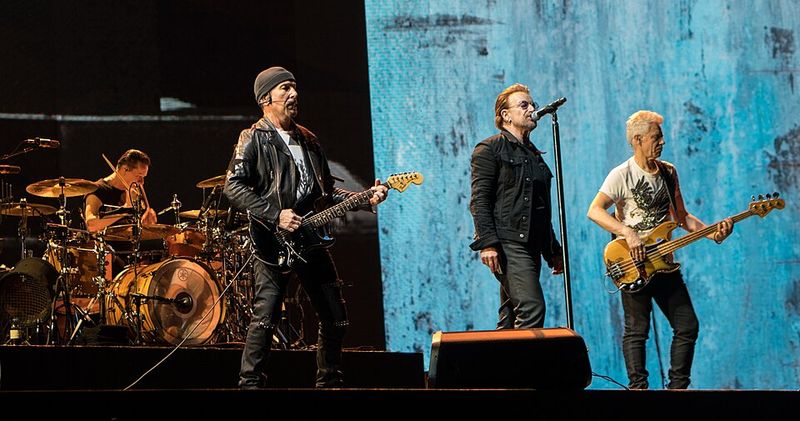
U2’s “One” has become one of the most-used songs at charity events, unity campaigns, and emotional montages. The word “one” repeated throughout the track gives it an instantly communal, hopeful feeling.
Many people hear it as an uplifting call for togetherness and shared humanity.
The song was actually born out of serious tension within the band itself. During sessions for the Achtung Baby album in Berlin, the members were struggling with internal conflict and nearly broke up.
Bono wrote the lyrics to reflect broken relationships, resentment, and the painful question of whether love is enough to hold people together.
Lines like “did I ask too much” and “we hurt each other then we do it again” point toward fracture, not unity. Bono has described the song as a conversation between people who are deeply connected but also deeply at odds.
Its emotional power comes from conflict, not celebration, which makes the common misreading especially striking.
11. ‘Hotel California’ – Eagles (1976)
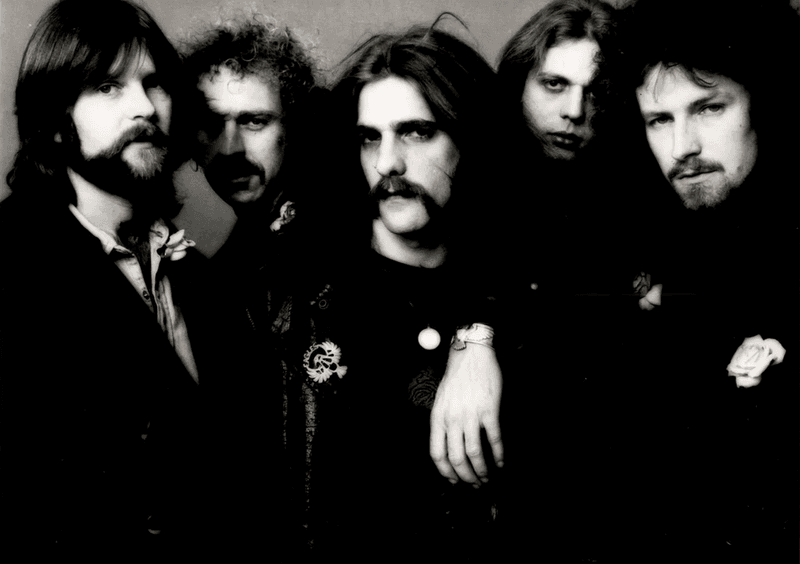
Few songs have generated more wild theories than this one. Over the decades, listeners have claimed it is about a haunted hotel, a Satanic cult, a mental institution, and several other elaborate interpretations.
The mystery surrounding the lyrics became almost as famous as the song itself.
The Eagles, particularly Don Henley and Glenn Frey, have consistently explained that Hotel California is a metaphor for the seductive and ultimately destructive nature of fame, excess, and the California dream. The hotel represents a lifestyle that pulls people in with glamour and traps them with addiction and emptiness.
Henley described it as their “interpretation of the high life in Los Angeles” during the rock-and-roll excess of the 1970s. The line “you can check out any time you like, but you can never leave” captures the suffocating grip of that world.
It is a cautionary tale dressed up in one of the greatest guitar solos ever recorded.
12. ‘Summer of ’69’ – Bryan Adams (1985)

Most listeners assume this Bryan Adams classic is a nostalgic tribute to the summer of 1969, complete with images of Woodstock, the moon landing, and classic rock memories. The title makes that reading feel completely natural.
It became a staple of classic rock stations and summer playlists for that very reason.
Adams has hinted in interviews that the title carries a double meaning, with “69” being a reference to a sexual position rather than the calendar year. Guitarist Keith Scott has backed this up in separate interviews.
The song was written in the 1980s about youthful passion and freedom, not necessarily a specific historical summer.
Adams has never been entirely direct about it, which has kept the debate alive for decades. Whether the nostalgic reading or the cheeky one is correct, the song captures a feeling of carefree youth that resonates across both interpretations.
Sometimes the best songs work on more than one level at once.
13. ‘Ironic’ – Alanis Morissette (1996)

English teachers have been using this song as a classroom example for nearly thirty years, and not always in the way Morissette intended. The song became famous partly because critics and grammar enthusiasts pointed out that most of the situations described are not actually ironic.
They are unfortunate, unlucky, or frustrating, but not technically ironic in the literary sense.
A rain on your wedding day is bad luck. A traffic jam when you are already late is annoying.
Finding a spoon after you searched for one is a coincidence. True irony requires a specific kind of twist where the outcome is the opposite of what was expected or intended in a meaningful way.
Morissette has responded to the debate with good humor over the years, at one point joking that the real irony is that a song called “Ironic” contains no actual irony. Whether intentional or not, the debate itself became a fascinating cultural conversation about language, meaning, and what we accept from popular music without questioning it.
14. ’99 Red Balloons’ – Nena (1983)

On the surface, this song sounds like a playful, colorful pop track about balloons floating into the sky. The bubbly synth production and Nena’s bright vocal performance made it a worldwide dance floor hit.
Most people who sang along to the English version had no idea what the original German lyrics were actually describing.
The original German version, “99 Luftballons,” is a pointed anti-war song set during the Cold War. In the story, ninety-nine balloons are mistaken for enemy aircraft by military radar.
Governments panic, war breaks out, and civilization is destroyed over a complete misunderstanding. The balloons are a symbol of how easily conflict can spiral out of control.
Nena and songwriter Carlo Karges were inspired by a Rolling Stones concert where balloons were released into the sky near the Berlin Wall. The image sparked a thought about how something innocent could trigger catastrophe.
The English translation softened some of the political sharpness, which helped ease the darker meaning past casual listeners.
15. ‘The One I Love’ – R.E.M. (1987)
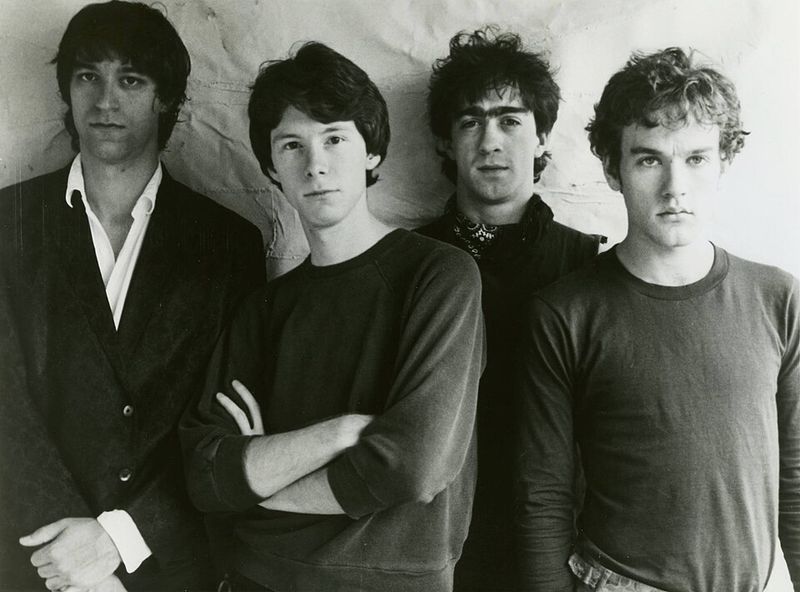
R.E.M. had their commercial breakthrough with this track, and radio stations immediately framed it as a passionate love dedication. The phrase “the one I love” repeated throughout the song gave it an undeniable romantic pull.
Couples claimed it as their song without paying much attention to what came next in the lyrics.
Michael Stipe has been clear that the song is not a love song. The full lyric describes the subject as “a simple prop to occupy my time,” which is about as cold and dismissive as pop music gets.
The narrator is not devoted; he is indifferent, treating the other person as nothing more than a temporary distraction.
Stipe has said he was uncomfortable with how widely the song was embraced as romantic, given that the actual message is the opposite. It became one of R.E.M.’s defining moments precisely because the tension between the warm title and the chilling content created something unforgettable.
Listening closely changes everything about how the song feels.
Share this story