 Unearth The Voyage
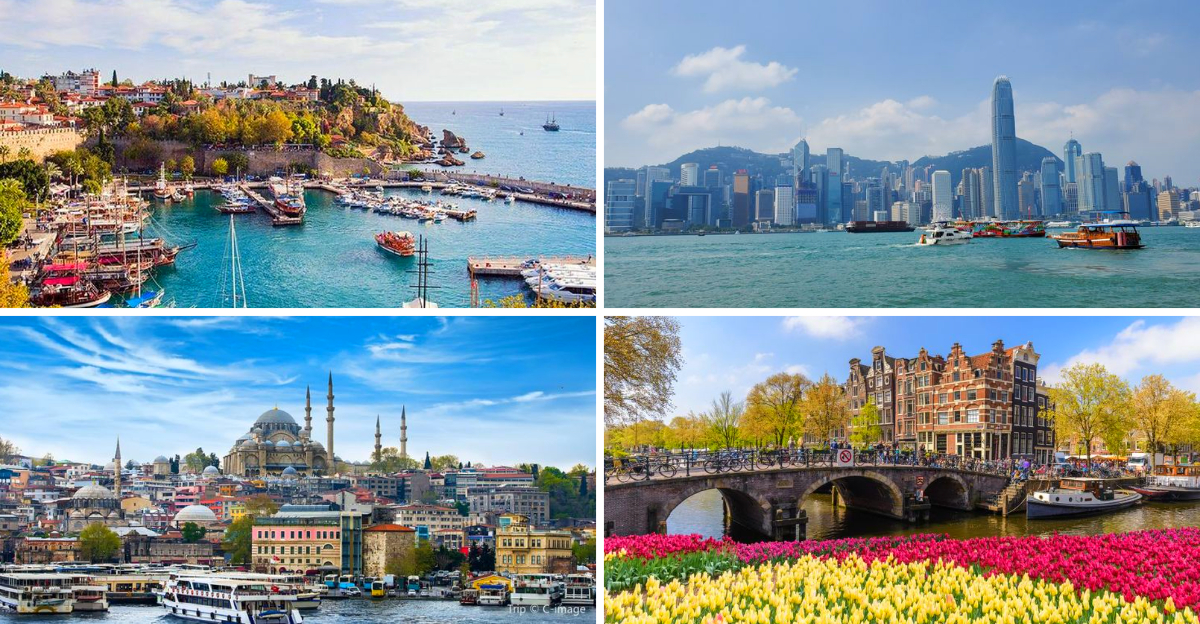
Have you ever wondered how many of the world’s most visited cities you’ve actually been to? From bustling Asian metropolises to historic European capitals, these 30 cities draw millions of travelers every year for good reason.
Each destination offers something unique, whether it’s ancient history, modern architecture, incredible food, or unforgettable experiences. Let’s explore these amazing places and see how many you can check off your travel bucket list!
1. Bangkok, Thailand
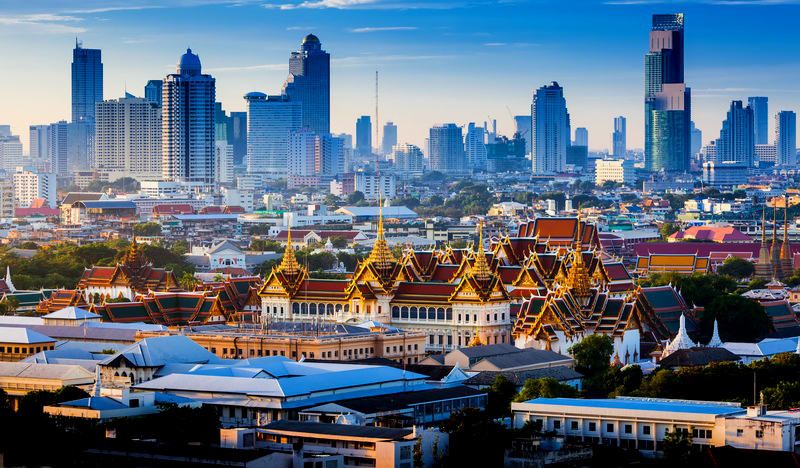
Golden temples glitter in the sunlight while street vendors fill the air with mouthwatering aromas. Bangkok combines ancient traditions with modern city life in ways that surprise first-time visitors.
The Grand Palace stands as a stunning example of Thai architecture, covered in intricate details that took generations to complete.
Floating markets offer a glimpse into traditional Thai commerce, where vendors sell fresh fruits and handmade goods from wooden boats. The city never sleeps, with night markets buzzing until dawn and rooftop bars offering spectacular skyline views.
Street food here is legendary, from pad thai to mango sticky rice, all available for just a few dollars.
Getting around is easy thanks to the BTS Skytrain and affordable taxis. The Thai people are known for their warm hospitality, greeting visitors with genuine smiles.
Whether you’re exploring ornate temples or shopping in massive malls, Bangkok delivers an unforgettable mix of old and new.
2. London, United Kingdom
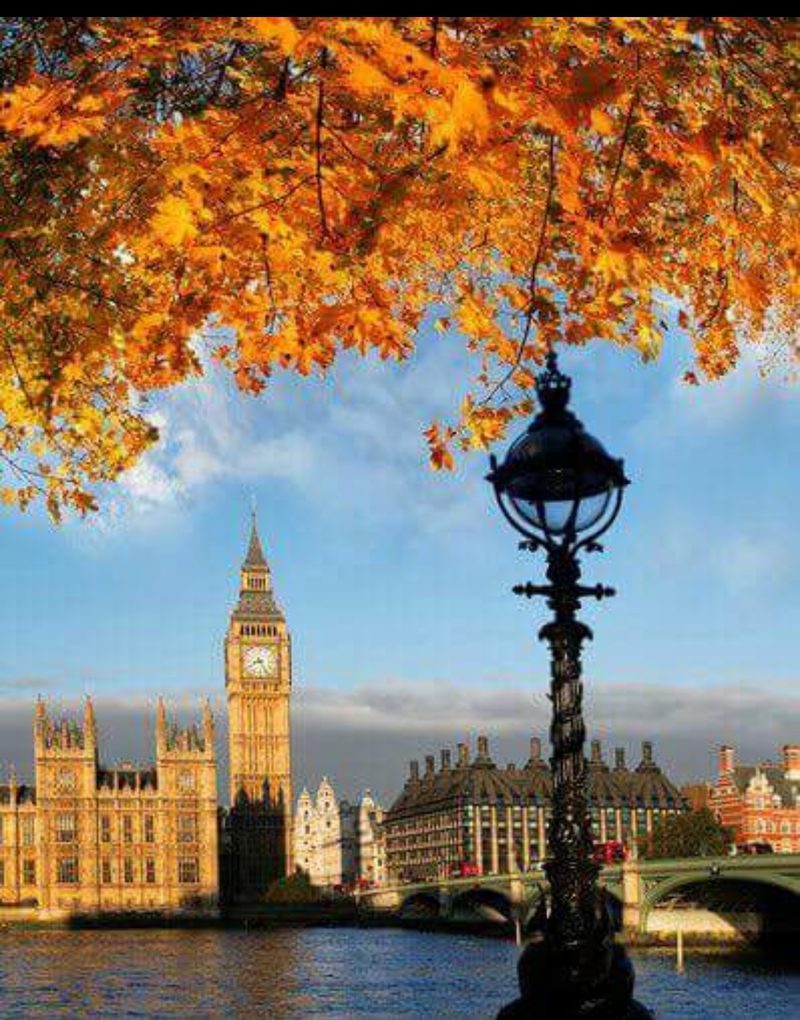
Red double-decker buses rumble past centuries-old landmarks in this city where history meets modernity. Big Ben’s iconic clock tower watches over the River Thames, while the Tower of London holds stories of kings and queens from long ago.
London’s museums, including the British Museum and Natural History Museum, offer free admission to world-class collections.
The city’s diverse neighborhoods each have their own personality, from trendy Shoreditch to elegant Kensington. You can watch the Changing of the Guard at Buckingham Palace or catch a show in the famous West End theater district.
Fish and chips, afternoon tea, and curry are all part of London’s incredible food scene.
The Tube makes getting around simple, connecting all major attractions efficiently. Parks like Hyde Park and Regent’s Park provide green escapes in the middle of the bustling city.
With its blend of royal heritage and contemporary culture, London remains one of Europe’s most captivating destinations.
3. Paris, France
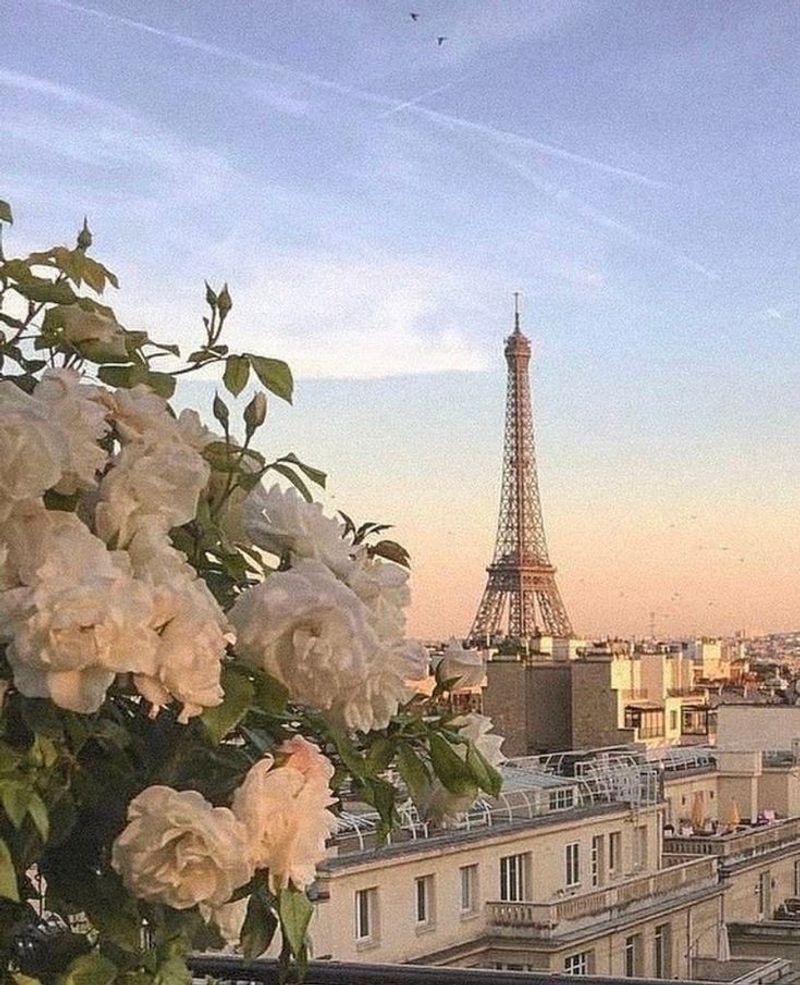
The Eiffel Tower pierces the sky like a steel lace masterpiece, becoming even more magical when it sparkles at night. Paris earned its nickname as the City of Light through both its intellectual history and its stunning illuminated monuments.
Cobblestone streets wind through charming neighborhoods where cafes spill onto sidewalks and the aroma of fresh croissants fills the morning air.
Art lovers flock to the Louvre to see the Mona Lisa and thousands of other masterpieces housed in a former royal palace. The Seine River cuts through the heart of the city, with romantic bridges connecting both banks.
From climbing the Arc de Triomphe to strolling through Montmartre’s artistic quarter, every corner reveals something beautiful.
French pastries and cuisine make every meal an adventure, whether you’re enjoying escargot or a simple baguette. The metro system connects all major sites, making exploration convenient.
Paris captures hearts with its timeless elegance and undeniable romantic atmosphere.
4. Dubai, United Arab Emirates
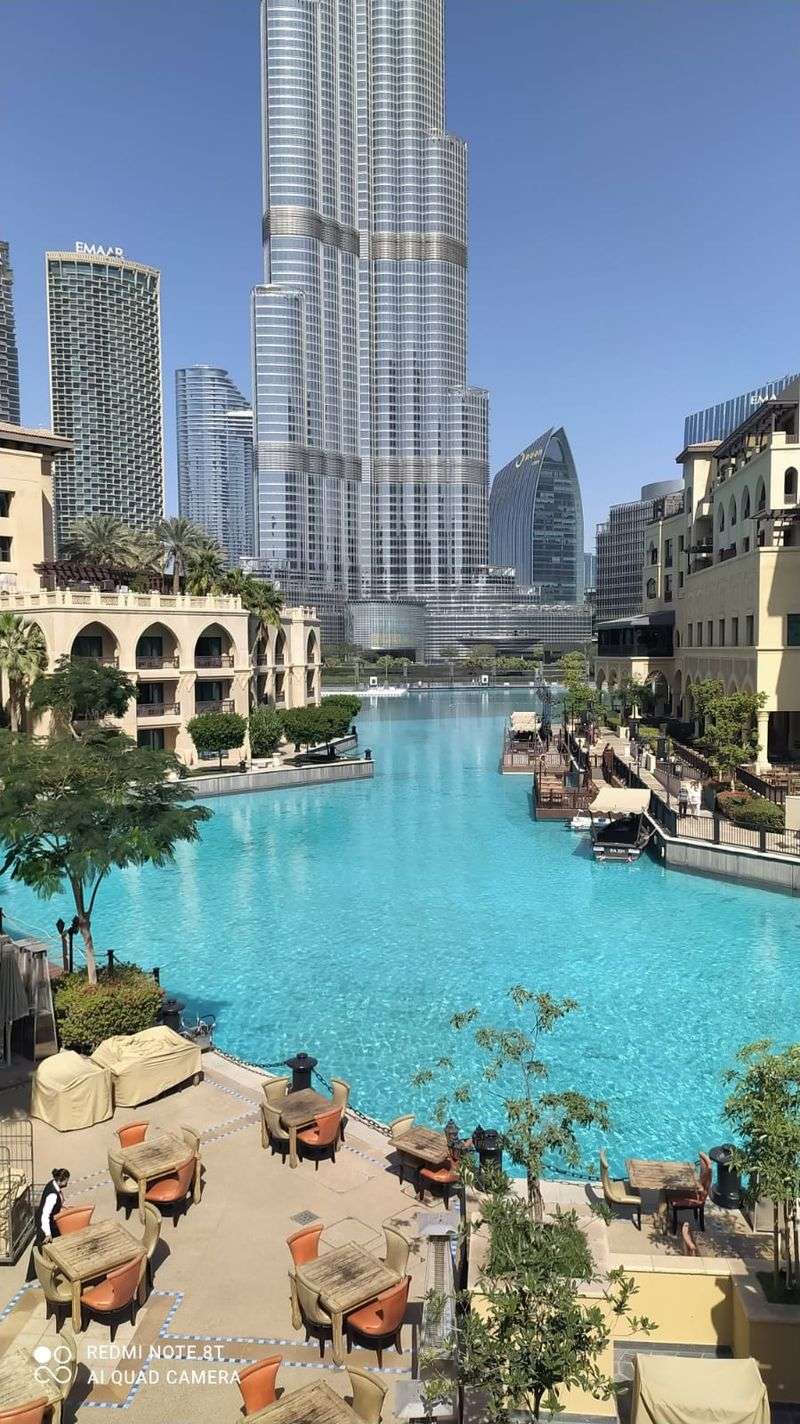
Skyscrapers reach impossible heights in this desert city that seems pulled from a science fiction movie. The Burj Khalifa stands as the world’s tallest building, offering views that stretch to the horizon across sand and sea.
What was once a small fishing village has transformed into a global hub of luxury, innovation, and ambition in just a few decades.
Indoor ski slopes exist alongside year-round sunshine, while massive shopping malls feature aquariums and indoor theme parks. Traditional souks selling gold and spices contrast with ultramodern architecture and artificial islands shaped like palm trees.
The city pushes boundaries with projects like the Museum of the Future and the spectacular Dubai Fountain shows.
Visitors can experience camel rides in the desert one day and fine dining in rotating restaurants the next. The metro is clean, efficient, and connects major attractions across the city.
Dubai represents human ambition at its most extreme, creating wonders in one of Earth’s harshest environments.
5. Singapore
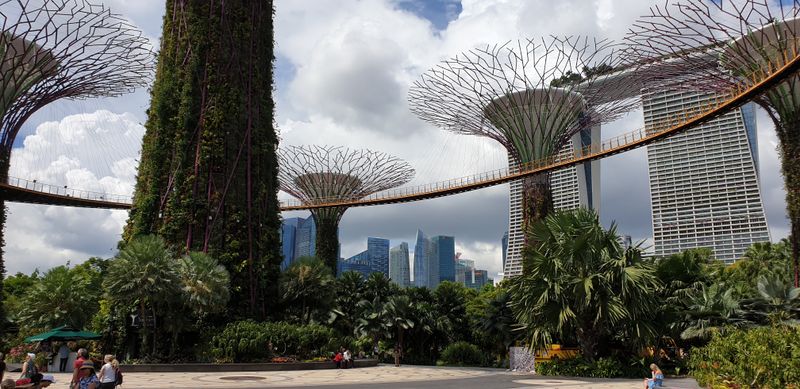
Gardens by the Bay’s futuristic supertrees light up the night like something from a fantasy world. This tiny island nation has become one of Asia’s most prosperous and cleanest cities through careful planning and strict laws.
Hawker centers serve incredible food from Chinese, Malay, Indian, and other cultures, all at affordable prices in open-air food courts.
The Marina Bay Sands hotel features an infinity pool on its rooftop that seems to merge with the sky. Little India, Chinatown, and Arab Street each preserve distinct cultural identities within the modern city.
Singapore’s efficiency is legendary, with spotless streets, punctual public transport, and gardens seemingly everywhere you look.
The airport itself is a destination, featuring a massive indoor waterfall and butterfly garden. Despite its small size, Singapore packs in world-class attractions like Universal Studios and the Night Safari.
This city-state proves that thoughtful urban planning can create harmony between nature, culture, and progress.
6. New York City, USA
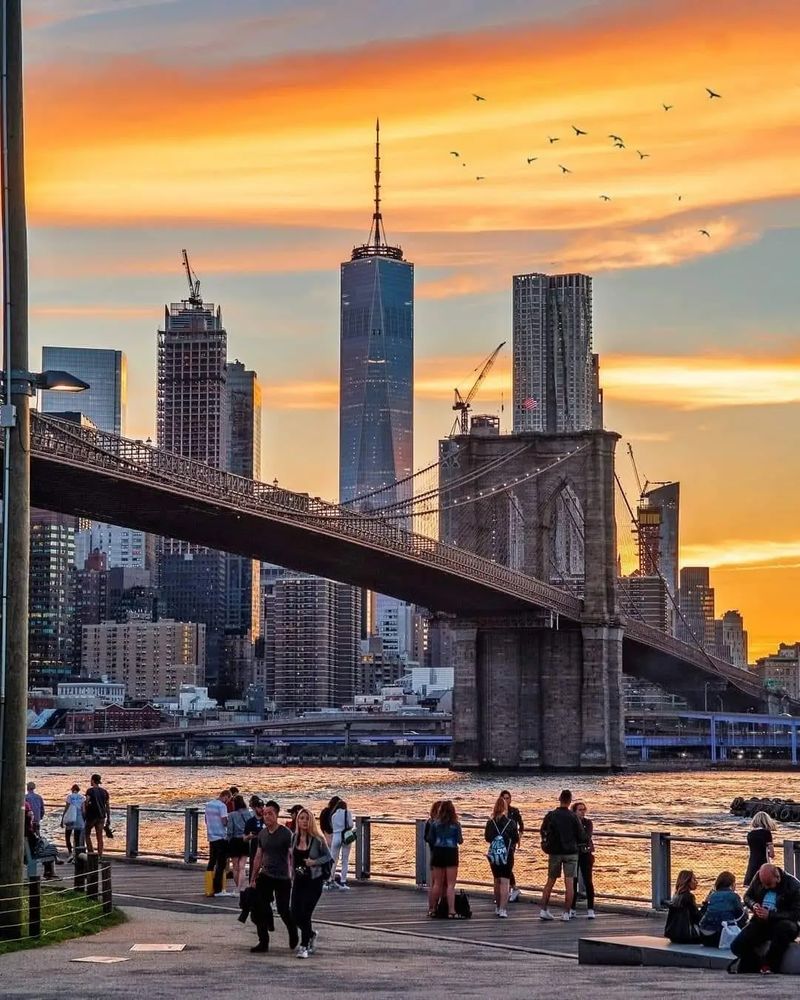
Yellow cabs honk through streets that never truly sleep, while the Statue of Liberty stands guard over the harbor. New York’s energy is contagious, with something happening on every corner at every hour of the day and night.
Times Square dazzles with massive digital billboards, while Central Park offers a peaceful green retreat in the middle of Manhattan’s concrete jungle.
Broadway shows, world-class museums like the Met, and iconic landmarks like the Empire State Building make every visit memorable. The city’s five boroughs each have distinct personalities, from Brooklyn’s hipster vibe to the Bronx’s cultural richness.
Pizza slices bigger than your head and bagels that set the worldwide standard make eating here an adventure.
The subway connects the entire city, though it can feel overwhelming to newcomers. Street performers, food vendors, and people from every nation create a melting pot unlike anywhere else.
New York demands your attention and rewards those who embrace its fast-paced, ambitious spirit.
7. Istanbul, Turkey
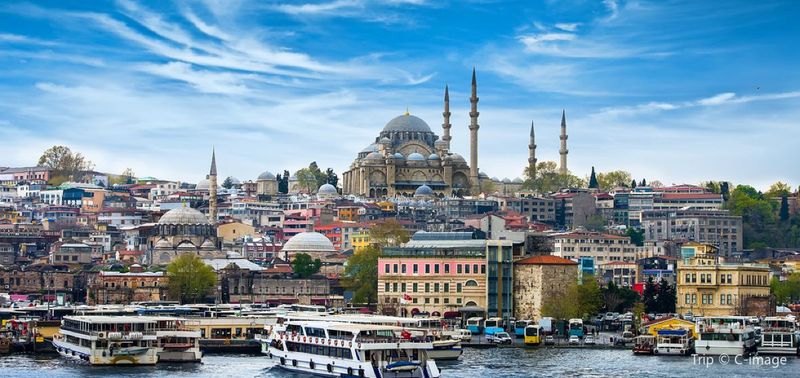
Minarets call the faithful to prayer while seagulls circle above the Bosphorus Strait that divides Europe from Asia. Istanbul is the only city in the world that spans two continents, creating a unique blend of Eastern and Western cultures.
The Hagia Sophia stands as a testament to the city’s layered history, having served as both church and mosque over its 1,500-year existence.
The Grand Bazaar’s covered market contains over 4,000 shops selling everything from handwoven carpets to glittering lanterns and aromatic spices. Turkish tea flows freely in small tulip-shaped glasses while locals play backgammon in sidewalk cafes.
Ferries constantly cross the Bosphorus, offering cheap transportation with million-dollar views of palaces and fortresses.
Street vendors sell simit (sesame bread rings) on nearly every corner, while restaurants serve kebabs, baklava, and fresh seafood. The city’s energy is warm and welcoming, with merchants eager to share stories over endless cups of tea.
Istanbul’s magic lies in how it honors its past while embracing the future.
8. Tokyo, Japan
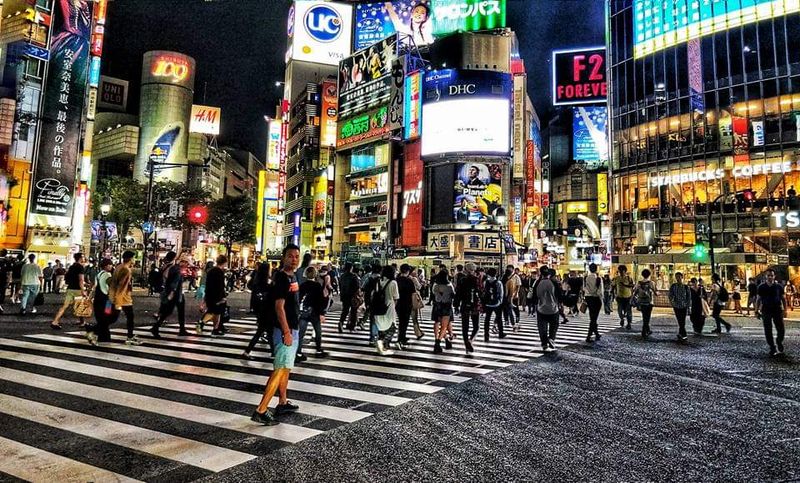
Neon signs illuminate streets where ancient temples sit just blocks from cutting-edge technology showcases. Tokyo represents the future and the past existing side by side in remarkable harmony.
The Shibuya Crossing sees thousands of people cross in perfect organized chaos, creating one of the world’s most photographed intersections.
Vending machines on every corner dispense everything from hot coffee to fresh eggs, while conveyor belt sushi restaurants make dining interactive and fun. Cherry blossoms transform parks into pink wonderlands each spring, drawing crowds for hanami (flower viewing) picnics.
The city’s trains run with legendary punctuality, and being even 30 seconds late warrants an apology announcement.
Robot restaurants, cat cafes, and themed attractions showcase Tokyo’s quirky creativity. Traditional ryokan inns and serene gardens provide peaceful escapes from the urban energy.
Respect and politeness permeate every interaction, from bowing shopkeepers to the quiet orderliness of crowded trains. Tokyo challenges your expectations while treating you with unfailing courtesy.
9. Hong Kong
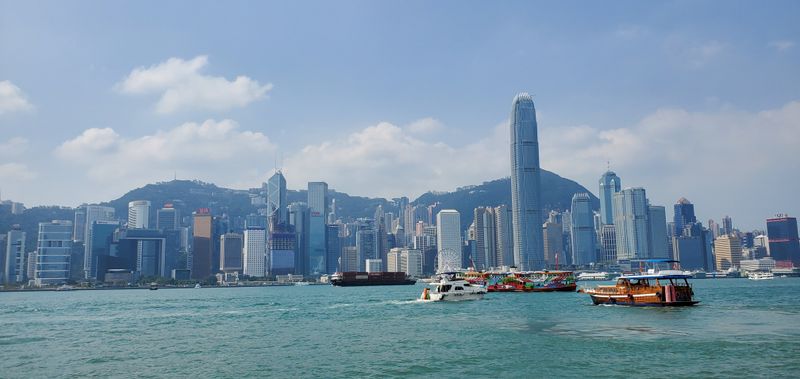
Skyscrapers climb steep hillsides while traditional junks sail through Victoria Harbour below. Hong Kong packs incredible density into a small space, creating one of the world’s most vertical cities.
The Peak Tram carries visitors up to stunning viewpoints where the entire glittering cityscape spreads out like a jewel box.
Dim sum restaurants serve steaming baskets of dumplings from rolling carts, while street markets sell everything from electronics to fortune-telling birds. The Star Ferry has connected Hong Kong Island to Kowloon for over a century, offering one of the best transportation bargains anywhere.
Neon signs create a cyberpunk atmosphere in older neighborhoods like Mong Kok.
Despite being one of the world’s most densely populated places, Hong Kong maintains surprising amounts of green space and hiking trails. The MTR subway system is clean, efficient, and reaches nearly everywhere worth visiting.
East meets West in this former British colony where Chinese traditions blend with international influences to create something entirely unique.
10. Barcelona, Spain
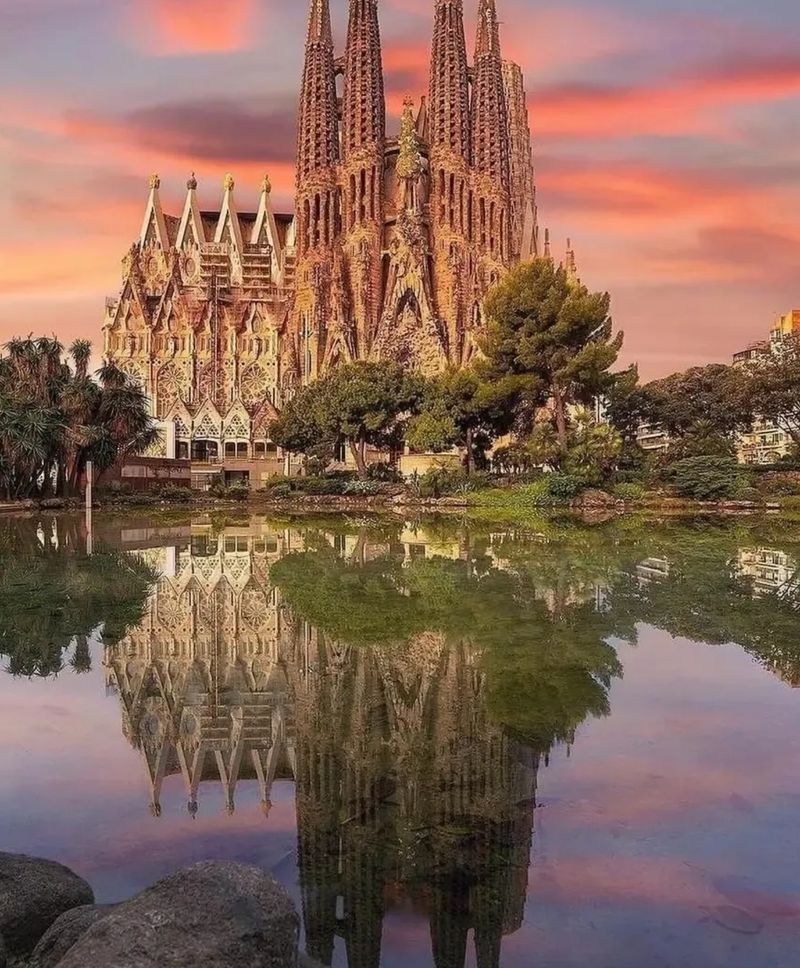
Antoni Gaudi’s architectural masterpieces look like they grew organically from the earth rather than being built by human hands. The Sagrada Familia cathedral has been under construction for over 140 years and still isn’t finished, yet it already draws millions of visitors annually.
Barcelona’s unique Catalan culture sets it apart from the rest of Spain, with its own language and fierce regional pride.
Las Ramblas boulevard pulses with street performers, flower vendors, and outdoor cafes perfect for people-watching. The Gothic Quarter’s narrow medieval streets open unexpectedly into sunny plazas where locals gather.
Beaches line the Mediterranean coast, allowing you to combine city exploration with seaside relaxation.
Tapas bars serve small plates meant for sharing, turning every meal into a social event. Park Güell’s colorful mosaics and whimsical designs showcase Gaudi’s imagination at its most playful.
FC Barcelona’s Camp Nou stadium is a pilgrimage site for soccer fans worldwide. This coastal city celebrates art, architecture, and the good life with infectious enthusiasm.
11. Rome, Italy
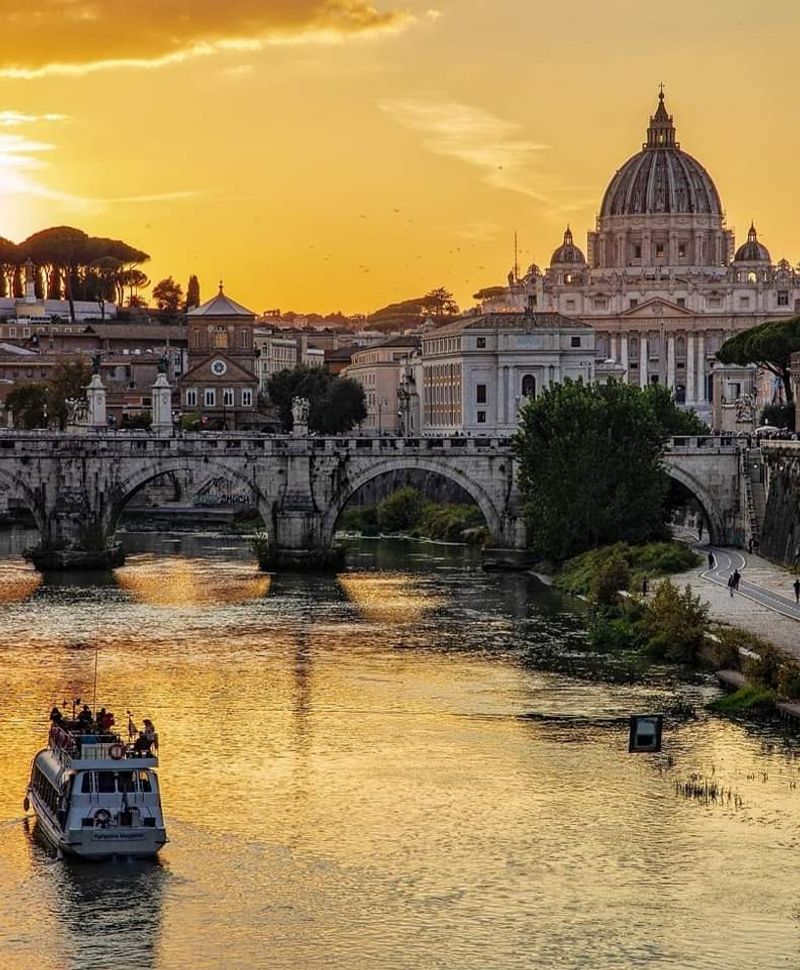
The Colosseum stands as a reminder that this city ruled much of the known world two thousand years ago. Rome wasn’t built in a day, and you certainly can’t see it all in one either.
Ancient ruins sit casually beside busy roads, with history layered upon history throughout the Eternal City.
The Vatican’s Sistine Chapel ceiling showcases Michelangelo’s genius, while St. Peter’s Basilica overwhelms with its massive scale and artistic treasures. Tossing a coin into the Trevi Fountain supposedly guarantees your return to Rome.
Gelato shops on every corner tempt visitors with dozens of flavors, while trattorias serve pasta dishes that have been perfected over centuries.
The Spanish Steps provide a gathering place for locals and tourists alike. Roman fountains, numbering over 2,000, provide drinking water and beautiful focal points throughout the city.
Vespa scooters zip through traffic that seems chaotic but somehow works. Rome’s magic lies in how the ancient and modern coexist, creating a living museum where history breathes.
12. Seoul, South Korea
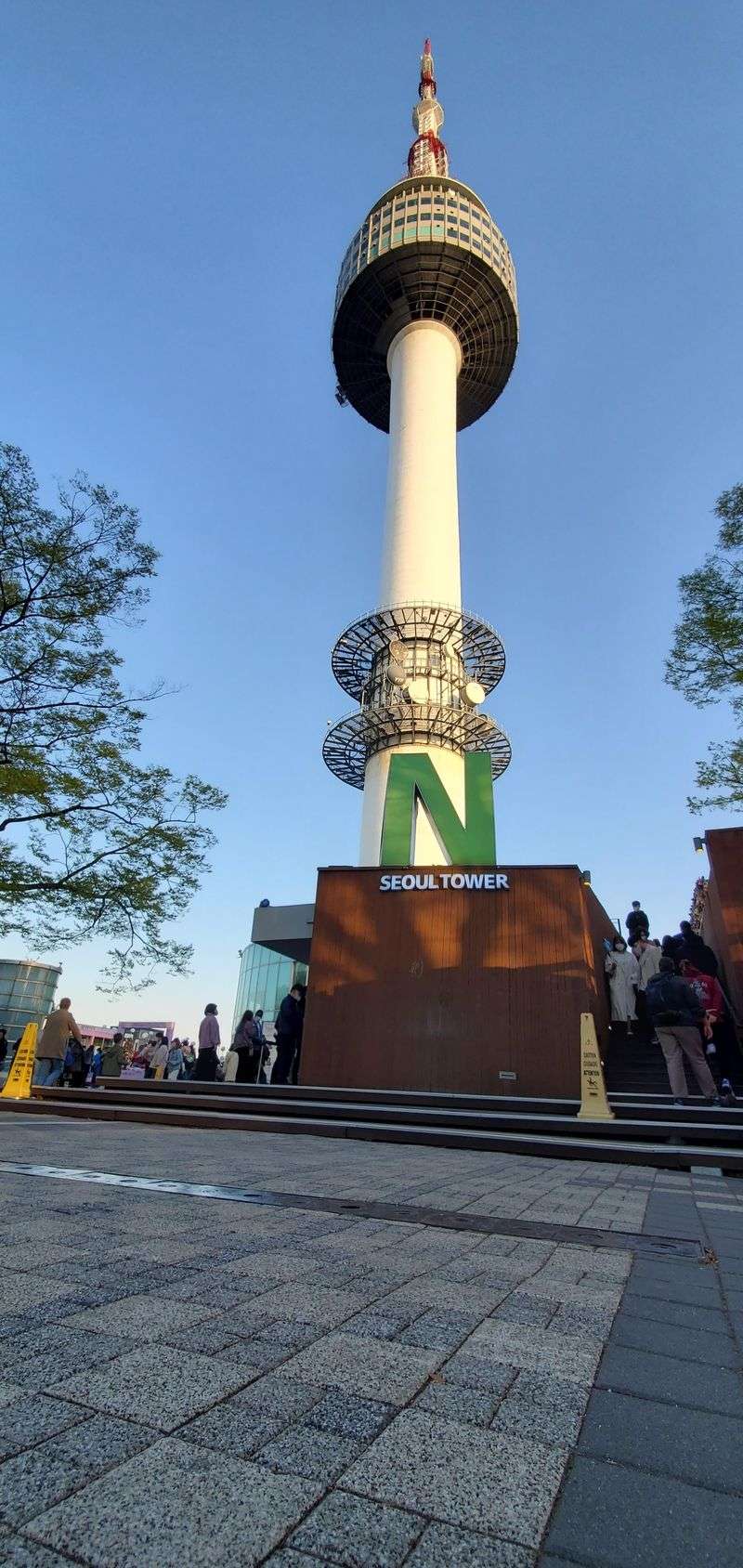
K-pop music videos come to life in the trendy Gangnam district where fashion-forward youth set global trends. Seoul has transformed from war-torn ruins into one of Asia’s most dynamic cities in just a few generations.
Ancient palaces with curved tile roofs provide peaceful contrast to the neon-lit shopping districts and cutting-edge technology everywhere.
Korean BBQ restaurants let you grill meat at your table, while pojangmacha (street food tents) serve spicy rice cakes and fish-shaped pastries. The Han River cuts through the city, with parks along its banks perfect for evening bike rides.
PC bangs (gaming cafes) operate 24 hours for esports enthusiasts, reflecting Korea’s gaming culture.
The subway system is one of the world’s best, with free WiFi and announcements in multiple languages. Bukchon Hanok Village preserves traditional Korean houses among the modern cityscape.
From Buddhist temples to high-tech shopping malls, Seoul energetically embraces both tradition and innovation. The city’s transformation story inspires anyone interested in rapid development and cultural preservation.
13. Amsterdam, Netherlands
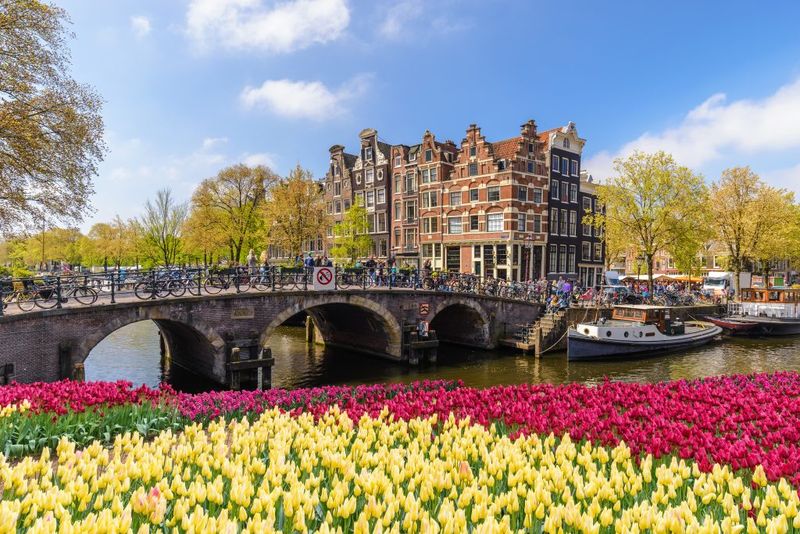
Bicycles outnumber cars in this canal-laced city where narrow houses lean at impossible angles. Amsterdam’s 165 canals create a waterway network that earned it the nickname Venice of the North.
The Anne Frank House provides a sobering reminder of World War II history, while the Van Gogh Museum celebrates artistic genius.
Flower markets overflow with colorful tulips year-round, though spring brings the most spectacular blooms. Houseboats line the canals, serving as permanent homes for thousands of residents.
The city’s liberal attitudes and relaxed cafe culture create a welcoming atmosphere for visitors from all backgrounds.
Cycling is the primary way locals get around, with dedicated bike lanes making it safe and convenient. The Rijksmuseum houses Dutch masterpieces including Rembrandt’s Night Watch.
Stroopwafels (syrup waffles) and fresh herring from street vendors provide authentic local flavors. Despite its small size, Amsterdam packs in world-class culture, history, and charm.
The city’s beauty lies in its human scale and livable design.
14. Milan, Italy
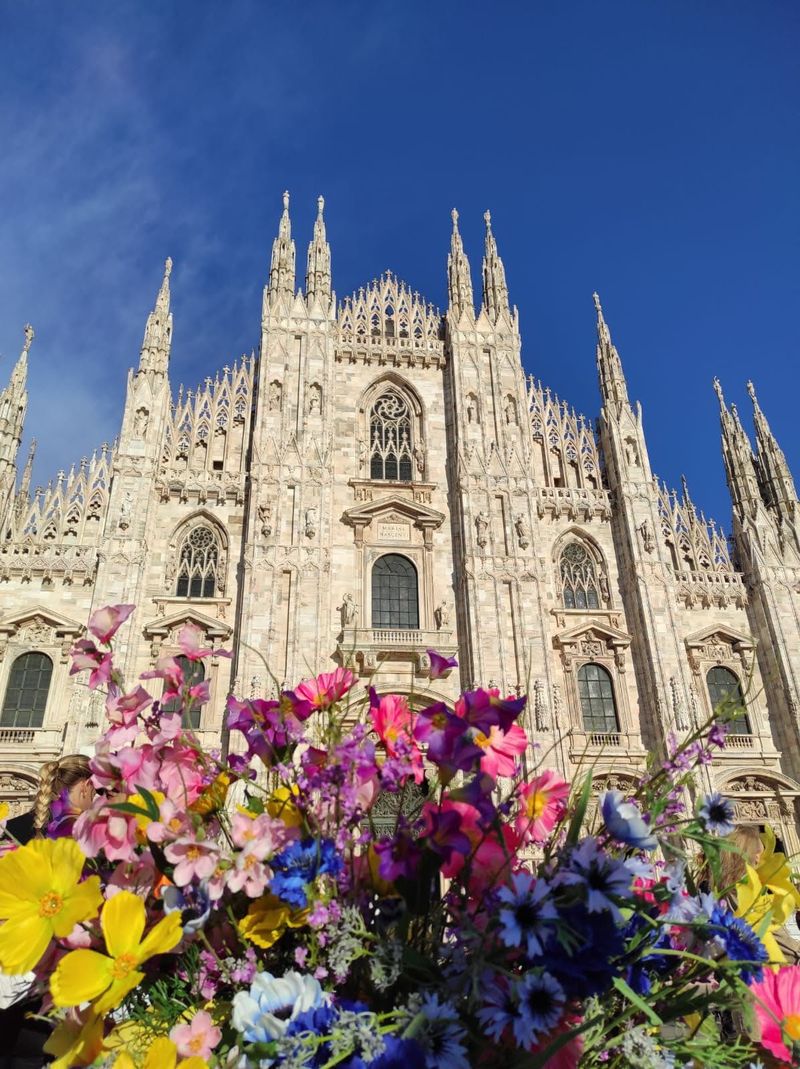
Fashion runways and designer boutiques make this northern Italian city the style capital of the world. Milan’s Gothic Duomo cathedral took nearly six centuries to complete, resulting in a marble masterpiece covered with over 3,400 statues.
The city balances its medieval past with a thoroughly modern, business-focused present.
Leonardo da Vinci’s Last Supper draws art lovers to a humble monastery dining hall, though reservations must be made months in advance. The Galleria Vittorio Emanuele II shopping arcade features a stunning glass-domed ceiling and luxury shops selling the latest fashions.
Aperitivo hour turns early evening drinks into a social ritual with complimentary snacks.
La Scala opera house has premiered works by Verdi and Puccini, maintaining its reputation for world-class performances. The city’s efficient metro connects major attractions, though many prefer walking to admire the elegant architecture.
Milanese risotto, osso buco, and panettone showcase the region’s culinary contributions. Milan proves that Italy offers more than ancient ruins, delivering contemporary sophistication with Italian flair.
15. Los Angeles, USA
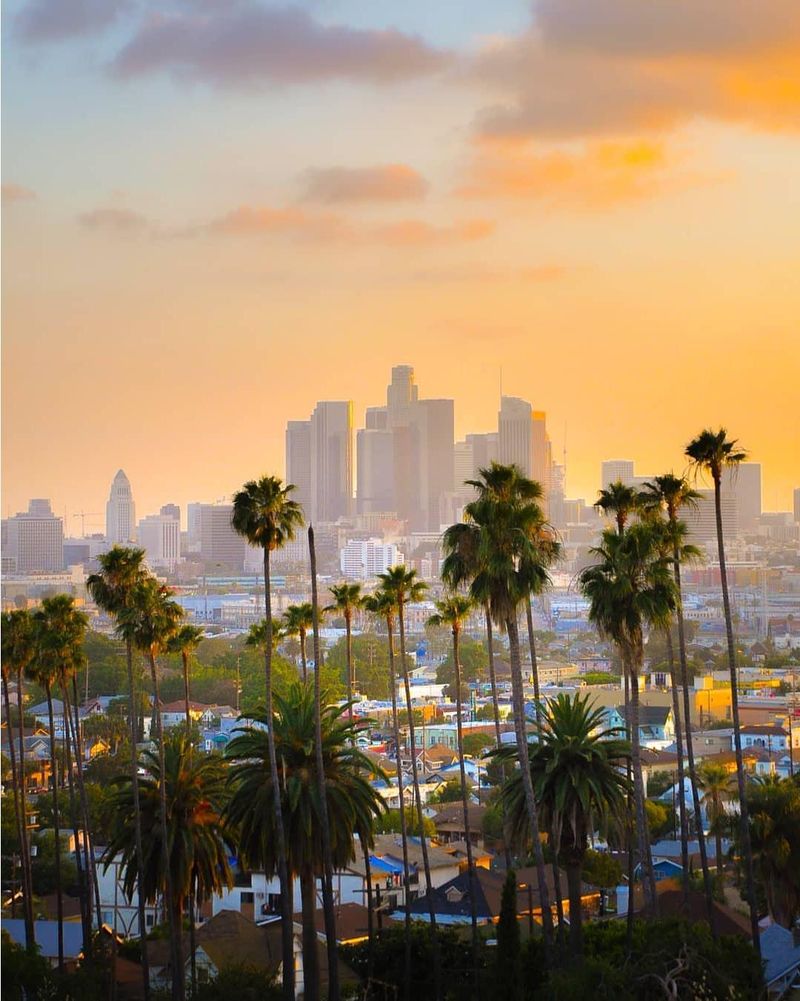
Palm trees sway along endless boulevards where movie stars and dreamers chase fame under perpetual sunshine. Los Angeles sprawls across a vast area, creating a car-dependent city of distinct neighborhoods rather than one central core.
The Hollywood sign overlooks the entertainment capital, where studios have manufactured dreams for over a century.
Venice Beach’s boardwalk showcases California’s eccentric side with muscle-builders, street performers, and artists. Santa Monica Pier offers carnival rides and ocean views, while Beverly Hills flaunts wealth through designer shops and celebrity homes.
The city’s food scene reflects its diversity, from Korean tacos to authentic Mexican street food.
Traffic is legendary and frustrating, but necessary for exploring this spread-out metropolis. Griffith Observatory provides stunning views of the city sprawl and the iconic Hollywood sign.
Beaches, mountains, and deserts all lie within driving distance, offering endless weekend adventures. LA embodies the California dream of reinvention, where anyone can potentially make it big.
The city’s optimistic energy persists despite the challenges of urban sprawl.
16. Vienna, Austria
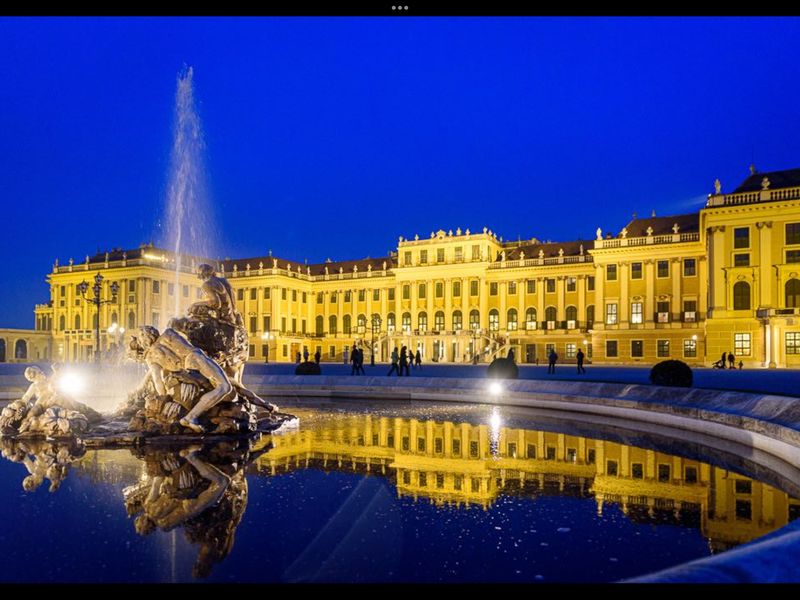
Classical music fills ornate concert halls where Mozart and Beethoven once performed. Vienna’s imperial past as the Habsburg Empire’s capital left behind stunning palaces, grand boulevards, and a cultural sophistication that persists today.
Schönbrunn Palace’s 1,441 rooms and manicured gardens showcase the extravagance of Austria’s royal family.
Coffeehouse culture here is so important that UNESCO recognized it as intangible cultural heritage. Locals spend hours in traditional cafes reading newspapers, eating Sachertorte (chocolate cake), and sipping melange (coffee with milk).
The Vienna State Opera maintains the city’s musical reputation with nearly daily performances of world-class quality.
The Ringstrasse boulevard circles the historic center, lined with museums, parks, and architectural masterpieces. Christmas markets transform the city into a winter wonderland each December.
Wiener schnitzel and apple strudel represent local culinary traditions. Vienna consistently ranks among the world’s most livable cities thanks to its quality of life, cultural offerings, and efficient public transport.
The city proves that preserving tradition doesn’t mean rejecting progress.
17. Prague, Czech Republic
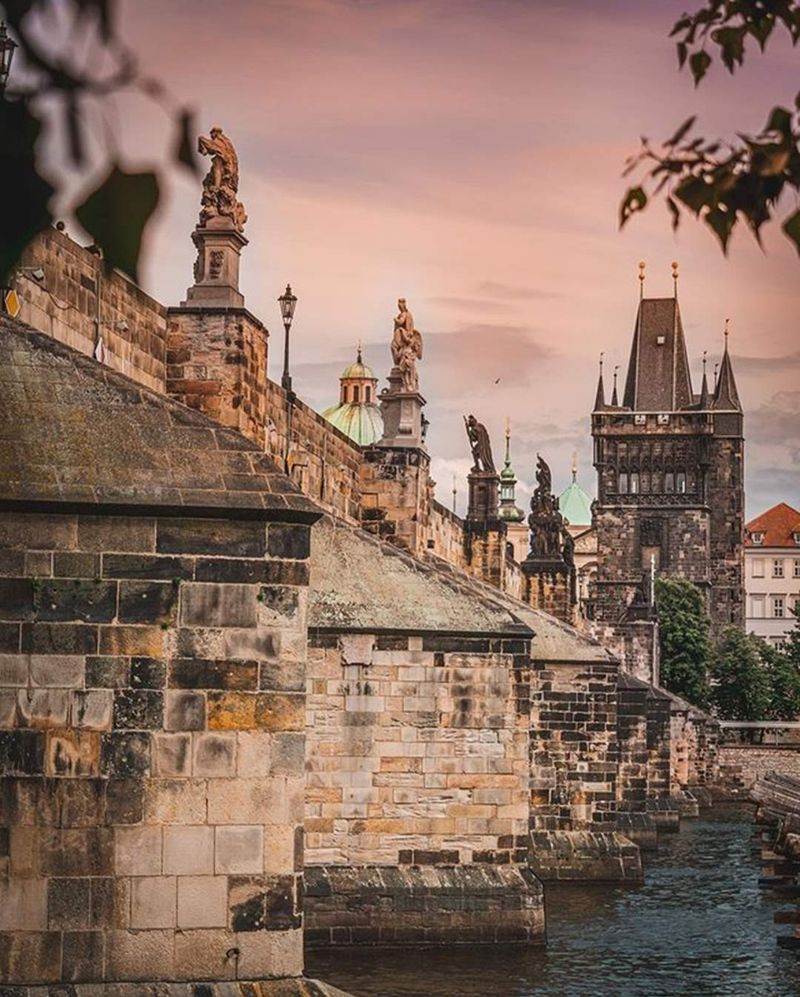
Fairy tale spires and medieval towers create a skyline that looks pulled from a storybook. Prague survived World War II largely intact, preserving centuries of architectural history that many European cities lost.
The astronomical clock in Old Town Square has been marking time since 1410, drawing crowds every hour for its mechanical show.
Charles Bridge connects both sides of the Vltava River, lined with statues of saints and street artists selling paintings. Prague Castle complex overlooks the city from a hilltop, serving as the official residence of Czech presidents.
The city’s beer culture runs deep, with Czech people consuming more beer per person than any other nation.
Gothic churches, baroque palaces, and art nouveau buildings create an architectural museum throughout the compact city center. The metro and tram system makes getting around easy and affordable.
Czech cuisine features hearty dishes like goulash and dumplings, perfect after walking cobblestone streets. Prague’s beauty and affordability make it one of Europe’s best-value destinations.
The city enchants visitors with its timeless charm and romantic atmosphere.
18. Madrid, Spain
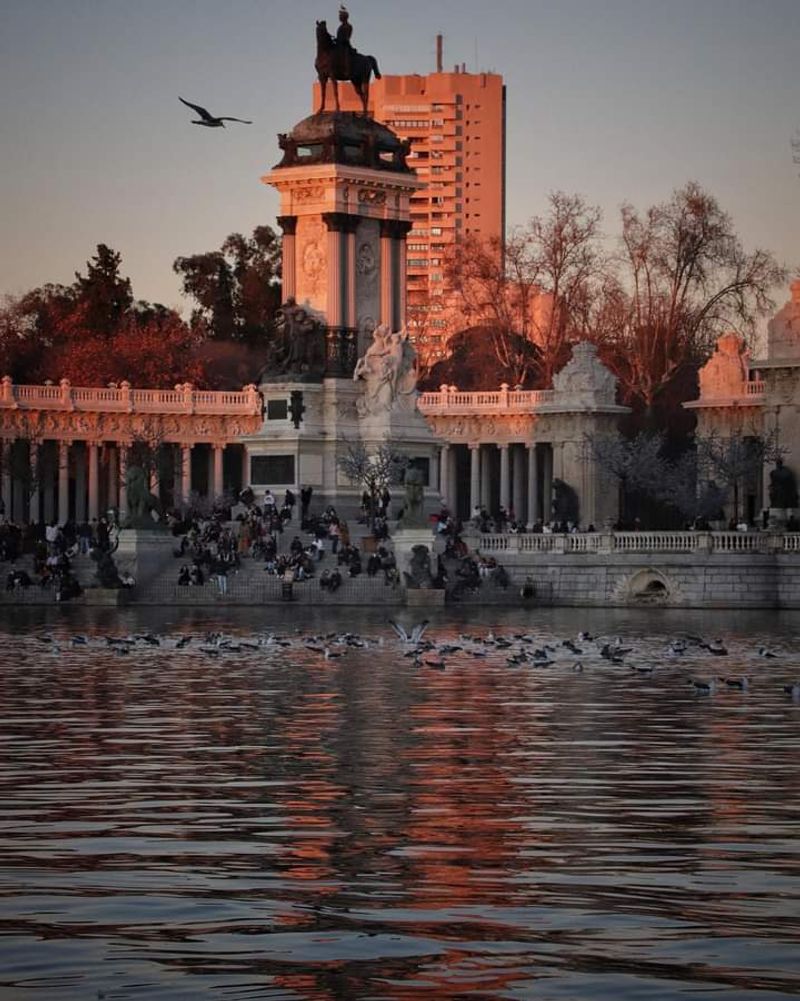
Spain’s capital pulses with energy that peaks late at night when other European cities sleep. Madrileños eat dinner at 10 PM and party until dawn, embracing a lifestyle that prioritizes enjoyment.
The Prado Museum houses one of the world’s finest art collections, with masterpieces by Velázquez, Goya, and El Greco.
Plaza Mayor’s grand arcaded square has hosted everything from bullfights to public executions over its 400-year history. Retiro Park provides green space for rowing boats, street performers, and Sunday strolls.
Tapas culture encourages hopping between bars, sampling small plates and local wines.
Real Madrid’s Santiago Bernabéu stadium is sacred ground for soccer fans worldwide. The Royal Palace rivals Versailles in grandeur, though Spain’s royal family now lives elsewhere.
Churros dipped in thick hot chocolate make the perfect late-night snack after dancing at clubs. Madrid lacks the coastal beauty of Barcelona or the Moorish history of southern Spain, but compensates with authentic Spanish culture and infectious enthusiasm.
The city’s heart beats strongest after dark.
19. Munich, Germany
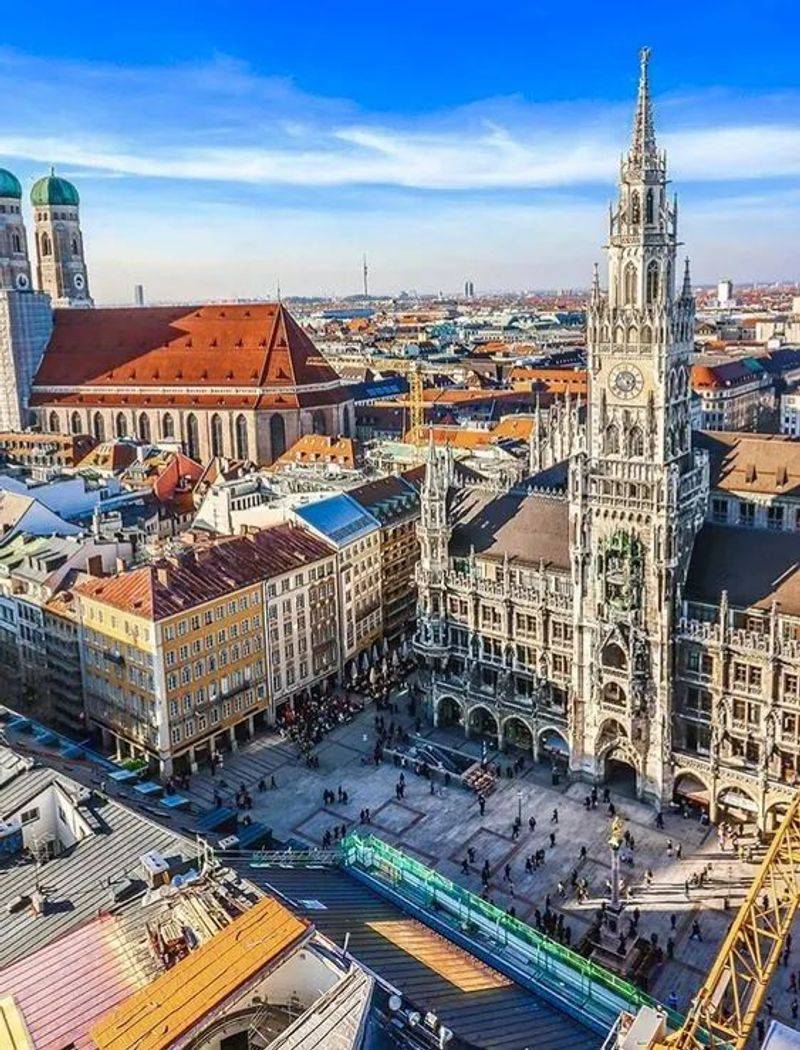
Beer gardens fill with locals in summer, while Oktoberfest draws millions each fall to celebrate Bavarian culture. Munich combines German efficiency with a relaxed, outdoorsy lifestyle uncommon in major cities.
The Marienplatz square features a glockenspiel that performs daily, reenacting historical events with mechanical figures.
BMW’s headquarters and museum showcase German engineering excellence and automotive innovation. The English Garden, despite its name, is a massive city park larger than New York’s Central Park.
Surfers ride a standing wave in a city river, creating an unexpected urban beach scene.
Traditional beer halls serve pretzels bigger than your head alongside roasted pork knuckles and sausages. The city rebuilt after World War II, carefully restoring historic buildings while modernizing infrastructure.
Day trips to Neuschwanstein Castle, the inspiration for Disney’s castle, are easily arranged. Munich offers a high quality of life with excellent public transport and proximity to the Alps.
The city embodies Bavarian traditions while serving as a modern economic powerhouse.
20. Berlin, Germany
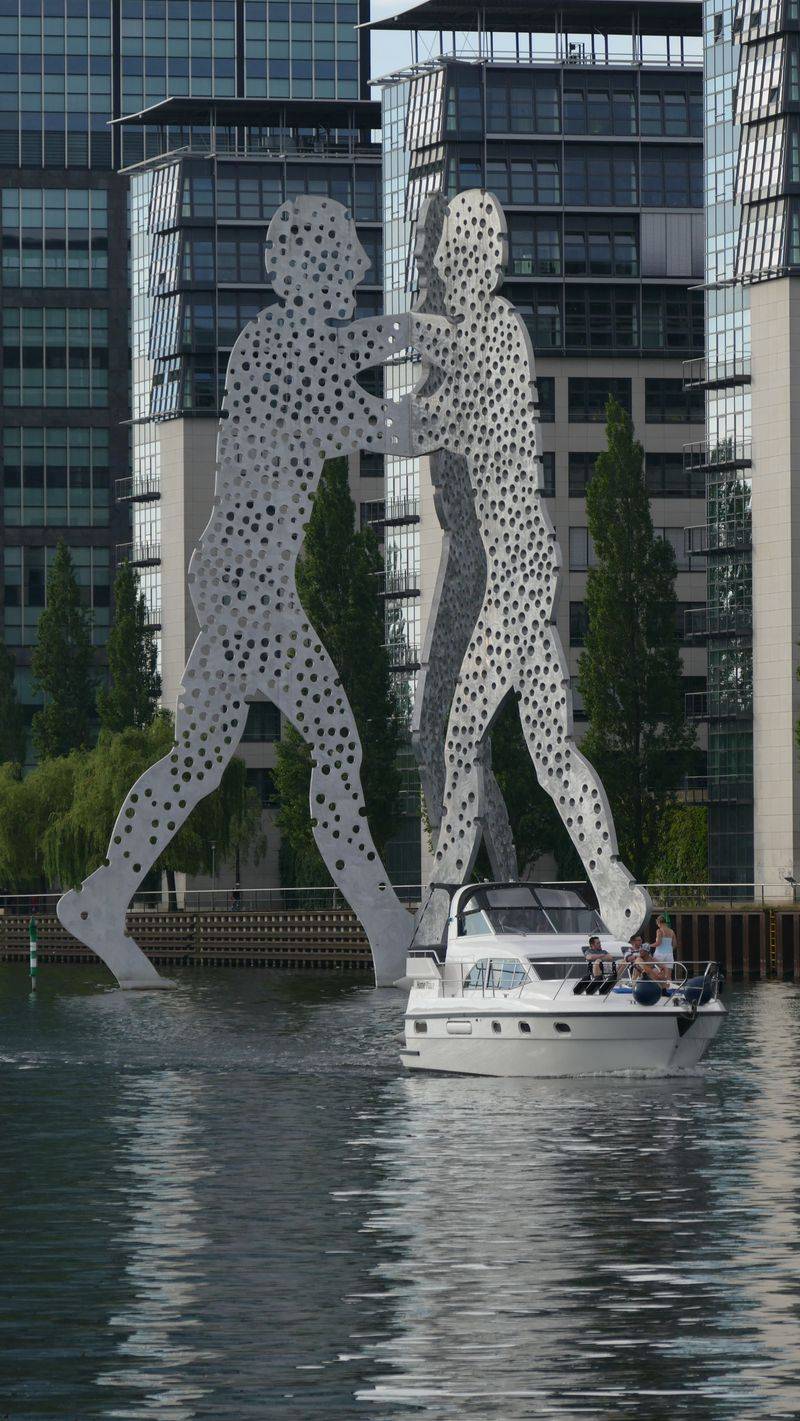
Graffiti-covered remnants of the Berlin Wall remind visitors of the city’s divided past. Berlin has reinvented itself since reunification in 1990, becoming Europe’s coolest capital for artists, musicians, and creative types.
The Brandenburg Gate stands as a symbol of both division and unity, having witnessed some of history’s most dramatic moments.
Museums on Museum Island house treasures from ancient civilizations, including the famous bust of Nefertiti. The city’s nightlife is legendary, with techno clubs operating continuously from Friday night through Monday morning.
Currywurst (curry-spiced sausage) is the quintessential Berlin street food, sold from stands throughout the city.
The Reichstag building’s glass dome allows citizens to literally look down on their representatives in parliament. Berlin’s affordable cost of living, compared to other major European capitals, attracts young people from around the world.
Turkish immigration has enriched the food scene with excellent kebab shops on every corner. The city acknowledges its dark history through Holocaust memorials while embracing a progressive, inclusive future.
Berlin’s gritty authenticity sets it apart from more polished European destinations.
21. Lisbon, Portugal
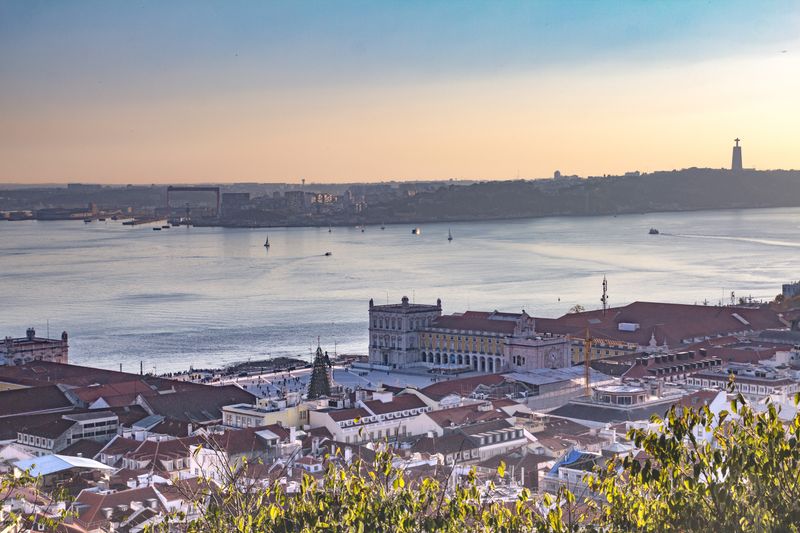
Vintage yellow trams climb steep hills through neighborhoods decorated with colorful tiles. Lisbon’s seven hills offer stunning viewpoints called miradouros where you can see terracotta roofs cascading down to the Tagus River.
The city’s melancholic fado music expresses a uniquely Portuguese emotion called saudade, a nostalgic longing for something lost.
Pastéis de nata (custard tarts) are a national obsession, with the original recipe still secret after 200 years. The Belém Tower and Jerónimos Monastery showcase Portugal’s Age of Discovery when explorers set sail to map the world.
Street art covers many buildings, transforming entire neighborhoods into open-air galleries.
Lisbon’s affordability compared to other Western European capitals makes it attractive to travelers and digital nomads. The city largely escaped World War II, preserving its historic character.
Seafood restaurants serve fresh grilled sardines and octopus salad. Sunset from São Jorge Castle paints the city in golden light as the river sparkles below.
Lisbon’s relaxed pace and authentic charm make it Europe’s most underrated capital.
22. Antalya, Turkey
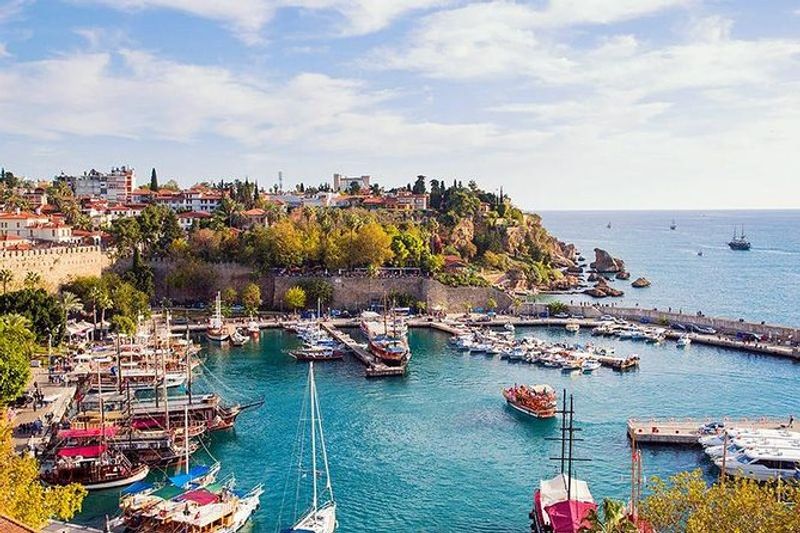
Turquoise Mediterranean waters lap against ancient ruins in this Turkish resort destination. Antalya combines beach relaxation with historical exploration, offering Roman harbors, Ottoman architecture, and modern resorts.
The old town’s Kaleiçi district features narrow streets, boutique hotels in restored Ottoman houses, and harbor views framed by mountains.
Nearby ancient cities like Perge and Aspendos showcase remarkably preserved theaters and temples. The region’s all-inclusive resorts attract European tourists seeking affordable sunshine.
Local markets sell fresh pomegranates, figs, and spices that perfume the air.
Cable cars carry visitors to mountain viewpoints overlooking the coast. Waterfalls cascade directly into the sea at Düden Falls, creating unique photo opportunities.
Turkish hospitality shines through welcoming locals eager to share their culture. The city serves as a gateway to Turkey’s stunning Turquoise Coast with its hidden coves and clear waters.
Antalya proves you don’t have to choose between beach vacation and cultural exploration. The combination of ancient history and modern comfort creates an ideal Mediterranean escape.
23. Kuala Lumpur, Malaysia
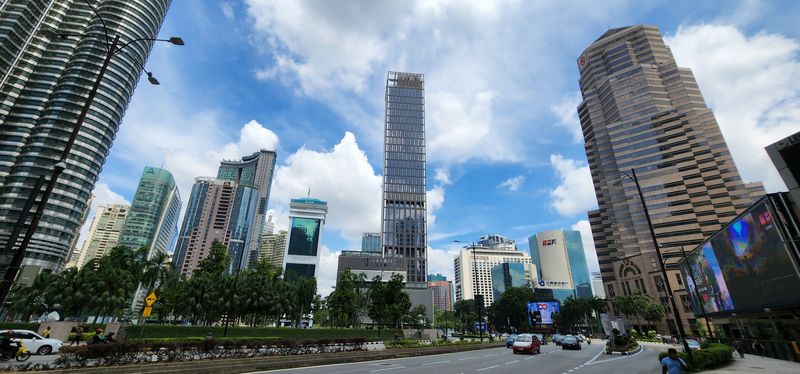
The Petronas Twin Towers pierce the sky like silver rockets, dominating Southeast Asia’s most recognizable skyline. Kuala Lumpur, often called KL, represents Malaysia’s multicultural identity where Malay, Chinese, and Indian communities coexist.
Mosques, temples, and churches stand within blocks of each other, creating religious diversity uncommon in the region.
Hawker centers and food courts serve incredible variety, from spicy laksa noodles to Indian roti canai, all at budget-friendly prices. The Batu Caves’ limestone formations house Hindu temples reached by climbing 272 rainbow-colored steps.
Shopping malls offer air-conditioned relief from tropical heat and humidity.
The city’s efficient monorail and metro systems make getting around easy despite traffic congestion. Jalan Alor transforms into a street food paradise each evening, with vendors grilling satay and serving fresh fruit shakes.
KL Tower’s observation deck provides panoramic views across the urban sprawl. Malaysia’s affordability makes it attractive for travelers seeking big-city experiences without big-city prices.
The city’s friendly atmosphere and food scene create an accessible introduction to Southeast Asia.
24. Osaka, Japan
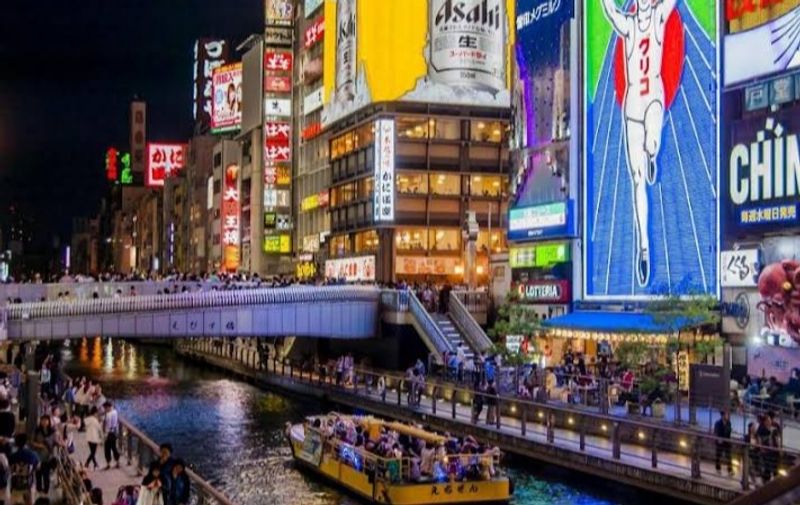
Street food stalls line covered shopping arcades in Japan’s kitchen, where eating is the main attraction. Osaka’s food culture centers on casual, delicious, and affordable dishes like takoyaki (octopus balls) and okonomiyaki (savory pancakes).
The city’s friendlier, more relaxed atmosphere contrasts with Tokyo’s intense formality.
Osaka Castle’s impressive fortifications and gardens provide historical context to this modern commercial hub. Dotonbori district’s neon signs and mechanical crab restaurant decorations create an energetic nightlife scene.
The city’s comedy tradition produces most of Japan’s famous entertainers.
Universal Studios Japan attracts families with its theme park thrills and Harry Potter attractions. Locals are known for being more outgoing and humorous than typical Japanese stereotypes suggest.
The Shinkansen bullet train connects Osaka to Tokyo in under three hours. Kuidaore, meaning to eat yourself into ruin, expresses the local philosophy of prioritizing good food.
Osaka offers authentic Japanese culture without Tokyo’s overwhelming crowds and prices. The city’s warmth and flavor make it many travelers’ favorite Japanese destination.
25. Venice, Italy
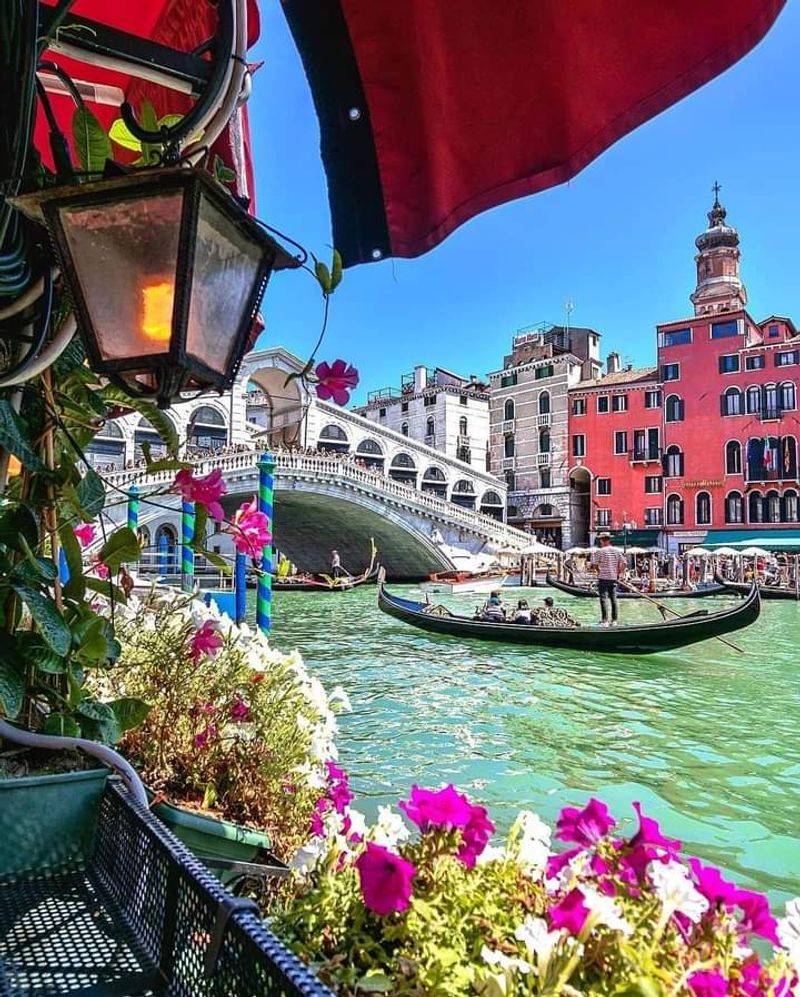
Gondolas glide through narrow canals where cars cannot go, creating a city unlike anywhere else on Earth. Venice was built on 118 small islands connected by over 400 bridges, defying logic and engineering expectations.
St. Mark’s Square floods regularly during high tide, yet remains the heart of this sinking city.
The Rialto Bridge has spanned the Grand Canal since 1591, lined with shops selling jewelry and souvenirs. Murano glass-blowing traditions continue after centuries, with artisans creating colorful masterpieces.
Carnival masks transform the city each February into a mysterious costume party.
Getting lost in Venice’s maze-like streets is part of the experience, with surprises around every corner. The city struggles with overtourism and rising waters, threatening its long-term survival.
Seafood risotto and cicchetti (small snacks) represent local culinary traditions. Venice’s unique beauty comes with crowds and high prices, especially near major landmarks.
Despite the challenges, this floating city remains utterly magical and worth experiencing before it potentially disappears beneath the waves.
26. Dublin, Ireland
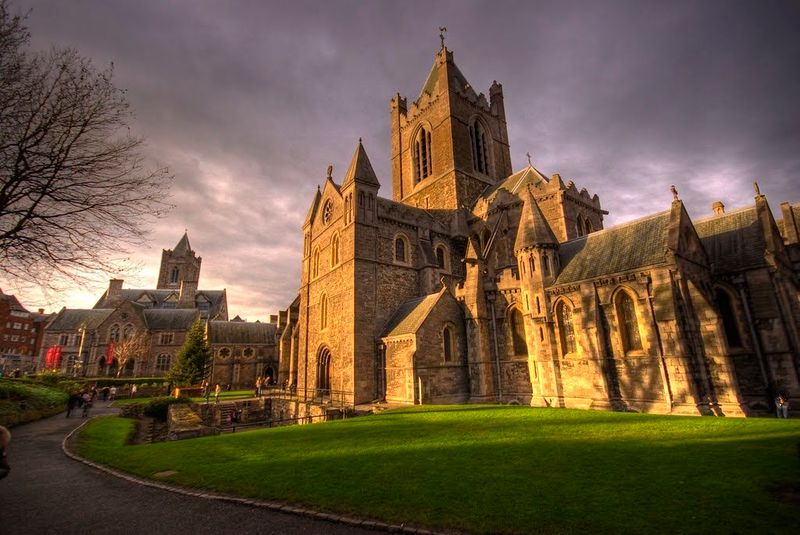
Traditional pubs pour perfect pints of Guinness while live music spills onto cobblestone streets. Dublin’s literary heritage produced writers like James Joyce, Oscar Wilde, and Samuel Beckett, celebrated throughout the city.
Trinity College’s Old Library houses the Book of Kells, a 1,200-year-old illuminated manuscript that represents Irish artistry.
Temple Bar district buzzes with tourists and locals alike, though authentic experiences exist beyond this famous neighborhood. The Guinness Storehouse explains the brewing process and offers panoramic city views from its top-floor bar.
Georgian architecture lines streets with colorful doors that have become Instagram-famous.
Irish hospitality makes strangers feel like friends within minutes of conversation. The city’s compact size allows walking between most major attractions.
Fish and chips, Irish stew, and soda bread represent traditional comfort food. Rain is common, but locals embrace it with good humor and waterproof jackets.
Dublin combines historical significance with youthful energy from its large student population. The city’s warmth comes from its people more than its weather, creating memories through genuine connections.
27. San Francisco, USA
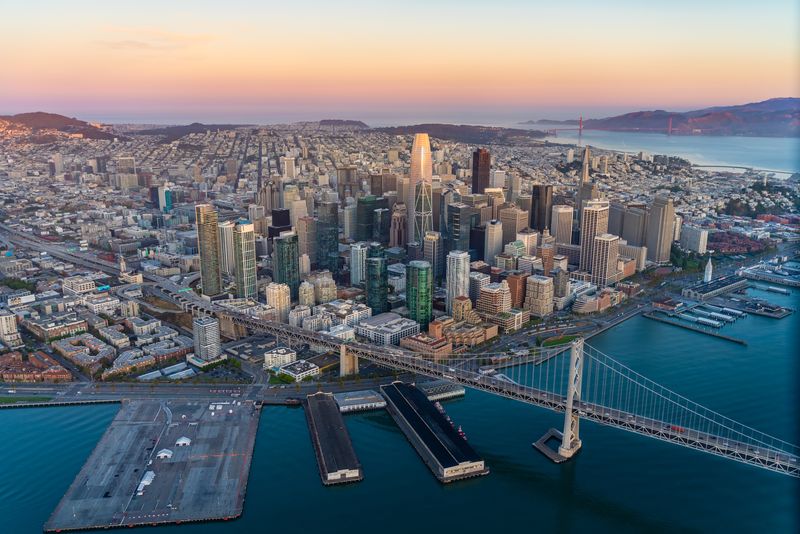
The Golden Gate Bridge’s orange towers emerge from fog banks like a vision from another world. San Francisco’s steep hills challenge leg muscles but reward climbers with stunning bay views.
Cable cars clang up and down streets, providing both transportation and tourist attraction since 1873.
The city’s tech industry wealth has transformed neighborhoods, bringing prosperity and controversy. Alcatraz Island’s former prison sits in the middle of the bay, offering tours of America’s most famous jail.
Fisherman’s Wharf serves fresh Dungeness crab and clam chowder in sourdough bread bowls.
The Mission District’s murals showcase Latino culture and artistic expression. Fog often blankets the city even in summer, earning it the nickname Karl the Fog on social media.
Chinatown, the oldest in North America, offers authentic dim sum and traditional medicine shops. San Francisco’s progressive values and diverse population create an accepting atmosphere.
The city’s natural beauty, combined with innovation and culture, makes it one of America’s most distinctive destinations. Housing costs are astronomical, but the views remain priceless.
28. Athens, Greece
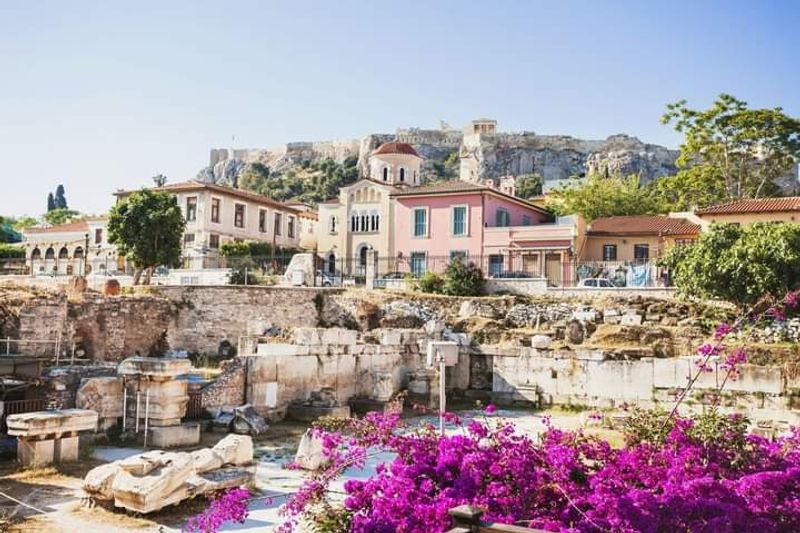
The Parthenon crowns the Acropolis, reminding everyone that Western civilization has roots in this ancient city. Athens gave the world democracy, philosophy, and drama over 2,500 years ago.
Marble columns and temple ruins scatter throughout the modern metropolis, creating a living archaeology lesson.
The Plaka neighborhood’s narrow streets wind below the Acropolis, filled with tavernas serving moussaka and grilled octopus. Street cats lounge everywhere, treated as communal pets by locals.
The city’s graffiti problem reflects economic struggles and political expression.
Syntagma Square hosts the changing of the guard ceremony, where soldiers in traditional costumes perform synchronized movements. Greek coffee and baklava fuel afternoons spent exploring museums and ancient sites.
Athens can feel chaotic and gritty compared to island destinations, but holds unmatched historical significance. The National Archaeological Museum houses treasures that textbooks only hint at.
Evening strolls through neighborhoods like Monastiraki reveal Athens at its most authentic. The city proves that history isn’t dead but lives on in every stone and story.
29. Sydney, Australia
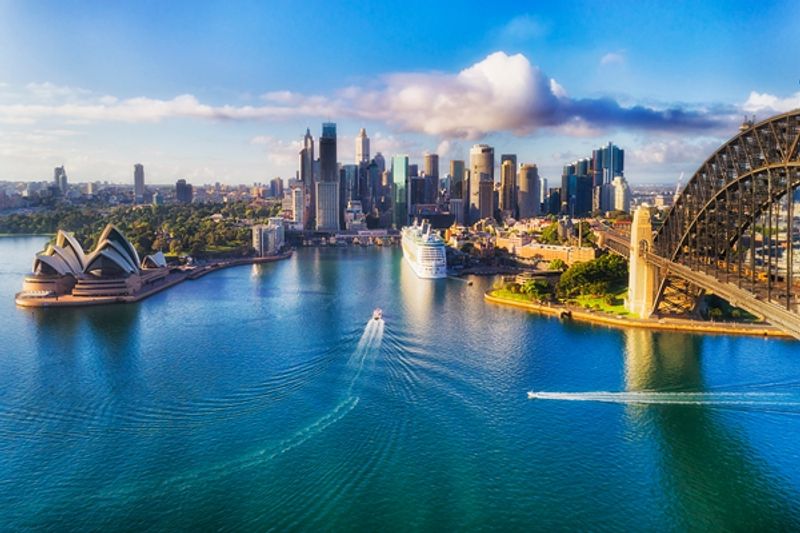
The Opera House’s white shell-shaped roof has become one of the world’s most photographed buildings. Sydney Harbour sparkles with sailboats while ferries shuttle commuters past iconic landmarks.
Bondi Beach draws surfers and sunbathers to its golden sands, embodying the Australian beach lifestyle.
The Harbour Bridge climb offers adventurous visitors panoramic views after scaling the arch. Sydney’s mild climate allows outdoor activities year-round, from coastal walks to harbor swimming.
The Royal Botanic Gardens provide green space with Opera House views.
Diverse neighborhoods like Chinatown, Newtown, and Paddington each offer distinct character and cuisine. Australians’ friendly, laid-back attitude makes visitors feel welcome immediately.
Fish and chips at the beach or flat white coffee at trendy cafes represent local food culture. The city successfully balances urban sophistication with beach-town relaxation.
Wildlife encounters happen even in the city, with possums in parks and colorful parrots overhead. Sydney’s natural harbor setting creates one of the world’s most beautiful urban landscapes.
The city embodies the Australian dream of good weather, outdoor living, and easy-going happiness.
30. Toronto, Canada
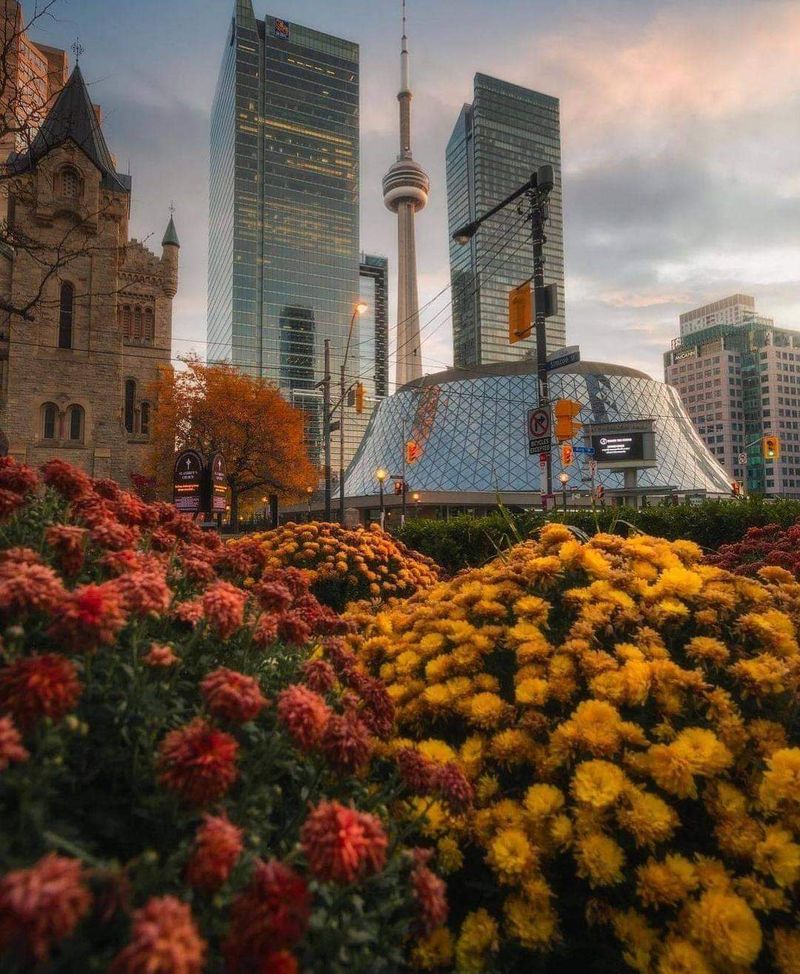
The CN Tower dominates the skyline, having held the title of world’s tallest free-standing structure for 32 years. Toronto’s incredible diversity makes it one of the world’s most multicultural cities, with over half its residents born outside Canada.
Neighborhoods like Little Italy, Greektown, and Chinatown offer authentic international experiences without leaving the city.
The PATH underground walkway system connects buildings downtown, allowing winter navigation without facing brutal cold. Niagara Falls sits just 90 minutes away, making it an easy day trip.
The Toronto International Film Festival brings celebrities each September, turning the city into Hollywood North.
Hockey culture runs deep, with the Maple Leafs inspiring devotion despite decades of championship drought. Poutine (fries with gravy and cheese curds) represents Canadian comfort food.
The city’s politeness sometimes feels stereotypical but proves genuine in daily interactions. Lake Ontario’s waterfront has been transformed with parks, trails, and beaches.
Toronto lacks the dramatic scenery of Vancouver or the European charm of Montreal, but compensates with economic opportunity and cultural richness. The city works remarkably well considering its size and diversity.



