 Unearth The Voyage
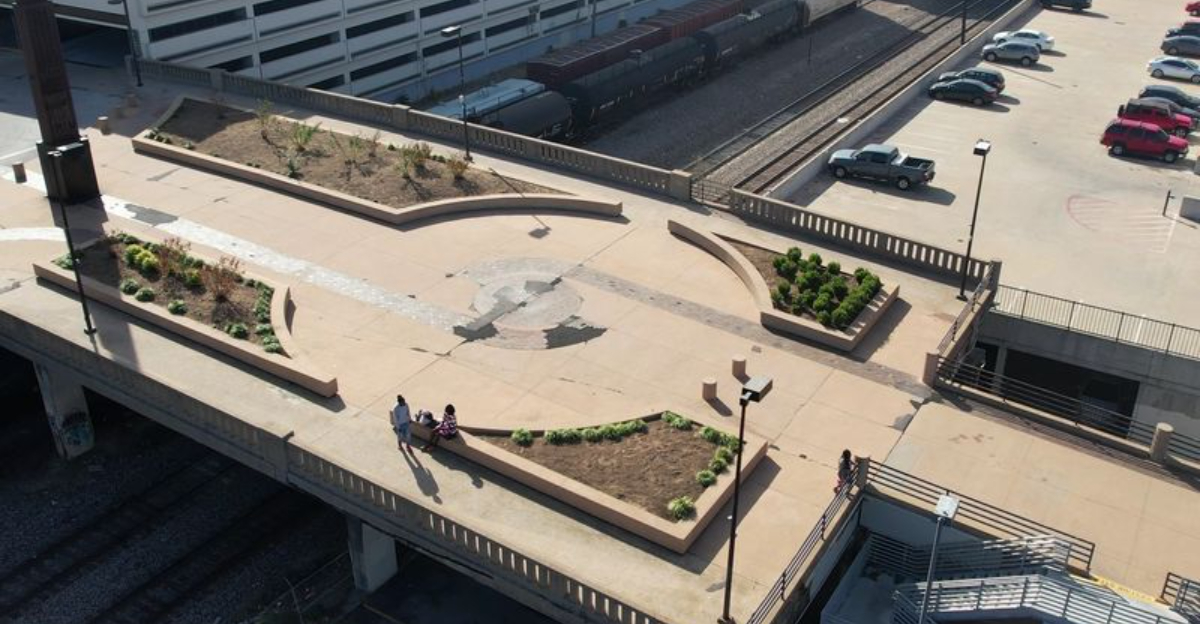
There is a small concrete circle in downtown Tulsa, Oklahoma, that does something no one can fully explain. You step onto it, say a word out loud, and your own voice bounces back to you louder, deeper, and distorted in a way that makes you do a double-take.
The people standing just a few feet away from you hear nothing unusual at all. That one detail is what makes this spot so fascinating, and it has been drawing curious visitors from across the country for years.
Where Exactly You Will Find This Acoustic Wonder
Right in the heart of downtown Tulsa, Oklahoma, at 1 S Boston Ave, Tulsa, OK 74103, sits one of the most quietly remarkable spots in the entire state. The Center of the Universe is perched on a small pedestrian bridge that connects the streets of the historic Deco District, just steps away from the towering BOK Center.
Getting there is straightforward enough. Boston Avenue is a well-known street in Tulsa, and the spot is close to several landmarks that make navigation easy even for first-time visitors.
The surrounding area has a distinct architectural character, with art deco buildings lining the streets and giving the whole neighborhood a polished, old-school charm.
Parking is available nearby, though it can require a bit of patience. Some street-level spots are free, while nearby garages may charge a small fee.
The circle itself is entirely free to visit and open at any hour, so an evening visit after exploring the Arts District nearby is a perfectly reasonable plan. Few places in Oklahoma deliver this much intrigue for absolutely no cost at all.
The Acoustic Phenomenon That Has No Clear Explanation
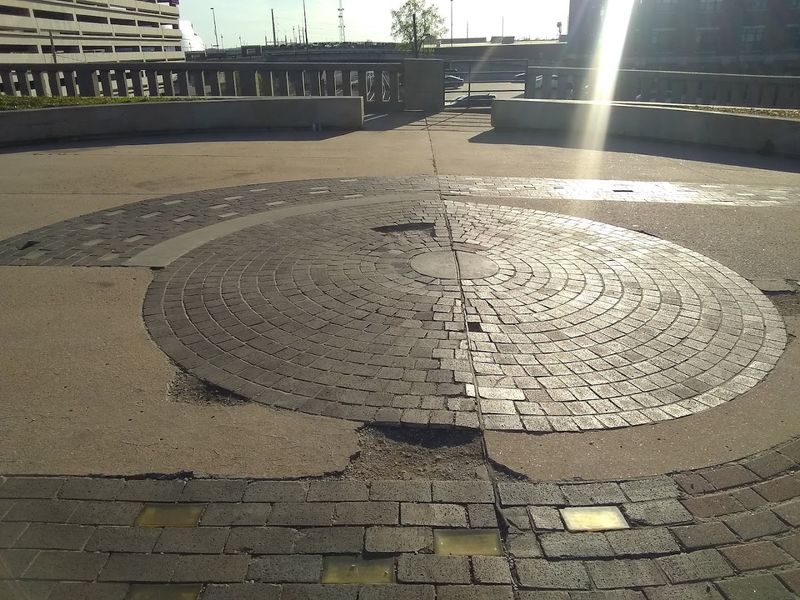
Sound behaves in ways that most people never think about until they encounter something like this. At the Center of the Universe, the acoustics do something genuinely strange.
A person standing directly on the concrete circle hears their own voice returned to them in an amplified, hollow, almost cavernous echo.
What makes it even more puzzling is that no one outside the circle hears the same thing. A friend standing just three feet away will hear your normal speaking voice, completely unaltered.
The echo seems to exist only for the person at the center, as if the space is built specifically to fold sound back on itself.
Scientists and acoustic engineers have offered various theories over the years, pointing to the circular concrete construction and the way nearby surfaces reflect sound waves inward. But no single explanation has become the definitive answer, and that ambiguity is part of what keeps people coming back.
There is something genuinely satisfying about standing in a spot where the rules of sound seem to bend just enough to make you question what you are hearing. Try whispering, then try shouting, and see which one surprises you more.
A Brief History of How This Spot Came to Be
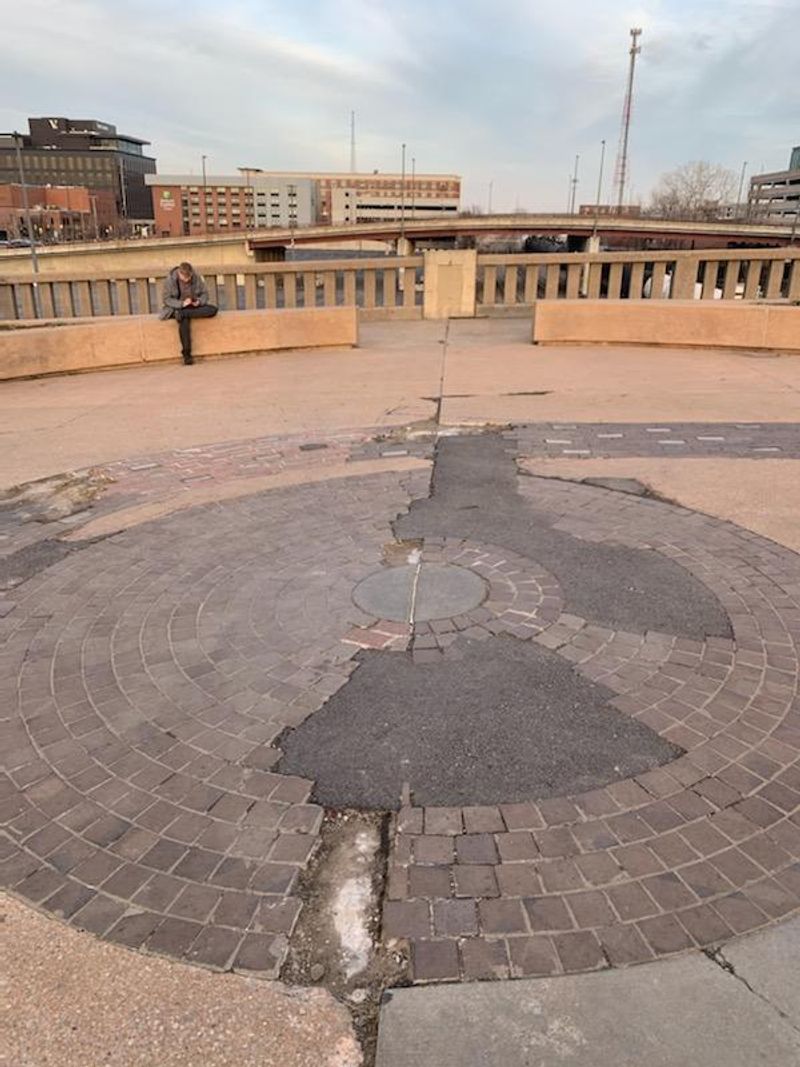
The Center of the Universe was not designed with any grand acoustic ambition in mind. The concrete circle sits on a pedestrian bridge that was constructed as part of downtown Tulsa’s urban development efforts, and the unusual sound effect appears to be an unintentional byproduct of the structure’s geometry.
Over time, word spread locally about the strange echo, and what started as a neighborhood curiosity gradually became a genuine attraction. The name itself, bold and a little tongue-in-cheek, was adopted by locals who appreciated the spot’s quirky personality.
Oklahoma has no shortage of interesting roadside stops, but this one earned its reputation purely through word of mouth.
There is no grand origin story tied to a famous architect or a deliberate acoustic design. The effect simply exists, and the city eventually embraced it.
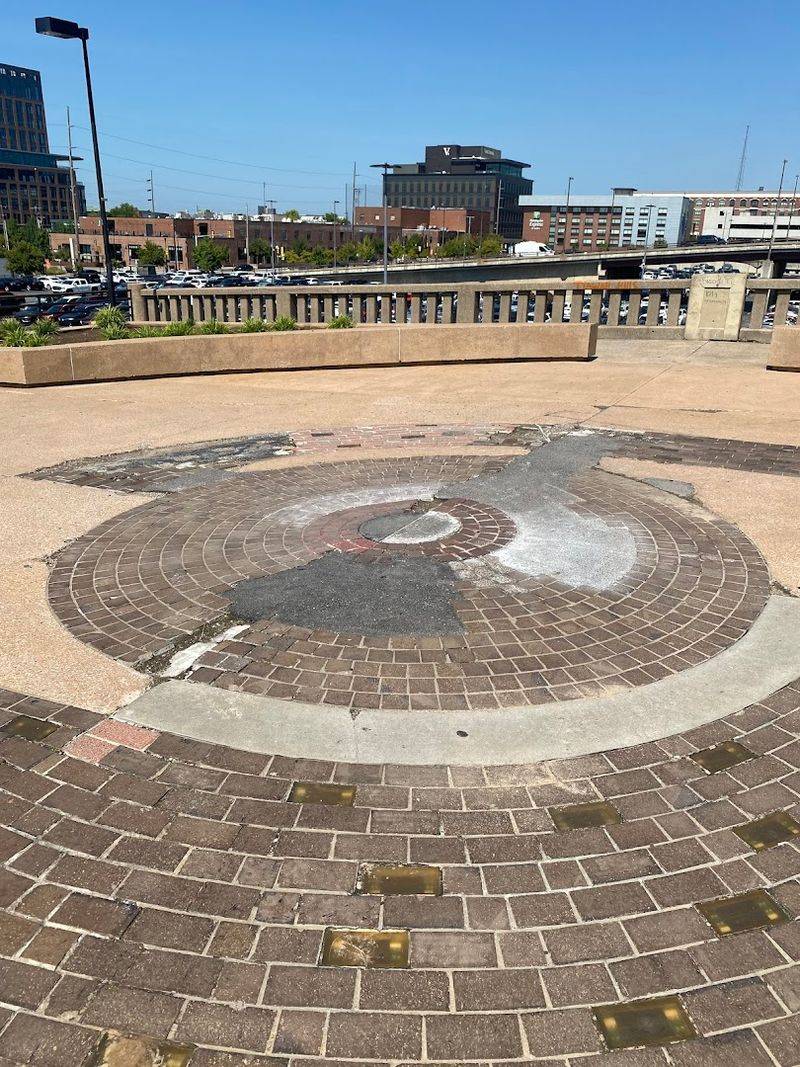
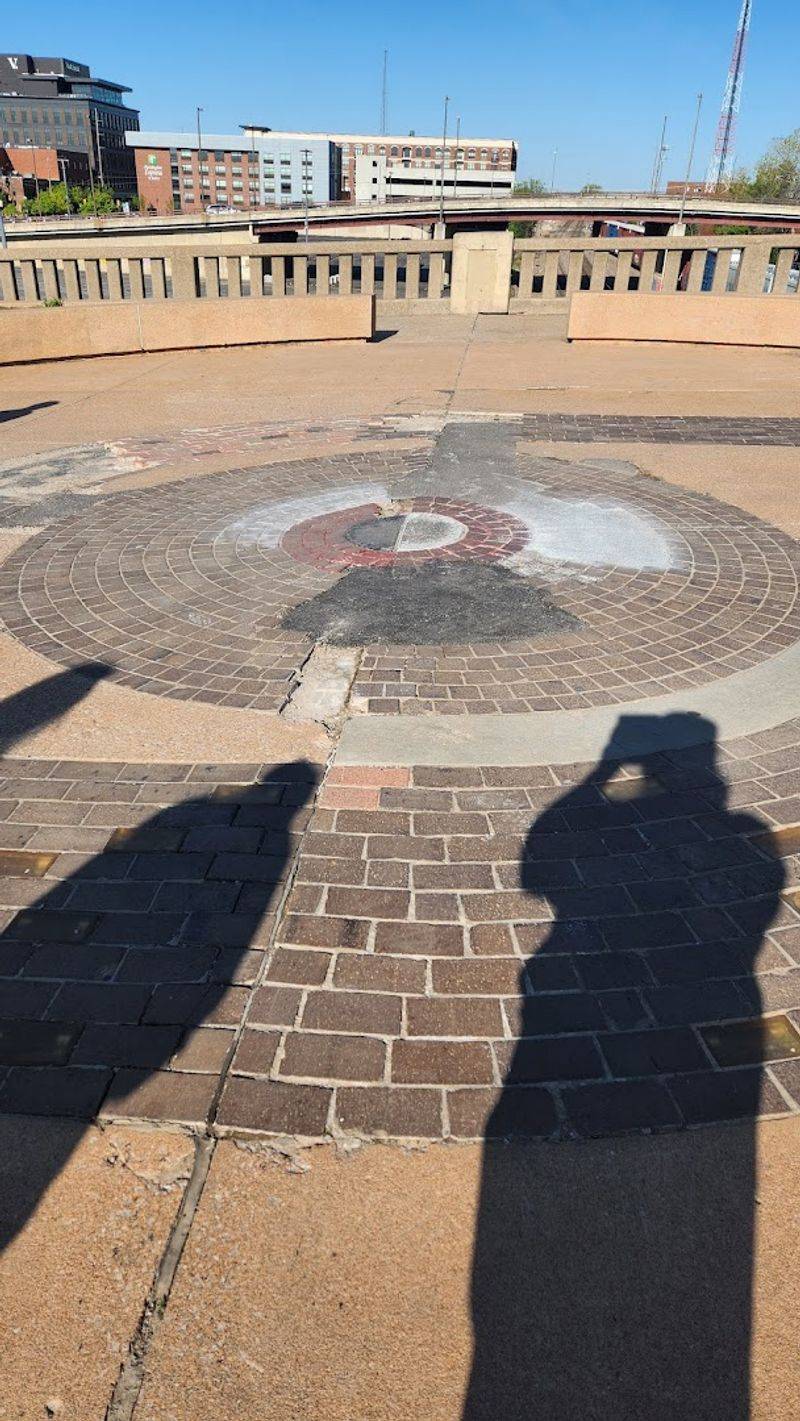
A circle of decorative brick pavers was added around the central concrete spot to mark the location more clearly and give visitors a sense of arrival. That brick surround has since been removed during ongoing renovation work, but the acoustic effect itself remains fully intact and just as surprising as it ever was.
What the Experience Actually Feels Like in Person
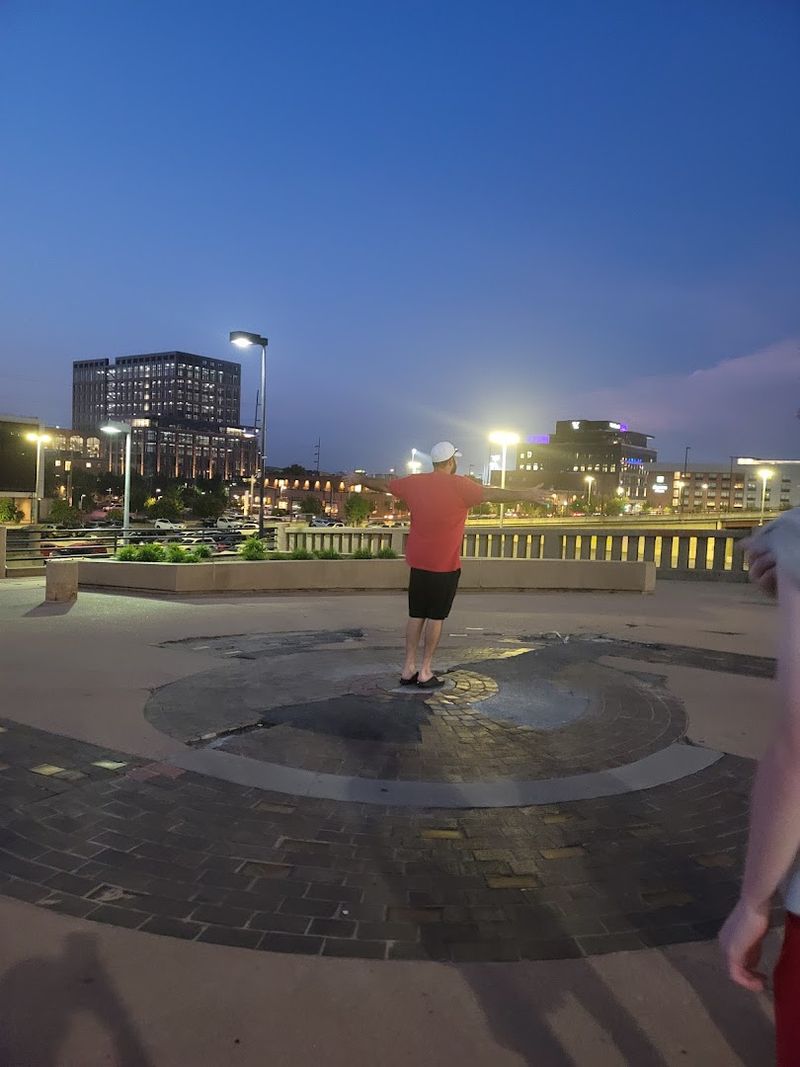
Nothing quite prepares you for that first moment when your own voice comes back to you sounding like it belongs in a cathedral. The echo is not subtle.
It wraps around your words and returns them with added weight, almost like someone turned up the reverb on a recording studio board.
The first instinct most people have is to look around for speakers or some kind of hidden equipment. There is none.
The effect is entirely structural, produced by the physical shape of the space and the surfaces around it. Once you accept that, the experience becomes even more fascinating.
Singing works particularly well in the circle, and even humming a single note produces a surprisingly rich resonance. Clapping your hands creates a sharp, layered pop that multiplies itself in a way that feels almost theatrical.
Children tend to absolutely love it, and watching a kid discover the echo for the first time is its own kind of entertainment. The whole experience lasts only a few minutes, but those minutes have a way of sticking with you long after you have walked back to your car.
The Surrounding Deco District and Its Character
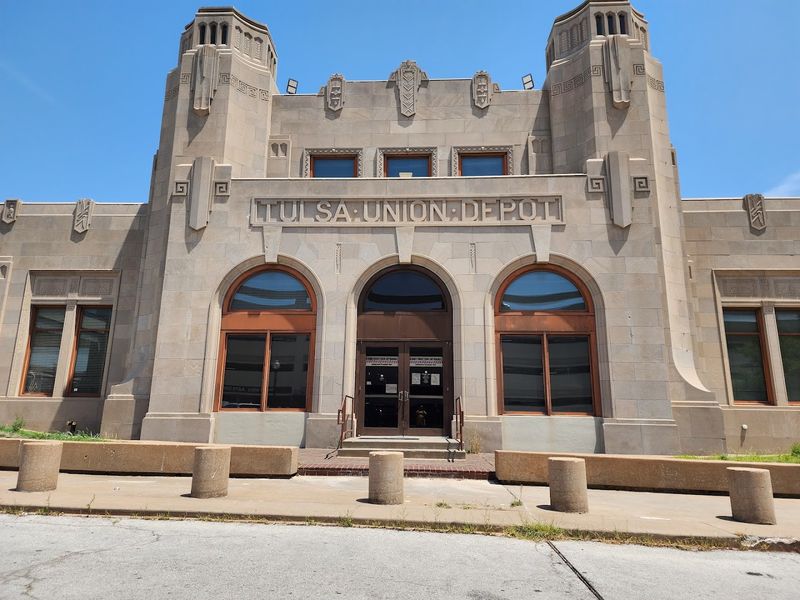
The neighborhood surrounding the Center of the Universe is a reward in itself. The Tulsa Deco District is one of the best-preserved collections of art deco architecture in the United States, and walking through it feels like flipping through a stylish chapter of American design history.
The buildings along Boston Avenue and the surrounding streets feature the geometric ornamentation, bold vertical lines, and decorative metalwork that defined the deco era. The Boston Avenue Methodist Church, just a short walk away, is considered one of the finest examples of art deco religious architecture in the country.
That kind of context makes the whole area feel intentional and curated in the best possible way.
Restaurants, coffee shops, and small galleries dot the district, making it easy to spend a full afternoon in the area. The Tulsa Arts District is just a few blocks away, adding even more options for food and culture.
A visit to the Center of the Universe pairs naturally with a walk through this neighborhood, and together they make for a genuinely satisfying afternoon in one of Oklahoma’s most underrated urban centers.
Tips for Getting the Best Echo When You Visit
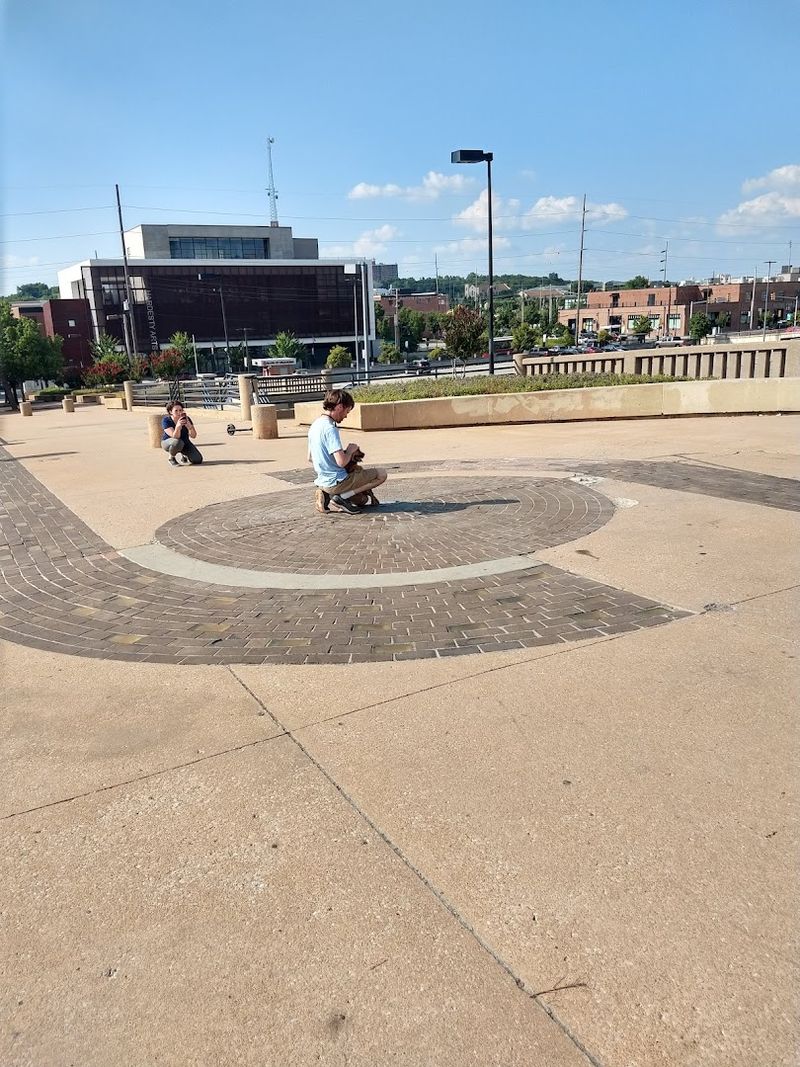
Getting the most out of this spot takes just a tiny bit of strategy. First, stand directly on the center of the concrete circle, not near the edge.
The effect is strongest at the very middle, and even a step or two off-center can noticeably reduce the intensity of the echo you hear.
Speak in a clear, steady voice rather than whispering or yelling right away. A normal conversational tone actually produces a cleaner, more distinct echo than shouting does, at least at first.
Once you have found the sweet spot, feel free to experiment with volume and pitch to see what the space does with different sounds.
One thing worth knowing before you visit: the echo does not record well on a phone. Multiple visitors have noted that when they tried to capture the effect on video, the playback sounded completely normal.
The phenomenon appears to be something the human ear picks up in a way that microphones simply do not replicate. That means the only way to truly experience it is to show up in person, which honestly makes the whole thing feel even more special than it already is.
The Current State of the Site and Ongoing Renovations
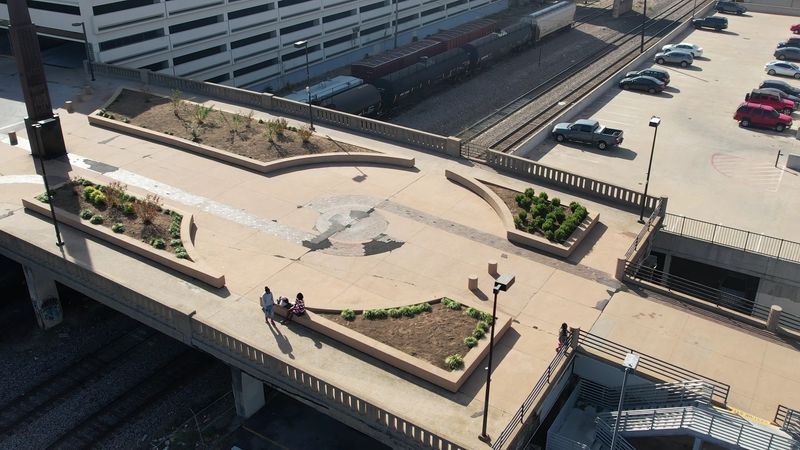
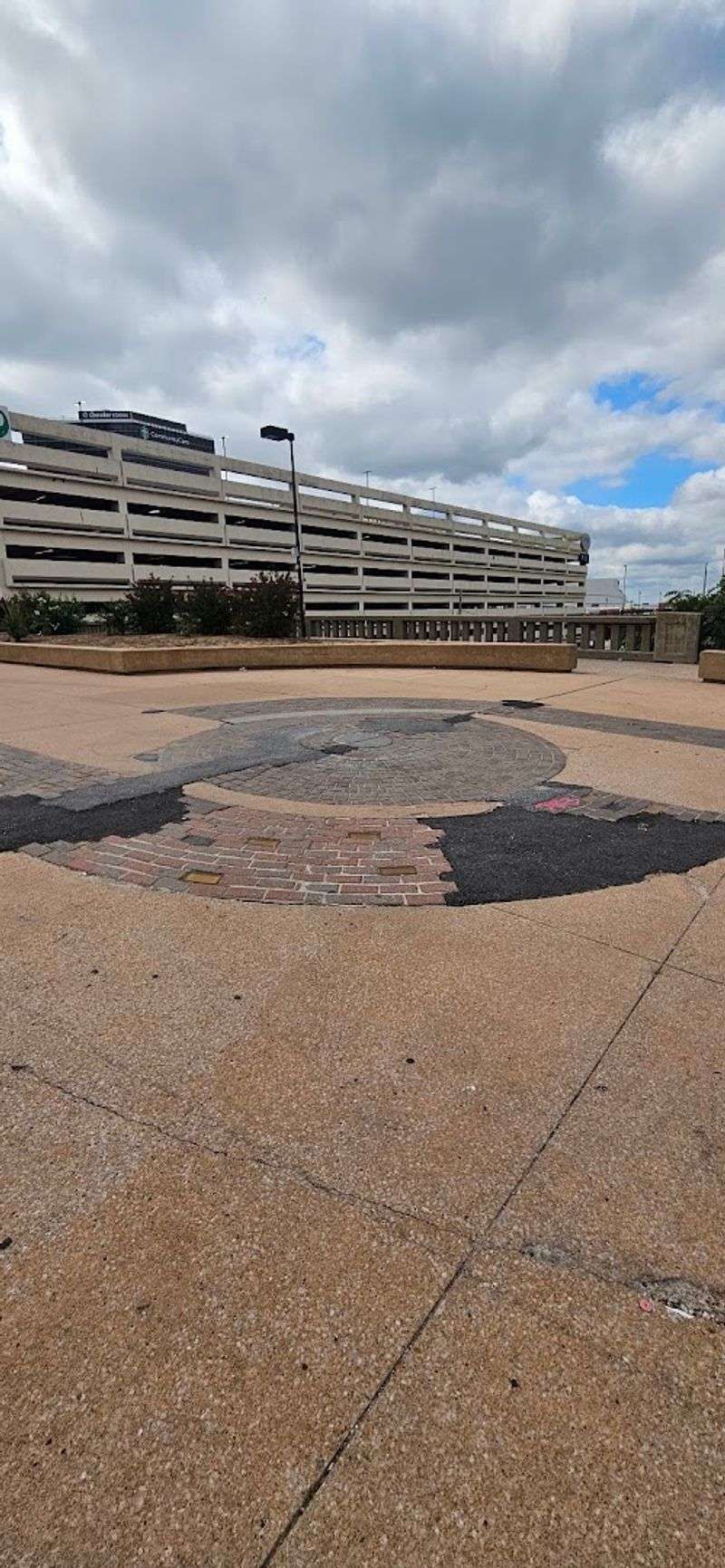
Recent visitors have noted that the site looks quite different from the photos that made it famous. The decorative brick pavers that once ringed the central concrete circle have been removed as part of a renovation project, leaving the area looking more like a construction zone than a polished attraction.
The gravel and exposed ground around the circle have been a source of frustration for some visitors who made the trip specifically for the full visual experience. A few have expressed hope that the city of Tulsa will complete the work and restore the site to something that matches its reputation.
As of recent visits, no clear completion date has been posted at the location.
The good news is that the acoustic effect itself has not been affected by the construction. The echo still works exactly as it always has, and visitors who came despite the unfinished surroundings have confirmed that the sound experience is completely intact.
The site may not look its best right now, but the actual reason people come has survived the renovation process without any trouble. A little gravel underfoot is a small price to pay for something this genuinely unusual.
Why This Spot Draws Visitors of All Ages
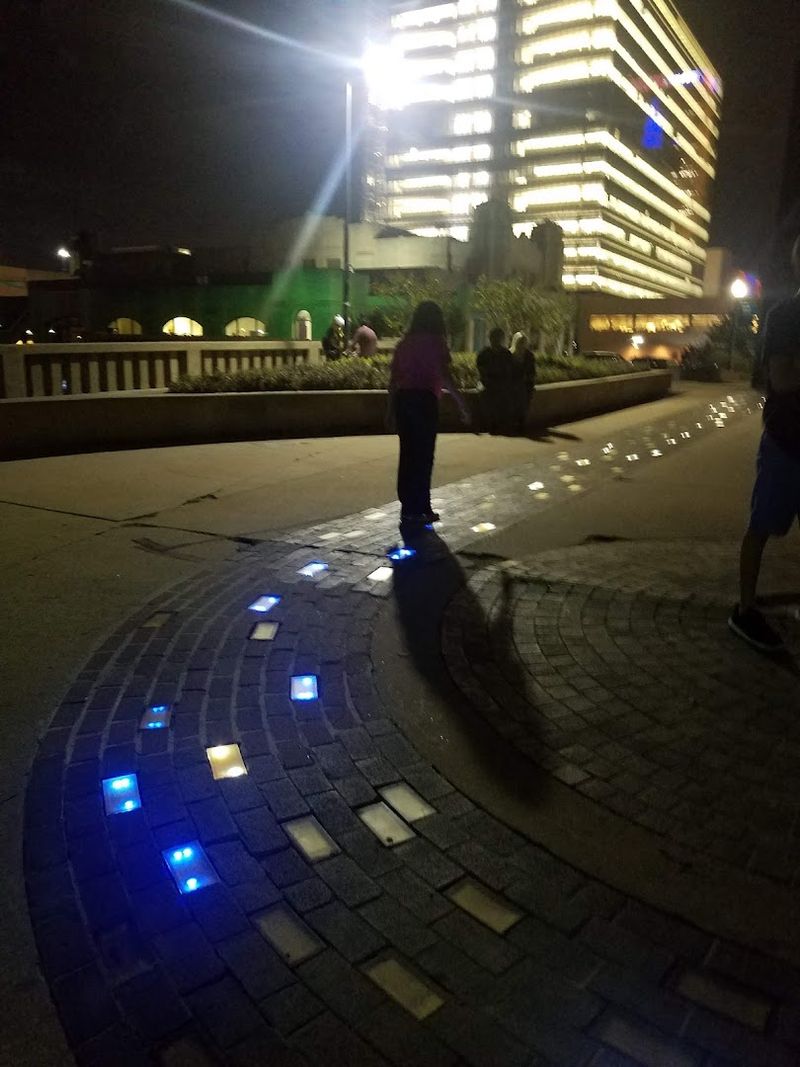
There are not many free attractions that work equally well for a curious eight-year-old and a retired engineer who has spent a lifetime thinking about how things work. The Center of the Universe manages to pull off that rare trick with complete ease.
For kids, the experience is pure, uncomplicated fun. Hearing your own voice come back to you louder and stranger than you sent it out is the kind of thing that produces genuine delight.
For adults, the same experience triggers a different kind of curiosity, one that leads to questions about physics, architecture, and the nature of sound itself.
Groups tend to make a game of it, taking turns in the circle while others listen from outside. Friends test whether they can hear each other’s echo from a distance.
Parents use the moment to explain how sound waves travel and reflect, turning a quick stop into an impromptu science lesson. The spot requires no equipment, no tickets, and no prior knowledge to enjoy.
It simply asks you to show up, stand still, and say something. What happens next is the kind of thing Oklahoma does not get nearly enough credit for producing.
The BOK Tower View and Downtown Skyline
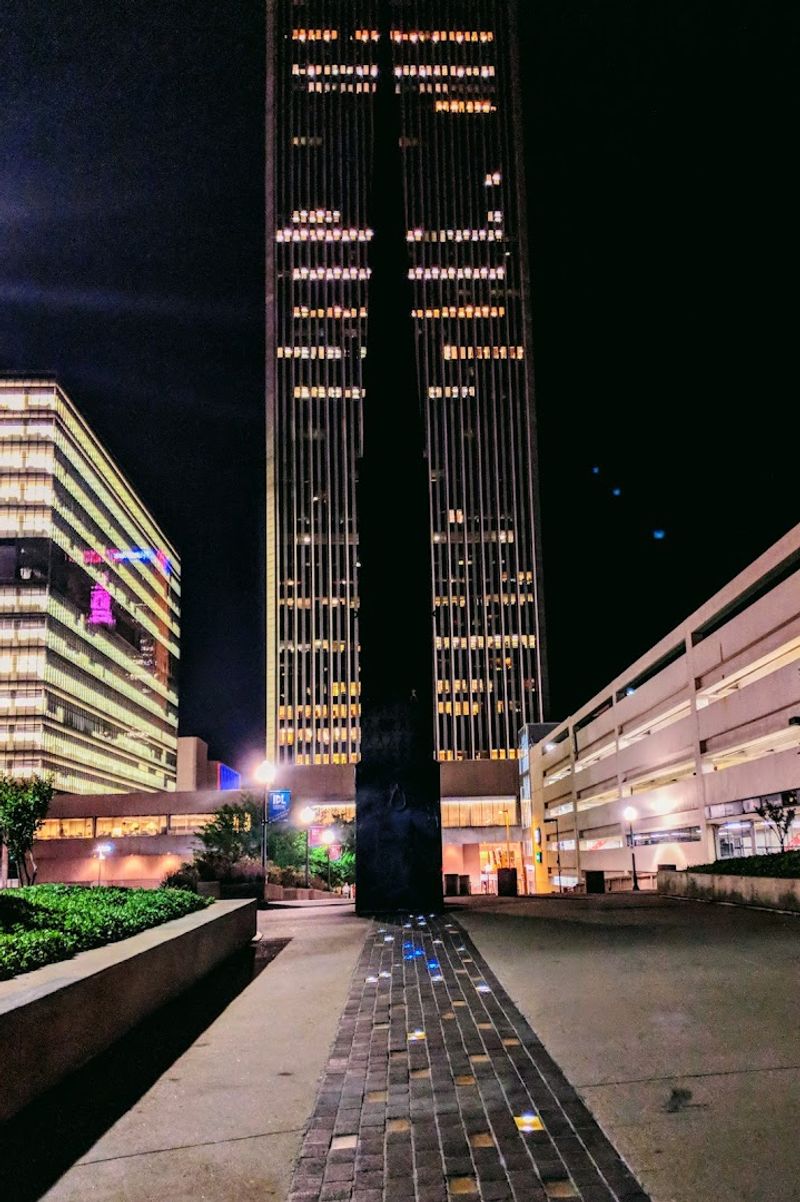
One underrated bonus of visiting the Center of the Universe is the view it offers of the Tulsa skyline. The pedestrian bridge where the circle sits provides an open sightline toward the BOK Tower, which stands as one of the most recognizable features of downtown Tulsa’s profile.
The BOK Tower, formerly known as the First Place Tower, rises 52 floors above the street and has a sleek glass-and-steel design that catches the light beautifully at different times of day. From the bridge, it frames the scene in a way that makes for a genuinely impressive photograph, especially in the late afternoon when the sun hits the building at an angle.
The broader downtown skyline visible from the bridge also includes a mix of historic and modern structures that reflect Tulsa’s layered architectural identity. It is the kind of view that reminds you that Oklahoma cities have their own distinct visual character, one that does not get highlighted nearly as often as it deserves.
Spending a few extra minutes on the bridge after testing the echo to simply take in the view is time well spent, and it adds a grounding sense of place to what might otherwise feel like a quick novelty stop.
Nearby Attractions Worth Adding to Your Visit
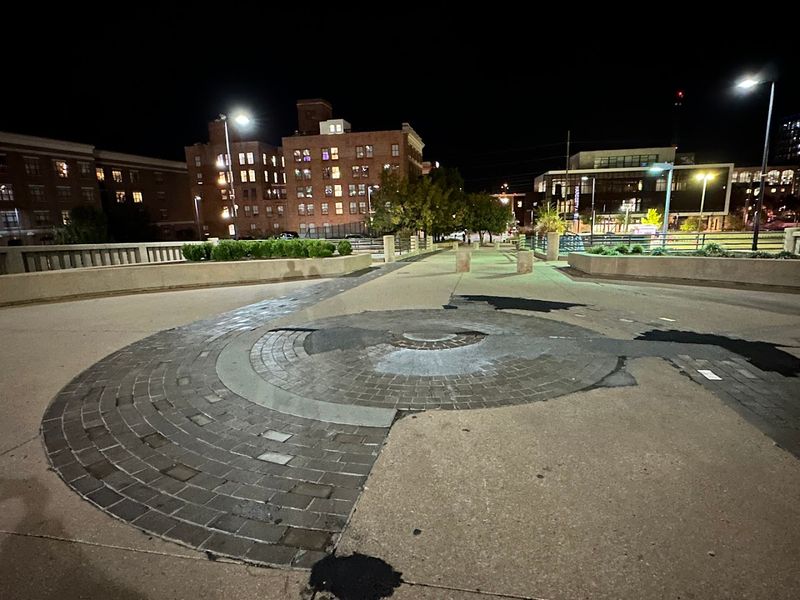
A stop at the Center of the Universe fits naturally into a broader afternoon of exploring downtown Tulsa. The Tulsa Arts District begins just a few blocks away and offers a genuinely strong mix of galleries, restaurants, and cultural spaces that reward a slow walk.
The Woody Guthrie Center, dedicated to the life and legacy of the iconic Oklahoma folk singer, is one of the most thoughtfully designed small museums in the region. The exhibits trace Guthrie’s influence on American music and culture in a way that feels personal rather than academic.
Right nearby, the Cain’s Ballroom has been hosting live music since 1924 and carries a rich history that serious music fans will appreciate.
The Gathering Place, a world-class public park along the Arkansas River, is also within a reasonable drive and offers a completely different kind of afternoon. For those who enjoy public art, Tulsa has a strong collection of murals and sculptures spread throughout the downtown core.
Combining the Center of the Universe with one or two of these nearby stops turns a quick curiosity visit into a full day of exploring one of Oklahoma’s most culturally rich urban areas.
The Science Behind the Sound, Simplified
Sound travels in waves, and when those waves hit a hard surface, they bounce back. In most open spaces, those reflections scatter in enough different directions that your ear barely notices them.
The Center of the Universe works differently because of its circular geometry.
The concrete structures surrounding the central point are arranged in a way that reflects sound waves back toward the center from multiple directions at once. Instead of scattering outward, the echoes converge on the person standing in the middle, arriving from all sides at nearly the same moment.
That convergence is what creates the amplified, layered effect that visitors hear.
The reason people outside the circle do not hear the same thing is that the reflected waves are aimed inward rather than outward. From a few feet away, the sound field is completely different, and a bystander hears only the direct sound of your voice without any of the reflected layers.
Acoustic engineers call this kind of effect a whispering gallery, though the Center of the Universe produces a particularly dramatic version of it. Understanding the basic mechanics does not make the experience any less surprising, because knowing why it works and actually hearing it are two very different things.
Making the Most of a Free and Memorable Stop
Few stops on any road trip through Oklahoma deliver this kind of return on zero investment. The Center of the Universe costs nothing to visit, takes only a few minutes to experience, and leaves most people talking about it for the rest of the day.
That combination is genuinely hard to beat.
The best time to visit is either early morning or early evening, when foot traffic is lighter and you can take your time in the circle without feeling rushed. Midday visits on weekends can draw a small crowd, and waiting for your turn is part of the experience, but a quieter visit lets you experiment more freely with different sounds and tones.
Bring someone with you if you can, because having a friend stand outside the circle while you test the echo makes the contrast much more vivid. They will confirm that from their perspective, your voice sounds completely normal, which somehow makes your experience inside the circle feel even stranger.
This little concrete circle in Tulsa, Oklahoma, has no flashy signage, no admission booth, and no souvenir stand, and yet it manages to be one of the most genuinely memorable spots in the entire state. That quiet confidence is exactly what makes it worth finding.



