 Unearth The Voyage

On August 2, 2027, something incredible will happen in the sky above us. A total solar eclipse will sweep across parts of Europe, North Africa, and the Middle East, and for some lucky observers, the world will seem to stand still for more than 6 minutes. This rare event is already being called one of the most spectacular astronomical shows of the century, and scientists, photographers, and sky watchers everywhere are counting down the days.
1. Historic Duration: Longest on Land This Century

Imagine standing under the sky as day turns to night, not for seconds, but for over six full minutes. That is exactly what will happen during the August 2027 total solar eclipse. Experts say the total phase, when the Moon completely covers the Sun, will last up to 6 minutes and 23 seconds in some locations.
This makes it the longest total solar eclipse visible on land in the entire 21st century. Most eclipses last only a couple of minutes, so this extended darkness is truly special. Astronomers around the world are already preparing their equipment and travel plans.
For anyone who loves the night sky, this is a bucket-list moment you will not want to miss.
2. Save the Date

Mark your calendar right now: August 2, 2027. If you have ever dreamed of witnessing a total solar eclipse, this is your golden opportunity. Unlike many celestial events that happen unexpectedly, eclipses are predictable years in advance.
This gives you plenty of time to plan a trip, gather your viewing gear, and maybe even invite friends or family to join you. Missing this date would mean waiting many more years for another eclipse of this magnitude. Some people plan their entire vacations around eclipse viewing because the experience is that powerful.
Set reminders, book accommodations early, and prepare for an unforgettable day. The countdown has officially begun, and excitement is building around the globe.
3. A Path Across Three Continents

One of the coolest things about the 2027 eclipse is how far its shadow will travel. The path of totality, where the Sun will be completely blocked, stretches across three continents. Starting in southern Spain, it will sweep over North Africa and into the Middle East.
Countries like Morocco, Algeria, Tunisia, Libya, Egypt, and Saudi Arabia will all experience totality. The path ends near Yemen and Somalia, covering thousands of miles. This wide reach means millions of people will have a front-row seat to the show.
Even if you do not live directly in the path, traveling to one of these regions might be easier than you think. This eclipse truly brings the world together under one shadow.
4. Egypt Is a Prime Viewing Spot

If you want to experience the longest possible totality, head to Egypt. Near the historic city of Luxor, the eclipse will reach its maximum duration of roughly 6 minutes and 23 seconds. Imagine watching the Sun disappear while standing near ancient temples and pyramids that have witnessed thousands of years of history.
Luxor is already a popular tourist destination, and the eclipse will make it even more special. Hotels and tour operators are expected to book up fast, so planning ahead is smart. Egypt offers clear skies in August, which increases your chances of perfect viewing conditions.
Combining a once-in-a-lifetime eclipse with Egypt’s incredible culture and history makes this an adventure worth taking.
5. Start of Totality in Europe

Europe will be the first continent to greet the eclipse on August 2, 2027. Southern Spain, particularly cities like Cádiz, will witness several minutes of total darkness if the weather cooperates. Cádiz is a beautiful coastal city with a rich history, making it a fantastic spot for eclipse chasers.
Watching the Moon’s shadow race across the Atlantic and onto European soil will be breathtaking. Spanish officials are already preparing for an influx of visitors eager to witness this rare event. Local festivals and viewing parties are likely to pop up as the date approaches.
For Europeans, this is a rare chance to see totality without traveling halfway around the world. Clear skies and good company could make this an unforgettable experience.
6. North Africa Offers Brilliant Views

From Morocco all the way through Algeria, Tunisia, and Libya, the path of totality will deliver stunning views. Observers along the centerline will see the Sun completely obscured, creating dramatic lighting effects and a sudden dusk-like atmosphere. The desert landscapes of North Africa provide wide-open skies with minimal light pollution, perfect for eclipse viewing.
Photographers will find endless opportunities to capture the eclipse against dramatic backdrops like sand dunes and ancient ruins. Local communities are preparing to welcome visitors, and many tour companies are already organizing eclipse expeditions. The weather in August is typically dry and clear, which boosts the chances of a cloudless view.
North Africa promises an unforgettable eclipse experience wrapped in natural beauty and cultural richness.
7. Middle Eastern Skies in Shadow
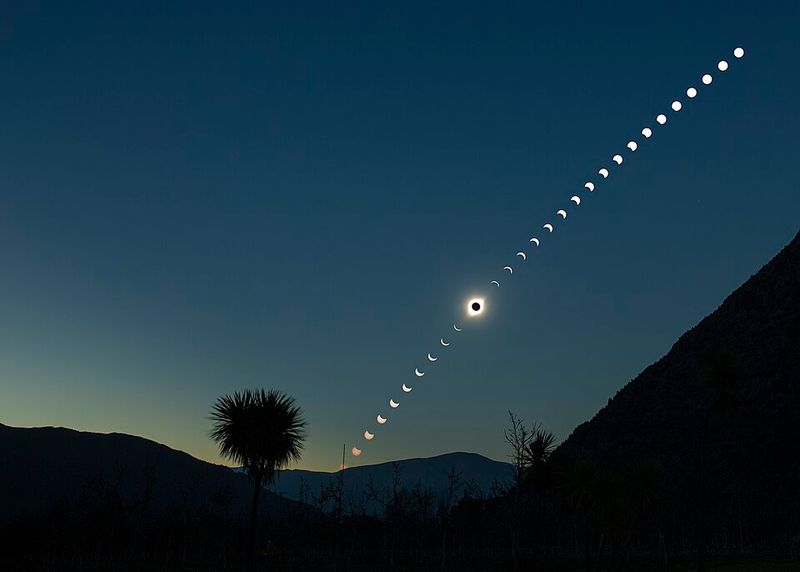
Countries in the Middle East, including Saudi Arabia, will also lie directly in the path of totality. This gives millions of people in the region a chance to witness one of nature’s most awe-inspiring events without leaving home. Saudi Arabia’s vast deserts and clear August skies make it an ideal viewing location.
The eclipse will bring together people from different backgrounds, all united by their curiosity and wonder. Local observatories and science centers are expected to host public viewing events and educational programs. For students and young astronomers, this could be a life-changing moment that sparks a lifelong interest in space.
Watching the sky darken in the middle of the day is something you will remember forever, no matter where you stand.
8. Partial Eclipse Seen Beyond Totality Path

Even if you are not lucky enough to stand in the path of totality, you can still catch a partial eclipse. Outside the narrow totality zone, a much larger area will see the Moon cover most of the Sun. This includes broader regions of Europe, Africa, and the Middle East.
During a partial eclipse, the Sun looks like a crescent or a bite has been taken out of it. While not as dramatic as totality, a partial eclipse is still an amazing sight. You will need special eclipse glasses to view it safely, but the experience is well worth it.
Millions of people who cannot travel to the totality path will still get to participate in this global event. Sharing photos and stories online will connect eclipse watchers from all over the world.
9. What You Will See During Totality

Totality is when the magic truly happens. Once the Moon completely blocks the Sun, the Sun’s outer atmosphere, called the corona, becomes visible as a glowing halo. This shimmering crown of light is usually hidden by the Sun’s brightness, so eclipses are one of the few times we can see it with our own eyes.
The sky will dim to a twilight glow, and if you are lucky, you might even spot bright stars or planets. Temperatures can drop noticeably, and animals may act confused, thinking night has arrived. Some people report feeling a strange sense of awe and quiet during totality.
These few minutes are a window into the cosmic dance between Earth, Moon, and Sun, and they leave a lasting impression on everyone who witnesses them.
10. Protect Your Eyes

Safety first: never look directly at a partial solar eclipse without proper protection. Your eyes can be seriously damaged, even if the Sun is mostly covered. Special solar viewing glasses with certified filters are essential anytime the Sun is not completely hidden.
Ordinary sunglasses, no matter how dark, are not safe for eclipse viewing. You can also use indirect viewing methods, like pinhole projectors, which let you watch the eclipse’s progress without looking at the Sun. During totality, when the Sun is fully covered, it is safe to look with your naked eyes, but only for those brief minutes.
As soon as the Sun starts to peek out again, you must put your eclipse glasses back on. Following these simple rules will keep your eyes safe while you enjoy the show.
11. Why This One Is Special
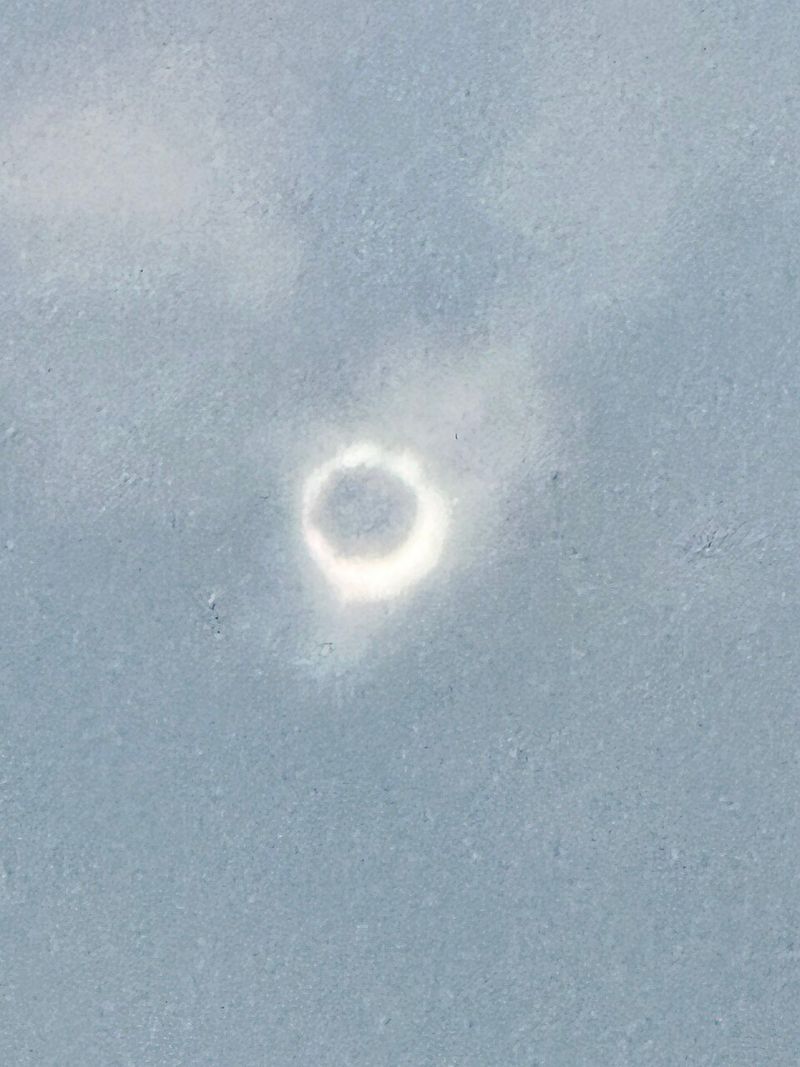
Total solar eclipses are rare at any given location on Earth. You might wait decades or even centuries for one to pass over your hometown. What makes the August 2, 2027 eclipse stand out is its exceptionally long totality on land and its path across multiple culturally and historically significant regions.
Scientists, photographers, and eclipse chasers from around the world are already buzzing with excitement. The combination of duration, accessibility, and location creates a perfect storm of opportunity. This eclipse will be studied, photographed, and remembered for generations.
Whether you are a science enthusiast, a traveler, or just someone who loves natural wonders, this event offers something truly unique. Moments like these remind us how small we are in the grand scheme of the universe.
12. Where It Ranks Historically

The August 2, 2027 eclipse will have one of the longest durations of totality on land in the entire 21st century. Before this, the April 8, 2024 eclipse over North America lasted about 4 minutes and 28 seconds, which was already considered impressive. The August 12, 2026 eclipse visible in parts of Europe is expected to last under 2 minutes.
By comparison, the 2027 eclipse’s 6 minutes and 23 seconds is extraordinary. Eclipses this long on land are incredibly rare and make this event a standout in modern astronomy. Historians and astronomers will talk about this eclipse for decades.
If you miss it, you will have to wait a very long time for another one like it. That is why so many people are already making plans to be there.



