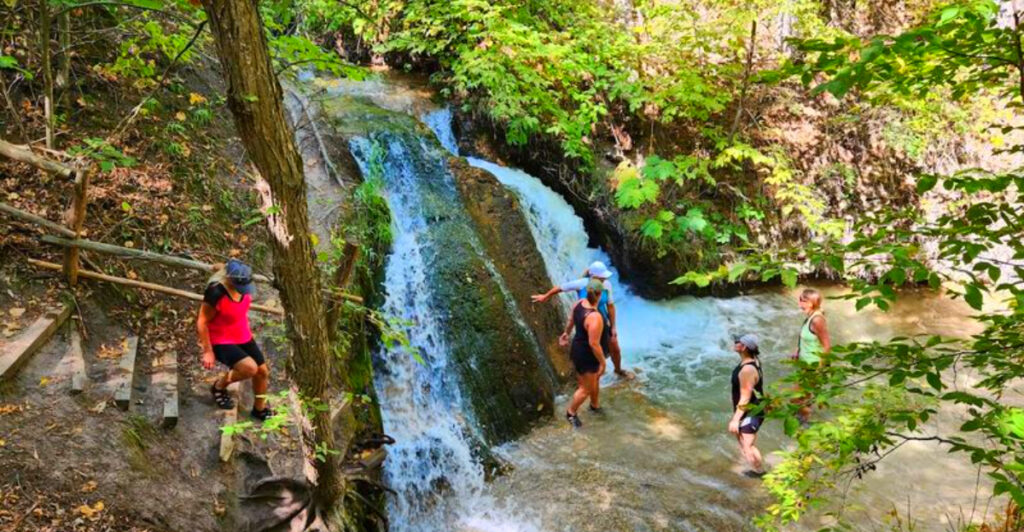
Nebraska’s most famous waterfall is an unexpected sight in the Great Plains. Located along the Niobrara National Scenic River, this spring-fed cascade plunges nearly 63 feet into a scenic canyon surrounded by unique plant life and rugged landscapes.
Beyond the waterfall, visitors can explore boardwalks, cross a historic footbridge, and enjoy trails, overlooks, and abundant wildlife. With its striking scenery and diverse natural features, this remarkable destination offers far more than its famous waterfall alone.
Finding the Park: Address, Location, and Getting There
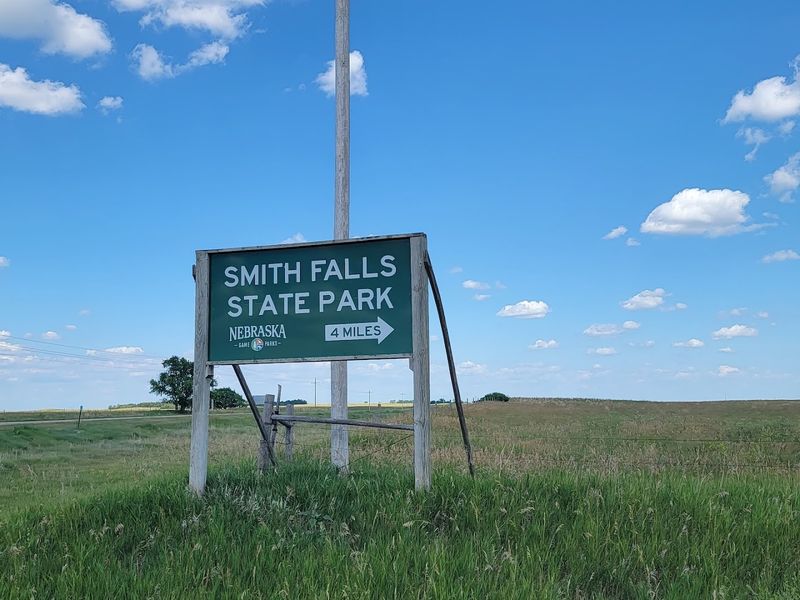
Not every great natural destination is easy to find on a map, but Smith Falls State Park rewards the effort it takes to get there. The park is located at Valentine Precinct, NE 69221, roughly 13 miles northeast of Valentine, Nebraska, in Cherry County.
To reach it, you take Highway 12 east from Valentine, then follow the signs south along a gravel road that winds through open ranch land before dropping into the Niobrara River valley. The drive itself is part of the experience, with sweeping views of the Sandhills grasslands on every side.
A Nebraska State Park Entry Permit is required for all vehicles, so plan ahead and grab one before you arrive. The park is managed by the Nebraska Game and Parks Commission, and the combination of remote location and natural beauty makes the journey feel like a genuine adventure from the very first mile.
Nebraska’s Tallest Waterfall and Why It Defies Expectations
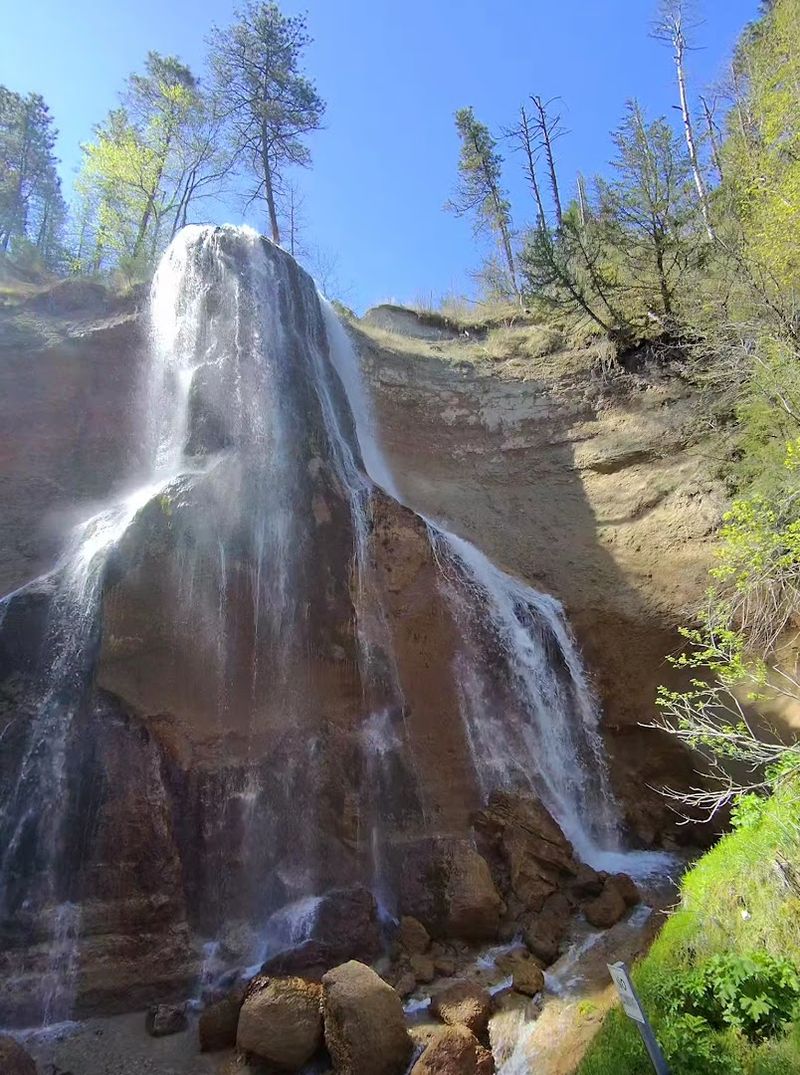
Most people smile when they hear that Nebraska has a tallest waterfall, quietly assuming it must be a trickle over a limestone ledge. Smith Falls shuts down that assumption at around 63 feet of cascading, spring-fed water that drops into a cool, shallow pool with a satisfying roar.
The waterfall is fed entirely by natural springs rather than surface runoff, which means it flows consistently throughout the entire year, even during dry Nebraska summers when the surrounding prairie looks parched and golden.
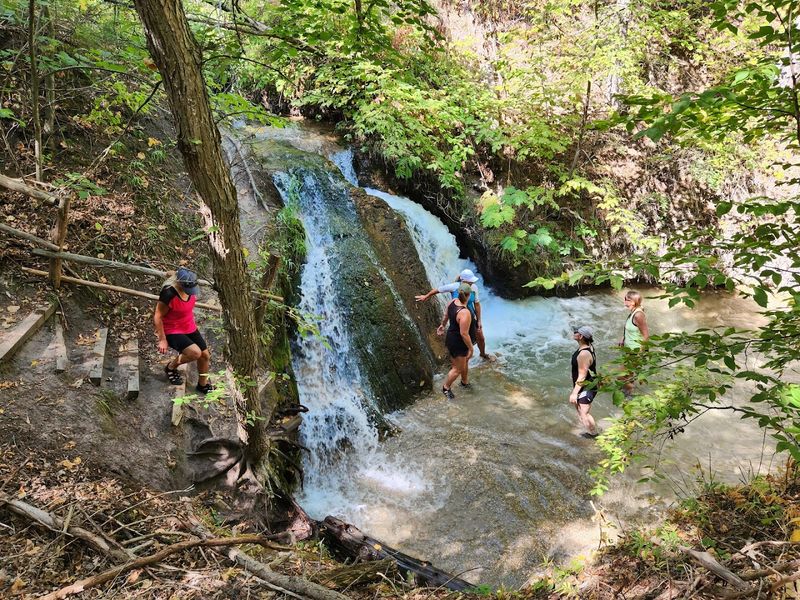
You can walk right up to the base of the falls, take off your shoes, and wade into the shallow pool while the cool spray drifts over you on a hot August afternoon. The canyon walls rise on either side, blocking out the flat horizon you have been staring at for the entire drive.
It genuinely feels like a different world, and that contrast is exactly what makes it so memorable.
The Fascinating History Behind the Name
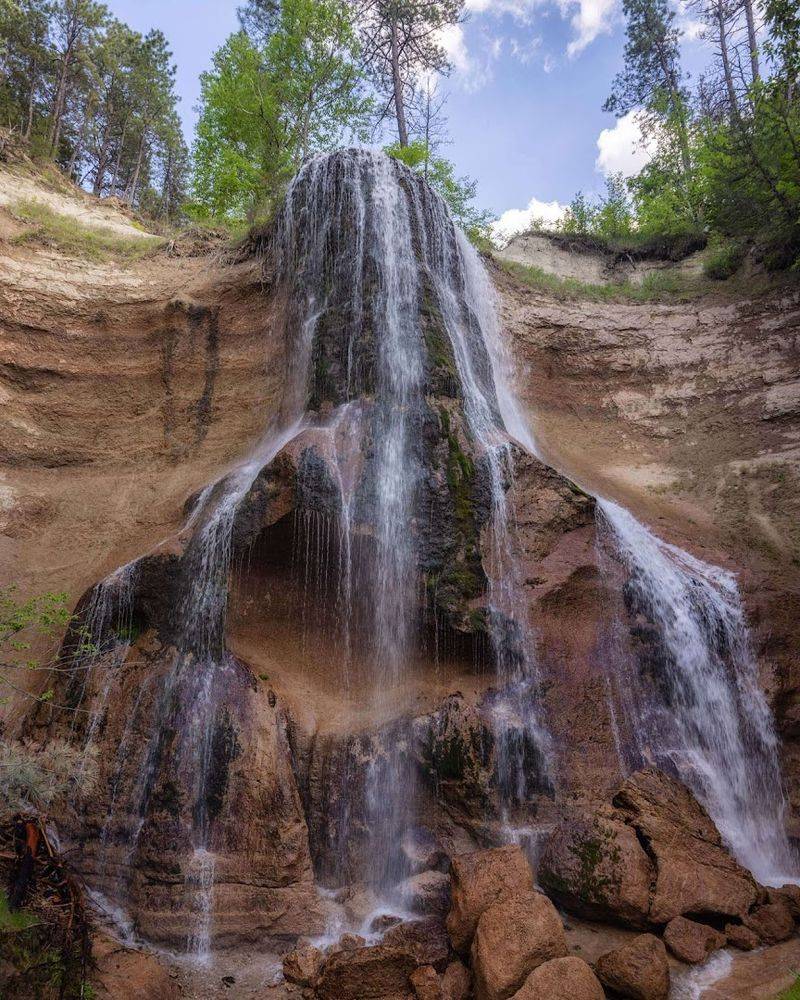
The waterfall was not always called Smith Falls. Originally, it carried the name Arikaree Falls, a reference to the Indigenous Arikara people who had deep connections to the Niobrara River region long before European settlers arrived.
The name changed after Frederic Smith filed a homestead patent for the surrounding land in 1896, and the falls eventually took on his name. The land later passed to the Krzyzanowski family, who owned it from 1941 onward and chose to lease it to the Nebraska Game and Parks Commission rather than develop it privately.
That generous decision led directly to the establishment of Smith Falls State Park in 1992, which means the park is relatively young compared to many of Nebraska’s other protected areas. The layers of history here, from Indigenous heritage to homesteading to conservation, give the park a quiet depth that goes well beyond the scenery.
The next section covers what the landscape itself actually looks like up close.
A Microclimate That Belongs in a Different State
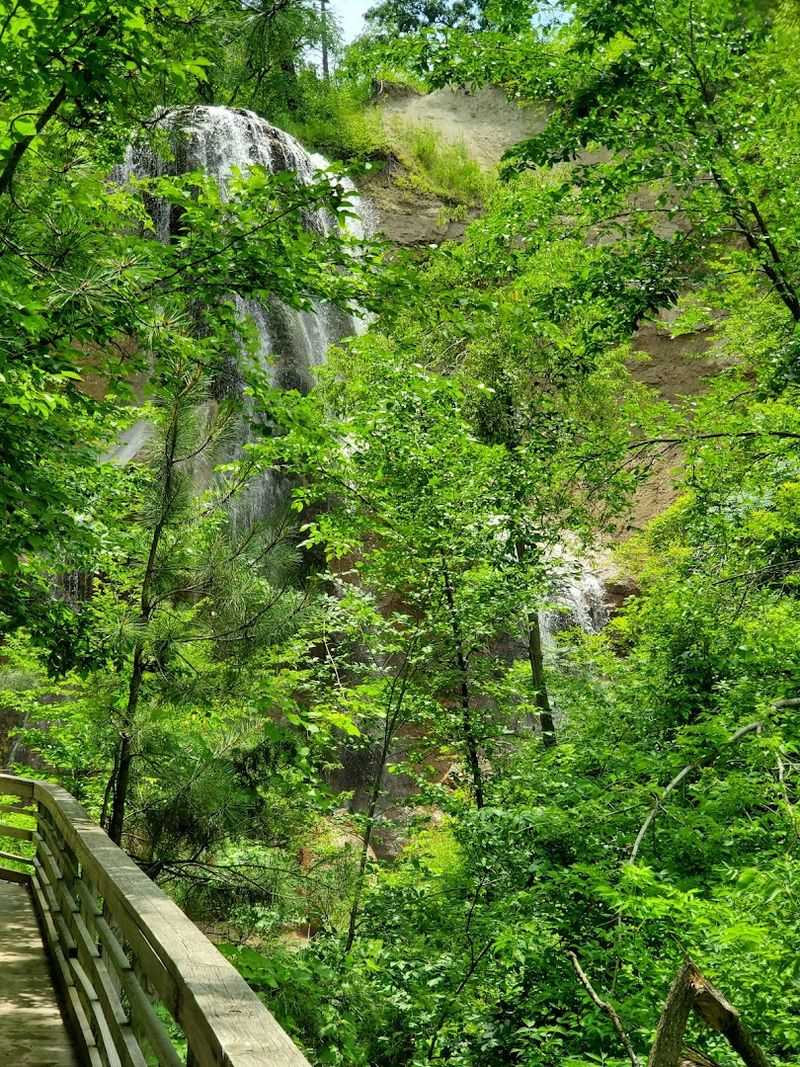
One of the most surprising things about Smith Falls State Park is not the waterfall itself but the ecosystem surrounding it. The canyon carved by Smith Falls Creek creates a cool, wet microclimate that supports plant species you would never expect to find in the Nebraska Sandhills.
Paper birch trees line the canyon walls, their white bark standing out sharply against the green undergrowth. There is also a rare hybrid aspen species found here, a natural cross between quaking aspen and bigtooth aspen, believed to be a remnant of the Wisconsin glaciation period from thousands of years ago.
These trees survived because the canyon trapped enough moisture and cool air to sustain them long after the surrounding climate dried out. Scientists consider this a relict ecosystem, a living snapshot of what much of the region looked like during a very different climate era.
The biodiversity packed into this small canyon is genuinely remarkable, and botanists have been studying it for decades.
The Niobrara National Scenic River Running Through It All
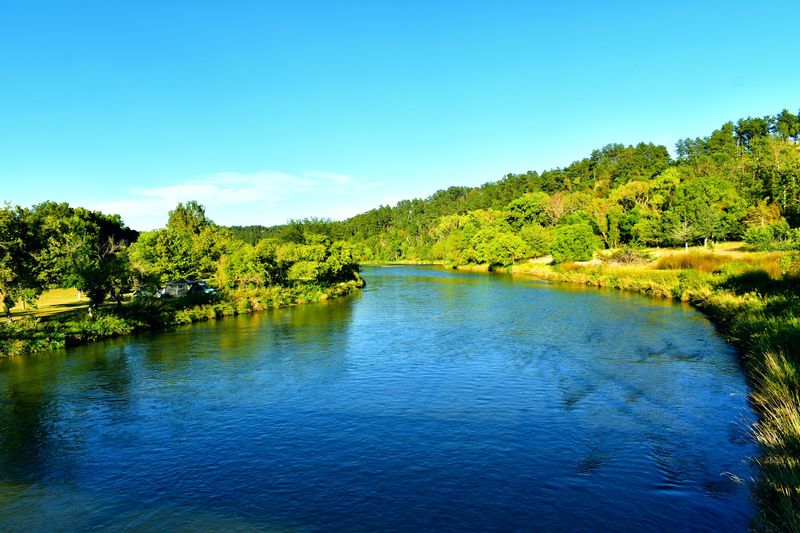
The Niobrara River does not just flow past Smith Falls State Park. It defines the entire character of the place.
Designated as a National Scenic River, the Niobrara winds through a canyon landscape that feels almost theatrical in its beauty, with clear water, sandy banks, and canyon walls draped in green.
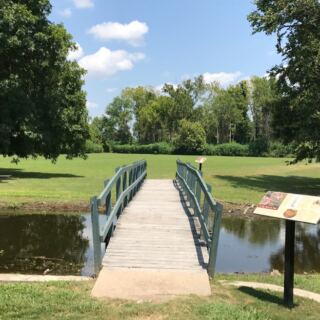
To reach the falls from the campground, you cross the Niobrara on a historic truss footbridge that has become one of the park’s most photographed features. Canoes and kayaks glide beneath it on warm summer days, and the sound of moving water follows you the entire walk to the waterfall.
The river itself draws visitors who never even hike to the falls. Tubing, kayaking, and canoeing are all popular here, and several outfitters near Valentine offer rentals and shuttle services.
The Niobrara is relatively gentle in most sections near the park, making it accessible for families and beginners. There is still more to explore beyond the river, though.
The Boardwalk and Footbridge: Accessible Adventure for Everyone
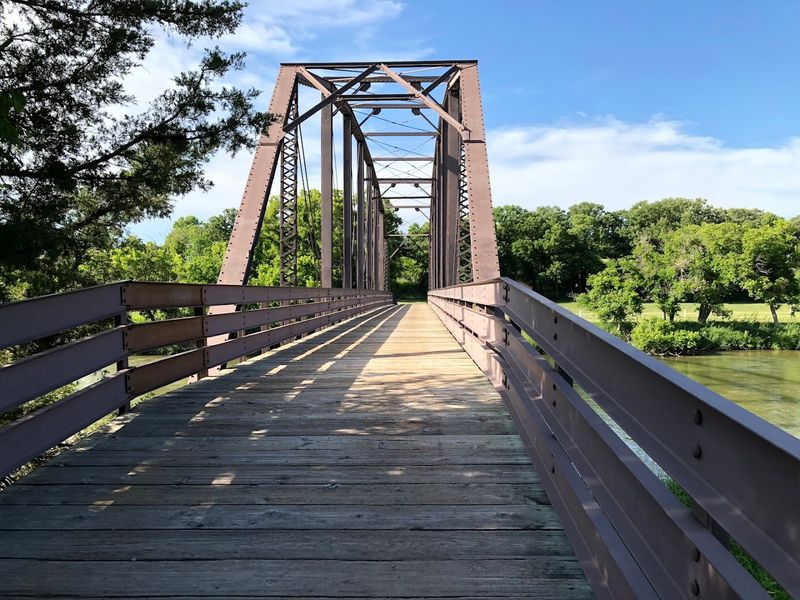
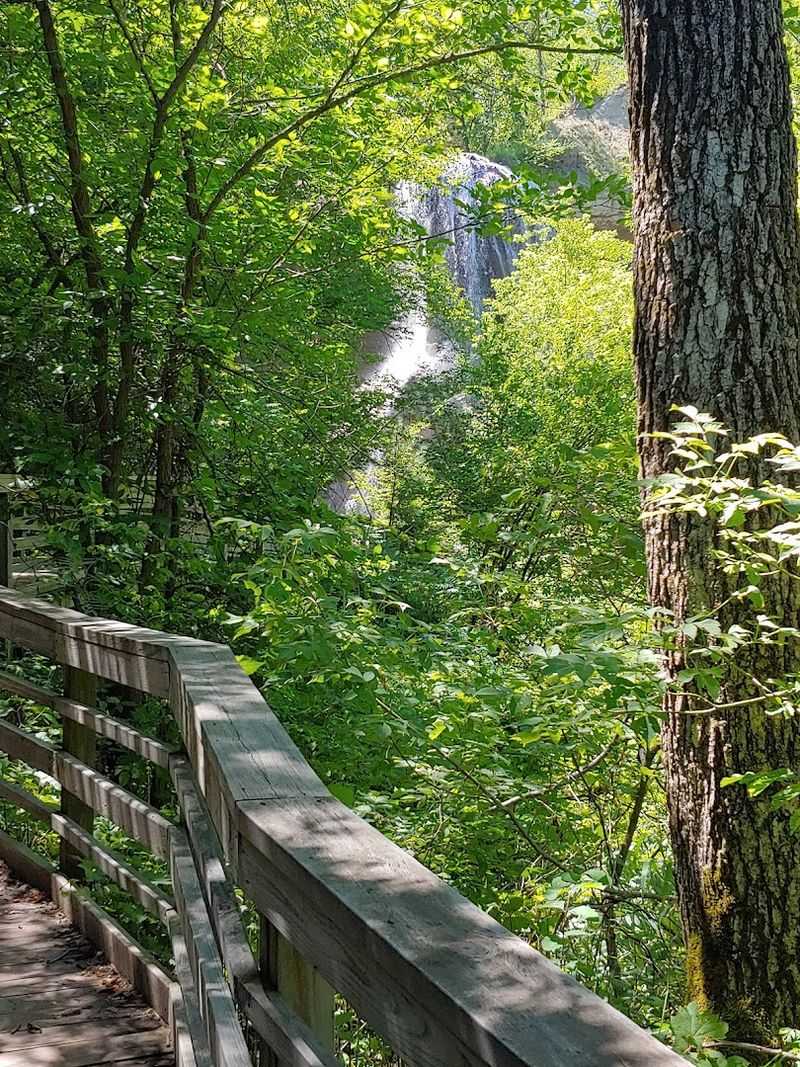
One of the most thoughtful upgrades to Smith Falls State Park in recent years has been the development of fully accessible pathways to the waterfall. Handicap-accessible boardwalks now connect the main facilities to the historic truss footbridge, and the trail continues all the way to the base of the falls.
Before these improvements, the path involved some rougher terrain that made the hike challenging for visitors with mobility limitations. The redesign changed that entirely, and now families with strollers, visitors using wheelchairs, and older guests can all make the full journey to see Nebraska’s tallest waterfall without difficulty.
The footbridge itself is a charming piece of engineering history, a classic truss design that spans the Niobrara with the kind of no-nonsense craftsmanship you associate with early 20th-century infrastructure. The wooden planks hum lightly underfoot as you cross, and the view downstream from the middle of the bridge is worth stopping for on its own.
Accessibility and beauty rarely come this well packaged together.
Hiking the Jim MacAllister Nature Trail
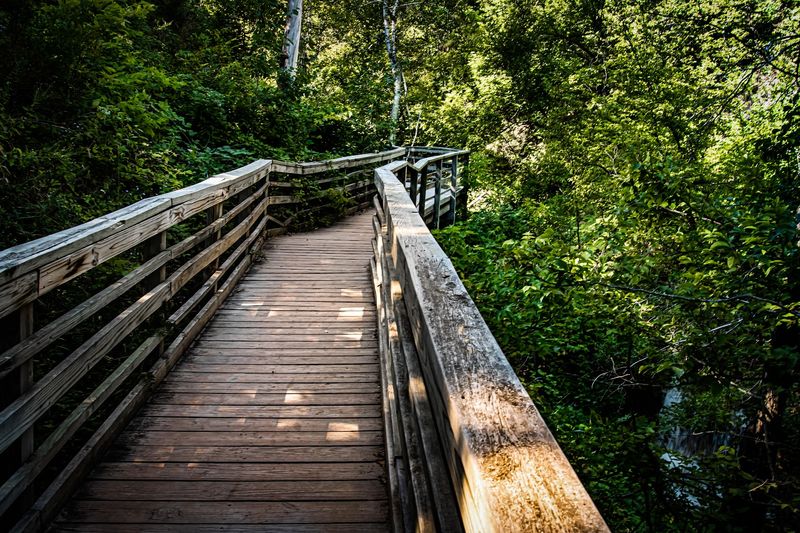
Beyond the main path to the falls, Smith Falls State Park offers the Jim MacAllister Nature Trail, a hiking route that gives you a fuller sense of the canyon environment. The trail winds through stands of ancient trees, passes small secondary cascades, and offers elevated views of the surrounding landscape that the main boardwalk does not provide.
The trail is named in honor of Jim MacAllister, a conservationist whose efforts helped protect the Niobrara River corridor. Walking it feels like a proper nature hike rather than a simple tourist stroll, with enough variety in terrain and scenery to keep you engaged from start to finish.
Birders find the trail especially rewarding, as the canyon ecosystem attracts species not commonly seen in open Sandhills terrain. White-tailed deer are a frequent sight along the edges of the trail, particularly in the early morning and evening hours.
Bring good walking shoes and a camera, because the small cascades you encounter along the way are genuinely picturesque surprises waiting around each bend.
Camping Under the Sandhills Sky
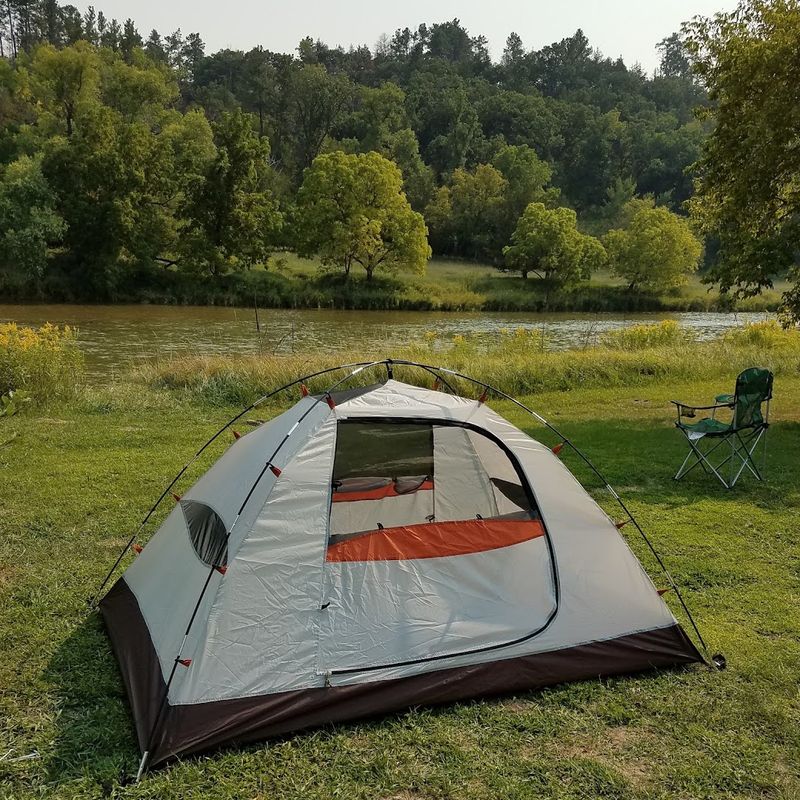
Spending a night at Smith Falls State Park is a completely different experience from a day trip. The campground sits close enough to the river that you can hear the water from your tent, and the canyon walls block enough light pollution to give you a genuinely impressive night sky.
The campground offers both tent and RV sites, along with restrooms and shower facilities that are kept clean and well-stocked. During peak summer season, sites fill up quickly, and the campground can feel cozy to the point of crowded, so booking early is a smart move if you plan to visit between June and August.
Outside of peak season, the campground thins out considerably, and you can enjoy a much quieter, more personal experience with the park. Fall is particularly beautiful here, when the paper birch and aspen trees in the canyon shift color and the tourist traffic drops off.
Waking up to birdsong and the smell of the Niobrara in the morning is a genuinely restorative way to start a day.
Wildlife Watching You Might Not Expect

Nebraska’s Sandhills are already known for wildlife, but the canyon environment at Smith Falls State Park concentrates animals in ways that open prairie simply cannot. White-tailed deer are so common here that spotting one barely counts as a wildlife sighting anymore after your first morning visit.
Bird watching is a genuine highlight. The canyon draws species associated with eastern forests, western plains, and northern boreal zones all at once, thanks to that unusual microclimate.
You can hear wood thrushes singing from the birch trees while a red-tailed hawk circles overhead and a belted kingfisher dives into the Niobrara below.
One visitor I spoke with mentioned a surprise encounter with a piece of local ranch livestock that had wandered into the park, which is a reminder that this is working ranch country right outside the park boundaries. Nature here does not always stay neatly inside the lines, and that unpredictability is part of what makes each visit feel a little different from the last.
Tubing and Water Activities on the Niobrara
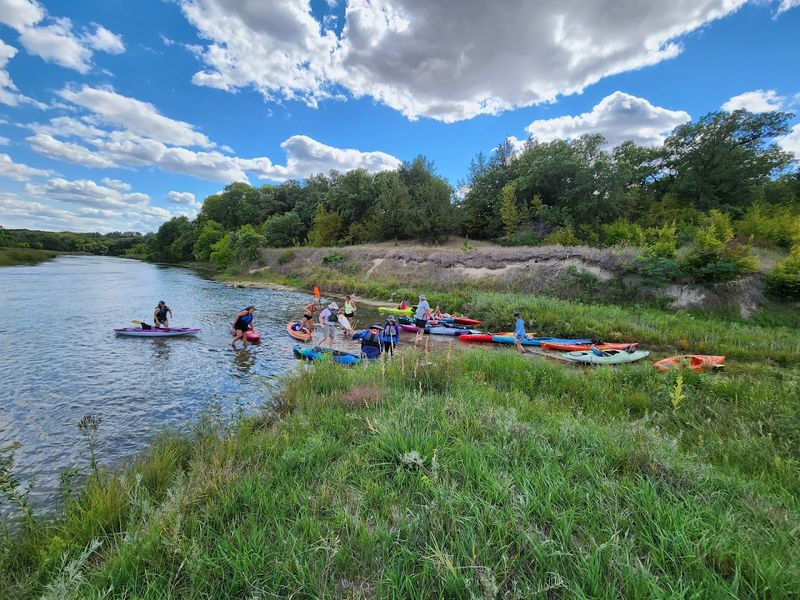
The Niobrara River near Smith Falls State Park has a long reputation as one of Nebraska’s best spots for a lazy float. Tubing down the river on a warm summer day is a rite of passage for many Nebraska families, and the stretch near Valentine combines easy floating with genuinely beautiful canyon scenery.
Several outfitters in the Valentine area rent tubes, kayaks, and canoes, and most offer shuttle services so you do not have to worry about logistics. The river runs clear and relatively shallow in most sections, making it suitable for kids and adults who are not experienced paddlers.
It is worth noting that water levels have dropped in some sections over the years, so a few stretches can be shallower than they once were. Checking current conditions before you rent equipment is a good habit.
Still, floating the Niobrara and finishing with a walk to Smith Falls makes for a full and satisfying day that combines two of the region’s best natural experiences in one outing.
Best Times to Visit and What to Bring
Late spring through early fall is the most popular window for visiting Smith Falls State Park, with June, July, and August drawing the largest crowds. Summer weekends can bring significant foot traffic on the main trail, so arriving early in the morning gives you a better chance of experiencing the falls with fewer people around.
Fall is arguably the most scenic season, when the birch and aspen trees in the canyon turn yellow and the cooler temperatures make hiking far more comfortable. Spring visits offer the bonus of higher water flow, giving the falls extra power after winter snowmelt.
Pack water shoes or sandals you do not mind getting wet, because wading into the pool at the base of the falls is one of the best parts of the visit. Sunscreen, water, and a light jacket for the cool canyon air are all worth throwing in your bag.
A Nebraska State Park Entry Permit is required, so sort that out before you make the drive.
Why This Corner of Nebraska Stays With You
There is something quietly powerful about a place that completely overturns what you thought you knew about a region. Smith Falls State Park does exactly that for most first-time visitors, many of whom arrive with low expectations and leave genuinely moved by what they found.
The combination of elements here is rare: a spring-fed waterfall that never runs dry, a canyon microclimate filled with ancient trees, a nationally designated scenic river, and a trail system that makes all of it accessible to nearly every visitor regardless of physical ability. Very few state parks in the Great Plains can offer that kind of variety in 265 acres.
The park also carries a human story worth remembering, from Indigenous heritage to a homesteader’s name to a ranching family’s decision to share their land with the public. Every layer adds meaning to what you see when you stand at the base of those falls and look up.
Some places just earn their reputation honestly, and this is one of them.
Share this story