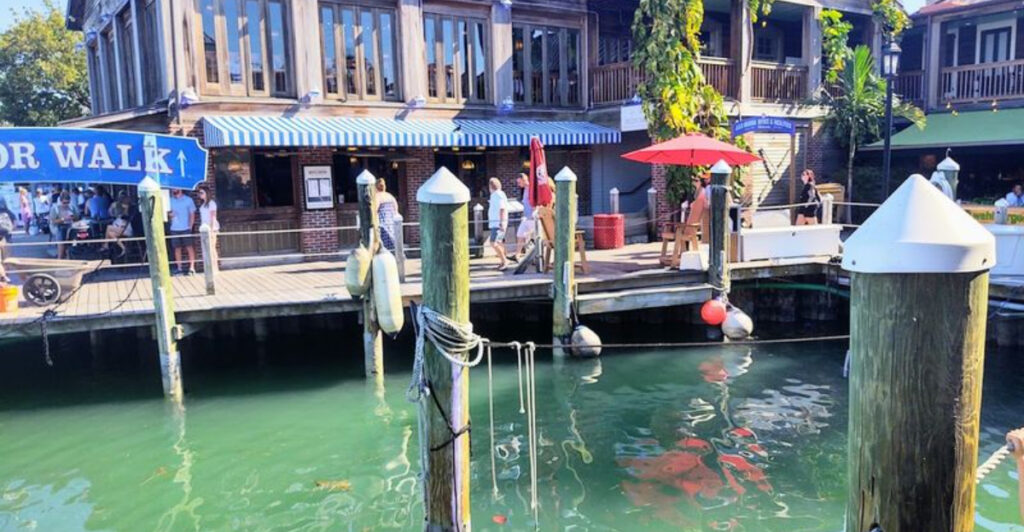
Sometimes you just need to disappear, and Florida has more island escapes than most people realize. From the shell-covered shores of Sanibel to the remote wilderness of Dry Tortugas, these islands each offer something genuinely different.
I took a road trip down the Keys a few years ago and honestly forgot what day it was by day two, which felt like a win. Whether you want adventure, history, seafood, or just a hammock and a good book, this list has you covered.
Sanibel Island
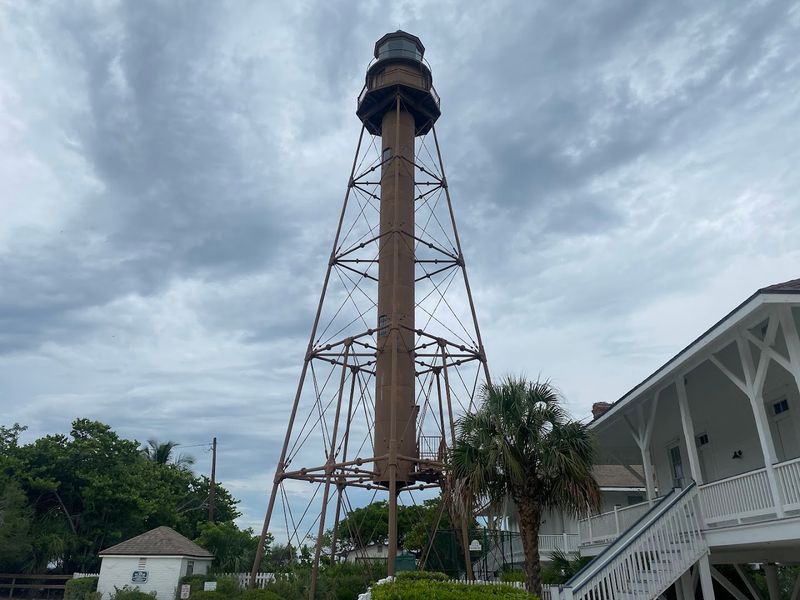
Sanibel Island is the one place where bending over to pick things up off the ground is considered a completely legitimate hobby. The beaches here are so loaded with seashells that locals actually call the hunched-over search for them the “Sanibel Stoop.” You will leave with pockets full of treasures and a slightly sore back.
Beyond the shells, Sanibel has over 25 miles of paved bike trails that wind through the island’s lush wildlife refuges and neighborhoods. The J.N. “Ding” Darling National Wildlife Refuge alone is worth the trip, offering kayak tours and birdwatching that feel surprisingly magical.
Renting a bike here is practically a rite of passage.
The pace on Sanibel is slow and unapologetic about it. No high-rise hotels crowd the skyline, and the Gulf water stays calm and warm most of the year.
It is the kind of island that makes you wonder why you ever stressed about anything.
Captiva Island
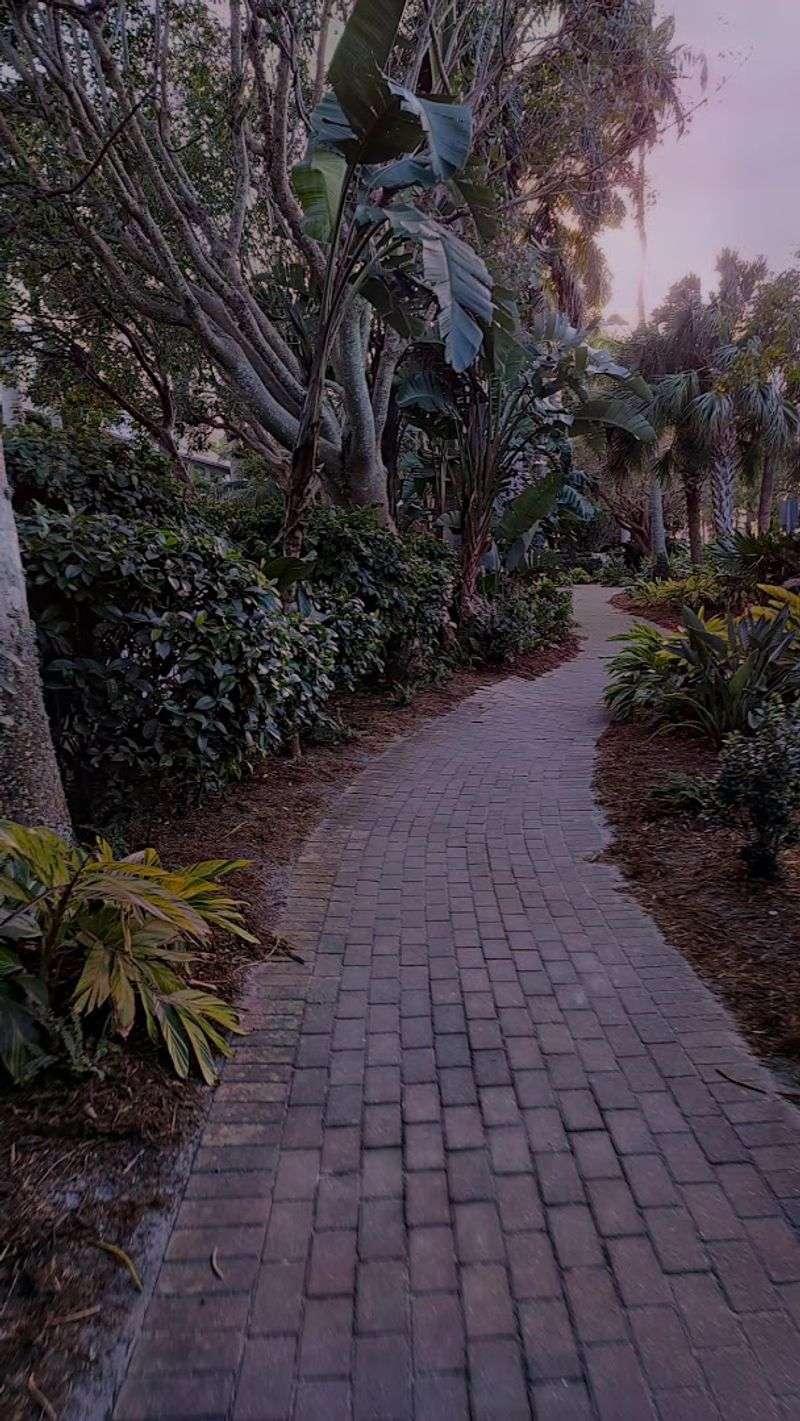
Captiva Island does sunsets like it has something to prove. The sky turns into a full watercolor painting every single evening, and locals and visitors alike line up on the beach just to watch it happen.
If you miss one, do not worry, another masterpiece is scheduled for tomorrow night.
Connected to Sanibel by a short bridge, Captiva feels even more removed from the real world. The main strip has charming waterfront restaurants, casual beach bars, and boutique shops that close early because honestly, everyone is outside watching the sky.
The vibe is relaxed in the most contagious way.
Captiva is also a great base for boat trips to nearby uninhabited islands like Cayo Costa, where you can spend the day on a beach that feels entirely yours. Dolphins show up regularly, and nobody acts surprised because that is just Captiva being Captiva.
Amelia Island
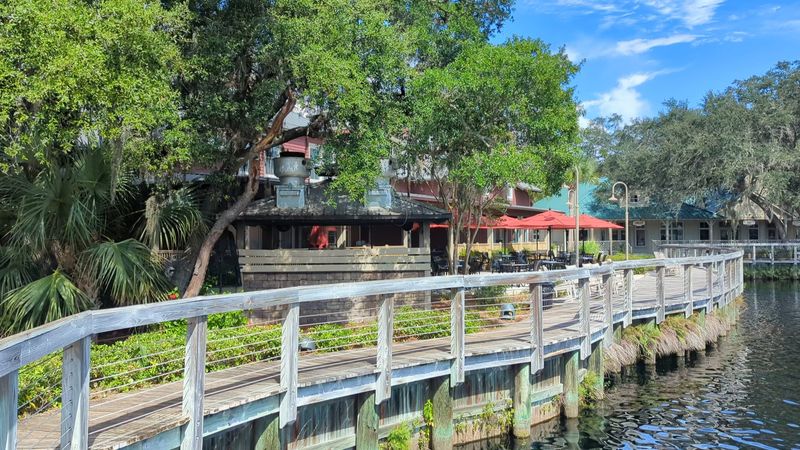
Eight different flags have flown over Amelia Island throughout its history, which makes it arguably the most fought-over beach town in America. That layered past shows up everywhere, from the 19th-century buildings in Fernandina Beach to the preserved Fort Clinch, where costumed interpreters bring Civil War history to life in surprisingly vivid detail.
The beaches on the Atlantic side are wide, uncrowded, and backed by rolling sand dunes that feel almost like a different state entirely. Wild Cumberland Island horses sometimes wander near the shoreline on nearby barrier islands, and spotting them feels like stumbling onto something rare and unplanned.
It is the kind of moment that sticks with you.
Amelia Island also has a growing food scene anchored by fresh local shrimp that has been harvested here for generations. The town of Fernandina Beach rewards slow walkers who peek into galleries, antique shops, and coffee spots tucked along Centre Street.
Key West
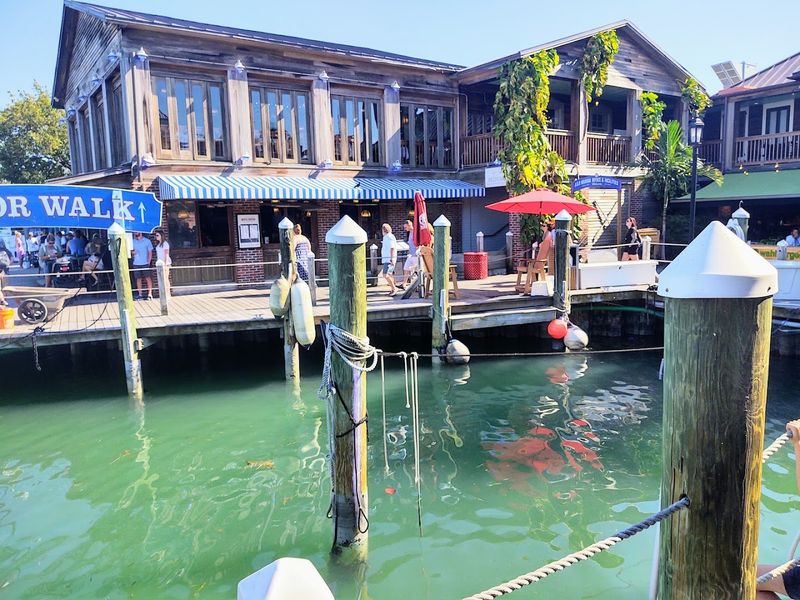
Key West operates on its own timezone called “island time,” and nobody there seems remotely bothered by that. This is the southernmost point in the continental United States, and it wears that title with a confident, slightly sunburned swagger.
The turquoise water surrounding it looks almost too blue to be real.
History fans will find plenty to explore, including Ernest Hemingway’s home, the Key West Lighthouse, and the fascinating Custom House Museum. Six-toed cats roam the Hemingway estate freely, and they have absolutely no interest in your camera.
The nightlife on Duval Street is legendary, loud, and fully committed to a good time.
Snorkeling the nearby coral reef is one of the best underwater experiences in Florida, full stop. Sunset celebrations at Mallory Square happen every single evening and draw street performers, artists, and crowds who all agree that this particular sunset deserves an audience.
Key West earns every bit of its reputation.
Islamorada
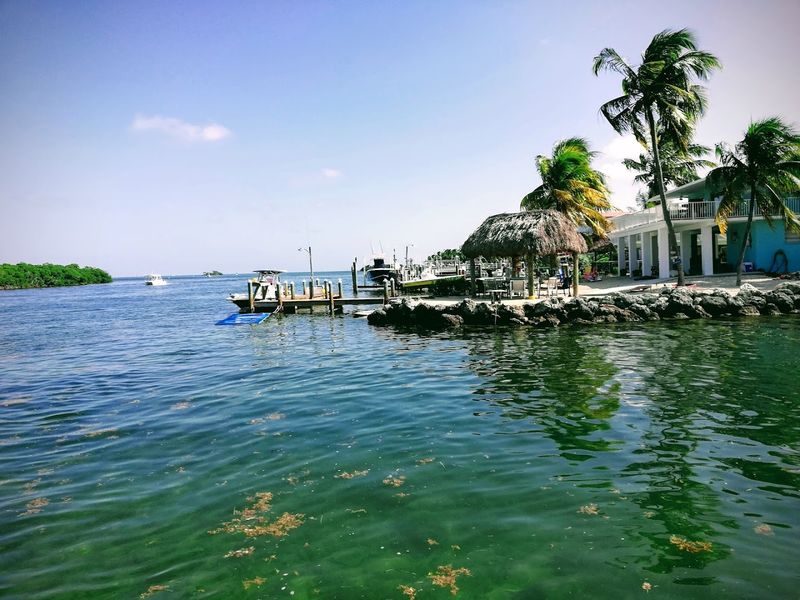
Fishing obsessives treat Islamorada the way music fans treat Nashville, it is the undisputed capital of their world. Known as the “Sport Fishing Capital of the World,” this stretch of the Florida Keys draws serious anglers chasing tarpon, bonefish, and sailfish in waters that seem almost unfairly productive.
Even if fishing is not your thing, the energy here is infectious.
Islamorada is spread across several small islands connected by the Overseas Highway, which means the scenery changes constantly as you drive. Pull over at one of the roadside seafood shacks and order whatever is freshest, you will not regret it.
I once had a fish taco here that I still think about regularly.
Kayaking through the backcountry mangroves is a completely different side of Islamorada, quiet and wild and full of birds. Robbie’s Marina offers a quirky local tradition where you hand-feed giant tarpon from a dock, and the fish are enthusiastically unsubtle about wanting your bait.
Anna Maria Island
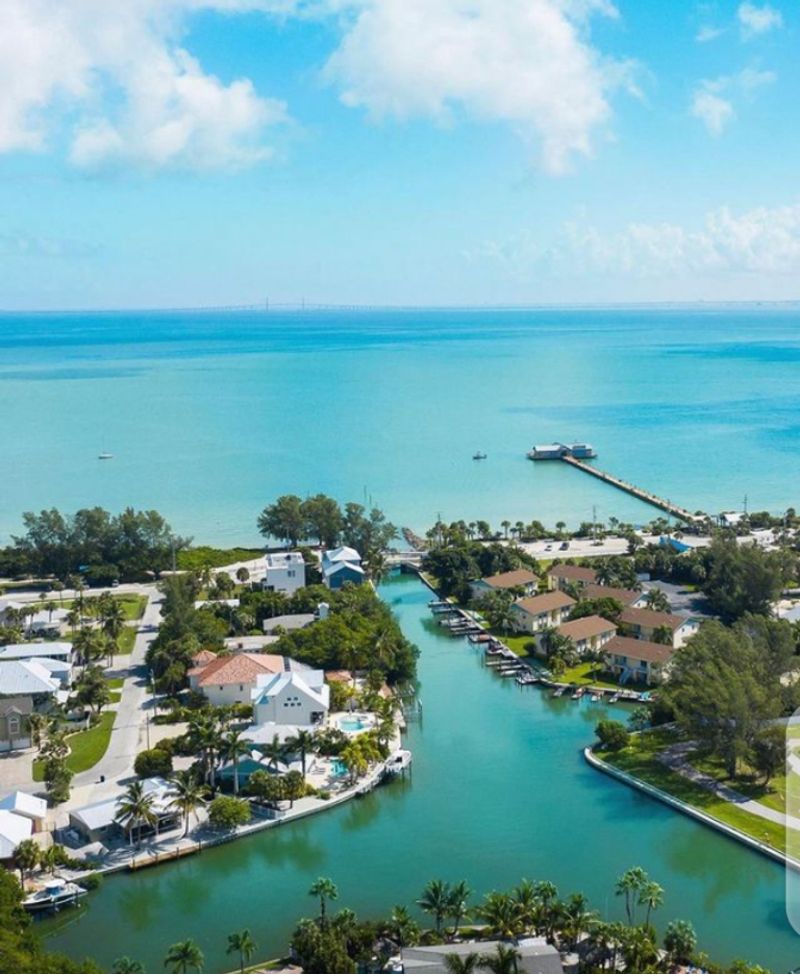
Anna Maria Island is what Florida looked like before everything got loud and commercialized. There are no chain hotels, no towering resorts, and no neon signs screaming for your attention.
What you get instead is a seven-mile stretch of white-sand beach lined with pastel cottages and a genuine small-town personality that feels refreshingly unhurried.
The island sits on the northern tip of a barrier island off Bradenton, and it has fought hard to keep its old-Florida character intact. Local ordinances cap building heights, which is why the skyline here is mostly palm trees and rooftops.
Pine Avenue in Anna Maria City has cute shops, a classic soda fountain, and a community pier where locals fish and kids chase pelicans.
The sunsets over Tampa Bay on the eastern side are surprisingly underrated compared to the Gulf views. Renting a golf cart to cruise the island is the most Anna Maria way to spend an afternoon, slow, scenic, and perfectly unhurried.
Peanut Island
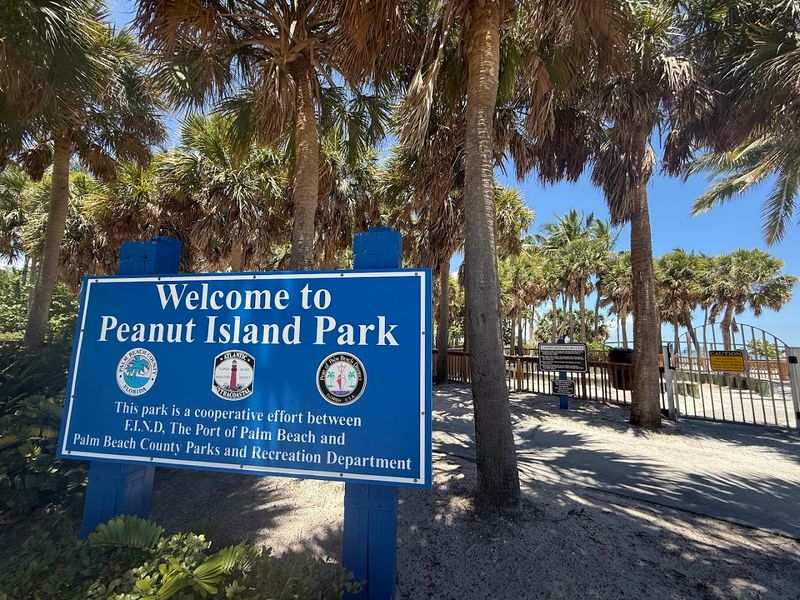
Despite the adorable name, Peanut Island is hiding something surprisingly serious beneath its tropical surface. A Cold War-era nuclear bunker was secretly built here in 1961 for President John F.
Kennedy, and you can actually tour it today. That detail alone makes this tiny island one of the most unexpectedly fascinating spots in all of Florida.
Located just off the coast of Riviera Beach near West Palm Beach, Peanut Island is only accessible by water taxi or private boat, which keeps the crowds manageable. The water surrounding the island is clear and shallow, making it a favorite snorkeling spot for families who want underwater adventure without a long drive to the Keys.
Colorful fish are everywhere.
The island also has a sandy beach, picnic areas, and a campground for those who want to stay overnight under the stars. Arriving by boat as the sun rises over the Intracoastal Waterway is a genuinely cinematic experience that costs almost nothing.
Gasparilla Island
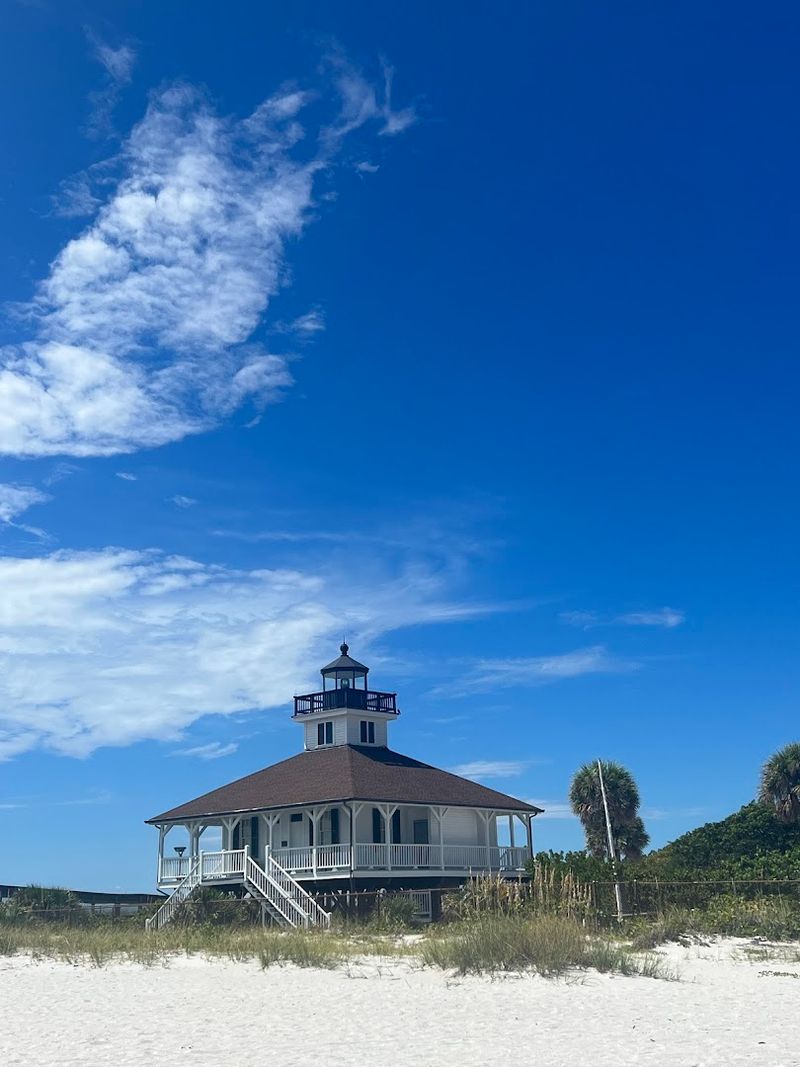
Gasparilla Island has the quiet confidence of a place that knows it is special but does not feel the need to advertise. Located off the southwest coast of Florida, this narrow barrier island is home to the charming village of Boca Grande, a spot that has attracted wealthy travelers and old-money families for over a century.
The vibe is elegantly low-key.
The island is famous for tarpon fishing, particularly around Boca Grande Pass, which is considered one of the best tarpon fishing spots in the entire world. Every spring, anglers from across the country descend on the pass with serious gear and even more serious expectations.
Watching the boats line up at sunrise is a spectacle all by itself.
The Gasparilla Island State Park at the southern tip preserves the historic Boca Grande Lighthouse and miles of undeveloped beach. Cycling the island’s quiet roads past Victorian cottages and banyan trees is an afternoon you will happily repeat every visit.
Marco Island
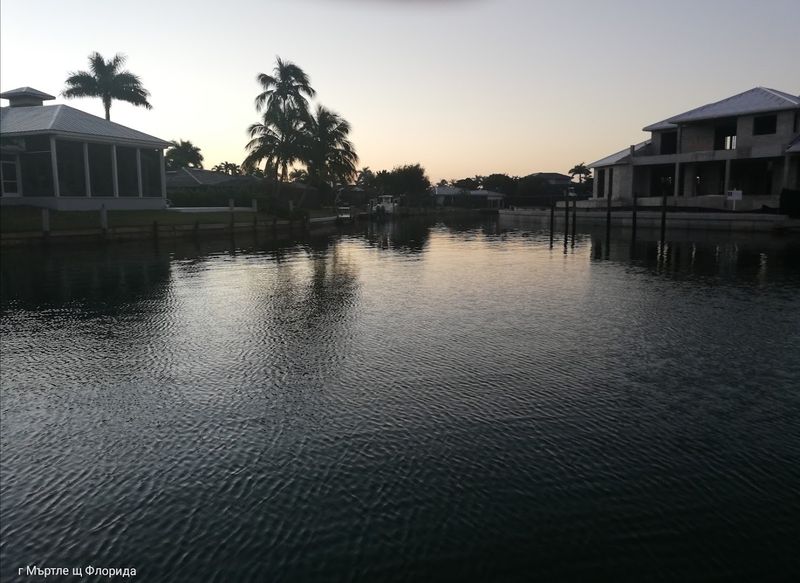
Marco Island is where the Gulf of Mexico shows off. The water here shifts between shades of emerald and sapphire depending on the light, and the sand is so white and fine it practically squeaks under your feet.
It is the kind of beach that makes you stop mid-walk just to appreciate what you are standing in.
As the largest of Florida’s Ten Thousand Islands, Marco has a polished resort feel without completely losing its natural character. Dolphin-watching boat tours here are genuinely impressive, with pods regularly surfing the wakes of passing vessels close enough to make everyone on board gasp.
My friend called it the best two hours of her entire trip to Florida.
Tigertail Beach on the northern end of the island offers a calmer, more natural experience with lagoons and shorebird habitat that feels a world away from the resort strip. Shelling, kayaking, and paddleboarding round out a roster of activities that makes it easy to fill a long weekend here.
Cedar Key
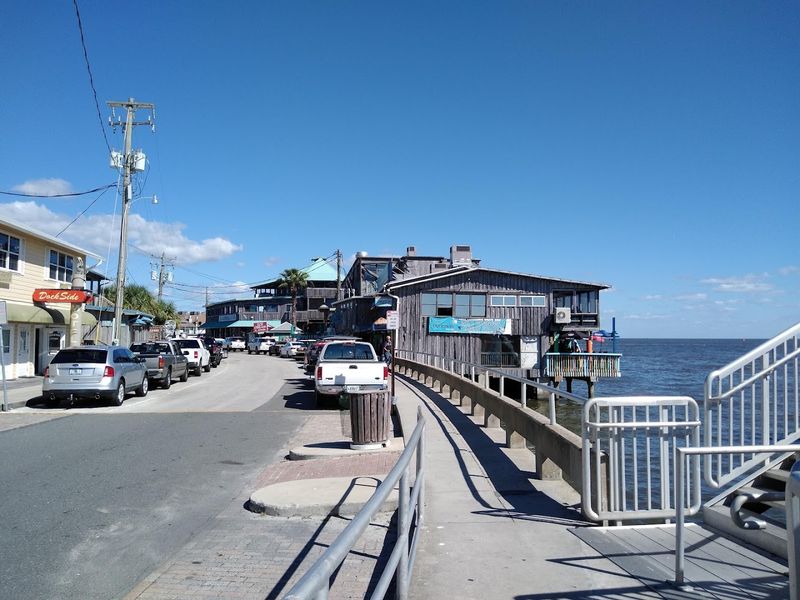
Cedar Key is the kind of place that artists find and then quietly tell only their most trustworthy friends about. This tiny island town sits off Florida’s Nature Coast and has somehow managed to stay wonderfully under the radar despite being genuinely beautiful.
The population hovers around 700, which means the streets are never crowded and everyone knows your name by day two.
The town earned its quirky charm through decades of clam farming, fishing, and a thriving arts community that fills the small downtown with galleries you could spend hours inside. Seafood here is not a restaurant category, it is a lifestyle.
The smoked mullet spread served at nearly every local spot is the kind of regional specialty that inspires dedicated return visits.
Cedar Key’s surrounding waters are part of the Lower Suwannee National Wildlife Refuge, where kayaking through undisturbed estuaries feels like paddling through a nature documentary. Sunsets from the town dock are spectacular and completely free of charge.
Little Torch Key
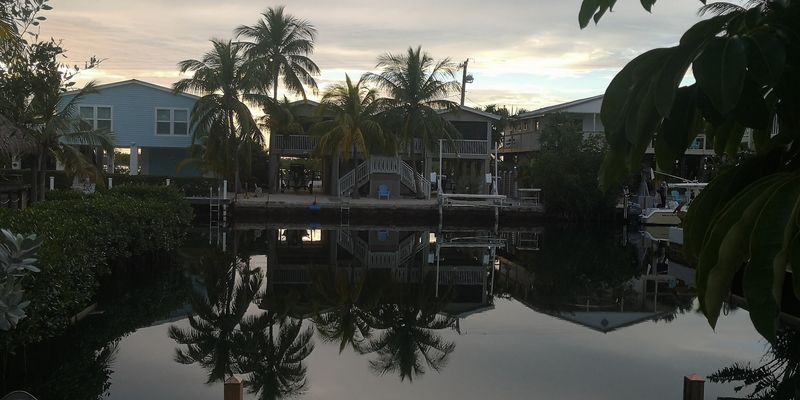
Little Torch Key is the kind of place that rewards travelers who bother to look past the obvious. Tucked between Big Pine Key and Ramrod Key in the Lower Keys, it is home to Little Palm Island Resort, one of the most exclusive and genuinely remote retreats in all of Florida.
Even if you are not staying there, the area around it is breathtaking.
The waters surrounding Little Torch Key are shallow, clear, and full of life. Snorkeling and paddleboarding here feel private in a way that the more popular Keys spots simply cannot replicate.
The National Key Deer Refuge is nearby, where the impossibly tiny Key deer wander freely and treat passing cars as mild inconveniences.
Boating through the backcountry flats at dawn, when the water is glassy and the light is golden, is a sensory experience that no photograph fully captures. Little Torch Key is not trying to impress anyone, and that is precisely what makes it so impressive.
Hutchinson Island
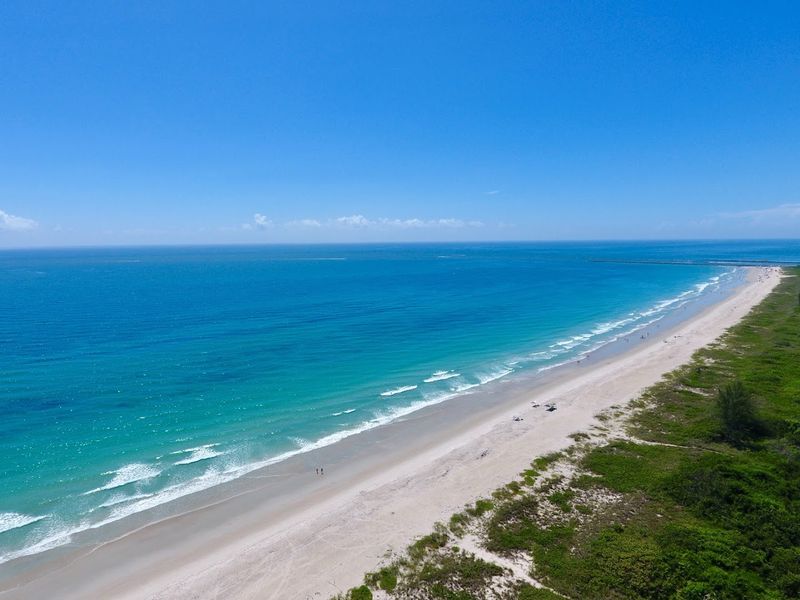
Sea turtles have been nesting on Hutchinson Island long before anyone built a single hotel here, and in many stretches of this barrier island, it still feels that way. Located along Florida’s Treasure Coast between Stuart and Fort Pierce, Hutchinson Island stretches for roughly 22 miles of mostly undeveloped Atlantic shoreline.
The word “uncrowded” barely does it justice.
During nesting season from May through October, loggerhead, leatherback, and green sea turtles haul themselves ashore at night to lay eggs in the sand. Guided turtle walks offered by local conservation groups are among the most moving wildlife experiences available anywhere in Florida.
Watching a sea turtle return to the ocean at dawn is something you genuinely do not forget.
Beyond the turtles, Hutchinson Island has a small but excellent aquarium, windsurfing spots, and the historic House of Refuge Museum, which once sheltered shipwreck survivors in the 1870s. It is a rare stretch of Florida coast that still feels authentically wild.
Dry Tortugas
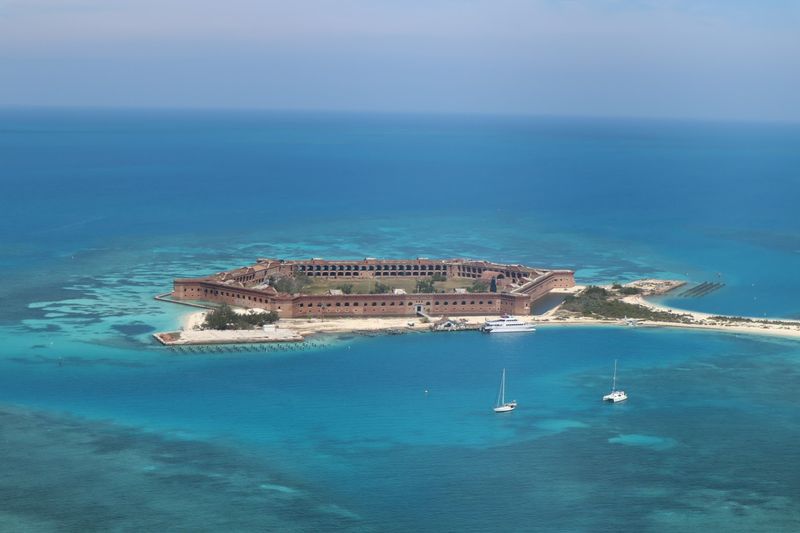
Getting to Dry Tortugas requires either a two-and-a-half-hour ferry ride or a seaplane hop across open ocean, and honestly, that logistical effort is part of the appeal. Once you arrive, the modern world dissolves completely.
There are no roads, no cell service, and no coffee shops, just 70,000 acres of protected marine sanctuary and one of the most dramatic 19th-century forts you will ever walk through.
Fort Jefferson, the massive hexagonal fortress that dominates Garden Key, was built with over 16 million bricks and never actually completed. It once held Civil War prisoners and has a haunted, majestic quality that photographers and history enthusiasts find irresistible.
The surrounding moat is now a snorkeling playground full of fish.
Camping overnight on the island, under skies so dark the Milky Way looks painted on, is a bucket-list experience that few Florida visitors ever attempt. Those who do almost universally describe it as the most memorable night of their entire trip.
Share this story