 Unearth The Voyage
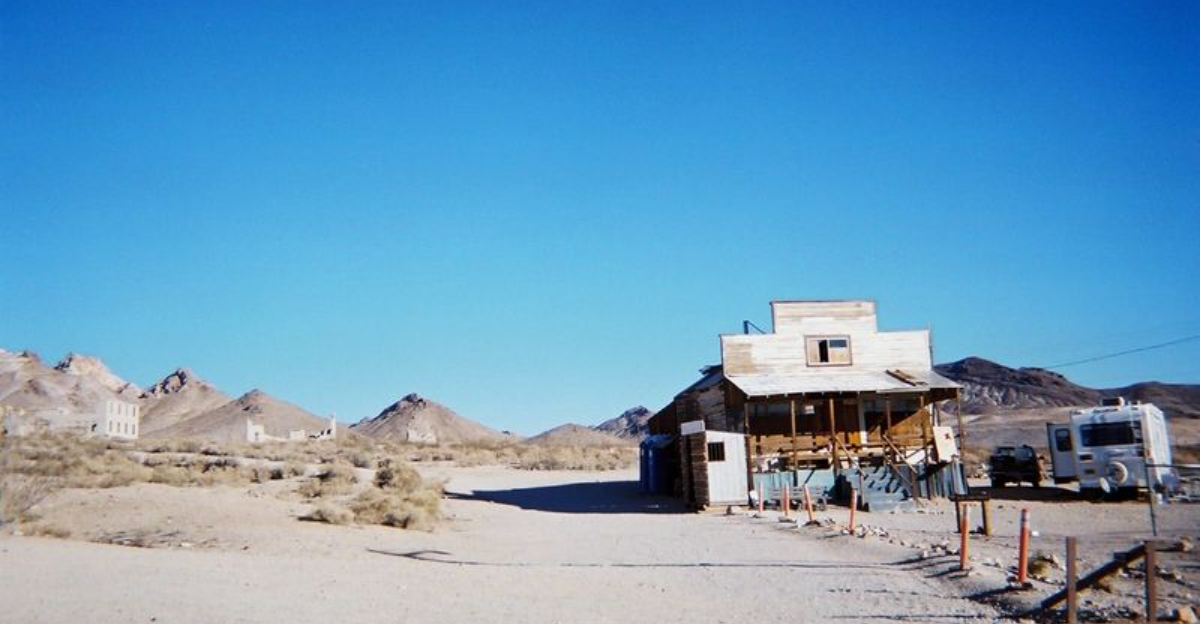
There is a stretch of Nevada desert where ghostly white figures stand perfectly still against a backdrop of crumbling ruins and endless sky, and no, that is not the opening of a thriller novel. This place is completely real, entirely free to visit, and open around the clock, every single day of the year.
A quirky collection of outdoor sculptures created by Belgian artists sits quietly in the Mojave, drawing curious road-trippers, photographers, and art lovers who never expected to find something this strange and striking in the middle of nowhere. Trust me, once you see those pale, haunting figures lined up against the desert horizon, you will want to know everything about how they got there.
Where Exactly This Place Is and How to Find It
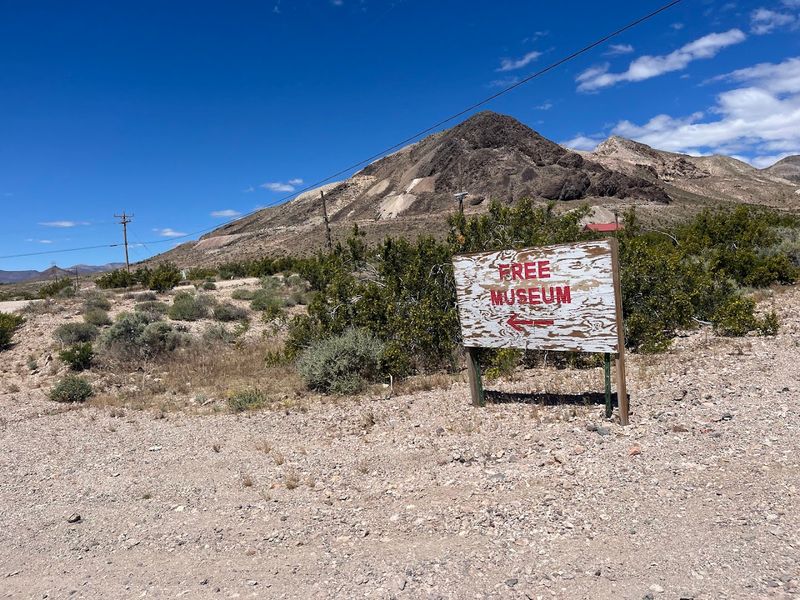
The Goldwell Open Air Museum sits at 1 Golden St, Beatty, NV 89003, just outside the ghost town of Rhyolite in Nye County, Nevada. The drive out here from Beatty takes about ten minutes, and the last stretch of road is unpaved, so be ready for a bumpy ride in your vehicle.
Rhyolite itself was once a booming gold rush town that flourished for only about five to ten years before being abandoned in the early 1900s. Today, more than a century later, its crumbling concrete walls still draw visitors from across the country, and the Goldwell museum adds a completely unexpected layer to the experience.
The museum is free to enter, open 24 hours a day, and accepts donations near the small visitor center on site. A phone number is listed for inquiries at 702-870-9946, and the official website at goldwellmuseum.org offers helpful background before your visit.
The GPS coordinates 36.8949052, -116.8306851 will take you right to the entrance without any confusion.
The Belgian Artists Behind the Sculptures
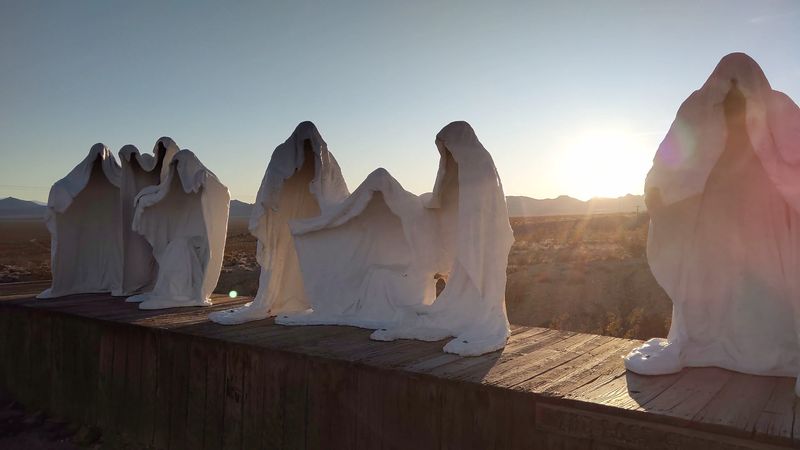
The story of how these sculptures ended up in the Nevada desert is genuinely fascinating. Belgian artist Charles Albert Szukalski created the first major installation here in 1984, a haunting piece called The Last Supper, which features ghostly white figures draped in translucent material seated around a long table.
Szukalski reportedly fell in love with the landscape around Rhyolite and decided it was the perfect outdoor gallery. Other Belgian and international artists followed his lead, each contributing their own works to what eventually became a recognized open-air museum.
The community of artists who shaped this place shared a vision of art that could exist without walls, without admission fees, and without the usual barriers that keep everyday people out of traditional galleries.
Szukalski passed away in 2000, but his legacy continues through the museum, which is now managed by a nonprofit organization dedicated to preservation and education. The mix of European artistic sensibility with the raw, sun-baked Nevada landscape creates a contrast that is hard to forget once you have experienced it in person.
The Last Supper: The Crown Jewel of the Collection
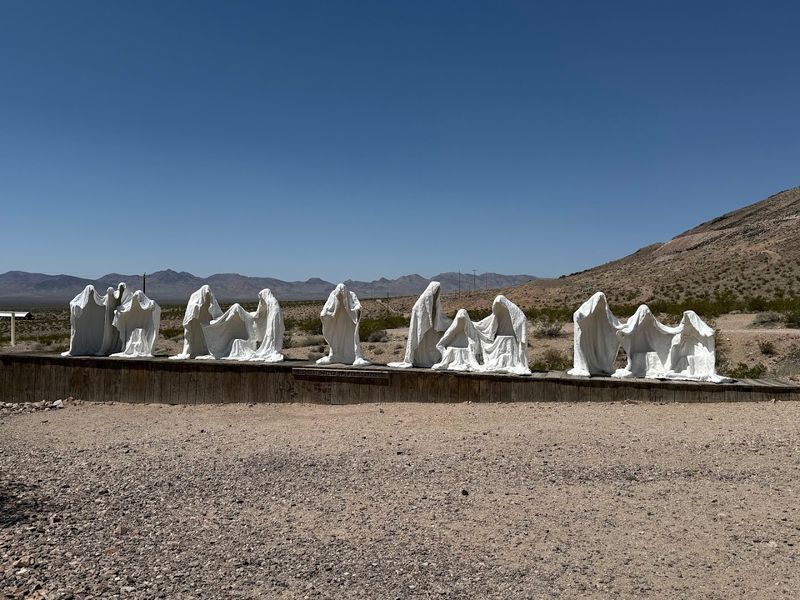
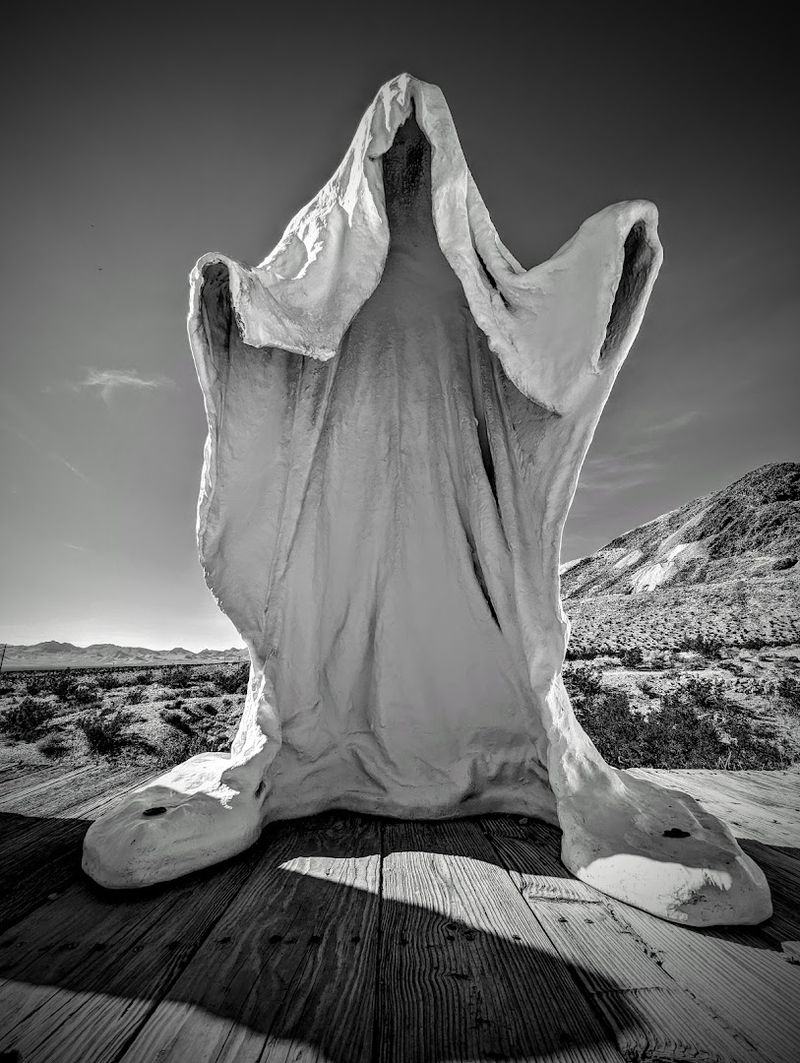
Nothing quite prepares you for your first look at The Last Supper. From a distance, the figures appear almost like white rocks or strange desert formations, but as you walk closer, the human shapes become unmistakable, and a quiet chill runs through you even on the hottest afternoon.
The piece directly references Leonardo da Vinci’s famous painting, with thirteen ghost-like figures seated at a long table. The trick is to view them straight on from the front, because the perspective only fully reveals the composition when you are standing in exactly the right spot.
Many visitors circle the piece several times before that moment of recognition clicks into place.
The figures are made from fiberglass and other materials that have held up remarkably well against decades of desert sun, wind, and the occasional desert fog. Photographers absolutely love this installation, especially at sunrise or sunset when the light turns golden and the shadows stretch long across the dry ground.
The Last Supper alone is worth the drive out here, and most people who visit agree that seeing it in person is a completely different experience than seeing any photo of it.
Other Sculptures That Deserve Your Attention
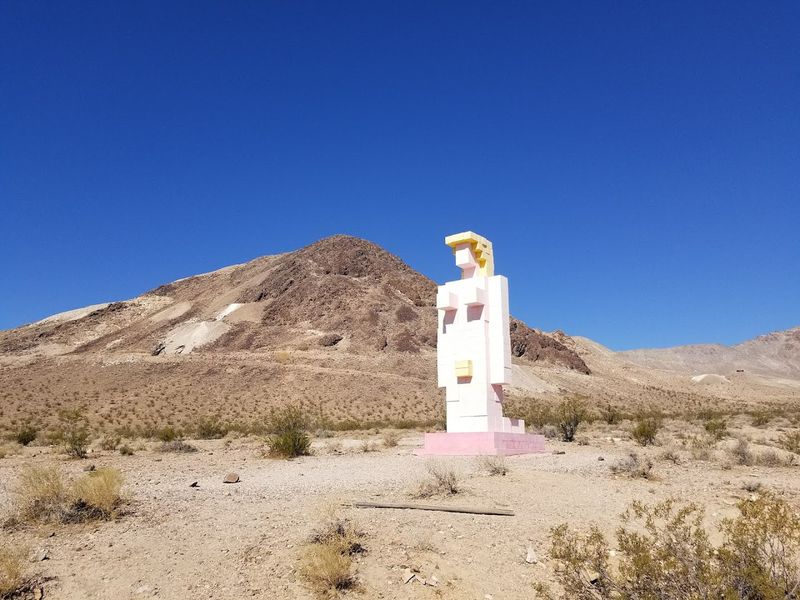
Beyond The Last Supper, the collection at Goldwell includes several other works that each bring their own personality to the desert setting. One of the most talked-about pieces is a large, blonde female figure that towers over the landscape with an almost surreal presence, her scale making her visible from a surprisingly long distance.
There is also a piece known as Ghost Rider, which many visitors find especially striking. A short walk from the main cluster of sculptures leads to a work called Keep Going, positioned near the entrance road, and it carries a quietly motivational energy that feels right at home in the wide open desert.
The installations are spread out enough that wandering between them feels like a genuine exploration rather than a quick loop around a small courtyard. Each piece invites you to slow down and think about what you are looking at, and the absence of crowds on most days means you can take your time without feeling rushed.
Unlike many traditional museums in cities like Oklahoma, this outdoor space lets the landscape itself become part of every artwork on display.
The Ghost Town of Rhyolite Right Next Door
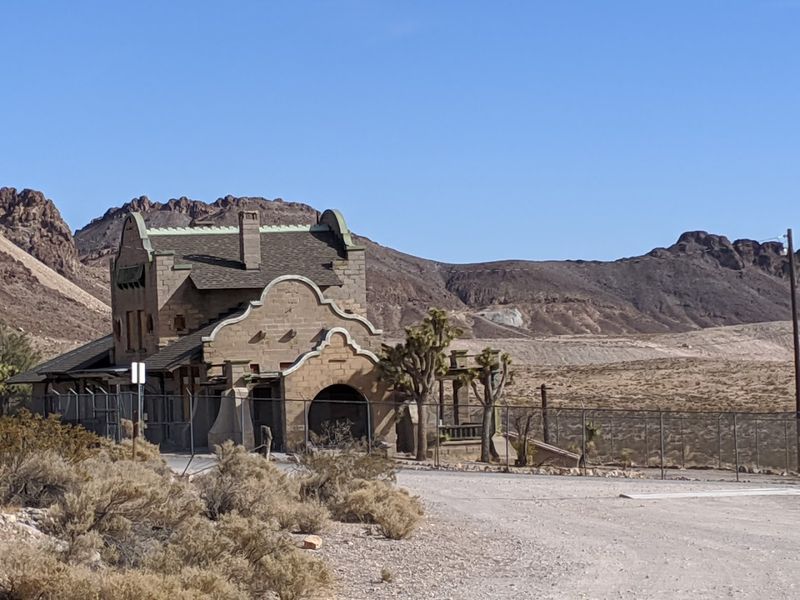
Rhyolite is not just a backdrop for the museum. It is a destination in its own right, and combining both sites in a single visit makes for one of the most atmospheric afternoons you can spend in the Nevada desert.
The town was founded in 1904 during a gold rush, grew rapidly to a population estimated between 3,500 and 10,000 people, and was essentially abandoned by 1916.
What remains today includes the skeletal structure of a three-story bank building, the shell of a train depot, and the famous Tom Kelly Bottle House, constructed from roughly 50,000 glass bottles. Walking through these ruins while the Goldwell sculptures stand nearby creates a layered experience that connects old history with contemporary art in a way that feels completely organic.
The Bullfrog Cemetery is also nearby for those who want to extend their exploration, though it is a quieter and more reflective stop. Visiting Rhyolite before or after the museum gives you a much richer sense of place, and the combination of crumbling ghost town and surreal sculpture garden is unlike anything I have encountered anywhere else, from Oklahoma to Oregon.
What the Desert Setting Does for the Art
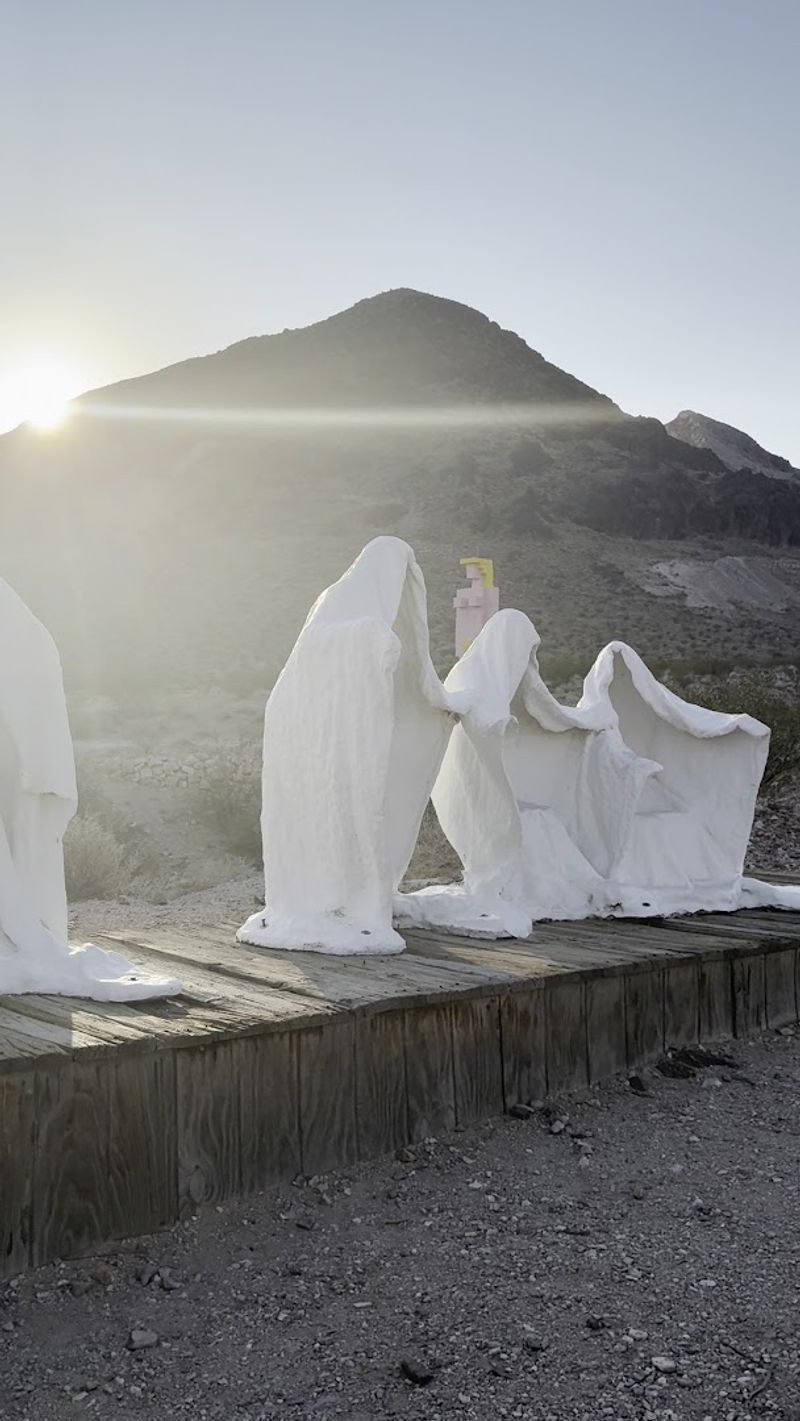
Most art museums put their works in climate-controlled rooms with carefully managed lighting, but Goldwell throws all of that out and lets the Mojave do the work instead. The result is something that no indoor gallery could ever replicate, because the setting changes constantly depending on the time of day, season, and weather.
On a clear morning, the sculptures cast long shadows across the pale desert floor and the surrounding mountains glow in shades of pink and amber. On a foggy day, which does happen occasionally in this region, the ghost figures become even more unsettling, half-hidden in mist and looking as if they might shift positions when you are not watching.
Sunset is widely considered the best time to visit for photography, and the golden light transforms every piece in the collection into something almost otherworldly. The stark contrast between the white sculptures and the warm desert tones creates images that look almost too dramatic to be real.
Art lovers who have visited similar outdoor spaces in Oklahoma and other states often say Goldwell stands apart because the natural environment feels deliberately chosen rather than simply convenient.
Practical Tips for Visiting Goldwell
Since the museum is open 24 hours a day, seven days a week, you have a lot of flexibility when planning your visit. That said, the desert heat in summer can be brutal during midday hours, so arriving early in the morning or in the late afternoon is a smart move that will make your experience much more comfortable.
Wear sunscreen, bring more water than you think you need, and wear sturdy shoes because the ground around the sculptures is uneven dirt and gravel. The road leading to the museum is rough, and while most standard vehicles can manage it, driving slowly and carefully will save your tires and your nerves.
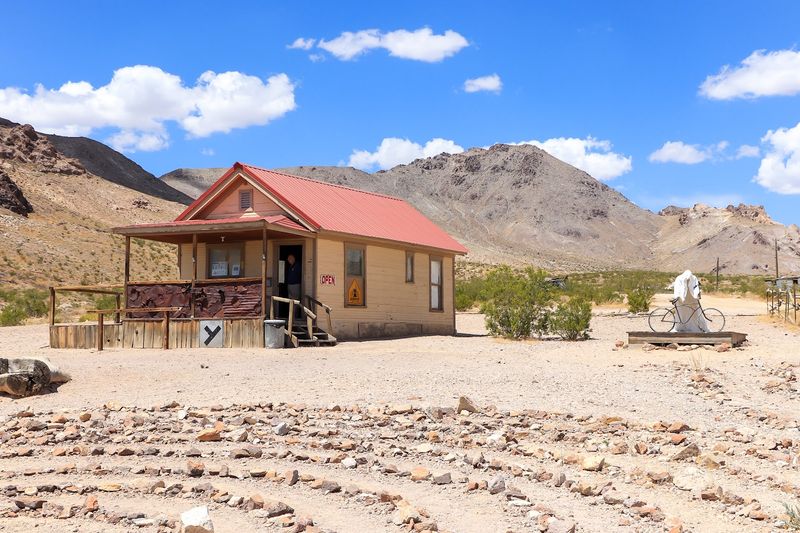
The small visitor center and gift shop on site carry pamphlets that explain the history and meaning behind each artwork, and picking one up before you wander around makes a noticeable difference in how much you absorb. The museum runs entirely on donations, so dropping a few dollars in the collection box is a genuinely appreciated gesture.
Photography for personal use is completely welcome, but commercial shoots require prior permission from the museum, which you can arrange through their official website.
The Gift Shop and Visitor Center Experience
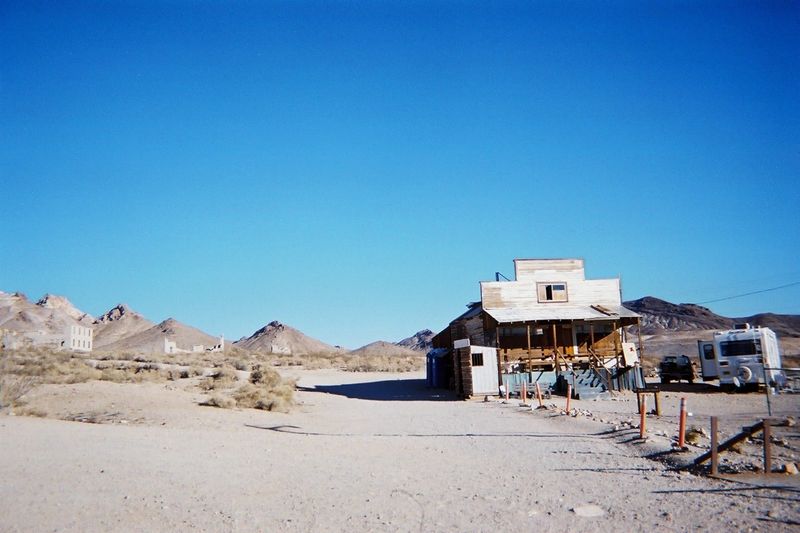
The on-site gift shop at Goldwell is a small but genuinely charming space that feels like a natural extension of the museum’s personality. The shop keeper is known for being warm and knowledgeable, happy to answer questions about the art and the history of the site without making you feel like you are on a guided tour you did not sign up for.
Inside, you will find beautiful prints and postcards featuring photographs of the local desert skies, the sculptures, and the Rhyolite ruins. These make for thoughtful souvenirs that are a step above the typical tourist trinkets you find at most roadside attractions.
The quality of the photography on display reflects the same artistic sensibility that defines the outdoor collection.
Free informational pamphlets are available here, and they are well worth grabbing before you head out to explore the sculptures. The visitor center also serves as a good starting point for orienting yourself on the layout of the grounds.
Whether you spend five minutes or thirty in the shop, the staff creates a welcoming atmosphere that adds a human warmth to what might otherwise feel like a very isolated stop on a long desert drive.
Why This Place Stays With You Long After You Leave
There is something about Goldwell that is hard to shake once you have been there. Part of it is the sheer unexpectedness of finding serious, thoughtful art in the middle of a desert that most people only pass through on their way to somewhere else.
Part of it is the quiet, which is so complete that you can hear the wind moving between the sculptures.
The combination of art, history, and landscape creates a mood that lingers. Visitors who come back for a second or third time often say the experience feels different each time, because the light is never quite the same and the sculptures seem to take on new meaning as you learn more about their origins and intentions.
Just as Oklahoma has its own unexpected roadside treasures that reward curious travelers, Nevada offers this extraordinary spot for those willing to take the ten-minute detour from Beatty. Goldwell Open Air Museum is not trying to compete with big-city institutions or impress anyone with a flashy entrance.
It simply stands in the desert, open to anyone who shows up, and lets the art speak without any noise to get in the way. That quiet confidence is exactly what makes it unforgettable.



