 Unearth The Voyage
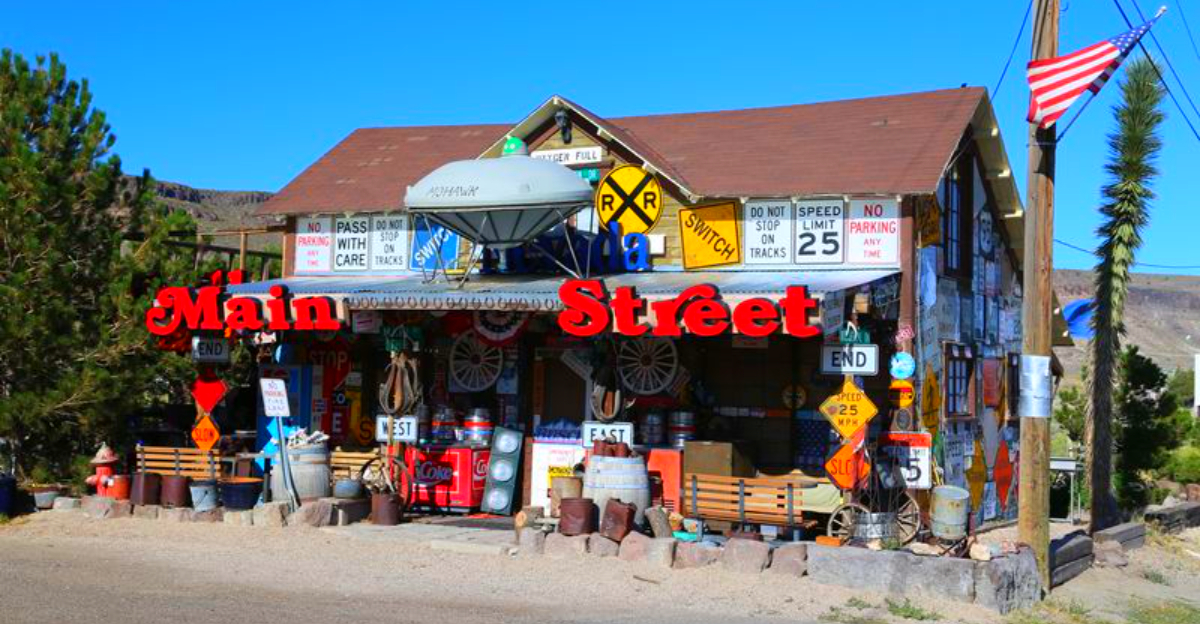
Blink and you might miss Goldfield from U.S. 95, but the story unfolding there is worth a closer look. This former boomtown is choosing patience over hype, rebuilding with steady hands and neighborly grit.
You will find practical problem solving, not spectacle, and that is exactly why the change feels real. Keep reading to see how a tiny place in the Nevada desert is quietly building a durable future.
Main Street: Preservation Before Promotion
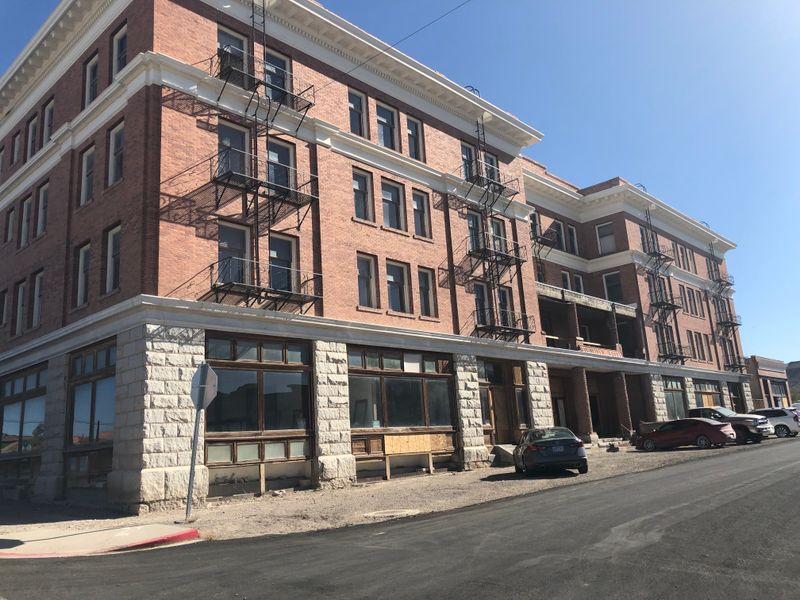
Walk Goldfield’s Main Street and you feel time press lightly on your shoulder. Early 1900s brick buildings stand like veterans, weathered yet stubbornly upright.
Locals put preservation ahead of promotion, choosing roof repairs, window replacements, and masonry reinforcement over flashy unveilings.
Progress happens in phases that fit real life. A roof gets sealed before monsoon season, a facade braced before winter winds, and interior work waits for the next grant or paycheck.
Volunteers trade weekends, tools, and spare parts, turning small steps into steady momentum.
This approach is slower, but it prevents permanent losses. A sound building can host a gallery, a studio, or simply safe storage until the right idea arrives.
You will not see dramatic reveals on a deadline, only careful stewardship meant to keep options alive.
That patience matters in a desert climate. Sun, wind, and sudden rain do not negotiate, so maintenance wins the long game.
Walkers pause, snap photos, and ask questions, and sometimes they return to rent space or pitch in. Main Street is not a set piece, it is a working to-do list.
The Goldfield Hotel: Stabilization Before Speculation
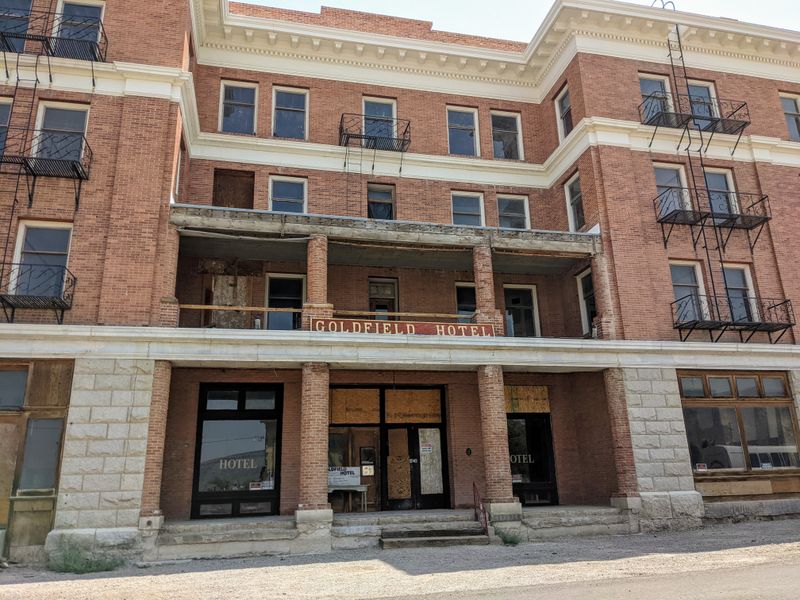
The Goldfield Hotel carries a legend, but the real story now is nuts-and-bolts stewardship. Crews focus on structural reinforcement, window restoration, and roof integrity, because keeping weather out keeps future options in.
Safety upgrades quietly outrank ghost tales on the priority list.
Large-scale restoration takes years and serious funding, so stabilization bridges the gap. You might see lift equipment, braces, and carefully logged measurements rather than velvet ropes.
Each secure window and sealed seam buys more time, and time is the most valuable resource here.
Locals know one landmark can anchor pride and investment for the whole town. When the hotel stands straighter, Main Street stands taller.
Curiosity brings travelers off U.S. 95, and respectful tourism follows.
Speculation can wait until the bones are safe. The plan is incremental: secure, protect, and document.
You will not read grand promises, just project logs and invoices paid as funds allow. The result is a building that stays in the conversation, resilient against wind, rumor, and neglect, ready when resources align.
Small-Scale Fabrication: Micro-Manufacturing That Solves Problems
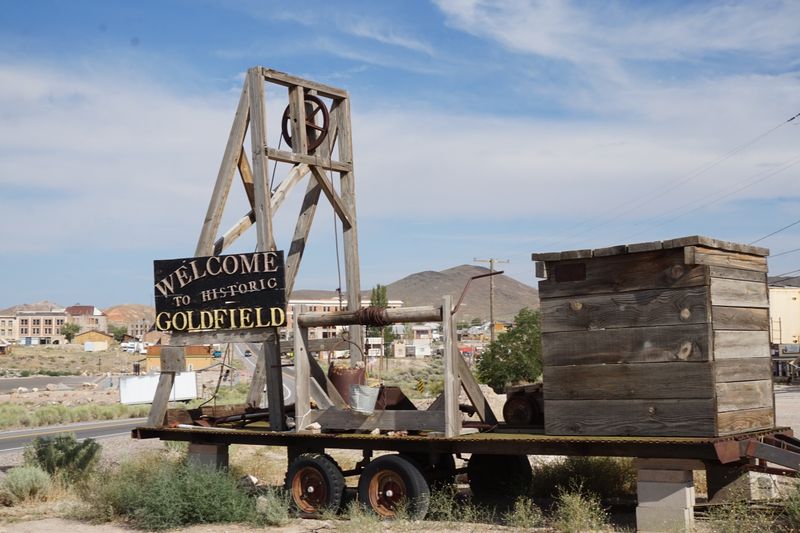
In Goldfield, delays can stretch for days if a part is backordered. That is why tiny workshops matter.
A welder with a steady hand, a compact CNC, and a bins-and-shelves mindset can turn scrap into solutions that keep projects moving.
You will see custom brackets for historic windows, one-off hinges that match century-old patterns, and quick trailer fixes that get materials where they need to go. Fabricators collaborate with property owners, swapping sketches and measurements over coffee or radio.
The goal is not a startup pitch, it is dependable throughput.
Shortened supply chains save roofs before the next storm. A repaired tool or reworked brace might mean a saved weekend.
Every successful fix stacks into community capacity, giving preservation efforts a reliable backbone.
These shops also teach by doing. Young helpers learn to weld safely, measure twice, and respect tolerances.
Skills cross-pollinate into art, signage, and small products for pop-up markets. In a place this small, one skilled fabricator can accelerate half the town’s to-do list, turning would-be delays into same-day progress.
Community Communication: The Local Radio Lifeline
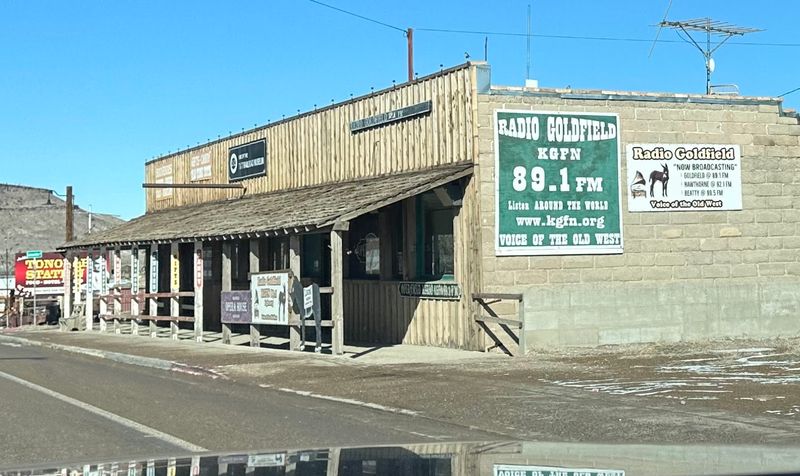
Goldfield’s local radio feels like a neighbor leaning over the fence, only clearer. It is a calendar, a dispatcher, a lost-and-found, and a megaphone for fundraisers.
You might hear a call for scaffolding at 9 and a thank-you by noon.
In a town with limited bandwidth and long drives, radio stitches projects together. Someone heading to Tonopah offers a pickup.
A contractor needs two hands for a window set. Events, supply runs, and safety reminders flow in plain language.
This low-tech hub saves time and reduces friction. No forms, no portals, just community signal.
When weather shifts, alerts go out fast, protecting exposed roofs and materials.
You can feel accountability on the airwaves. Announcements become commitments, and progress reports turn into morale boosts.
The station doubles as cultural memory, cataloging who showed up and what got done. In Goldfield, radio is not nostalgia, it is infrastructure that keeps preservation practical and people connected.
The Art Car Lot: Creative Reuse As Identity
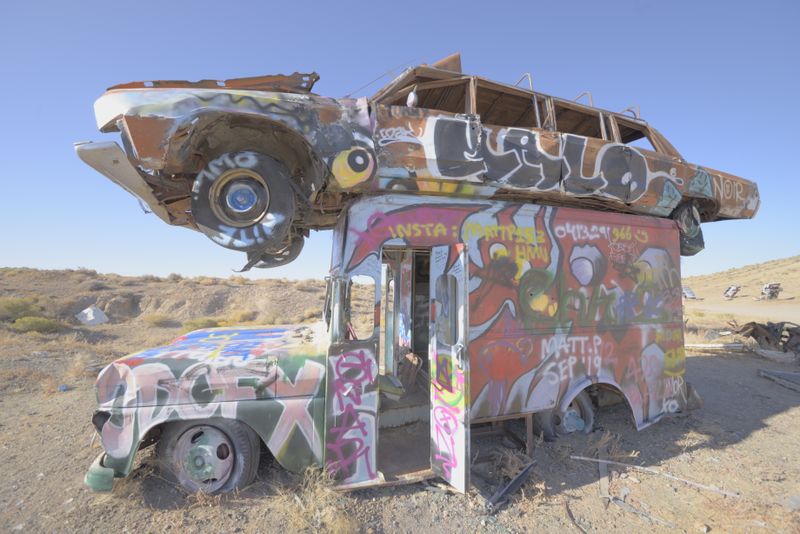
The Goldfield Art Car Park, often called the International Car Forest, turns reuse into spectacle with purpose. Vehicles become canvases, welded and painted with mirrors, bottle caps, and found metal.
It is playful, but also a masterclass in fabrication and problem solving.
Artists here learn the same skills that stabilize buildings: cutting, bracing, weatherproofing, and safe lifting. You can watch creativity bridge into competence, the kind that translates to window frames and sign brackets.
The installations remind travelers that Goldfield values ingenuity over excess.
Art brings people off the highway, but it also trains hands. A weekend spent welding a sculpture sharpens technique for Monday’s repair job.
Materials get second and third lives rather than heading to the dump.
This site reflects the town’s ethos: reuse beats replacement when money is tight. Visitors snap photos and ask where the coffee is, and suddenly Main Street sees foot traffic.
Identity matters, and here it is forged from steel, sand, and imagination.
The Library: Quiet Tools For Real Work
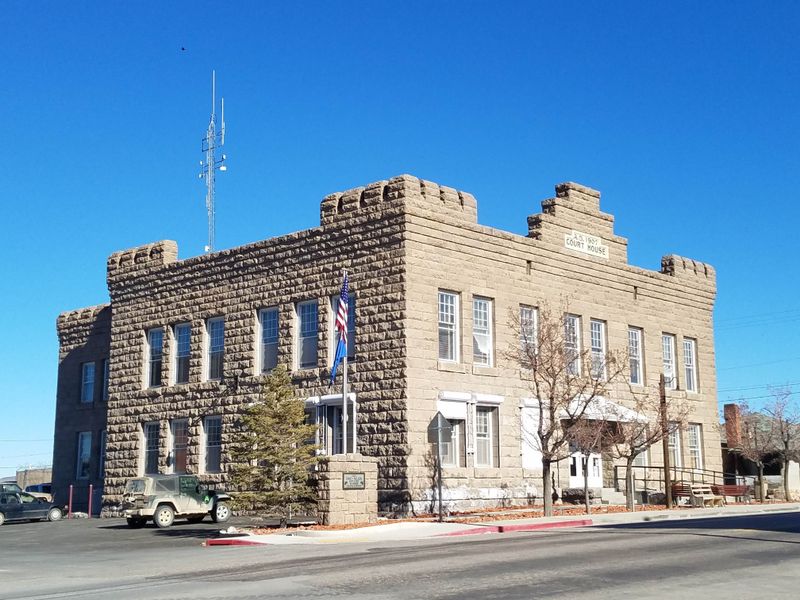
Goldfield’s library runs on quiet power. Wi-Fi, printers, and a calm table turn into a permit station, a grant-writing desk, and a research lab for historic documentation.
You will see contractors reviewing specs beside residents hunting down archival photos.
Preservation is paperwork as much as pry bars. Applications need quotes, photos, and timelines, and the library provides the tools to compile them.
Staff point to resources, examples, and forms that tighten a proposal and improve odds.
It is also a place to think. Air conditioning, steady light, and a chair can decide whether an afternoon becomes productive.
When the signal at home flickers, the library holds the connection.
Every successful submission funnels back into Main Street. Grants buy windows, scanners preserve history, and printed maps guide visitors to landmarks.
You might not notice the wins posted on a corkboard, but they add up. In a town of 225, a library card can move bricks.
Living With The Desert: Practical Home Adaptations
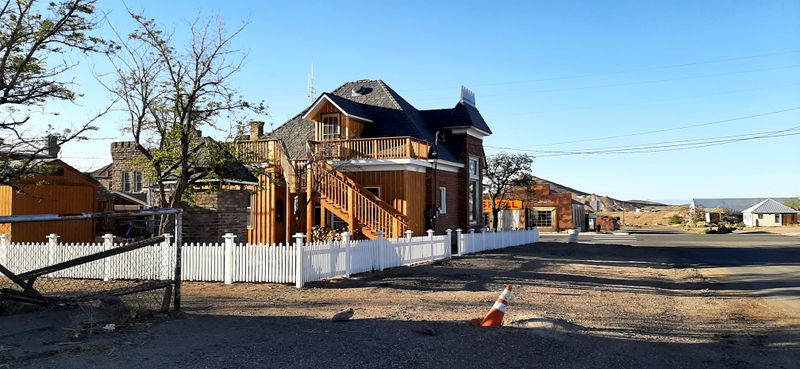
Desert life rewards small, smart upgrades. In Goldfield, shade structures, solar screens, and evaporative cooling tweaks keep homes bearable without breaking budgets.
Rainwater barrels and xeriscaping stretch scarce resources and cut maintenance.
You notice the difference on workdays. Cooler rooms protect tools and materials, letting projects run longer.
Lower utility bills free cash for roof patches, window glazing, or fuel for supply runs.
These adaptations are not about virtue signaling. They are survival gear tuned to local conditions, learned by neighbors and refined over seasons.
A good windbreak, a sealed duct, or a timed fan can feel like a luxury.
Advice travels through radio chatter and porch conversations. You will hear which coatings resist sun best and which shade cloth holds up through winter gusts.
The goal is comfort that enables action, because progress slows when heat wins. Practical resilience makes year-round living, and therefore year-round rebuilding, possible.
Pop-Up Commerce: Testing Ideas On The Fly
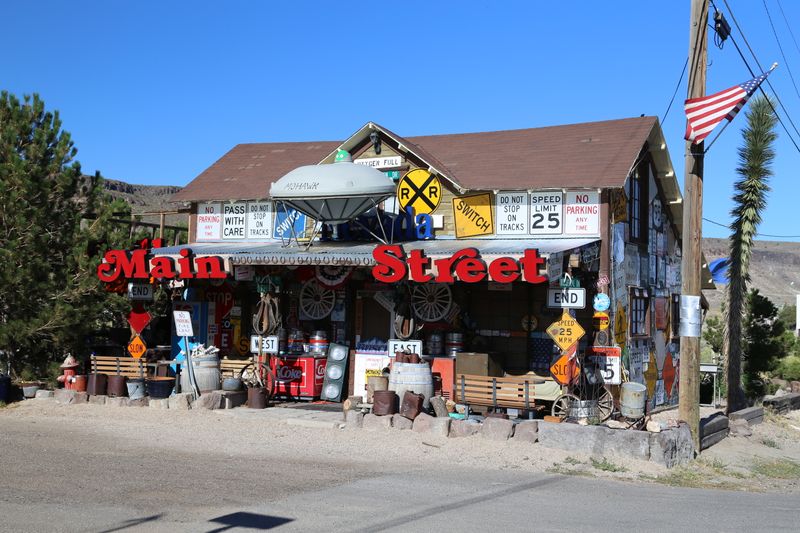
Goldfield’s pop-up markets are tiny laboratories for livelihood. Tables brim with handmade goods, local snacks, printed walking maps, and sometimes hardware odds that travelers unexpectedly need.
Vendors test pricing, packaging, and pitch without locking into big leases.
Highway traffic becomes opportunity instead of background noise. A quick stop for photos turns into a purchase and a conversation about town history.
Even modest sales help fund the next batch of materials or a new tool bit.
These events build rhythm. Announced on local radio, set up near visible corners, they give visitors reasons to linger.
Makers compare notes on what worked and what did not, improving week by week.
Pop-ups also nudge buildings toward new uses. An empty storefront proves it can host foot traffic, making future tenants more confident.
You will not see splashy grand openings, just folding tables and genuine welcomes. That is enough to turn curiosity into support and momentum.
Informal Skill-Sharing: Education Without Institutions
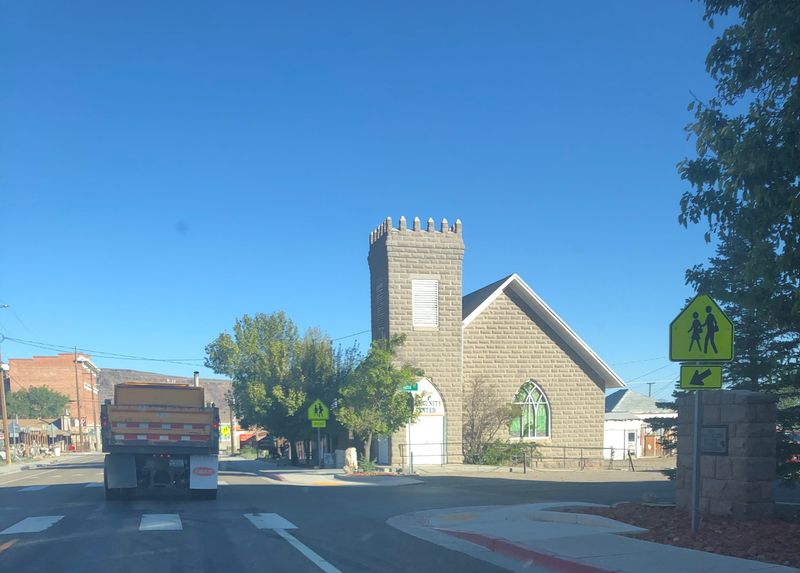
Without a big vocational campus nearby, Goldfield teaches itself. Roofing basics, masonry repairs, safe demolition, grant writing, and documentation circulate through garages and community rooms.
You will see handouts taped to tool chests and sample joints passed around.
Competence, not certificates, keeps projects advancing. A neighbor demonstrates mortar mixing, another shows how to brace a sagging frame, and someone else reviews a budget spreadsheet.
The mix of hands-on and paperwork skills is deliberate.
Workshops happen when people have time, not when a semester says so. Radio announcements pull in extra hands, and coffee sweetens the learning curve.
Safety steps are drilled because one mistake can set back months.
Each shared technique multiplies. New volunteers arrive already knowing ladder angles, mask types, and how to log before-and-after photos for grants.
In a town of 225, that head start is gold. The culture rewards asking questions and returning the favor, which is how fragile buildings stay upright long enough to be reborn.
Why Goldfield’s Reinvention Matters
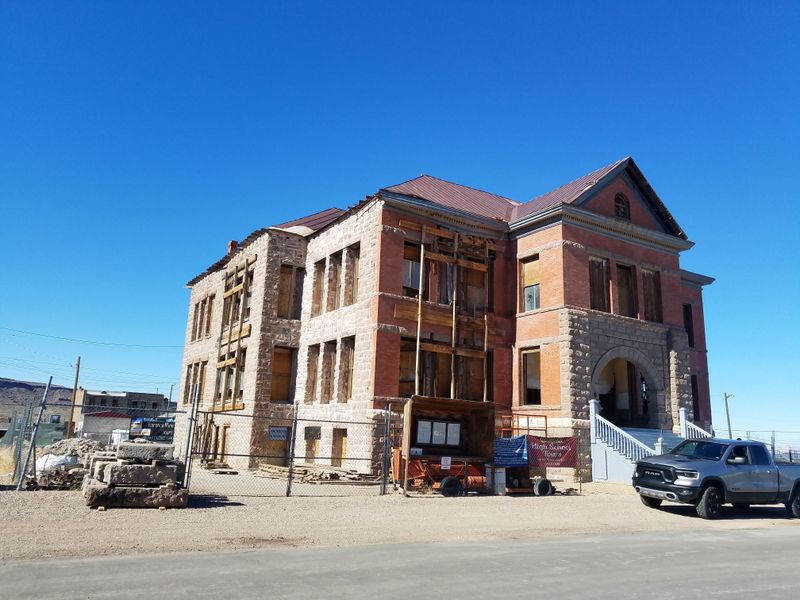
Goldfield is proving that durability can outweigh spectacle. The town’s formula is clear: stabilize historic assets, build local repair capacity, share knowledge, and keep basic services humming.
You will not find rapid growth metrics, but you will find resilient habits.
Every repaired window blocks water and buys time. Every workshop turns a neighbor into a collaborator.
Pop-up markets transform highway glances into conversations, and sometimes those conversations become commitments.
This matters beyond one Nevada dot on the map. Towns under 300 people share similar math, where small wins compound into structural change.
Instead of betting on big outside saviors, Goldfield invests in maintenance and memory.
The result is cumulative, not dramatic. Buildings stand straighter, tools circulate faster, and local radio keeps the cadence.
If you pass through on U.S. 95, pause. You might not witness a ribbon cutting, but you will feel momentum built from persistence, patience, and practical skill.



