 Unearth The Voyage
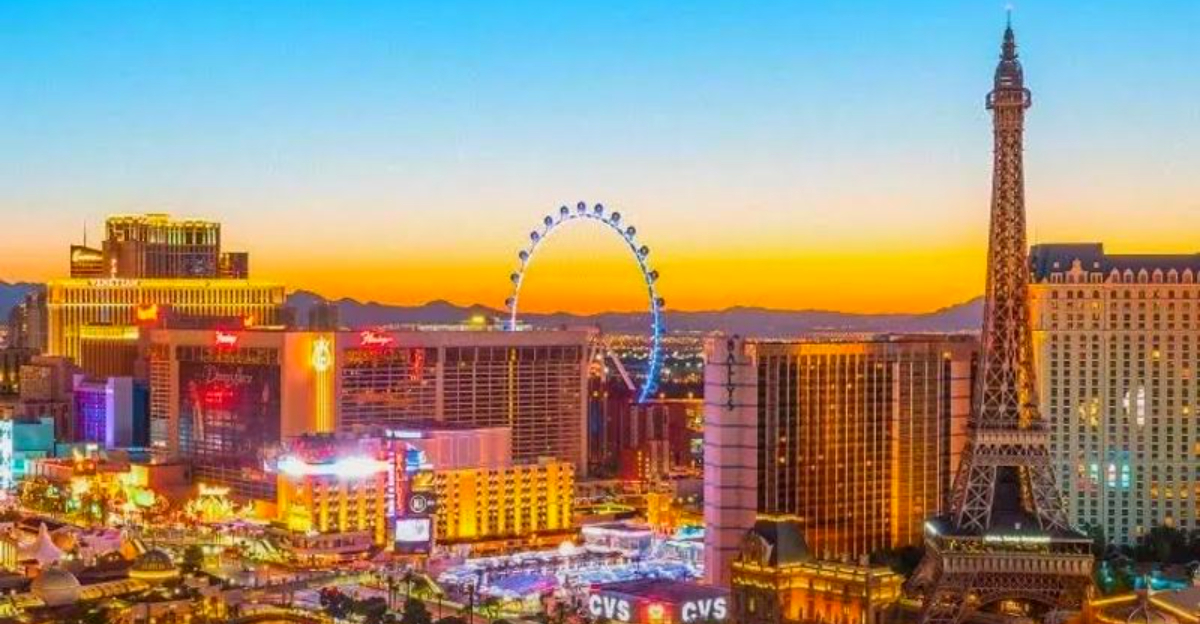
Las Vegas has long been the entertainment capital of America, drawing millions of visitors each year with its bright lights, casinos, and world-class shows. But recently, the city famous for never sleeping has hit a rough patch. More and more American tourists are skipping Sin City in favor of other destinations, and the numbers tell a story that casino owners don’t want to hear. What’s causing this shift away from one of the country’s most iconic vacation spots?
1. Overall Drop in Visitors
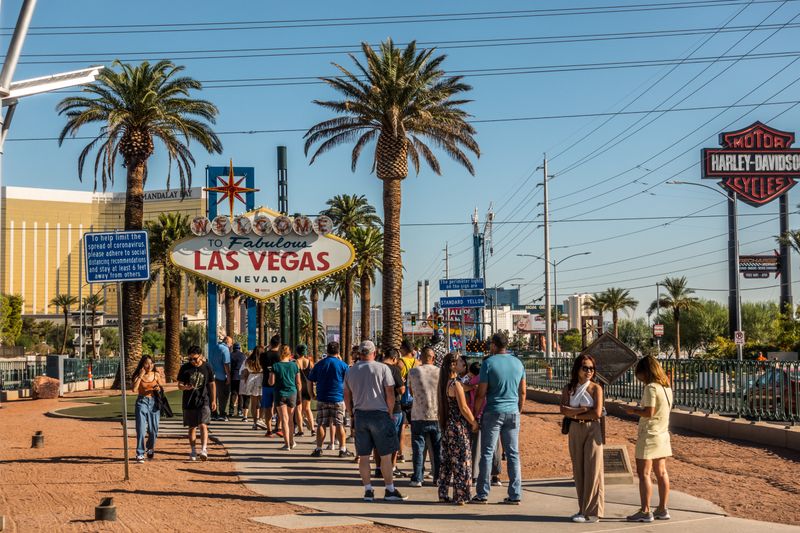
Numbers don’t lie, and the latest statistics paint a worrying picture for Las Vegas. June 2025 saw visitor counts plummet by about 11.3% compared to the same month in 2024. That’s not just a small dip; it’s a significant decline that has casino executives and tourism officials scrambling for answers.
Fewer people walking the Strip means less money flowing through slot machines, restaurants, and hotel rooms. The city built its reputation on being a must-visit destination, but that reputation is clearly being tested. When thousands of potential visitors choose somewhere else for their vacation, it sends a clear message.
Tourism officials are closely monitoring these trends, hoping the decline is temporary. However, early indicators suggest this might be the beginning of a longer-term shift. Recovery will require addressing the underlying issues driving tourists away from what was once America’s playground.
2. Economic Uncertainty and Consumer Caution
Wallets are getting tighter across America, and Las Vegas is feeling the squeeze. Rising inflation has made everyday Americans think twice before booking that weekend getaway to Sin City. When groceries cost more and gas prices fluctuate wildly, a Vegas vacation quickly drops down the priority list.
Economic unease creates a ripple effect throughout the travel industry. Families who might have splurged on a Vegas trip a few years ago are now choosing staycations or cheaper alternatives. The psychology of spending changes when people worry about their financial future.
Consumer caution means even those who do visit Las Vegas are spending less once they arrive. The free-spending attitude that once defined Vegas tourists has been replaced by careful budgeting. Casinos notice when visitors set strict gambling limits, and restaurants see fewer people ordering premium menu items. This new frugality fundamentally changes the Vegas experience for both tourists and businesses.
3. High Travel and Accommodation Costs
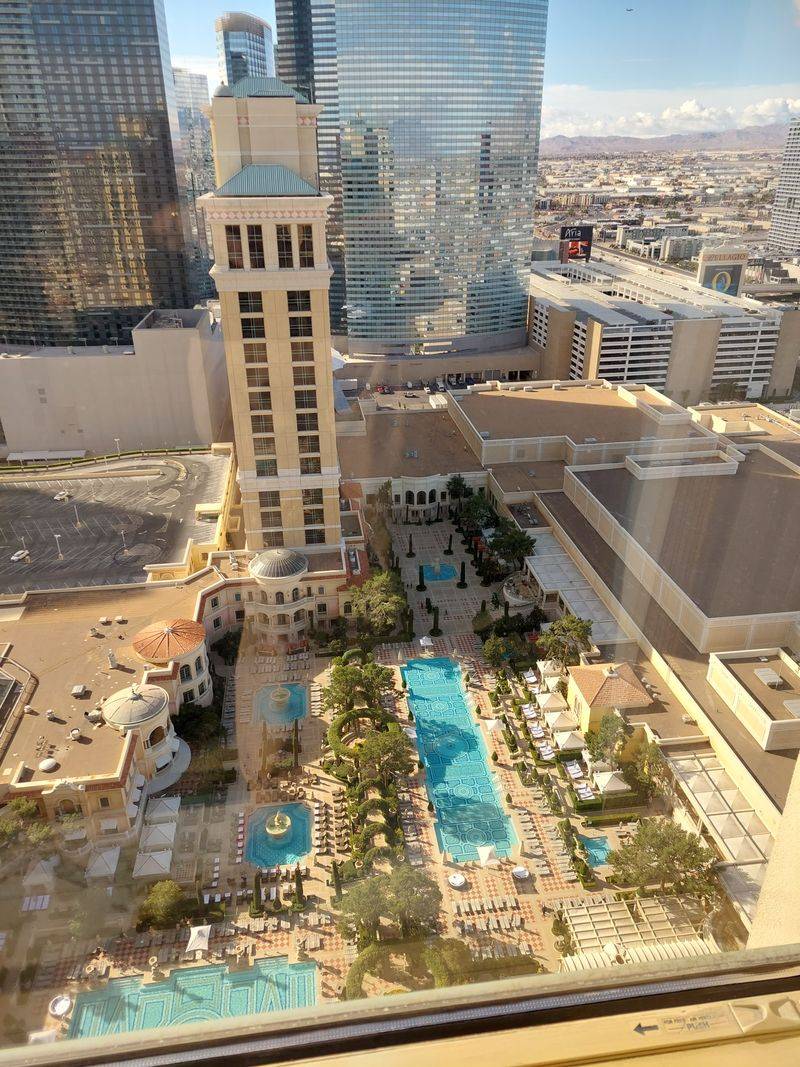
Booking a Vegas hotel room today can trigger serious sticker shock. Room rates have climbed steadily, but that’s just the beginning of the expense story. Resort fees add another $30 to $50 per night, parking charges can hit $20 or more daily, and suddenly your affordable room becomes surprisingly expensive.
These hidden costs frustrate budget-conscious travelers who feel nickel-and-dimed at every turn. What looked like a reasonable hotel rate online transforms into something far pricier at checkout. Dining out, show tickets, and entertainment add even more to the final bill.
Comparing Vegas to other vacation destinations reveals a growing price gap. For the same money, families can visit beach resorts, national parks, or even international destinations that offer better perceived value. When travelers do the math, Las Vegas increasingly comes up short. The city’s reputation as an affordable getaway has been replaced by one of expensive indulgence that many simply can’t justify anymore.
4. Rising Costs of Everyday Expenses
A bottle of water shouldn’t cost five dollars, but in many Vegas venues, it does. Visitors quickly discover that everyday items carry premium price tags throughout the city. Whether it’s a simple breakfast, a cup of coffee, or a taxi ride, everything seems to cost more than it should.
This pricing strategy might work for high rollers, but average American tourists feel exploited. Social media buzzes with complaints about overpriced experiences that don’t match the quality delivered. A burger and fries that costs $25 better be exceptional, and often it’s just ordinary.
The value equation has shifted dramatically against Las Vegas. Tourists remember when the city subsidized basic costs to keep people gambling. Those days are gone, replaced by aggressive pricing on everything. When visitors feel gouged on necessities, they’re less likely to splurge on entertainment or games. Worse still, they return home and warn friends that Vegas isn’t worth the money anymore, creating negative word-of-mouth that spreads quickly.
5. Reduced International Tourism
International visitors have always added special energy to Las Vegas, bringing different cultures and spending habits to the Strip. But global travel patterns have shifted, and fewer international tourists are choosing Vegas as their American destination. This decline affects the entire ecosystem of the city.
When international tourism drops, it’s not just about numbers. These visitors typically stay longer and spend more than domestic tourists. They book premium shows, dine at upscale restaurants, and shop extensively. Losing this segment means losing some of the city’s highest-value customers.
The reduced international presence also affects the atmosphere. Part of Vegas’s appeal was its cosmopolitan vibe, the sense that people from everywhere came to play. Without that diversity, the city feels less dynamic and more like just another American destination. Hotels and casinos built their business models expecting consistent international traffic, and adjusting to this new reality has proven challenging for many properties across the valley.
6. Immigration and Political Climate
Politics and travel have become uncomfortably intertwined in recent years. Perceptions about U.S. immigration policies and international relations create hesitation among potential visitors, both foreign and domestic. Some Americans even feel conflicted about supporting tourism industries in states with certain political leanings.
Tariff discussions and trade tensions ripple through the travel industry in unexpected ways. When international relationships feel strained, people think twice about traveling. Even domestic travelers pick up on this unease, and it colors their destination decisions in subtle ways.
Las Vegas finds itself caught in these broader currents. While the city itself maintains a welcoming atmosphere, national-level concerns affect travel confidence overall. Tourism doesn’t exist in a vacuum; it responds to the political and social temperature of the times. When that temperature feels uncertain or unwelcoming, discretionary travel suffers. Vegas needs stable, positive conditions to thrive, and recent years haven’t consistently provided that environment for optimal tourism growth.
7. Competition From Other Destinations
America offers incredible variety for vacationers, and more destinations are aggressively competing for tourist dollars. Beach towns have upgraded their entertainment options, mountain resorts offer year-round activities, and cities across the country have developed vibrant dining and cultural scenes. Vegas no longer has a monopoly on fun.
International destinations have become more accessible too. For roughly the same cost as a Vegas weekend, travelers can experience Caribbean beaches, Mexican resorts, or Canadian cities. These alternatives offer different experiences that appeal to changing tastes, especially among younger travelers seeking authenticity.
The competition has intensified because other places learned from Vegas’s playbook. They’ve added casinos, improved nightlife, and created entertainment districts that capture some of Sin City’s energy without requiring a Nevada trip. Regional gambling destinations mean people can get their casino fix closer to home. When every city offers concerts, sports, and dining experiences, Las Vegas’s unique selling proposition weakens considerably, forcing the city to work harder for each visitor.
8. Shift in Travel Preferences
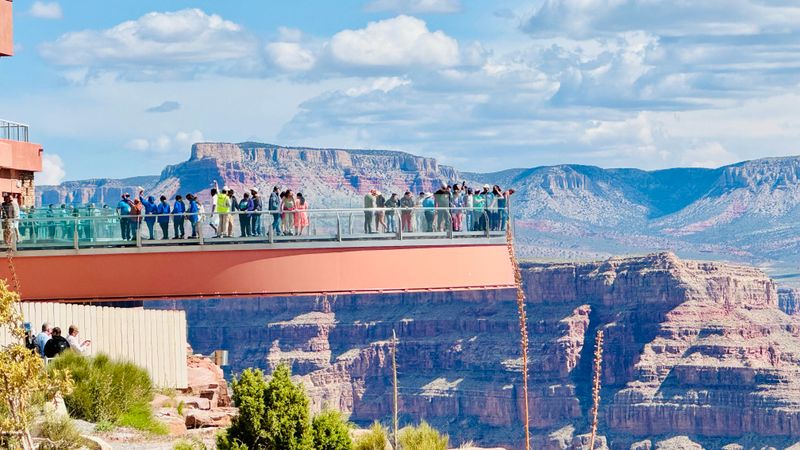
Generational shifts are rewriting the travel rulebook, and Las Vegas is struggling to adapt. Millennials and Gen Z travelers prioritize experiences over excess, seeking authentic connections rather than manufactured entertainment. A national park adventure or cultural immersion trip appeals more to these demographics than slot machines and showgirls.
Social media influences these preferences significantly. Younger travelers want Instagram-worthy moments that reflect personal growth and unique experiences. Photos from Zion National Park or a farm-to-table restaurant carry more social currency than standard Vegas casino shots. The city’s traditional offerings don’t photograph as authentically.
Environmental consciousness also plays a role in destination choices. Vegas’s desert location, water usage, and energy consumption concern eco-minded travelers. They question the sustainability of a city built on excess in an increasingly resource-conscious world. While Vegas has made some green improvements, its fundamental identity clashes with values many younger Americans hold dear, creating a generational disconnect that threatens long-term tourism prospects.
9. Legal Gambling at Home
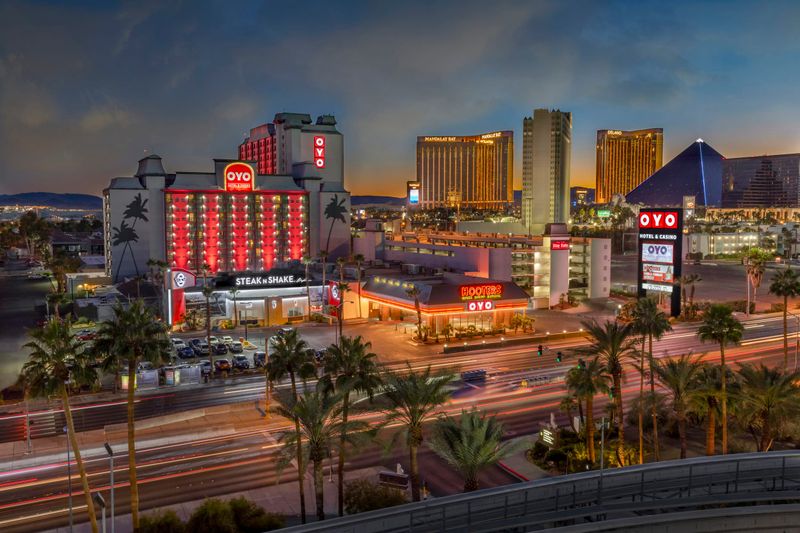
Vegas built its empire on being one of the few places Americans could legally gamble. That exclusivity vanished as state after state legalized casinos and sports betting. Now, people across the country can place bets from their couch using smartphone apps. Why fly to Nevada when you can gamble in your pajamas?
Local casinos have popped up in numerous states, offering similar experiences without travel costs. These regional gambling venues might lack Vegas’s scale, but they provide convenient access to slots, table games, and poker rooms. For casual gamblers, convenience trumps atmosphere every time.
Sports betting legalization particularly impacted Vegas. The Super Bowl used to drive massive Vegas traffic as the only legal place to bet on the game. Now, fans bet legally in dozens of states while watching from home. Las Vegas lost a core competitive advantage, and the tourism numbers reflect this fundamental shift. The city must offer more than gambling to justify the trip, but gambling was always its primary draw for millions of visitors.
10. Changing Entertainment Trends
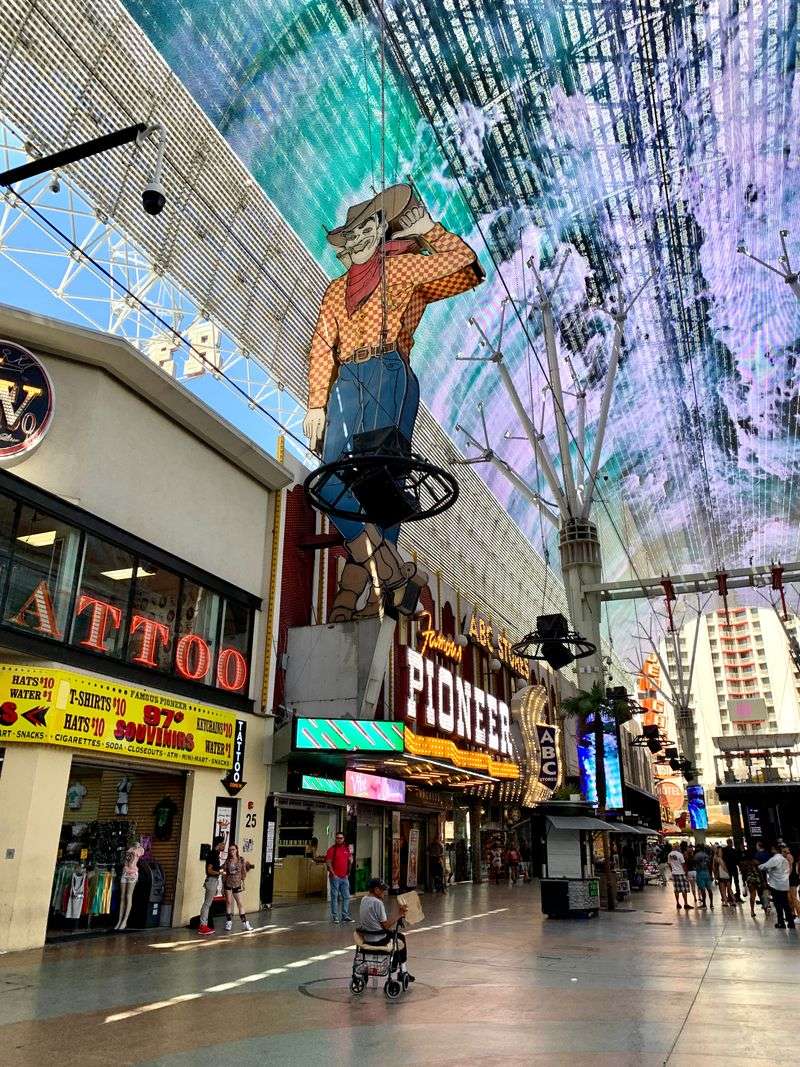
Entertainment evolves constantly, and Vegas is playing catch-up. Traditional shows featuring magic acts and musical revues don’t excite audiences the way they once did. Today’s entertainment consumers want interactive experiences, immersive technology, and constantly refreshed content. Static shows running for years feel outdated.
Nightlife preferences have shifted too. Mega-clubs with celebrity DJs still draw crowds, but many travelers prefer craft cocktail bars, unique themed venues, or more intimate settings. The one-size-fits-all entertainment model that Vegas perfected doesn’t match current tastes as well.
Gaming itself faces challenges beyond legalization elsewhere. Younger generations show less interest in traditional casino games. They didn’t grow up dreaming of sitting at blackjack tables. Efforts to incorporate esports and skill-based gaming have had mixed results. Vegas invested heavily in entertainment infrastructure designed for previous generations’ preferences, and retrofitting for new trends proves expensive and complicated. The city risks becoming a nostalgia destination rather than a cutting-edge entertainment leader.
11. Fewer Major Events in Key Months
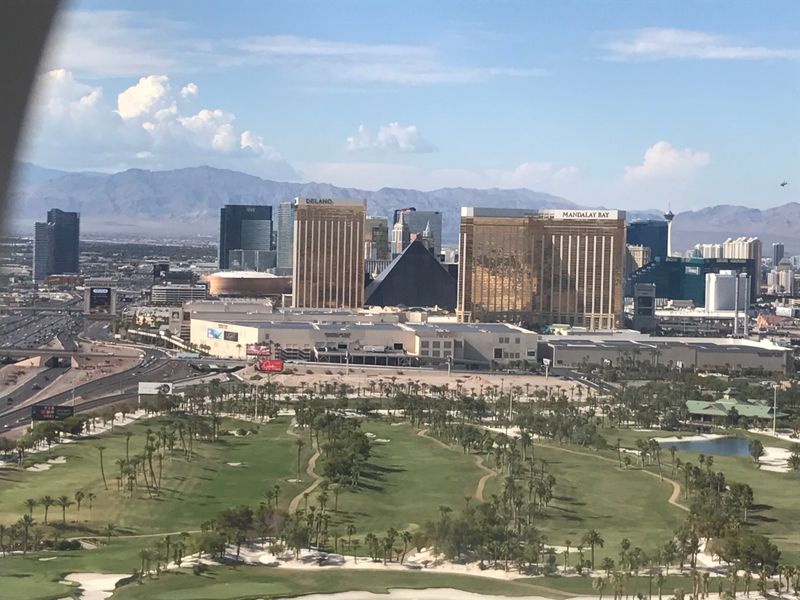
Convention season used to guarantee packed hotels and busy restaurants during specific months. But event calendars have become less predictable, with major conventions moving to other cities or shifting to virtual formats. When a big industry conference chooses Orlando or Phoenix instead, Vegas loses thousands of guaranteed visitors.
These business travelers were valuable beyond their room bookings. Convention attendees filled restaurants, gambled during downtime, and often brought spouses who shopped and saw shows. Losing even a few major events creates noticeable gaps in the tourism calendar.
Competition for conventions has intensified as other cities built modern facilities and offered attractive incentives. Vegas can’t assume its reputation alone will keep events coming back. Some organizations deliberately rotate locations to give members variety. Others found that alternative cities offered better value or more convenient access for attendees. Peak season traffic that Vegas once counted on has become less reliable, forcing hotels and casinos to adjust expectations and pricing strategies throughout the year.
12. Declining Hotel Occupancy
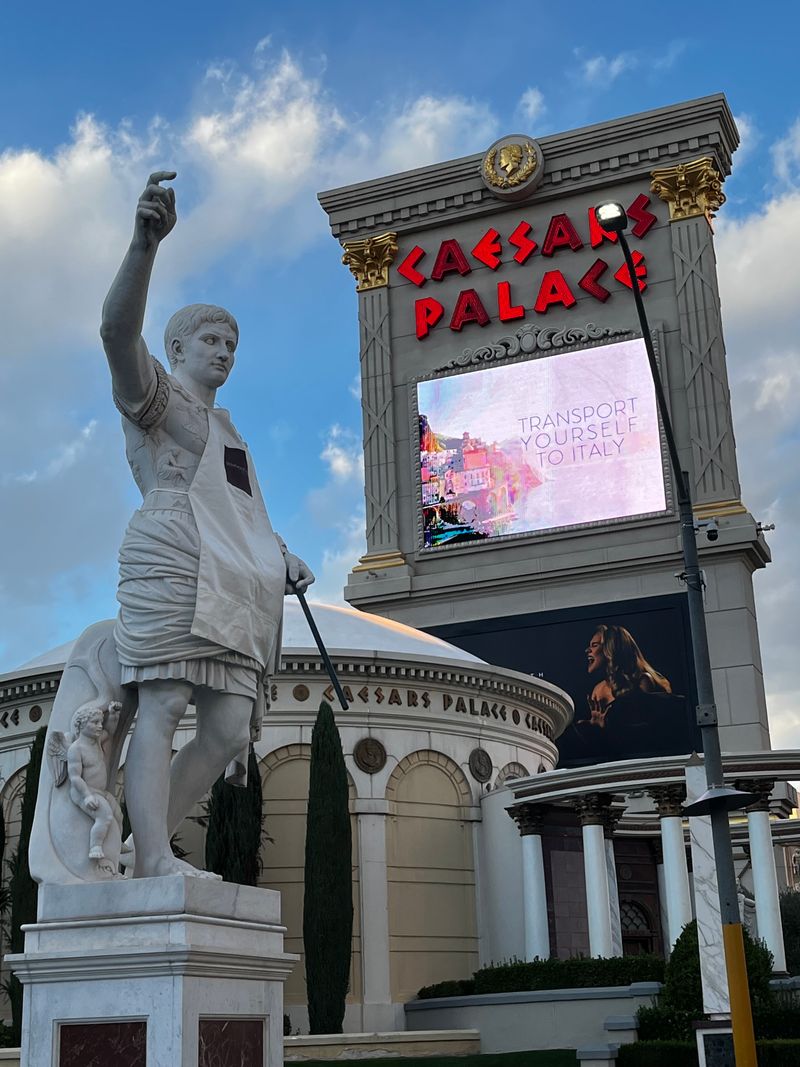
Hotel occupancy rates serve as a reliable indicator of tourism health, and Vegas’s numbers have been slipping. When rooms sit empty, it signals that demand isn’t keeping pace with supply. Properties across the Strip and downtown are seeing lower occupancy compared to previous years, a troubling trend for an economy built on hospitality.
Lower occupancy forces difficult business decisions. Hotels might discount rates to fill rooms, which reduces revenue even when occupancy improves slightly. They might cut staff or reduce services, which can diminish the guest experience and create a negative cycle.
Some visitors are also shortening their stays. Instead of spending three or four nights, they book just one or two. This behavior compounds the occupancy problem because it increases turnover costs while reducing revenue per booking. Empty hotel rooms represent lost opportunity that can never be recovered. Once a night passes with a vacant room, that revenue vanishes forever. The declining occupancy trend suggests fundamental issues with Vegas’s appeal that go beyond temporary economic fluctuations.
13. Airline Passenger Drop

Harry Reid International Airport serves as Vegas’s primary gateway, and passenger volume tells an important story. Recent data shows fewer people flying into Las Vegas, a clear indication that tourism is struggling. Airport traffic correlates directly with hotel bookings and casino revenue across the city.
Airlines respond to reduced demand by cutting routes or reducing flight frequency. When service decreases, it becomes less convenient for potential visitors to reach Vegas, creating another barrier to tourism. The relationship between air service and tourism creates a feedback loop that can spiral negatively.
Business travel through the airport has also declined as companies embrace remote work and virtual meetings. Convention traffic, once a reliable source of air passengers, has softened considerably. Leisure travelers alone can’t fill the gap left by reduced business travel. The airport’s performance serves as an early warning system for broader tourism troubles. When those numbers drop consistently, it signals that Vegas faces serious challenges in attracting visitors regardless of what happens on the Strip itself.
14. Weaker Gaming Revenue Trends
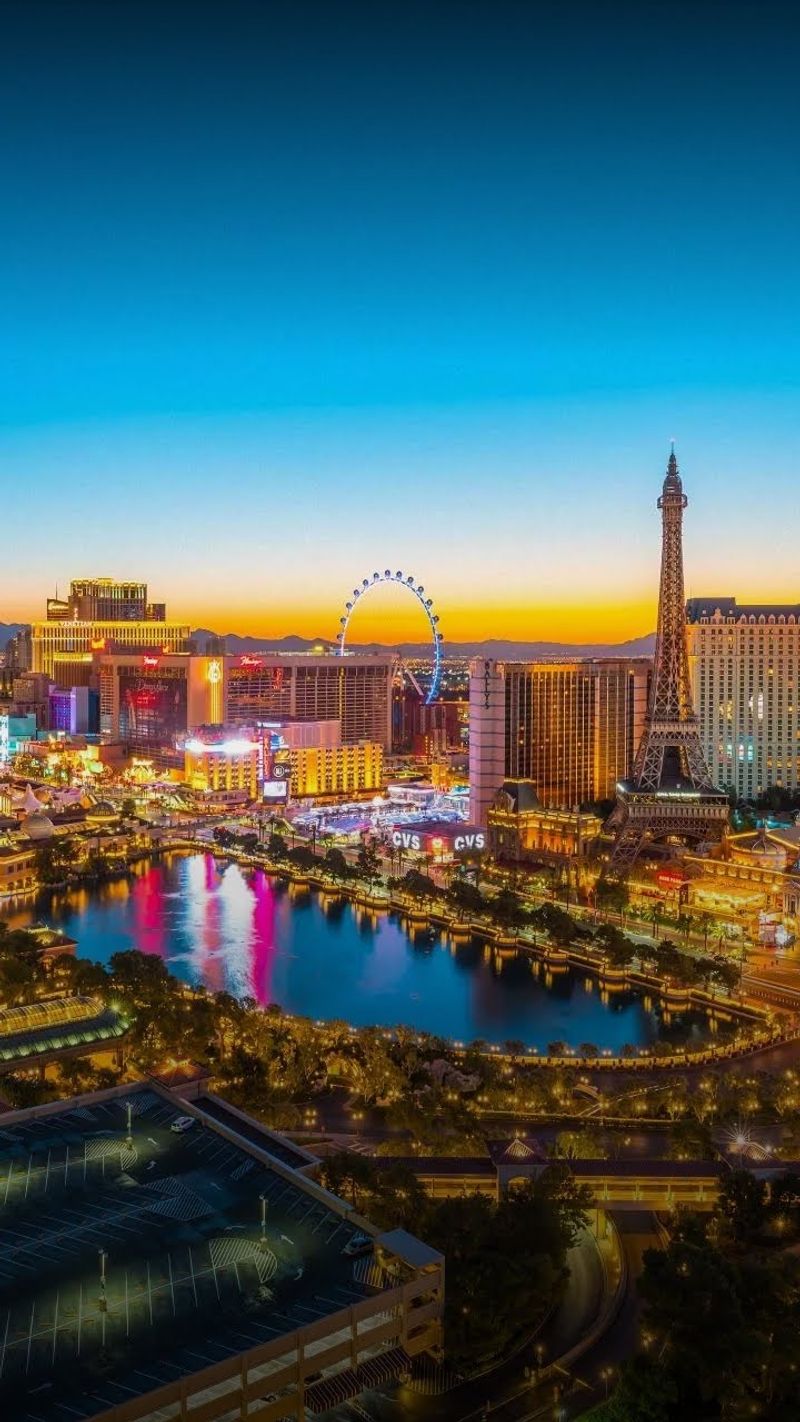
Gaming revenue drives Las Vegas’s economy, so when those numbers soften, the entire city feels it. Mid-range gaming segments that typically attract American leisure travelers have shown particular weakness. These casual gamblers form the backbone of Vegas’s customer base, and their reduced spending signals trouble.
High rollers still visit and spend lavishly, but they represent a small percentage of total visitors. The city needs volume from everyday tourists who spend moderately but consistently. When that segment shrinks or spends less per visit, aggregate revenue drops even if whale gamblers maintain their habits.
Casinos have tried various promotions and loyalty programs to stimulate gaming activity, but results have been mixed. Competition from legal gambling elsewhere means Vegas can’t simply rely on its monopoly position anymore. The city must convince people that gambling in Las Vegas offers something special beyond what’s available locally. Weaker gaming revenue affects employment, tax revenue, and the city’s ability to invest in improvements and attractions that might reverse the tourism decline.
15. Value Perception Has Shifted
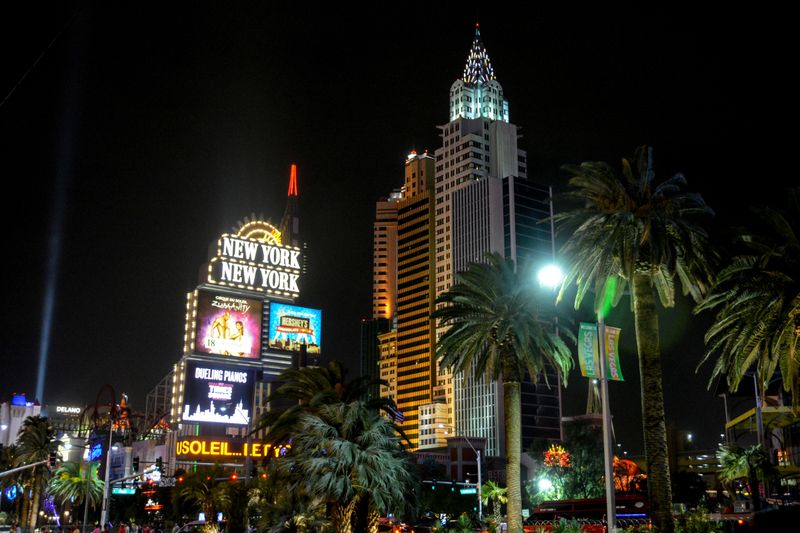
Perception shapes reality in tourism, and Las Vegas faces a growing perception problem. Many travelers no longer believe Vegas offers good value for their vacation dollars. This isn’t just about absolute costs but about the relationship between what you pay and what you receive in return.
Other destinations deliver memorable experiences at lower total costs. A week at a beach resort might cost the same as a Vegas weekend, but travelers perceive better value in the longer, more relaxing vacation. Vegas’s compressed, intense experience doesn’t appeal to everyone, especially when it comes with a premium price tag.
Social media amplifies negative value perceptions. One viral post about an overpriced meal or disappointing show reaches thousands of potential visitors instantly. Vegas used to benefit from word-of-mouth recommendations, but now it suffers from word-of-mouth warnings. Rebuilding value perception requires more than marketing; it demands actual changes to pricing and offerings. Until travelers believe Vegas delivers fair value again, the city will struggle to reverse declining tourism trends and recapture its position as America’s top entertainment destination.



