There is a church sitting high on a hillside in one of Nevada’s most storied towns, and it has been watching over the desert landscape since the days of silver booms and boomtown dreams. Most people who drive through Virginia City come for the Wild West atmosphere, the wooden boardwalks, and the ghost stories.
But tucked along E Street, something far older and far more quietly remarkable has been standing since 1876, rebuilt from the ashes of a devastating fire just one year after it was nearly lost forever. Saint Mary in the Mountains is Nevada’s oldest Catholic church still in use, and once you step inside, it becomes very clear why people keep coming back.
The Church That Survived Fire and Time
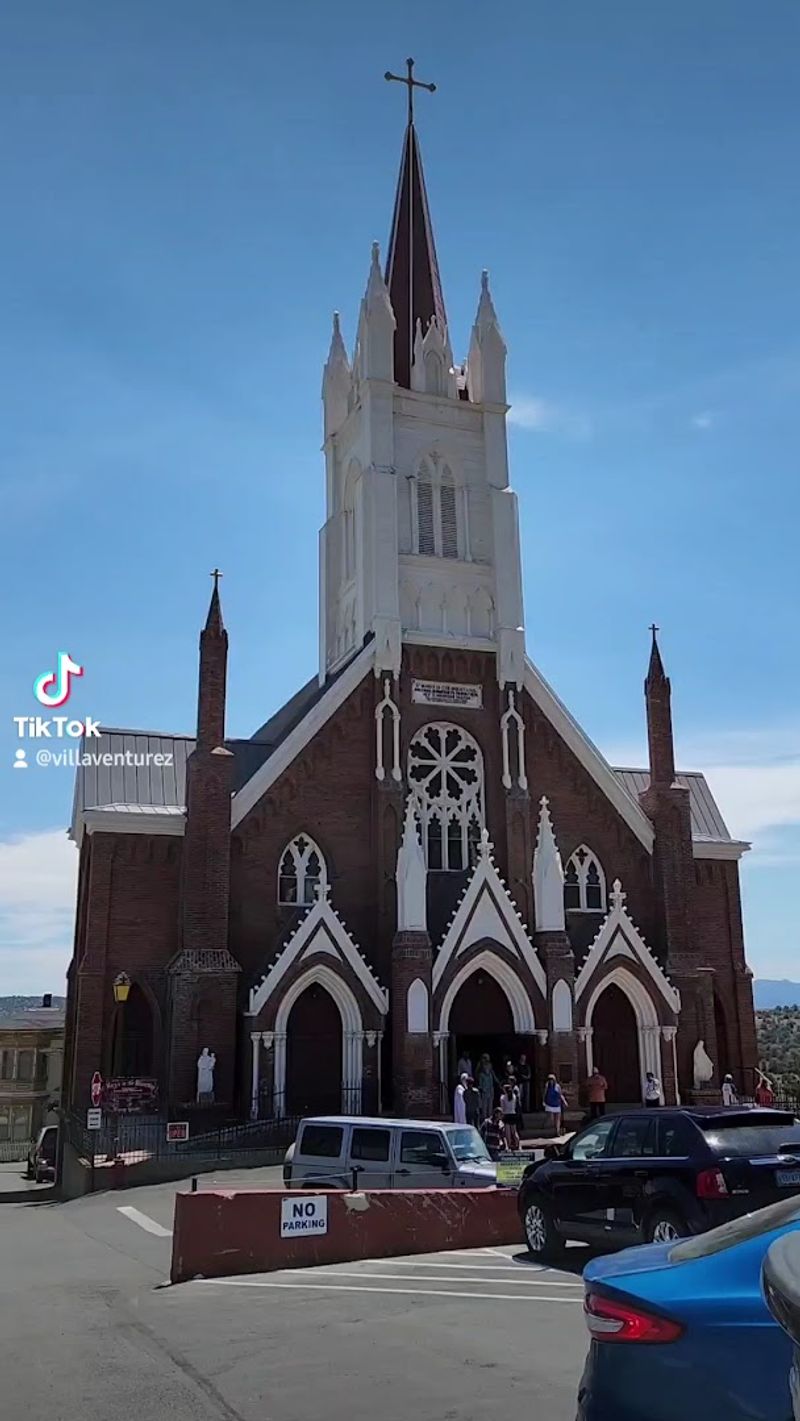
Few buildings in the American West carry a timeline as dramatic as this one. Saint Mary in the Mountains traces its roots all the way back to 1858, when Reverend Joseph Gallagher offered the very first Catholic Mass in Nevada.
The first formal church in Virginia City opened in 1860, was destroyed by winter winds, replaced in 1864, and then the current structure was originally built in 1868.
The Great Fire of 1875 tore through Virginia City and seriously damaged the church. Rather than walk away, the congregation rebuilt it, and by 1876, Saint Mary in the Mountains stood again.
That kind of resilience is written into every plank and pillar.
Today, the church is recognized as a National Catholic Historical Site, which means it carries an official designation honoring its place in American religious history. That is not a title handed out lightly.
Where to Find This Living Landmark
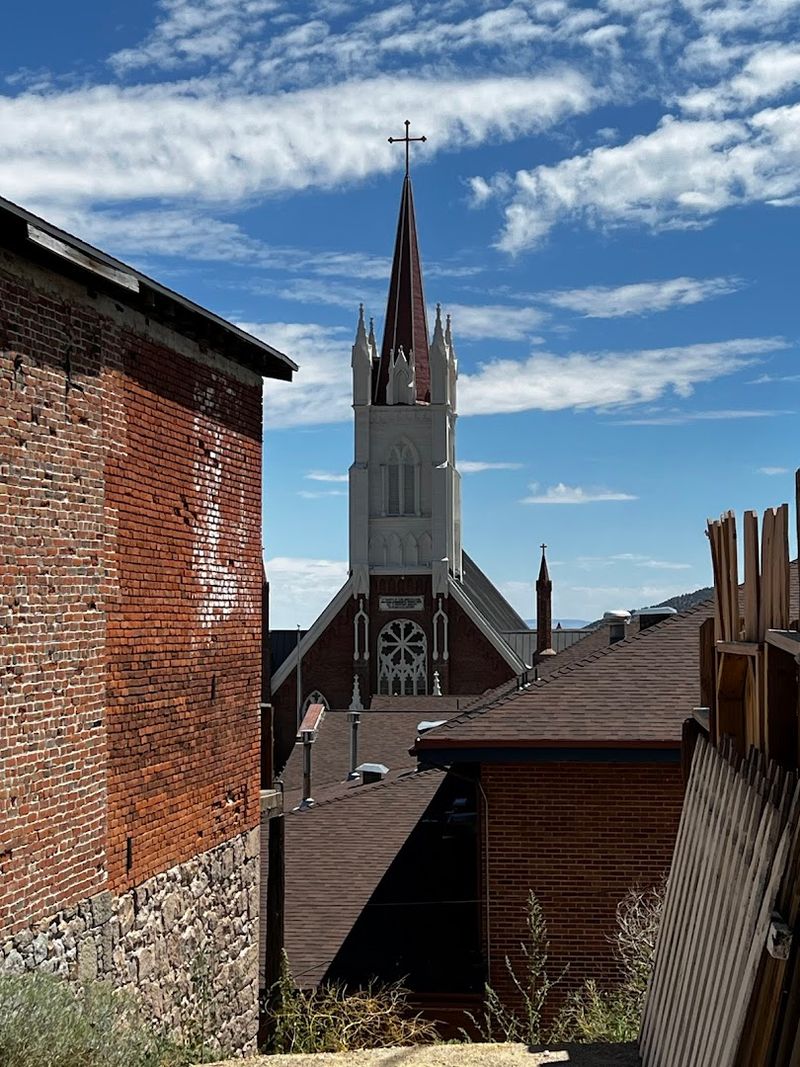
Saint Mary in the Mountains sits at 111 E Street in Virginia City, Nevada, 89440, right in the heart of one of the most historically preserved towns in the entire American West. Virginia City itself became famous during the Comstock Lode silver rush, and the church grew alongside that explosive era of wealth and migration.
Getting there is part of the experience. The drive up into Virginia City winds through high desert terrain, and when the steeple comes into view against the Nevada sky, it genuinely stops you mid-thought.
The church is easy to spot from several points along the main street.
Once you arrive, parking is available nearby, and the church is open to visitors who want to explore at their own pace. It functions as an active Catholic parish, so visitors are encouraged to be respectful during their time inside.
The Bonanza Church and Its Silver Rush Roots
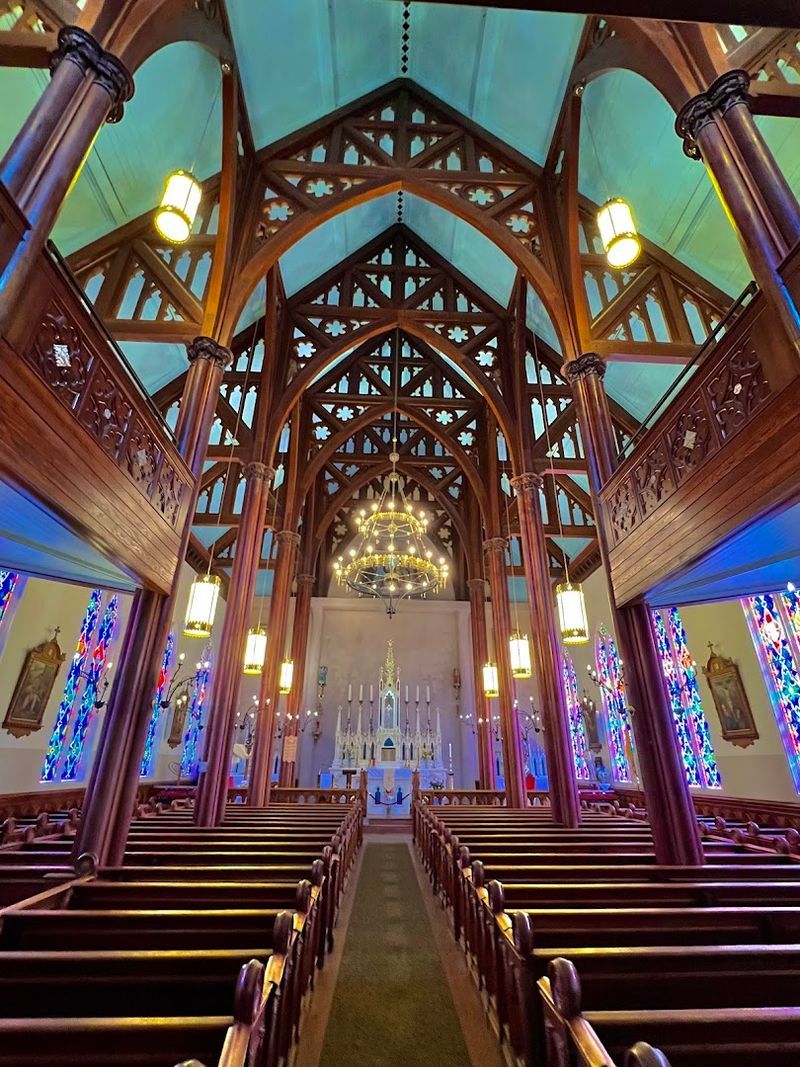
Saint Mary in the Mountains earned a nickname that tells you everything about the era it was born into. Locals and historians have long called it the Bonanza Church, a reference to the extraordinary wealth pouring out of the Comstock Lode silver mines that made Virginia City one of the richest places in 19th-century America.
The Comstock Lode silver discovery brought thousands of miners, merchants, and settlers flooding into Nevada. Many were Irish Catholic immigrants, and the church became a spiritual anchor for a community built on risk, hard labor, and high stakes.
Reverend Patrick Manogue, who later became a bishop, played a central role in building the church’s foundation during those wild years.
Understanding that backstory changes how you see the building. Every carved wooden pew and painted wall carries the weight of people who came to this hillside seeking something steady in an unsteady world.
Woodwork That Stops You Cold
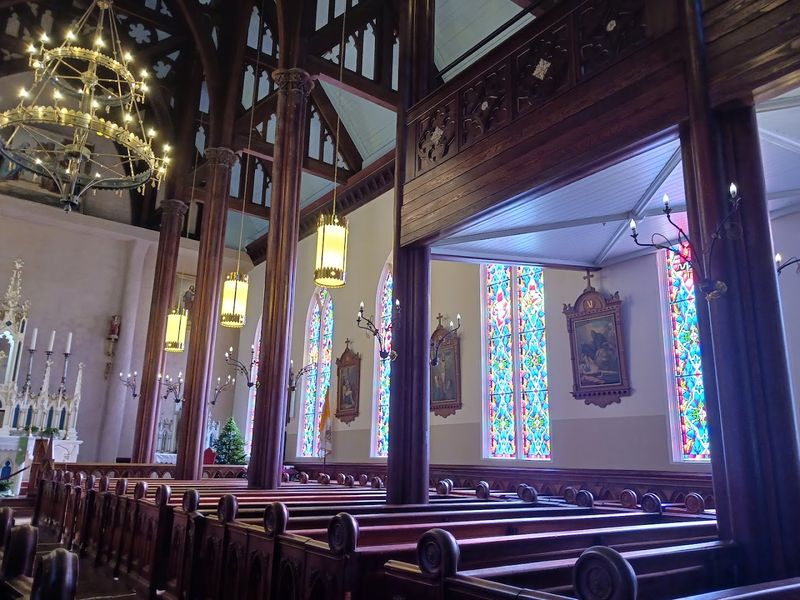
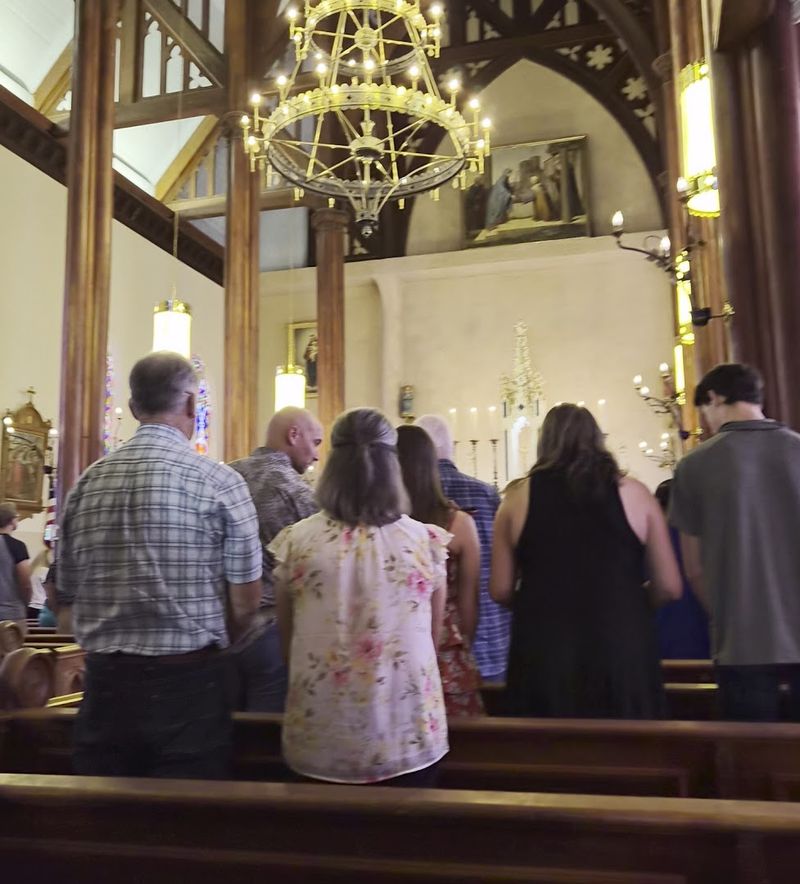
Walk through the front doors and the first thing that hits you is the wood. The ceiling beams stretch overhead in a way that feels almost cathedral-like, crafted with a level of care that seems almost impossible given the rough conditions of 1870s Nevada.
The benches, railings, dividers, and pillars are all original, and the craftsmanship holds up remarkably well after nearly 150 years.
Several visitors have pointed out the ceiling beams specifically as the single most impressive detail inside the church. Looking up at them, it is easy to understand why.
The joinery is tight, the proportions are elegant, and there is a warmth to the wood grain that photographs simply cannot capture fully.
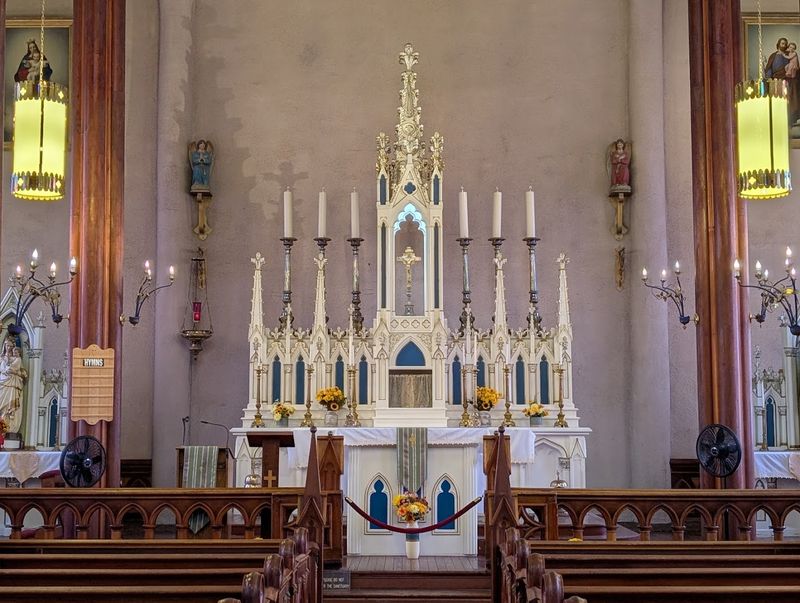
The murals painted on the interior walls add another layer of artistry. They are not flashy or overdone, just quietly beautiful in a way that fits the space perfectly and rewards anyone who takes a slow walk around the sanctuary.
Stained Glass That Earns a Long Look
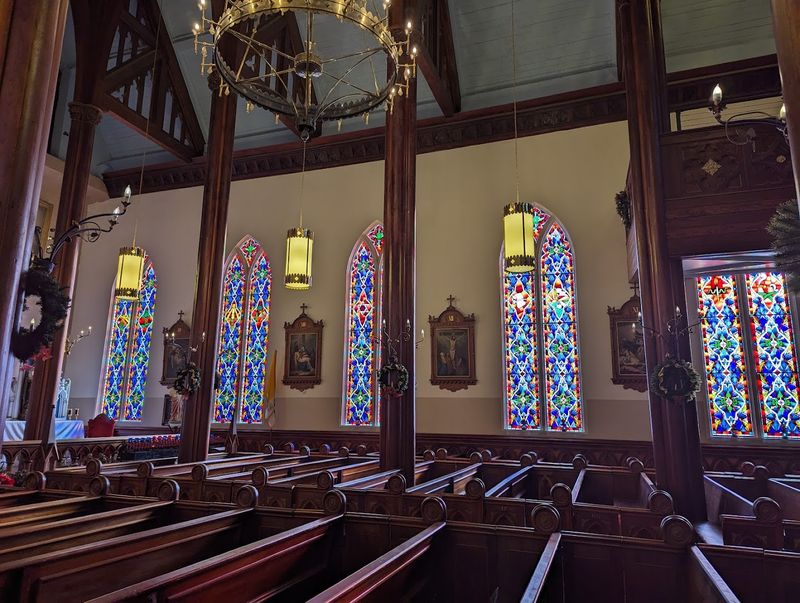
Stained glass windows in an old church are not unusual, but the ones inside Saint Mary in the Mountains deserve more than a passing glance. The colors hold a depth that feels almost out of place for a frontier-era building, and the light that filters through them on a clear Nevada afternoon shifts the whole mood of the interior.
What makes these windows especially interesting is the context. Virginia City in the 1870s was not a place known for refinement.
It was loud, dusty, and packed with competing ambitions. The fact that someone brought this kind of artistry to a hillside mining town says something real about what the community valued and what they were willing to invest in.
The windows are mostly original, which makes them genuinely rare artifacts. Standing in the nave and watching the light move across the wooden floors through those panels is one of those quiet moments that stays with you long after you leave.
The Old Pipe Organ Still Standing in the Choir Loft
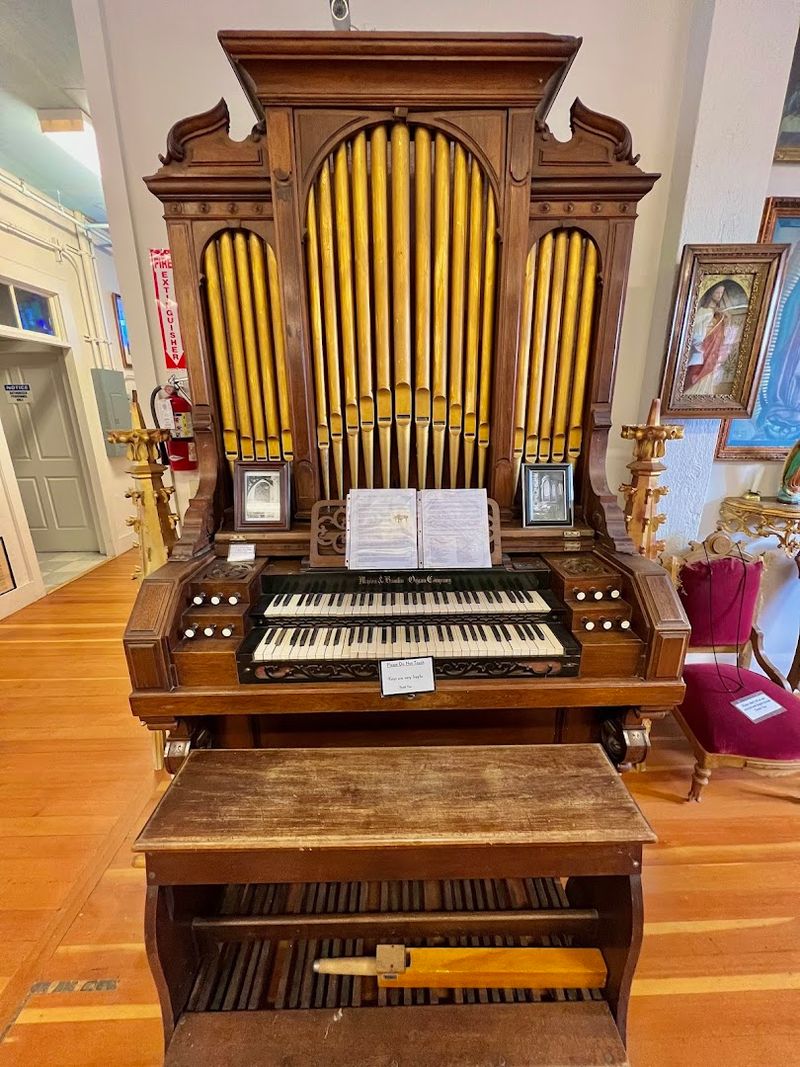
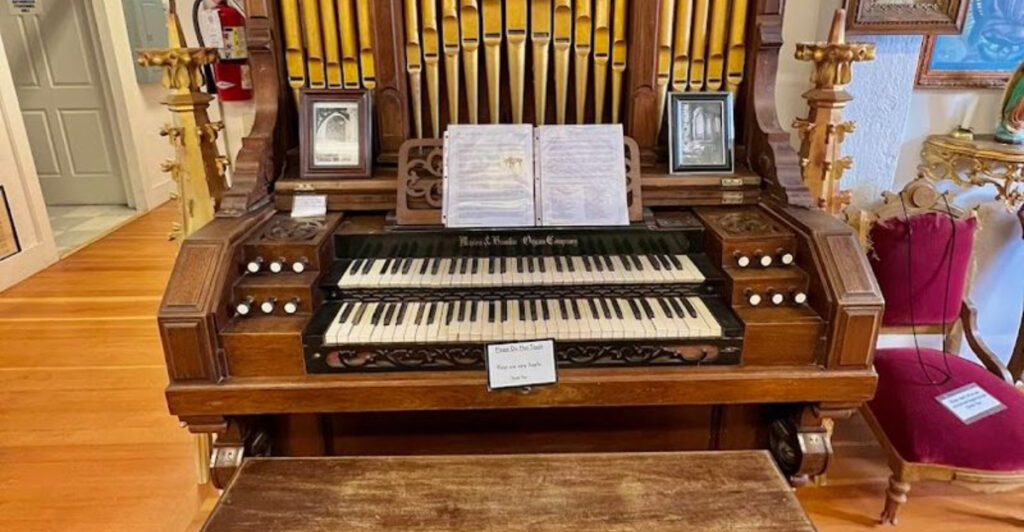
Not every historic church still has its pipe organ intact, which makes the one at Saint Mary in the Mountains a genuine rarity. The instrument sits in the choir loft and has the kind of presence that commands attention even in silence.
When it is played during services, the sound fills the entire space in a way that a modern sound system simply cannot replicate.
Pipe organs from this era were expensive, difficult to transport, and required skilled craftsmen to install and maintain. The fact that this one still exists inside an active parish church in a small Nevada mountain town is remarkable by any measure.
For visitors who are not attending a service, the visual impression alone is worth the look upward. The wooden pipes and casing fit the overall aesthetic of the church interior seamlessly, as though the organ grew there naturally alongside everything else.
A Basement Museum Full of Genuine Surprises
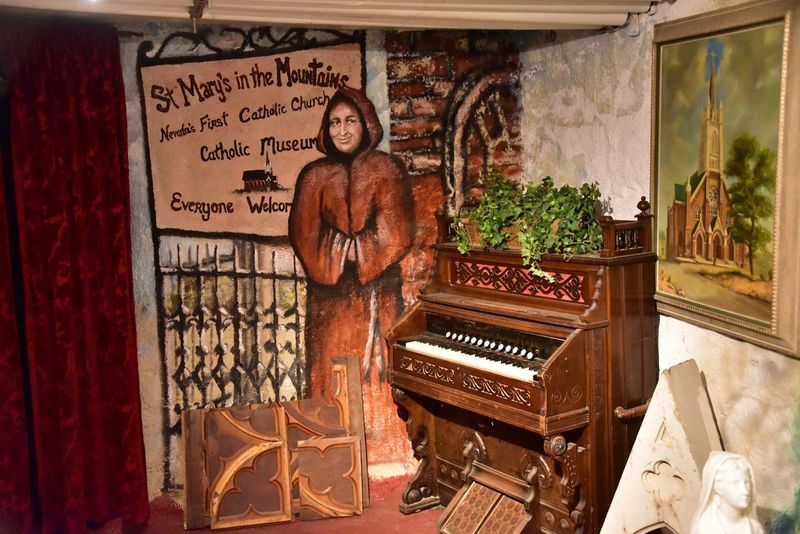
Most visitors expect a beautiful church. Fewer expect a fully stocked museum waiting downstairs.
The lower level of Saint Mary in the Mountains houses a free museum that covers both the history of the Catholic faith in the region and a broader collection of religious artifacts gathered from churches across the country.
The displays include vestments worn by priests, golden chalices, old photographs, and items that trace the arc of Catholic life in Nevada from the earliest missionary days onward. Some pieces come from other historic churches, which gives the collection an unexpected range and depth.
It is worth noting that the museum leans more toward religious history than Virginia City history specifically, so visitors expecting a mining-town exhibit may find themselves pleasantly surprised by the different angle. The collection is dense, and a single pass through is rarely enough to take it all in.
Plan to spend more time than you think you will need.
An Active Parish With Deep Community Roots
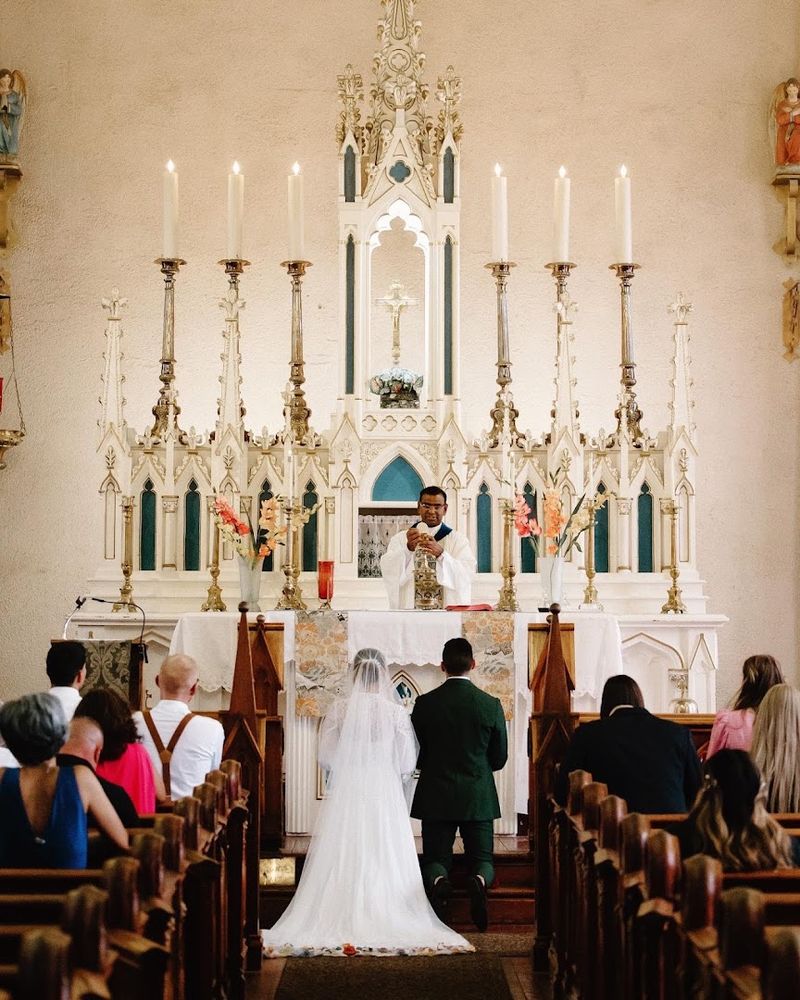
Saint Mary in the Mountains is not a museum pretending to be a church. It is a living, functioning Catholic parish that holds regular services and continues to serve a faith community in Virginia City.
That distinction matters when you visit, because the atmosphere carries a weight and authenticity that preserved-but-inactive historic sites often lack.
Attending a Mass here, even as a curious visitor, offers a perspective that a self-guided tour simply cannot provide. The acoustics of the old building, the way sound moves through the wooden interior, and the presence of a working congregation all add up to something that feels genuinely connected to the past.
Visitors who come outside of service hours are warmly welcomed to explore the sanctuary, the museum, and the gift shop at their own pace. The one consistent expectation is simple respectfulness, which feels entirely appropriate given what the space represents to the people who call it their parish home.
The Views From E Street Are Part of the Experience
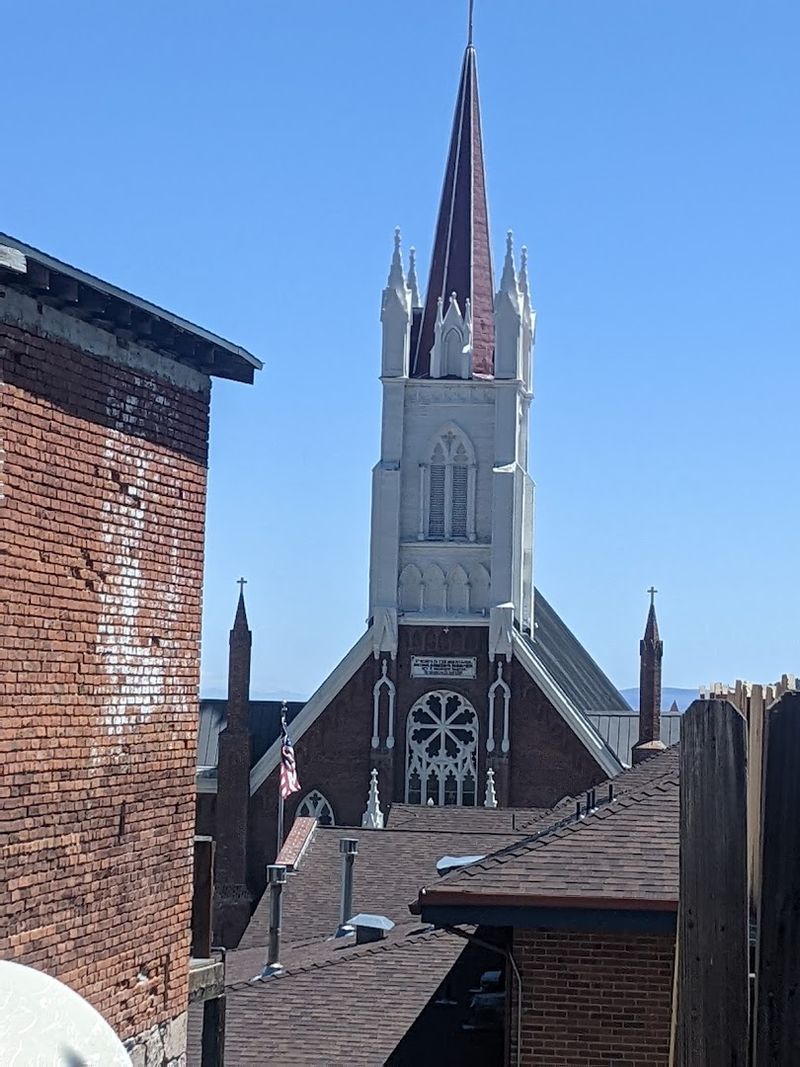
The church’s position on E Street in Virginia City is not accidental. Perched on the hillside above the main commercial strip, it commands a view of the surrounding terrain that stretches out across the high desert in a way that feels genuinely dramatic.
Standing outside the front entrance and looking back over the rooftops of Virginia City, you get a sense of just how remote and rugged this landscape really is.
That setting adds context to everything inside. The people who built this church were not working from a position of comfort or convenience.
They were building something permanent in a place that had no guarantee of permanence, and the view from the steps makes that ambition feel very real.
Early morning light hits the white exterior of the building in a way that photographers tend to notice quickly. The steeple against a clear Nevada sky is the kind of image that holds up long after the trip is over.
What Makes This Church Different From Other Historic Sites
Virginia City has no shortage of historic buildings, and many of them have been converted into museums, shops, or tourist attractions. Saint Mary in the Mountains occupies a different category entirely.
It has remained a functioning parish while also opening itself to visitors, which creates a balance that very few historic structures manage to maintain successfully.
The fact that most of the interior is original makes it stand out even among preserved churches. The woodwork, the murals, the stained glass, and the pipe organ are not reproductions or restorations built to approximate what once existed.
They are the real thing, maintained and cared for by a community that understands what it has.
That combination of authenticity and active use is what keeps people coming back. It is one thing to look at an old building.
It is another thing entirely to sit in a pew that miners and silver-rush settlers once sat in and feel the continuity of that history firsthand.
Planning Your Visit to Virginia City’s Most Enduring Landmark
A visit to Saint Mary in the Mountains works well as part of a longer day in Virginia City, which has a main street full of historic storefronts, museums, and old-fashioned character. The church itself can take anywhere from thirty minutes to well over an hour depending on how thoroughly you explore the sanctuary and the basement museum.
The museum downstairs is free, which makes it an easy addition to any visit. The gift shop near the entrance offers a natural starting and ending point for the experience.
Arriving on a weekday morning tends to mean fewer crowds and more time to absorb the details at your own pace.
Since the church is an active parish, checking the schedule ahead of time at stmarysvc.org helps ensure your visit does not overlap with a service unless that is exactly what you are hoping to experience. Either way, this hillside landmark rewards anyone willing to make the trip.
Share this story