 Unearth The Voyage
New Google data spotlights the cities where remote workers are actually thriving, not just daydreaming. If you want fast internet, fair costs, and a ready-made community, these nine destinations keep showing up across rankings and searches. You will find clear trade-offs, visa tips, and realistic budgets so you can choose with confidence. Let this guide help you match your work needs with a lifestyle you will love.
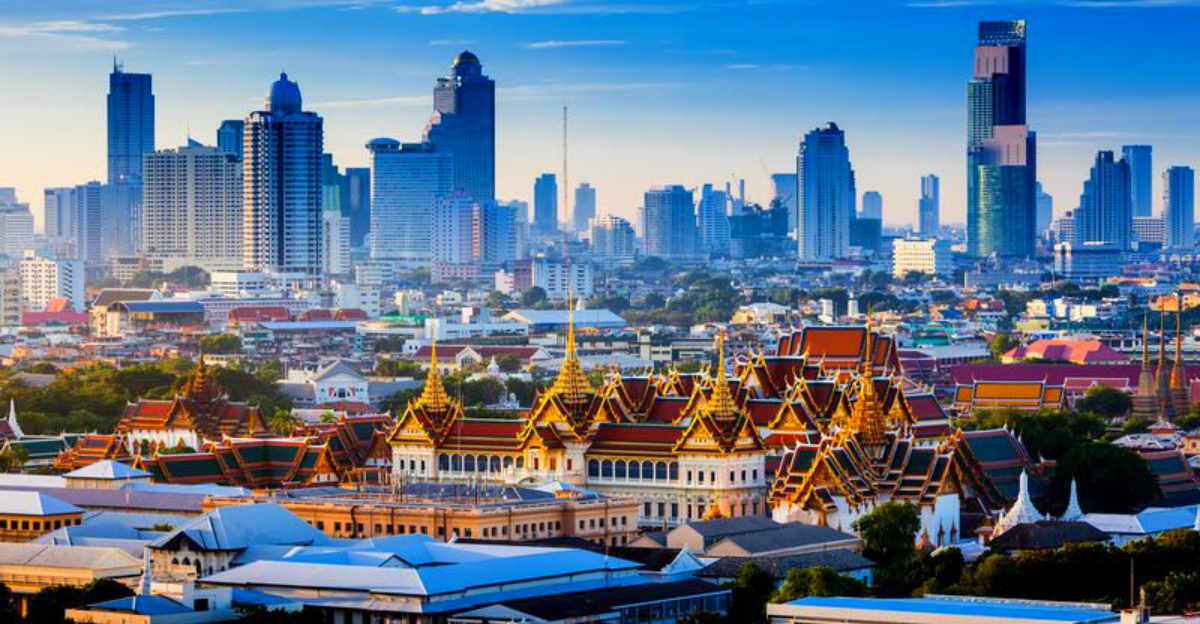
Chiang Mai, Thailand

Why it works — data & conditions
On many 2025 nomad-city rankings as perhaps the most affordable major city base worldwide. Good Rank. Estimated living costs: budget ≈ USD 600–900/month; comfortable ≈ USD 1,000–1,600/month. Well-established coworking scene, nomad meetups, steady internet, and remote-worker infrastructure.
What works best… if you prefer a slower pace, smaller-city comfort, and less hectic urban stress than mega-capitals. Accept simpler housing and lifestyle for affordability. You will appreciate walkable neighborhoods, scooters, local markets, and easy cafe hopping between deep work sprints.
Trade-offs / What to check: seasonal issues include air-quality burning seasons and humidity or weather swings in certain months. Visa remains similar to Bangkok — DTV or other long-stay paperwork needed; tourist-visa overstays or working on a tourist visa risk legal issues. Less hustle and big-city amenities than capitals may feel small town to some.
Verdict: excellent for budget-conscious nomads who want quiet, community, and value.
Lisbon, Portugal

Why it works — data & conditions
Frequently cited among Europe’s top digital-nomad hubs for 2025–26, blending lifestyle, infrastructure, visa options, and community presence. Portugal offers nomad or remote-worker visas, including D-type and a dedicated digital nomad visa, enabling legal long-term residence.
Good quality of life includes stable infrastructure, relatively fair costs compared to many Western capitals, pleasant climate, and a helpful expat and coworking community.
What works best… if you are fine with modest housing, shared flats, or out-of-center apartments to keep budgets reasonable, and want a European base with travel access.
Trade-offs / What to check: housing and rent prices have increased substantially, so a very comfortable lifestyle needs a mid-to-high budget. Heating in older buildings can be poor, so winters feel cold indoors. Visa paperwork, income proof, insurance, and tax compliance add friction.
Verdict: a solid European base if you budget carefully and plan paperwork early.
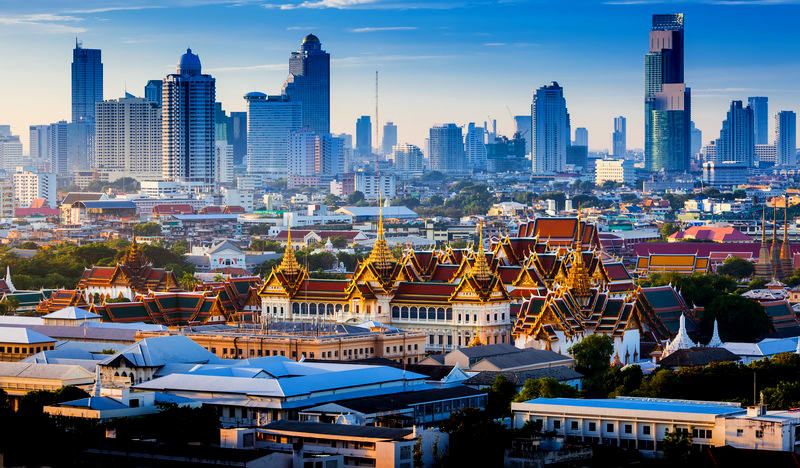
Bangkok, Thailand
Why it works — data & conditions
A 2025 global ranking lists Bangkok as #1 overall for digital nomads, with a weighted score of 91/100, citing affordability, infrastructure, internet, quality of life, and nomad community.
Cost estimates: a budget solo lifestyle ~ USD 800–1,200/month; comfortable ~ USD 1,400–2,200/month.
Internet and infrastructure: Bangkok is frequently singled out as one of Asia’s best for remote work due to stable internet and many coworking spaces.
What works best… if you choose modest or mid-range housing, use public transport rather than frequent taxis, and eat local or moderately. Stay in central or connected neighborhoods for speed and convenience.
Trade-offs / What to check: Thailand recently introduced the Destination Thailand Visa DTV as a proper remote-work visa, but it requires proof of savings or income, and paperwork needs attention. Tropical climate and humidity can challenge some. Internet is reliable in major parts but may vary in peripheral zones. Standard of living vs Western countries is modest.
Verdict: one of the strongest all-around picks if you choose neighborhood and lifestyle carefully.
Lisbon vs Porto, Portugal (Smaller-City Alternative)

Why Porto or similar may interest you — data & conditions
As demand and rents rise in capitals, some nomads pivot to smaller cities like Porto for lower cost, quieter pace, and comparable remote-work infrastructure. 2025 guides list Porto among rising options. Living costs trend lower than major capitals, potentially easier for long stays.
What works best… if you prefer calmer streets, do not require a huge expat hub, and enjoy walkable neighborhoods with cafes and coworking sprinkled around. You can still reach Lisbon by train while nesting in a less pricey base. The wine, river views, and compact center encourage a gentler rhythm for focused work.
Trade-offs / What to check: fewer nomad-specific amenities than capitals and less dense coworking networks. Possibly fewer international routes and slightly limited services. Expect slower bureaucracy and seasonal tourism swings.
Verdict: worth considering as a budget-balanced European base, especially long-term or if you value calm over buzz and want solid European connectivity without capital-city premiums.
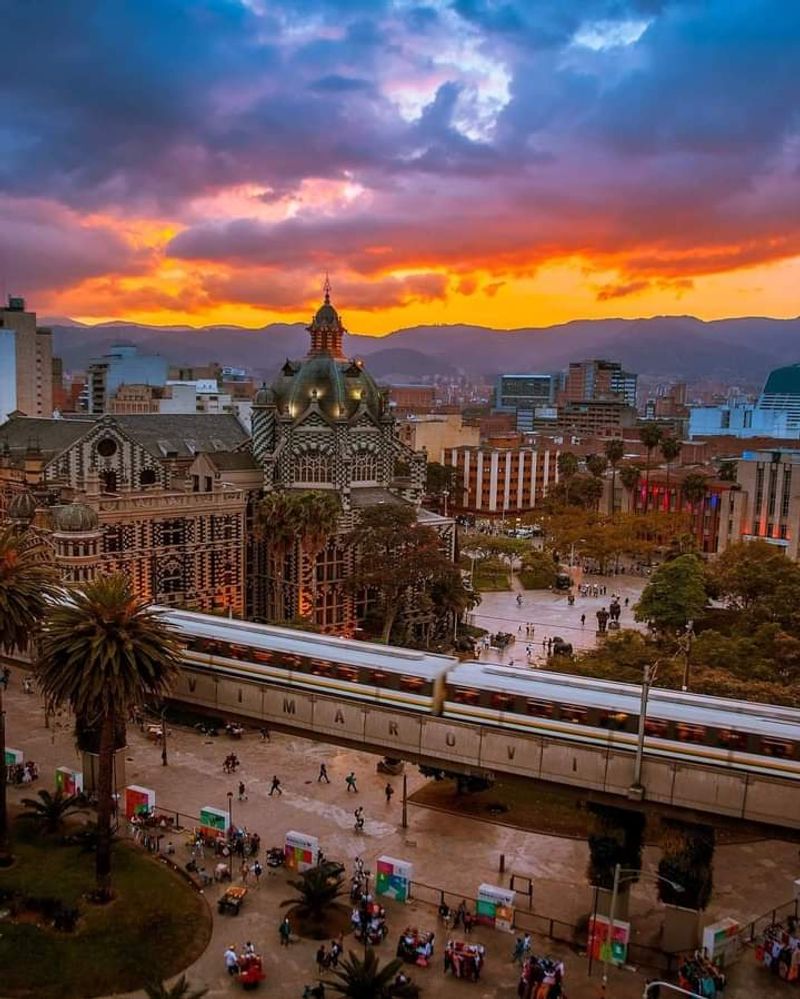
Medellín, Colombia
Why it works — data & conditions
Featured in multiple 2025 guides as a top Latin-American city for remote workers, praised for cost of living, lifestyle, weather, and a growing digital-nomad ecosystem. Costs remain lower than Western cities, enabling comfortable living on modest budgets funded from abroad.
What works best… if you are comfortable with Latin-American culture, a Spanish and English mix, and want a vibrant, warm-climate city. Neighborhood choice matters, with El Poblado and Laureles popular. You will find cafes, coworking, and a social scene that supports both deep work and downtime.
Trade-offs / What to check: infrastructure varies by neighborhood and is not uniform. Visa, residency, taxes, and contract origin can complicate legal standing when working for foreign clients. Cultural, language, and time-zone differences affect routines.
Verdict: a promising non-Euro, non-Asian alternative with great value and climate, provided you plan carefully, choose areas wisely, and stay flexible as you settle in.
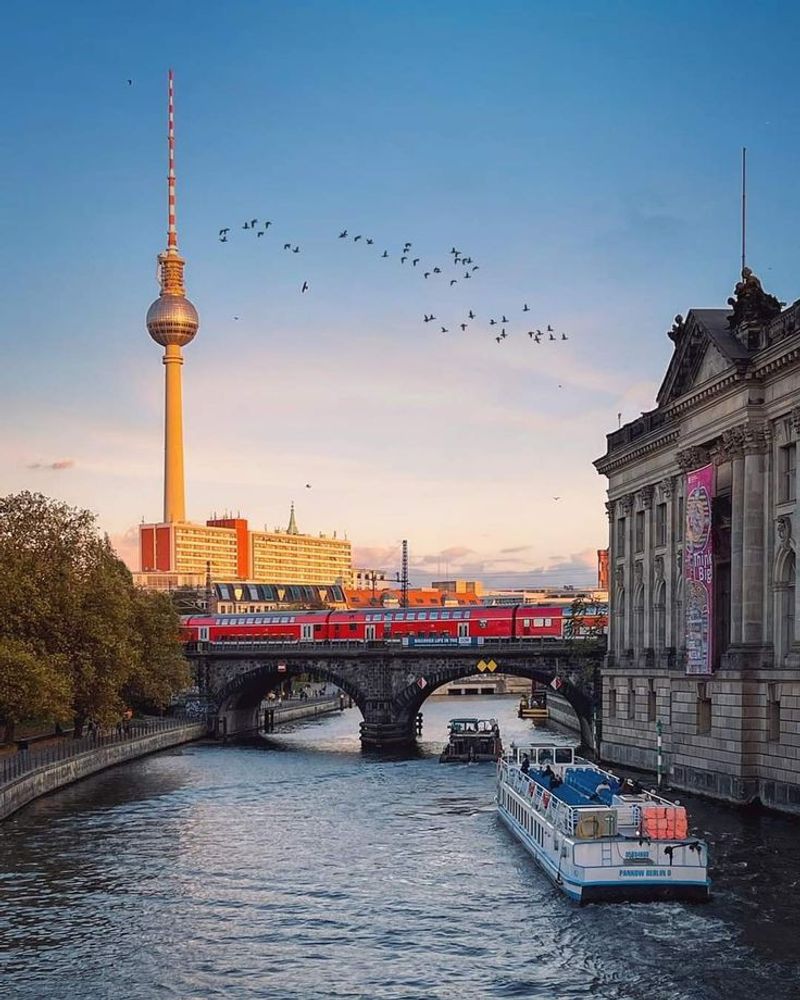
Berlin, Germany
Why it works — data & conditions
Frequently appearing in 2025 lists of top European nomad-friendly cities thanks to robust infrastructure, culture, and a sizable expat community. High quality of life, stable internet, and excellent public services support reliable remote work.
What works best … if you prefer a modern European environment with strong public services, safety, and full urban amenities. If your income is solid, Berlin rewards you with exceptional culture, parks, and easy cycling. You will enjoy abundant coworking spaces and tech meetups that keep skills sharp.
Trade-offs / What to check: costs for housing and daily life run higher than Southeast Asia or Latin America. EU bureaucracy for residency and permits can be complex and slow. Time-zone gaps with clients abroad may strain schedules.
Verdict: best for nomads who value stability, infrastructure, and cultural depth, and who can handle higher costs and paperwork requirements.
Barcelona, Spain

Why it works — data & conditions
Included in many 2025–2026 digital-nomad rankings for Mediterranean climate, culture, reliable internet, and lifestyle balance. Spain offers remote-work and nomad-friendly visas, and living costs outside prime zones can be more manageable than northern capitals.
What works best… if you want a balance of relaxed lifestyle, culture, and European access. Choose modest or non-central housing to maintain budget and avoid peak-season spikes. You will enjoy cafes, beach walks, and strong coworking scenes to stay productive.
Trade-offs / What to check: prime areas can be expensive and tourist pressure raises prices and crowds in high season. Visa and residence documentation remains essential for long stays. Expect noise in busy districts.
Verdict: a strong choice if you value climate, culture, and a middle-ground cost profile, with careful neighborhood and season planning to keep spending in check.
Bali (e.g. Canggu / Ubud), Indonesia

Why it works — data & conditions
Consistently listed among top global nomad destinations for low cost, relaxed lifestyle, nature access, and growing remote-work infrastructure. Many workers find the trade-off of beach life, coworking, and tropical climate compelling compared to Western cost structures.
What works best if you value nature, beaches, wellness, and can adapt to a simple setup. Shared villas and scooters keep costs low. Confirm internet and power stability for your neighborhood, especially if your work is bandwidth-heavy or relies on video calls.
Trade-offs / What to check: infrastructure varies outside main areas and outages happen. Indonesian visas for long stays can be complex, and regulations change, so check current rules. Tropical climate and distance from hubs can feel isolating at times.
Verdict: great for lifestyle-first nomads who plan carefully, choose reliable areas, and keep flexible routines to handle island quirks.
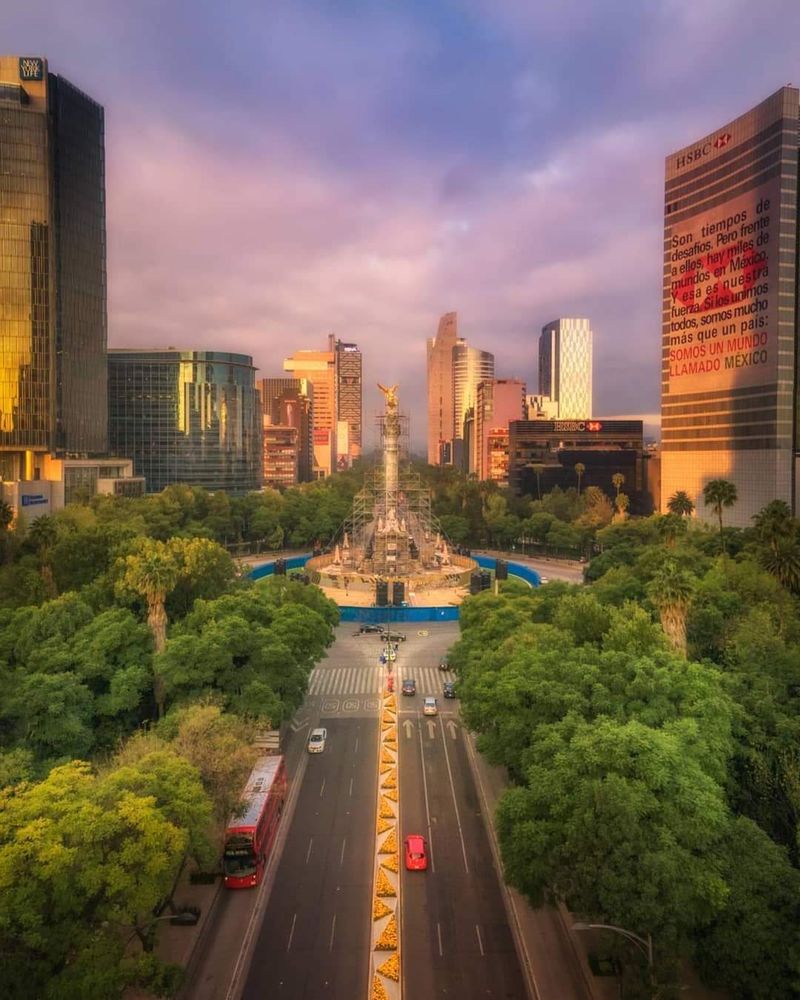
Mexico City, Mexico
Why it works — data & conditions
Appears on several 2025 nomad-city lists for a strong mix of cost, amenities, culture, and remote-work potential. Many coworking spaces, abundant cafes, and urban services support long-term remote living, with costs lower than US and much of Western Europe.
What works best if you enjoy big-city energy with Latin-American flavor. Picking the right neighborhood, like Roma, Condesa, or Polanco, shapes safety, walkability, and amenities. You will find vibrant food scenes, parks, and cultural venues that break up long workdays.
Trade-offs / What to check: safety varies by area, so research blocks carefully and stay aware. Visa and residency status for remote workers needs attention and may be more complex than EU nomad-visa countries. Infrastructure and service quality differ across districts.
Verdict: a compelling option for cultural immersion and manageable costs if you plan housing and connectivity with care.



